Adapted from BMJ 22 August 2026 Professor Scarlett McNally
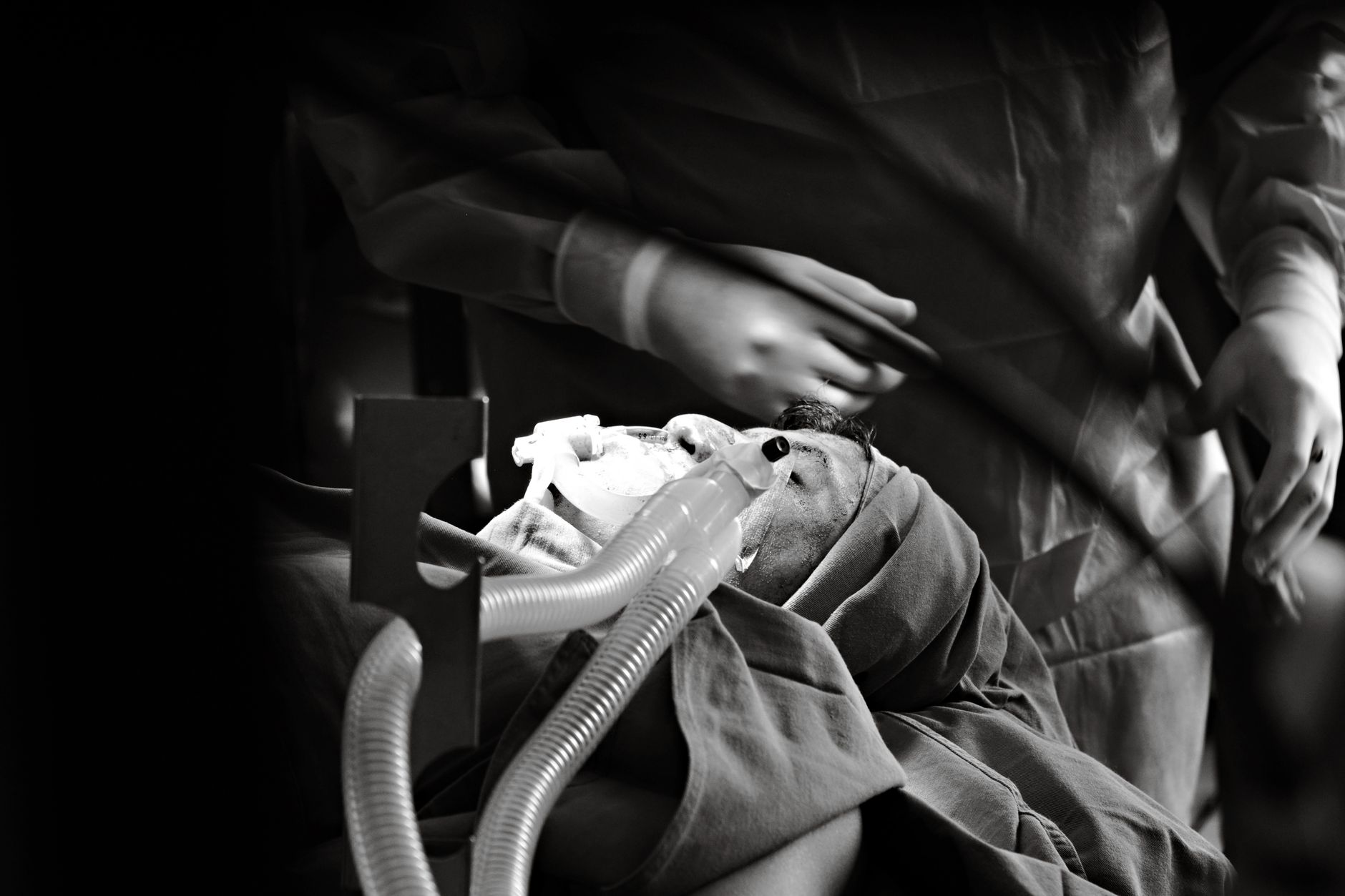
A new report estimates that 1.5 million fewer operations are done in the UK every year because of a shortage of anaesthetists.
Key staff such as anaesthetists are needed to allow elective operations to be carried out. The UK is short of 2,249 anaesthetists and 19% of the ones we have are planning to leave in the next five years. To do this training needs to greatly expand.
In 2025, 6,770 doctors applied for just 539 anaesthetic training positions at core level. After this, there are 25% fewer places in higher anaesthetic training. This means that doctors who have already completed three years core training, cannot progress to registrar level. These doctors already know how to deliver anaesthesia, epidurals, emergency resuscitation, and discuss perioperative procedures with patients. After another four years of higher level training, they become eligible for consultant posts.
Although medical school entry has increased by 39% since 2013, the anaesthetic training posts have remained static for a decade. There are training bottlenecks in other consultant and GP career paths too.
One thing that could reduce the number of operations is a frank discussion on whether the operation will truly improve that patient’s life quality or life expectancy. Surgical regret, complications, and unwarranted surgery are a problem not just for that patient but for the other patients who are still on waiting lists who could really benefit.
The UK needs to get to grips with realistic workforce planning, and it needs to do this now.


