Adapted from BMJ 2-9 May 2026
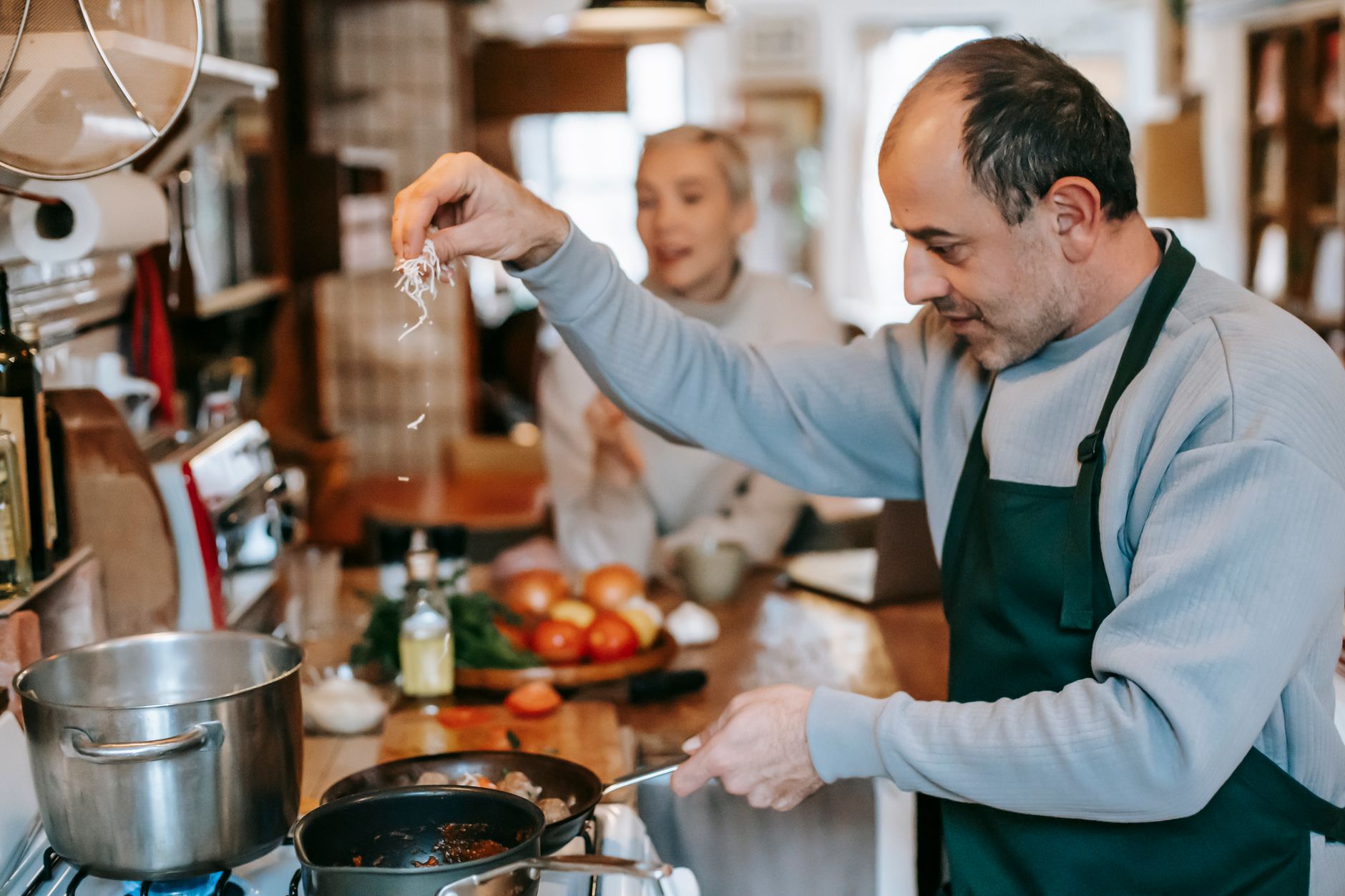
A Japanese study has linked home cooked meals to a reduced risk of dementia.
Among 11,000 adults over the age of 50, those who prepared meals at least once a week were a third less likely to be diagnosed with dementia over six years of follow up. Whether cooking itself is protective or simply indicates a more active and independent life is hard to say. Perhaps those who cook are less dependent on highly processed foods?
Several studies have shown that exposure to green space improves well being, but a randomised study from Zurich, Switzerland, indicates that this is dependent on getting away from traffic noise as well as getting out into a green environment.
Financial insecurity has long term consequences for higher mental function. In a US longitudinal study of more than 7,500 adults aged over 50 years, worsening material circumstances were linked to poorer memory and faster cognitive decline. The associations were strongest in older participants and in those whose circumstances had deteriorated the most.
Grip strength also reflects mental health. In a cross sectional study of more than 500 participants, people who had schizophrenia or depression had lower grip strength than healthy controls.
Strength was lowest in those who had current or past depression and did not fully recover with remission. In schizophrenia, weaker grip correlated with negative symptoms. The researchers think that reduced physical strength may be a marker for impaired motivation and motor function.
Although physical inactivity, hypertension and hyperlipidaemia are well established as risk factors for cognitive decline, a multicentre randomised controlled trial of more than 500 older adults failed to show that dealing with them made much difference.
Neither a programme of aerobic exercise, intensive pharmacological lowering of blood pressure and LDL cholesterol, nor a combination of both interventions, improved global function over 24 months.
My comments: So what can we make of all this? Make healthy home cooked food several times a week. Maybe ask your friends round to share it, and vice versa. Get out for walks in green spaces and say away from the noise and pollution of cars and roads if you possibly can. It will benefit you more. Keep active and balance your walks with strength training. Keep your blood pressure under control, but you don’t need to go great lengths to have the blood pressure of a teenager. And don’t worry too much about your LDL. Low triglycerides and high HDL are much better markers of lipid health and can be achieved by a low carb diet that includes naturally saturated fat.
How much money you have as you age depends on many factors. Did your family have money? What lessons in finance were passed down or learned by you? What was your job and your spouses job? What economic situations have occurred during your lifetime? What are your spending habits? Have you invested carefully? All these things build up over time, and I would say that what you do when you are young to improve your situation is going to matter the most long term. If you are getting on in age, are you getting all of the benefits that you are entitled to?
There are many resources that can help you to manage your money optimally for your circumstances and needs, plan meals, cook, walk and exercise, and particularly if you are young, getting into good habits and sticking with them will reap great rewards later on.


