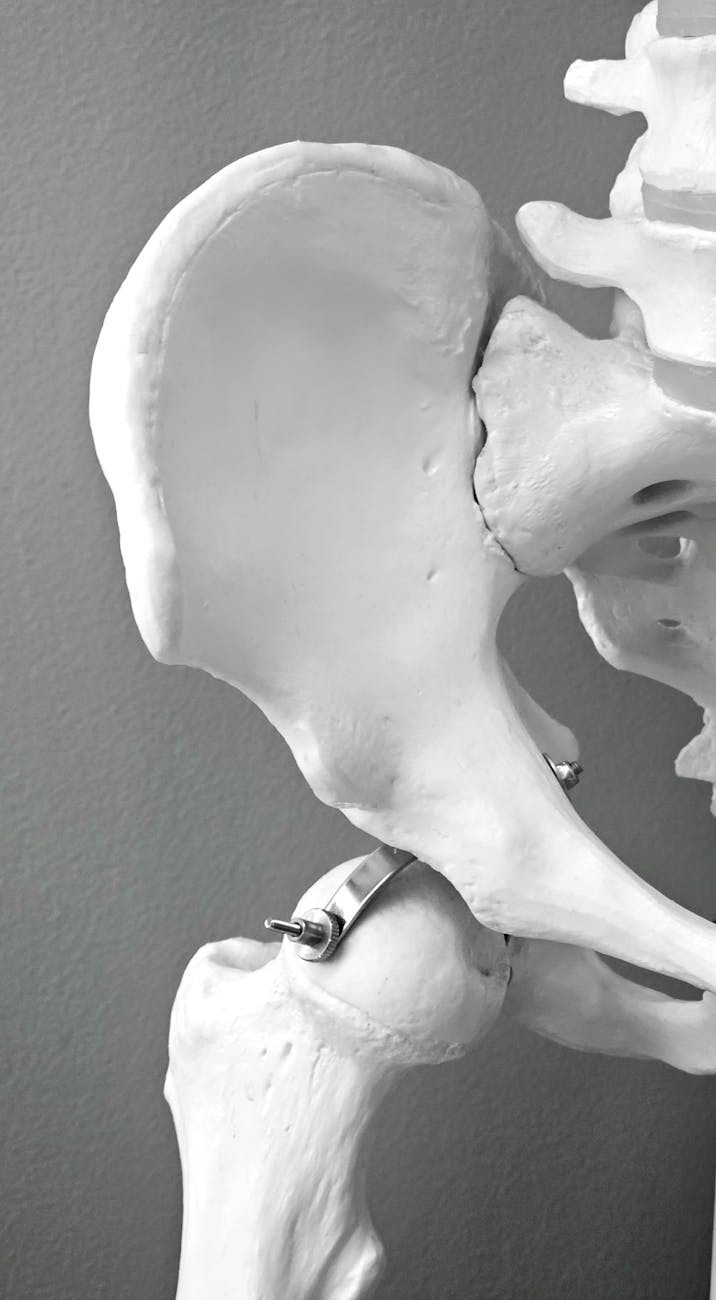
Adapted from BMJ 21-28 March 2026
I first heard about hip joint replacements while I was a child watching Michael Barratt on the news programme Nationwide in the late 1960s. There was a brand new operation that could change the lives of those who had hip joint arthritis or hip damage from falls.
In the 80’s, a major new development was a closed air system in the operating environment that reduced the infection risk.
In the 90’s and beyond, as a GP, I told people that they could expect a new hip to last 15 years, and that another hip joint replacement could be expected after that, but that it usually was never as long lasting as the first one. I urged them to keep their weight down and to retain as much mobility as possible to keep their muscle strength up.
Now, the great news, is that modern hip joints should last the user for the rest of their life. 93.6% of new hip joints last at least 20 years. 92.1% are expected to last 30 years or more.
As a general rule, because of the life expectancy of artificial hip joints, orthopaedic surgeons don’t want to replace the joint till a person is over the age of 60. Results of hip joint replacement aren’t as good in patients over the age of 75, mainly due to their lower muscle mass and strength.
For best results, eat sufficient protein, do your best to keep your weight at normal levels, and keep strength training to keep muscle mass up. This gives your hips the best chance of getting the best results from a hip joint operation.
Meanwhile, research on the best footwear to use after hip joint replacement shows no difference in pain whether you use a flat soled stiff shoe or a flexible shoe.


