Adapted from BMJ 9 August 2025
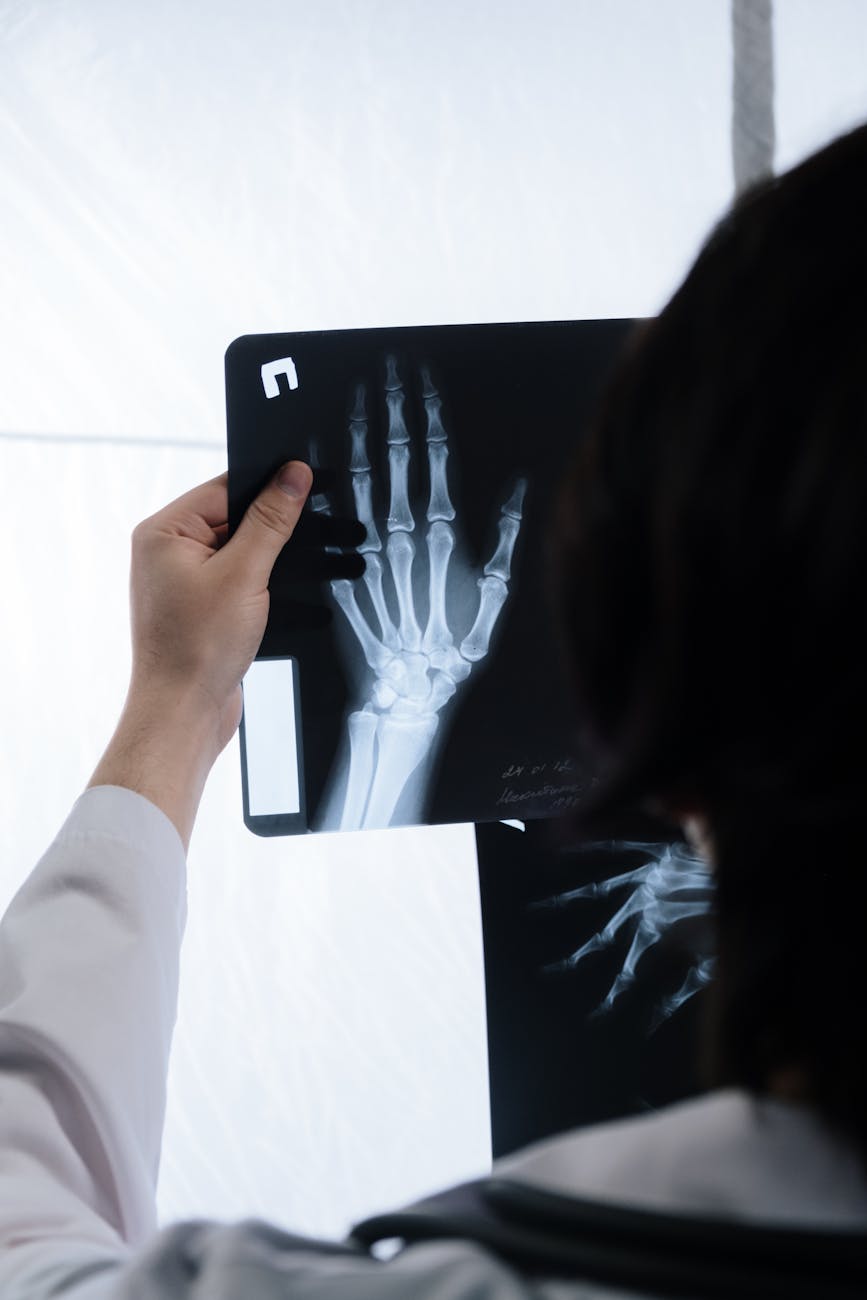
In my young days as an orthopaedic surgeon, used to see a lot of trauma from motorbike accidents and accidents to manual workers. Most fractures are now due to minor falls, and due to the high amount of osteoporosis in the population, these are usually at the hip, wrist, upper humerus and vertebral bodies.
Half a million or so fragility fractures occur in the UK every year. This number is expected to rise by 25% by 2034. 2% of women at the age of 50 have osteoporosis and this reaches 50% by the age of 80. One in four Britons will get an osteoporotic fracture in their lifetime.
The Reduce study found that the length of hospital stay could be reduced by early post operative mobilisation and multi-disciplinary meetings with less surgical focus.
Half of all people who have a hip fracture have had a previous fragility fracture. The first fracture would be a good time to intervene in order to prevent further fractures. Breaking bones, losing height and having curved spines, is not an inevitable part of aging. Half of osteoporotic fractures can be prevented.
Exercise and anti-osteoporotic medicines are the backbone of treatment. A diet of oily fish and not being too thin are helpful. Bone enhancing oestrogen is manufactured in peripheral fat after the menopause.
Bones and muscles respond to how much we use them. Muscles get bigger with activity and make falls less likely. Bones increase in density with strength training. Balance and posture are also important factors to improve. Inactivity for whatever reason creates a vicious circle where bones get progressively weaker.
All medical staff and carers of older people need to embrace preventative strategies to optimise bone health and encourage activity and strength training to reduce fractures.

 Diabetes Diet
Talking about reversing stuff, I recently read that plain, raw cocoa powder could remove plaque from arteries. Ever heard anything like that?
LikeLike
I haven’t heard that. Cocoa does have antioxidants so in moderation could be a healthy drink. We do tend to add sugar to it though.
LikeLike