Adapted from BMJ 28 September 2024
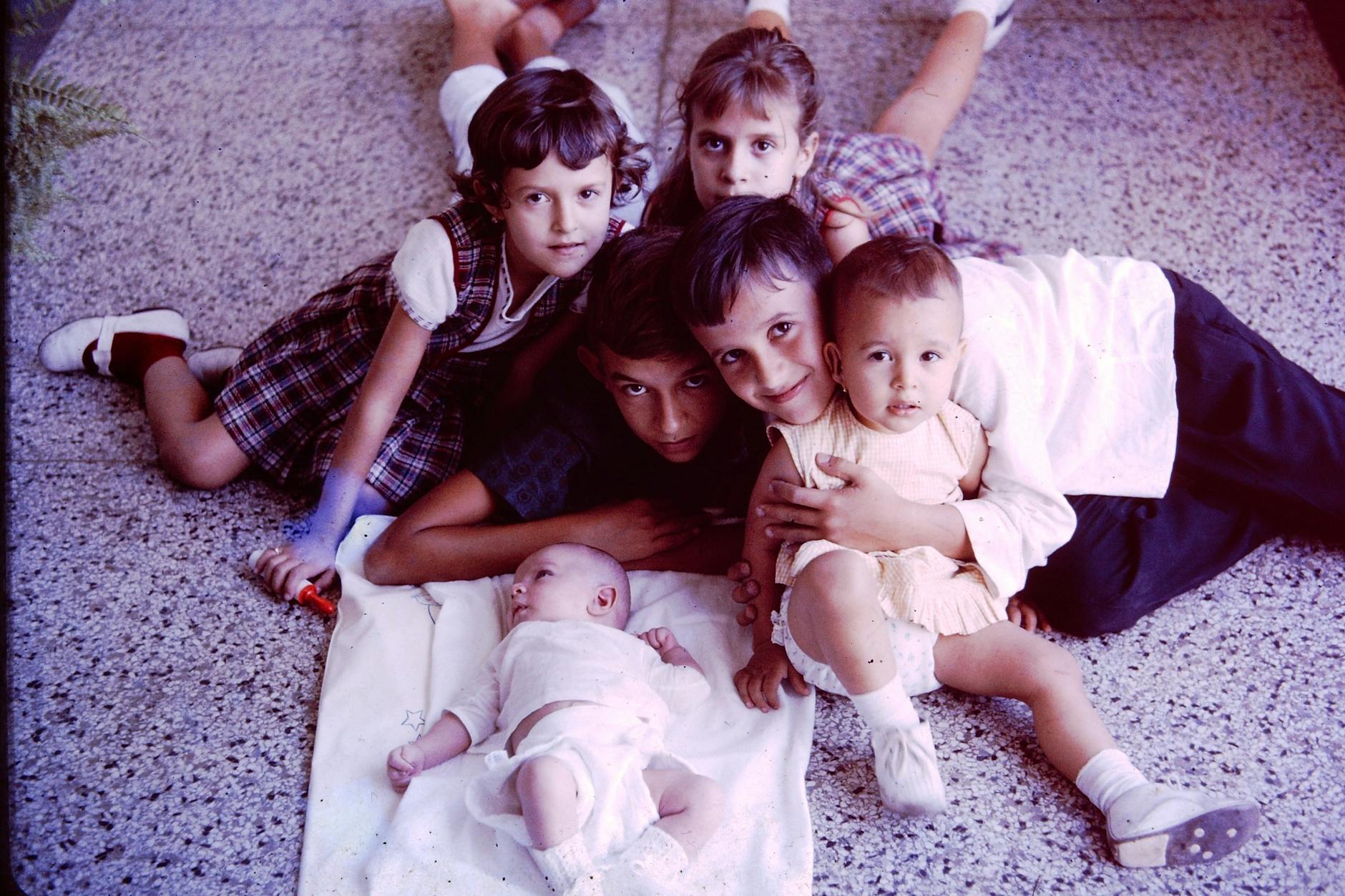
British birth cohort studies have looked at the future health of only children compared to those from larger families. Those born in 1946, 1958 and 1970, who were only children, had no differences in the risk of heart problems, hypertension, high triglycerides, high glycated haemoglobin, or high C-reactive protein compared to those who had siblings, by the time they reached middle age.
However, the risk of cancer and poor general health was higher in those with three or more siblings.
My comment: Given my hunch that richer families tend to have fewer children, I sought further information from AI. There are strong links between health and socio-economic status, and the wealth of the parents, does tend to affect the wealth of the adult child.
The highest quintile socio-economically in European families, do tend to have the fewest children, having on average 1.5 to 2.0 children. Group 2 has 1.8-2.24. Group 3 has 2.0-2.55. Group 4 has 2.3 -2.7 and the lowest quintile has 2.5-3.0 children.
The number of children are affected by education and career aspirations, family planning access, and lifestyle factors.
I do think that researchers could have looked at the health of large sized families from wealthy families compared to poorer families to tease out how marked these differences were.

 Diabetes Diet