Anger and exercise CAN trigger heart attacks

running

Can Anger and Exercise Trigger a Myocardial Infarction?

Diabetes in Control October 29th 2016

An International study explores the role of physical exertion, anger, and emotional upset in triggering acute myocardial infarction.

In the INTERHEART study, researchers explored the triggering association of acute physical activity and anger or emotional upset with a myocardial infarction (AMI) to quantify the importance of these potential triggers in a large, international population.

INTERHEART was a case-control study of first AMI completed in 262 centers across 52 countries. In this analysis, they included only cases of AMI and used a case-crossover approach to estimate odds ratios for AMI occurring within 1 hour of triggers.

Trained study staff performed a standardized physical examination on participants and administered a structured questionnaire. Participants with AMI (cases) were asked the questions, “Were you engaged in heavy physical exertion?” and “Were you angry or emotionally upset?” in the 1 hour before the onset of symptoms and during the same hour on the previous day.

Control participants were asked, “During the last 24 hours, were you engaged in heavy physical exertion?” and “During the last 24 hours, were you angry or emotionally upset?”

Data were also collected on age, ethnicity, diet, physical activity, tobacco use, education, employment, psychosocial factors, and cardiovascular risk factors. Anthropometric measurements (height, weight, waist, and hip circumference) were measured in a standardized manner.

Medical history (diabetes mellitus, hypertension, angina, stroke, other vascular disease, and depression) and baseline medications were self-reported. Smoking was categorized as never smoking, former smoking, or current smoking. Obesity was defined as body mass index of ≥30 kg/m2.

Countries were grouped into 10 geographical regions: Western Europe, Central and Eastern Europe, Middle East and Egypt, Africa, South Asia, China and Hong Kong, Southeast Asia and Japan, Australia and New Zealand, South America and Mexico, and North America.

Physical activity was categorized as mainly sedentary, mild exercise, or moderate/strenuous activity. Stress was categorized as none or some periods of stress versus several periods or permanent stress. Education was categorized as none, 1 to 8 years, 9 to 12 years, trade school, or college/university.

Of 12,461 cases of AMI, 13.6% (n=1650) engaged in physical activity and 14.4% (n=1752) were angry or emotionally upset in the case period (1 hour before symptom onset).

Physical activity in the case period was associated with increased odds of AMI (odds ratio, 2.31; 99% confidence interval [CI], 1.96–2.72) with a population-attributable risk of 7.7%.

Anger or emotional upset in the case period was associated with increased odds of AMI (odds ratio, 2.44; 99% CI, 2.06–2.89) with a population-attributable risk of 8.5% (99% CI, 7.0–9.6).

There was no effect on modification by geographical region, prior cardiovascular disease, cardiovascular risk factor burden, cardiovascular prevention medications, or time of day or day of onset of AMI. Both physical activity and anger or emotional upset in the case period were associated with a further increase in the odds of AMI.

From the results, it was reported that physical exertion and anger or emotional upset are common in the 1 hour before the onset of symptoms of AMI and that either exposure may act as an external trigger for AMI in all age groups. We report no differences by geographical region, previous cardiovascular disease, cardiovascular prevention medications, cardiovascular risk factors, and INTERHEART risk score.


Circulation. http://circ.ahajournals.org/lookup/suppl/doi:10.1161/CIRCULATIONAHA.116.023142/-/DC1 and http://dx.doi.org/10.1161/CIRCULATIONAHA.116.023142. 2016;134:1059-1067   
Seasonal Low-Carb Dishes

diabetes diet
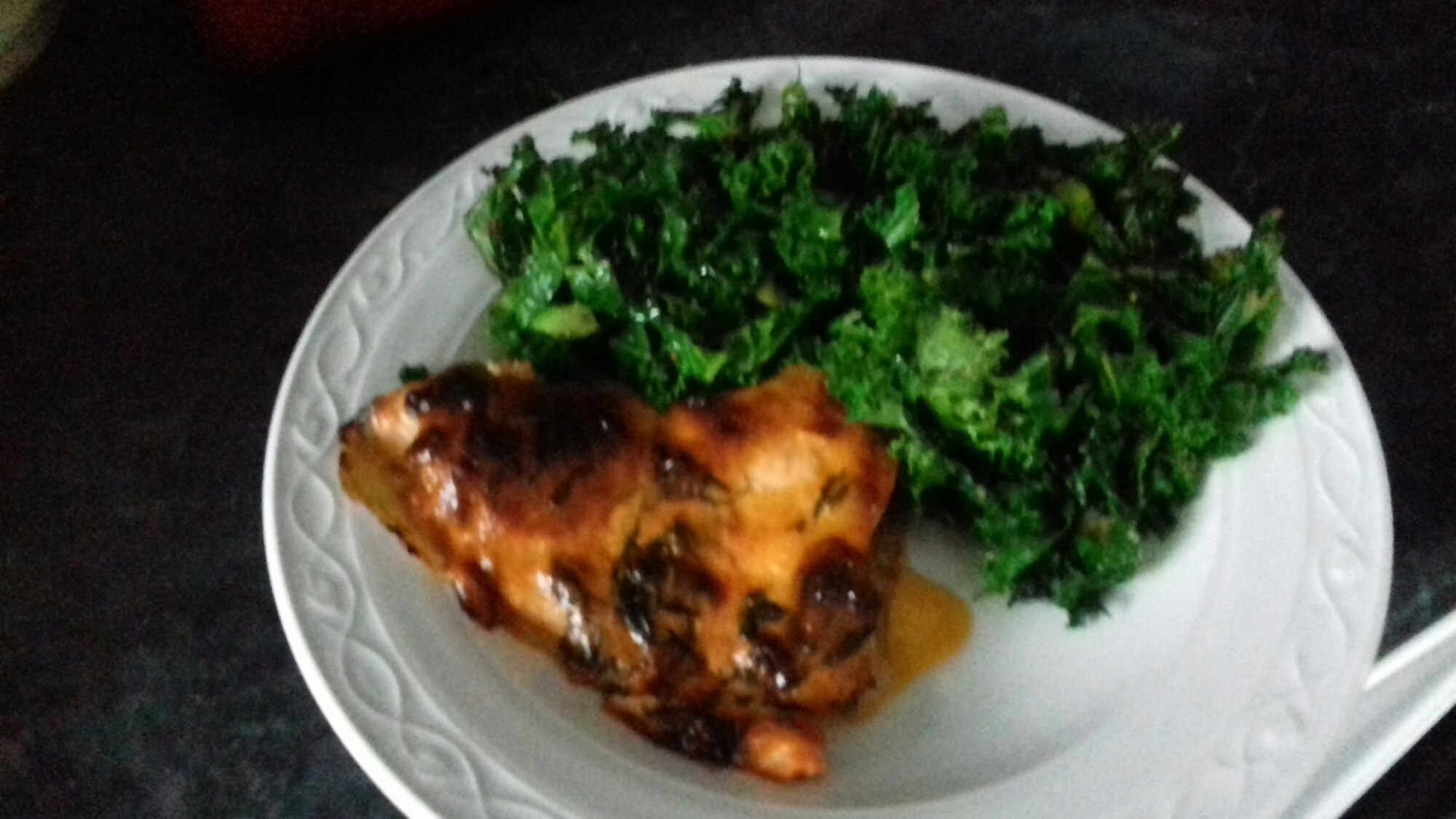
Mediterranean trout with kale.

February is almost at an end – as it the season for many fruit and vegetables we associated with this time of year.

Nevertheless, we’ve done a round-up of what’s in season at the moment. If you eat seasonally, you get food at its best. It also means less food miles, as the food can be produced in the UK and has therefore not had to travel as far to get to your plate.

Fruit

  • Lemons
  • Clementines (coming to the end of their season)
  • Pears (coming to the end of their season)
  • Kiwis

Vegetables

  • Brussel sprouts
  • Cauliflower
  • Celeriac
  • Leeks
  • Kale
  • Purple sprouting broccoli

Meat and fish

  • Turkey
  • Salmon

If you want some recipe ideas for what to do with what’s in season, you could try:

Enjoy!


Jovina Cooks Italian: Marsala mushroom sauce


mushrooms


Once again Jovina shows us how little additions of garlic, herbs and wine can bring a little touch of Italy into your life, wherever that is. 

Garlicky Marsala Mushroom Sauce

This sauce can be  folded into an omelet or served with pan-fried chicken breasts or over pork chops.

Ingredients

  • 5 tablespoons extra-virgin olive oil, divided
  • 1 pound white mushrooms, caps quartered
  • 1 pound shiitake mushrooms, stems discarded, caps quartered
  • Salt and freshly ground pepper
  • 4 large garlic cloves, 2 thinly sliced and 2 minced
  • 1 medium shallot, thinly sliced
  • 1 1/2 teaspoons minced rosemary
  • 1/2 cup dry Marsala wine
  • 3 tablespoons balsamic vinegar
  • 6 Kalamata olives, pitted and coarsely chopped
  • 2 tablespoons minced chives

Directions

In a very large skillet, heat 2 tablespoons of the olive oil. Add the white and shiitake mushrooms, season with salt and pepper, cover and cook over moderately high heat for 5 minutes, stirring once. Uncover and cook over high heat, stirring once, until the mushrooms are browned all over, about 3 minutes.

Add the sliced garlic, the shallot and rosemary and cook, stirring, until fragrant, about 2 minutes. Add the Marsala and cook until evaporated, about 30 seconds. Add the vinegar and cook, stirring, for 30 seconds. Stir in the minced garlic, chives, olives and the remaining 3 tablespoons of olive oil and season with salt and pepper. Cover and keep warm.

From Cooking The Italian Provinces – Trapani | jovinacooksitalian

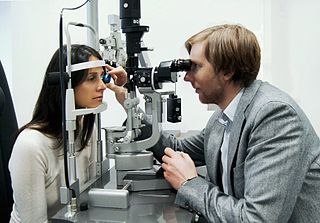
Can supplements help diabetes related visual problems?

slit_lamp_examination
Are supplements a waste of money? This article from Diabetes in Control describes and experiment to find out…..
 Do Supplements Help Diabetes Vision?

June 26th, 2015


This was a 6-month randomized, controlled clinical trial of patients with type 1 and type 2 diabetes with no retinopathy or mild to moderate non-proliferative retinopathy assigned to twice-daily consumption of placebo or a novel, multi-component formula containing xanthophyll pigments, antioxidants and selected botanical extracts.

Measurement of contrast sensitivity, macular pigment optical density, color discrimination, 5-2 macular threshold perimetry, Diabetic Peripheral Neuropathy Symptoms, foveal and retinal nerve fiber layer thickness, glycohemoglobin (HbA1c), serum lipids, 25-OH-vitamin D, tumor necrosis factor α (TNF-α) and high-sensitivity C reactive protein (hsCRP) were taken at baseline and 6 months. Outcomes were assessed by differences between and within groups at baseline and at study conclusion using mean ± SDs and t tests (p<0.05) for continuous variables.


The results showed that there were no significant intergroup differences at baseline. At 6 months, subjects on active supplement compared with placebo had significantly better visual function on all measures (p values ranging from 0.008 to <0.0001), significant improvements in most serum lipids (p values ranging from 0.01 to 0.0004), hsCRP (p=0.01) and diabetic peripheral neuropathy (Fisher’s exact test, p=0.0024). No significant changes in retinal thickness, HbA1c, total cholesterol or TNF-α were found between the groups.
The researchers concluded that this study provides strong evidence of clinically meaningful improvements in visual function, hsCRP and peripheral neuropathy in patients with diabetes, both with and without retinopathy, and without affecting glycemic control.

A. Paul Chous. The Diabetes Visual Function Supplement Study (DiVFuSS). Br J Ophthalmol doi:10.1136/bjophthalmol-2014-306534.

Leoni at Low Carb Store: Blueberry and Lemon Loaf

lemon-181650_960_720This recipe is from Low Carb Store and was invented by Leoni, their resident dietician.


 

Ingredients

  • 125g almond flour
  • 3 eggs
  • 75g inulin
  • 100g blueberries
  • Zest of 1 lemon
  • 45g butter
  • 2 tsp vanilla extract
  • 1 tsp baking powder

Nutrition Per Slice

Recipe makes 10 slices


Net (Total) Carbs 2.3g
Fat 8.5g
Protein 4.9g
Fibre 7g
Calories 122kcal


Create It


Pre-heat your oven to 180°c then grease and line your loaf tin (we used a 12cm x 28cm). In a mixing bowl combine the almond flour, eggs, baking powder, vanilla and butter. Next gently fold in the berries, lemon zest and inulin using a spoon. Pour into your prepared tin and bake for about 25 minutes, until your kitchen fills with a delicious aroma and the loaf is golden brown. Devour hot and buttered!


Options – keep a few berries back and add to the top of the loaf before popping in the oven. You could also try adding some dark chocolate chunks if your carbs allow or some cinnamon for a hit of autumnal spice! Get creative and make it your own.

Margaret Coles: Invite this Physiotherapist into your home

At  www.movingtherapy.co.uk. you can find Margaret Cole’s free educational resource to help your health and well being.

home-physio

Margaret worked as a community physiotherapist and when she retired she decided to put her knowledge and experience to good use. She produced videos covering a lot of different situations that you can face regarding your physical and mental states and has put them on the site. She also gives advice on how to lose weight.   People from all over the world have visited the site since 2011.

NHSinform Scotland and her local authority also promote the site.


Love Yourself – Follow a Low-Carb Diet!

loveWe’re following tradition here at the Diabetes Diet. What do you do when it’s Valentine’s Day? Try to squeeze in a reference to love in any online activity. And hearts of course. I’m going to try to do both.

If you have diabetes, type 1 or type 2, your body doesn’t respond well to carbohydrates. You can eat a diet high in carbohydrates – it’s just that you won’t feel very well, short-term. In the long-term, a diet high in carbohydrates can lead to high blood glucose levels. This in turn will damage your body and shorten your life.

So, if you love yourself, follow a low-carb diet to minimise the risks of diabetes!

Here’s how to do it.

Read up on all the advice out there. We have a book, The Diabetes Diet that sets out the benefits of low-carb eating. It also includes recipes, daily menu plans and advice about how to manage your medication on a low carb diet. Check out lowcarbdiabetic, a great website for people looking for information and help with their condition.

Follow blogs. Blogs like ours regularly feature low-carb recipes and information and advice for people with diabetes. There are lots of great low-carb blogs out there. See fittoserve, Authority Nutrition, and the Diet Doctor.

Buy some recipe books. A great all-rounder is 500 Low Carb Recipes by Dana Carpender, although bear in mind it is an American book so the measures and some of the ingredients will be unfamiliar. The celebrity chef Tom Kerridge has a new book out now – The Dopamine Diet*, featuring the low-carb recipes that helped him lose 11 stones.

Get yourself a carb guide. Online dieting apps are the most useful source for carb guides. Remember that might need to minus the fibre content from the total carbohydrate content. Myfitnesspal offers the most extensive database.

Enjoy it! Low-carb eating is one of the most satisfying and delicious diets you will eat. Cheese, cream, juicy pork chops, grilled sirloin steaks, salmon topped with mayonnaise… what’s not to love? Try out some of our recent recipes:

Think of the benefits. More energy, lower blood glucose levels (leading to less risk of heart disease, see I told you I was going to shoehorn hearts into this piece somewhere), better skin, fat loss if it’s needed – all these are bonuses of low-carbing.


*Review to come!

Jovina Cooks Italian: Fruit with Mascarpone and Marsala

strawberries

Strawberries are traditionally used in this Italian dessert from Trapani Italy, but given our seasonal constraints, feel free to use any fruit that appeals. This would make a nice treat for Valentine’s day.

Strawberry, Mascarpone, and Marsala Budini

Budini is Italian for puddings or parfaits.

Makes 6 servings

Ingredients

1 8-ounce container mascarpone cheese

  • 6 tablespoons sweet Marsala (preferably imported)
  • 3 tablespoons whipping cream
  • 3 cups sliced hulled strawberries (about 15 ounces)
  • 2 1/4 cups coarsely crumbled amaretti cookies (Italian macaroons; about 4 1/2 ounces)

Directions

Combine mascarpone, 3 tablespoons Marsala, and cream  in medium bowl. Stir gently until well blended.

Combine strawberries, remaining 3 tablespoons Marsala in another medium bowl; toss to blend. Cover mascarpone and berry mixtures; refrigerate 30 minutes.

Place 2 tablespoons crumbled cookies in each of 6 champagne goblets. Divide strawberry mixture with juices among the goblets.

Top berries with mascarpone mixture, then remaining cookies. Cover and chill at least 30 minutes and up to 2 hours.

Do you take a pair of “old faithfuls” on holiday?

21650330543_cf5198641b_b

 Many of us bring our best and newest footwear on holiday. But is it a good idea? This article from Diabetes in Control discusses the matter.

A Lot to Learn from Your Patients

I teach patients how to care for their feet, how to prevent foot problems, and how to treat them if they should have problems.

I have had so many patients return from vacation with foot wounds due to the particular shoes they were wearing. Some didn’t bring enough shoes or bought and wore brand new shoes, while some wore the type of shoes we don’t recommend and some didn’t wear shoes at all.

As I write this, I am on vacation. Before leaving, I thought about the above. I needed new shoes for the trip, so I bought 2 pair of the same shoes, one normal width and one wide. I didn’t have much time before leaving, but I did practice wearing them before leaving. “Something” told me to also bring a pair of old faithfuls…shoes I have worn a lot and had no problem with.

I’m so glad I heeded my own teaching. The first day, in one of the new pair of shoes, it went pretty well, no pain or redness. After wearing them all daytime, I changed to old faithful that evening. The next morning I noted a little redness and soreness on an area of my foot. I took no chances. I wore the pair with the wide width that day. No problems.

I thought about the wisdom we teach our patients. Glad to have feeling and sight to prevent a problem I’m sure would have occurred…more personal ammunition to teach my patients.

Lessons Learned:

  • When helping your patients prepare for travel, always teach to take more than one pair of shoes. If they are taking new shoes, this is especially important. And…always take a pair of “old faithfuls.”
  • Whether traveling or not, teach your patients to “listen” to any sign of redness, soreness, or pain that is telling them to wear different shoes.
  • Always teach the importance of looking at feet at least daily for changes and treat them early.
  • Remember, what’s good for people who have diabetes is most likely good for everyone.
  • Heed your own knowledge and practice what you teach.

Joy Pape, FNP-C, CDE, CFCN, FAADE
Associate Editor, DiabetesInControl

(My comment: personally I always bring Compeed Plasters on holiday and I put them on at the first sign of skin irritation. If you wait till the end of a walk its too late! I’ve become very fond of Sketcher’s Go Walk 2 shoes as well)


Rick: What Mary Tyler Moore meant to my mother

mary_tyler_moore_dick_van_dyke_1964

For me, Mary Tyler Moore represented what it meant to be both successful and a person with Type 1 diabetes.   My parents and I watched her program each week and I can recall my mother saying she has type 1 diabetes like I do.  Meaning like my mom did.  Her apparent health gave me hope and by extension the belief that my mom might be OK.  I can recall when I was diagnosed with diabetes that my mom said, you can do anything and Mom used Mary Tyler Moore as an example of a successful person with diabetes.

American feminism defined

Mary Tyler Moore represented American feminism in the 1970’s as America’s most successful middle aged working woman on TV who was not married.  The Mary Tyler Moore Show was about adults facing adult issues, in an adult and humorous way.  We often forget that the Mary Tyler Moore Show was about women making it in the world without a man to guide them and doing so successfully.  It was as much a revelation in sitcoms as was All in the Family, That Girl or the Jefferson’s to name a few.

Mary Tyler Moore was diagnosed with diabetes at age 33 and she embraced being a person with type 1 diabetes during her career.  For me, when I was diagnosed in 1974 I learned something about how to say I have diabetes from Mary Tyler Moore.  I can say that when I saw such a successful person with type 1 diabetes I related to her career and causes.

In later years I followed Mary Tyler Moore’s struggle with retinopathy and I always marveled at what a remarkable figure she was both for the diabetes community and as a woman who never let diabetes get in her way as an actress or human being.

More than diabetes

But she was about more than just diabetes.  She embraced animal rights organizations and commented that she wished to be remembered as an animal rights activist.  Most of us are content to be remembered for one thing, let alone two major causes.

Most of my readers know that my mother was very ill with complications from type 1 diabetes beginning in the 1960’s until 1986 when she passed at age 46.  When I was 13 and heard Mary Tyler Moore had diabetes it gave me hope that my mother might be ok, hope for my mother’s health was in short supply then.  When I heard that Mary Tyler Moore had retinopathy and was using laser treatments like my mother she gave me a belief that my mother might one day see again.    When my mother died, Mary Tyler Moore’s advocacy for diabetes causes gave me an example of what I, as a person with type 1 diabetes, should do for my community.    When Mary Tyler Moore died last week I cried and said thank you for her 50+ years of service to my community.

I know we have lost a friend of our community, but like many of us who loved her advocacy I feel like I have lost a friend of the family.

Rick Phillips.