We bought a new cat bed, I mean microwave, in the January sales.
We treated ourselves to a new microwave recently – spending a whole £50 on one from Wilko.
Microwaves are great when it comes to low-carb diets and cutting down time in the kitchen. You can cook fish fillets in minutes in a microwave. Just remember to cover them up properly or you’ll find it difficult to get rid of the smell. Microwave half a lemon on high for a minute and this will help clean the microwave and banish fishy smells.
You can also poach eggs in a microwave. Crack an egg onto a greased saucer, prick the yolk a couple of times with a fork and cook at about 80 percent in three to four 20-second bursts, leaving the egg to rest for 20 seconds or so in between. It’s really important to prick the yolk and cook the egg in short bursts to stop it exploding…
Cook omelettes the same way. Beat up two to three eggs with a little milk or cream and pour onto a greased side or dinner plate. Cook in 20 and 30-second bursts until cooked.
You can also make scrambled eggs, again cooking the eggs in bursts and mixing well in between to break up the big ‘curds’ that develop. Cook them in a greased bowl, for easier cleaning.
Another trick is to use the microwave to soften avocados – you know, those ones you bought from the supermarket that promised you they were ready to eat?! Prick the skin all over and microwave on a medium or low setting in 30-second bursts. It should feel softer – if not, give it one more 30-second blast until it is.
I’ll ‘fess up. The real reason I wanted to do this blog was so I could post a cute picture of my cat acting as the sous chef.
As cat owners will know, moggies love supervising in the kitchen. They get to sit up high with a bird’s eye view of everything, it’s nice and warm and there’s always the chance their owner might not pay full attention, allowing for the stealth theft of meat or cheese.
Non-cat owners might balk. This doesn’t look hygienic, I grant you. But pets are brilliant for your immune system as it gets to practise fighting germs on a small scale and makes it better prepared for bigger assaults.
That’s my story and I’m sticking to it.
The recipe is for creamy baked leeks, based on a Jamie Oliver recipe I adapted. It goes well with a roast chicken leg or on top of a steak.
Melt the butter in a large frying pan and add the onions and leeks. Turn down the heat and cook gently, stirring from time to time, for seven minutes. Add the garlic and thyme and cook for another couple of minutes.
Tip the lot into a bowl and add the grated cheese, cream and some salt and pepper. You won’t need much salt as the cheese is salty.
Pop in a shallow, oven-proof dish and cook in a pre-heated oven (180 degrees C) for 20 minutes.
Recipe contains about 10g net carbs per serving for three.
In a medium bowl, mix the shrimp, 1 tbsp olive oil, chili powder, cumin, salt and lime juice. Let sit in the fridge for 5-10 minutes before cooking.
In a large bowl, mix all of the ingredients for the salsa. Set aside.
Heat a small to medium skillet on medium with the rest of the olive oil. Once hot, add in the marinated shrimp. Cook for about 5 minutes, until the shrimp is not opaque.
Put some chopped cabbage on a plate, put6 warm shrimps on top with the salsa on top of this.
Enjoy!
(originally published on cleanfoodforthought and reproduced by kind permission)
Are you low-carbing for Christmas? A lot of traditional Christmas food fits well with a low-carb diet and, with the addition of a few good substitutes, you don’t need to feel you are missing out on anything.
Crisps and dips. Most dips – guacamole, blue cheese dip etc – are low-carb. For dipping, use raw vegetables instead of crisps.
Starters. Pates can be served without toast or oatcakes and prawn cocktail without the bread. The latter is a nice light starter. Serve the prawns and sauce in Little Germ lettuce leaves. To make cocktail sauce to dress 200g prawns, mix four tablespoons of mayonnaise with one of tomato puree. Add a teaspoon of brandy and a few drops of Tabasco. Or try this broccoli and Stilton soup for green-y goodness.
Turkey, ham and sausages are all obvious. Help yourself! Remember, that a meal such as this will be heavy in protein. People on insulin need to take this into account. Our book The Diabetes Diet highlights what you do to cover protein, but see this post too for further clarification.
Gravy does have carbs because it is usually thickened with flour. However, this isn’t significant so don’t worry about it unless you are on a gluten-free diet. Cornflour is suitable for gluten-free diets and this can be used instead.
The classic stuffing uses sausage meat and bread crumbs, both of which have carbs. If you want some, keep it to a small amount.
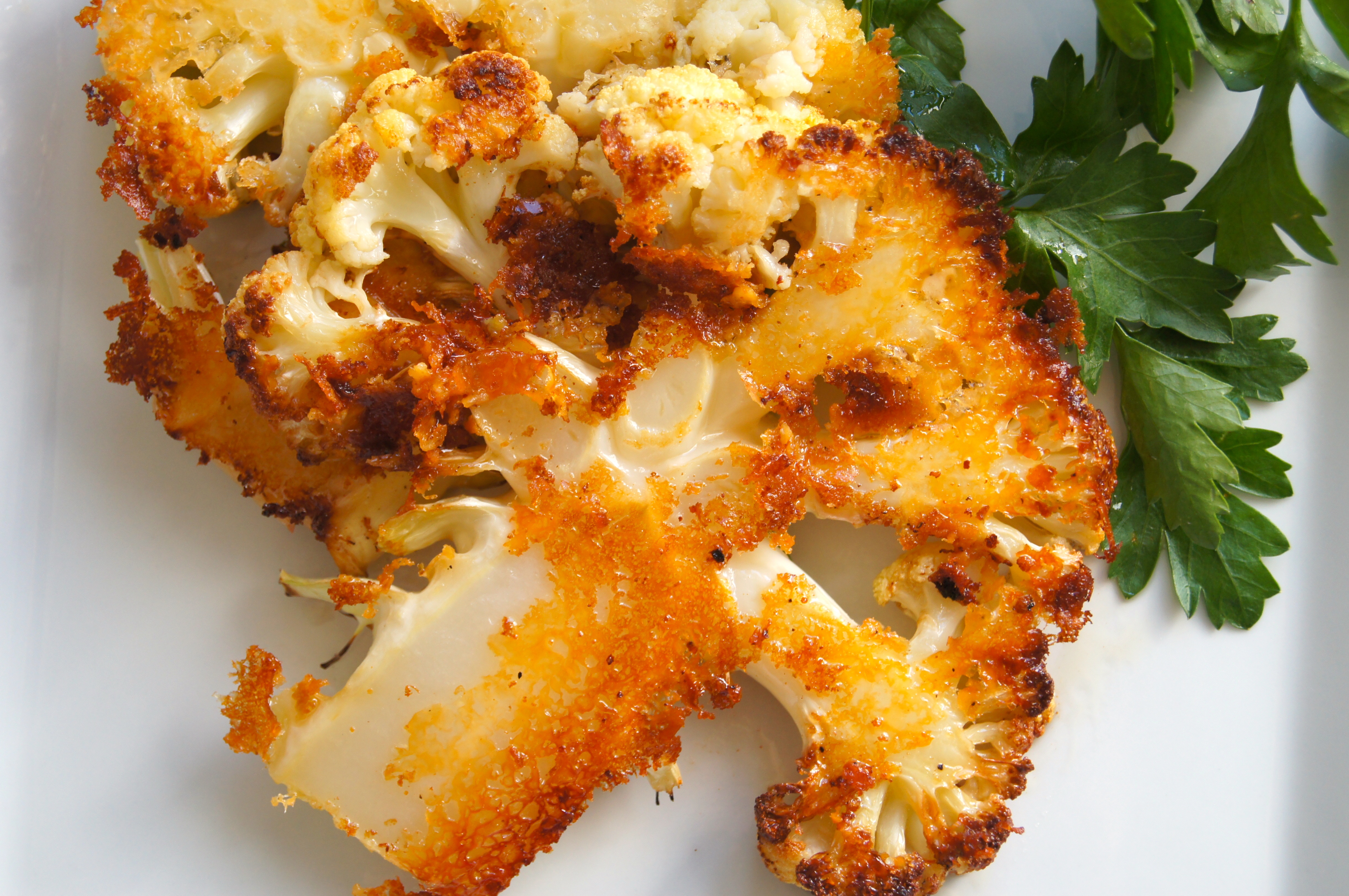
Bread sauce, roast and mashed potatoes all have carbs, but there are low-carb equivalents you can make. Pureed cauliflower can be substituted for mashed potatoes and braised celeriac are another delicious substitution for potatoes in general. My sister served up cauliflower cheese for Christmas dinner a couple of years ago – and I’d rather have that than potatoes or bread sauce any day. You can also try these delicious Parmesan-crusted cauliflower steaks from Nourished Peach.
Cranberry sauce. Most commercial sauces are packed with sugar. You can make a version with cranberries and sweetener instead which will still have some carbs but not as many.
Christmas cakes, pudding and mince pies. There aren’t really substitutes for these things because they depend so heavily on dried fruit, flour and sugar. Christmas pudding and cake isn’t a winner with everyone anyway because of its heavy fruit content. When you’ve eaten low carb for a while, you often find you lose your sweet tooth , so having a pudding at the end of a meal is no longer as appealing. However, if you do want something sweet, may we suggest Tiramisu and Key Lime Pie.
Dig in – it’s good for you.
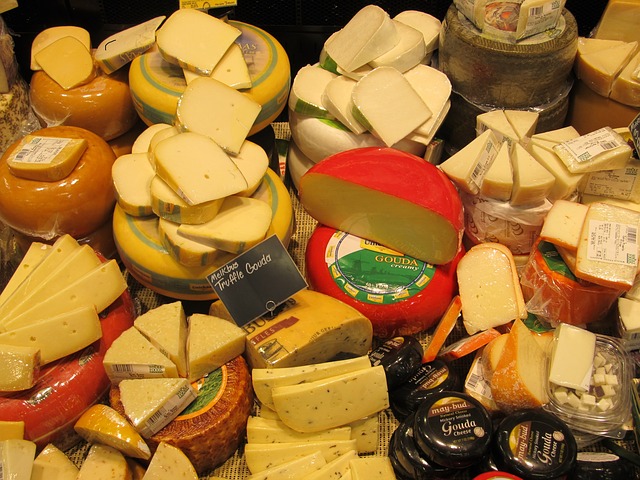
Another idea is the cheese course – much better than pudding! You don’t need the biscuits. Celery sticks or carrot sticks will give you some crunch, as will walnuts or apple slices. A good cheese board has roughly four cheeses – a Farmhouse cheddar, a blue such as Stilton or Roquefort, a soft one (Brie or Camembert) and AN Other. Goat’s cheese is my preference.
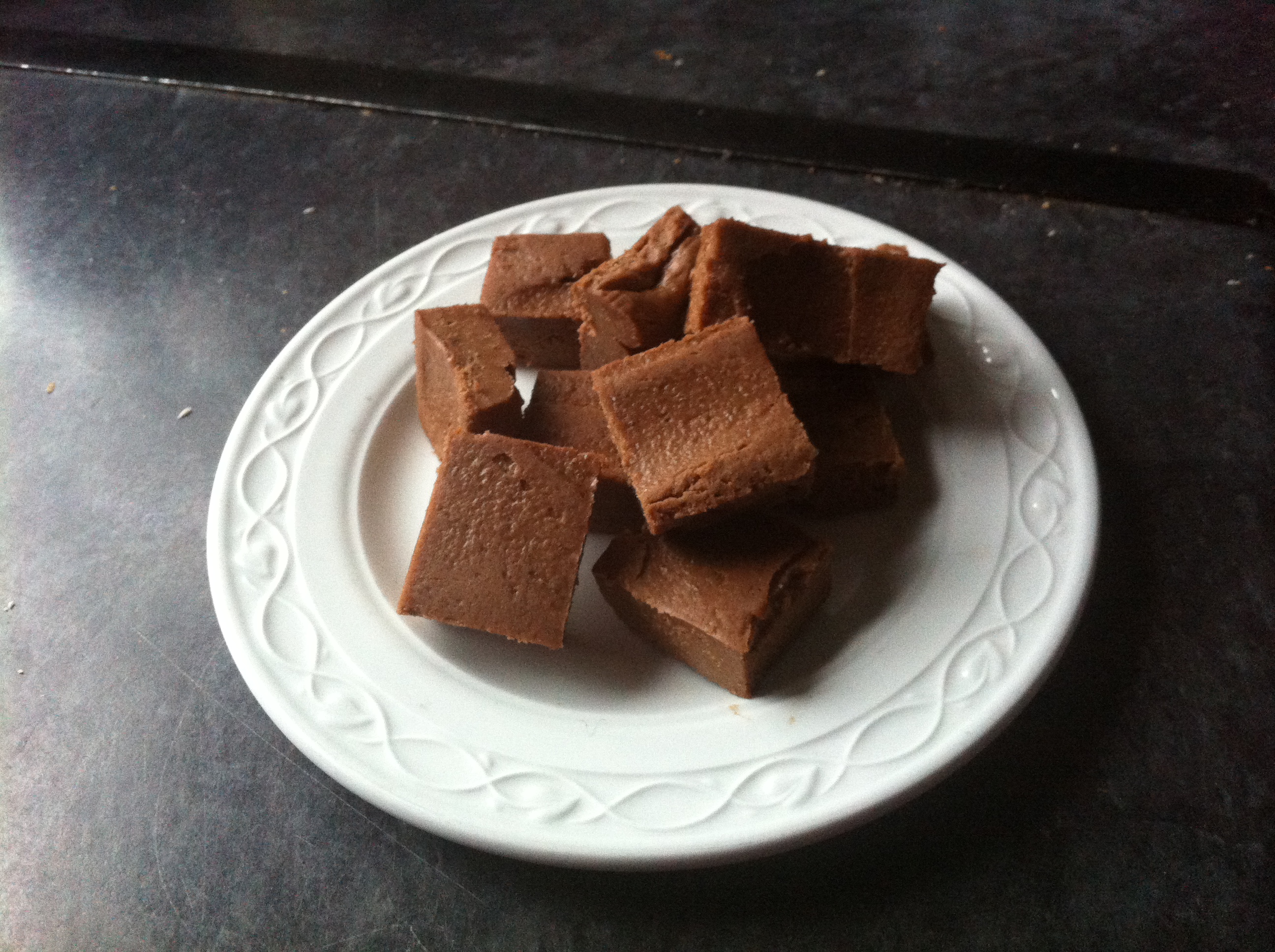
Chocolate. It’s hard to escape chocolate at Christmas. From the special offer wraps piled up at the front of supermarkets, to the yule logs, chocolate Santas and stockings, the stuff is everywhere. If you love chocolate, a few squares of good quality dark chocolate do not contain many carbohydrates. Treat yourself to a good quality bar to make the occasion. You could also make this chocolate peanut fudge, which is easy to make and very low-carb.
Finally, the trick to remember with Christmas is that it is one day of the year. When it comes to low-carbing consistency is the key. If you’re low-carb most of the time but for one or two days you decide to dig in, do so guilt-free. Do this mindfully, enjoying everything but keeping an eye on portions. This is especially important if you are on insulin as you will need to know how much to take to cover what you are eating.
Heat 1 tbsp of olive oil in a frying pan and add the garlic and shallot. Lightly fry until they are soft.Add the lamb mince and cook until brown. Add in the oregano, thyme, cinnamon and tomatoes and stir through. Leave to one side. Heat the remaining oil in a frying pan and add the aubergine slices cooking until softened on both sides.Take an oven proof dish, layer half the aubergine slices on the bottom of the dish and add half the lamb mixture.Top with mozzarella slices and repeat, layering the same ingredients again. Bake in the oven at 180oC for 30 minutes. Serve with a green salad dressed in olive oil.
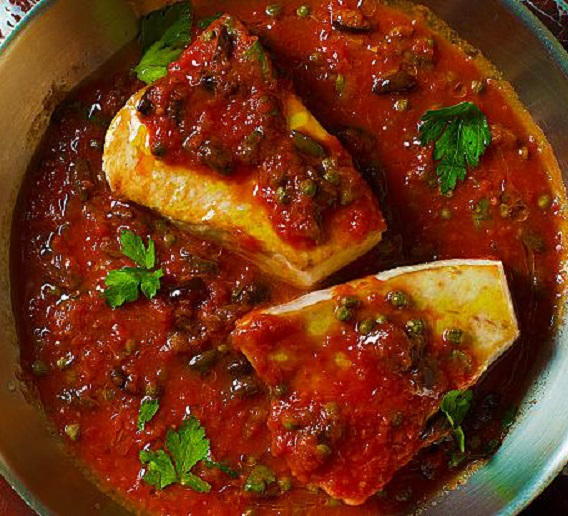
Pesce Spada alla Messinese (Swordfish Messina style)
Ingredients (serves 4)
1 lb (600 gr) swordfish cut into palm-sized pieces slices
2 cloves of garlic, chopped
2 spring onions, chopped
20 capers (if salted, rinse well first)
10 black olives, chopped
4 anchovy fillets
1 cup white wine
2 cups tomato passata (sauce)
15 oz can chopped tomatoes
Extra virgin olive oil
Salt and pepper
A pinch of crushed dried chili pepper
Parsley, chopped
Directions
Brush the swordfish slices with olive oil and set aside.
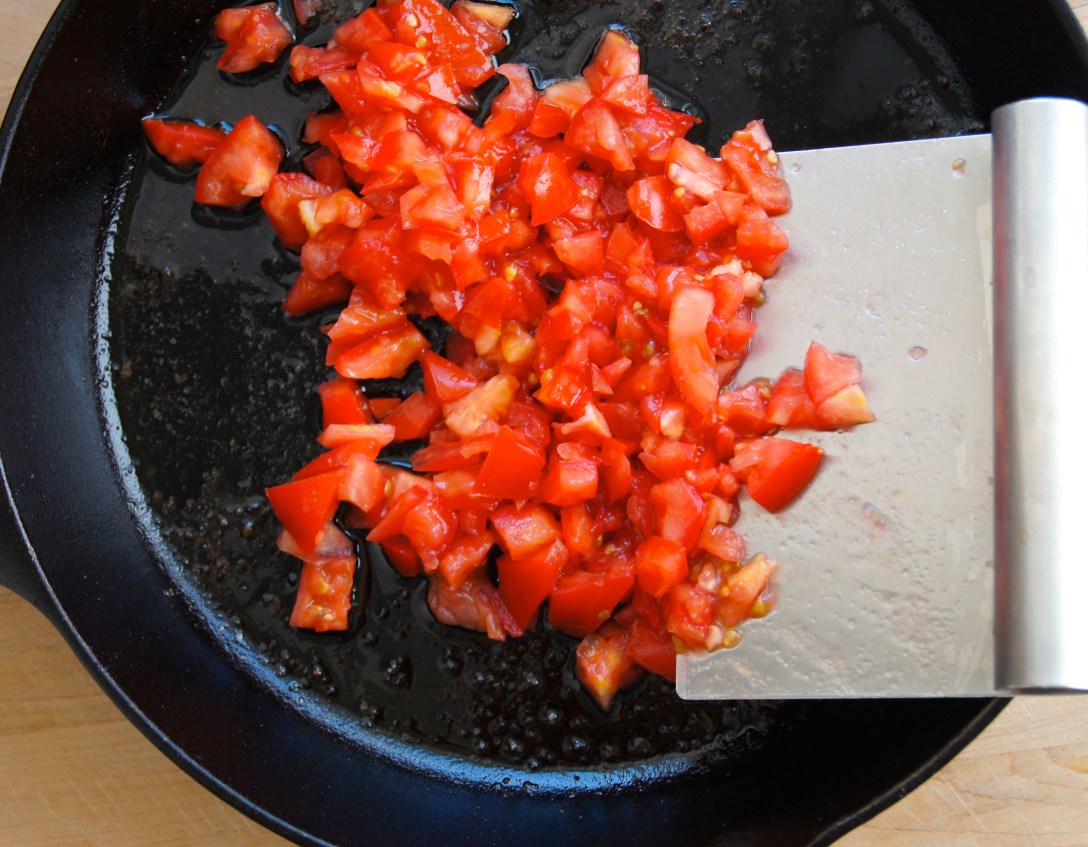
In a skillet heat enough olive oil to cover the bottom of the pan. Add the spring onions, garlic, capers, olives, chili pepper and anchovy fillets and cook until the anchovies melt into the oil and the onion is soft.
Put the slices of swordfish in the skillet and add the white wine. Burn off the alcohol and then add the tomatoes. Mix well, cover and cook for 30 minutes on very low heat.
This is the link to the Public Health Collaboration site where you can download for free or order print versions, at a modest cost, of illustrated health booklets that will help you:
know what to eat for a wide variety of good health outcomes
Here are some suggestions on how to use July’s bounty to create delicious, seasonal meals. Not great for November unless you live in Florida or the Caribean? Come back next year!
Cold Salad Plate For 2
Cantaloupe Rounds Filled with Tuna Salad
Cantaloupe:
Cut 2 rounds from a the center of a ripe, peeled cantaloupe and remove the seeds. Center the rounds on 2 dinner plates.
Mix the tuna salad:
Combine one 6.4 oz package of tuna, ¼ cup diced onion, ¼ cup diced celery, 1 teaspoon Dijon mustard and ½ cup mayonnaise.. Place half the tuna salad in each cantaloupe round.
Make the deviled eggs:
Cut 3 hard-boiled eggs in half. Remove the yolks to a small bowl and mash them. Add 1 tablespoon finely chopped onion and 1 tablespoon finely chopped celery.
Add a little sprinkle of salt, ¼ teaspoon Dijon mustard and 2 tablespoons mayonnaise.
Mix well and use the fillings to stuff the egg whites. Arrange on the salad plate and sprinkle with chopped parsley.
Add sliced fresh tomatoes to the salad plate and serve with warmed cornbread or rolls.
Summer Chicken Salad
Ingredients
8-9 oz boneless chicken breasts
½ sweet onion, diced
2 celery stalks, diced
1 cup red grapes, halved
1 tablespoon lemon Juice
3/4 cup mayonnaise
1/2 cup whole pecans, toasted
Parsley for garnish
Directions
I like to poach chicken in broth for salads. Place 2 cups of water with a salt free chicken bouillon packet in a medium saucepan. Add a little salt and pepper.
Bring to a boil and add the chicken. Lower the heat and cover the pan. Cook the chicken about 15-20 minutes or until they are white through the center.
Cool in the broth. Drain the chicken and dice. Save the broth for when you need chicken broth for a recipe.
Place the diced chicken in a mixing bowl with the remaining ingredients, except the pecans. Chill.
To serve:
By hand, break half of the pecans into pieces and stir into the salad. Arrange the salad on a serving plate and decorate with the remaining pecans and garnish with parsley.
Roasted Tomato Salsa
Ingredients
8 oven roasted tomatoes, finely chopped, see recipe
1 jalapeño chili, finely diced
1/4 teaspoon salt
1/4 cup finely chopped onion
1 teaspoon cider vinegar
Directions
Mix the ingredients together and allow to rest at room temperature until serving time for the flavors to blend.
Neapolitan ragù is one of the two most famous varieties of Italian meat sauces called ragù. It is a specialty of Naples, as its name indicates. The other variety originated in Bologna.
The Neapolitan type is made with onions, meat and tomato sauce. A major difference is how the meat is used, as well as the amount of tomato in the sauce. Bolognese versions use very finely chopped meat, while the Neapolitan versions use large pieces of meat, taking it from the pot when cooked and served it as a second course. Ingredients also differ.
In Naples, white wine is replaced by red wine, butter is replaced with olive oil and lots of basil leaves are added. Bolognese ragù has no herbs. Milk or cream are not used in Naples. Neapolitan ragù is very similar to and may be ancestral to the Italian-American “Sunday Gravy”; the primary difference being the addition of a greater variety of meat in the American version, including meatballs, sausage and pork chops.
Ingredients
1 pound rump roast
1 large slice of brisket (not too thick)
1 pound veal stew meat
1 pound pork ribs
2 large onions, sliced
6 tablespoons of extra virgin olive oil
2 tablespoon butter
1 tablespoon tomato paste
1 cup of red wine
1 1/2 pounds tomatoes, pureed
Salt and pepper to taste
Fresh basil leaves
Directions
Season the meat with salt and pepper. Tie the large pieces with cooking twine to help them keep their shape. In a large pot heat the oil and butter. Add the sliced onions and the meat at the same time.
On medium heat let the meat brown and the onion soften. During this first step you must be vigilant, don’t let the onion dry, stir with a wooden spoon and start adding wine if necessary to keep them moist.
Once the meat has browned, add the tomato paste and a little wine to dissolve it. Stir and combine the ingredients. Let cook slowly for 10 minutes.
Add the pureed tomatoes, season with salt and black pepper and stir. Cover the pot but leave the lid ajar. (You can place a wooden spoon under the lid.)
The sauce must cook very slowly for at least 3-4 hours. After 2 hours add few leaves of basil and continue cooking.
During these 3-4 hours you must keep tending to the ragú, stirring once in a while and making sure that it doesn’t stick to the bottom. Serve with your favorite pasta.


 Shrimp with Avocado Salsa | Food For Thought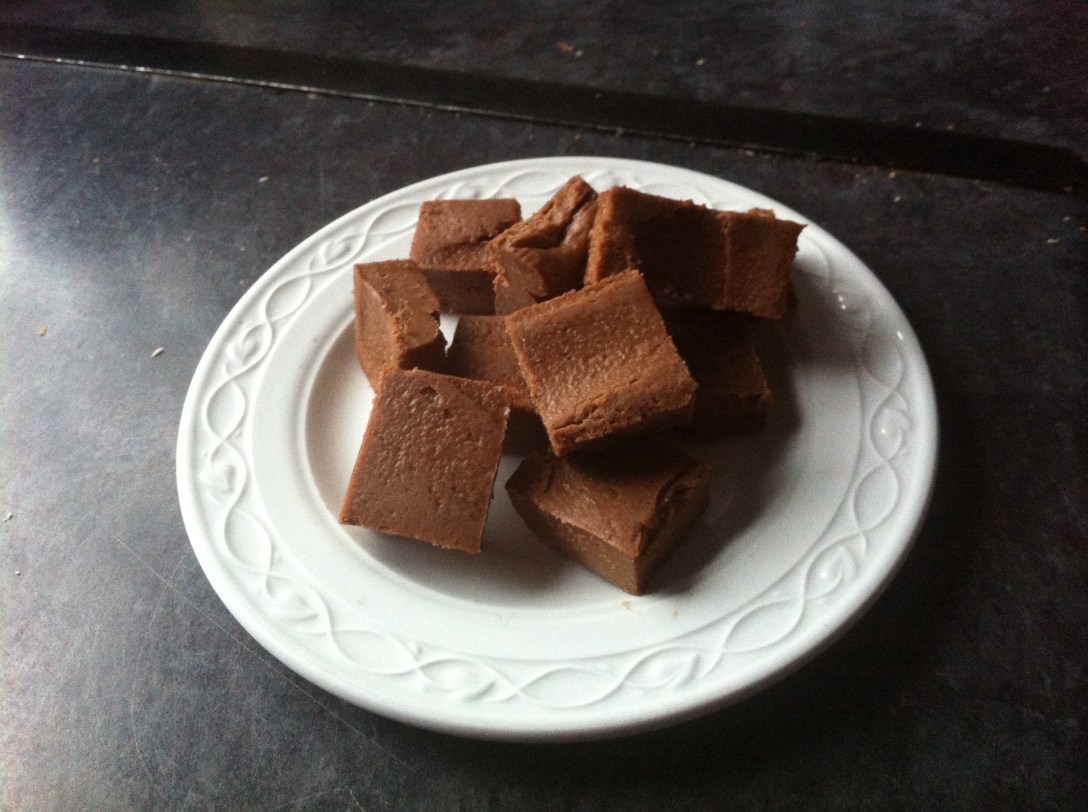



 Pesce Spada alla Messinese (Swordfish Messina style)
 This is the link to the Public Health Collaboration site where you can download for free or order print versions, at a modest cost, of illustrated health booklets that will help you:


 WordPress.com

 Diabetes Diet