Gluten-free Gravy for Pork or Chicken

My husband likes to say he does love a nice drop o’ gravy, speaking the words in a terrible Yorkshire accent. I don’t know why. Are people in Yorkshire more associated with gravy loving?

I like to experiment with gravy-making from time to time, and last weekend I came up with this to accompany roast pork. It’s basically vegetables that have been cooked with the meat, and they and their juices then boiled up with some water and wine and pureed. I added a tablespoon of Bovril for added savouriness.

What I got a was a thick, tasty gravy – and then I twigged that I’d also made a gluten-free sauce, which happened to supply one of those magical five-a-days. Sometimes, I don’t know my own genius…

Anyhow, here’s the recipe for you. I think it will go better with pork and chicken, than lamb or beef, but you never know.

Gluten-free Gravy

  • Servings: 4
  • Difficulty: easy
  • Print

  • 1 whole chicken or a joint of pork
  • 1 onion, peeled and cut into thick chunks
  • 5 or six cloves of garlic, peeled and bashed
  • 3-4 sticks of celery cut into sticks
  • 2 carrots, peeled and cut into thick chunks
  • 50ml white wine or cider
  • 300ml water
  • 1 teaspoon Bovril

Add a tablespoon of oil to a large roasting pan. Put the vegetables in the pan and roast the meat until it is cooked.

While the meat is resting, scape the vegetables and the meat juices into a saucepan, discarding any that are too blackened. Add the wine or cider and bring the mix to a boil. Add the water and the Bovril.

Allow to simmer for a few minutes and then liquidise so that you end up with a smooth, thick sauce. You might need to add some more water to thin it down.

Because of the carrots and onions, this does have some carb content (and also fibre). Allow roughly 5g of carbs per serving.

Spicy Tomato and Lentil Soup

In need of something warm, spicy and comforting as the nights draw in? Let me introduce the spicy tomato and lentil soup.

Just as in July and August we were in un dated with courgettes that morphed into marrows because we couldn’t pick ‘em fast enough, now the green house is giving up its goodies. Tomatoes, tomatoes and more tomatoes – they keep on coming.

Nice as they are to eat in salads, I needed a recipe that would use up a lot of them so I hit on tomato and lentil soup. Yes, there are lentils in it and they do contain carbs, but they thicken the soup up marvellously and make it so delicious, they are worth it.

If you like your soup to be more of a main course than a starter, do as I always do and serve it topped with a poached egg or two. Some cooked chorizo would work too.

Spicy Tomato and Lentil Soup

  • Servings: 4
  • Difficulty: easy
  • Print

  • 400g tomatoes, halved
  • 75g red lentils
  • 1 red pepper, de-seeded and chopped
  • 1tbsp rapeseed oil
  • 3 cloves garlic, crushed
  • 1 medium onion, peeled and sliced
  • 1tbsp ground cumin
  • 1tsp dried chilli flakes (more or less, depending on how spicy you like it)
  • 600ml boiling water
  • Salt

Heat the oil in a large saucepan/stock pan. Add the onion and pepper and cook for five minutes, until softened but not browned.

Add the tomatoes, garlic, cumin and chilli and cook for another five minutes until the tomatoes start to break down. Add the lentils and boiling water and bring to a boil. Turn down to a simmer and cover. Leave to cook for 15-20 minutes.

Use a hand blender to puree the soup. Add salt to taste – you should be generous with the salt, as lentils can take quite a bit of it.

20g carbs and 5g fibre per serving.


“Chocolate Staves Off Diabetes” – not so fast…

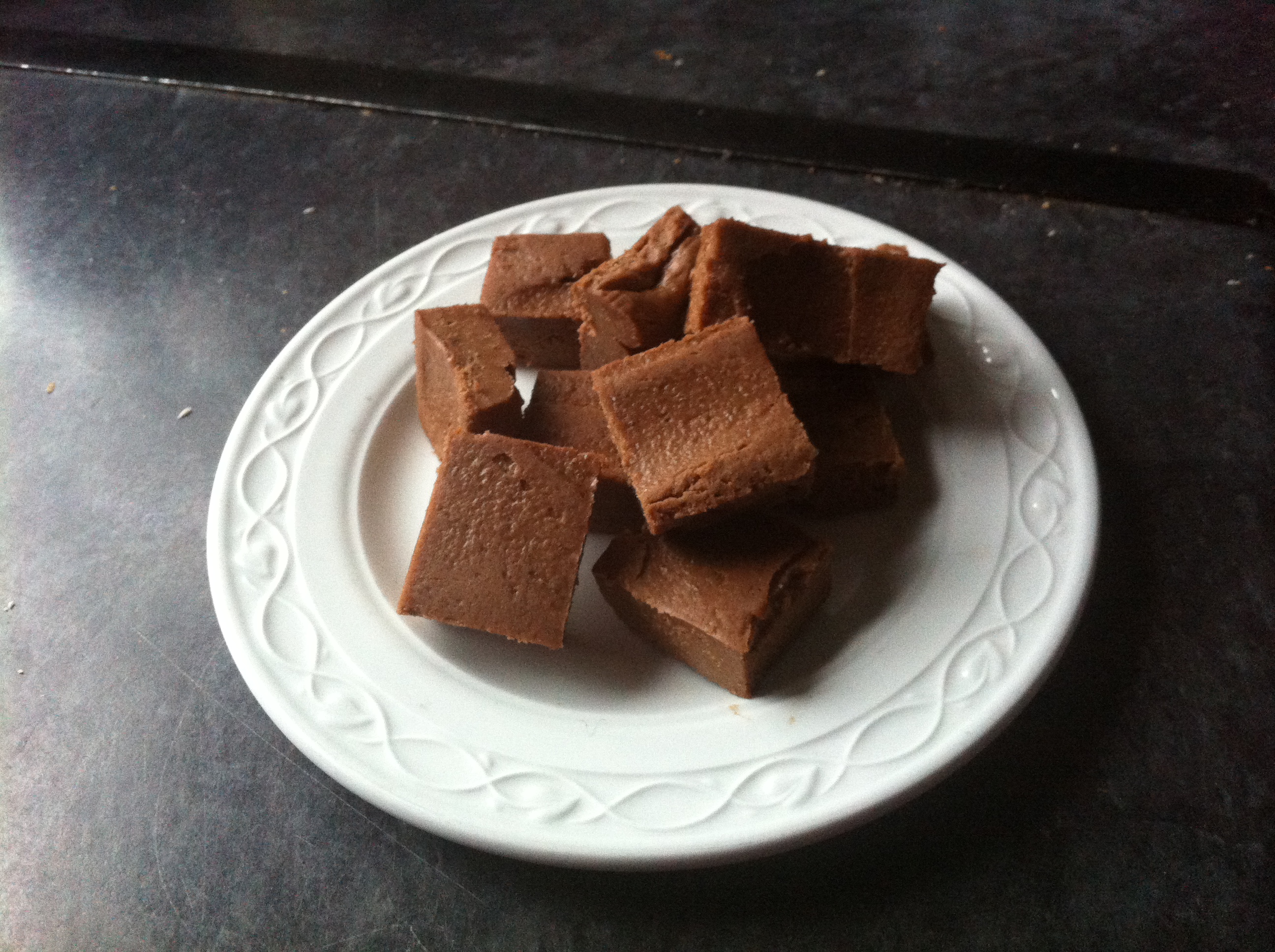
Low-carb chocolate fudge

Chocolate could help stave off diabetes… Another day, another sensationalist headline of the kind favoured by the Daily Express/Mail as it acts as perfect click bait.

What’s the story behind this one? Researchers have found that certain compounds found in cocoa can help the body release more insulin and respond better to increases in blood glucose levels. Therefore, this is of benefit to type 2 diabetics.

Beyond the headline is this qualifier. Study leader Professor Jeffrey Tessem from Brigham Young University said you would probably need to eat a lot of cocoa, and that you wouldn’t want the accompanying sugar that usually comes with it.

And the study did centre on cocoa and its compounds, rather than actual chocolate.

If you are looking for a healthy chocolate fix, we can help. We have plenty of chocolate recipes on our website that use cocoa powder or high-quality plain chocolate. Feel free to try them out…

Low carb chocolate fudge

Low carb chocolate chip cookies

Low-carb chocolate

Good quality plain chocolate (70 percent cocoa solids and above) doesn’t have that many carbohydrates in it – generally, about 10g per 40-50g, which is a decent portion. Don’t eat it late at night though, if you’re sensitive to caffeine, as you might find it hard to get to sleep.


Stephan Guyenet: Why your brain makes you fat

hqdefault (2)

In this interview, which you can listen to or read,  neuroscientist Stephan Guyenet discusses various topics related to a big issue with a lot of people, how we get fat and what we can do about it, with Kris Kresser.


https://chriskresser.com/why-your-brain-makes-you-fat-with-stephan-guyenet/?utm_source=activecampaign&utm_medium=email&utm_term=rhr-why-your-brain&utm_content=&utm_campaign=blog-post

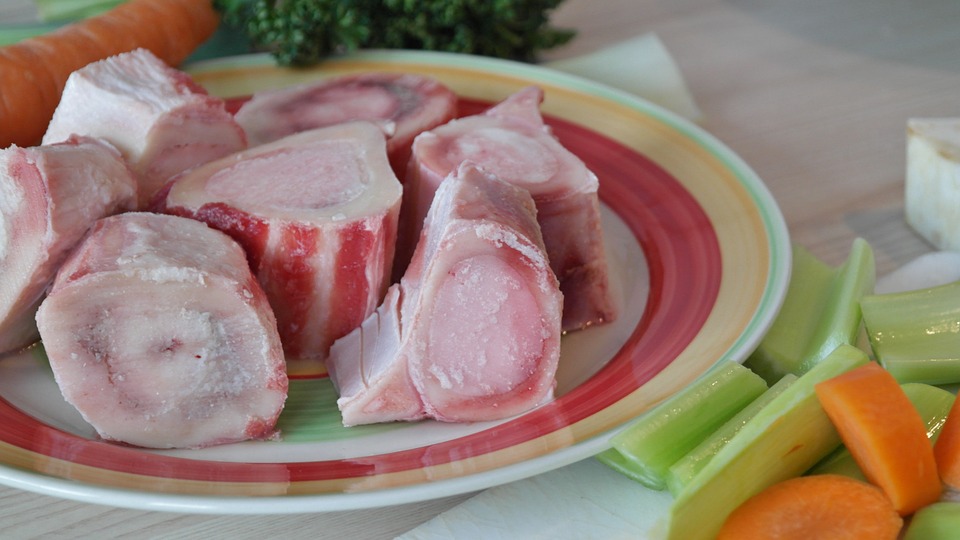
Kris Kresser: Bone broth is a traditional and nutritious addition to your meal plan

Low-Carb Bread

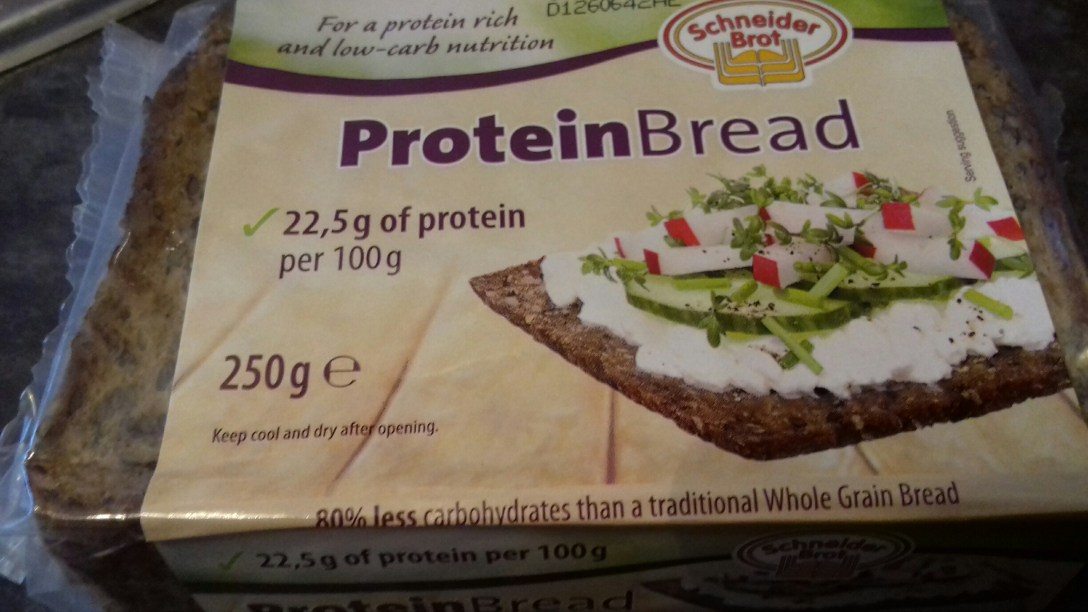
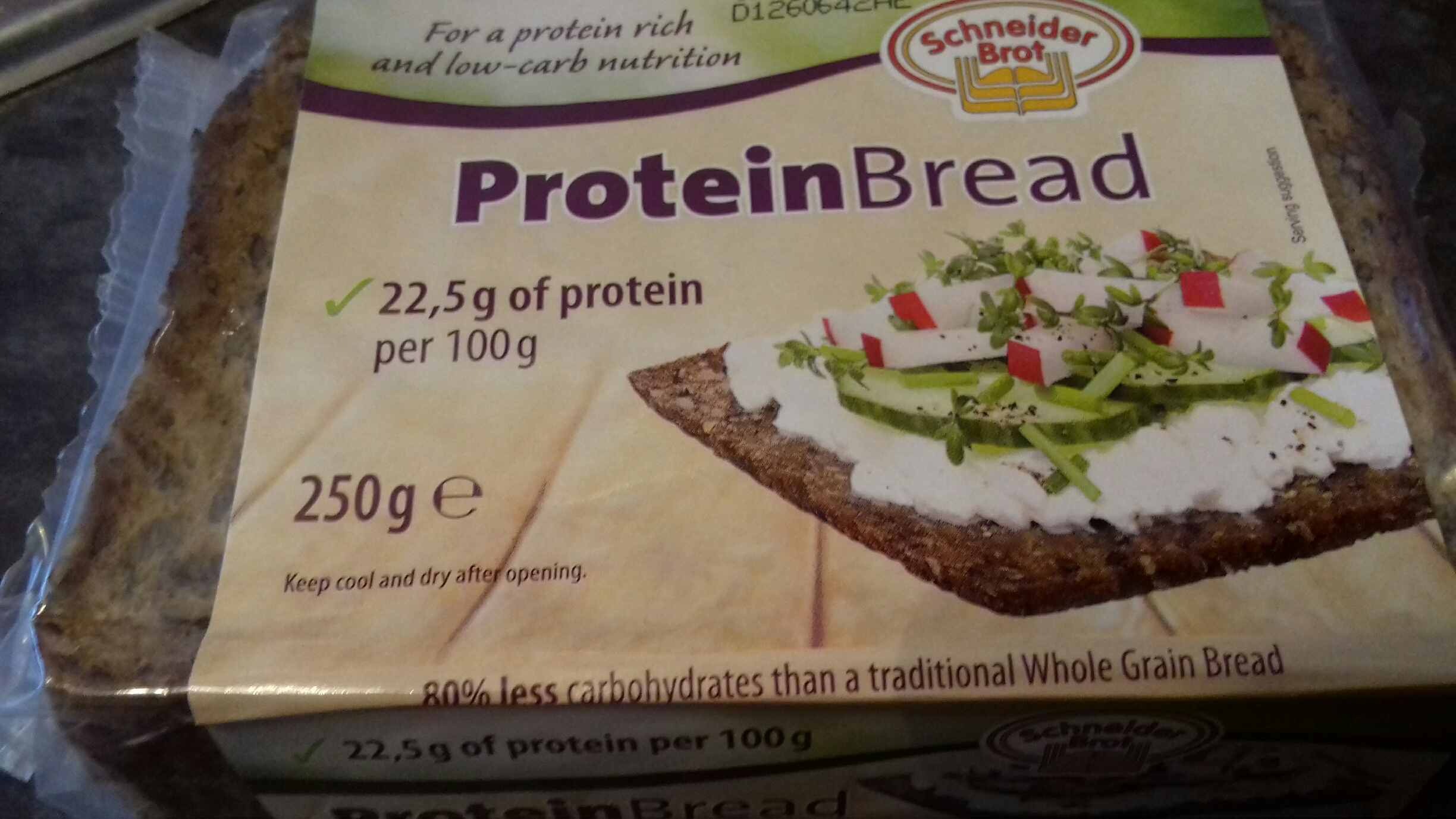
Joy of joys! I’ve found low-carb bread in Asda of all places…

Unlike the gluten-free and vegan markets, low carb high-fat diets don’t lend themselves easily to convenience foods. Hey, that’s probably a good thing. And it’s not as if you don’t have plenty of choices when you factor in cream, cheese, eggs, nuts, meat and fish and all the other yummy things that do fit perfectly with this way of eating.

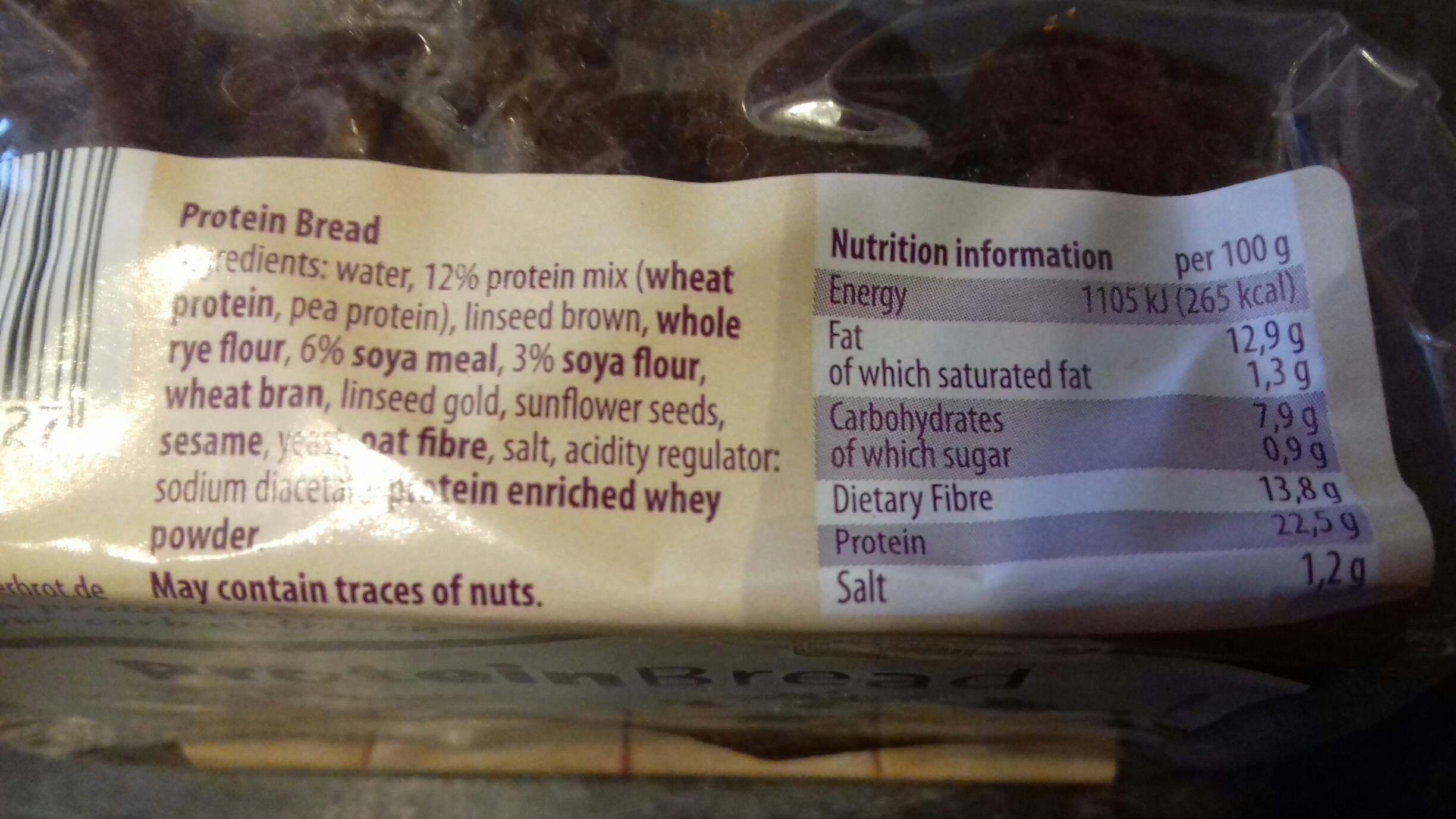
But bread. Bread! Ask many people on the LCHF way of life what they miss most, and we are willing to bet it’s bread. Yes, you can make low-carb bread (and we offer a recipe here), but it is expensive to make. This protein bread I found in Asda is made by Scheidner Brot, and it has about 4g of carbs per slice, 7g of fibre and 11g protein. Best of all, it does actually resemble bread – albeit it’s more similar to that heavy rye bread, sometimes called black bread. This packet cost me £1.50. Okay, it does have a lot of ingredients (our low-carb bread recipe, for example, has six things in it) and it’s not suitable for coeliacs, but still…

Ah, the possibilities that open up in front of me are endless! Toast with butter and Marmite! Toast with peanut butter and sliced cucumber… You need the cucumber because peanut butter is claggy, and the cucumber cuts through it. Or what about a healthy dollop of egg mayonnaise? Some chicken liver pate would be nice too, and there is always cheese on toast with a little dash of Worcestershire sauce. You can freeze it in slices for convenience.

I’m in bread heaven!

Spanish-Style Stuffed Marrow

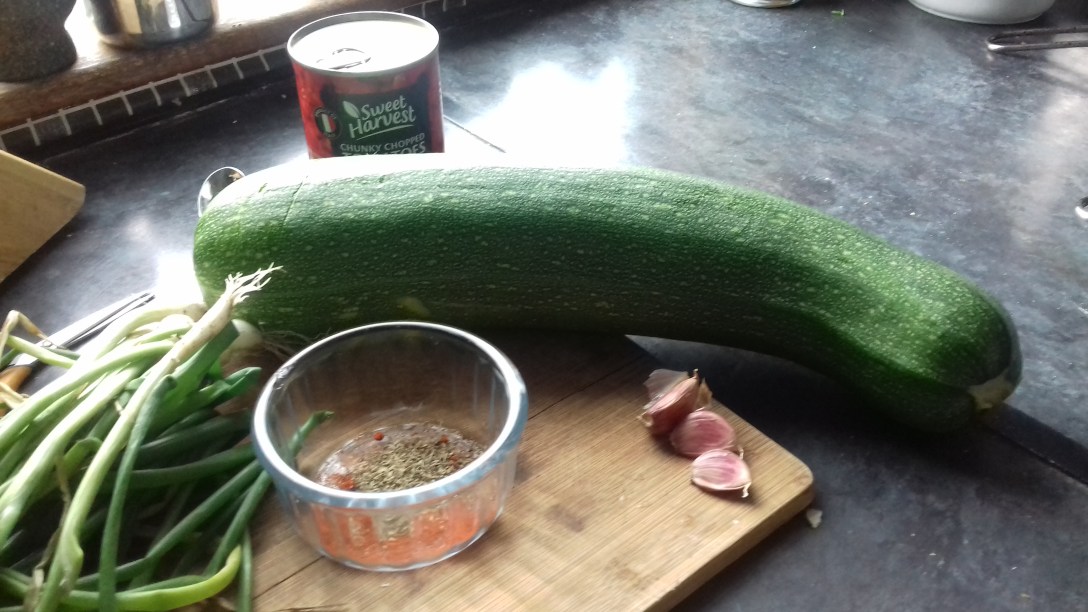
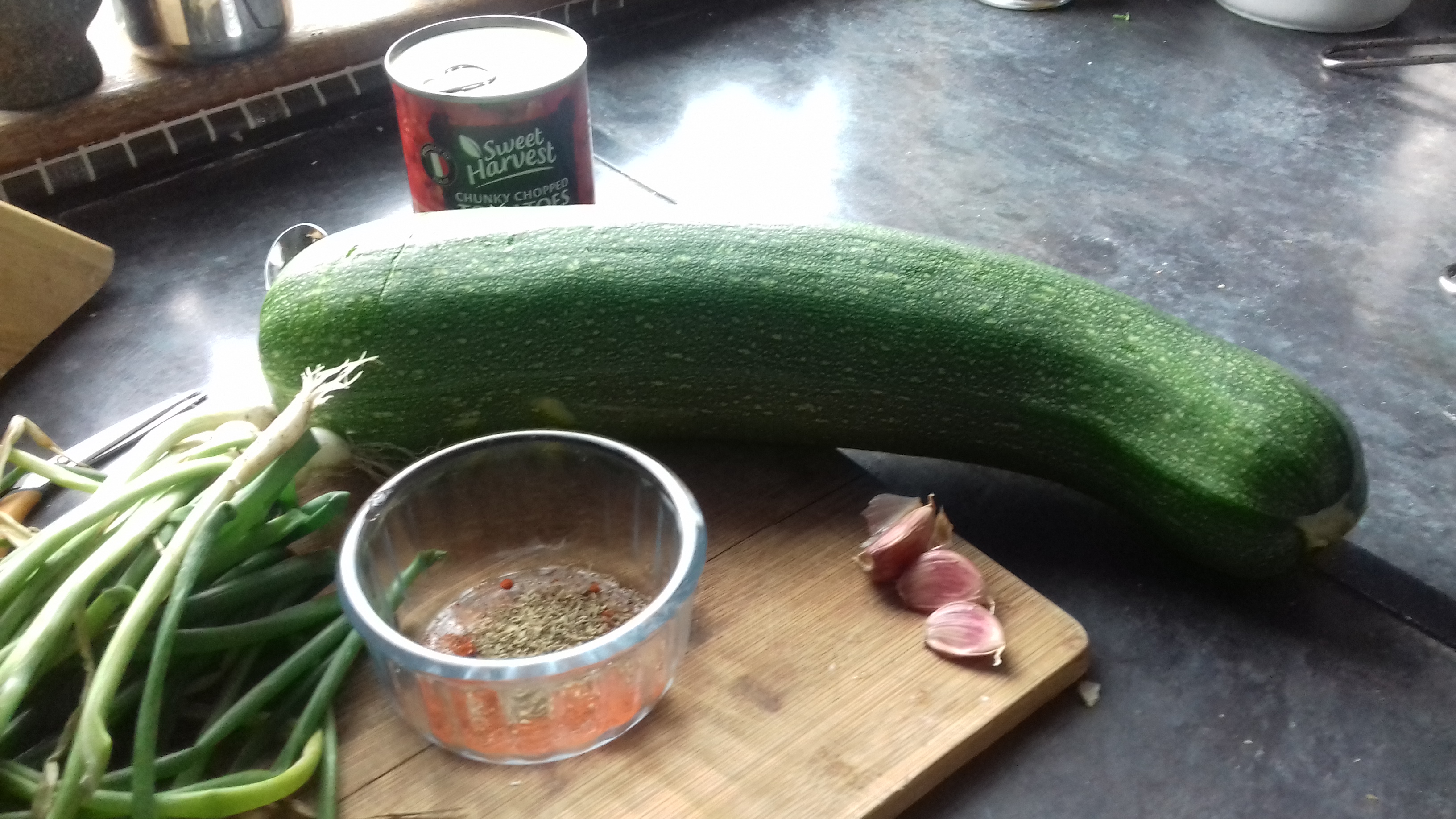
We’ve had a glut of courgettes – we got so many of the blimmin’ things they turned into marrows as we couldn’t eat them fast enough.

So, what to do with them? This massive whopper pictured above I turned into a Spanish-style stuffed marrow dish, adapting it slightly from a recipe I found online to make it low-carb. Another trick is to salt the marrows for an hour or so before cooking. This will make the finished product less watery. Slice the marrow in half length ways and then width ways, scoop out the insides and sprinkle with salt. Place them on a rack, flesh side down and then wipe thoroughly with kitchen paper before using.

Spanish Style Stuffed Marrows

  • Servings: 4
  • Difficulty: easy
  • Print

1 large marrow

  • 2 tins chopped tomatoes
  • 1 bunch spring onions, chopped
  • 3 cloves garlic, crushed
  • 1tbsp olive oil
  • 150g cooking chorizo, chopped
  • 1tbsp smoked paprika
  • 1tbsp Cayenne pepper
  • 1tbsp dried oregano
  • Salt and pepper
  • 100g Manchego cheese, grated (or use Parmesan)

Pre-heat the oven to 180 degrees C.

Heat the olive oil in a pan and add the onions. Cook over a gentle heat until soft and lightly browned – this won’t take as long as cooking normal onions.

Add the chorizo and cook until the fat begins to run – about a minute. Add the tomatoes, garlic, paprika, oregano and Cayenne pepper. Bring to a simmer and cook for ten minutes. You want a nice, thick sauce. Season to taste – you won’t need much salt because of the chorizo, cheese and the marrow already has some salt in it, thanks to the pre-salting.

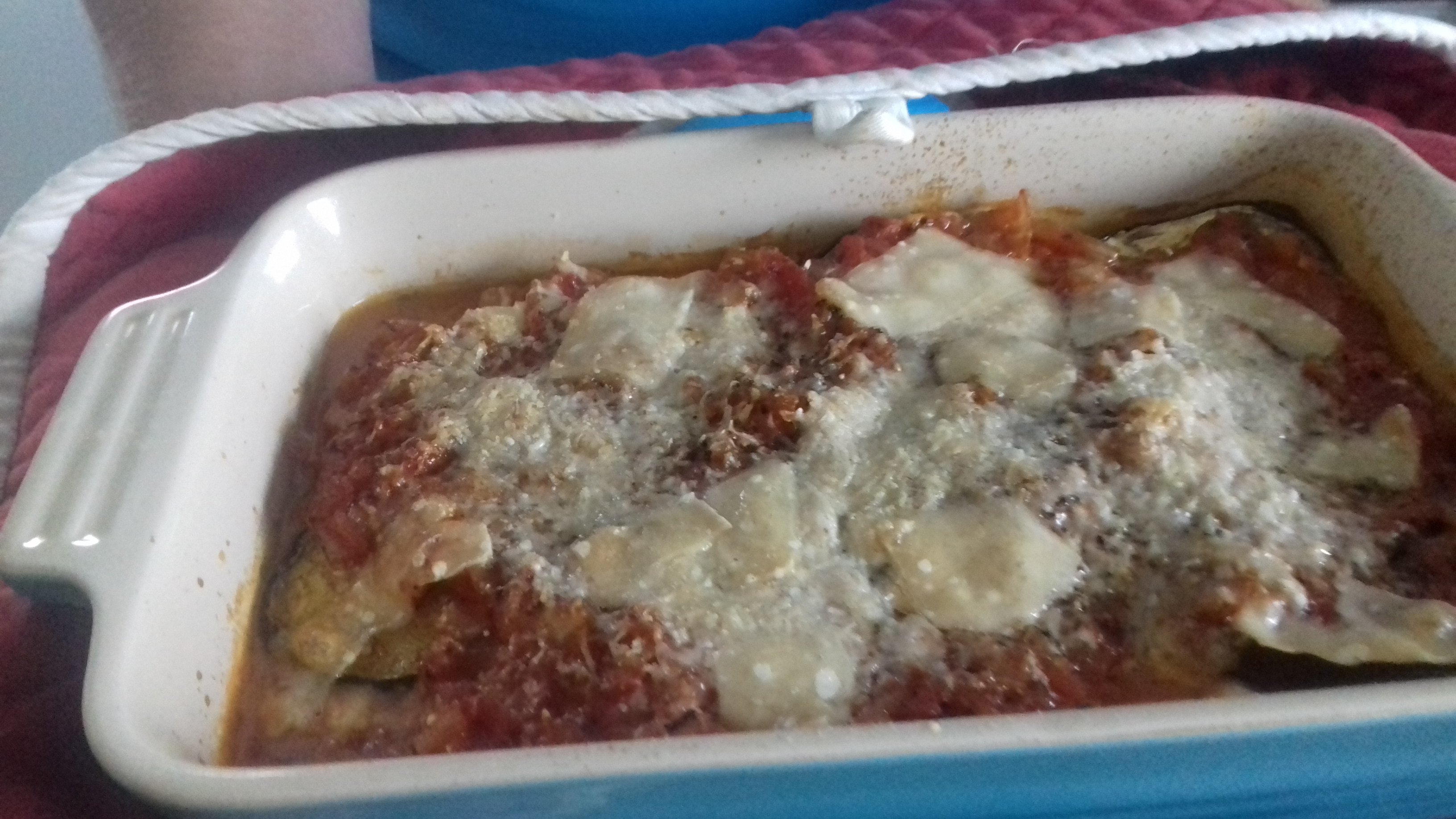
Place the marrows in a large oven-proof dish, cut side up. Fill them with the tomato/chorizo mixture and top with the cheese and a good grounding of black pepper. Cover the dish with foil and cook in the oven for 30 minutes. Take the foil off and cook for another ten minutes to brown the top.

About 12g net carbs per serving.


Low-Carb Eating in July

Ah, July – what to eat now…

As far as we can (and it’s challenging in Scotland) we like to eat seasonally, and some months are easier than others. Presently, I’m coping with a glut of courgettes (zucchini to our American friends) spring onions, tomatoes and potatoes from the garden, as well as a LOT of herbs.

Spiralised vegetables are super trendy at the moment so I could spiralise those courgettes and serve them as a replacement spaghetti. I did make a giant pot of slow cooker ratatouille with plenty of them, using the spring onions and lots of rosemary, thyme and basil.

House and Garden offers this lovely courgette and baked feta cheese salad, which has minimal carbs per serving and would be great as a side dish.

What else is seasonal in July?

Beetroot, salads, peas and aubergines make up the vegetable quotient, while cherries, peaches, strawberries and raspberries are in the fruit category. When you’re eating a low-carb diet to help your blood sugar management, remember the best time to eat fruit is after meals. Why not serve your fruit with some cream or Greek yoghurt to slow down it’s glucose-spiking qualities too?

For fish and meat, prawns, crab, salmon, mackerel and sea bream are seasonal in July. Mackerel works brilliantly with a beetroot salad. Chop some cooked beetroot, mix with sliced spring onions and dress with a little cider vinegar, olive oil, salt, pepper and wholegrain mustard.

Beef and lamb are still seasonal at this time of year. You probably don’t feel like eating a roast, but cold sliced meat in a salad works well. As far as we’re concerned you can serve moussaka whenever you want too.

July recipe ideas

Beef Stroganoff

Steak Au Poivre

Rack of Lamb

Thai Prawn and Chicken Soup

Bon Appetit!

Susan Pierce Thompson: How to be happy, thin and free

the-3-huge-mistakes-report

This March, Susan’s first book, Bright Line Eating: The Science of Living Happy, Thin & Free, arrived in bookstores.

Here’s what she had to say:

Susan, in Bright Line Eating, you argue that the reason so many people struggle with their weight is that the human brain blocks weight loss. How so?

The human brain was designed to keep us stable in a right-sized body. But modern processed foods and the modern pace of life have hijacked various systems in the brain, and the result is that now, in the present-day environment, the brain does indeed block weight loss.

Here’s how: willpower is a finite resource in the brain. And it doesn’t just help us resist temptations or persevere in the face of challenges – it helps us do all kinds of things, like make decisions (e.g., checking email, going shopping), regulate our emotions (e.g., having kids, being in traffic), and regulate our task performance (e.g., working in Excel, giving a presentation).

After a brief period of time doing any of these things, if we start to think it might be a good time to get something to eat, we’re likely to fall into the Willpower Gap.

This is why so many of us order out for pizza or take-out on a Friday night after a long week, irrespective of how sincere we were when we pledged that this time we would stick with our diet until we lost all our excess weight.

In our modern society, the Willpower Gap is waiting for us, nearly always. Most plans of eating implicitly ask you to rely on your willpower to stick with the plan over the long term. The truth about your brain is that that will never work. You need a plan of eating that assumes you have no willpower at all (because, at any given moment, you may not), and works anyway.

To avoid relying on willpower, you suggest people adopt 4 “bright lines” into their eating habits. What are they?

Bright lines are clear, unambiguous boundaries that you don’t cross, no matter what–similar to how a smoker who wants to quit and get healthy throws up a bright line for cigarettes. The four bright lines I recommend are:

  1. No added sugar or artificial sweeteners
  2. No flour of any kind
  3. Eating only at meals–no snacking or grazing
  4. Bounding quantities of food, both to make sure you get enough vegetables, and to make sure you don’t eat too much of everything else.

What’s one thing everyone reading this can do right now to improve their chances of maintaining a healthy weight?

To really bridge the Willpower Gap, start writing down what you’re going to eat for the day in a little journal, ideally right after dinner the night before. Do it religiously until it becomes a habit. The next day, your job is to eat only and exactly that, no matter what. Make sure there’s no sugar or flour in your food plan for the day, and, ideally, stick with three meals a day, because three meals are much more automatizable than five or six.

Within a few weeks these habits will be automatic, and eating the right things, and not the wrong things, will start to be as easy as brushing your teeth.


(From original interview by Ron Friedman)

Aubergine Parmigiana – Low-Carb Sides

Purple foods are good for us. According to the US Department of Agriculture, purple foods have nutrients called anthocyanins. These are antioxidants that protect against cell damage from free radicals.

I’m a big fan of the mighty aubergine. Curry it, roast it, grill it or turn it into ratatouille, this is a vegetable with a lot of uses.

I make my own version of Aubergine Parmigiana, that famous Italian dish. Buy the best quality mozzarella you can find, and top the dish lavishly with grated Parmesan cheese. Serve this as a side dish with roasted chicken. Or just cut yourself a ginormous portion and eat with salad.

Aubergine Parmigiana

  • Servings: 4 as a side dish
  • Difficulty: easy
  • Print

  • 1 large aubergine, sliced
  • 1 ball of buffalo mozzarella
  • 1 small onion, sliced
  • 2 cloves of garlic
  • 1 tin chopped tomatoes (400g)
  • 2tbsp oil
  • 1tsp dried oregano
  • 1tbsp fresh basil, chopped
  • 50g grated Parmesan*
  • Salt and pepper

Turn your oven to 175 degrees C. Slice the aubergine into half-centimetre thick slices. Drizzle with one tablespoon of the oil and cook in the oven for about twenty minutes. You want the slices softened and lightly browned. Leave the oven on once the slices have cooked as you will be using it again.

While the aubergine is cooking, heat the other tablespoon of oil in a saucepan and cook the sliced onion for five minutes until softened but not browned. Add the tomatoes, garlic and dried oregano. Bring to a boil, turn down to a simmer and leave for fifteen minutes. You want a thick, concentrated sauce.

When the sauce and the aubergine are cooked, rip the mozzarella ball into pieces. Layer up slices of aubergine, tomato sauce and mozzarella in a casserole dish. Grind on some salt and top with the grated Parmesan and a generous helping of pepper. Cook in the oven to heat through and brown the top – about ten to fifteen minutes.

Top with the chopped basil.

6g net carbs per serving.

*The cheese so good, Pepys buried a round of it in his garden during the Great Fire of London.