Diabetes in Control Advisory Board member, Dr. Richard K. Bernstein, has recently created, “Dr. Bernstein’s Diabetes University,” a complete course of video classes geared towards patients, which is now available on Youtube. Dr. Bernstein’s Diabetes University Playlist includes these short videos: “Basic Science of Diabetes,” “Values and Methods of Exercise,” “How Much Protein,” plus much more. Just follow this link for more information: Dr. Bernstein’s Diabetes University Playlist

Category: Low Carb Lifestyle
Dsolve.com back in action

Ryan Whitaker, a Colorado IT specialist, set up the dsolve.com site nine years ago. The aim was to have an online site for low carbing diabetics to share news and resources and to host the educational course that we developed from the experience of Dr Richard Bernstein’s Forum members at the time. At the time this was the first comprehensive diabetes educational course to go online. And best of all it was free, and still is. This course, the How to.. course now features on diabetesdietblog. com.
After an absence of two years we are very pleased to say that dsolve.com is back in action.
Feel free to pay a visit.
Ryan is one of the many type one diabetics who has had excellent blood sugar control as a result of following a low carb diet and using insulin techniques originally developed by Dr Bernstein. These are explained in the course material and of course in our book Diabetes Diet.
Dana Carpender: What do you eat on a typical day?
Dana Carpender, author of several low carb cookbooks, generously gave her time to be interviewed for this blog site. Over several posts she will be sharing her wisdom about the low carb lifestyle.
My first question: What do you eat on a typical day Dana?
Honestly? Leftovers. 🙂 What with trying recipes, and only two people in the house, I eat a lot of leftovers. The summer I wrote The Low Carb Barbecue Book I ate chicken or ribs for breakfast every day for weeks.
In the absence of leftovers? Probably an omelet for breakfast, especially if there are ripe avocados in the house; cheese-and-avocado omelet with chipotle hot sauce is a big favorite of mine. Dinner will be a fairly simple protein — chicken, steak, burgers, pork steaks, something like that, with a low carb vegetable or salad with it if we feel like it. I confess we don’t always bother. If I want just a little something, I might well have shirataki with a fatty sauce – or just butter and Parmesan.
This is, of course, when I’m not working on a book. If I am, it’s a wild card! It depends on what sort of book it is, what I have in the house, what idea I’ve had.
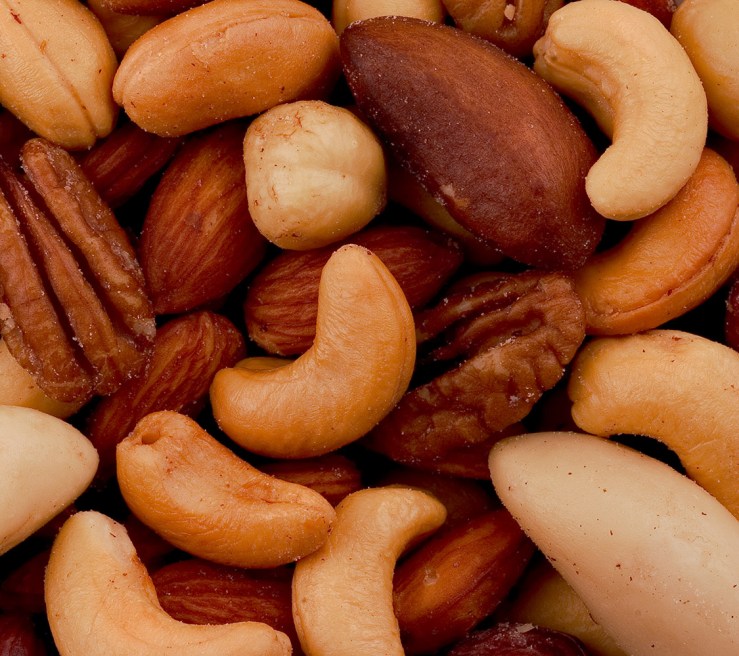
If I snack, it’s usually on nuts. I’ve snacked less and less as the years have gone by, and as I’ve deliberately increased fat as a fraction of my calories.
Perhaps the most notable thing is that I have long since slipped away from the three-meals-a-day format. I rarely eat more than two meals a day anymore; I’m just not hungry enough. I try to do some intermittent fasting, so I often don’t eat until noon or one — a good 16 hours after I ate the previous night — although I drink copious quantities of tea.
Long-time readers will note that this violates a previously stated rule to always eat breakfast. I no longer consider that a hard-and-fast rule, but rather one that depends on circumstance. If someone works away from the house in a place where carby garbage is available, like the donuts in the break room or the candy bars in the vending machine, then I feel breakfast is imperative, even if it’s just a couple of hard boiled eggs or individually wrapped cheese chunks grabbed on the way out of the house. This is especially true for those who are just starting out, and not yet solidly in the mindset of “this is how I eat.”
But if, like me, you have more time freedom, and have achieved a blissful lack of regard for starchy, sugary stuff, postponing breakfast until you’re genuinely hungry is a good way to work in some intermittent fasting.
Too, I’ve lost the idea that some foods are “breakfast foods,” while dinner needs to be a protein and two veg. I’m perfectly happy having leftover chicken and coleslaw for breakfast, or whatever happens to be kicking around the fridge. And I’ve certainly been known to eat eggs for dinner, or just make something snack-y, like Chicken Chips. (Chicken skin spread on the broiler rack and baked until crisp, then salted. Yum. I buy 10-pound bags of chicken skin from my speciality butcher.)
One other oddity: I don’t feel any need to snack during movies or television. It’s common for people to feel that there should be something they can munch on mindlessly for hours while consuming entertainment, but low carb foods don’t lend themselves to that. They’re filling. Eat a bucket of mixed nuts the size of even a small movie theater popcorn and you’ll make yourself sick. People need to get away from the idea of food as entertainment.
Invigorate your taste buds with spice rubs
Many of the world’s greatest culinary discoveries were made serendipitously. But very few had greater impact than the discovery of using spices to flavor and preserve food.
Anthropologists have shown that thousands of years ago, our hunter-gatherer ancestors would often wrap their kill in leaves and bark to preserve and transport the contents inside. Only later did they discover that this method of preservation could also improve the taste of their food.
And so the worlds’ love affair with spices began…
Spices & Herbs: The Culinary Curatives
As civilization advanced, the use of spices became ubiquitous in culinary tradition. But it wasn’t just for their ability to enhance flavor. It was also for the health-promoting properties they possessed:
- Texts from Ancient Egypt (1555 BC) deemed coriander, fennel, juniper, cumin, garlic and thyme as powerful medicine. It is also known that the laborers who constructed the Great Pyramid of Cheops (using advanced alien technology, of course) consumed onion and garlic as a means to promote health.
- Black pepper, cinnamon, turmeric, cardamom have been used by Indians for thousands of years for both culinary and health purposes.
- Hippocrates wrote extensively about spices and herbs, including saffron, cinnamon, thyme, coriander, mint, and marjoram. Of the 400 herbal remedies he created, at least half are still used today.
- Theophrastus, the “Father of Botany”, authored two books summarizing the knowledge of over 600 spices and herbs.
- Dioscorides, a Greek Physician of the 1st century, authored De Materia Medica – an extensive medical and botanical guide that was used for over 1,500 years.
- In the Middle Ages (600-1200 AD), European apothecaries used herbs and Asian spices including ginger, pepper, nutmeg, cinnamon, saffron and cardamom in their remedies.
- Plants were used as the primary source of medicine in the United States from the time of the Mayflower (1620) until after World War I (1930).
Science now proves that the instincts and knowledge of our ancestors were correct: Spices and herbs are powerful medicine.
Countless studies show that herbs and spices possess a wide range of phytonutrients that can kill bacteria, viruses and parasites. They also act as powerful antioxidants and can promote cellular health, reduce inflammation, and more.
And one of the most convenient ways to harness the health-and-flavor enhancing power of herbs and spices is a homemade dry rub.
Five Chef-Inspired Dry Rubs: Potent Flavor – With Benefits
Complimenting just about every kind of food – from meat, chicken, fish and vegetables – a dry rub is a combination of herbs, salt and spices that is applied before grilling, broiling, baking or roasting.
As you know, there are many commercial seasoning blends available. However, these often contain chemical preservatives, MSG, anti-caking agents and other unsavory additives.
By creating your own custom combinations at home, you can ensure a higher quality, additive-free product that is personalized to your tastes.
Using just one or two spices and herbs can produce delicious results. But if you really want to elevate your food to new heights, don’t be afraid to experiment with new ingredients and unique combinations. You can make a dry rub from nearly any combination of herbs, spices and salt. Here are four chef-tested dry rubs to try in your cooking:
Za’Atar
- Use On: This exceptionally versatile Middle Eastern spice mix can be used on every kind of meat, fish or vegetable.
- The Blend: ¼ cup sumac, 2 Tbsp. dried thyme, 1 Tbsp. roasted sesame seeds, 2 Tbsp. dried marjoram, 2 Tbsp. dried oregano, 1 tsp. sea salt
- Yield: ~2 Tbsp.
Ras El Hanout
- Use On: The name of this Moroccan spice mix translates to “head of the shop” – as it often includes the best spices the purveyor has to offer. Try on grass-fed steaks, wild salmon and chicken.
- The Blend: 2 tsp. ground ginger, 2 tsp. ground coriander, 1½ tsp. ground cinnamon, 1½ tsp. freshly ground black pepper, 1½ tsp. ground turmeric, 1 tsp. ground nutmeg, 1 tsp. ground allspice, ½ tsp. ground cloves
- Yield: ~¼ cup
Mediterranean Dry Rub
- Use On: This classic blend goes with just about anything – from pastured pork, lamb and chicken to wild seafood.
- The Blend: ¾ cup dried basil, ¼ cup dried thyme, 2 Tbsp. dried sage, 2 Tbsp. fennel seeds, 1 Tbsp. sea salt, 1 Tbsp. black peppercorns
- Yield: ~1¼ cups
BBQ Dry Rub
- Use On: A classic BBQ favorite that complements pastured chicken, ribs, and brisket
- The Blend: ¼ cup paprika, 2 Tbsp. granulated garlic, 2 Tbsp. granulated onion, 2 tsp. black peppercorns, 1 tsp. dry mustard, 1 tsp. chili powder, 1 Tbsp. cumin seed (toasted), 3 Tbsp. coriander seed (toasted), ¼ cup sea salt, 2 Tbsp. coconut sugar
- Yield: ~1¼ cups
Tips For Using Dry Rubs
Now that you have a few flavor combinations to start with, I’d like to share how you can maximize the seasoning power and life span of your dry rubs:
Toast to Get the Most: Many spices – especially cinnamon, cloves, allspice, coriander and cumin – benefit from a little heat. A brief toast in a dry skillet will coax more flavor out of these, in particular.
Grind Fine: Finely milling your spice and herb blends allows more surface area to come into contact with your food and your taste buds, producing deeper flavor. Use a spice mill or coffee grinder to powder your dry rub to a uniform consistency.
Prepare The Canvas: For each pound of meat, poultry, or seafood coat the entire surface with 2 to 3 teaspoons melted lard, tallow, duck fat, avocado or coconut oil. Then apply one to two tablespoons of dry rub.
Coat Well: When using dry rubs, coat the entire surface of the food, ensuring it sticks. Not only will this ensure you get the full flavor, but it will also produce a beautiful crust. To produce a stronger flavor, cover pre-rubbed meats or chicken and refrigerate for up to 24 hours to allow the flavors to penetrate. Then cook as desired.
Store Properly: Spices and herbs lose potency over time. Light, heat and oxygen accelerate the process. Store in a cool, dry place in an airtight container. Use within six months or sooner for best results.
Adding dry rubs to your cooking repertoire won’t just add more flavor to your food, but also more health-promoting nutrients. So season often and liberally with these flavor-packed dry rubs, and change up the spices and herbs you use to get the full-spectrum of their healing powers.
Written by Kelley Herring, Healing Gourmet

Supermarkets catch on to the spiralling use of low carb vegetables

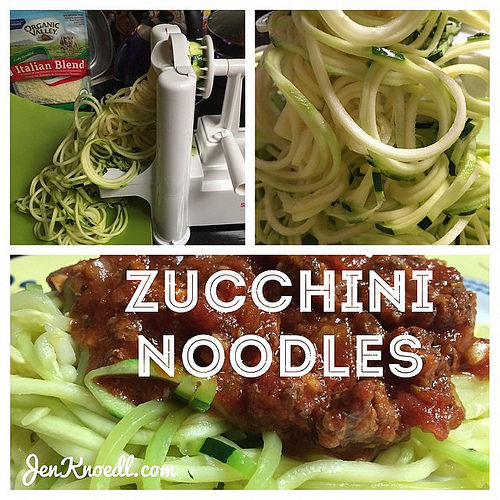
Spirallising vegetables such as courgettes and squash to use instead of pasta is becoming mainstream thanks to popularisation by such celebrity cooks as Davina McCall, the Hemsley sisters and Ella Woodward. John Lewis says it was one of their best- selling kitchen gadgets of 2015.
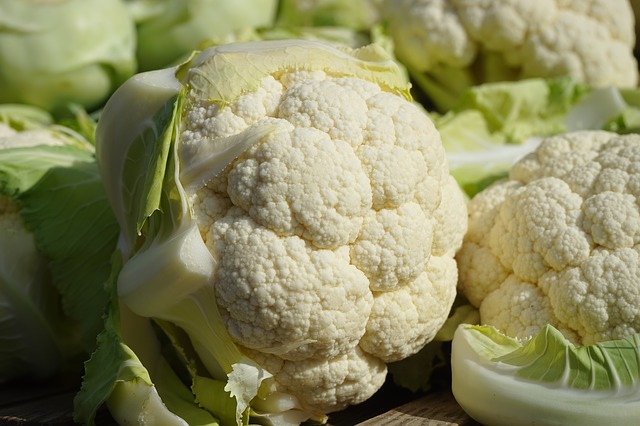
Now you can buy pre-spirallised vegetables in many supermarkets such as Tesco, Sainsbury, Marks and Spencer and Waitrose. From next month you will also be able to buy that good old low carb rice substitute cauliflower “rice” prepacked from Sainsbury.
The interest is due to the growing demand from low carbers and those who are pursuing a wheat/gluten free diet. The restaurant chain Bella Pasta even serves vegetable “spaghetti” in their restaurants.
Based on an article by Rebecca Smithers in the Observer 17.1.16
Can your job cause type two diabetes?
A study of English civil servants has shown that those who earn the least are almost twice as likely to get type two diabetes than those who earn the most.
The ones who earn the least are also over one and a half times more likely to be obese and also one and a half times more likely to pursue an unhealthy lifestyle. This lifestyle includes a group of factors including smoking, drinking excessively, having a poor diet and being physically inactive.
The group comprised of over 7000 adults and equal numbers of men and women and measurements were repeated over an average of 14 years. The authors of the Whitehall II study, do not discuss what the reasons may be for the associations but I can think of a few possibilities.
Healthy food such as meat, fish, eggs, cheese, butter, olive oil, fruit and vegetables cost a lot more than unhealthy food such as sausages, sausage rolls, bread, pasta, pizza, chips, burgers, vegetable oil and margarine. As you will know from our book, the cornerstone to preventing weight gain and controlling diabetes is a low carbohydrate diet that is plentiful in protein, vegetables, some fruit and naturally saturated and mono-unsaturated fats.
I’m not sure if the studied civil servants all worked in central London or not. If they did, it would be logical for those who earned more to be able to afford housing nearer their place of work, thereby having to spend less time commuting.
Spending more time travelling to work each day certainly can eat into time that could otherwise be spend on planning meals, shopping and undertaking planned exercise. Being able to have flexible working hours can also help people spend less time commuting and undergo less stress while they do so.
As employees rise higher in the civil service the annual leave time allowed tends to rise as well as the pay. This could also affect the time that could be spent on exercise as well as enjoyable pursuits. As we know, many exercise options are free, but some are not, and with poor weather outside, exercise plans can slide. Being able to go to a gym, tennis club or golf course can provide a social outlet as well as an opportunity to exercise. Exercise helps improve mood and relief stress as well as being an opportunity to gain muscle and being able to eat more calories a day and get away with it.
What about smoking and drinking then? Why are these behaviours more common in those who are paid less?
It has been known for a long while that those with less money tend to smoke more. As for drink, the more affluent can certainly put away plenty of drink too, particularly the more affluent, executive middle class woman, compared to her shop assistant or factory working sister. Greater workplace stress and difficulty with the elusive work/life balance are thought to be factors for the higher earning woman.
What about mental health factors? It has been found that the lower choice someone has about their job role the higher their stress and the greater their chances are of becoming depressed. Perhaps the lower the job status the less autonomy civil servants have at work? From my work in the police force and the NHS I have seen the opposite scenario as well. I have seen very able people refuse promotion because of the necessity to do a lot of unscheduled extra work and take on responsibility that seems relatively poorly rewarded financially as people rise up the hierarchy.
Television watching also tends to increase the amount of sugary food and drink consumed across all age groups according to a study. Do the more affluent watch less telly? Perhaps having a dining table and using it for family meals can be a factor in reducing our waistlines?
The reasons for the socio-economic differences in the causation of type two diabetes are up for discussion. But also up for discussion is what can we do to lessen the chances of being affected?
Being aware that your job could be putting you are more risk of type two diabetes is a first step. How can you get more control over how you do your job? Can you get flexi-time so as to make home arrangements and commuting less stressful? Can you eat in a more healthful way? Can you make more time for exercise or incorporate physical activity into your working day? Are those self- soothing habits such as smoking, drinking and watching the telly stealing years from your life?
Sadly it looks like the workplace subsidised canteen and gym perks are becoming less likely rather than more likely. I would not be surprised to see these socio-economic differences between civil servants greatly amplified between people who are unemployed and those workers who are just scraping a living wage compared to more affluent workers. And where type two diabetes goes so does the increased rates of complications, cardiovascular disease and cancer.
Based on Contribution of modifiable risk factors to social inequalities in type 2 diabetes: prospective Whitehall II cohort study. Silvia Stringhini et all. BMJ Sept 12 and BMJ learning module: The effect of television watching on dietary intake.
Seven Tips for Budget Low-Carb Eating
Now that the expense of Christmas is over and done with, you might be looking at belt-tightening all round – and that might include your food budget too.
Eating low-carb can be expensive as cheap ingredients such as rice, potatoes, bread, pasta and beans are often used in meals as the filler – think lasagne, chilli con carne and shepherd’s pie for instance. Meat and fish can be expensive, but there are ways to eat a low-carb diet without incurring huge grocery bills. Continue reading “Seven Tips for Budget Low-Carb Eating”
Carbohydrates & Cardiovascular Disease – A Response, by Ruth Buttigeig
2014 so far has been a rocky road for carbohydrates. The media has come out voicing concerns against the consumption of carbohydrates, especially sugar, in the diet.
However, there is still much opposition to the issue of reducing carbohydrates in the diet, such as this article published in the Proceedings of the Nutrition Society by Ian Macdonald, a member of the European Scientific Advisory Council for Coca Cola Europe, The Nutrition Advisory Board for Mars Europe and the Mars Scientific Advisory Council for Mars, Inc.
In this article, the author begins by stating that carbohydrates are necessary as a fuel due to the body’s dependence on glucose to supply the brain, red blood cells and other tissues with energy. By making such a statement, the author is deliberately neglecting the biochemical fact that the human body is able to run on other dietary fuels such as protein and fat.
Non-Carbohydrate Precursors
In light of this statement I refer you to the Biochemistry textbook written by Berg, Tymoczko & Stryer 2012(1). In particular I refer you to Chapter 16.3 “Glucose can be synthesised from non-carbohydrate precursors”; Chapter 21 “Glycogen Metabolism”; Chapter 22 “Fatty Acid Metabolism”. This textbook is on the required reading list for the majority of university modules that deal with biochemistry and the human body.
Continue reading “Carbohydrates & Cardiovascular Disease – A Response, by Ruth Buttigeig”
How to Cope with Carb Cravings

So I think we are all agreed that eating the low-carbohydrate way is the best diet for health and wellbeing if you have diabetes (type 1 or type 2)..?
Inevitably, however, there will be times when the dreaded carb cravings strike. And as we have Christmas ahead of us, there will certainly be temptations a-plenty calling our name.
It is very easy to over-eat carbohydrates. They don’t have the same satiating effects that protein has on the body, and the soaring blood sugars you get afterwards are horrible (and it can take a long time to get them under control again).
So, general advice given to beat cravings often mentions general avoidance tactics such as going for a walk, or phoning a friend. That’s the kind of advice, I suspect, written by people who don’t suffer from cravings. If you get them, you’ll know they can be very, very powerful indeed.
Trigger Foods
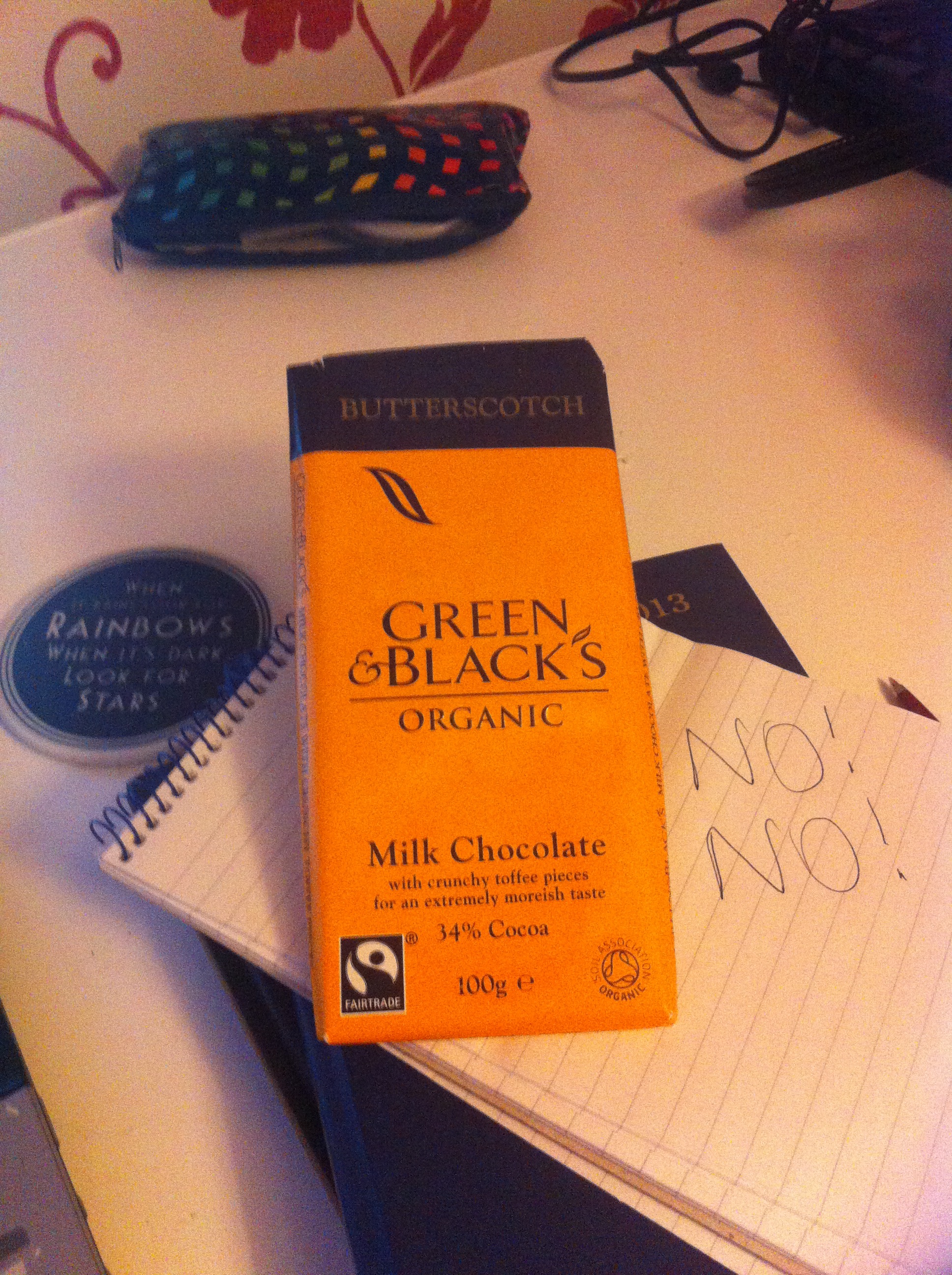
The first thing to do is to work out your trigger foods* – bread, crisps, chocolate or perhaps all three – and don’t keep them in your house, if possible. Cravings often strike in the evening (will power fatigue has set in) so having to go out of the house to buy your temptation of choice adds obstacles to the path. Continue reading “How to Cope with Carb Cravings”
The Top 10 Best Things About a Low-Carb Diet
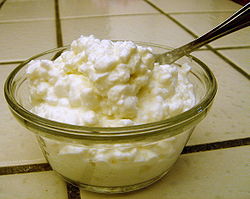
- You don’t need to eat low-fat cottage cheese again. Seriously, that watery crap doesn’t need to find itself in your fridge ever again.
- Broccoli and butter. Think you don’t like broccoli? Try it steamed with a tablespoon of butter melting over the top. Om nom nom.
- Steak. Lamb. Burgers. Sausages. (And this from a reformed vegetarian too…)
- You can eat chicken skin. And crackling. Turn up the oven to hot, hot, hot and make yourself your own pork scratchings.
- You will fart less. Seriously.
- Smoked salmon and scallops (on a rich day, obvs).
- Your appetite will feel as if it is under control, because your blood sugar levels will stay steadier and protein is more satiating.
- You get to try out lots of lovely recipes, thanks to the world wide web! Obviously, we feature great recipes here at Diabetes Diet, but check out BBC Good Food, Authority Nutrition and the Atkins website for more.
- You can go longer without eating because of the natural satiety effects.
- Finally, you will feel healthier, more energetic and happier – again, because of steady blood sugar control.
What do you love about eating low-carb? We’d love to know… And if you would like to try out a low-carb diet, with expert advice on medication management for going low-carb, try out the Diabetes Diet. Pic thanks to Wikipedia.