The best diet for optimal blood sugar control & health
Author: kaitiscotland
I am a Scottish doctor who is working to improve the outcomes for people who have diabetes using a low carb diet, and advanced insulin techniques when necessary. Professionally I provide expert witness reports in the clinical forensic and family medicine areas and I also provide complementary therapies. I enjoy cooking, cinema, reading, travel and cats.
A Finnish study has shown that growing up with a dog in the house improves the immune response of babies. Early respiratory infections, gastroenteritis and allergic reactions are reduced.
If a man has type one diabetes his chance of passing this on to his children is one in three. Maternal type one diabetes also increases the risk of type one in children but to a much lesser degree. Genetic susceptibility is reduced to a small extent if the baby is brought up in a house where the dog lives in the house. Unfortunately cats don’t confer the same benefit.
Reported in JAMA Paediatrics 2014 and BMJ 19th July 2014
Pining for a great steak dinner or celebrating a special occasion? A trip to a premium steakhouse in the US will cost you the following:
Morton’s 3 course steak dinner for one is $150-160.
Ruth’s Chris price for just the cowboy rib eye is $50.
Gibson’s Steakhouse in Chicago – premium steaks average $40 to $60 per steak.
Dinner at less prestigious steak restaurants will be at least $90 per person.
If you make this special dinner at home, and I did, this is what it cost me:
Cost of a quality steakhouse dinner at home for 2 is less than $30 plus whatever your wine cost. These are prices for my area and the vegetables are in season and often on sale [in the US] here:
This steak has several names, such as cowboy or tomahawk. The steak can be grilled over indirect heat or it can be baked in the oven,
It is a large steak and we will only eat part of it. However, I like having leftovers that I can use for a salad or a quesadilla later in the week.
Ingredients
•One 22 – 24 oz French Cut Rib Eye Steak
•2 teaspoons kosher salt
•1 teaspoon fresh ground black pepper
•2 tablespoons butter, melted
Directions
One hour before grilling, remove the steak from the refrigerator. Season it liberally with the salt and pepper. Let it rest at room temperature until it is time to grill.
Set the grill up for direct and indirect heat.
Put the steak on the grill over indirect heat. Close the lid, and cook the steak, turning a few times during cooking. The steak is ready for searing when it reaches 115°F in the thickest part of the steak, about 25 – 30 minutes.
Brush the steak with some of the melted butter, then slide it to the direct heat side of the grill. Sear the steak until a brown crust forms on the steak. This should take about two minutes on each side, at which point the steak should reach 125°F for medium rare.
Remove the steak to a platter and baste i,t one last time, with the butter. Let the steak rest for 10 minutes, then slice and serve.
Oven Baked Method
Melt 2 tablespoons butter with 1 tablespoon olive oil in a large heavy ovenproof skillet over medium-high heat. Reduce heat to medium and add the steak to the skillet. Cook until seared and golden brown, 2 minutes per side. Transfer the skillet to the oven..
Roast steak in the oven, turning halfway through cooking and basting frequently with the butter in the pan, until an instant-read thermometer inserted into steak registers 125° for medium-rare, about 15 minutes, or to your desired temperature.
Transfer the steak to a cutting board and and let rest for 10 minutes before slicing.
Ingredients
•1 tablespoon good quality balsamic vinegar
•1 teaspoon brown sugar
•1 tablespoon unsalted butter
•1 tablespoon extra-virgin olive oil
•1 lb cremini (baby bella) mushrooms, cleaned and sliced
•Pinch Kosher salt
•1/2 teaspoon garlic powder
•1 teaspoon fresh thyme leaves
•1/4 teaspoon freshly ground black pepper
Directions
Combine the vinegar and the brown sugar in a small cup and set aside.
Heat the oil and butter in a medium skillet and saute the mushrooms until all the liquid has evaporated. Stir in the garlic, thyme, salt and black pepper.
Turn the heat to low and add the vinegar mixture. Cook, stirring, until the liquid reduces to a glaze consistency that coats the mushrooms, 15 to 20 seconds.
Ingredients
•2 tablespoons unsalted butter, melted
•2 garlic cloves, minced or pressed through garlic press (about 1 1/2 teaspoons)
•1 1/2 pounds asparagus spears, ends trimmed
•Salt and ground black pepper
•1 teaspoon lemon zest
•Heavy duty foil
Directions
Lay the asparagus on a large sheet of heavy duty foil. Sprinkle with salt and pepper and then with the garlic and lemon zest. Pour the melted butter over the asparagus.
Enclose the asparagus in the foil and seal the edges tightly. Place the package on the direct heat side of the grill while the steak is cooking.
Cook the asparagus for 8 minutes, turn the package over and cook another 8 minutes. Be careful opening the package because the steam will be very hot.
There’s also a potato salad to go with this recipe, but go easy on this side dish if you have diabetes or weight to lose! You can substitute cauliflower for the potatoes. Divide it into even-sized florets and steam until tender – about five minutes.
Dana, what recipes get the best feedback from your readers?
The one that has been most pirated is Heroin Wings – my publisher renamed it Wicked Wings in 1001 Low-Carb Recipes. They’re chicken wings dipped in melted butter and rolled in seasoned grated Parmesan, then baked, and they’re fabulous. But then, I stole the recipe from my mother, who I believe got it from one of those little cookbooks that local organizations make up to raise money, and who knows where they got it from. So I suppose pirating is to be expected.
But really, it doesn’t matter what I say I’ve just tried, from snacks through main courses to desserts, someone on my Facebook fan page will ask “Where can I find the recipe?” (Note: At the moment the Facebook fan page is Dana Carpender’s Hold the Toast Press, but as soon as I return from the Low Carb Cruise I’m shifting it over to Dana’s Low Carb For Life. Happy to have all your readers come join in.)
Dana, what is the range of health conditions that you have seen respond to a low carb diet in your readers?
The most exciting, perhaps, is polycystic ovarian syndrome, the most common cause of female infertility, and very definitely an insulin-driven illness. Back when I was still self-published, I got an email from a woman who had tried for years to get pregnant, but couldn’t because of PCOS. She read How I Gave Up My Low Fat Diet and Lost 40 Pounds, went low carb, got pregnant, and carried the child to term. That’s the kind of thing that keeps me grinning for days.
Commonly, I hear of vastly improved blood work – one fellow had his triglycerides plummet by 1200 points in 2 weeks. People regularly report low trigs and high HDL.
Blood pressure reliably drops, too. It’s common for detractors to say “Oh, you only lost water weight on that diet.” That’s nonsense, of course, but it is true that the very rapid loss of 5-10 pounds in the first week or so is largely water. That’s because when insulin levels drop the kidneys resume excreting sodium properly, and with it the water it was holding. Because of this, blood pressure comes down quickly. (For this reason, people who are medicated for high blood pressure must be under a doctor’s care when they first go low carb. They may need a reduction in medication within days.)
By the way, the proper excretion of sodium means that many low carbers need to increase their salt intake – I’m one of them. If a new low carber is feeling tired, achy, dizzy, headache-y, the first thing to try is increasing salt – heavily salted broth or bouillon works wonderfully.
Energy swings vanish when the blood sugar swings stop. Many annoying symptoms of generalized inflammation, such as arthritis, are reduced or eliminated.
Gastroesophageal reflux, aka heartburn, generally clears up.
And all kinds of little things – skin conditions, bleeding gums, stuff like that. My husband, who has a mouth full of crowns, hasn’t had a single new cavity since we went low carb 20 years ago. (I still have no fillings at the age of 57.)
Perhaps most surprising was the woman who wrote me to say that since she and her husband had gone low carb, a range of problems had cleared up, including that he had “stopped coughing up blood.” She finished with “You have been a miracle for our family.”
I have no idea how a low carb diet would stop the coughing up of blood, but I’m certainly glad it did.
Dana Carpender is theauthor of nine cookbooks, including the best-selling 500 Low-Carb Recipes.
This is a great recipe if you miss plain chocolate bounty bars. These are still produced but difficult to find in shops. Our version is low carb too! Sadly mine never seem to resemble the commercial product. I dread to say what they do look like, but if you recall the swimming pool scene from the film Caddyshack, you’ll get the idea…
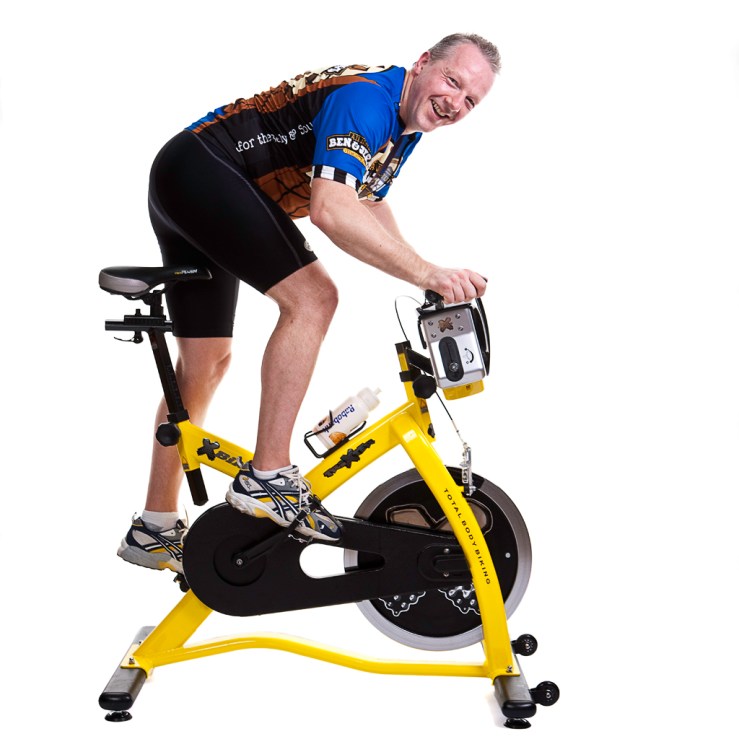
You’ll need to pedal harder than this if you want intensity…
I recently received an email from a person with type 1 diabetes living in Denmark (Guido) whose physician believes in prescribing many medications to manage cholesterol and high blood pressure in anyone with diabetes, regardless of need. Guido has been taking a statin (Atorvastatin, brand name Lipitor), along with at least four others for blood pressure control. He used to take Simvastitin (Zocor), but a year prior had been changed to Atorvastatin (and his dose doubled). That’s when his problems with exercise began.
Many prescribed medications can directly affect people’s ability to exercise or their responses to it, but most healthcare providers focus on the ones that affect blood glucose, particularly if they increase the risk of activity-related hypoglycemia. Another type really needs to be considered, though, because of the sheer number of patients who are being put on them and their potentially negative impact on the ability to exercise: statins. Statins are medications taken to treat high cholesterol levels or abnormal levels of blood fats, in an attempt to lower the risk of heart attack and stroke. Brand name examples include Altoprev, Crestor, Lescol, Lipitor, Livalo, Mevacor, Pravachol, and Zocor.
The cholesterol guidelines were recently updated, the result being that even more adults with diabetes and prediabetes are being prescribed various medications from this class. In individuals who are unwilling or unable to change their diet and lifestyles sufficiently or have genetically high levels of blood lipids, the benefits of statins for lowering cardiovascular risk likely greatly exceed the risks, or so the experts claim (1). If a person has a low risk for developing cardiovascular problems and does not already have type 2 diabetes, taking them is not advised (2), particularly because many statins increase the risk of developing type 2 diabetes (3).
Since one month after he started taking Atorvastatin, Guido confided that has been suffering from extreme stiffness and pain in his legs that occurs after running any distance (3 km or 20 km). The pain is in his lower leg/ankle (the right one hurts more, but the left leg is also very stiff) and occurs typically after his runs and decreases after 3 to 4 days, during which time he is unable to run at all. His legs have been scanned and are negative for any signs of fractures or inflammation, and they have ruled out compartment syndrome.
In his email to me, Guido stated: “I suspect it is the Atorvastitin. What do you think?”
My answer was, “I completely agree that your problems are probably coming from the Atorvastatin. As a group of medications, the statins are WELL known for causing muscle and joint issues. I would suggest considering going off of it completely and see if your symptoms resolve in a few weeks.”
Guess what? It worked! He emailed me a week later, stating “I have stopped using the Statins now for 5 days and after a 12 km run my legs feel completely different and back to normal.” That was great news to hear!
It’s not talked about enough, but undesirable muscular effects from statin use are commonplace, such as unexplained muscle pain and weakness with physical activity that Guido has been having, which may be related to statins compromising the ability of the muscles to generate energy. The occurrence of muscular conditions like myalgia, mild myositis, severe myositis, and rhabdomyolysis, although relatively rare, is doubled in people with diabetes (4). Others have reported an increased susceptibility to exercise-induced muscle injury when taking statins, particularly active, older individuals (5). Other symptoms, such as muscle cramps during or after exercise, nocturnal cramping, and general fatigue, generally resolve when people stop taking them. If people experience any of these symptoms, they need to talk with their healthcare provider about switching to another cholesterol-lowering drug that may not cause them.
Another major issue related to statins is that their long-term use negatively impacts the organization of collagen and decreases the biomechanical strength of the tendons, making them more predisposed to ruptures. Statin users experience more spontaneous ruptures of both their biceps and Achilles tendons (6-8); I personally know a physically active person with type 1 diabetes that simultaneously ruptured both of his Achilles tendons during a routine workout due to long-term statin use. Again, people should talk with their doctors about whether it may be possible to manage their cardiovascular risk and lipid levels without taking statins long-term for this reason and the aforementioned ones.
In my opinion, there’s nothing worse than a medication that is supposed to help lower your cardiovascular risk, but then likely ends up removing all of the potential benefits by taking away your ability to be physically active! Likely the greatest risk factor for heart disease is physical inactivity, so don’t prescribe statins that make people sit on the couch. At least have them try another medication to see if it a lesser negative impact on being active.
References:
1.Kones R: Rosuvastatin, inflammation, C-reactive protein, JUPITER, and primary prevention of cardiovascular disease–a perspective. Drug Des Devel Ther 2010;4:383-413
2.Taylor F, Ward K, Moore TH, Burke M, Davey Smith G, Casas JP, Ebrahim S: Statins for the primary prevention of cardiovascular disease. Cochrane Database Syst Rev 2011:CD004816
3.Mayor S: Statins associated with 46% rise in type 2 diabetes risk, study shows. BMJ 2015;350:h1222
4.Nichols GA, Koro CE: Does statin therapy initiation increase the risk for myopathy? An observational study of 32,225 diabetic and nondiabetic patients. Clin Ther 2007;29:1761-1770
5.Parker BA, Augeri AL, Capizzi JA, Ballard KD, Troyanos C, Baggish AL, D’Hemecourt PA, Thompson PD: Effect of statins on creatine kinase levels before and after a marathon run. Am J Cardiol 2012;109:282-287
6.de Oliveira LP, Vieira CP, Da Re Guerra F, de Almeida Mdos S, Pimentel ER: Statins induce biochemical changes in the Achilles tendon after chronic treatment. Toxicology 2013;311:162-168
7.de Oliveira LP, Vieira CP, Guerra FD, Almeida MS, Pimentel ER: Structural and biomechanical changes in the Achilles tendon after chronic treatment with statins. Food and chemical toxicology : an international journal published for the British Industrial Biological Research Association 2015;77:50-57
8.Savvidou C, Moreno R: Spontaneous distal biceps tendon ruptures: are they related to statin administration? Hand surgery : an international journal devoted to hand and upper limb surgery and related research : journal of the Asia-Pacific Federation of Societies for Surgery of the Hand 2012;17:167-171
As a leading expert on diabetes and exercise, I recently put my extensive knowledge to use in founding a new information web site called Diabetes Motion (www.diabetesmotion.com), the mission of which is to provide practical guidance about blood glucose management to anyone who wants or needs to be active with diabetes as an added variable. Please visit that site and my own (www.shericolberg.com) for more useful information about being active with diabetes.
by Dr. Sheri Colberg, Ph.D., FACSM Diabetes in Control April 2 2016
A team of Swedish medical researchers interviewed 24 people who had diabetes to see if there were factors that got in the way for self-caring behaviours that enhanced diabetes management. They found that some patients didn’t believe diabetes was all that serious, that it was way down the priority list compared to dealing with other life problems, that they didn’t believe it was under their control anyway and that it simply wasn’t worth sacrificing a good time for.
Any of this sound familiar?
Other illnesses, emotional distress, prioritising the needs of others and money problems all seemed to get in the way of getting to grips with self- care routines that are the crux of effective diabetes management.
For patients who are struggling with the condition, the authors think that medical professionals would be far better of focusing on what is desirable and realistic for individual patients rather than trotting out the “usual” advice, which is often perceived as being totally beyond the ability of some people and at some times in their lives.
Family support has been recognised as been a major factor in diabetes management adherence. The health care system and how easily it can be accessed is another environmental factor. Susann Strang, with her nursing background, understands that the patients’ life experiences, current situation, cultural background, beliefs and attitudes all affect their willingness and ability to follow treatment recommendations. If consultations are patient centred rather than protocol centred improvements in glycaemic control can be seen.
The patients who were interviewed for the study came from an area of Sweden with a high number of immigrants and a low socio-economic status. The number of smokers and amount of cardio-vascular disease was higher than more affluent areas in Sweden. A range of type two patients over the age of 18 were given in depth interviews. They were asked, “What does living with diabetes mean to you?”
Many people said that their lives had become more structured and limited by the diagnosis of diabetes. They were aware that food and medicine were basic issues in the control of the condition and had incorporated routines into their lives so that particularly those who had had diabetes for some time almost forgot about it. “For me diabetes is only something I have and I will have it as long as I live. I don’t think so much about it. It is like having a cup of coffee in the morning, or like going to the laundry.”
The lack of symptoms accompanying high blood sugars often led people to relax about diabetes management. Work responsibilities, home problems, lack of support, loneliness, and frank depression all reduced quality of life and put diabetes into the background. Immigrants often missed their old lives and countries or worried about relatives. Some had given up prior religious beliefs as a result of trauma they had witnessed.
Cardiac disease, high blood pressure, inflammatory problems, chronic obstructive lung disease and depression often seemed more important issues than diabetes, particularly when it was almost without any perceptible symptoms.
Some people thought that it was their fate to get diabetes. They also did not believe that changing their lifestyle was their responsibility. “The only thing the doctor complains about is losing weight. No matter how hard I try I can’t get below 84kg. I’m just like my parents. So it has to do with the genes. And you can’t change them.”
Respondents sometimes discussed feeling hopeless and resigned to the situation. One even thought that society was to blame for his lack of motivation to change his lifestyle.
Although most patients had had nutritional advice, most had trouble keeping to the plan. The social factors of enjoyment of food were seen as more important than eating right for diabetes control. The taste of food, perceived boredom of healthy food, and cooking ability all affected the degree to which people were willing to change their diet.
The majority of respondents were well aware of the positive effects of physical activity yet some took no exercise at all. To explain this they said they were lazy, exercise was boring, it was more convenient to sit on the couch or at a computer, it was painful to exercise, they were too tired, they were depressed, they had sleep problems, they had no idea how to go about it and they didn’t have enough money to exercise. Some worried that exercise was bad for the heart.
Sadly other studies by ST Miller and P Jallinoja also have identified the same unwillingness to change to a more beneficial lifestyle is not uncommon among people with diabetes.
The authors recommend that health care professionals learn about the way individual patients view living with diabetes and what type of care they really prefer. As patients can change their views over time, keeping the door open to change is recommended.
The Danish philosopher Soren Kierkegaard said, “If I want to succeed in bringing a person towards a specific goal, I must find out where she is and start from there.”
Adapted from Diabetes in the shadow of daily life: factors that make diabetes a marginal problem. Anders Agard, Vania Ranjbar, Susann Strang. Practical Diabetes March 2016.
Dana, how can you follow a low carb meal plan if you are on a tight budget?
Well, first, you’re going to have to cook. 🙂
A year or two after I went low carb, my husband started grad school, and had to reduce to part time hours. I was not yet writing for a living. The budget was definitely slim.
I find the greatest friend my food budget has is a freezer. Even a little one, maybe 5 cubic feet, lets you take advantage of loss-leader sales and markdowns. As I type this, mine is full of chicken thighs I bought at 49c/pound and pork shoulder I bought for 99c/pound – oh, and bacon that went down to $1.99. I am not above buying meat that’s been marked down because it’s nearing the pull-by date; that’s how we afford rib-eye steak now and then. One delirious day I got 10 pounds of bacon and 8 pounds of pork sausage because they’d all been marked down to 99c/pound for clearance. Indeed, I rarely buy meat at full price. Heck, I have a turkey in there that was marked down to 79c/pound after the holidays. It’ll be great smoked on the grill this summer.
You’re thinking “How do I afford a freezer?” Check Craigslist; our big chest freezer (and by “big” I mean I could fit a body in it if it weren’t full of marked-down meat) cost us $125 and the hauling; it has saved us that many times over. It’s run beautifully for 6-7 years now. Do shop for one that’s fairly recent vintage; it will cost you less in electricity. You can also shop scratch-and-dent stores. Prices run higher, but you may get a warranty.
Keep in mind that your body doesn’t care if you get your protein from those 49c/pound chicken thighs or from lobster tail. It will be just as happy with cabbage as with out-of-season lettuce. Speaking of seasons, even today there is some seasonal variation in food prices. Take advantage of them. We just stocked up on eggs when they were cheap at Easter; eggs are great any time of day. When Kerrygold butter went on sale, I bought 6 packages.
I’m a dinosaur; I still get a dead-tree newspaper daily, so I see the weekly grocery store flyers. As a result, I know when Aldi has avocados at 49c a pound, and when Lucky’s has a sale on prime rib – yes, I got a prime rib roast for $4.99/pound. That’s roughly half the usual price. I also try to be aware of who has the best prices on what on a day-to-day basis. We go through a lot of pork rinds, so it’s more than worth it to drive 20 minutes across town to Aldi, where they cost 99c a bag, instead of $2.99 a bag at the nearest grocery store. I buy them a case at a time. If you don’t get a paper, see if you can get the local grocery store circulars online.
Don’t waste food. As I said above, I eat leftovers a lot. I also save the bones from my chicken and steaks in plastic grocery sacks in the freezer, and turn them into broth when I have a bagful.
Most low carb speciality foods are pricey, and none of them are essential.
Two more thoughts:
One, many carby foods are expensive. I have long thought of cold cereal as a conspiracy to get suckers to pay $4 for 15c worth of grain. How much did the potatoes in that bag of chips cost? Why do you think pizza places keep bragging about their crust, or offering “free” Crazy Bread? They can appear generous while sucking dollars out of your pocket for something that cost them pennies. Cut the expensive carby junk out of your food budget, and you’ll have more money for bacon and eggs.
And two, any food that makes you fat, hungry, tired, and sick wouldn’t be cheap if they were giving it away.
Dana Carpender is theauthor of nine cookbooks, including the best-selling 500 Low-Carb Recipes.
The England and Wales National Diabetes Audit is the largest annual clinical audit in the world and the most comprehensive of its kind. It gives information on how much of NICE policy is being implemented.
In the 2013-15 populations the percentage of registered diabetics has risen to 5.1% although it is thought that 7.1% of men and 5.3% of women have the condition from the Health Survey for England 2014.
Nine care processes are recommended by NICE. Overall 39% of type one diabetics and 59% of type two diabetics got all of the checks covered in the audit. Worryingly only 27% of type ones under the age of 40 got all the necessary checks. There is a large range in variability in performance. For type ones in some areas 17% had all the checks and the best managed 62%.
Overall diabetics have a good chance of getting their bloods taken and blood pressure taken. The offer of structured education for newly diagnosed type one patients rose from 17% to 76%. Although 78% of type twos are offered structured education, only 5% take it up.
Only 30% of type one diabetics have glycaemic values of 7.5% HbA1c or 58 mmol/mol. Only 8.7% of type ones got 6.5% or 48 mmol/mol or below. 29% of type twos achieved this target.
The quality of care seems to be worse for type one diabetics especially in the younger age groups. Most of these people will be seen by hospital teams rather than a General Practitioner. The reasons why structured education is sidelined by patients is also mysterious.
Based on an article by Steve Chaplin Medical Correspondent for Practical Diabetes March 2016.
Put the chicken in a large casserole dish in a single layer. Add salt, juice, lots of pepper, mix well and set aside for 20 mins.
Combine ginger, garlic, yoghurt, coriander, cumin, turmeric, cayenne and cardamom in a bowl. Mix well.
Rub chicken with mix, cover and put in fridge overnight.
Heta oven to 200C/gas 6.
Bring chicken to room temperature. Brush with oil, scatter with onion. Bake in middle of oven for 30 mins. Turn chicken over and put back in oven. Cook another 40 mins, basting every 10 with juices.


 This is a great recipe if you miss plain chocolate bounty bars. These are still produced but difficult to find in shops. Our version is low carb too! Sadly mine never seem to resemble the commercial product. I dread to say what they do look like, but if you recall the swimming pool scene from the film Caddyshack, you’ll get the idea…







 Diabetes Diet