Fat in the liver is a key sign for metabolic problems

Obesity does not always go hand in hand with metabolic changes in the body that can lead to diabetes, heart disease and stroke, according to a new published study…

In a study at Washington University School of Medicine, researchers found that a subset of obese people do not have common metabolic abnormalities associated with obesity, such as insulin resistance, abnormal blood lipids (high triglycerides and low HDL cholesterol), high blood pressure and excess liver fat.

In addition, obese people who didn’t have these metabolic problems when the study began did not develop them even after they gained more weight.

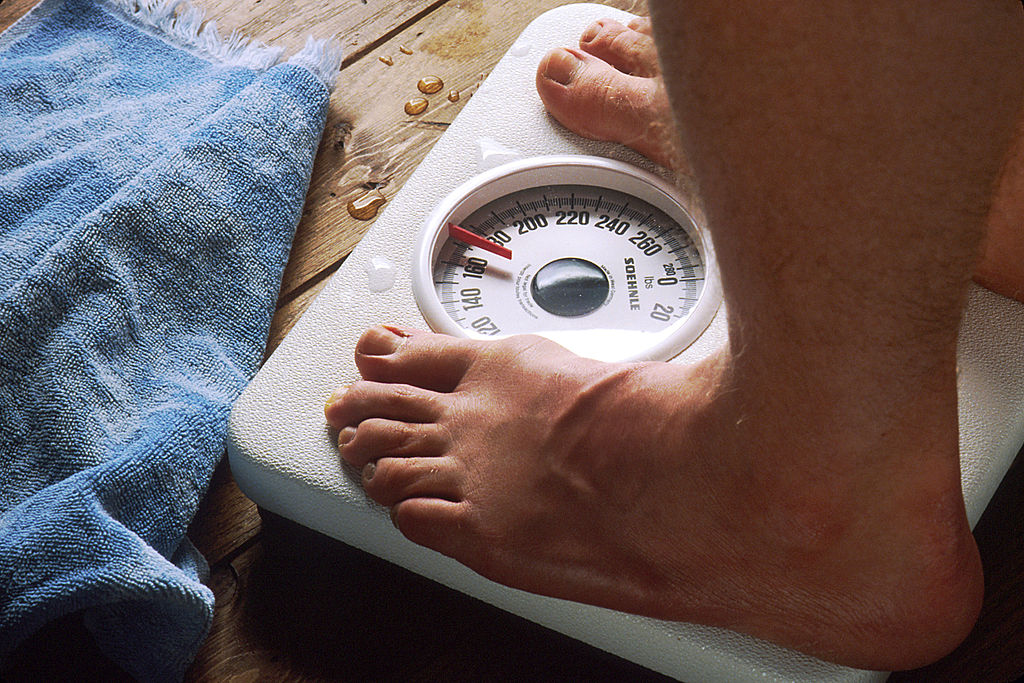
The study involved 20 obese participants who were asked to gain about 15 pounds over several months to determine how the extra pounds affected their metabolic functions.
First author Elisa Fabbrini, MD, PhD, assistant professor of medicine, added that, “Our goal was to have research participants consume 1,000 extra calories every day until each gained 6 percent of his or her body weight” “This was not easy to do. It is just as difficult to get people to gain weight as it is to get them to lose weight.”

All of the subjects gained weight by eating at fast-food restaurants, under the supervision of a dietitian. The researchers chose fast-food chain restaurants that provide rigorously regulated portion sizes and nutritional information.

Before and after weight gain, the researchers carefully evaluated each study subject’s body composition, insulin sensitivity and ability to regulate blood sugar, liver fat and other measures of metabolic health.

After gaining weight, the metabolic profiles of obese subjects remained normal if they were in the normal range when the study began. But the metabolic profiles significantly worsened after weight gain in obese subjects whose metabolic profiles already were abnormal when the study got underway.

Senior investigator Samuel Klein, MD, the Danforth Professor of Medicine and Nutritional demonstrated that some obese people are protected from the adverse metabolic effects of moderate weight gain, whereas others are predisposed to develop these problems.”

“This observation is important clinically because 352774705_bb36377f90_o.jpgabout 25 percent of obese people do not have metabolic complications,” he added. “Our data shows that these people remain metabolically normal even after they gain additional weight.”

As part of the study, the researchers then helped the subjects lose the weight they had gained.

The researchers identified some key measurements that distinguished metabolically normal obese subjects from those with problems. One was the presence of fat inside the liver. Those with abnormal metabolism accumulated fat there.

Another difference involved gene function in fat tissue. People with normal metabolism in spite of their obesity expressed more genes that regulate fat production and accumulation. And the activity of those genes increased even more when the metabolically normal people gained weight. That wasn’t true for people with abnormal metabolism.

“These results suggest that the ability of body fat to expand and increase in a healthy way may protect some people from the metabolic problems associated with obesity and weight gain.” He noted that obesity contributes to more than 60 different unhealthy conditions.

Practice Pearls:

  • Some obese people are protected from the adverse metabolic effects of moderate weight gain.
  • Some key measurements that distinguished metabolically normal obese subjects from those with problems. One was the presence of fat inside the liver. Those with abnormal metabolism accumulated fat there.
  • People with normal metabolism in spite of their obesity expressed more genes that regulate fat production and accumulation.

Elisa Fabbrini. Metabolically normal obese people are protected from adverse effects following weight gain, pub Jan. 2, 2014 in The Journal of Clinical Investigation.  (Published in Diabetes in Control Jan 15)

What can you do to improve erectile dysfunction?

Blood vessel problems and diabetes are the leading causes of not being able to get or sustain an erection in men. “ED” is a very common diagnosis, perhaps more so now than ever before, partly due to the increase in diabetes but also because there are more treatments available now and men are less likely to suffer in silence.

Diabetics tend to get the problem 10 to 15 years earlier than other men. The degree of glycaemic control over time is a significant factor as this determines the extent of microvascular and macrovascular complications. Neuropathy, insulin resistance, endothelial dysfunction, and atherosclerosis all affect the mechanisms behind erectile function.

Even men who are not diabetic but are aged over 50 and have features of metabolic syndrome are at almost a 50% more chance of getting ED. Indeed the severity of ED reflects the degree of blood pressure, waist fat, and abnormal blood fat pattern that a man may have. If a man with diabetes has ED he is at significant risk of coronary artery disease.  Low testosterone is a risk factor for ED by itself and makes metabolic syndrome and diabetes worse as well.

5814509608_e9d342b063

The main drugs to treat ED, such as Viagra and Cialis, rely on an intact neural response, so they don’t always work that well when this is impaired in diabetics.  Testosterone replacement therapy can reduce cardiovascular risk in men and also enhance the response to these sorts of drugs. When drugs are still not successful vacuum devices, penile injection drugs, and penile prostheses can be used.

Men can find that following a Mediterranean style of diet can improve erectile response as can exercise.

So in brief:

Keep to as normal a weight as you can.

Keep blood sugars control as good as you can for as long as you can.

Make exercise part of your daily routine.

Eat a low carbohydrate diet with plenty of olive oil, fresh vegetables and moderate amounts of fruit.

Don’t smoke.

Reduce stress.

Sleep well.

Keep your blood pressure under control.

Seek medical advice if you have abnormal blood lipids especially low HDL and high triglycerides.

Include a testosterone check if you notice your waistline creeping up or erectile problems when you have your other diabetic blood tests.

Maintain a normal blood pressure.

Ask your doctor’s advice if you are on medication because many anti- hypertensives and anti-depressants interfere with penile function.

If you do have ED and diabetes discuss cardiac assessment with your doctor.

Thermometer - Confidence Level
A thermometer with mercury bursting through the glass, and the words Confidence Level, symbolizing a positive attitude

Based on the article: Endothelial dysfunction is the link between ED, DM and CAD by  Sabair Pradhan, Doctor of Pharmacy Candidate USF College of Pharmacy. Published in Diabetes in Control February 2016.


Diabetes exercise expert launches great new site

Dr Sheri Colberg has been studying diabetics and their response to exercise for many years.  She has written several books to help diabetics achieve their best results and now she has launched an online site that will help you for free.

She writes:

As a leading expert on diabetes and exercise, I recently put my extensive knowledge to use in founding a new information web site called Diabetes Motion (www.diabetesmotion.com), the mission of which is to provide practical guidance about blood glucose management to anyone who wants or needs to be active with diabetes as an added variable. Please visit that site and my own (www.shericolberg.com) for more useful information about being active with diabetes.


She aims to help the entire range of people affected with diabetes from the “getting on a bit” couch potato to the fit competitive athlete.

Here at Diabetes Diet Blog, Emma and I are convinced of the benefits of regular and varied exercise for all, whether you are diabetic or not. Just figuring out where to start can be difficult if you haven’t been a regular exerciser before or are troubled with complications. For insulin users, they are sometimes put off by the adjustments they need to make with their food intake and insulin doses. This site is here to help and Sheri contributes personally to the comments section in her site to help you. 51y4mr5J-5L._SX349_BO1,204,203,200_

Invigorate your taste buds with spice rubs


Many of the world’s greatest culinary discoveries were made serendipitously. But very few had greater impact than the discovery of using spices to flavor and preserve food.

Anthropologists have shown that thousands of years ago, our hunter-gatherer ancestors would often wrap their kill in leaves and bark to preserve and transport the contents inside. Only later did they discover that this method of preservation could also improve the taste of their food.

And so the worlds’ love affair with spices began…


Spices & Herbs: The Culinary Curatives


As civilization advanced, the use of spices became ubiquitous in culinary tradition. But it wasn’t just for their ability to enhance flavor. It was also for the health-promoting properties they possessed:

  • Texts from Ancient Egypt (1555 BC) deemed coriander, fennel, juniper, cumin, garlic and thyme as powerful medicine. It is also known that the laborers who constructed the Great Pyramid of Cheops (using advanced alien technology, of course) consumed onion and garlic as a means to promote health.
  • Black pepper, cinnamon, turmeric, cardamom have been used by Indians for thousands of years for both culinary and health purposes.
  • Hippocrates wrote extensively about spices and herbs, including saffron, cinnamon, thyme, coriander, mint, and marjoram. Of the 400 herbal remedies he created, at least half are still used today.
  • Theophrastus, the “Father of Botany”, authored two books summarizing the knowledge of over 600 spices and herbs.
  • Dioscorides, a Greek Physician of the 1st century, authored De Materia Medica – an extensive medical and botanical guide that was used for over 1,500 years.
  • In the Middle Ages (600-1200 AD), European apothecaries used herbs and Asian spices including ginger, pepper, nutmeg, cinnamon, saffron and cardamom in their remedies.
  • Plants were used as the primary source of medicine in the United States from the time of the Mayflower (1620) until after World War I (1930).

Science now proves that the instincts and knowledge of our ancestors were correct: Spices and herbs are powerful medicine.


Countless studies show that herbs and spices possess a wide range of phytonutrients that can kill bacteria, viruses and parasites. They also act as powerful antioxidants and can promote cellular health, reduce inflammation, and more.

And one of the most convenient ways to harness the health-and-flavor enhancing power of herbs and spices is a homemade dry rub.


 Five Chef-Inspired Dry Rubs: Potent Flavor – With Benefits


Complimenting just about every kind of food – from meat, chicken, fish and vegetables – a dry rub is a combination of herbs, salt and spices that is applied before grilling, broiling, baking or roasting.

As you know, there are many commercial seasoning blends available. However, these often contain chemical preservatives, MSG, anti-caking agents and other unsavory additives.


By creating your own custom combinations at home, you can ensure a higher quality, additive-free product that is personalized to your tastes.

Using just one or two spices and herbs can produce delicious results. But if you really want to elevate your food to new heights, don’t be afraid to experiment with new ingredients and unique combinations. You can make a dry rub from nearly any combination of herbs, spices and salt. Here are four chef-tested dry rubs to try in your cooking:

Za’Atar

  • Use On: This exceptionally versatile Middle Eastern spice mix can be used on every kind of meat, fish or vegetable.
  • The Blend: ¼ cup sumac, 2 Tbsp. dried thyme, 1 Tbsp. roasted sesame seeds, 2 Tbsp. dried marjoram, 2 Tbsp. dried oregano, 1 tsp. sea salt
  • Yield: ~2 Tbsp.


Ras El Hanout

  • Use On: The name of this Moroccan spice mix translates to “head of the shop” – as it often includes the best spices the purveyor has to offer. Try on grass-fed steaks, wild salmon and chicken.
  • The Blend: 2 tsp. ground ginger, 2 tsp. ground coriander, 1½ tsp. ground cinnamon, 1½ tsp. freshly ground black pepper, 1½ tsp. ground turmeric, 1 tsp. ground nutmeg, 1 tsp. ground allspice, ½ tsp. ground cloves
  • Yield: ~¼ cup


Mediterranean Dry Rub

  • Use On: This classic blend goes with just about anything – from pastured pork, lamb and chicken to wild seafood.
  • The Blend: ¾ cup dried basil, ¼ cup dried thyme, 2 Tbsp. dried sage, 2 Tbsp. fennel seeds, 1 Tbsp. sea salt, 1 Tbsp. black peppercorns
  • Yield: ~1¼ cups


BBQ Dry Rub

  • Use On: A classic BBQ favorite that complements pastured chicken, ribs, and brisket
  • The Blend: ¼ cup paprika, 2 Tbsp. granulated garlic, 2 Tbsp. granulated onion, 2 tsp. black peppercorns, 1 tsp. dry mustard, 1 tsp. chili powder, 1 Tbsp. cumin seed (toasted), 3 Tbsp. coriander seed (toasted), ¼ cup sea salt, 2 Tbsp. coconut sugar
  • Yield: ~1¼ cups


Tips For Using Dry Rubs


Now that you have a few flavor combinations to start with, I’d like to share how you can maximize the seasoning power and life span of your dry rubs:

Toast to Get the Most: Many spices – especially cinnamon, cloves, allspice, coriander and cumin – benefit from a little heat. A brief toast in a dry skillet will coax more flavor out of these, in particular.

Grind Fine: Finely milling your spice and herb blends allows more surface area to come into contact with your food and your taste buds, producing deeper flavor. Use a spice mill or coffee grinder to powder your dry rub to a uniform consistency.

Prepare The Canvas: For each pound of meat, poultry, or seafood coat the entire surface with 2 to 3 teaspoons melted lard, tallow, duck fat, avocado or coconut oil. Then apply one to two tablespoons of dry rub.

Coat Well: When using dry rubs, coat the entire surface of the food, ensuring it sticks. Not only will this ensure you get the full flavor, but it will also produce a beautiful crust. To produce a stronger flavor, cover pre-rubbed meats or chicken and refrigerate for up to 24 hours to allow the flavors to penetrate. Then cook as desired.

Store Properly: Spices and herbs lose potency over time. Light, heat and oxygen accelerate the process. Store in a cool, dry place in an airtight container. Use within six months or sooner for best results.

Adding dry rubs to your cooking repertoire won’t just add more flavor to your food, but also more health-promoting nutrients. So season often and liberally with these flavor-packed dry rubs, and change up the spices and herbs you use to get the full-spectrum of their healing powers.

Written by Kelley Herring, Healing Gourmet

www.healinggourmet.com

mortar-1055553_960_720

Placenta derived diabetic foot ulcer treatment effective: but only available in the USA

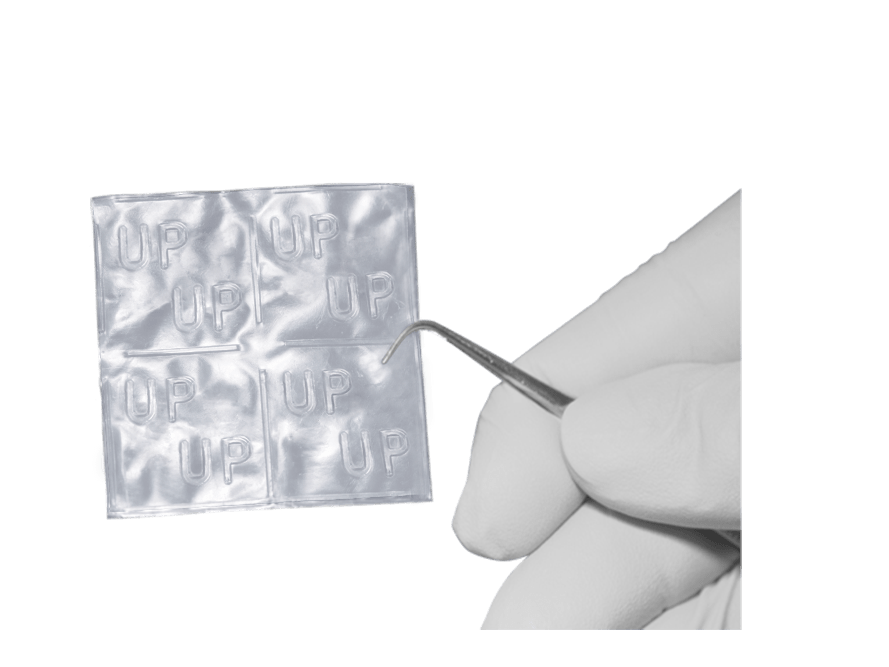
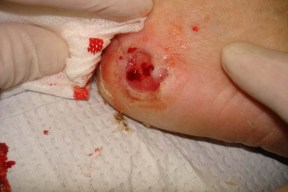
Neuropathic_heel_ulcerDiabetic foot ulcers that don’t respond to usual care can respond very well to a new membranous patch that is available to patients in the USA.


Dr Dan Fetterolf, head physician at the MiMedx Corporation,  gave an interview to Diabetes in Control this month and described how this treatment fits into therapy for foot ulcers.  The Epifix patches are derived from the amniotic membranes of women who have been screened for blood borne viruses and who are to be delivered by caesarean section. At delivery the placenta is put in a sterile container and sent to the USA production site.

Cord_&_Placenta

Diabetic foot ulcers are bad news for patients. In the USA the cost of ulcer treatment or amputation has to be borne between the patient and health maintenance organisation.  Thus there tends to be more interest in preventative treatments even when these are expensive. When an ulcer has not responded to the usual debridement, moist dressings and anti-microbial efforts after a month, these ulcers have a relatively poor prognosis and the use of amniotic membrane treatments make financial good sense.

Diabetics have a lifetime risk of getting a foot ulcer of 25%. Around a fifth of these people will go onto having an amputation. Many of these will have additional factors that increase the risk such as neuropathy that prevents people from feeling trauma to the feet, peripheral vascular disease that delays healing and obesity that adds to the pressure on the feet.  Once an amputation occurs that person’s life expectation reduces and their ability to earn decreases. They need much more in the way of social and medical support. These factors all affect the person’s family as well as the economy of the countries concerned.

Prevention of diabetic foot ulcers involves good glycaemic control, daily shoe and foot examination by the person with diabetes and regular foot examination and testing by health care professionals. If an ulcer does develop then tighter adherence to preventative measures becomes essential. Weekly follow up of patients is required.

To allow maximal healing it is important to offload weight on the affected foot as much as possible. Dressings should not be allowed to dry out or else the layer of protective epithelium can be removed at the same time the dry dressing comes off.

Chronic ulcers come with a whole collection of adverse healing factors. Most people will have neuropathy and at least a degree of peripheral vascular disease. The healing ability of the skin is reduced as inflammatory cytokines reduce the healing process. In addition the immune system is rendered less effective by the glycation of immunoglobulins and other factors.

Diabetes now affects 7-10% of the USA population and in certain countries it is higher. The Pima Indians have worldwide the highest proportion of adult diabetes at 50% partly due to genetics and partly due to their very high sugared drinks ingestion.  In the affluent areas of the Middle -East such as Dubai and Saudi Arabia levels are also very high. There is a genetic issue here but also a very high sugar intake.  Scotland is remarkably dreadful too. A lot of this is due to deprivation and our characteristically poor diet. Many families eat no fruit and vegetables at all.  Well, if we can’t beat England at football, we can certainly be winners when it comes to obesity- diabetes prevalence.


From our point of view on diabetesdietblog.com we welcome a strategic approach to reducing the number of people who develop diabetes, and improving the outlook for those who do develop the condition. Proper dietary education and provision in the public domain are essential. Only by doing this can glycaemic control be tackled in a robust manner. When a patient does develop an ulcer, resources to heal this effectively and reduce the progression to amputation is key. If this new treatment could become available in the UK it would be very much welcomed as a way to improve patient’s lives as well as cut back the nursing and medical costs associated with the prolonged treatment of ulcers.


Five types of mindless eating. Do these habits sabotage your weight goals?

Chinese_buffet2Dr Brian Wansink is a behavioural economist who studies people’s behaviour around food. Specifically he is interested in how the environment can be manipulated to support or sabotage weight loss efforts. In an interview for Diabetes in Control at the ADA conference in 2012 he outlined the five areas in which we tend to eat more than we intend.

Party bingeing. This is the “I deserve a break”, “I’m celebrating”, “It’s only this once”, “It would offend the host” types of excuses come into play and we abandon our regular habits and go a bit mad with the calories. Alcohol increases our appetites and loosens our will power. If we had any in the first place. Unusual or attractive party food becomes hyper-alluring, and for some of us the urge to try a little bit of everything, three desserts for instance, makes us terribly glad that we wore an elasticated waistband that day. The party phenomenon can also translate to longer binges such as holiday eating or even more problematic, the CRUISE.

Eating too much at meals is particularly easy to do if you were brought up in a household where you were encouraged to “clear your plate”.  Thanks to my mother’s pleading, threats, stories of starving children of you name it, I was 40 years old before I was able to leave anything on my plate. I always had the spectre of my mother behind me at every meal. Things were fine as long as I was able to put food on my own plate, but if someone else handed it to me….down it went.

Some of us don’t feel we can leave a meal unless we are absolutely stuffed. After all, there could be an earthquake, flood, famine, ice-age between lunch and dinner, so you’d better be prepared. Although the advice given to young ladies at Charm School was to always leave the table a little hungry… that is not how many of us do it.

Restaurant behaviour can follow on from the meal stuffing habit. After all, you’ve paid for it! And you are jolly well going to eat it. Things get even worse around buffets. For many of us, buffets are a terrible source of temptation. We have just try a little something from every dish. And when it is an all you can eat buffet….well, there is nothing like a challenge. In any restaurant, no matter how stuffed we may feel, there always seems to be room for a delicious dessert. These are particularly hard to resist if you can actually see them as opposed to just reading about them off of a menu.  For most of us, restaurants are a treat, so the party bingeing mentality, “It’s just the once…I’ll go back to eating properly tomorrow” come into play too.

Snacking and grazing are what many of us to between meals. It should be meaningful work, time with those who matter, or physical activity, but no. The most popular activity is probably more eating.  Snacking can be brought on by genuine hunger. In this case Dr Wansink’s best advice is to eat a hot protein breakfast at the start of the day to get out of the elevenses habit. For others snacks are freely available in the workplace or in the home. Most of the time these are not vegetables with dips or fruit, nuts and cheese but crisps, Doritos, maltesers, chocolates, sweets, biscuits and cakes.  On trains and planes they can include booze as well. Calorific drinks such as hot chocolate and syrup enhanced coffees are popular too.

So when does snacking not count? Well, when you can’t actually remember doing it? Does that make it not count? When you are watching the television, in a cinema, using the computer or even driving it is amazing how dextrous human beings can be. One hand can be employed on mouse skills or on the steering wheel with the conscious brain and eyes engaged on really pretty complex tasks. Meanwhile the non-dominant hand and the subconscious brain are totally absorbed in hand to container to mouth skills just as finely tuned as the finest snooker player can pop the balls into the holes.

Brian says that essentially the first step for anyone is to become aware of any of these habits. You then need to devise strategies that interrupt the unwanted patterns of behaviour. He suggests that people start with one habit and change that first. Starting with what seems easiest and most achievable can give a feeling of mastery that can be worked on. For most things changing the environment around the problem is much more effective than reliance on will-power.


Public Health Collaboration: A Group Of Doctors Are Crowd-funding To Solve The Obesity & Diabetes Epidemic


Eatwell_PlateIn the UK 25% of adults are obese, the highest prevalence in Europe, and type 2 diabetes has risen by 65% in the past 10 years with no sign of slowing down. Together they cost the NHS £16 billion a year and the UK economy at large £47 billion a year.

These perilous percentages and shocking statistics have presented themselves despite the fact that as a population Britons are following the dietary advice that is being recommended.

Based on the latest National Diet and Nutrition Survey published in 2014 by Public Health England, our total food consumption is on average 383 calories below the recommended, our total fat consumption is just below the recommended 35%, we’re just one portion shy of the recommended 5 fruits and vegetables a day, and lastly we’re only 1 g over the recommended amount of daily red meat intake.

Seemingly the issue of obesity and diabetes in the UK isn’t that Britons are over consuming but that they are following the dietary guidelines, known as the Eatwell plate given by the NHS.

A complete overhaul of these dietary guidelines is needed based on the most up to date scientific evidence in order to improve the health of the UK.

From Monday 1st February – Monday 29th February a group of 12 doctors have come together to solve the UK’s obesity and diabetes epidemics by crowd-funding to set up an independent public health charity called the Public Health Collaboration (PHC).

The group of doctors include deputy chair of the British Medical Association Dr. Kailash Chand OBE, dietitian Dr. Trudi Deakin, cardiologist Dr. Aseem Malhotra, psychiatrist Dr. Tamsin Lewis, general practitioner Dr. Rangan Chatterjee, clinical psychologist Dr. Jen Unwin, diabetologist Dr. David Cavan, general practitioner Dr. Katharine Morrison, general practitioner Dr. David Unwin, general practitioner Dr. Joanne McCormack, general practitioner Dr. Ian Lake and general practitioner Dr. Ayan Panja.

The PHC needs to initially raise £5,000 to publish it’s first public report on healthy eating and weight loss guidelines given by the NHS. Alongside funding it’s ambitious campaign for change within the NHS.

Director of the PHC, Sam Feltham, is closing down his fitness business and only taking a London Living Wage in order to fight for the cause and says “Our £5,000 fund-raising target doesn’t sound like it’s enough to change anything on such a large scale, especially if you’re used to big budgets, but we’re in a fortunate position that our founding members of doctors are not taking any money for helping write our reports and supporting our campaigns.

The PHC will have it’s first public report published in April 2016 on what the scientific evidence tells us should be the dietary guidelines for optimal public health. Once published we recommend that the NHS read the report and takes it seriously for the sake of the nation’s health and economy.”

You can contact Sam Feltham for further comment or to get in contact with our group of doctors by emailing info@phcuk.orgor by calling 07734944349. Website http://igg.me/at/PHCUKorg


Potatoes may give you gestational diabetes: but eat lots of them and base your meals around starch say Diabetes UK

BakedPotatoWithButter

Potato-rich diet ‘may increase pregnancy diabetes risk’

  • Eating potatoes or chips on most days of the week may increase a woman’s risk of diabetes during pregnancy, say US researchers.

This is probably because starch in spuds can trigger a sharp rise in blood sugar levels, they say.

Their study in the BMJ tracked more than 21,000 pregnancies.

But UK experts say proof is lacking and lots of people need to eat more starchy foods for fibre, as well as fresh fruit and veg.

The BMJ study linked high potato consumption to a higher diabetes risk.

Swapping a couple of servings a week for other vegetables should counter this, say the authors.

UK dietary advice says starchy foods (carbohydrates) such as potatoes should make up about a third of the food people eat.

There is no official limit on how much carbohydrate people should consume each week.

Starchy carbs

Foods that contain carbohydrates affect blood sugar.

Some – high Glycaemic Index (GI) foods – release the sugar quickly into the bloodstream.

Others – low GI foods – release them more steadily.

Research suggests eating a low GI diet can help manage diabetes.

Pregnancy puts extra demands on the body, and some women develop diabetes at this time.

Gestational diabetes, as it is called, usually goes away after the birth but can pose long-term health risks for the mother and baby.

The BMJ study set out investigate what might make some women more prone to pregnancy diabetes.

The study followed nurses who became pregnant between 1991 and 2001. None of them had any chronic diseases before pregnancy.

What is gestational diabetes mellitus?


  • It is a condition where there is too much glucose (sugar) in the blood
  • About three in every 100 pregnancies are affected in the UK
  • Symptoms include a dry mouth, tiredness and urinating frequently
  • Gestational diabetes can be controlled with diet and exercise, but some women will need medication to keep their blood glucose levels under control
  • If not managed properly, it could lead to premature birth or miscarriage

Every four years, the women were asked to provide information on how often potatoes featured in their diets, and any cases of gestational diabetes were noted.

Over the 10-year period, there were 21,693 pregnancies and 854 of these were affected by gestational diabetes.

The study took into account other risk factors, such as:

  • age
  • a family history of diabetes
  • overall diet
  • physical activity
  • obesity

It found a 27% increased risk of diabetes during pregnancy in the nurses who typically ate two to four 100g (3.5oz) servings of boiled, mashed, baked potatoes or chips a week.

In those who ate more than five portions of potatoes or chips a week, the risk went up by 50%.

The researchers estimate that if women swap their potatoes for vegetables or whole grains at least twice a week, they would lower their diabetes risk by 9-12%.

Cuilin Zhang, lead study author, from the National Institutes of Health in Maryland, US, said the findings were important.

“Gestational diabetes can mean women develop pre-eclampsia during pregnancy and hypertension,” she said.

“This can adversely affect the foetus, and in the long term the mother may be at high risk of type-2 diabetes.”

But UK experts stressed there was not enough evidence to warn women off eating lots of potatoes.

Simple swaps that can lower GI

Switch baked or mashed potato for sweet potato or boiled new potatoes

  • Instead of white and wholemeal bread, choose granary, pumpernickel or rye bread
  • Swap frozen microwaveable French fries for pasta or noodles
  • Try porridge, natural muesli or wholegrain breakfast cereals

Dr Emily Burns, of Diabetes UK, said: “This study does not prove that eating potatoes before pregnancy will increase a woman’s risk developing gestational diabetes, but it does highlight a potential association between the two.

“However, as the researchers acknowledge, these results need to be investigated in a controlled trial setting before we can know more.

“What we do know is that women can significantly reduce their risk of developing gestational diabetes by managing their weight through eating a healthy, balanced diet and keeping active.”

Dr Louis Levy, head of nutrition science at Public Health England, said: “As the authors acknowledge, it is not possible to show cause and effect from this study.

“The evidence tells us that we need to eat more starchy foods, such as potatoes, bread, pasta and rice, as well as fruit and vegetables to increase fibre consumption and protect bowel health.

“Our advice remains the same: base meals around a variety of starchy foods, including potatoes with the skin on, and choose wholegrain varieties where possible.”

This is an article published today  BBC News


Gestational diabetes – NHS Choices


BMJ – British Medical Journal


Diabetes UK


“A cross-party long-term strategy is needed to combat obesity in children” says Brian Whittle

553c9c59e22f98bc5d30fa62

Brian Whittle is a gold medallist runner who aims to introduce widespread after school childcare focussed on delivering high quality exercise and physical activities. This is a long term strategy which is fun for children yet could provide immense health benefits and even enhance academic performance.

There are studies which support the validity of Brian’s aims.  But do enough politicians have the long sightedness and will to ring fence funding that is needed?

In order to prevent obesity in our youngsters and the disorders associated with sedentary behaviour a culture change is needed. The unhealthy eating, snacking and reliance on screen based entertainment needs to be replaced by three good meals a day and movement to counteract the long hours sitting in the classroom. Many parents work long hours too, and would welcome group based physical activity for their children in a safe environment.

Brian is seeking support from leaders and health ministers from all parties.  Some headmasters are highly supportive and are delighted with the improved behaviour, reduced truancy and improved grades that they are seeing in pupils who have become more engaged as a result of fun activities after school.

More than 2.3 million children in the UK are overweight or obese and even the under 12s are showing signs of high blood pressure, cholesterol abnormalities, type two diabetes and liver disease.

Dr Tim Lobstein, director of the Childhood Obesity Programme says,  “ It will be tragic if it is not tackled. Chronic diseases are moving forward at an ever increasing rate. Our kids are eating themselves into an early grave. We will have the first generation to die at an earlier age than their parents. Britain along with some other southern European countries are at the top of the list. While soft drink and confectionery sales have rocketed, and TV watching, computer games, and other sedentary media have grown, exercise has fallen. Unless the obesity epidemic is brought under control we are facing the prospect of medicating kids at primary school and for the rest of their lives. If we can just find a way of encouraging healthy growth then we can avoid an enormous amount of grief in the future. Unless we start teaching our children in schools about raising children, feeding them properly, exercise and the difference between good and bad food, then we are just going to exacerbate the problem.”

Getting children to become more physically active and achieve normal weights has been found to improve attention, planning and thus have knock on effects on academic performance. ( Davis CL et al Pediatr Exerc Sci. August 6 2015)

Children who are more active in late childhood can demonstrate lower body weight and lower risk factors for cardiovascular disease and diabetes by their mid- teens.  This means an hour of moderate to vigorous exercise a day. A national approach involving the collaboration of various government agencies would be needed to produce widespread benefit. (Stamatakis E. Pediatrics Vol 135 No 6. 6 Jun 2015)

For younger children under the age of 6, three hours of activity, spread throughout the day is recommended by the US Institute of Medicine. They hope that such recommendations can help reduce overweight and obesity which is currently at 27% in this age group.

For adults at least 30 minutes of activity a day is recommended. The good news is that the earlier you get into exercise the more the habit is like to stick.  Swimming, dancing, walking, running, yoga, jogging, tennis, basketball and football are all suitable. The fitter you are in early adulthood, the lower your total mortality rate and cardiovascular disease rate. There is a clear dose response between exercise and fitness and fitness, well-being and mortality rates. (Shah et al. JAMA Internal Medicine 1-9)

Even if you have been sedentary for years or cannot tolerate 30 minutes a day, it is recommended by the American Heart Association that you start with walking.  Apart from benefits to the individual there is a benefit in health care costs in the future. ( AHA 6 Dec 15)

Emma and I are already into the exercise habit. It certainly is more of a challenge in Scotland with our awful weather and long, dark, winter nights. What good ways have you found to keep active and support your children to be active?


Bye-Bye Diet Coke

Get thee behind me Satan...
Get thee behind me Satan…

It’s now… ooh, it’s now 10 days since D-Day, otherwise known as the day I kicked the Diet Coke.

As a type 1 diabetic who follows a low-carb diet most of the time (not all of the time, as I’m not perfect and I find the occasional pull of the chocolate/bread temptation too hard to resist), in theory Diet Coke shouldn’t pose a problem. It’s sugar-free and carb-free after all.

But drinking Diet Coke in the quantities that I did (one-and-a-half litres a day) definitely suggests addiction and who wants to be an addict?

Google “giving up diet coke” and you’ll find lots of forums and discussion threads where people discuss their addictions. Other diet drinks are mentioned, but it’s Diet Coke that seems to form the commonality – suggesting that there is indeed something addictive in Diet Coke, even if that is just its psychological pull.

Continue reading “Bye-Bye Diet Coke”