Dana Carpender answers: what if I can’t cook?

Dana, many of our readers find cooking from scratch a chore. Often they even lack the basic cooking skills. How do you help the low carber who says “I can’t cook!”

First of all, by saying, “Yes, you can. You just haven’t done it enough. It’s nowhere near as hard as you think.” It’s such a tragedy that cooking has been eliminated from school curricula. But truly, folks, I can remember making gravy and mashing potatoes when I had to stand on a step-stool to reach the stove. That’s pretty much the definition of “child’s play.”

Get a good, basic, simple cookbook, find the recipes in it that work for our nutritional plan, and give it a few tries. I think you’ll be surprised.

That said, you can be a low carber without cooking. There are low carb convenience foods to be had, although you’ll spend more money than you would cooking from scratch. Consider:

* Rotisserie chicken

* Steamed lobster (if you have the cash, many groceries will do the deed for you)

* Salad bar salads

* Bagged salads

* Frozen cooked shrimp

* Canned tuna, crab, sardines, and the like (put ‘em on top of some bagged salad).

* Frozen vegetables – microwave according to package directions

* Frozen hamburger patties – you do have to cook these, but you don’t even have to thaw them first. 3 minutes per side in a hot skillet works great. Get a non-stick skillet for easy cleanup.

* Frozen grilled fish fillets

* Deli meats and cheeses, rolled up with mayo and mustard sandwiched in between the slices. Read the labels for the ones with the least added carbohydrate.

* Hot wings, but only unbreaded ones – Pizza Hut makes these. Be careful about sauces; many are sugary. The Pizza Hut Garlic Parmesan, Cajun Rub, Ranch Rub, and Naked Traditional Bone-in Wings are all good choices. Skip the “boneless wings;”they’re breaded.

* Pizza with extra cheese and low carb toppings – peel off the toppings and eat them, discarding the crust.


My local grocery stores have “bars” beyond the salad bar. One of my favorites is the Mediterranean bar, with a selection of olives, marinated feta, and the like. The grocery store deli is worth browsing. You can’t have potato or macaroni salad, of course, but you may well find chicken or tuna salad with no high carb ingredients. I’ve found tasty roasted vegetables, too. Be wary of coleslaw; often it’s heavily laced with sugar, but it’s worth asking. With growing awareness of food sensitivities, many grocery store delis post signs listing ingredients with each dish.

Ironically, I find the Atkins frozen dinners to be higher carb than I’d like.

hqdefault (3)

Taco Salad – Low-Carb Dinners

‘Tis the season… for summer salads! Take some veggies, plenty of spice and good quality minced beef and what do you get? A Taco salad. The whole Taco thing is more popular in the US than over here, but if you take the meat and spices bit alone you’ve got a good low-carb dinner recipe.

I adapted this recipe from the book AltShift (an alternate low-carb/higher carb diet).

Taco Salad

  • Servings: 4
  • Difficulty: easy
  • Print

  • 500g minced beef
  • 1pkt crunchy salad leaves mix (roughly 150g)
  • ½ onion, finely chopped
  • 1 fresh chilli, chopped (leave the seeds in if you like it hotter)
  • ½ tsp salt
  • 1tsp freshly ground black pepper
  • 1tsp cumin seeds, ground in a pestle and mortar
  • 1tbsp smoked paprika
  • 75g grated mature cheddar
  • 2 spring onions, chopped
  • ½ courgette, diced

Dressing:

  • 4tbsp sour cream
  • ½ tsp onion granules
  • ½ tsp garlic powder
  • Salt and pepper
  • ½ tsp paprika


Fry the beef and onion in a large saucepan or frying pan, stirring regularly to break up the clumps, until it is evenly browned. Add the cumin, pepper, salt, paprika and chilli and cook for five minutes more. The excess liquid should have evaporated and the mince should be evenly coated with the spices. Leave to cool to room temperature.

In a large bowl, empty out the packet of salad leaves and add the chopped spring onion and diced courgette. Mix together the sour cream, onion granules, garlic powder, salt and pepper and paprika. Mix the dressing and cheese in with the meat and tip the mince into the bowl. Mix well to combine everything and serve.

Serves 4. Allow about 5-8g of carbs per portion. You can use turkey mince, which will make the recipe cheaper too.

Dana Carpender: how can low carbers overcome difficulties?

Chris_Sharma_Climbing_in_Yangshuo,_China (1).jpgIn part two of my interview with Dana Carpender, author of several low carb cookbooks, Dana gives words of experience and wisdom concerning lack of support at home, dealing with emotional blackmailers and gives her favourite online resources to help you.

Q. Dana, what do low carb dieters tend to struggle with the most? What strategies help them to overcome these difficulties?

Low carb dieters often feel like the odd man out. This is especially true if they have no support at home, or even face opposition.

I have heard some real horror stories. One that has stuck with me since my self-published days was a woman who wrote to say that she had been morbidly obese and had diabetes, but had committed to low carb, lost a lot of weight, and greatly improved her health. Her husband, for some unpleasant reason of his own, was threatened by this. He would bring home a box of expensive chocolates, open the box, and set it on the sofa next to her. She had taken to slipping a few into a baggie and tucking them under the seat cushion, so her husband would think he was “winning.”

I told her that while I admired her patience and strategic thinking, I would have marched the whole box of chocolates straight to the bathroom and flushed them down the toilet. Let him spend his money feeding the septic tank and maybe he’d cut it the heck out. But then, I’ve never been known to be a shrinking violet.

Support is vital. If a low carber doesn’t find it at home, s/he needs to seek it out. There are hundreds, if not thousands, of low carb Facebook groups and message boards, each with its own culture. Anyone can find a few where they fit in (and quit the ones that aren’t a good fit). A low-carb Meetup (www.meetup.com), perhaps for Saturday brunch, can be a great source of local support. Consider starting one.

It also helps to develop an attitude. No apologizing, no listening endlessly to all the people who are “concerned” that you’re not eating a “balanced diet,” or who parrot “all things in moderation.” A quick “Thanks for your concern,” perhaps — the first time, not the tenth — and then quite deliberately change the subject. (Eventually you’ll very likely be able to say, truthfully, “My doctor says I’m doing great.” When people tell me that a low carb diet will give me heart disease, ruin my kidneys, yadda-yadda, I make big eyes at them and plaintively ask, “When?”)

It helps, too, to read a few blogs or listen to some podcasts that will keep you filled in on the rapidly accumulating research showing just how beneficial a low carb/high fat diet is. Jimmy Moore does a great job both blogging and podcasting. I love Tom Naughton’s Fathead blog. Andreas Eenfeldt’s Diet Doctor is always good for a quick shot of enthusiam, while for geeks like me, Dr. Michael Eades at Protein Power does a terrific job with more detailed medical analysis. Gary Taubes, Dr. Malcolm Kendrick — there are so many smart and credentialed people writing on the topic, there’s no reason to let yourself be scared by the “But all that fat!” boogeyman. Katharine, you are doing one of the most helpful things possible for the low carb community.

Along with feeding your body the right food, feed your brain the right messages.

Sooner or later you will deal with a food pusher. In particular, female relatives tend to do this — Mom, mother-in-law, grandma, etc. You’ll be at Thanksgiving/Christmas/Fourth of July/whatever, and it will start:

“But you can’t diet on a holiday! You have to treat yourself sometime! Anyway, Aunt Suzy made her sweet potato casserole just for you! It’s tradition! You have to have some!” Etc, etc, etc. We all know the 1001 verses to this song.

Be clear on this: It is always polite to say, “No, thank you.” If you feel like you’re being rude, ask yourself how you would react if you were violently allergic to the item being offered, to the point that you would collapse right there from anaphylaxis. Would you feel you were being rude to say “No, thank you?” Would you feel “loved” by the pressure to eat that food, and your health be damned? You would not. You’d wonder if they’d taken out a sizeable life insurance policy on you.

As for “You have to treat yourself,” ask yourself this: Why does no one say this to sober alcoholics? Or people who have finally managed to kick a two-pack-a-day cigarette habit?  Carb addiction is just as deadly. It takes longer, that’s all.

But you know as well as I that the family food pusher will not take a simple “No, thank you” for an answer. There will be endless push-back.

What you must not do is JADE: Justify, Argue, Defend, or Explain. You do not have to justify your choices to anyone, and any argument or explanation will be seized upon as ammunition to argue you out of your stance. Instead, try this neat bit of social ju-jitsu: Say “No, thank you,” and then immediately change the subject. Do this by asking a question of the group at large, or at least of someone other than the food pusher.

Let’s practice, shall we?

“You always loved my homemade banana bread! I made it just for you! You have to have a slice!”

“No, thank you. Hey, does anyone want to hit the sales first thing tomorrow?”

“You can’t diet on Thanksgiving! You have to have at least one piece of pie!”

“No, thank you. Hey, has anyone seen cousin Jamie’s new baby? Any photos?”

“Just a little bit won’t hurt! I made it from Grandma’s recipe!”

“No, thank you. Hey, Henry – you’re graduating this year, right? Have you started applying to colleges?”

I recommend you come up with a list of questions before you attend this sort of event, anything from “Has anyone seen (insert current movie)?” to “I’m thinking of going to Playa Del Carmen on vacation. Has anyone been?” By doing this, you make the food pusher look a trifle obsessed if she continues – she, rather than you, becomes the oddball.


 

Dr Bernstein’s Diabetes University on You Tube

Diabetes in Control Advisory Board member, Dr. Richard K. Bernstein, has recently created, “Dr. Bernstein’s Diabetes University,” a complete course of video classes geared towards patients, which is now available on Youtube. Dr. Bernstein’s Diabetes University Playlist includes these short videos: “Basic Science of Diabetes,” “Values and Methods of Exercise,” “How Much Protein,” plus much more. Just follow this link for more information: Dr. Bernstein’s Diabetes University Playlist
bernstein

Study Shows Success of Low-Carb Diet

low-carb diet mealThe Daily Telegraph reported this week that a large pilot study of low-carb diets has suggested that they can successfully control type 2 diabetes.

That’s no news to us here at the Diabetes Diet, but the study is interesting because it involved a huge number of people – 80,000 of them, who gave up low-fat, high carbohydrate diets and found that their blood glucose levels dropped after 10 weeks.

That study was carried out after what was described as “an online revolt” by patients in which 120,000 people signed up for the “low-carb” diet plan launched by the global diabetes community website, diabetes.co.uk. The low-carb plan goes against official advice given by the NHS and Diabetes UK.

More than 80 percent of the people surveyed said they had lost weight, with 10 percent of them losing 9kg or more. More than 70 percent of the patients experienced improvements in their blood glucose levels and a fifth of participants said they no longer needed drugs to regulate their blood glucose levels.

The people taking part had followed diabetes.co.uk’s 10-week low-carb plan.

The website’s low carb plan is available here, but you can find plenty of help and advice for following a low-carb diet in our book, the Diabetes Diet. Our website also has lots of low-carb recipes – from starters, to main courses, snacks and sweets. Use the search button or check out the recipe category to find what you want.

Making the Most of Herbs

herbsThanks to the recent spell of good weather (in Scotland too!), we’ve got a glut of herbs. There’s something special about going out into the garden to pick herbs for a dish you’re making, but at the moment I can’t keep up with our herb growth rate.

I found a recipe for pork loin steaks the other day which neatly took care of some of the excesses. The delicious, tender results were an added bonus.

If you have any left-over herb paste, use it to baste fish or chicken, or dilute it slightly with more oil and a little vinegar, and use it in salads.

We got our pork steaks from the wonderful Nethergate Larder stall at the near-by Farmers’ Market, which runs at Loch Lomond Shores the 1st and 3rd Sunday of the month.

Pork Loin Steaks with Herb Paste

  • Servings: 4
  • Difficulty: easy
  • Print

  • 4 pork loin steaks
  • Fresh basil (2-3 generous handfuls)
  • Flat-leaf parsley (1 generous handful)
  • 1 lemon, zested
  • 4tbsp rapeseed or olive oil, plus a tsp
  • 1 heaped tablespoon Dijon mustard
  • Salt and pepper

Take the pork steaks out of the fridge 15 minutes before cooking. Pre-heat the oven to 180 degree C.

Place the basil, parsley, lemon zest, 4tbsp oil, mustard, salt and pepper in a mini food processor or blender and whizz till you get a thick, green paste.

Brush the pork steaks with the tsp of oil and fry on each side for a minute to seal and colour the meat. Remove from the heat, brush with the herb paste so each steak gets a thick coating.

Cook in the oven for 15-20 minutes. The cooking time will depend on the thickness of the individual steaks. Pork meat should be cooked through and the meat white, but be careful not to overcook the steaks.

Serve with salad and green beans.

Carbs – about 2g per serving.


Seasonally-Inspired Low-Carb Recipes for May

seasonally-inspired low-carb recipes
Cute… and also darn tasty!

Need some seasonally-inspired low-carb recipe ideas for May?

Here at the Diabetes Diet, we are big fans of seasonal eating. Food is often cheaper – and it’s almost always more flavoursome.

What’s in season in May? Lamb, asparagus, spinach, prawns, cod, haddock, broccoli and crabs are a few of the seasonal ingredients low-carb dieters can make the most of.

Here are some seasonally-inspired low carb recipes that make the most of these delicious options:


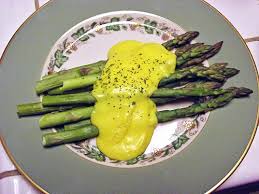
You can’t let a seasonal round-up go past without mentioning asparagus. I think it’s better roasted or char-grilled than boiled. You can wrap it in Parma ham before roasting to make lovely low-carb canapés or why not try out some home-made Hollandaise?

Hollandaise is actually easier than you think to make – just pick the right recipe. Delia Smith’s foaming Hollandaise is a good one to try for the Hollandaise beginner.

Hollandaise Sauce

  • Servings: 4
  • Difficulty: easy
  • Print

  • hollandaise2 large eggs, separated
  • 1tbsp freshly squeezed lemon juice
  • 1tbsp cider vinegar
  • 110g salted butter
  • Seasoning
  1. Put the egg yolks into a small food processor or blender along with the seasoning. Blend until combined.
  2. Heat the lemon juice and vinegar in a small saucepan. Let it start to bubble and then add to the egg yolks and blend well.
  3. Melt the butter in the same saucepan slowly – don’t let it brown. Begin to add slowly to the food processor (through the funnel) or blender. The process is similar to that you use when making mayonnaise.
  4. You will eventually end up with a smooth, buttery and lemon-y sauce. To make foaming Hollandaise – beat the egg whites until they form soft peaks and fold them into the finished sauce. This will lighten the sauce and make it go further.

The finished sauce has negligible carbohydrates – about 1-2g per serving.


Find more low-carb recipes in The Diabetes Diet.


Low-Carb Diets Help People with Type 2 Diabetes

researchThis week’s round-up of diabetes in the news flagged up research carried out in Australia, showing that low-carb diets help people with type 2 diabetes to drastically reduce the amount of medication they need.

I’ll admit it. I’m very guilty of confirmation bias, i.e. I look for the research and the reports that back up my opinions and I would have made a rubbish scientist. However, in six months or so of weekly Google alerts for “diabetes news”, not once has my search term brought up research which proved a high-carb, low-fat diet worked…

Anyway, the latest research was carried out by CSIRO, Adelaide University, Flinders University and the University of South Australia.

40 Percent Reduction

Adelaide University researchers developed a diet and exercise programme which resulted in an average 40 percent reduction in medication levels for people with type 2 diabetes. The diet used was low in carbohydrates and higher in protein and unsaturated fats.

The programme was based on findings from a National Health and Medical Research Council funded study which compared low carb eating with the current Australia best practice approach of managing type 2 diabetes with a diet high in unrefined carbs and low in fat.

“Ground-breaking”

In a news report on the CSIRO website, CSIRO’s associate professor and principal research scientist Grant Brinkworth described the research results as “ground-breaking”, and that patients who followed low-carb diets reduced medication levels by more than double the amount of volunteers following a high-carb plan, with others managing to stop taking their medication altogether thanks to low-carb eating.

He said: “This research shows that traditional dietary approaches for managing type 2 diabetes could be outdated, we really need to review the current dietary guidelines if we are serious about using the latest scientific evidence to reduce the impact of the disease.”

Well. No new news here for us at The Diabetes Diet! We know the benefits of low-carb eating and are prepared to run the gauntlet of official disapproval. If you’d like to try out a low-carb approach to managing your blood sugar levels yourself, why not check out our book or any of the recipes on this website which will help keep meal carb counts low?


Picture thanks to MCM Science on flickr.


Sugar-Free Cookbooks? Not Really…

datesIf you search through Amazon for new cook books this year, you will come across a phenomenon – a wealth (or let’s call it a rash) of books promising healthy recipes/sugar-free/detox foods, etc.

What you will also notice is plenty of celebrities jumping on that bandwagon…

TV presenter and fitness fan Davina McCall’s latest book is Smart Carbs (she has also written books about sugar-free eating) and ex-Radio 1 DJ Fearne Cotton will also leap on that gravy train with a book called Cook Happy, Cook Healthy scheduled for publication later this year.

General moves towards promoting cleaner eating and cooking for yourself are welcome – but many of the so-called sugar-free recipes that have featured in magazines promoting such cook books aren’t sugar-free at all.

They rely on dates, agave syrup, maple syrup, beetroot, pureed bananas and other such super sweet foods* which are sugary and will have an impact on blood sugar levels for anyone eating them – a similar kind of impact you might get from eating an “ordinary” slice of cake made from flour and cane sugar.

As any diabetic can tell you, your body doesn’t say – “ooh, dates! So glad it’s healthy sugar. No need to flood the system with insulin to compensate…”

[Or need to inject large amounts of insulin to cover the dates – if you are a Type 1.]

What would I rather have? In all honesty, I’d rather eat a slice of really nice cake made from the ingredients that make great cakes, such as white flour and sugar, and butter – and eat it very, very occasionally.

We do feature sugar-free recipes on this site and in our book, The Diabetes Diet – proper sugar-free recipes that don’t use maple syrup, dried dates and pureed bananas (sugar by another name), but are still indulgent.

Let us know what you think!


*Not to pick on anyone in particular, but Prima magazine recently featured recipes from Jo Pratt’s book In The Mood for Healthy Food, which it called “clever, guilt-free bakes”. The carrot cake recipe featured ripe bananas, maple syrup, grated carrots, and sultanas and raisins.


Supermarkets catch on to the spiralling use of low carb vegetables

cauliflower-318152_640

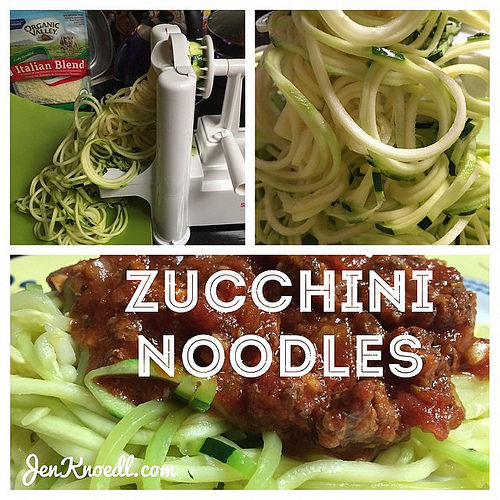
Spirallising vegetables such as courgettes and squash to use instead of pasta is becoming mainstream thanks to popularisation by such celebrity cooks as Davina McCall, the Hemsley sisters and Ella Woodward.  John Lewis says it was one of their best- selling kitchen gadgets of 2015.

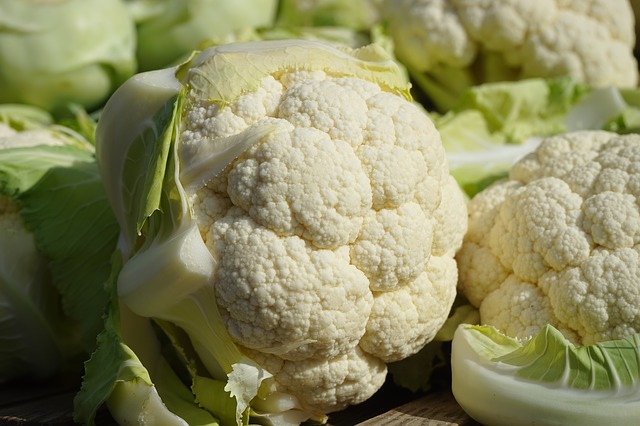
Now you can buy pre-spirallised vegetables in many supermarkets such as Tesco, Sainsbury, Marks and Spencer and Waitrose. From next month you will also be able to buy that good old low carb rice substitute cauliflower “rice” prepacked from Sainsbury.

The interest is due to the growing demand from low carbers and those who are pursuing a wheat/gluten free diet.  The restaurant chain Bella Pasta even serves vegetable “spaghetti” in their restaurants.


Based on an article by Rebecca Smithers in the Observer 17.1.16