Diabetes exercise expert launches great new site

Dr Sheri Colberg has been studying diabetics and their response to exercise for many years.  She has written several books to help diabetics achieve their best results and now she has launched an online site that will help you for free.

She writes:

As a leading expert on diabetes and exercise, I recently put my extensive knowledge to use in founding a new information web site called Diabetes Motion (www.diabetesmotion.com), the mission of which is to provide practical guidance about blood glucose management to anyone who wants or needs to be active with diabetes as an added variable. Please visit that site and my own (www.shericolberg.com) for more useful information about being active with diabetes.


She aims to help the entire range of people affected with diabetes from the “getting on a bit” couch potato to the fit competitive athlete.

Here at Diabetes Diet Blog, Emma and I are convinced of the benefits of regular and varied exercise for all, whether you are diabetic or not. Just figuring out where to start can be difficult if you haven’t been a regular exerciser before or are troubled with complications. For insulin users, they are sometimes put off by the adjustments they need to make with their food intake and insulin doses. This site is here to help and Sheri contributes personally to the comments section in her site to help you. 51y4mr5J-5L._SX349_BO1,204,203,200_

Invigorate your taste buds with spice rubs


Many of the world’s greatest culinary discoveries were made serendipitously. But very few had greater impact than the discovery of using spices to flavor and preserve food.

Anthropologists have shown that thousands of years ago, our hunter-gatherer ancestors would often wrap their kill in leaves and bark to preserve and transport the contents inside. Only later did they discover that this method of preservation could also improve the taste of their food.

And so the worlds’ love affair with spices began…


Spices & Herbs: The Culinary Curatives


As civilization advanced, the use of spices became ubiquitous in culinary tradition. But it wasn’t just for their ability to enhance flavor. It was also for the health-promoting properties they possessed:

  • Texts from Ancient Egypt (1555 BC) deemed coriander, fennel, juniper, cumin, garlic and thyme as powerful medicine. It is also known that the laborers who constructed the Great Pyramid of Cheops (using advanced alien technology, of course) consumed onion and garlic as a means to promote health.
  • Black pepper, cinnamon, turmeric, cardamom have been used by Indians for thousands of years for both culinary and health purposes.
  • Hippocrates wrote extensively about spices and herbs, including saffron, cinnamon, thyme, coriander, mint, and marjoram. Of the 400 herbal remedies he created, at least half are still used today.
  • Theophrastus, the “Father of Botany”, authored two books summarizing the knowledge of over 600 spices and herbs.
  • Dioscorides, a Greek Physician of the 1st century, authored De Materia Medica – an extensive medical and botanical guide that was used for over 1,500 years.
  • In the Middle Ages (600-1200 AD), European apothecaries used herbs and Asian spices including ginger, pepper, nutmeg, cinnamon, saffron and cardamom in their remedies.
  • Plants were used as the primary source of medicine in the United States from the time of the Mayflower (1620) until after World War I (1930).

Science now proves that the instincts and knowledge of our ancestors were correct: Spices and herbs are powerful medicine.


Countless studies show that herbs and spices possess a wide range of phytonutrients that can kill bacteria, viruses and parasites. They also act as powerful antioxidants and can promote cellular health, reduce inflammation, and more.

And one of the most convenient ways to harness the health-and-flavor enhancing power of herbs and spices is a homemade dry rub.


 Five Chef-Inspired Dry Rubs: Potent Flavor – With Benefits


Complimenting just about every kind of food – from meat, chicken, fish and vegetables – a dry rub is a combination of herbs, salt and spices that is applied before grilling, broiling, baking or roasting.

As you know, there are many commercial seasoning blends available. However, these often contain chemical preservatives, MSG, anti-caking agents and other unsavory additives.


By creating your own custom combinations at home, you can ensure a higher quality, additive-free product that is personalized to your tastes.

Using just one or two spices and herbs can produce delicious results. But if you really want to elevate your food to new heights, don’t be afraid to experiment with new ingredients and unique combinations. You can make a dry rub from nearly any combination of herbs, spices and salt. Here are four chef-tested dry rubs to try in your cooking:

Za’Atar

  • Use On: This exceptionally versatile Middle Eastern spice mix can be used on every kind of meat, fish or vegetable.
  • The Blend: ¼ cup sumac, 2 Tbsp. dried thyme, 1 Tbsp. roasted sesame seeds, 2 Tbsp. dried marjoram, 2 Tbsp. dried oregano, 1 tsp. sea salt
  • Yield: ~2 Tbsp.


Ras El Hanout

  • Use On: The name of this Moroccan spice mix translates to “head of the shop” – as it often includes the best spices the purveyor has to offer. Try on grass-fed steaks, wild salmon and chicken.
  • The Blend: 2 tsp. ground ginger, 2 tsp. ground coriander, 1½ tsp. ground cinnamon, 1½ tsp. freshly ground black pepper, 1½ tsp. ground turmeric, 1 tsp. ground nutmeg, 1 tsp. ground allspice, ½ tsp. ground cloves
  • Yield: ~¼ cup


Mediterranean Dry Rub

  • Use On: This classic blend goes with just about anything – from pastured pork, lamb and chicken to wild seafood.
  • The Blend: ¾ cup dried basil, ¼ cup dried thyme, 2 Tbsp. dried sage, 2 Tbsp. fennel seeds, 1 Tbsp. sea salt, 1 Tbsp. black peppercorns
  • Yield: ~1¼ cups


BBQ Dry Rub

  • Use On: A classic BBQ favorite that complements pastured chicken, ribs, and brisket
  • The Blend: ¼ cup paprika, 2 Tbsp. granulated garlic, 2 Tbsp. granulated onion, 2 tsp. black peppercorns, 1 tsp. dry mustard, 1 tsp. chili powder, 1 Tbsp. cumin seed (toasted), 3 Tbsp. coriander seed (toasted), ¼ cup sea salt, 2 Tbsp. coconut sugar
  • Yield: ~1¼ cups


Tips For Using Dry Rubs


Now that you have a few flavor combinations to start with, I’d like to share how you can maximize the seasoning power and life span of your dry rubs:

Toast to Get the Most: Many spices – especially cinnamon, cloves, allspice, coriander and cumin – benefit from a little heat. A brief toast in a dry skillet will coax more flavor out of these, in particular.

Grind Fine: Finely milling your spice and herb blends allows more surface area to come into contact with your food and your taste buds, producing deeper flavor. Use a spice mill or coffee grinder to powder your dry rub to a uniform consistency.

Prepare The Canvas: For each pound of meat, poultry, or seafood coat the entire surface with 2 to 3 teaspoons melted lard, tallow, duck fat, avocado or coconut oil. Then apply one to two tablespoons of dry rub.

Coat Well: When using dry rubs, coat the entire surface of the food, ensuring it sticks. Not only will this ensure you get the full flavor, but it will also produce a beautiful crust. To produce a stronger flavor, cover pre-rubbed meats or chicken and refrigerate for up to 24 hours to allow the flavors to penetrate. Then cook as desired.

Store Properly: Spices and herbs lose potency over time. Light, heat and oxygen accelerate the process. Store in a cool, dry place in an airtight container. Use within six months or sooner for best results.

Adding dry rubs to your cooking repertoire won’t just add more flavor to your food, but also more health-promoting nutrients. So season often and liberally with these flavor-packed dry rubs, and change up the spices and herbs you use to get the full-spectrum of their healing powers.

Written by Kelley Herring, Healing Gourmet

www.healinggourmet.com

mortar-1055553_960_720

Placenta derived diabetic foot ulcer treatment effective: but only available in the USA

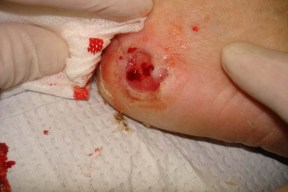
Neuropathic_heel_ulcerDiabetic foot ulcers that don’t respond to usual care can respond very well to a new membranous patch that is available to patients in the USA.

Dr Dan Fetterolf, head physician at the MiMedx Corporation,  gave an interview to Diabetes in Control this month and described how this treatment fits into therapy for foot ulcers.  The Epifix patches are derived from the amniotic membranes of women who have been screened for blood borne viruses and who are to be delivered by caesarean section. At delivery the placenta is put in a sterile container and sent to the USA production site.

Cord_&_Placenta

Diabetic foot ulcers are bad news for patients. In the USA the cost of ulcer treatment or amputation has to be borne between the patient and health maintenance organisation.  Thus there tends to be more interest in preventative treatments even when these are expensive. When an ulcer has not responded to the usual debridement, moist dressings and anti-microbial efforts after a month, these ulcers have a relatively poor prognosis and the use of amniotic membrane treatments make financial good sense.

Diabetics have a lifetime risk of getting a foot ulcer of 25%. Around a fifth of these people will go onto having an amputation. Many of these will have additional factors that increase the risk such as neuropathy that prevents people from feeling trauma to the feet, peripheral vascular disease that delays healing and obesity that adds to the pressure on the feet.  Once an amputation occurs that person’s life expectation reduces and their ability to earn decreases. They need much more in the way of social and medical support. These factors all affect the person’s family as well as the economy of the countries concerned.

Prevention of diabetic foot ulcers involves good glycaemic control, daily shoe and foot examination by the person with diabetes and regular foot examination and testing by health care professionals. If an ulcer does develop then tighter adherence to preventative measures becomes essential. Weekly follow up of patients is required.

To allow maximal healing it is important to offload weight on the affected foot as much as possible. Dressings should not be allowed to dry out or else the layer of protective epithelium can be removed at the same time the dry dressing comes off.

Chronic ulcers come with a whole collection of adverse healing factors. Most people will have neuropathy and at least a degree of peripheral vascular disease. The healing ability of the skin is reduced as inflammatory cytokines reduce the healing process. In addition the immune system is rendered less effective by the glycation of immunoglobulins and other factors.

Diabetes now affects 7-10% of the USA population and in certain countries it is higher. The Pima Indians have worldwide the highest proportion of adult diabetes at 50% partly due to genetics and partly due to their very high sugared drinks ingestion.  In the affluent areas of the Middle -East such as Dubai and Saudi Arabia levels are also very high. There is a genetic issue here but also a very high sugar intake.  Scotland is remarkably dreadful too. A lot of this is due to deprivation and our characteristically poor diet. Many families eat no fruit and vegetables at all.  Well, if we can’t beat England at football, we can certainly be winners when it comes to obesity- diabetes prevalence.


From our point of view on diabetesdietblog.com we welcome a strategic approach to reducing the number of people who develop diabetes, and improving the outlook for those who do develop the condition. Proper dietary education and provision in the public domain are essential. Only by doing this can glycaemic control be tackled in a robust manner. When a patient does develop an ulcer, resources to heal this effectively and reduce the progression to amputation is key. If this new treatment could become available in the UK it would be very much welcomed as a way to improve patient’s lives as well as cut back the nursing and medical costs associated with the prolonged treatment of ulcers.


Five types of mindless eating. Do these habits sabotage your weight goals?

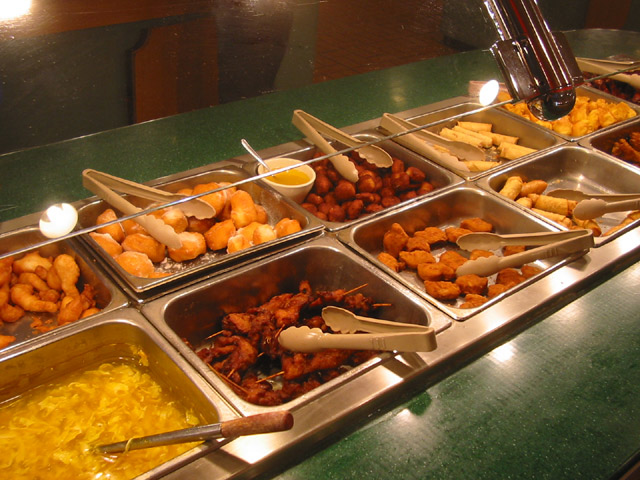
Chinese_buffet2Dr Brian Wansink is a behavioural economist who studies people’s behaviour around food. Specifically he is interested in how the environment can be manipulated to support or sabotage weight loss efforts. In an interview for Diabetes in Control at the ADA conference in 2012 he outlined the five areas in which we tend to eat more than we intend.

Party bingeing. This is the “I deserve a break”, “I’m celebrating”, “It’s only this once”, “It would offend the host” types of excuses come into play and we abandon our regular habits and go a bit mad with the calories. Alcohol increases our appetites and loosens our will power. If we had any in the first place. Unusual or attractive party food becomes hyper-alluring, and for some of us the urge to try a little bit of everything, three desserts for instance, makes us terribly glad that we wore an elasticated waistband that day. The party phenomenon can also translate to longer binges such as holiday eating or even more problematic, the CRUISE.

Eating too much at meals is particularly easy to do if you were brought up in a household where you were encouraged to “clear your plate”.  Thanks to my mother’s pleading, threats, stories of starving children of you name it, I was 40 years old before I was able to leave anything on my plate. I always had the spectre of my mother behind me at every meal. Things were fine as long as I was able to put food on my own plate, but if someone else handed it to me….down it went.

Some of us don’t feel we can leave a meal unless we are absolutely stuffed. After all, there could be an earthquake, flood, famine, ice-age between lunch and dinner, so you’d better be prepared. Although the advice given to young ladies at Charm School was to always leave the table a little hungry… that is not how many of us do it.

Restaurant behaviour can follow on from the meal stuffing habit. After all, you’ve paid for it! And you are jolly well going to eat it. Things get even worse around buffets. For many of us, buffets are a terrible source of temptation. We have just try a little something from every dish. And when it is an all you can eat buffet….well, there is nothing like a challenge. In any restaurant, no matter how stuffed we may feel, there always seems to be room for a delicious dessert. These are particularly hard to resist if you can actually see them as opposed to just reading about them off of a menu.  For most of us, restaurants are a treat, so the party bingeing mentality, “It’s just the once…I’ll go back to eating properly tomorrow” come into play too.

Snacking and grazing are what many of us to between meals. It should be meaningful work, time with those who matter, or physical activity, but no. The most popular activity is probably more eating.  Snacking can be brought on by genuine hunger. In this case Dr Wansink’s best advice is to eat a hot protein breakfast at the start of the day to get out of the elevenses habit. For others snacks are freely available in the workplace or in the home. Most of the time these are not vegetables with dips or fruit, nuts and cheese but crisps, Doritos, maltesers, chocolates, sweets, biscuits and cakes.  On trains and planes they can include booze as well. Calorific drinks such as hot chocolate and syrup enhanced coffees are popular too.

So when does snacking not count? Well, when you can’t actually remember doing it? Does that make it not count? When you are watching the television, in a cinema, using the computer or even driving it is amazing how dextrous human beings can be. One hand can be employed on mouse skills or on the steering wheel with the conscious brain and eyes engaged on really pretty complex tasks. Meanwhile the non-dominant hand and the subconscious brain are totally absorbed in hand to container to mouth skills just as finely tuned as the finest snooker player can pop the balls into the holes.

Brian says that essentially the first step for anyone is to become aware of any of these habits. You then need to devise strategies that interrupt the unwanted patterns of behaviour. He suggests that people start with one habit and change that first. Starting with what seems easiest and most achievable can give a feeling of mastery that can be worked on. For most things changing the environment around the problem is much more effective than reliance on will-power.


Public Health Collaboration: A Group Of Doctors Are Crowd-funding To Solve The Obesity & Diabetes Epidemic


Eatwell_PlateIn the UK 25% of adults are obese, the highest prevalence in Europe, and type 2 diabetes has risen by 65% in the past 10 years with no sign of slowing down. Together they cost the NHS £16 billion a year and the UK economy at large £47 billion a year.

These perilous percentages and shocking statistics have presented themselves despite the fact that as a population Britons are following the dietary advice that is being recommended.

Based on the latest National Diet and Nutrition Survey published in 2014 by Public Health England, our total food consumption is on average 383 calories below the recommended, our total fat consumption is just below the recommended 35%, we’re just one portion shy of the recommended 5 fruits and vegetables a day, and lastly we’re only 1 g over the recommended amount of daily red meat intake.

Seemingly the issue of obesity and diabetes in the UK isn’t that Britons are over consuming but that they are following the dietary guidelines, known as the Eatwell plate given by the NHS.

A complete overhaul of these dietary guidelines is needed based on the most up to date scientific evidence in order to improve the health of the UK.

From Monday 1st February – Monday 29th February a group of 12 doctors have come together to solve the UK’s obesity and diabetes epidemics by crowd-funding to set up an independent public health charity called the Public Health Collaboration (PHC).

The group of doctors include deputy chair of the British Medical Association Dr. Kailash Chand OBE, dietitian Dr. Trudi Deakin, cardiologist Dr. Aseem Malhotra, psychiatrist Dr. Tamsin Lewis, general practitioner Dr. Rangan Chatterjee, clinical psychologist Dr. Jen Unwin, diabetologist Dr. David Cavan, general practitioner Dr. Katharine Morrison, general practitioner Dr. David Unwin, general practitioner Dr. Joanne McCormack, general practitioner Dr. Ian Lake and general practitioner Dr. Ayan Panja.

The PHC needs to initially raise £5,000 to publish it’s first public report on healthy eating and weight loss guidelines given by the NHS. Alongside funding it’s ambitious campaign for change within the NHS.

Director of the PHC, Sam Feltham, is closing down his fitness business and only taking a London Living Wage in order to fight for the cause and says “Our £5,000 fund-raising target doesn’t sound like it’s enough to change anything on such a large scale, especially if you’re used to big budgets, but we’re in a fortunate position that our founding members of doctors are not taking any money for helping write our reports and supporting our campaigns.

The PHC will have it’s first public report published in April 2016 on what the scientific evidence tells us should be the dietary guidelines for optimal public health. Once published we recommend that the NHS read the report and takes it seriously for the sake of the nation’s health and economy.”

You can contact Sam Feltham for further comment or to get in contact with our group of doctors by emailing info@phcuk.orgor by calling 07734944349. Website http://igg.me/at/PHCUKorg


Supermarkets catch on to the spiralling use of low carb vegetables

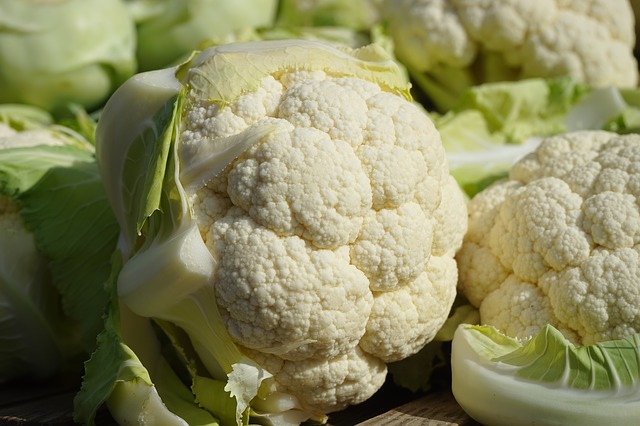
cauliflower-318152_640

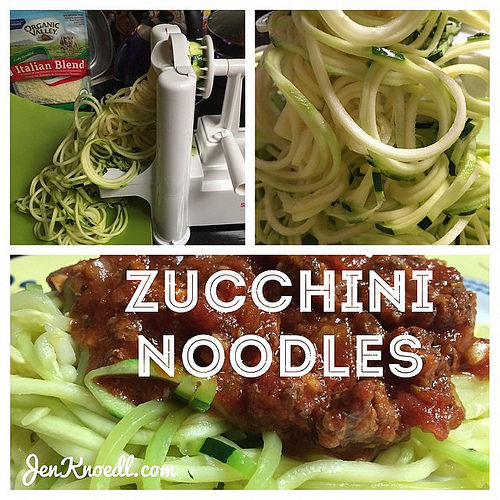
Spirallising vegetables such as courgettes and squash to use instead of pasta is becoming mainstream thanks to popularisation by such celebrity cooks as Davina McCall, the Hemsley sisters and Ella Woodward.  John Lewis says it was one of their best- selling kitchen gadgets of 2015.

Now you can buy pre-spirallised vegetables in many supermarkets such as Tesco, Sainsbury, Marks and Spencer and Waitrose. From next month you will also be able to buy that good old low carb rice substitute cauliflower “rice” prepacked from Sainsbury.

The interest is due to the growing demand from low carbers and those who are pursuing a wheat/gluten free diet.  The restaurant chain Bella Pasta even serves vegetable “spaghetti” in their restaurants.


Based on an article by Rebecca Smithers in the Observer 17.1.16

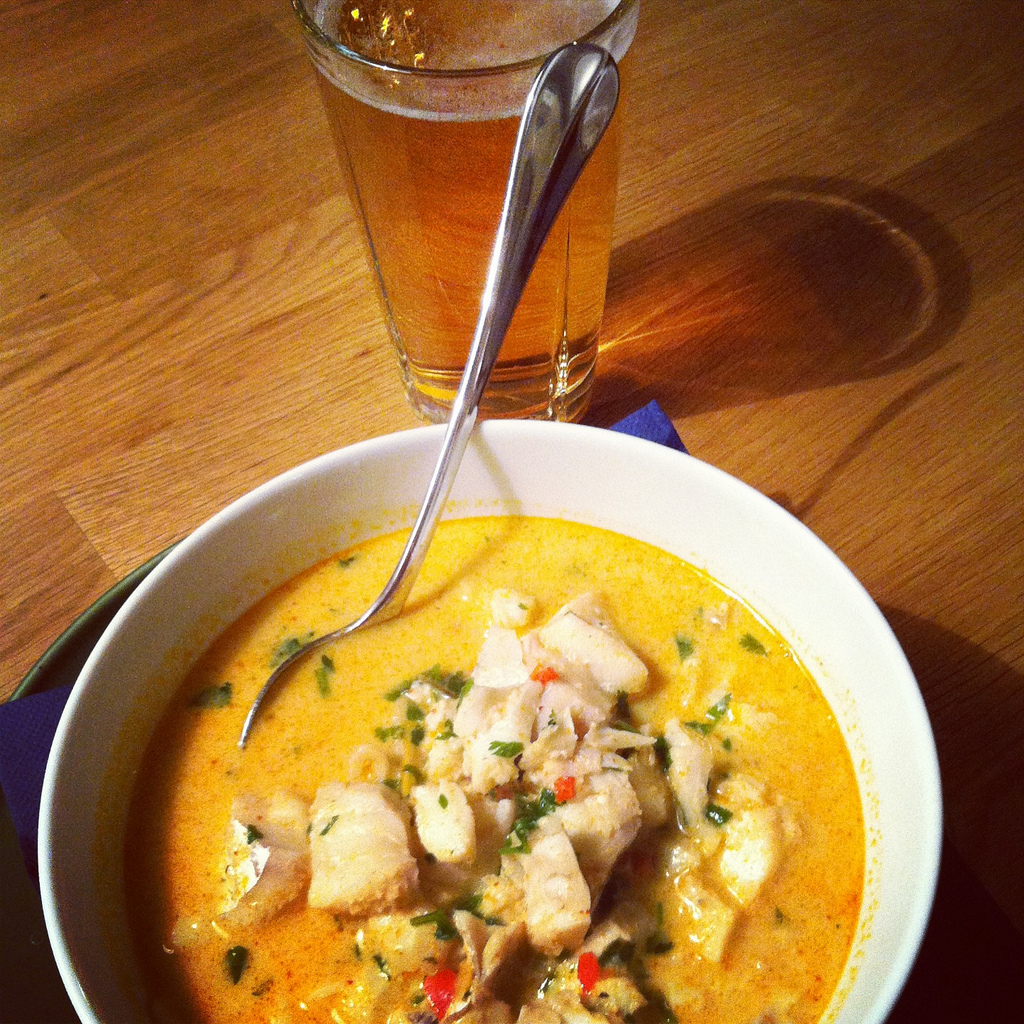
Thai Prawn and Chicken Soup


Serves 2

2 cups water

2 cups coconut milk

1 / 2 bouillon cube of chicken

1 / 2 Lime

1 to 2 teaspoons chili paste (sambal oelek)

1 1 / 2 tablespoon ginger, grated, fresh

3 / 4 tablespoons fish sauce (Asian)

150 to 200 g chicken fillets without skin

A couple of handfuls ready cooked and peeled prawns

1 / 2 Chinese cabbage or cabbage

50 g Shiitake mushrooms or any other mushrooms

2 spring onions

1 / 2 red chilli

1 / 2 – 1 tblsp Coriander, fresh
____________________________________________________________________

Place water, coconut milk, broth, finely grated rind of lime, lime juice, chili paste, ginger and fish sauce in a large saucepan and bring to a boil.

Cut chicken into strips.

Add chicken and cook for 5 minutes.

Cut Chinese cabbage into strips, slice the mushrooms. Chop the spring onions and chilli, add all to the pan, cook for 5 minutes.
Add the prawns for a minute before the soup is ready. Just warm up, don’t boil them.
Put half the chopped coriander in the soup and stir.

Taste the soup. Maybe you want more zing? Then add a little extra sambal oelek.


Do you want to know your complication risk?

Researchers in the United Kingdom have developed a validated risk assessment equation to show the 10-year risk of blindness and lower limb amputation in diabetes patients. Such tools have already been developed for the general population to assess heart attack, stroke and diabetes risk, and now the QDiabetes tool is the first  tool for diabetics that  gives  an accurate assessment of their risk of these most feared complications.

Data has been collected from English  General Practitioners  since 1998 from over 400,000 patients. The algorithms are based on variables that patients are likely to know or that can be found from asking your GP. Knowing your risk could be worthwhile so you would know  to intensify your control and monitor your condition more stringently.

For clinicians, complication risk  could enable screening programs to be tailored to an individual’s need for support  and the more rational use of scarce resources. Retinopathy could be done more frequently than once a year for those who need it and less frequently than once a year for those who do not.  Those at higher risk of amputation might benefit from a proactive targeted program to prevent lower extremity amputation (including more frequent checks, tailored patient education, specially designed protective footwear, and early reporting of foot injuries), as this has been shown to substantially reduce the risk of emergency admissions, use of antibiotics, foot operations, and lower limb amputation compared with usual practice.

Arakawa_Kazuyoshi_-_Dragon_Supporting_a_Crystal_Ball_-_Walters_571188.jpg


To see what your risk factors are click here:  QDiabetes® (Amputation and blindness) equations.

Based on an online article at Diabetes in Control.

Hippisley-cox J, Coupland C. “Development and validation of risk prediction equations to estimate future risk of blindness and lower limb amputation in patients with diabetes: cohort study.” BMJ. 2015;351:h5441.


Beanz Meanz #&!<Z! What are FODMAPS anyway?

For many of us gastric distress is just intermittent but for others it is a constant source of discomfort, embarrassment and sometimes even pain. There are fermentable sugars released from various foodstuffs that increase the amount of wind generated in the gut. It is the distention of the gut by the wind that sometimes causes the bloating, discomfort and pain. And of course the gas has to go somewhere. 

When it comes to gassy foods there is a variation depending on the type and amount of fermentable oligosaccharides, disaccharides, monosaccharides, and polyols in the food. You can cut down on high FODMAP food and eat low FODMAP food instead to see if this settles your guts down.

Vegetables, beans, pulses and legumes are probably the most well- known culprits.  
vegetables-991764_960_720

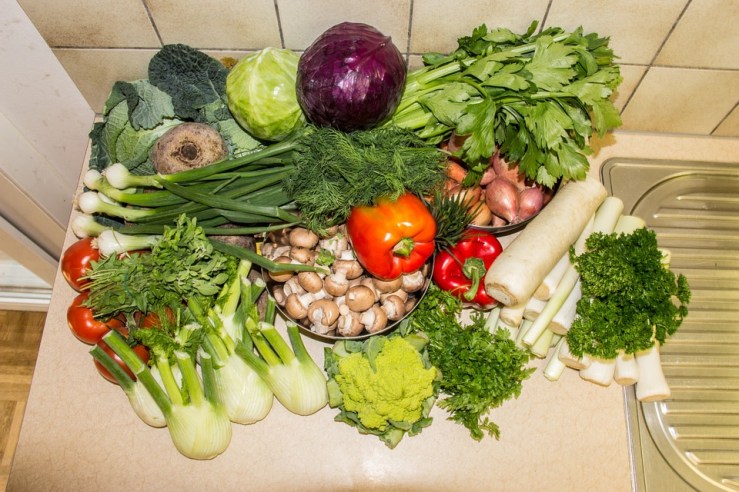
Of the vegetables artichokes, asparagus, beetroot, broccoli, Brussel sprouts, cabbage, cauliflower, fennel, green beans, garlic, mushrooms, okra, onions, peppers, snow peas and squash top the list. This is a pity because many of these feature highly in low carb diets and also improve the taste of many dishes. 

For vegetables that are better tolerated try,  bean sprouts, bok choy, peppers with the skin removed (by searing and them removing), carrots, celery, cucumber, corn, aubergines, lettuce, leafy greens, pumkin, potatoes, tomatoes, courgettes and all fresh herbs. ( eat very sparingly or not at all on a low carb diet)

Some people don’t deal with lactose very well and for these people ice cream, milk, soft cheeses, yoghurt and cream may cause problems. Lactose free dairy products and hard cheeses don’t cause difficulty.

 Of the cereal group wheat products and rye may cause problems whereas spelt, gluten free bread products, rice, rice based breakfast cereals, quinoa and gluten free pasta may not.

Fruit tends not to aggravate the guts as much as vegetables but for some people avocado, apples, apricots, cherries, dates, dried fruits, figs, mango, nectarines, papaya, peaches, pears, plums, prunes and watermelon may give problems.  The lower FODMAP items in this class are bananas, berries, cantaloupe melon, grapes, grapefruit, honeydew melon, kiwi, lime, passion fruit, pineapple, rhubarb and citrus fruits.

9908513383_2f811176dc

Food additives end to upset people especially the polyols in artificial sweeteners and foods with high fructose corn syrup or agave syrup.  Chutneys, pickles, coconut, honey and jams can also cause problems. Thankfully most spices and herbs, mayonnaise, olives, onion powder, olive oil, pepper, salt, maple syrup, mustard, wheat free soy sauce, chilli sauce, sugar and vinegars are better tolerated.

I found that my guts under went a great improvement from stopping wheat and adopting a low carb diet. I do bake and use polyols to sweeten baking products in preference to sugars. The main thing to remember is that many of the effects are dose dependent, so limit your intake accordingly.


Based in Irritable Bowel Syndrome: new and emerging treatments. BMJ 27 June 2015.

Did you overeat this festive period?

 Sam Feltham is a personal trainer who likes to do experiments. On himself.

On a series of experiments he decided to overeat first fat, then carbs and then a vegan diet to see what would happen. Each experiment lasted three weeks, during which time he carefully monitored his calories in, his weight and his body fat.

As far as the physics goes and many people believe, a calorie is a calorie is a calorie. If so, the weight gain should be pretty uniform over each of the diets. Yet, we only start to obey the laws of physics once we die. Up till then we follow the laws of biochemistry. And the results are very different depending on where those calories come from.


Click on this link to see what happened: http://live.smashthefat.com/category/self-experiment-conclusions/