
WordPress.com
|
The best diet for optimal blood sugar control & health
WordPress.com
|
|
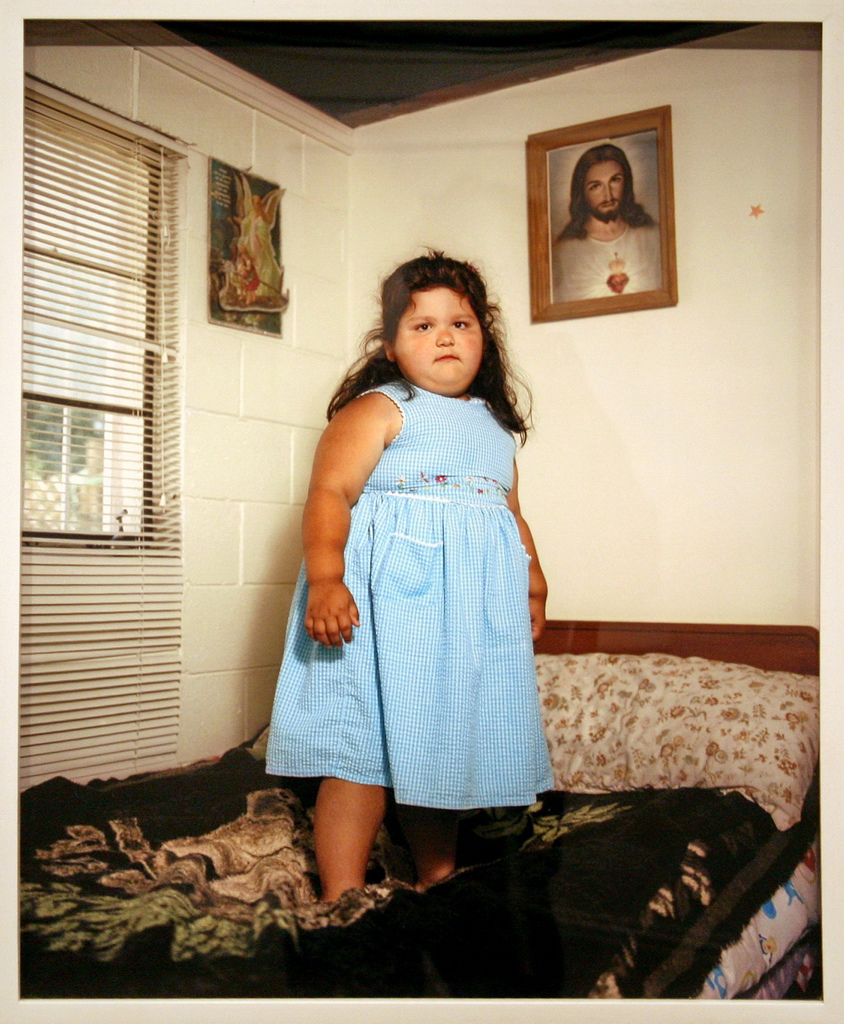

Obesity is strongly associated with eleven different cancers.
These are: oesophageal, multiple myeloma, stomach, colon, rectum, biliary tract, pancreas, breast, endometrium, ovary and kidney. For many cancers there seems to be a dose response.
This was found by Kyrgiou and colleagues by studying over 95 meta-analyses from various sources.
The BMJ reports, “The unavoidable conclusion is that preventing excess adult weight gain can reduce the risk of cancer. Furthermore, emerging evidence suggests that excess body fat in early life also has an adverse effect on the risk of cancer in adulthood. Clinicians, particularly those in primary care, can be a powerful force to lower the burden of obesity related cancers, as well as the many other chronic diseases linked to obesity such as diabetes, heart disease and stroke. The data are clear. The time for action is now.”
As a GP, I don’t really think that I am a “powerful force” that can turn the obesity epidemic round. It is amazing what faith the authors Yikyung Park and Graham Colditz have regarding our abilities.
Adapted from Adiposity and cancer at major anatomical sites BMJ 2017; 356:j477 and BMJ 2017;356:j908


Getting older and frailer is something that we are all going to experience unless we die of something else. We are liable to lose weight, particularly muscle mass, tire very easily, have muscle weakness and be unable to perform our usual activities, and we will walk, if at all, much more slowly.
Along with the obvious external signs, our hearts, kidneys, immune system and bones will weaken. We are more likely to become diabetic, get dementia and other neurological disorders, break bones and get cancer. Our senses dull too, with poor vision, hearing and balance problems. Our appetites dull and we will eat less.
In the USA, a quarter of over 65s are considered frail. Other disease processes could be going on as well as simply getting more frail with age. Poverty, lonliness, poor diet, polypharmacy and cognitive decline make the situation worse.
More than 70% of frail people have two or more chronic diseases. The commonest are hypertension and osteoarthritis. Insulin resistance leads to type two diabetes. The combination makes falls and fractures more likely than people with simple frailty.
Cardiac failure, anaemia, osteoporosis occur. Parkinson’s disease, Alziehmer’s, Vascular Dementia and Depression are several times more common in the frail population. Cancers, infections and a poorer response to vaccination occur.
Drug reactions are more of a problem in this group of people. They have accumulated more diseases and symptoms and thus more drugs, but they also have a lower body mass and poorer kidney and liver function so that drugs accumulate more easily in the system. Some drugs cause confusion, instability and falls. A study in a geriatric day hospital showed that on average a person was on 15 different medications and that you can expect about nine of these to have the potential for some problem.
Diogenes and Havisham syndrome refers to a situation where an elderly person lives in socially isolated and filthy conditions. They continue to neglect themselves and are resistant to change. This is more common in those suffering from dementia.
Pressure ulcers may occur unless nursing care is of a very high standard. Elder abuse can sometimes occur when demands on carers exceed what they can provide.
Although a major sign of frailty is weight loss, you can get a condition called sarcopenic obesity. The person still has too much body fat, but the muscle mass is very low. This population is increasing in numbers as the obesity epidemic continues.
The more frail a person is, the less well they come through surgery successfully.
Hypothermia is more likely in frail people, particularly older age groups, women, more chronic disease eg diabetes, social isolation and those who have sustained a hip fracture.
So, not too much to look forward too! I hope this information will help those of you who care for elderly relatives. When we are looking after ourselves, it is important to keep our muscle mass up to reduce sarcopenia and the difficulty mobilising that is a cardinal sign of the problem of normal aging.
Adapted from Frailty Syndrome- Medico legal considerations. Roger W. Byard, University of Adelaide, Australia. Printed in Forensic and Legal Medicine. Volume 30 Pages 34-38. Elselvier.


Young adults between the ages of 14 and 22 were studied to see how their blood sugars changed from the paediatric diabetic clinic to the adult clinic. In all 126 young people took part. The average hba1c was 9.4% (80mmol/l) before transfer to the adult clinic and decreased by 0.3% for each of the two years after transfer.
Those with divorced parents had hba1s 1.2% higher (14 mmol/l). Those with mental health conditions or intellectual and social impairment also had higher blood sugar levels.
A third of the patients were admitted to hospital for acute diabetes care. Hospital admission was more common if there was a low outpatient attendance rate, a high baseline Hba1c level, intellectual and social impairment, mental health conditions or divorced parents. Researchers concluded that these groups of families needed more support.
Reported in the Independent Diabetes Trust Newsletter March 2017 from an original article in Diabetic Medicine, January 2017).
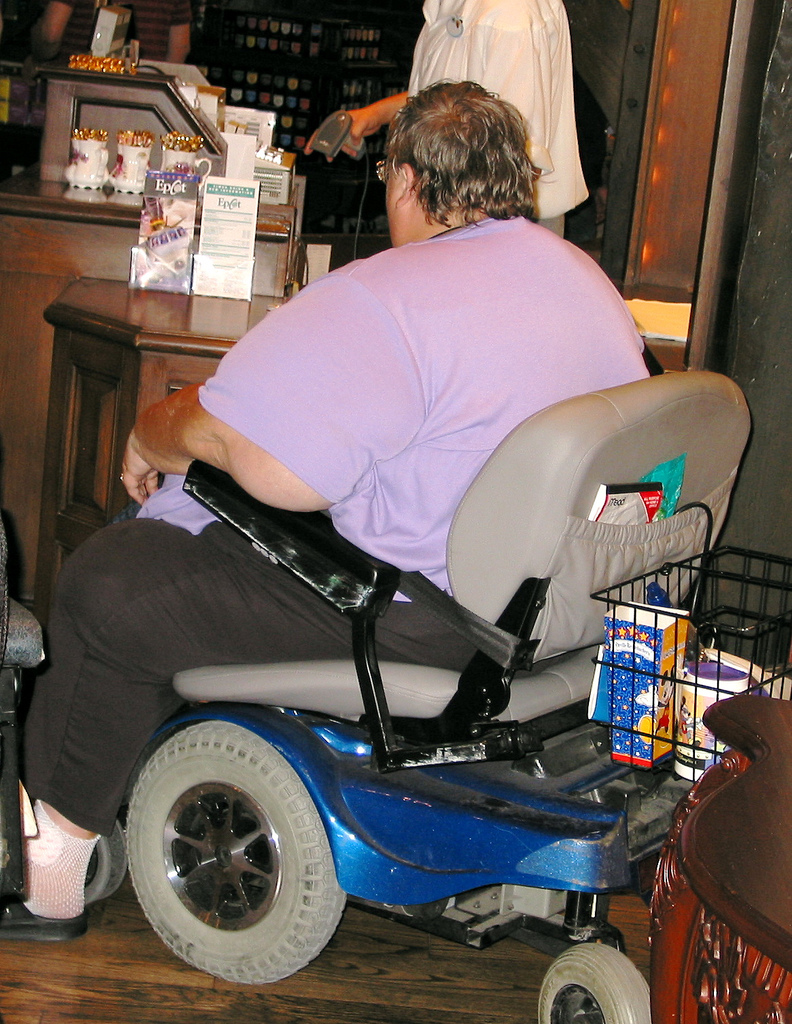

The Chief Medical Officer of England has released a report into the health of Baby Boomers. This is the group of people born between 1945 and 1965. I’m one of them, maybe you are too.
We are living longer but are not really in better health. A huge burden of cardiovascular disease and cancers would be reduced if we looked after ourselves better by not smoking, eating better, keeping slim, exercising, and drinking less.
Obesity and diabetes are increasing markedly through all classes of society. Obesity, particularly central obesity, is increasing. By waist size alone 80% of us are obese!
Liver cancer is now making an impact on deaths.
Diseases that don’t kill but make you unfit to work and miserable include musculo-skeletal problems, visual and hearing loss. These are having a considerable effect.
Smoking is reducing but more than 6 out of ten smokers say that they have NEVER been advised to stop smoking by a doctor or nurse in their entire lives. Dame Sally thinks this is shocking. I think these smokers have shockingly bad memories.
Men are drinking less than 20 years ago but women are drinking more. The new guideline is less than 14 units a week for everyone.
One thing we are doing less of is physical activity and exercise. This is down from even just ten years ago with two thirds of Baby Boomers doing less than 30 minutes of exercise in the last month.
Here is a large chunk of the report:
Physical health
A key finding is that whilst life expectancy in 2013 increased compared with that of men and women in the same age group in 1990, overall morbidity remained unchanged. This means that we live longer but our health and well-being has not actually improved.
The data report substantially decreased death rates from each of the leading causes of disease in both male and female adults aged 50–69 years in 2013 compared with people who were in the same age group in 1990. These declines in mortality are success stories.
In particular, mortality rates from ischaemic heart disease (IHD) fell by over three- quarters in 50–70 year-olds during this time. Nevertheless, the fact that it still remains the leading cause of mortality in this age group is indicative of another issue; the leading risk factors for premature mortality in this group are IHD risk factors that are all modifiable, the top three being smoking, poor diet and high body mass index. The cancer types (oesophageal cancer in men, uterine cancer and liver cancer) that thwart the downward trend in premature mortality from cancer also have associations with modifiable risk factors such as alcohol and obesity.
In terms of morbidity, risk factors responsible for a remarkable 45% of disease burden in 50–69 year-olds in 2013 were again modifiable, with the leading three risks for both men and women being poor diet, tobacco consumption and high body mass index (BMI). The implication of this is huge: a large proportion of the disease burden in Baby Boomers is amenable to prevention.
Perhaps most striking is the case of diabetes. Morbidity from diabetes rose by 97% among men and 57% among women aged 50–69 years between 1990 and 2013. Although this definition includes both type 1 and type 2 diabetes, the attributable risk from factors including obesity, diet and low physical activity rose by 70%. There is a deprivation inequality in diabetes, as there is with all the leading causes of morbidity and indeed life expectancy. However, with diabetes the gap is decreasing, showing that this is an increasing problem regardless of social stratum. Interestingly, compared with tobacco consumption, which is strongly socially stratified, body mass index is now less socially stratified in terms of the size of the attributable burden of risk factors. These data suggest that it is extremely important that we strive to reduce inequalities in the health of Baby Boomers. In addition, weight and obesity must be addressed across the board.
Despite the fact that tobacco consumption in adults overall is decreasing, it remains an important risk factor in this group, remaining the leading risk factor for premature mortality and the second leading cause of total disease burden. Socioeconomic inequalities in tobacco consumption and related illnesses are well recognised and exemplified in this group. However, an additional inequality is the fact that the decline in premature mortality from lung cancer in women is less than half that in men.
Several issues highlighted in my previous surveillance reports hold true for Baby Boomers. My concerns, as Chief Medical Officer, about the increase in premature mortality in England due to liver disease in England (compared with mortality figures for our European counterparts) have been echoed by the trend in premature mortality from liver cancer in this age group. My calls for more robust systems for surveillance of high burden diseases, such as musculoskeletal disease, and sensory (visual and hearing) impairment, which impact more on quality of life and productivity than on premature mortality, are strengthened. Sensory impairment is the second highest cause of morbidity in this age group in men and the fifth in women. Yet needs are likely to be unmet, given the considerably lower prevalence of hearing aid use compared with the estimated prevalence of objective hearing loss. Musculoskeletal disease has again been highlighted as having a lack of high-quality routine information at a national level. However, we do know that the burden is high, demonstrated by the tripling in the rate of elective admissions for back pain and primary knee replacement in 50–70 year old adults between 1995/96 and 2013/14.
Datasets on oral health are also limited. While the improved oral health of Baby Boomers compared with that of their predecessors is a considerable triumph, it is important that we have sufficient data to inform the provision of services given that, counterintuitively, this success may mean that demand increases.

Annual Report of the Chief Medical Officer 2015, On the State of the Public’s Health, Baby Boomers: Fit for the Future
Chapter 1
Lifestyle factors
The authors of Chapter 5 analyse data concerning Baby Boomers generated from the Health Survey for England 2013 and the English Longitudinal Study of Ageing (ELSA, 2012/13), a wealth of information on adults over 50 years of age. They analyse key factors affecting health such as smoking, alcohol, diet, physical activity and obesity, all of which are modifiable.
Baby Boomers had lower rates of smoking than those of the same age 20 years previously. The extent of the difference between the rates increases with age within the cohort. This is despite data from the physical health chapter which identify tobacco consumption as a leading cause of both mortality and morbidity in Baby Boomers. I find it shocking that, by this stage in their lives, in current and ex-smokers, 66% of baby boomer men and 71% of baby boomer women have never been recommended to stop smoking by a doctor or nurse. There is an unquestionable need for adequate support for smokers trying to quit and this questions whether services are targeting and reaching those who require them. Continued provision of Stop Smoking services is vital. A sustained decrease in the prevalence of smoking risks underestimating the needs of the baby boomer population for these services. They have lived through the height of the tobacco era and continue to experience substantial ill-effects from it. Locally appropriate services are also essential to reduce the resounding socio-economic inequalities and the geographical variation evident in smoking prevalence among Baby Boomers.
The UK Chief Medical Officers published new guidelines on low risk drinking in August 2016. For both men and women the guideline is that to keep health risks from alcohol to a low level it is safest not to drink regularly more than 14 units a week and that for those who drink as much as 14 units per week it is best to spread this evenly over three days or more, and that several drink-free days in the week aid cutting intake. Although in terms of units per week, baby boomer men were drinking less than those in the same age group 20 years earlier, the proportion of men now drinking on five days a week increased with age, with the highest rate of 30% in 65–69 year-olds. Whilst still within the guidance for low risk drinking it is of concern to me that, on average, baby boomer women reported drinking more than women of the same age 20 years previously, with a maximum difference of 3 units per week (from, on average, 4.5 units per week in 1993 to 7.5 units in 2012-13) in women aged 60-64 years
Given the increase in obesity rates seen in recent years, it is of little surprise that overweight and obesity levels were significantly increased in Baby Boomers compared with adults of the same age 20 years earlier. The authors found that nearly half of baby boomer men and over a third of baby boomer women were overweight. Around a startling 75% of men and 80% of women were classified as centrally obese if raised waist circumference (defined as 102cm in men and 88cm in women), a risk factor for diabetes, was used instead of BMI (with 77% of men and 83% of women being classified as obese by 65–69 years of age using this criterion). These statistics are staggering. If these adults are to reduce their current risk and maintain their health through older age, it is critical that this is addressed. I have previously expressed my concern regarding the ‘normalisation’ of overweight and obesity, referring to the increasing difficulty in discerning what is normal from abnormal due to the fact that being either above a healthy weight or obese is now so commonplace. The fact that 1 in five men and nearly half of women classified as having a ‘normal’ BMI were in fact found to be centrally obese is extremely concerning, and underlines the importance of promoting awareness of metabolic risk factors such as increased waist circumference, in addition to BMI.
The UK Chief Medical Officers’ guidelines on physical activity recommend that adults participate in 150 minutes of moderate intensity, aerobic, physical activity every week . Physical activity was found to be low among Baby Boomers. Not only did the authors find that people in their 50s were less active than those of the same age 10 years earlier, they also found that two-thirds of all Baby Boomers in their sample had undertaken no physical activity lasting more than 30 minutes in the past month. Significant geographical, socio-economic and ethnic inequalities exist in physical activity. I was surprised, for instance, to find that rates of inactivity were as high as 80% in Gateshead and Stoke on Trent. Physical activity has benefits in terms of cardiovascular health, mobility, weight management and even cognition. Clearly, this age group could benefit greatly from optimising physical activity levels to maximise their health both currently and in impending ‘older age’.
Lifestyle of older adults in England
Physical activity and weight
1 in 3 OF THOSE AGED 50-70 ARE OBESE according to BMI and this is much worse if you rely on waist circumference.
18% women and 19% of men smoke
65-70% who are smokers/ex smokers have never been asked to stop smoking by a doctor or nurse (so they say!)
65.6% of Baby Boomers have not engaged in any moderate physical activity lasting 30 minutes or longer in the past month
Amongst 50-60 year olds: Men are drinking approx. 4-5 units a week less than 20 years earlier Women are drinking approx. 2 units a week more than 20 years earlier
Adapted from:
Fractures and Diabetes
Rowan Hillson MBE
National Clinical Director for Diabetes England 2008-18
Practical Diabetes Jan/Feb 17
Summary
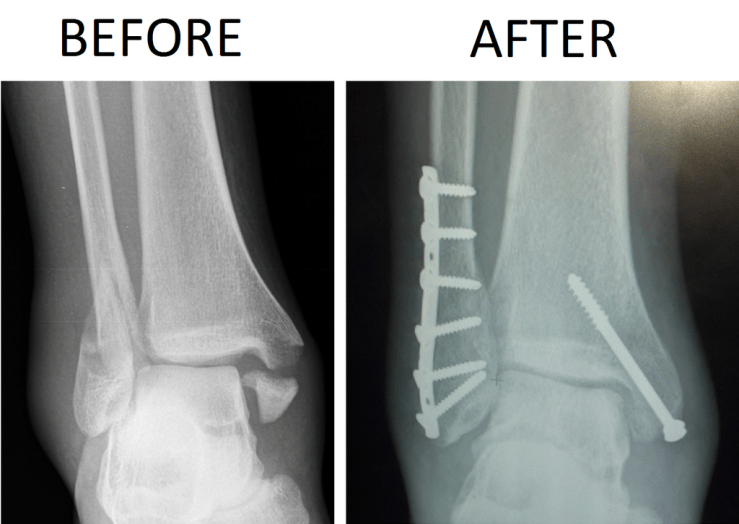
Fractures are more likely in diabetics compared to non- diabetics. Metabolic factors, an increased risk of falls, complications, infection, medications and the effects of low blood sugars all contribute. Neuropathy is a particular problem. This can cause an abnormal gait, stumbling, and a lack of awareness of actually sustaining injury. Even fractures may not cause anything like the expected pain. Charcot’s foot can cause lifelong disability. Visual problems also cause falls as does the effects of stroke and amputation.
It can help if someone goes round the house to check for trip hazards. Vitamin D supplements and increasing dietary calcium can help. Be aware that sulphonylureas can cause low blood sugars as well as insulin.
If a diabetic, particularly one who has neuropathy, presents with an injury they need careful evaluation to avoid missing fractures.
Fracture risk
Type one women are six times more likely and type twos are twice as likely to sustain a fracture of the hip than a non diabetic. The longer the diabetes, the more the risk.
Low blood sugars
Low blood sugars are probably under reported by diabetics due to fears about losing their driving licences.
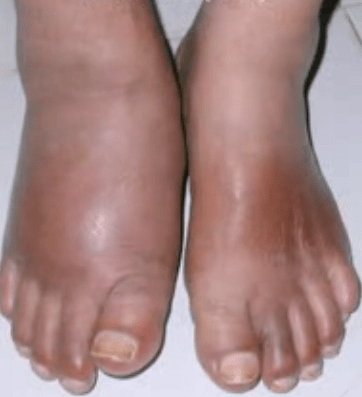
Charcot Foot
Charcot foot presents as a swollen, red foot. There can be an underlying fracture. Because the person does not realise they have a fracture, they continue to weight bear, and this produces deformity of the foot. Best advice is that if a diabetic with neuropathy gets an unexplained inflammation of a foot that they stay off of it and get an urgent assessment by a multi disciplinary team at a diabetic foot clinic. Trouble is, that these are not available for all patients in the UK.
Drugs
Glitazones, eg Pioglitazone, doubles the risk of upper limb fracture in women. Flozins such as Canaglifozin is suspected of increasing fracture rates and Sulphonyureas definitely do, but probably due to the hypoglycaemic effect.
Falls
Diabetics fall more than their non-diabetic counterparts. 18% of women over the age of 67 with diabetes fell at least once a year. The rate is higher in insulin users, neuropathy, renal impairment, poor vision and low Hba1cs.


The Art of Healthy Living

The 24-hour light–dark cycle is a fundamental characteristic of Earth’s environment and profoundly influences the behaviour and physiology of animals and humans.
The illustration above highlight how hormone production and vital signs fluctuate during the day. This is called the circadian rhythm.
And it can be an important tool to help you schedule tasks and daily routine!
For example, cortisol production is at its highest in the morning. It lets us wake up, be alert and start our day. Cortisol then slowly decreases throughout the day. It’s at its lowest during the night to let us sleep and repair us physically and psychologically.

Melatonin secretion starts when our retina senses less light, and will stop after sunrise. The inner retina is especially sensitive to the lack of blue light wavelengths. Studies show for example that blue light will increase our alertness, performance and positive mood during the day. On the other hand, blocking blue light 3 hours before sleep significantly improves sleep quality.
Besides light, circadian rhythm is also sensitive to temperature. Lower temperatures in the evening will decrease alertness, metabolism as well as heart rate.
Other factors include meal times, stress and exercise. Weight training at 8pm can delay optimal sleeping time by 2 to 4 hours.
It is important to understand this biological human clock. Review the illustration above and look how you can (re)schedule work, nutrition, exercise and sleep. Your body will respond better, and your performance can improve, as well as your overall mood, health and well-being.
For example, if you usually sleep around 10:30pm, it is a good idea to stay away from 7:30pm blue light emitting devices such as iPads, mobile phones, TVs and most light bulbs. Studies show that you don’t have to be an active user: just having them in your bedroom is enough to show an effect. Of course, using actively an iPad or computer screen will increase stimulation, as well as increased potential stress from important emails and notifications.

Here are a few take-aways from the illustration and recent studies:

If you work in night shifts, the best investment is a portable blue light for work (such as this) as well as a pair of blue light blocking glasses when you are going to sleep, to minimize circadian rhythm disruption. However, asking to take day shifts instead is better for your health.
In case there is daylight savings, shift circadian times above so timing syncs with your local sunrise time.
References:

Learning and Diabetes
Rowan Hillson
Practical Diabetes Nov/Dec 16
Only 32% of type one diabetics and 78% of type two diabetics are currently offered structural education in England. Even then, not all will attend. Will it have any positive long term effects for those who do? Many issues affect learning. This article discusses some of them.
Literacy and numeracy
In England in 2011, 15% of the population aged 16-65 had the learning that is expected of an eleven year old child. This is considered “functionally illiterate” by the National Literacy Trust. Although they would not be able to pass an English GCE, they can read simple texts on familiar topics. More than 50,000 UK diabetics are at this basic level of reading ability.
Numeracy problems are higher with 24% of adults function at the same level as your average eleven year old. Testing diabetics shows that numeracy and literacy are linked and that blood sugar control is better in those with better numeracy and literacy. This is not surprising since so many tasks need these skills.
Weighing foods and estimating portion sizes
Addition
Converting between metric and imperial systems
Multiplying and dividing
Using decimals
Recognising and understanding fractions
Working with ratios, proportions and percentages
Readability
Arial 12 point font, upper and lower case, on white or off white backgrounds, using short words, short sentences and short paragraphs all improve readability.
Health Literacy
Health literacy includes reading, writing, numeracy, listening, speaking and understanding.
In the type two diabetes population, lower health literacy was significantly associated with less knowledge of diabetes, poorer glucose self- management, less exercise and more smoking.
In the USA people understood food labels better if they had higher income and education. Overall 31% gave the wrong answer to food label questions. Many diabetics have problems with misinterpreting glucose meter readings, miscalculating carbohydrate intake and medication doses.
Lower scores were associated with being older, non-white, fewer years in education, lower income and lower literacy and numeracy scores.
When an internet based patient system was offered, those with limited health literacy were less likely to sign in and had more difficulty navigating the system.
Cognitive impairment
Alzheimer’s disease, vascular dementia and other cognitive impairments are more likely in diabetics particularly those with type two diabetes. A longer duration of diabetes and a younger age of onset were associated with cognitive impairment.
Hyperglycaemia
High blood sugars can cause poor concentration, tension, irritability, restlessness and agitation. In experiments, high blood sugar induced delayed information processing, poorer working memory, and impaired attention.
In five to eighteen year olds with new type one diabetes most neuropsychological tests showed considerable impairment. One year post diagnosis, dominant hand reaction time was worse in those with poor glycaemic control.
Long term, type ones diagnosed before the age of 18 had five times the risk of cognitive impairment compared to their non- diabetic counterparts. Chronic hyperglycaemia increased the risk.
Hypoglycaemia
Most friends and relatives can recognise if someone well known to them has a low blood sugar, often faster than the individual. Cognitive performance drops at blood sugars of 2.6-3 in non- diabetic subjects. In type one children, those who had recurrent severe hypoglycaemia had more impaired memory and learning.
Psychological issues
Both depression and anxiety can impair test performance. Both of these and other mental illnesses are more common in diabetics.
Sensory and motor problems
Visual impairment and deafness can make some learning methods difficult.
Conclusion
We all learn in different ways. A substantial proportion of the population has low literacy and numeracy. This impairs health literacy which impairs diabetes knowledge for self -care. Poor numeracy may worsen blood sugar control. Clearly written, easily readable information helps everyone. Having diabetes increases the risk of cognitive impairment both at diagnosis and long term. Both high and low blood sugars affect current ability to learn and may have long term adverse effects on cognition.
Before teaching diabetics it is worth having a think about any difficulties your patient could be having assimilating the learning. If so, how can you tailor your teaching to their needs?
The BBC has adult learning resources at http://www.bbc.co.uk/learning/adults/


Vegan Sunday – food2share
In a large cooking pot, heat the olive oil over medium heat. Add the finely chopped onion and the red bell pepper and cook until they are soft and light brown, for about 4-5 minutes. Add the minced garlic and ginger and cook for about a minute. Add the Indian curry and cook for another minute, stirring constantly. Add the canned tomatoes, the sugar and a cup of water. Place the cauliflower florets and let them cook with the cooking pot covered. This will take about 30 minutes, until the florets become soft. Stir occasionally to be sure that your sauce does not stick on the bottom of the pot. Once the cauliflower softens, add the chickpeas and cook for about 6-7 minutes, until they are cooked through.
Remove the pot from the heat and if desired, add 2 tbs of Greek yogurt. Season with salt and pepper and add fresh parsley for garnish.

 NICE want to see structural education for all new diabetics but particularly children and their families. Sadly the end results sometimes doesn’t seem to justify the effort put in. The wrong focus on eating lots of starch we wonder? Here is the abstract of one teams considerable efforts with the full paper here: :http://drc.bmj.com/content/3/1/e000065.full?sid=90e5f16a-f3de-4a5d-94dc-c57e973c4587
Implementing a structured education program for children with diabetes: lessons learnt from an integrated process evaluation | BMJ Open Diabetes Research & Care <!– [if lt IE 10]>http://drc.bmj.com/sites/all/themes/highwire/axon/js/media.match.min.js<![endif]–>
Background There is recognition of an urgent need for clinic-based interventions for young people with type 1 diabetes mellitus that improve glycemic control and quality of life.
The Child and Adolescent Structured Competencies Approach to Diabetes Education (CASCADE) is a structured educational group program, using psychological techniques, delivered primarily by diabetes nurses.
Composed of four modules, it is designed for children with poor diabetic control and their parents. A mixed methods process evaluation, embedded within a cluster randomized control trial, aimed to assess the feasibility, acceptability, fidelity, and perceived impact of CASCADE.
Methods 28 pediatric diabetes clinics across England participated and 362 children aged 8–16 years, with type 1 diabetes and a mean glycosylated hemoglobin (HbA1c) of 8.5 or above, took part. The process evaluation used a wide range of research methods.
Results Of the 180 families in the intervention group, only 55 (30%) received the full program with 53% attending at least one module. Only 68% of possible groups were run.
Staff found organizing the groups burdensome in terms of arranging suitable dates/times and satisfactory group composition. Some staff also reported difficulties in mastering the psychological techniques.
Uptake, by families, was influenced by the number of groups run and by school, work and other commitments. Attendees described improved: family relationships; knowledge and understanding; confidence; motivation to manage the disease. The results of the trial showed that the intervention did not significantly improve HbA1c at 12 or 24 months.
Conclusions Clinic-based structured group education delivered by staff using psychological techniques had perceived benefits for parents and young people. Staff and families considered it a valuable intervention, yet uptake was poor and the burden on staff was high. Recommendations are made to inform issues related to organization, design, and delivery in order to potentially enhance the impact of CASCADE and future programs.
Current Controlled Trials ISRCTN52537669.
The Child and Adolescent Structured Competencies Approach to Diabetes Education (CASCADE) structured education program is perceived by young people and parents who attend as having benefits but practical challenges associated with attendance result in low uptake.
Staff are positive about the potential of the program but organizational aspects are unacceptably burdensome.
CASCADE is potentially deliverable to families as part of routine care and could be a useful intervention. However, improvements in clinical and administrative support, staff training, program content, and service structures are required to ensure fidelity to the program and feasibility and acceptability to key stakeholders.

 How about I share with you a low carb treat made with coconut flour? I often get asked if I could create more low carb recipes using coconut flour. Nut allergies can be extremely serious and so it’s been a goal of mine to incorporate more nut-free recipes into our blog. Although in theory it may sound like a simple request, it’s just not that easy. Truth is, it took me awhile to learn how to use coconut flour as a good low carb alternate flour.

