Jovina cooks Italian: Crab stuffed Flounder

What To Cook In January | jovinacooksitalian

Dinner

img_0002

Crab-Stuffed Flounder

This is a hearty entree and only needs one vegetable as a side. flounder comes in large sizes here on the gulf and mine weighed 14 oz. Substitute an equal amount of smaller fillets.  If you can’t get flounder this recipe works well with any flat white fishfillet eg sole.

For 2-3

Ingredients

Crab Filling

1 tablespoon each of minced onion, celery and bell pepper
2 tablespoons mayonnaise
1 tablespoon Dijon mustard
¼ teaspoon seafood seasoning (Old Bay)
1/2 pound lump crab meat

Flounder

12-14 oz flounder fillet or fillets
Paprika
Chopped fresh parsley

Directions

In a small bowl, combine all the filling ingredients, except the crab. Then, gently fold in the crab. Place the flounder in a baking dish coated with olive oil.

img_0013

Spoon the crab mixture evenly over the fillet or fillets. Sprinkle with paprika and parsley.

Bake at 400°F for 20-24 minutes or until the fish is cooked through.

Coconut oil can reduce mouth infections

Floss4

Researchers in the Athlone Institute of Technology in Dublin Ireland have been researching the effects on coconut oil on oral health. They have found that coconut oil kills most bacteria in the mouth and importantly the ones that cause tooth decay. The oil is also effective against Candida Albicans that causes thrush.

The team think that it should be added to commercial toothpastes. Indeed there are some makes available. You can also make it yourself. One recipe has coconut oil, baking soda and peppermint oil.

As poor dental health, gingivitis and thrush do affect diabetics more severely than many people perhaps this new finding can help.

(Reported in Naturally Healthy Issue 24 www/ait.ie/aboutaitandathlone/newsevents/pressreleases/2012pressreleases/title-16701-en.html)


Omega 3s and the Treatment of Type 1 Diabetes

Omega 3 fatty acids may help in the treatment of type 1 diabetes, according to a recent article in the news.

Medical News Today reported that new research published in The Journal of Clinical Investigation showed Omega 3s reduced the auto-immune responses typical of type 1 diabetes, and that supplementation could treat and even reverse autoimmunity in type 1 diabetes.

Researchers, led by Allan Zhao at the Guangdong University of Technology, China, added Omega 3 fatty acids to the diet of non-obese mice with type 1 diabetes. They also increased the levels of Omega 3s in the mice through genetic modification.

Mice Tested

The mice were tested every three months for glucose and insulin tolerance. The examined the pancreas of the mice for insulitis—an infiltration of lymphocytes in the islets of the pancreas, a phenomenon typical of type 1 diabetes. They collected blood from the mice and measured their levels of serum insulin.

The study found that adding Omega 3s to the diet significantly improved the metabolism o glucose and decreased the incidence of type 1 diabetes in the mice.

There was a decrease in pro-inflammatory cell-signalling protein and a considerable drop in insulitis. Zhao and his team also noticed signs of beta cell regeneration in mice that had been treated with Omega 3s.

Normalised Blood Sugars

Supplementation AND genetic therapy normalised blood sugars and insulin levels for a minimum of 182 days.

The researchers concluded that their observations “may offer clinical guidance” to people who were at the early onstage of type 1 diabetes*, or who have consistently sound management of their blood glucose levels.

There are a lot of stages from animal tests to prescribed treatment for humans. In the meantime, can we recommend adding in plenty of oily fish to your diet? It won’t do any harm. Here are some of our favourite fishy recipes:

If you buy grass-fed beef, and eggs from free-range hens that are fed a diet high in Omega 3s, you can get your nutrients that way too.


*Sigh. It’s always the newbies, isn’t it?!

Dr Claude Lardinois: New insights about cardiovascular disease

This is a two part interview with Professor of Internal Medicine Dr Claude Lardinois given to Diabetes in Control. We learn new things from him that are not emphasised enough  in the medical community.

Continued smoking is THE factor that causes the most amputations in diabetics.

Feet should be examined EVERY time a diabetic sees a health care professional.

Diabetes = cardiovascular disease due to insulin resistance + high blood sugars

Apart from blood pressure and cholesterol, urinary albumin and genetic tests can help individualise the advice and treatment that is given to patients.

P E N T A D is a memory aid for doctors when they see a diabetic: protein in the urine, eyes, e, necklace, toes, A1C, document.


The Impact of Genetics in Cardiovascular Disease

Claude-K-LardinoisIn part 1 of this exclusive interview from AACE 2016, Dr. Claude Lardinois discusses amputations and SGLT-2s, and genetic risk factors for cardiovascular issues in diabetes patients.


I think smoking is a huge factor in amputations. In fact, I personally think that in my practice anyway, 90% of the patients that have amputations are the ones that continue to smoke.

Joy Pape: So, how do you teach your patients about foot care and preventing amputations?

Dr. Lardinois: We have a policy that you have to get your shoes and socks off immediately when you get in the room.So we inspect the feet every time we see the patients. When I have patients that are smokers, I look at their leg and I’m checking for sensory and that and I say, do you like your legs?

Well of course, Dr. Lardinois, I like my legs. Well if you keep smoking, you’re not going to have your legs. I say, do you know what a black and decker is? Well yeah. We might as well do a black and decker right now. Because that’s what’s going to end up happening if you keep smoking.

I’m amazed because I’ve actually had patients that have quit smoking. I just saw one of my patients not too long ago, and the nurse said your black and decker’s here today. She laughed, she said you got me to quit smoking, because you emphasized to me the importance of my legs.

Joy Pape: This could be very interesting. You might come up with some very interesting ways of getting people motivated to manage their diabetes better. Something else we were talking about earlier [was] about cardiovascular disease. Or just managing diabetes and the topic of genetics. Tell me more.

Dr. Lardinois: Let’s talk about diabetes and cardiovascular disease, because if you look at patients with diabetes and patients without diabetes, the only difference is one has an elevated blood sugar, the other does not.

So, intuitively, the thought process was, particularly from the ADA, is if you lower the glucose to normal, your heart disease will go away. Doesn’t happen. You still have heart disease, because it turns out it’s not the glucose, it’s that you have insulin resistance.

I’ve been accused by my colleagues that I’m really not an endocrinologist, I’m a cardiologist disguised as an endocrinologist, because I really don’t get too hung up about the blood sugar. I don’t have to have it 6.5 or 7. I tell my patients, you are going to die of heart disease.

So what are the factors that make the most difference in cardiovascular disease?

Blood pressure. I’m a very big believer in blood pressure control. Lower is better. Again, you have to be careful in some elderly patients.

But cholesterol is very important, measuring albumin in your urine is very important. So these are all factors, but even after we do that, we’re still evaluating people as a group, not as an individual. That’s where the genetics come in.

There are certain genetic tests that everybody should have done, whether you have diabetes or not. Some of those are Apo-E [tests].

Apo-E is a very important gene that really determines what type of nutritional recommendations you’re going to make for your patient. If you’re a 2-2 or a 2-3, or if you’re a 3-3 or a 3-4, it’s going to vary on what the nutritional recommendations are.

Another thing is, we always talk about alcohol as being good for you — modest alcohol consumption. If you’re an Apo-E 4 and 25% of the population has either 3-4 or 4-4, alcohol actually makes your cholesterol worse and it increases cancer, particularly breast cancer in women. Some of my colleagues say I’m not going to measure my Apo-E 4, because I like alcohol. You’re going to tell me I can’t drink anymore. But we have to explain to those patients that they really have to limit their alcohol to one drink a day. So that’s very important nutritional information, right from the start, that you would never get by just following the standard guidelines.

There’s other genetic markers. There’s actually a statin marker — a lot of controversy behind it. But I stand firm that there’s a certain gene that we have called KIF6, and if you don’t have the variant, the studies with two of the cholesterol drugs weren’t very compelling, that they lowered LDL, but they didn’t reduce heart disease. So I tell a lot, if you don’t know what your KIF6 variant is, which most doctors don’t (I know mine), you have to be very discretionary in which statin you prescribe.

Then there’s other genes that you could also look at. One is haptoglobin; haptoglobin is how we carry our oxygen around. It turns out that there’s three different haptoglobins, 1-1, 1-2, and 2-2. Well, patients with type 2 diabetes who have 2-2, have a 45 percent increased cardiovascular event rate.

So again, that’s why I think with cardiology, we have these studies, even if we aggressively treat their lipids, we still have this 30% residual. Well, I don’t think that residual is cholesterol. I think it’s haptoglobin, APO-E, maybe the statin that you’re prescribing; other factors, albumin in the urine.

I think albumin in the urine is a powerful risk factor for heart disease. But unfortunately the FDA doesn’t see it as a good primary endpoint. I think until they do that, and actually establish a primary endpoint for that, we will never get a valuable answer. There’s no question about albumin in the urine. People think it’s just the kidney, albumin in the urine is the kidney telling you, you have endothelial disease. That you are leaking albumin throughout your entire body. That albumin drives cardiovascular disease. Big time.

Joy Pape: So, do you refer your patients for genetic counseling? If this is the way you practice, how do you learn more about their profile?

Dr. Lardinois: Right now it’s been kind of challenging. The diabetes [practice] I was in, they were not all that receptive. Change is always hard to do. So I actually worked with two of my former medical students, who are now practicing physicians in Reno. There’s a concierge service. I helped them set-up a genetic thing, so if patients do want to come in, they pay cash now. It’s only $1000 for the genetic testing. You do a treadmill which is $1100, and that doesn’t tell me anything. I think treadmills are kind of useless. I went 16 minutes on the treadmill, and I’ve got heart disease. I went 16 minutes. Well they’d tell me I’m just fine. Well, I’d be dead now. That’s what happened to the guy on Meet the Press. He had a treadmill [test] and three days later he was dead. What was his name? I’ll think of it in a second. [ed. note: Tim Russert.] Right now, it’s been hard to get it implemented, and I’m moving to a different position in a different hospital and maybe I can get involved with a cardiologist and get this up and running. I do think there’s basic genetic testing that should be implemented in the management of everybody with any disease, and it’s not that expensive.

Joy Pape: So we talk about patient education and people making changes. Behavior change. So how did it work? How does it work if your patients find they have this certain gene and they need to cut down on their drinking? Have you had any experience with that?

Dr. Lardinois: Oh yeah, some of them aren’t really happy with that. But I say, I provide you a service. I’m not your mom or your dad and I provide you a service and I say based on this information, you should reduce your alcohol consumption to one drink a week.

Joy Pape: Is it effective?

Dr. Lardinois: In some people it is. I think 70% of patients will follow along with you, but I think 30% no matter what you do [won’t]. There’s patients that I say [to], I feel sorry, I feel bad today. They say why? You came in, I gave you these recommendations three months ago, you didn’t do any of them. Your A1C, your blood pressure, your cholesterol, your kidney test is all the same. I’m going to have to charge you $75 for this. We live in Nevada, you could go to a nice big buffet with your whole family for $75. So I feel kind of bad, I’m taking their money away because why did they even bother to come? They didn’t do anything.

Joy Pape: Well, I’m sure glad you came today. I think it’s obvious why you got this award that you’ll be getting tonight. So congratulations and thank you.

Dr. Lardinois: Just one other point I’d like to share that I think is important. One of the things I try to do is, I work with the VA to try to set up ways to get doctors to better manage their [patients’] diabetes. I actually came up with this thing called PENTAD. I published it in Archives of Family Medicine. It was very short. Just a little card, a pocket card. The P stood for Proteinuria, which would be albumin. The E stood for Eyes. Make sure you have your patients get their eye exam. N was necklace or bracelet. Make sure they have a bracelet. T was toes, check the toes. The A was A1C. And then you say well it’s PENTAD, you have the D, so what’s the D? I said that you Document in the chart that you did the PENTA. I was very successful. It worked very well. I was going through some old papers of mine and I came up and had a few of my PENTAD cards left that I did. I did camps for kids with diabetes for 18 years and I think Lilly or somebody nicely made these PENTAD cards, so we just gave them out to everybody.

Joy Pape: It’s great to have those memory tags, something to remember.

Dr. Lardinois: We actually had a stamp. We had a stamp at the VA where we just stamped the PENTAD in and you could just write it in. That improved compliance tremendously, because it’s a reminder.

Joy Pape: I know it’s something I’ll use. Thank you so much.

Read part 2.

Jovina cooks Italian: Braised Oxtail Roman Style

Cooking The Italian Provinces – Rome | jovinacooksitalian


6a010536a07d60970b0134879fd3d3970c-800wi
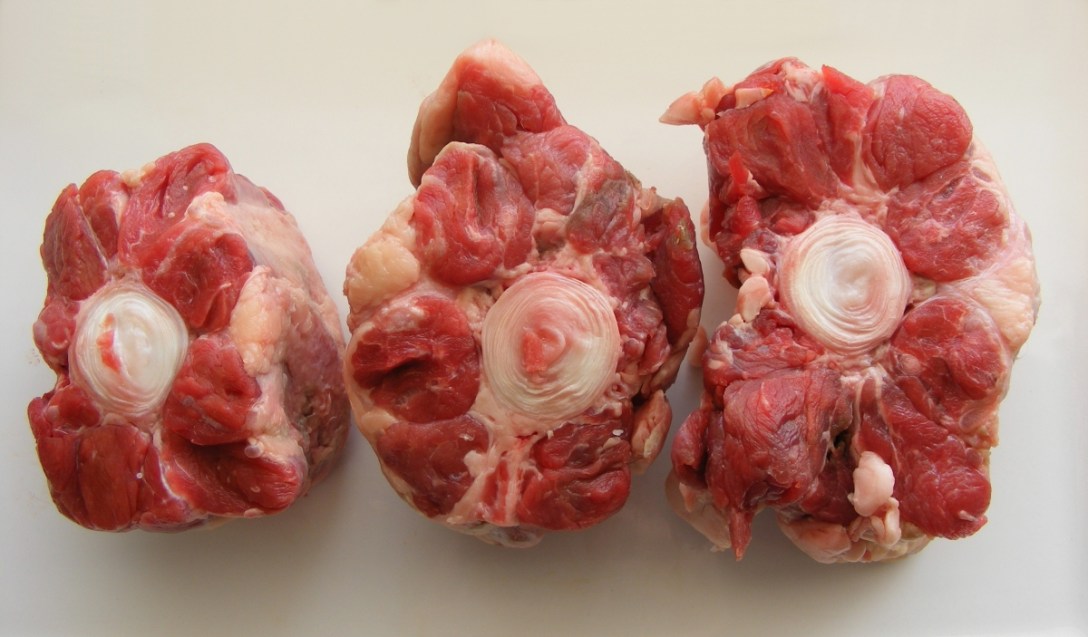
Roman-Style Braised Oxtail

Serves 4

Ingredients

  • 1 tablespoon olive oil
  • 2 pounds oxtail, cut into 2-inch sections
  • 1 tablespoon salt
  • 1 small onion, roughly chopped
  • 1/2 carrot, diced
  • 2 celery stalks, roughly chopped
  • 4 cloves garlic, peeled and halved
  • 1/2 cup red wine
  • 28 ounces Italian tomatoes, peeled and chopped
  • About 3 cups beef stock
  • 1 teaspoon freshly ground black pepper
  • 4 cloves

Directions

In a heavy-bottom saucepot, heat the olive oil.

Season the oxtail pieces with salt, browning each side of the pieces. Remove; set aside.

Add the onions and a pinch of salt to the pan. Sweat the onions until they are translucent, about 5 minutes.

Add the carrots, cooking until tender, about 5 minutes. Add the celery and garlic. Cook 3 minutes more.

Add the oxtail pieces back to the pot. Deglaze with the wine over high heat, cooking about 2 minutes.

Add the tomatoes; bring to a boil. Continue boiling to cook off some of the tomato water.

Add the beef stock just to cover the meat, then the pepper and cloves.

Bring to a boil. Once it boils, lower the heat to a simmer, cover with a circle of parchment paper, and cook for 4 hours (stirring occasionally).

Once the oxtail is tender, remove the pieces to a serving dish. Cover with aluminum foil; set aside.

Strain the sauce, pressing down on the vegetables to extract all the juices.

Skim all the fat off the top, and pour into a smaller saucepan. Bring to a boil and cook, reducing by 1/4.

Taste for seasoning. Pour the sauce over the oxtail and serve

Planning a pregnancy: how tight does blood sugar control need to be?


At what level do pregnancy complications begin?7241780178_d6f12e91cd_o

    December 17th, 2016  Diabetes in Control


The results from a new study show that risk increased in women with an early HbA1c of at least 5.9% regardless of a gestational diabetes diagnosis later in pregnancy.

Risk of obstetric complications increases linearly with rising maternal glycemia. Testing HbA1c is an effective option to detect hyperglycemia, but its association with adverse pregnancy outcomes remains unclear. Emerging data sustains that an early HbA1c≥5.9% could act as a pregnancy risk marker.

The purpose of the study was to determine, in a multi-ethnic cohort, whether an early ≥5.9% HbA1c could be useful to identify women without diabetes mellitus at increased pregnancy risk. Primary outcome was macrosomia. Secondary outcomes were pre-eclampsia, preterm birth and Caesarean section rate.

1,228 pregnancies were included for outcome analysis. Women with HbA1c≥5.9% (n= 48) showed a higher rate of macrosomia (16.7% vs. 5.9%,p= 0.008) and a tendency towards a higher rate of preeclampsia (9.32% vs. 3.9% ,p= 0.092). There were no significant differences in other pregnancy outcomes. After adjusting for potential confounders, an HbA1c≥5.9% was independently associated with a three-fold increased risk of macrosomia (p= 0.028) and preeclampsia (p= 0.036).

They evaluated data on 1,228 pregnant women from April 2013 to September 2015 to determine whether an early HbA1c of at least 5.9% can identify women at increased risk for adverse pregnancy outcomes.

Participants were screened for gestational diabetes at 24 to 28 weeks’ gestation, and HbA1c measurement was added to first antenatal blood tests. The primary outcome of the study was macrosomia, and secondary outcomes included rates of preeclampsia, preterm birth and caesarean section.

Compared with participants with an HbA1c less than 5.9% (n = 48), participants with an HbA1c of at least 5.9% (n = 1,180) were more often members of ethnic minorities, had higher pre-pregnancy BMI, were more likely to have anemia and microcytosis, and were more likely to be diagnosed with gestational diabetes.

The rate of macrosomia was increased nearly threefold in participants with HbA1c of at least 5.9% compared with participants with HbA1c less than 5.9%; there also was an increased tendency toward preeclampsia. The rates of preterm birth and caesarean section did not differ significantly between the two groups.

Among participants with HbA1c of at least 5.9%, 22 were diagnosed and treated for gestational diabetes.

From the results of the study it was concluded that, in a multiethnic population, an early HbA1c ≥5.9% measurement identifies women at high risk for poorer pregnancy outcomes independently of GDM diagnosis later in pregnancy. Further studies are required to establish cutoff points adapted to each ethnic group and to assess whether early detection and treatment are of benefit.

In an earlier study published by the American Diabetes Association (Diabetes Care, 2014) they demonstrated that a simple A1c blood test can uncover hidden type 2 diabetes in expectant mothers. The study found that the A1c test can accurately detect undiagnosed type 2 and prediabetes in pregnant women.

The hemoglobin A1c done early in pregnancy may be a convenient and effective way to identify women with pre-existing type 2 diabetes or who are at greater risk of worse pregnancy outcomes.

In this study, researchers examined the use of an A1c measurement done during the first trimester as a screening tool for pre-existing diabetes. The test was performed on more than 16,000 pregnant women and compared with the results of a 2-hour oral glucose tolerance test (OGTT), which is performed after an overnight fast, and is the gold standard diagnostic test for type 2 diabetes.

The study found that the hemoglobin A1c test was able to identify all the women with pre-existing type 2 diabetes when an A1c cutoff point of 5.9 percent was used, said Dr. Florence Brown from Joslin Diabetes Center in Boston.  “In addition, even if women did not have pre-existing diabetes, the A1c cutoff point of 5.9 was able to identify a population of women at greater risk for adverse pregnancy outcomes, including some women with gestational diabetes.”

This is an important finding because 5.9 percent is considerably lower than the value of 6.5 percent currently used to diagnose patients with type 2 diabetes who are not pregnant, she adds. The 6.5 percent threshold would have missed almost half of these women and is therefore too high for screening purposes, the study authors conclude.

This study also found that an early pregnancy A1c of 5.9 percent to 6.4 percent was associated with a greater risk of worse pregnancy outcomes, including birth defects, preeclampsia and perinatal death.

Given that the prevalence of type 2 diabetes is increasing, the A1c test done as early as possible could identify women at high risk and improve pregnancy outcomes. “This study supports the use of an A1c test in the first trimester and ideally with the first prenatal visit as one possible screen for pregnant women,” said Dr. Brown.

Practice Pearls:

  • A1c test in the first trimester and ideally with the first prenatal visit is one possible screen for pregnant women.
  • An A1c test done as early as possible could identify women at high risk and improve pregnancy outcomes.
  • All pregnant women should undergo screening for diabetes and prediabetes at initial appointment and also later in their pregnancy.

Mañé L, et al. J Clin Endocrinol Metab. 2016;doi:10.1210/jc.2016-2581.

Heri’s health points: Great meal planning app for all sorts of food plans

screen-shot-2016-11-18-at-1-53-45-pm

This was my typical work day a year ago:

  • Grab a bowl of cereal or whatever there is in the fridge for breakfast.
  • Run to the subway and grab a coffee on my way to work.
  • A bagel with cream cheese, a shawarma, a muffin or whatever I could find at lunch. This would coincide with my third cup of coffee of the day. Other times, I went to a restaurant for a business meeting and this would be my main meal of the day.
  • Go to a networking evening event and eat whatever they have. Pretzels, beers, coffee, chips, you name it. If there is no event, I would otherwise pick up a hefty meal from a neighboring restaurant on my way home.

Repeat this five days a week and you have a recipe for disaster. It is a diet composed of processed foods, refined carbs and inflammatory foods that lead to obesity, Type 2 Diabetes, or worse.

The sad state of affairs prompted me to get Mealime, a free app available on Android and iPhone. It is also available on the web, but this 9 months review only covers the mobile app.

I find Mealime is an excellent meal and nutrition planner. Akin to having a training plan, meal planning allows you to have consistent nutrition that you can easily track, and improve later on. This is good for those with serious athletic goals, who want to have good health or those who have chronic diseases.

Without meal planning, you are more likely to improvise, eat out, and deviate from health goals. It also makes food tracking difficult. Who would wish to list all ingredients in their food if every meal was different? No one.

How it works

Mealime asks for your food preferences on setup. Classics is for most people. Low Carb means limited glucides and instead more healthy fats. Vegetarian is zero meat. There is also Paleo, Pesceterian and Flexitarian, options I didn’t know about.

My goal was to control blood sugar and insulin levels so I chose low carb.


Mealime also asks for allergies and ingredients you dislike. I dislike for example turnips.

After choosing a menu type, it then asks you how many meals you wish to prepare.


If you don’t like a dish, you can swipe left, until you have all the meals you want.

The app then shows a summary of ingredients. I find this very practical when doing groceries.


You know exactly what to get and what not to get. This reduces my stress, and I feel like a master chef 🙂

Hey, we are cooking!

Prior to Mealime, my cooking skills were limited to basic omelettes or making batches of kitchen breasts. Naturally, I was apprehensive. Disaster, anyone?

I was positively surprised to find that Mealime dishes are not difficult to make. They take on average 40 minutes to make and never require any special talent or instruments. It takes a good knife, a pan and an oven. And a smile 🙂


Since then, I changed to a better chef’s knife, a good skillet and more spices but you can always manage with what you have at home.

Easy Meal Planning for the week

I do groceries on weekends, then cook a Mealime dish in the evening. I have a delicious dinner and put the rest in containers. They usually last 3 days, and usually I cook again mid-week.

If we take the baseline of 40 minutes for meal preparation, that means every dish takes me 40 / 7 ~ 6 minutes to make. Surely beats going to a take-out restaurant!

If you favorite a dish, it is always available through a shortcut. For instance, I often make wild atlantic salmon with zucchini and carrots. You can then add the recipe in MyFitnessPal, which means food tracking takes only a few seconds. It’s a nice streamlined process to take control of your nutrition intake.

Dramatic Results

By following the low carb option, and commuting by bike, I lost a lot of weight in a few months (~7kgs). The loss was dramatic and many friends and acquittances could not believe it.

The biggest benefit I find however is great overall energy, eating more vegetables, and learning to appreciate good food cooked at home. This is a life skill I underestimated previously and I am glad Mealime helped.

It also makes my life easy, and lets me invest my time elsewhere.

A Perfect App?

I have not used other food apps so I can’t say on how it compares to other competitors. I can say however Mealime is great for those with limited time and want to cook healthy meals. It provides nutritious fuel for my running and daily work and can wholly recommend it. Download it and give it a go !

Sky: How you can respond sensitively when a friend gives you devastating news

10 Amazing Reactions to Bad News: The Right Way to Respond to a Friend’s Hardship – By Sky Khan – Kindness Blog

10 Amazing Reactions to Bad News: The Right Way to Respond to a Friend’s Hardship – By Sky Khan

What to Say to Someone with Cancer

It’s hard to know what to say to someone with cancer. If you’re like most, you blurt an instinctive, “I’m sorry.” Albeit well-intentioned, “I’m sorry” is a sorry substitute for a meaningful connection during a vulnerable time.

Kiki's Leukemia Battle Fund
                            Kiki.

Sky Khan knows how to react when receiving bad news. She became an involuntary, repeated “bad news teller” after doctors diagnosed her 4-year-old daughter, Kiki, with leukemia last September.

After hours of face-to-face conversations and challenging phone calls, Sky heard and saw reactions across a spectrum of appropriateness. These firsthand experiences motivated her to reflect on what to say to someone with cancer or facing any sort of life challenge.

Sky compiled her insights into this list to help  others. You can read more about Sky, Kiki, and their family by visiting Kiki’s Leukemia Battle Fund.

10 Amazing Reactions to Bad News: The Right Way to Respond to a Friend’s Hardship

Here’s a list of the top 10 things my friends said or did that provided comfort, reassurance, and warmed me to the core. The next time you find yourself reacting to someone’s bad news, have a few responses from this list ready to go and you won’t be left stumbling for the right thing to say or do.

1. Thank you so much for telling me.

A simple thank you was one of the most surprisingly sweet reactions that I received. When a friend felt that it was a privilege to receive my news, it meant so much. Thank you, along with an attentive, calm presence, provided a very comforting result. Sometimes all that’s required in a difficult situation is being a witness to someone else’s anxiety or sorrow. If you only have a few words to offer, saying thank you is a nice alternative to the overdone, ‘I’m sorry’.

2. This really puts things in perspective.

When I was able to provide a friend with the opportunity to reflect on his own health and well-being, it brought optimism to the conversation. It also allowed space to take the focus off of my daughter’s situation, which was often a welcome relief. When a friend was able to express both compassion and a sense of gratitude, the conversation turned hopeful. It is not always easy to appreciate good health while you have it.

3. I’m coming over once a week with a home-cooked meal.

During life’s difficult moments, the importance of food is often overlooked. Not only is it very hard to find the time or energy to eat, cooking is usually the very last thing to receive attention. When a friend committed to delivering a weekly meal along with his company, it became a true lifeline for our family.

4. I’m organizing a meal drop off this month with a group of friends.

When another good friend asked if she could organize our common friends to drop off home-cooked meals every Tuesday and Thursday for a month, I agreed. Sharing the cooking as a group fostered a sense of community and my family felt so uplifted by our friend’s goodwill. Because our daughter’s chemotherapy treatment spanned a long period of time, friends let us decide if the meal plan was still helpful at the end of every month.

Over time, other friends experienced their own roadblocks and among our group, the tradition of a cooking tree has served us well. I’ve now been on both the giving and receiving side of meal delivery and cannot believe how touching the practice is.

5. I am coming to visit.

There is nothing like the physical presence of a good friend amidst a crisis. When a good friend can be a witness, hold your hand, dry tears, ask how you are feeling in this moment, all of this helps on the journey towards healing. When an offer to visit at the hospital or at home came up, I never turned it down. It was especially helpful if friends offered a specific window of availability such as two hours in the afternoon on Saturday or Sunday. The more specific the better.

6. I’ve located a support group that might be helpful.

There are many online listservs, hangouts, communities and support groups that focus on a variety of topics. Often in the midst of tragedy, there is little time to reflect on or locate helpful resources. This can lead to feelings of being overwhelmed or isolated. Connecting with others that are going through the same thing often provides insight and relief from suffering.

One friend located and suggested I join a cancer support group on Facebook that focused on the very specific kind of childhood cancer my daughter had been diagnosed with and while I initially hesitated because I thought it would clog up my feed, I now find the updates informative and it has also led to new friendships and a sense of shared humanity.

7. I will help with fundraising.

Illness, death and other tragedies often incur unanticipated expenses. When a friend offered to help set up a fundraising site for my daughter, and another spread the word about it, the tender messages and generous donations that came in through the site moved us tremendously and were so practical in helping us face the mounting expenses of travel and medical bills. There are now so many wonderful websites that enable point-and-click fundraising for a loved one in need.

8. You are constantly in my thoughts.

When a friend offers positive, healing thoughts, it is a caring, supportive act that can transcend spiritual affiliation. I’ve had friends put my daughter’s name on Tibetan prayer wheels, lift our family up through Christian prayer groups, speak of her health in both Jewish and Muslim religious ceremonies, and even send Reiki distant energy healing. I’ve always welcomed all good-intentioned, positive thoughts.

At my lowest points, whenever I received a spontaneous text or email that informed me we were in a friend’s thoughts at that very moment, it was incredibly moving.

9. Is there an opportunity to celebrate?

There may be an opportunity, when some time has passed and bad news is not so fresh, to recall a positive memory or mark an occasion related to the situation. I received a small handmade book of photo memories from birth through year four on the occasion of my daughter’s 4th birthday. Receiving this thoughtful collection of photos amidst her health crisis, reminded us of happy times. In addition to her birthday, we also managed to mark Halloween by celebrating ancestors that passed before us and Thanksgiving by incorporating a daily recording of what we were grateful for during the month of November.

While I did not feel as celebratory or festive during these events as in past years, going through the familiar motions and traditions encouraged hopefulness within that we would get through this.

10. You are amazing. You are so strong. You will get through this.

A positive affirmation is often the most straightforward way to offer support. Don’t hesitate to remind your friend how resilient she is. Frequently repeat a sentiment that you sincerely believe and soon your friend will also believe those words. Remind her that while it may be a difficult year ahead, she will get through it because she is strong. She is amazing. And she will be even stronger after persevering through the experience.

When responding to bad news, do not put the onus on the person enduring the hardship to tell you what you can do to help. These recommendations are all examples of effective words and actionable items that will allow you to contribute. Try one of these ten recommendations the next time someone needs you to be there in a meaningful way.


Sky Khan is a founding member of the New York Zen Center for Contemplative Care and an active presence at the Haven Hospice in New York City’s Bellevue Hospital where she provides compassionate care for the terminally ill and dying. She is the founder of Generous.nyc and a speaker, author and educator on the topic of generosity. She is also an advisor to cancerversary.nyc, zenyc.org and grief.nyc.

Heri’s Health Points: Why a good sleep should be your priority

When improving wellness, better sleep should a priority vs nutrition, fitness programs or prescription

166119492

Too often, the focus is on being more active, look into new diets or exotic holidays.

These would bring energy, improve strength or cure depression.

The cornerstone of a sustainable and healthy body is quality sleep.

Many brush off sleep. Society or human groups do not value or celebrate when you take a good night sleep. Nobody gets alarmed when you miss a night sleep. Even, all-nighters marathons are celebrated as a proof of motivation and dedication.

Yet, lack of sleep or sleep deprivation deregulates main body functions : impaired brain activity, cognitive dysfunction, weakened immune response, hormonal system dysfunction, poor muscle repair, risk of Type 2 diabetes, higher blood pressure, weight gain, heart disease and so on.

This means quality sleep must be a priority, above nutrition, leisure, physical activity and even work.

Here’s my sleeping plan, let me know if it is good for you:

  • If I do not feel well, I try to see first if I had quality sleep recently, before thinking of stress, nutrition or anything else.
  • I close negative emotions.
  • If I have not been sleeping well recently, I make sure not to overstrain. That means in order : not taking any caffeine (coffee or tea) 5 hours before sleep, no strenuous exercise, no blue light 3 hours before sleep, lower home temperature 2 hours before sleep, massage 1 hour before sleep, camomille tisane 1 hour before sleep.
  • Moderate exercise such as 30mn walking at a good pace at 5pm can improve sleep.
  • Move or change sleeping conditions if not optimal. That can include moving out or thinking about the sound environment.
  • Activity trackers and sleep apps can help measure good sleep and give insights. However, trackers do not improve sleep quality and impact is limited.

References:

  • D. J. Bartlett, N. S. Marshall, A. Williams, R. R. Grunstein. June 2007. Sleep health New South Wales: chronic sleep restriction and daytime sleepiness. Internal Medecine Journal
  • June J. Pilcher PhD & Elizabeth S. Ott BS. March 2010. Relationships Between Sleep and Measures of Health and Weil-Being in College Students: A Repeated Measures Approach. Journal of Behavioral Medecine.
  • Hideki Tanaka, Shuichiro Shirakawa. May 2004. Sleep health, lifestyle and mental health in the Japanese elderly. Journal of Psychomatic Research
  • Making sleep a priority – Daily Health Points