Gretchen Reynolds: You are never too old to give up on exercise

cyclist robert marchand

At the age of 105, the French amateur cyclist and world-record holder Robert Marchand is more aerobically fit than most 50-year-olds — and appears to be getting even fitter as he ages, according to a revelatory new study of his physiology.

The study, which appeared in December in The Journal of Applied Physiology, may help to rewrite scientific expectations of how our bodies age and what is possible for any of us athletically, no matter how old we are.

Many people first heard of Mr. Marchand last month, when he set a world record in one-hour cycling, an event in which someone rides as many miles as possible on an indoor track in 60 minutes.

Mr. Marchand pedaled more than 14 miles, setting a global benchmark for cyclists age 105 and older. That classification had to be created specifically to accommodate him. No one his age previously had attempted the record.

She was particularly interested in Mr. Marchand’s workout program and whether altering it might augment his endurance and increase his speed.

Conventional wisdom in exercise science suggests that it is very difficult to significantly add to aerobic fitness after middle age. In general, VO2 max, a measure of how well our bodies can use oxygen and the most widely accepted scientific indicator of fitness, begins to decline after about age 50, even if we frequently exercise.

But Dr. Billat had found that if older athletes exercised intensely, they could increase their VO2 max. She had never tested this method on a centenarian, however.

But Mr. Marchand was amenable. A diminutive 5 feet in height and weighing about 115 pounds, he said he had not exercised regularly during most of his working life as a truck driver, gardener, firefighter and lumberjack. But since his retirement, he had begun cycling most days of the week, either on an indoor trainer or the roads near his home in suburban Paris.

Almost all of this mileage was completed at a relatively leisurely pace.

Dr. Billat upended that routine. But first, she and her colleagues brought Mr. Marchand into the university’s human performance lab.

They tested his VO2 max, heart rate and other aspects of cardiorespiratory fitness. All were healthy and well above average for someone of his age. He also required no medications.

He then went out and set the one-hour world record for people 100 years and older, covering about 14 miles.

Afterward, Dr. Billat had him begin a new training regimen. Under this program, about 80 percent of his weekly workouts were performed at an easy intensity, the equivalent of a 12 or less on a scale of 1 to 20, with 20 being almost unbearably strenuous according to Mr. Marchand’s judgment. He did not use a heart rate monitor.

The other 20 percent of his workouts were performed at a difficult intensity of 15 or above on the same scale. For these, he was instructed to increase his pedaling frequency to between 70 and 90 revolutions per minute, compared to about 60 r.p.m. during the easy rides. (A cycling computer supplied this information.) The rides rarely lasted more than an hour.

Mr. Marchand followed this program for two years. Then he attempted to best his own one-hour track world record.

First, however, Dr. Billat and her colleagues remeasured all of the physiological markers they had tested two years before.

Mr. Marchand’s VO2 max was now about 13 percent higher than it had been before, she found, and comparable to the aerobic capacity of a healthy, average 50-year-old. He also had added to his pedaling power, increasing that measure by nearly 40 percent.

Unsurprisingly, his cycling performance subsequently also improved considerably. During his ensuing world record attempt, he pedaled for almost 17 miles, about three miles farther than he had covered during his first, record-setting ride.

He was 103 years old.

These data strongly suggest that “we can improve VO2 max and performance at every age,” Dr. Billat says.

There are caveats, though. Mr. Marchand may be sui generis, with some lucky constellation of genes that have allowed him to live past 100 without debilities and to respond to training as robustly he does.

Lifestyle may also matter. Mr. Marchand is “very optimistic and sociable,” Dr. Billat says, “with many friends,” and numerous studies suggest that strong social ties are linked to a longer life. His diet is also simple, focusing on yogurt, soup, cheese, chicken and a glass of red wine at dinner.

But for those of us who hope to age well, his example is inspiring and, Dr. Billat says, still incomplete. Disappointed with last month’s record-setting ride, he believes that he can improve his mileage, she says, and may try again, perhaps when he is 106.


Fit to serve: Lasagne using spaghetti squash

ricotta


Buried Alive!

burried alive

Adapted from : Hysterical Paralysis and premature burial: A medieval Persian case, fear and fascination in the west, and modern practice. 

By Paul S Agutter et al Journal of Forensic and Legal Medicine April 2013

The fear of premature burial is ancient but reached its heights in 18th and 19th century Europe. The fear has a modern equivalent, the fear of organs being harvested from a living patient. The certainty of a diagnosis of death are of medical and public concern. The diagnosis of brain death remains controversial.  Although multimodality evoked potentials are considered the most accurate way of determining irreversible brain death, doubts remain as to whether any test of brain death can be infallible.

Public fascination remains widespread. Past cases occasionally surface, it is a fear that pervades literature and film, and various means of prevention have been mooted. Some cases involve hysterical paralysis and this article discusses a case of this which arose in Qajarid Persia.

A family  of tobacco farmers had a 14 year old girl. The mother went to waken her daughter to get her ready for a day of work on the farm. As she didn’t want to do this the girl refused but her mother forced her out of bed. Immediately, the girl fell back on the bed and remained motionless. Thinking that her daughter had stopped breathing, the mother started to shout and cry. Other household members came into the bedroom and were also convinced that the girl had no breath or pulse. Partly due to poverty and partly due to the difficulty in obtaining a doctor, the family considered the girl to be dead and arranged the burial.

The girl’s body was washed and anointed as was the custom. A wise old woman observed that there appeared to be some movement of the girls head and hand and urged the family to wait overnight to see if recovery would occur. She was overruled and the girl was buried.

The old woman did manage to convince the girl’s brother, so shortly after burial, he exhumed the body. He found her motionless and reburied her.

The next morning a neighbour came to the house saying that he had been disturbed by a dream that indicated that the girl was alive. After a lot of dispute, the grave was eventually opened up again in the afternoon.

This time, the girl was indeed dead, but she had changed her position, was now lying curled up on her front,  and had banged her head on the stone covering the grave when she had tried to untie her shoe ties.  A lot of blood had come from the head wound. A tragedy for the entire family.

cobra

Muslim burials are usually carried out within 24 hours of death and sometimes very soon after death.  This was no doubt a factor in this case.

Hysterical paralysis is not the only condition that can simulate death. Severe trauma, Guillain-Barre syndrome, acute polyneuropathies and the effects of a cobra bite can mimic death.

Cardiac arrythmias, typhoid fever, brain stem stroke, and infectious disease epidemics have led to premature burials in the past.

Even in the present day, natural disasters, occupational accidents and the effects of war can lead to entrapment.

Hysterical conversion disorders can cause apparent paralysis and somatosensory loss that are difficult to explain medically. Sufferers tend to have psychosocial and emotional difficulties. But genuine disorders such as poliomyelitis, relapsing tetanus, neurological diseases,  spinal injury, acute transverse myelitis and stiff-person syndrome can mimic hysterical conversion disorders.

Fortunately if you test a person who has a conversion disorder with multi-modality evoked potentials, they show up very much alive but with certain areas of the brain working differently from the usual pattern.

Retinopathy Update

eye-eyelashes-face-woman-63320.jpeg

American Diabetes Association Updates on Diabetic Retinopathy


Improvements in assessment and treatment of diabetic retinopathy position statement

Diabetic retinopathy (DR) is a complication of diabetes that affects vision.

High blood sugar levels can damage the blood vessels starving the retina of vital nutrients and oxygen resulting in blurry vision. Without appropriate treatment this condition may lead to complete vision loss.

The four stages of retinopathy range from mild non-proliferative diabetic retinopathy (NPDR) to moderate NPDR, to severe NPDR, to the most advanced stage – proliferative diabetic retinopathy (PDR).

DR is  a neurovascular complication of both type 1 and type 2 diabetes and its rate of occurrence depends on the level of glycemic control and the duration of diabetes.

Other risk factors associated with DR include hyperglycemia, nephropathy, hypertension, and dyslipidemia. Studies have proven that reduction in blood pressure (BP) decreases the progression of retinopathy in people with type 2 diabetes, but strict BP targets (systolic blood pressure of 120 mmHg vs. 140 mmHg) do not provide additional benefits. In another study, retinopathy progression was slowed in patients with dyslipidemia by adding fenofibrate, mainly in NPDR at baseline. In addition, several studies propose that pregnant patients with type 1 diabetes may exacerbate retinopathy with poor glycemic control during conception and may threaten their vision.

Optimization of blood glucose, blood pressure, and serum lipid levels in conjunction with appropriately scheduled dilated eye examinations can decrease the risk of vision loss from DR complications, but a substantial amount of those affected with diabetes develop diabetic macular edema (DME) or proliferative changes that require intervention. Large prospective randomized studies have shown that the use of intensive therapy could possibly prevent or delay DR with the goal of attaining near-normoglycemia. Although, intravitreal injection of anti–vascular endothelial growth factor agents may treat DME and PDR, it may threaten reading vision.

A meta-analysis study, conducted worldwide from 1980–2008 and consisting of 35 studies, predicted the global prevalence of DR to be 35.4% and PDR to be 7.5%. In developed countries, DR is mostly the cause of new cases of blindness among those 20 to 74 year old and eye disorders, such as glaucoma and cataracts, are frequently seen in diabetes patients. However, recent advancements in systemic therapy of diabetes have helped patients to improve their metabolic control. The statement incorporates these medical developments for the use of physicians and patients to aid in diagnosis and treatment of DR. It also provides an opportunity to improve glucose management and avoid or delay potential progression of the retinopathy.

The statement includes that screening recommendations for patients with diabetes depend on the rates of appearance and progression of DR and the associated risk factors. Ophthalmologist or optometrist examinations in patients with type 1 and 2 diabetes should be within 5 years after onset of diabetes and at the time of diabetes diagnosis, respectively. Women planning for pregnancy or who are pregnant with pre-existing diabetes should be examined before pregnancy or in the first trimester. In diabetes patients where no evidence of retinopathy is found, follow-up eye exams can be scheduled every two years. If any retinopathy is identified, then subsequent dilated-pupil retina exams are advised at least yearly, but more frequently if progressive retinopathy is diagnosed.

Fortunately, the cost-effectiveness of screening and traditional laser treatment for DR has been established with no more disputes. It is focused on telemedicine’s impact on the detection and eventual management of DR that appears to be most effective with lower ratio of providers to patients, with prohibitive distance to reach a provider, or when the alternative is no patient screening. The latest advancement in retinopathy treatment, anti-VEGF therapy has been taken into consideration, as they are more cost-effective than laser monotherapy for DME. Also, having retinopathy is not contraindicated with aspirin therapy for cardioprotection because studies suggest that aspirin does not increase the risk for retinal hemorrhage. Nonetheless, future studies are needed to determine the cost-effectiveness of anti-VEGF as a first-line treatment option for PDR.

Practice Pearls:

  • Optimize glycemic control, blood pressure, and serum lipids to reduce the risk or slow the progression of diabetic retinopathy.
  • Follow the screening recommendations for patients with diabetes for eye examination by ophthalmologist or optometrist.
  • The presence of retinopathy is not a contraindication to aspirin therapy for cardioprotection because aspirin does not increase the risk of retinal hemorrhage.

Reference:

Javitt JC, Canner JK, Sommer A. Cost effectiveness of current approaches to the control of retinopathy in type I diabetics. Ophthalmology 1989;96:255–264 42

Pasquel FJ, Hendrick AM, Ryan M, Cason E, Ali MK, Narayan KMV. Cost-effectiveness of different diabetic retinopathy screening modalities. J Diabetes Sci Technol 2015;10:301–307

Solomon SD, Chew E, Duh EJ, Sobrin L, Sun JK, VanderBeek BL, Wykoff CC, and Gardner TW. Diabetic Retinopathy: A Position Statement by the American Diabetes Association. Diabetes Care. Mar 2017; 40(3): 412-418.https://doi.org/10.2337/dc16-2641


Fit to serve: Pecan shortbread cookies

shortbread

Low Carb Pecan Shortbread Cookies

Ingredients

1 cup (2 sticks) unsalted butter at room temperature

1 ¼ cup of sugar substitute (I use Swerve)

1 teaspoon of vanilla extract

2 ½ cups of finely ground almond flour

1 teaspoon of baking powder

½ teaspoon sea salt

½ cup of coarsely chopped pecans (you may omit or substitute other nuts of your choice)

Directions

  1. Pre-heat oven to 325 degrees. Line two cookie sheets with parchment paper or leave un-greased.
  2. In a stand-up mixer cream the butter, sugar substitute and vanilla until well incorporated.
  3. Add the almond flour, sea salt, baking powder and blend till mixed. Once combined add the chopped pecans and mix again.
  4. Spread the dough in a 10×10 square pan or drop cookie dough by spoonful’s onto a ungreased cookie sheet. Place pan or cookie sheet in the fridge to cool for 30 minutes. This will ensure that the cookie has the traditional crisp texture in shortbread.
  5. I like to score and add fork tine marks on my bars before placing in the oven to allow for easy cutting afterwards. This is not necessary if you are making individual cookies.
  6. Bake in a 325 degrees’ oven until they are lightly golden brown about 25-30 minutes
  7. Allow the shortbread cookies to cool before eating and storing.

Makes 2 1/2 dozen cookies at 2.5 net carbs per cookie


What should happen to you if you are admitted to hospital with an acute illness?

hospital

Adapted from BMJ 24 June 17 Managing adults with diabetes in hospital during an acute illness by Tahseen Chowdhury, Hannah Cheston and Anne Claydon.

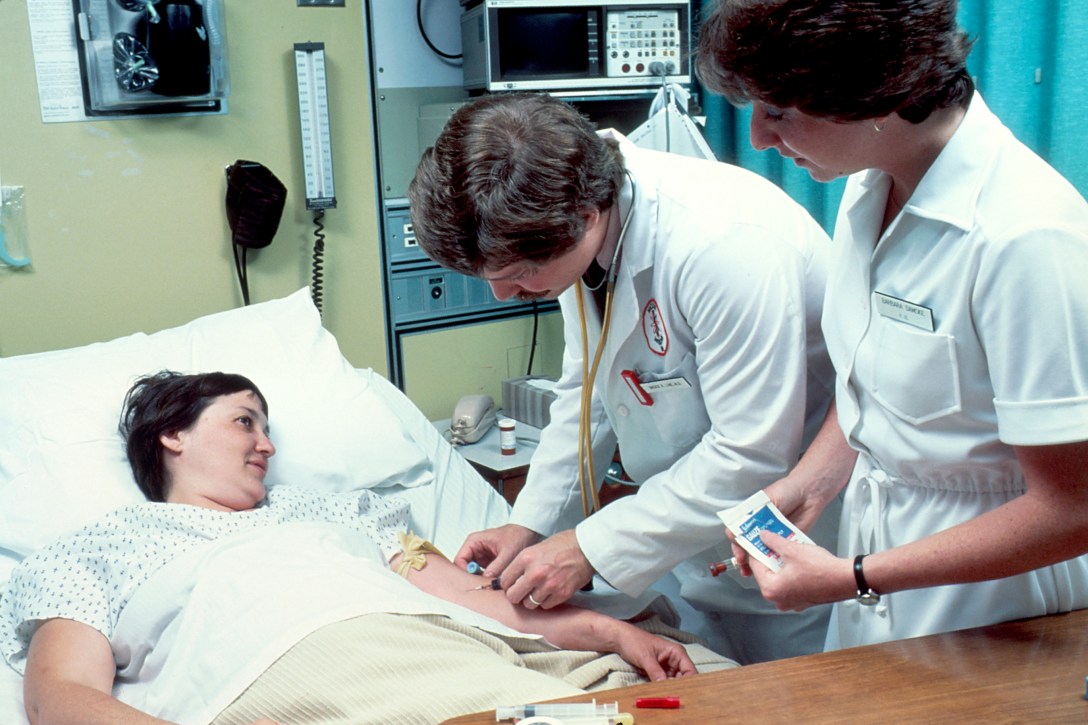
Around one in five inpatient beds are occupied by someone who has diabetes. As patients, one in ten will have a severe hypo in hospital and in any one week, one in four will have an error made regarding their medication.

Poorly managed hyperglycaemia in patients with an acute illness do worse, stay in hospital longer and can even cause death. Blood sugars can be harder to manage because of the ongoing illness, erratic eating habits, changes to liver and kidney function, and changing medication, particularly starting and stopping steroids and metformin.   But here is no evidence that tight glycaemic control for hospital patients improves outcomes other than during cardiac surgery and liver transplantation.

The consensus is that blood glucose values between 6-10 mmol/L is probably optimal, given the need to prevent hypos, and that a range of 4-12 is acceptable.

The sorts of things that can cause high blood sugars in hospital are: sepsis, steroids, omission of insulin or oral hypoglycaemic medication, an overtreated hypo, stress and anxiety, surgery, a relative lack of insulin and long term poor glucose control.

In type one patients and type twos on insulin they should not stop their insulin even when fasted or when oral intake is poor.  At the very least basal insulin needs to be continued. The DAFNE plan is that blood sugars over 11 should be corrected by 2-6 units of rapid acting insulin and levels checked every 2 hours. Correction doses are advised not to be given at intervals more than every 4 hours to reduce insulin stacking.  Staff are advised to ASK THE PATIENT what they would normally do outside hospital.  

Treatment for diabetic ketoacidosis should be initiated if the blood ketone level is 3mmol/L or above.  In mild or moderate cases subcutaneous insulin may be used, but if severe, intravenous insulin will be needed.

When dealing with type two patients, where there is less risk of ketoacidosis, higher blood sugar levels may be acceptable over the short term. It is important to ask the patient if they are actually getting their correct medication. It is helpful to figure out exactly WHY the patient’s blood glucose is elevated, as this can be the clue to effective treatment, eg an ongoing urine infection.

Most hospitals have a diabetes liaison team and they can be particularly helpful in for instance surgical wards where staff may have less expertise in treating diabetic patients.

Insulin is sometimes required if a type two patient needs blood sugars stabilised promptly.  Doses will need frequent review as the patient becomes more active and eats more as they improve and as their condition returns to their normal state.

BMJ 2017;357:j2551

Sheri Colberg: Joint health is critical to staying active

vGqfCBC

Joint Health Is Critical to Staying Active

Diabetes in Control

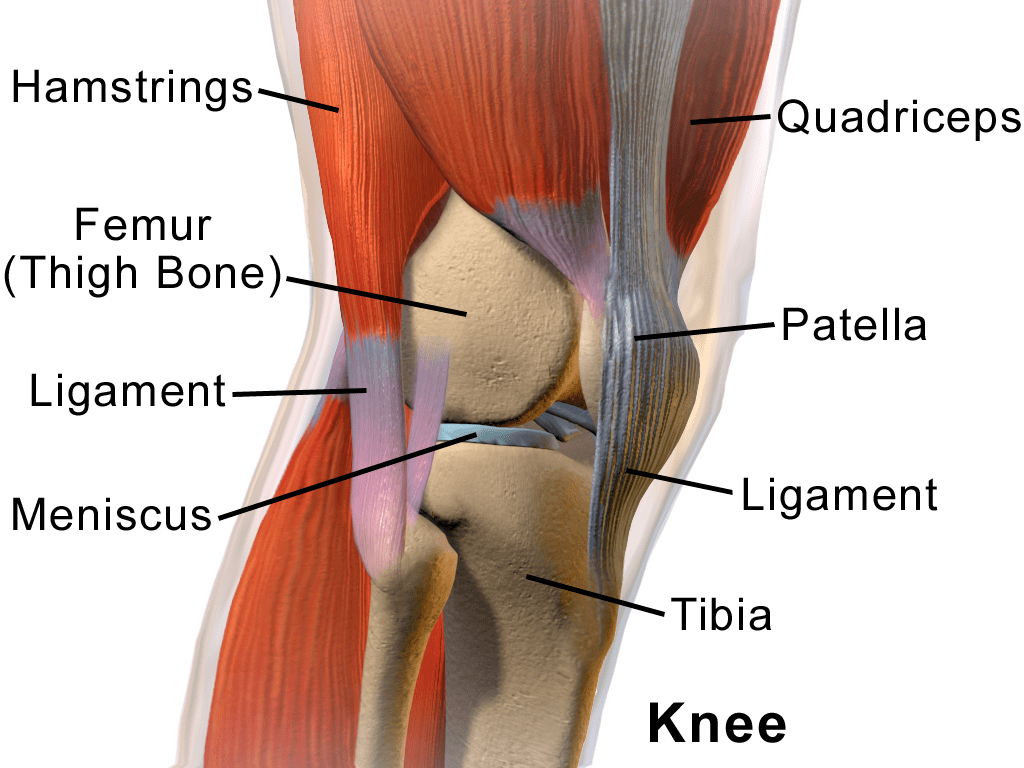
Without properly functioning joints, our bodies would be unable to bend, flex, or even move. A joint is wherever two bones come together, held in place by tendons that cross the joint and attach muscles to a bone on the other side and ligaments that attach to bones on both sides of the joint to stabilize it. The ends of the bones are covered with cartilage, a white substance formed by specialized cells called chondrocytes. These cells produce large amounts of an extracellular matrix composed of collagen fibers, proteoglycan, elastin fibers, and water. Tendons and ligaments are also made up primarily of collagen.

Joints can be damaged, however, making movement more difficult or painful. Joint cartilage can be damaged by acute injuries (i.e., ankle sprain, tendon or ligament tears) or overuse (related to repetition of joint movements and wear-and-tear over time). Damage to the thin cartilage layer covering the ends of the bones is not repaired by the body easily or well, mainly because cartilage lacks its own blood supply.

Aging alone can lead to some loss of this articular cartilage layer in knee, hip, and other joints—leading to osteoarthritis and joint pain—but having diabetes also potentially speeds up damage to joint surfaces. Although everyone gets stiffer joints with aging, diabetes accelerates the usual loss of flexibility by changing the structure of collagen in the joints, tendons, and ligaments. In short, glucose “sticking” to joint surfaces and collagen makes people with diabetes more prone to overuse injuries like tendinitis and frozen shoulder (1; 2). It may also take longer for their joint injuries to heal properly, especially if blood glucose levels are not managed effectively. What’s more, having reduced motion around joints increases the likelihood of injuries, falls, and self-imposed physical inactivity due to fear of falling.

Reduced flexibility limits movement around joints, increases the likelihood of orthopedic injuries, and presents a greater risk of joint-related problems often associated with diabetes, such as diabetic frozen shoulder, tendinitis, trigger finger, and carpal tunnel syndrome. These joint issues can come on with no warning and for no apparent reason, even if an individual exercises regularly and moderately, and they may recur more easily as well (3). It is not always just due to diabetes, though, since older adults without diabetes experience inflamed joints more readily than when they were younger.

So what can you do to keep your joints mobile if you’re aging (as we all are) and have diabetes? Regular stretching to keep full motion around joints can help prevent some of these problems, and also include specific resistance exercises that strengthen the muscles surrounding affected joints. Vary activities to stress joints differently each day. Overuse injuries occur following excessive use the same joints and muscle in a similar way over an extended period of weeks or months, or they can result from doing too much too soon.

Doing moderate aerobic activity that is weight-bearing (like walking) will actually improve arthritis pain in hips and knees (4). People can also try non-weight-bearing activities, such as aquatic activities that allow joints to be moved more fluidly. Swimming and aquatic classes (like water aerobics) in either shallow or deep water are both appropriate and challenging activities to improve joint mobility, overall strength, and aerobic fitness. Walking in a pool (with or without a flotation belt around the waist), recumbent stationary cycling, upper-body exercises, seated aerobic workouts, and resistance activities will give you additional options to try.

Finally, managing blood glucose levels effectively is also important to limit changes to collagen structures related to hyperglycemia. Losing excess weight and keeping body weight lower will decrease the risk for excessive stress on joints that can lead to lower body joint osteoarthritis (5). Simply staying as active as possible is also critical to allowing your joints to age well, but remember to rest inflamed joints properly to give them a chance to heal properly. You may have to try some new activities as you age to work around your joint limitations, but a side benefit is that you may find some of them to be enjoyable!

References:

  1. Abate M, Schiavone C, Pelotti P, Salini V: Limited joint mobility in diabetes and ageing: Recent advances in pathogenesis and therapy. Int J Immunopathol Pharmacol 2011;23:997-1003
  2. Ranger TA, Wong AM, Cook JL, Gaida JE: Is there an association between tendinopathy and diabetes mellitus? A systematic review with meta-analysis. Br J Sports Med 2015;
  3. Rozental TD, Zurakowski D, Blazar PE: Trigger finger: Prognostic indicators of recurrence following corticosteroid injection. J Bone Joint Surg Am 2008;90:1665-1672
  4. Rogers LQ, Macera CA, Hootman JM, Ainsworth BE, Blairi SN: The association between joint stress from physical activity and self-reported osteoarthritis: An analysis of the Cooper Clinic data. Osteoarthritis Cartilage 2002;10:617-622
  5. Magrans-Courtney T, Wilborn C, Rasmussen C, Ferreira M, Greenwood L, Campbell B, Kerksick CM, Nassar E, Li R, Iosia M, Cooke M, Dugan K, Willoughby D, Soliah L, Kreider RB: Effects of diet type and supplementation of glucosamine, chondroitin, and msm on body composition, functional status, and markers of health in women with knee osteoarthritis initiating a resistance-based exercise and weight loss program. J Int Soc Sports Nutr 2011;8:8


In addition to my educational web site, Diabetes Motion (www.diabetesmotion.com), I also recently founded an academy for fitness and other professionals seeking continuing education enabling them to effectively work with people with diabetes and exercise: Diabetes Motion Academy, accessible at www.dmacademy.com. Please visit those sites and my personal one (www.shericolberg.com) for more useful information about being active with diabetes.

Fit to serve: Bacon carbonara casserole

Mush-shrimp_cream_sauce_step_2

Once we made eating a low carb keto diet a lifestyle change, we really thought we would never have anything that even remotely looked like pasta again. This of course was until I discovered spaghetti squash. Although not devoid of carbs, it’s certainly a much healthier lower in carb option.

Using spaghetti squash as a pasta alternative is great because of its mild flavor. It simply takes on the flavor profile of whatever sauce you choose to use. In addition, it has an amazing pasta-like texture that has you questioning if you aren’t just have a real bowl of pasta and cheating. You can actually even twirl the spaghetti squash around your fork, like you do with real spaghetti. Now that’s when I was sold.

Unlike zucchini and other vegetables that are spiraled into a pasta-like texture, spaghetti squash does not give your dishes extra moisture. Don’t get me wrong I use zucchini all the time to make a low carb lasagna, but if not eaten right away the extra moisture the zucchini releases can turn some people off.

I finally decided to sit down and share a recipe using spaghetti squash after getting a few family requests. Although it’s a very popular pasta option in our low carb keto community, it’s still has not been discovered by many.

My creamy bacon carbonara sauce with spaghetti squash is filling enough to stand as a meal, which is why I opted not to add any additional protein in the form of chicken.

Low Carb Bacon Carbonara Casserole

Ingredients:

1 large spaghetti squash (cooked)

3 eggs

¼ cup of butter

1 small onion finely chopped

½ pound bacon (reserve ½ cup for topping)

½ cup of chopped mushrooms

2 cups of heavy whipping cream

1 ½ cups of grated cheese parmesan cheese (reserve ½ cup for topping)

dash of nutmeg

¼ cup of finely chopped parsley (for topping)

½ teaspoon of sea-salt

1 clove of crushed garlic

¼ teaspoon of black pepper

½ teaspoon of sea-salt (or to taste)

dash of red pepper flakes

Spaghetti Squash Cooking Instructions

Cook your spaghetti squash sliced in a 375-degree oven for 30 minutes. Or if you prefer you can do what I do and cook it whole in the microwave oven. I pierce the skin of the spaghetti squash several times and microwave at a high temperature for about 6 minutes. Once cooked and allowed to cool, I slice the squash in half and take out the center seeds. Using a fork, scrap the inside of the squash to get the spaghetti-like strands. Place the squash strands in an oven-proof bowl in preparation for the sauce.

Low Carb Bacon Carbonara Sauce

  1. Cook in a large frying pan over medium-high heat the bacon, once slightly crispy set aside. Reserve ¼ up of the bacon grease to cook the onion, garlic and mushrooms until tender.
  2. Remove the sautéed mushrooms, garlic and onions and add the butter to the pan.
  3. Reduce the heat to low-medium and add the cream, parmesan cheese, and spices minus the parsley. Cook on low until the sauce starts to thicken. Turn the stove off and allow to cool. Whisk in the 3 whole eggs, making sure that the eggs are fully incorporated. Note: It’s important that you don’t add the raw eggs to the sauce if it’s really hot, to avoid scrambling the eggs.
  4. To the now thickened sauce add the cooked mushrooms, onion, garlic and bacon and stir to combine well.
  5. Pour the carbonara sauce over the cooked spaghetti squash and transfer into an oven-proof casserole.
  6. To the casserole add the reserved parmesan cheese, bacon and parsley as a toping.
  7. Bake in a 350-degree oven for 30-35  minutes.

Makes 6 servings at 9 net carbs.

Enjoy in good health!

Stephan Guyenet: Why your brain makes you fat

hqdefault (2)

In this interview, which you can listen to or read,  neuroscientist Stephan Guyenet discusses various topics related to a big issue with a lot of people, how we get fat and what we can do about it, with Kris Kresser.


https://chriskresser.com/why-your-brain-makes-you-fat-with-stephan-guyenet/?utm_source=activecampaign&utm_medium=email&utm_term=rhr-why-your-brain&utm_content=&utm_campaign=blog-post

Diabetic children miss out on hospital checks

foot examination.jpg

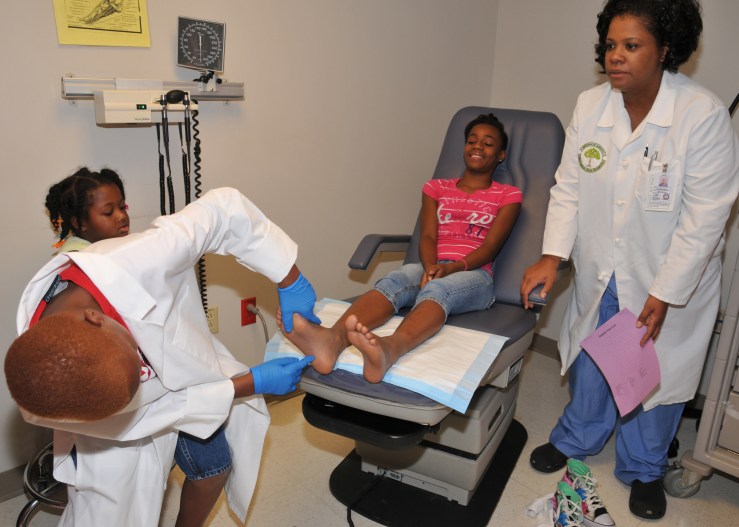
Paediatric endocrinology clinics have a  non-attendance rate of 11.4% in the south west of the UK. The majority of these patients have diabetes.

Children who did not attend were more likely to  come  from families living in areas of high deprivation and to have a child protection alert in their hospital records.

In 60% of the cases, the GP was not informed that the child had not appeared, so they were not in a position to follow the child up themselves. Some of the children were sent other appointments, some were given an open attendance appointment and some were discharged.

About half of the children were eventually seen within a year and a third attended A and E. Almost a quarter went back to see the GP and half of these were re-referred.

My comments: In my own practice I am aware that a minority of parents are very poor at attending diabetic clinics with their children. We are always informed and keep out an eye for opportunistic intervention when the child attends for another matter. Our hospital has a good nurse liaison service and they do their best to keep a dialogue open with the parents and visit at home. Sometimes lack of money for bus fares is given as an issue. Sometimes work commitments or having to make arrangements to look after other children in the family is the reason. For one reason or another, the child’s diabetes management does not have the priority that it is given in other homes, and that doesn’t work out well on the long term.

Reported in BMJ 24th June 2017 by Ingrid Torjesen BMJ 2017;357:j2983