BMJ: Continuity and individualised care matter more to patients than guidelines

old woman walking

By Martin Rowland and Charlotte Paddison
Adapted from article in BMJ 18 May 2013
As the population rises more people are living with multiple medical conditions. These can be diabetes, rheumatoid arthritis, macular degeneration, depression, cancer, coronary heart disease and dementia among others.

These cause complex health, emotional and social problems which make their management difficult, especially in socioeconomically deprived areas. A new model of care is needed to manage patients optimally in these circumstances.
Although this seems obvious, care seems to be moving in the wrong direction for these patients.
Evidence based guidelines are really geared to patients with single conditions. They don’t cater to someone who has multiple conditions. Over treatment, and overly complex surveillance and assessment routines result. Older, less well educated and less affluent patients cope particularly poorly with these regimes. Guidelines also fail to recognise that patients get more frail as they age. The burdens of illness and treatment are different for a 100 year old compared to a 50 year old.
An individualised regime for each patient needs to be developed to focus on what matters most to each one.
Unfortunately doctors often feel that they can’t deviate from a guideline for fear of criticism and litigation. Perhaps guidelines should only be applied when they are clearly being used in the patient’s best interests, instead of the doctor’s? Exception reporting is a mechanism that allows doctors to deviate from guidelines and maybe should be used more.
Medical training does not as yet focus on this sort of individualised care. Medicine of old age comes the closest.
Listening to patients is the key thing that can help a doctor understand what their needs and goals are. The most appropriate care can then be built around that. The biggest barrier to this seems to be the over emphasis on single conditions.  This prevents rather than enhances goal oriented care.
Longer consultations are needed to help guide patients talk about their needs and think through complex decisions.
Satisfaction and outcomes are improved if this can be achieved. Despite this patients still often complain that they never see the same doctor twice both in hospital and primary care. It is also particularly difficult to provide a good quality of care when a doctor does not  know the patient and does not see the patient for follow up.
Young adults say they want to see the same doctor 52% of the time, but this increases to over 80% in those aged over 75.  More than a quarter of patients however say they struggle to see the doctor of their choice. This seems to be getting worse over time rather than better. Perhaps this is due to nurses taking over a lot of the care regarding chronic illness. Doctors are also increasingly working part time and may be involved in other tasks other than direct patient care. Shift systems in hospitals limit continuity a great deal.
In primary care, advanced access schemes give faster access but at the expense of continuity of care.
Older patients are particularly keen on waiting a few days longer to see the GP of their choice. Booking systems need to allow for both access and continuity.
This can be improved by receptionists attempting to book patients with their “own” doctor rather than simply the first available. Two or three doctors can share lists and try to see each other’s patients if one is not available.  E-mail booking of doctors directly can help. E-mail consultations can help.  Time for these must be built into the working day. The number of doctors who deal with  particularly complex needs may need to be restricted. Monitoring continuity of care can help. What gets monitored tends to get done more often after all.
As guidelines need to become less important for patients with multi-morbidity, a doctor’s clinical judgement becomes more critical.  There can be squads of other health care professionals involved in a patient’s care and deciding what ones are necessary and what ones are not is a useful task.  As the need for the traditional UK General Practitioner is increasing, sadly, their availability and time commitments to patient care seem to be decreasing.

Kris Kresser: Why has the American approach to heart disease failed?

Why Has the American Approach to Heart Disease Failed?
on April 18, 2017 by Chris Kresser 

Tsimane 2

A recent New York Times article correctly suggests that diet and lifestyle changes are far more effective ways to prevent and treat heart disease than statins and stents. But what diet, and what lifestyle? Is it as simple as avoiding “artery-clogging saturated fat,” as the author suggests? Read on to find out why the American approach to heart disease has really failed.
Jane Brody wrote an article in The New York Times called “Learning from Our Parents’ Heart Health Mistakes.” She argues that despite decades of advice to change our diet and lifestyle in order to reduce our risk of heart disease, we still depend far too much on drugs and expensive procedures like stents.
She says:
Too often, the American approach to heart disease amounts to shutting the barn door after the horse has escaped.
To support this argument, she refers to a recent paper published on the Tsimane, an indigenous population in the Bolivian Amazon. The study found that the rate of coronary atherosclerosis in the Tsimane was one-fifth of that observed in the United States (and the lowest that has ever been measured). Nearly nine in 10 Tsimane had unobstructed coronary arteries and no evidence of heart disease, and the researchers estimated that the average 80-year-old Tsimane has the same vascular age as an American in his mid-50s.
I certainly agree with Ms. Brody so far, and her analogy that the American approach to heart disease amounts to shutting the barn door after the horse has escaped is spot on.
The problem is what comes next, as she attempts to answer the question of why the Tsimane have so much less heart disease than Americans:
Protein accounts for 14 percent of their calories and comes primarily from animal meats that, unlike American meats, are very low in artery-clogging saturated fat. [emphasis mine]
Does saturated fat “clog” your arteries?
Artery-clogging saturated fat? Are we still using that phrase in 2017?
As I’ve written before, on average, long-term studies do not show an association between saturated fat intake and blood cholesterol levels. (1) (I say “on average” because individual response to saturated fat can vary based on genetics and other factors—but this is a subject for another article.)
If you’re wondering whether saturated fat may contribute to heart disease in some way that isn’t related to cholesterol, a large meta-analysis of prospective studies involving close to 350,000 participants found no association between saturated fat and heart disease. (2)

Does saturated fat really “clog” your arteries?

Are “clogged arteries” the cause of heart disease?
Moreover, as Peter Attia eloquently and thoroughly described in this article, the notion that atherosclerosis is caused by “clogged arteries” was shown to be false many years ago:
Most people, doctors included, think atherosclerosis is a luminal-narrowing condition—a so-called “pipe narrowing” condition.  But by the time that happens, eleven other pathologic things have already happened and you’ve missed the opportunity for the most impactful intervention to prevent the cascade of events from occurring at all.
To reiterate: atherosclerosis development begins with plaque accumulation in the vessel wall, which is accompanied by expansion of the outer vessel wall without a change in the size of the lumen. Only in advanced disease, and after significant plaque accumulation, does the lumen narrow.
Michael Rothenberg also published an article on the fallacy of the “clogged pipe” hypothesis of heart disease. He said:
Although the image of coronary arteries as kitchen pipes clogged with fat is simple, familiar, and evocative, it is also wrong.
If heart disease isn’t caused by “clogged arteries,” what does cause it?
The answer to that question is a little more complex. For a condensed version, read my article “The Diet-Heart Myth: Why Everyone Should Know Their LDL Particle Number.”

For a deeper dive, read Dr. Attia’s article.
Here’s the 15-second version, courtesy of Dr. Attia:
Atherosclerosis is caused by an inflammatory response to sterols in artery walls. Sterol delivery is lipoprotein-mediated, and therefore much better predicted by the number of lipoprotein particles (LDL-P) than by the cholesterol they carry (LDL-C).
You might think that I’m splitting hairs here over terminology, but that’s not the case. It turns out that this distinction—viewing heart disease as caused by high LDL-P and inflammation, rather than arteries clogged by saturated fat—has crucial implications when it comes to the discussion of how to prevent it.
Because while it’s true that a high intake of saturated fat can elevate LDL particle number in some people, this appears to be a minority of the population. The most common cause of high LDL-P in Americans—and elsewhere in the industrial world—is almost certainly insulin resistance and metabolic syndrome. (I explain why in this article.)
And what is one of the most effective ways of treating insulin resistance and metabolic syndrome? That’s right: a low-carbohydrate, high-fat diet!
News flash: diets high in saturated fat may actually prevent heart disease.
Perhaps this explains why low-carbohydrate, high-fat diets (yes, including saturated fat) have been shown to reduce the risk of heart disease.
For example, a meta-analysis of 17 low-carb diet trials covering 1,140 obese patients published in the journal Obesity Reviews found that low-carb diets were associated with significant decreases in body weight, as well as improvements in several CV risk factors, including decreases in triglycerides, fasting glucose, blood pressure, body mass index, abdominal circumference, plasma insulin, and C-reactive protein, as well as an increase in HDL cholesterol. (3)
(In case you’re wondering, low-carb diets in these studies had a null effect on LDL cholesterol: they neither increased nor decreased it.)
Saturated fat is a red herring.
Instead of focusing so much on saturated fat intake, which is almost certainly a red herring, why not focus on other aspects of the Tsimane’s diet and lifestyle that might contribute to their low risk of heart disease?

For example:
They are extremely active physically; Tsimane men walk an average of 17,000 steps a day, and Tsimane women walk an average of 15,000 steps a day—and they don’t sit for long periods. Ms. Brody does mention this in her article.
They don’t eat processed and refined foods. We have been far too focused on calories and macronutrient ratios and not enough on food quality. We now know that hunter–gatherers and pastoralists around the world have thrived on both high-carbohydrate, low-fat diets (like the Tsimane, who get 72 percent of calories from carbohydrate) and low-carbohydrate, high-fat diets (like the Masai and Inuit).

But what all hunter–gatherer diets share in common is their complete absence of processed and refined foods.
Perhaps if we stopped focusing so much on the amount of fat and carbohydrate in our diet and started focusing more on the quality of the food we eat, we’d be better off.
And of course we also need to attend to the many other differences between our modern lifestyle (which causes heart disease) and the ancestral lifestyle (which prevents it), including physical activity, sleep, stress, light exposure, play/fun, and social support.
The Tsimane study illustrates exactly why an evolutionary perspective on diet, lifestyle, and behavior is so important. It helps us to generate hypotheses on what aspects of our modern way of life may be contributing to chronic diseases like atherosclerosis and gives us ideas about what interventions we need to make to prevent and reverse these diseases.

BMJ: The PURE Study debunks the sat fat/heart disease hypothesis

cheese.jpg

The PURE study: Eating fat is associated with lower cardiovascular disease

From BMJ 9 Sept 17
PURE is a five continent observational study in relation to cardiovascular disease in mortality in almost 150 thousand people. It found that high carbohydrate intake was associated with a higher risk of total mortality whereas total fat and individual types of fat were related to a lower total mortality.
Total fat and types of fat were not associated with cardiovascular disease, myocardial infarction, or cardiovascular disease mortality, and the more saturated fat people ate the less strokes they had.
Like all observational studies correlation does not necessarily imply causation. The main message however is a series of negatives. There does not seem to be a connection between carbohydrate intake and cardiovascular disease, the association is with all- cause mortality. Perhaps high carbohydrate diets are simply a marker for poverty?
In contrast eating more fat, including saturated fat was associated with lower cardiovascular disease, meaning that we can abandon the saturated fat-cardiovascular disease hypothesis with some certainty.
So, what does “healthy food” look like?
A higher intake of fruit, vegetables and legumes was associated with a lower risk of non-cardiovascular and total mortality at three to four servings a day.
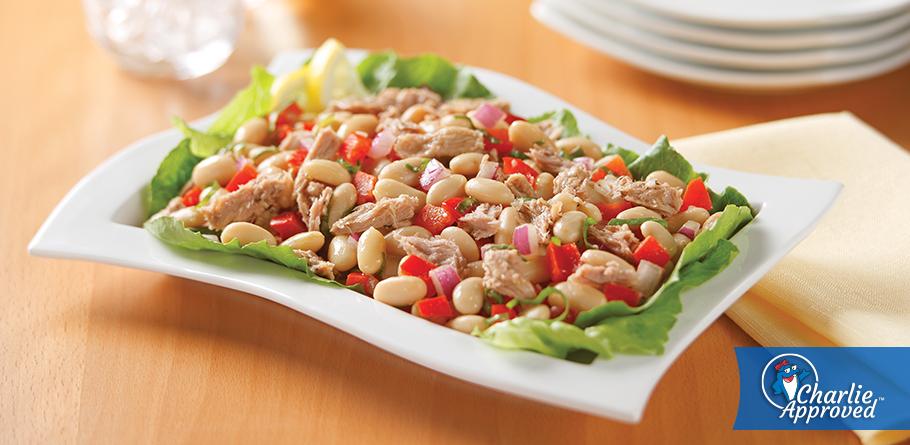
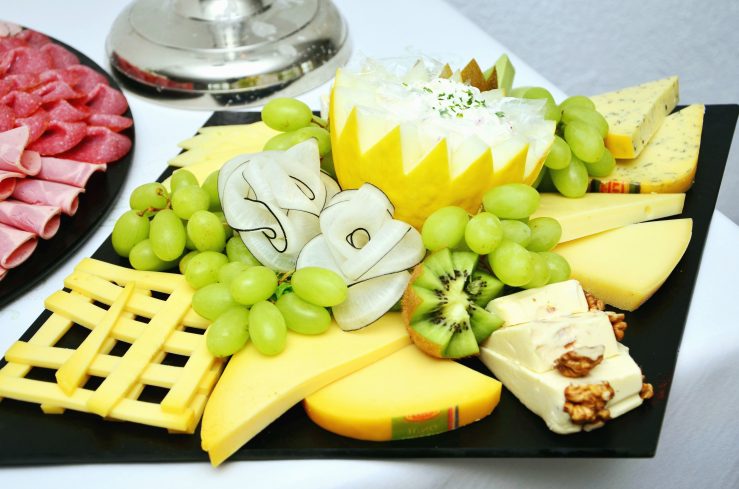
Great, says the author of this piece, Richard Lehman. His dream meal is cannelli beans and tuna salad with lots of olive oil, rib eye steak in butter, a salad, fruit, cheese and strawberries and cream.


RCGP: When could it be cancer?

Most_common_cancers_-_female,_by_mortality

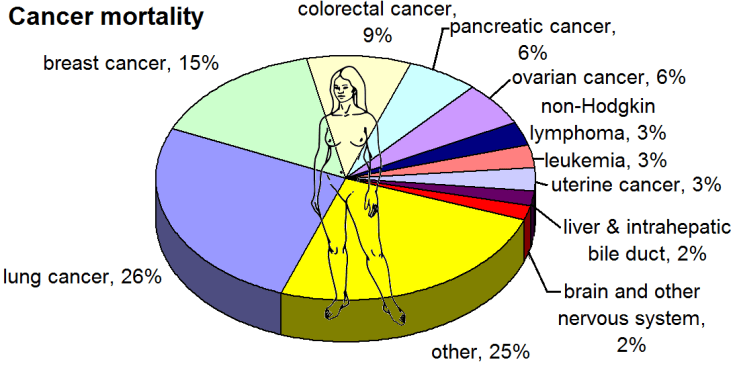
The UK cancer survival rates are poorer than in many developed countries. For instance 8.8% of lung cancer patients are alive 5 years after diagnosis compared to 18.4% in Canada. Delayed diagnosis is thought to be one of the factors involved. There are patterns of illness that have increased risk of underlying cancers.

Persistent or recurrent infection

Acute exacerbations of chronic obstructive pulmonary disease, that are repeatedly given antibiotics and steroids can be due to lung cancer. The common causative factor is cigarette smoking.  Recurrent urine infections being due to bladder cancer is another cause. If the patient had the antibiotics and fully recovered and then relapsed then it is probably another infection, but if they didn’t get better, then the possibility of a new cancer arises.

Constant pain

Musculoskeletal pain tends to vary with time, position and movement. Constant pain can be more sinister. Shoulder pain for instance can be due to a lung cancer in a smoker. Pain, most commonly in the shoulder, lower back and groin can be a presentation of cancer that has already spread.

Unusual age at diagnosis

People are often thought to be too young to be developing certain cancers. There is currently a big increase in the number of under 50s developing bowel cancer. The reason for this is not clear.

In older patients they may get sore heads, gut symptoms and back pain. Sometimes these are diagnosed as migraine, irritable bowel syndrome and muscular back pain.  When these “new” clinical diagnoses are made in older patients it is often best to investigate them with cancer in mind.

Infrequent attenders

People who attend infrequently are more likely to have a serious problem underlying their symptoms.

Negative first line investigations

A chest X ray is often thought to be a good test for example lung cancer. But in lung cancer one in four will not be revealed by a chest X ray and a CT scan will be required. If clinical suspicion persists the GP may need to do further tests.

Safety netting

Making sure all clinical staff such as nurses and phlebotomists as well as doctors safety net appropriately is necessary. Sometimes patients don’t attend for follow up blood tests or they assume their test results are normal when they are not. Follow up arrangements in the practice need to be robust.

Although NICE wants widespread investigation and referral when symptoms could indicate cancer at 1% to 3% of risk, we need to be pragmatic about how this can be done in today’s health service.

Adapted from Improving early diagnosis of cancer in UK general practice by Dr Ian Morgan and Professor Scott Wilkes published in BJGP June 2017.

Courtney Pine: My pizza substitute frittata

Originally published in The Observer 3.9.17

Courtney_Pine_by_Augustas_Didzgalvis.jpg

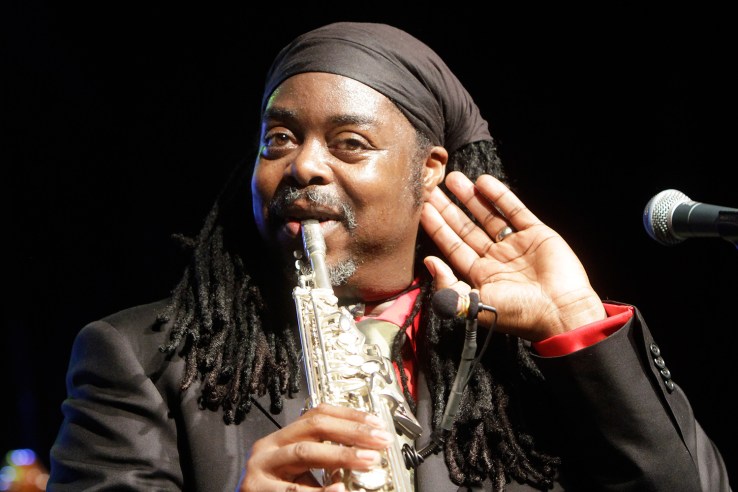
” I just found this recipe and it’s unbelievable.

You take six eggs, garlic, onions, parmesan and sun-dried tomato paste and put them in a blender. Then fry in olive oil till slightly solid. Fry peppers and sliced Portobello mushrooms until caramelised. Add these to the top, add grated cheese and place in the oven for 15 minutes.

It’s so simple. I must admit to improvising a bit when I cook. This is usually billed as a pizza replacement meal. Now nothing really replaces pizza, but this comes close.”

Fit to serve: Chocolate sour cream cupcakes

chocolate muffins

Low Carb Chocolate Sour Cream Cupcakes
Ingredients
4 ounces unsweetened chocolate
2 cups of sugar substitute (I use Swerve)
1 cup of finely milled almond flour
½ cup of coconut flour
2 teaspoons of baking powder
½ teaspoon of sea-salt
1 cup of strong coffee
½ cup sour cream
½ cup of melted butter cooled
2 eggs
Directions
1. Pre-heat oven to 350 degrees. Line two muffin tins with cupcake liners.
2. Melt the chocolate in a double broiler and allow to cool.
3. Combine the sugar substitute, almond and coconut flours, baking powder and sea-salt. Set bowl aside.
4. In a small bowl combine the hot coffee, sour cream and melted butter.
5. In a large stand-up mixer set to low add the coffee mixture to the dry ingredients. Mix till well combined.
6. Add the eggs and mix till fully incorporated.
7. Lastly, add the melted chocolate to the batter and combine till blended.
8. Pour batter into the cupcake tins and bake for 20-25 minutes until an inserted toothpick comes out clean.
9. Allow to cool before eating. May be frosted with your favorite low carb frosting or left bare.

Damon Ashworth: At your most lonely you can still reach out for help

For Anyone Who Has Ever Struggled With Thoughts of Suicide and Death

sweet-ice-cream-photography-189491.jpg

Suicide

In Australia in 2015, there were 3,027 deaths due to suicide for the year. This equates to 12.7 per 100,000, or 8.3 deaths by suicide each day.

76% of those who died by suicide were male, a ratio of more than 3:1. This ratio stays pretty steady for nearly all age groups, with males always dying from suicide at a higher rate than females.

According to the World Health Organisation, a person dies from suicide somewhere in the world every 40 seconds. Guyana has the highest suicide rate of any country in the world, with 44.2 per 100,000, but South Korea (28.9 per 100,000), Sri Lanka (28.8 per 100,000), Lithuania (28.2 per 100,000) and many other countries are also way too high. Based on the 2012 WHO findings, Australia was the 63rd highest country with 10.6 deaths by suicide per 100,000.

The most alarming thing about these findings is that our suicide rate is increasing, an extra 2.1 per 100,000 in only five years. The rate of suicide has also increased in the US by 24% from 1999 to 2014, after consistently declining the 14 years prior to that, according to data from the Centers for Disease Control and Prevention (Aboujaoude, 2016).

In the US it’s meant to be increasing due to the increasing use of antidepressants and their link to suicidality, to poor health insurance coverage, to the global financial crisis, increased divorce rates, greater opiate drug use, and the internet (Aboujaoude, 2016).

I’m not sure if all of these factors apply in Australia, but if over 11% of suicide-related search results are pro-suicide (Recupero, Harms & Noble 2008), then we need to counter-balance this with as much material as possible showing that suicide is neither the best option or the only option.

neil-thomas-4238

Death

Homo sapiens, or humans, as far as I know, are the only species in the animal kingdom that are aware that one day they are going to die.

The first time I heard this it fascinated me, and made me wonder if life would be easier not being aware of the fact that one day we cease to exist.

Imagine it. Life is going well. Then suddenly it is no more. No worry about what the future holds. We are born. We experience life. Then suddenly we are no longer there. No fear. Just nothingness.

Being aware that we are going to die shapes and influences our lives much more than we would like to admit. A lot of our anxieties and phobias at their core are a fear of some type of loss or death.

Irvin Yalom says that whilst the actuality of death is the end of us, the idea of death can actually energise us.

If we don’t know when we will die, being in touch with the fact that one day everything will end is enough to overwhelm some people and make them panic.

For others, it is enough to make them follow the maxim of carpe diem and helps them to seize the day by appreciating everything that they have so that they can make the most of the precious time that they have left on this planet. Time that is really just a bright spark of lightness between two identical and infinite periods of darkness – one before we are born, and one after.

Death is the ultimate equaliser, for no matter how much we have achieved or done with our time on this planet, the truth is that we will all one day die.

It is also true that we will not know exactly when death will happen. It might be with a car accident tomorrow, from cancer in ten years time, motor neurone disease in twenty years time, a heart attack in thirty years time, a stroke in forty years time, or during our sleep in fifty years time. Who knows.

What I do know is that people struggle with the idea of death. Much like they struggle with the idea of life.

With so much uncertainty, how can we possibly plan for the future? How can we get the most out of life? and more importantly, is it even worth it?

tim-marshall-121106

These are questions that I struggled with for a long time…

My Experience

I think I was about ten years old when I first expressed a desire to kill myself. I remember my mother saying that childhood should be the happiest time in my life, as it only gets harder after that, with more pressures and more responsibility. I’m pretty sure she meant that I should try to enjoy life whilst I’m young if I could, but all I heard was “LIFE SUCKS! IF YOU AREN’T COPING NOW, YOU NEVER WILL!” I became petrified of the future.

It didn’t get much better after that for me. I never felt like I fit in at school. I was 6″3 by the start of 9th grade, and felt like a freak; physically different from others and emotionally disconnected from my friends and family.

My happiest times growing up were when I became sick with croup and needed to be rushed to hospital on several occasions. During these times it suddenly it seemed like I was important. That people cared. They visited me. They asked me questions. They brought me gifts. And I could ask for whatever I wanted. Even a strawberry milkshake for breakfast. The best part was no pressure or expectations for once, and as many computer games as I wanted. It was pure bliss.

Once I became physically well again, it was back to performing however. To being what I thought everyone else wanted me to be. The result was that I became cut off from the real me, felt empty inside, and entirely miserable.

When I was younger, there was a death in my family from suicide on my mum’s side. It was devastating for everyone. It also contributed to a fear of mental health problems within our family. I don’t even know if it really started there, or if it just escalated after that. What I do know is that depression and suicide were scary things that we didn’t talk about, so I suffered alone.

I struggled with frequent suicidal ideation from the age of 10 until 25. Most of the time it was just when I was feeling stressed and overwhelmed, but it wouldn’t take much for me to think of death and ending it all as a way out of the emotional pain that I felt. Sometimes I would imagine crashing my car into oncoming traffic, but I really didn’t want to cause any harm or sorrow to anyone else. I thought of jumping off a bridge, or crashing my car into a tree, but worried about injuring myself without ending my life, and feared how much harder life would be if I also didn’t have my physical mobility on top of my mental health difficulties.

A much more common fantasy was developing a terminal illness that didn’t give me much time left to live. I would imagine people feeling sorry for me, telling me that they cared, and not putting any pressure on me so that I could finally live the life that I wanted to live rather than the life that I felt people wanted for me. Life generally seemed to suck. And death seemed like a great option…

elizabeth-lies-20237

The Turning Point

But here is the thing. Life didn’t always suck. Being caught inside my head did. So did feeling alone and disconnected from others and the real me.

I now know that life is actually precious. And it isn’t as long as we’d sometimes like it to be.

The first thing that helped me realise this was when my host brother, who I lived with in California for a year when I was 16 and 17, was diagnosed with Ewing Sarcoma whilst I was doing my undergraduate studies at La Trobe University.

I had wished for a terminal illness for so long because I thought I was so bad and evil and such a worthless piece of crap, and here was a guy who was an absolute legend, suddenly sick with a life threatening illness. He didn’t want this, and neither did his family. It wasn’t fair, and it made me question a lot of things about life and our purpose in it.

In 2005, he was granted a wish by the Make-A-Wish foundation for he and I to go for an all expenses paid trip to Europe for two weeks. In Paris, walking along the Seine river, even though his body was riddled with cancer, he said to me “I just don’t get why people become depressed when there is so much beauty and good in the world!” I couldn’t believe what I heard. For the first time ever I felt and realised that it wasn’t what was happening in our life that shaped how we felt about it, but how we chose to view it.

When he passed away the following year, I was more devastated than I have ever been in my life. I still would do anything to be able to switch positions with him, as he truly was a great man, but what I do know is that his memory will never be forgotten.

Since then, especially after I sought psychological therapy during my Doctoral degree, my mission in life has been to reduce the level of distress felt by individuals who are struggling with mental health issues. I have tried the best I possibly could, but I am fully aware that I have also fallen way short at times of having the influence that I would love to be able to have to make a real difference in this world.

Just today I had the first client of mine that I am aware of who has recently tried to kill themselves. I am saddened by this, but also understand that we can never completely stop someone who is determined to do what they think is the best action for them to take.

All we can do is try to help them to stay safe, get them to see that all experiences generally pass, even the bad ones, and that if things have sometimes been not as bad as they are now in the past, then there is also a very good chance that things will once again not be as bad in the future.

tom-ezzatkhah-103592

TO ALL.THOSE WHO ARE STRUGGLING:

Life sometimes sucks

So do other people

And so does the world

But you do not

I care about you

Even if I don’t know you

I want your life to get better

And I know that it can

If you are suffering

That is okay

Many people do

You are not alone

There are many things that can be done

Death is not the best option

Please seek help today

Life is worth living

It can get better

It did for me

I have not felt suicidal for the last six years

I have still experienced much pain

But I have also experienced much joy

And the ride has been worth it!

If you are struggling with the fear of death, please check out the book:
  • “Staring at the Sun: Overcoming the Terror of Death” by Irvin D. Yalom.
If you are struggling with lack of meaning and purpose in life, please check out the following books:
  • “Finding Flow: The Psychology of Engagement with Everyday Life” by Mihaly Csikzentmihalyi
  • “Finding Your Element: How to Discover Your Talents and Passions and Transform Your Life” by Ken Robinson and Lou Aronica
  • “Man’s Search for Meaning” by Viktor Frankl.
If you are being held back by fear and self-doubt, please check out the following books:
  • “The Confidence Gap” by Russ Harris and Steven Hayes
  • “Feel the Fear, And Do It Anyways” by Susan Jeffers
  • “Daring Greatly: How the Courage to Be Vulnerable Transforms the Way We Live, Love, Parent, and Lead” by Brené Brown
If you are struggling with grief, please check out the following books:
  • “Why Bad Things Happen to Good People” by Harold S. Kushner
  • “On Grief and Grieving: Finding the Meaning of Grief Through the Five Stages of Loss” by Elisabeth Kübler-Ross and David Kessler
If you want a more in depth analysis and understanding of the unsolved dilemmas of life, please check out the book:
  • “Existential Psychotherapy” by Irvin D. Yalom


DISCLAIMER: If the content of this post upsets you or you are struggling with suicidal ideation, planning or intent, please contact an appropriate help service where you live. If you are in Australia and cannot ensure your safety, please contact your local crisis and assessment treatment team (CATT) or call the following services:

  • Beyond Blue Helpline –   Call 1300 22 4636 24 hours / 7 days a week  
  • Suicide Help Line – 1300 651 251
  • Suicide Call Back Service – 1300 659 467
  • Lifeline – 13 11 14
  • SANE Australia – 1800 187 263
  • Relationships Australia – 1300 364 277
  • Mindset Clinic – 1800 614 434
  • Headspace – 1800 650 890 (ages 12-25)
  • Kids Helpline – 1800 551 800 (ages 5-25)

Jovina cooks from the Med: Versatile vegetable dips

.


Marinated Olives

Ingredients

1½ cups mixed black and green olives, a combination of Sicilian green olives, Greek Kalamata olives and Spanish green olives
4 tablespoons extra virgin olive oil
1 tablespoon fresh squeezed lemon juice
1 sprig fresh rosemary,
1 teaspoon lemon zest
1/4 teaspoon fennel seeds
1 pinch crushed red pepper
1 clove garlic, sliced thin

Directions

Remove the needles from the rosemary sprig. Discard the stem and chop the needles.

Mix all ingredients together in a bowl until thoroughly combined. Cover and refrigerate for at least 12 hours, stirring occasionally.

Remove the olives from the refrigerator 1 hour before serving to allow them to come to room temperature. Store any leftover olives in the refrigerator, covered, for up to a week.

Red Pepper Hummus

Ingredients

2 cloves garlic, roughly chopped
¼ cup lemon juice
¼ cup water
15 oz canned chickpeas (garbanzo beans)—rinsed and drained
½ cup tahini
1 teaspoon sea salt
½ cup jarred or homemade roasted red peppers, chopped
¼ teaspoon red pepper flakes (chili)
Extra virgin olive oil

Directions

Place all ingredients in a food processor or blender and process until smooth, scraping the sides occasionally. Pour into a serving bowl and drizzle a little extra virgin olive oil.

Tzatziki

Ingredients

1 cucumber, peeled and cut in half lengthwise
2 cups Greek yogurt
2 cloves garlic, minced
1 tablespoon lemon juice
1½ tablespoons finely chopped fresh dill or mint
1 tablespoon extra virgin olive oil
1 teaspoon salt
¼ teaspoon freshly ground black pepper

Directions

Scrape the seeds out of the cucumber halves using the pointy end of a teaspoon and discard.

Grate the cucumber flesh into a bowl then squeeze out any excess moisture using your hands,(a small handful at a time.

Place the grated cucumber into a large bowl and add the yogurt, garlic, lemon juice, olive oil, dill, salt and pepper. Stir well to combine.

Place the tzatziki in the refrigerator for at least 2 hours (and preferably overnight) to let the flavors blend.

All-Purpose Dressing

Ingredients

2½ tablespoons extra virgin olive oil
1½ tablespoons red wine or balsamic vinegar
½ clove garlic, grated
¼ teaspoon each of sea salt and freshly ground black pepper

Directions

Shake together all the ingredients in a jar until well combined.

Tapenade

Tapenade can be used to season grilled fish or chicken. It is also delicious spread on toasted baguette slices and topped with chopped tomatoes or simply serve it with crackers or crusty bread and vegetable crudités for dipping.

Ingredients

1 clove garlic, roughly chopped
1 tablespoon lemon juice
2 tablespoons extra virgin olive oil
¾ cup pitted black olives
1 tablespoon capers
2 anchovy fillets
¼ teaspoon freshly ground black pepper

Directions

Place all ingredients in a food processor or blender and process until smooth. Serve at room temperature.

Peppers and Onions

Ingredients

6 bell peppers, a variety of colors
2 thinly sliced garlic cloves
1 thinly sliced medium onion
1 teaspoons sea salt
1/2 teaspoon coarsely ground fresh black pepper
2 tablespoons red wine vinegar
1/4 cup extra virgin olive oil, plus 1 tablespoon for cooking
1 tablespoon coarsely chopped flat-leaf parsley

Directions

To blister the peppers, place them on a hot grill or under the broiler. Turn on all sides until the skins are completely blackened.

Immediately transfer to a large resealable plastic bag or place in a large bowl and cover the top with plastic wrap to seal. Let sit for 30 minutes, or until cool enough to handle.

Working with one pepper at a time, transfer to a work surface. Remove the skin, stem, and seeds.

Cut the peppers into 2-inch strips.

Heat 1 tablespoon of olive oil in a large frying pan (over medium-high heat).

Add the sliced onions and sauté until the onions soften. Reduce heat to low heat and add the garlic and the sliced peppers. Add the salt and black pepper

Cover the pan and let the mixture stew together for about 5 minutes. Pour the mixture into a storage bowl.

Let sit at room temperature for at least 1 hour, or up to 4 hours to allow the flavors to develop.

Toss with the olive oil, vinegar and parsley just before serving.

Sautéed Greens

Ingredients

3 lbs fresh greens, stems removed and washed in several changes of water
3 garlic cloves, finely chopped
¼ cup extra virgin olive oil
¼ teaspoon red pepper flakes (chili)
Sea salt to taste
1 tablespoon fresh lemon juice.

Directions

Place the greens with the washing water still clinging to the leaves in a large pot.Cook on low until completely wilted and tender, depending on the type of greens used.

Drain and cut the leaves into smaller pieces.

Place the olive oil, garlic and chili in the empty pot and heat over low until the garlic is tender but not brown.

Add the drained greens and cook just until hot. Remove the pan from the heat and stir in salt to taste and the lemon juice.

Thinking clearly: What is mindfulness all about?

Do you ever just wish you could get someone who knows virtually everything that’s known about the brain and quiz them about mindfulness? Well, I do – a lot – and I just got my wish!

It is my pleasure to present this interview with John McBurney MD. A practicing physician with of over 35 years’ experience, he is board certified in Neurology, Clinical Neurophysiology and Sleep Medicine. Dr. McBurney maintains a daily mindfulness meditation practice as well as home yoga practice.

Could you describe the neurological response to mindfulness practice?

Mindfulness practice ultimately comes down to the concept of neuroplasticity.

In mindfulness, in cultivating awareness of the breath and voluntary moment by moment awareness of the brain, we are training the brain – just like when you are learning to play the violin or any other complex skill – we are training to break out of those self-referential ruminative recursive mental states and to achieve an orientation toward the outer world and in the present moment rather than anticipating the future or reliving the past.

contemplative neuroscience mechanisms behind mindfulness

 Could we be losing something by focusing more on the external realities rather than the self?

Occasionally, we do hear of adverse experiences arising from mindfulness. With any robust intervention there are always potential risks.

How long does it take for mindfulness to have a noticeable effect?

The results can happen almost immediately, however, they are also cumulative. We are still figuring out what the minimum effective dose is. 

What is the relevance of the changes in functional connectivity in the brain in someone who has devoted  a monumental amount of time to meditation, such as Tibetan monks, who may put in more than 10,000 hours in to their practice, compared to the likes of you and me?

A very neat study was published by David Cresswell in Biological Psychiatry in 2016. They invited individuals with high level of stress, unemployed adults, to a weekend retreat experience. They were randomised to in 2 groups:

  • a 3 day mindfulness retreat (the treatment group) and
  • a 3 day relaxation retreat where they read stories, told jokes and had a good time (the control group).

The study was conducted in one centre over one weekend, so it is well controlled. Initially, both groups rated the interventions as being equally helpful to them, subjectively.

The researchers looked at the functional connectivity between the dorsolateral prefrontal cortex and the cingulate gyrus. They also looked at Interleukin-6, a known marker of inflammation, that has been previously shown to be elevated in stressed out unemployed people.

Even with this brief weekend mindfulness intervention, the treatment group developed increased connectivity between the dorsolateral prefrontal cortex and the cyngulate gyrus. There was a neuroplastic response even after a 3 day mindfulness retreat. This was also associated with a decrease in the marker IL-6. Even after 4 months, IL-6 was decreased in the treatment group, but in the control group, IL-6 levels continued to rise, independent of whether they managed to get a job or not.

This is also relevant to doctors, who are at high risk for burnout. Because of their work commitments, the mindfulness retreat for doctors was condensed from the standard 8 week model developed by John Kabat-Zinn to a weekend intervention. The question was: does the weekend model work? The research at the University of Wisconsin where this was developed was reassuring: the residents are less stressed out, more effective and have a greater level of satisfaction.

We still don’t know the absolute minimum dose, but it seems that a weekend of mindfulness can be life-changing for the brain.

Another paper published in PLOS ONE from the Benson-Henry Institute for Mind Body Medicine in Harvard looked at the practices such as meditation, prayer, mindful yoga, Tai-Chi, Qi Gong, etc, i.e. ones that elicit a relaxation response (as opposed the stress response).

This study showed that in both novice and experienced practitioners of relaxation response modalities, there were changes in the epigenetic transcription of the genome. There was upregulation of pathways associated with mitochondrial integrity, downregulation of inflammatory pathways, improved insulin-related metabolism and improved nitric oxide signalling.

Long term potentiation, the standard mechanism for memory formation, strengthens existing neural connections. This happens immediately, as you read this. Over time, long term potentiation leads to formation of new connections,through synaptogenesis, dendritic arborisation and neurogenesis i.e. brain structure changes. In turn, this affects the most neuroplastic neurons located in the hippocampus.

mindfulness minimum effective dose response neurology

In reference to this fascinating recent study of the fight or flight response, it seems plausible that breathing regulates our stress levels much more than conscious thought. Could you explain the significance of this in terms of mindfulness?

The ancients believed that emotions reside in the body. This comes up a lot in serious yoga classes.

This highly innovative study shows that the control of the adrenal medulla – the main effector of the stress response – is not from the conscious ruminating thinking centres, but by the motor and sensory cortex.

This explains why breathing, as well as yoga and Tai-Chi, are an important part of meditative practice. In my experience, these kind of interventions do affect the stress response in a beneficial way.

Mindful exercise exists in many form. For example, weightlifters need to be very mindful to maintain perfect form. Cycling is another example: it is vital to concentrate on every pedal stroke and maintain an even cadence. Once you start to day dream, you notice straight away that your output is way worse. This overlaps with the concept of flow. It is about getting in the zone. There is a very inspiring TED talk by Judson Brewer MD, Ph.D. that explains the physiology behind flow and how it is augmented by mindfulness. Mindfulness is work, and it does require discipline. There is a paradox here of non-striving and non-doing while also being disciplined.

You are a sleep medicine expert. Could you comment on the relationship between mindfulness and sleep?

Insomnia is a complex problem with many causes. However, for most people with idiopathic insomnia, the cause is these self-referential recursive ruminations. They aren’t able to “turn their brain off”. Through mindfulness practice, they are generally able to tame the default mode network that’s responsible for ruminating and daydreaming. A simple strategy would be to lie in bed and concentrate on the breath. This would ease the transition between wakefulness and sleep.

mindfulness default mode network neurological basis for the self

Mindfulness is a mainstay treatment for many mental health disorders. What about use of mindfulness in the treatment for organic pathology of the brain usually treated by neurologists?

There is some preliminary data that mindfulness training has a beneficial effect of seizure frequency in patients with epilepsy. It is a medical condition associated with tremendous anxiety and stress, so mindfulness could have a significant benefit in more than one way. It may even have a benefit it terms of remembering to take medication on time, etc.

Some robust studies show that the frequency of relapse in multiple sclerosis decreases with mindfulness intervention. The effect from mindfulness is similar in magnitude to the effect from beta-interferon. 

John Kabat-Zinn used to take the patients who suffered from chronic pain or had diseases for which we had no answer, and those patients got better. Even beyond neurology, there is some evidence that mindfulness can have benefits in psoriasis. We are probably only at the bottom of this mountain.

Dr McBurney has given me so much to think about. I will follow up with part 2 of our discussion that focuses more on the philosophical and life experience aspects of mindfulness once I wrap my head around it.

neurological path mindfulness default mode network adrenal medulla

The link between hypoglycaemia, cardiac arrythmia, and dead in bed syndrome

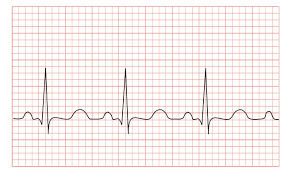
ecg


Arrhythmia incidents differ in nocturnal and diurnal hypoglycemic patients.

In young adults with type 1 diabetes (T1D), severe hypoglycemia may increase the risk of all-cause mortality and cardiovascular diseases.

According to Peter Novodvorsky, from the University of Sheffield in the United Kingdom, and his colleagues, there are differences in arrhythmic risk and cardiac repolarization during nocturnal versus daytime hypoglycemia. Hypoglycemia may exert proarrhythmogenic effects on the heart by sympathoadrenal stimulation and hypokalemia. The dysrhythmias induced by hypoglycemia have been associated with the “dead-in-bed syndrome,” a devastating condition that is rarely heard of. In this study, the effects of nocturnal and daytime clinical hypoglycemia are examined through electrocardiogram (ECG) in young people with T1D.

In an observational study, 37 participants were recruited from Sheffield Teaching Hospitals outpatient clinics with a median age of 34 years with T1D for at least four years. The purpose of this study was to examine the effect of clinical hypoglycemia in T1D patients age 50 or less and compare it with matched euglycemia on the frequency of cardiac arrhythmias, HRV, and cardiac repolarization.

Participants were told to avoid vigorous exercise, caffeine, and smoking 12 h prior to monitoring. Hypoglycemia awareness was assessed using a visual analog scale of 1 to 7. All subjects underwent 96 h of simultaneous  ECG and blinded continuous interstitial glucose monitoring (CGM) while continuing daily activities and symptomatic hypoglycemia were recorded.

The researchers obtained 2,395 hours of simultaneous ECG and CGM recordings with 159 and 1,355 hours designated hypoglycemia and euglycemia respectively. The median duration of hypoglycemia was longer during the night (60 min) than daytime (44 min) [P =0.020]. Overall, there were 24.1% of nocturnal and 51% of daytime symptomatic episodes respectively.

Bradycardia (low heart rate ) was more frequent during nocturnal hypoglycemia in comparison to matched euglycemia with an incidence rate ratio [IRR] 6.44 [95% CI, 6.26-6.66; P <0.001].

During daytime hypoglycemia, bradycardia was less frequent with an IRR 0.023 [95% CI, 0.002-0.26; P =0.002], while atrial ectopic was more frequent (IRR: 2.29; 95% CI, 1.19-4.39; P =.013). Moreover, during nocturnal and daytime hypoglycemia there was decreased T-wave symmetry, but prolonged QTc and T-peak to T-end interval duration.

The study confirmed that asymptomatic hypoglycemia commonly occurs in T1D. This causes abnormal heart rhythms and these are more abnormal at night, more frequent  and last longer.


Practice Pearls:

  • Hypoglycemia is pro-arrhythmogenic.
  • The study confirmed that there is high frequency of hypoglycemia, particularly of nocturnal asymptomatic episodes among young people with type 1 diabetes.
  • Hypoglycemia-induced mechanism is independent of the type of diabetes, age, or cardiovascular risk profile.

References:

  1. American Diabetes Association. 5. Glycemic targets. Diabetes Care. 2016;39 (Suppl. 1):S39–S46
  2. Nordin C. The case for hypoglycaemia as a proarrhythmic event: basic and clinical evidence. Diabetologia. 2010;53:1552–1561
  3. Novodvorsky P, bernjak A, Chow E, Iqbal A, Sellors L, Williams S, et al. Diurnal differences in risk of cardiac arrhythmias during spontaneous hypoglycemia in young people with type 1 diabetes. Diabetes Care. 2017, Feb 17.

From Diabetes in Control  18th March 2017