Kris Kresser: Why has the American approach to heart disease failed?

Why Has the American Approach to Heart Disease Failed?
on April 18, 2017 by Chris Kresser 

Tsimane 2

A recent New York Times article correctly suggests that diet and lifestyle changes are far more effective ways to prevent and treat heart disease than statins and stents. But what diet, and what lifestyle? Is it as simple as avoiding “artery-clogging saturated fat,” as the author suggests? Read on to find out why the American approach to heart disease has really failed.
Jane Brody wrote an article in The New York Times called “Learning from Our Parents’ Heart Health Mistakes.” She argues that despite decades of advice to change our diet and lifestyle in order to reduce our risk of heart disease, we still depend far too much on drugs and expensive procedures like stents.
She says:
Too often, the American approach to heart disease amounts to shutting the barn door after the horse has escaped.
To support this argument, she refers to a recent paper published on the Tsimane, an indigenous population in the Bolivian Amazon. The study found that the rate of coronary atherosclerosis in the Tsimane was one-fifth of that observed in the United States (and the lowest that has ever been measured). Nearly nine in 10 Tsimane had unobstructed coronary arteries and no evidence of heart disease, and the researchers estimated that the average 80-year-old Tsimane has the same vascular age as an American in his mid-50s.
I certainly agree with Ms. Brody so far, and her analogy that the American approach to heart disease amounts to shutting the barn door after the horse has escaped is spot on.
The problem is what comes next, as she attempts to answer the question of why the Tsimane have so much less heart disease than Americans:
Protein accounts for 14 percent of their calories and comes primarily from animal meats that, unlike American meats, are very low in artery-clogging saturated fat. [emphasis mine]
Does saturated fat “clog” your arteries?
Artery-clogging saturated fat? Are we still using that phrase in 2017?
As I’ve written before, on average, long-term studies do not show an association between saturated fat intake and blood cholesterol levels. (1) (I say “on average” because individual response to saturated fat can vary based on genetics and other factors—but this is a subject for another article.)
If you’re wondering whether saturated fat may contribute to heart disease in some way that isn’t related to cholesterol, a large meta-analysis of prospective studies involving close to 350,000 participants found no association between saturated fat and heart disease. (2)

Does saturated fat really “clog” your arteries?

Are “clogged arteries” the cause of heart disease?
Moreover, as Peter Attia eloquently and thoroughly described in this article, the notion that atherosclerosis is caused by “clogged arteries” was shown to be false many years ago:
Most people, doctors included, think atherosclerosis is a luminal-narrowing condition—a so-called “pipe narrowing” condition.  But by the time that happens, eleven other pathologic things have already happened and you’ve missed the opportunity for the most impactful intervention to prevent the cascade of events from occurring at all.
To reiterate: atherosclerosis development begins with plaque accumulation in the vessel wall, which is accompanied by expansion of the outer vessel wall without a change in the size of the lumen. Only in advanced disease, and after significant plaque accumulation, does the lumen narrow.
Michael Rothenberg also published an article on the fallacy of the “clogged pipe” hypothesis of heart disease. He said:
Although the image of coronary arteries as kitchen pipes clogged with fat is simple, familiar, and evocative, it is also wrong.
If heart disease isn’t caused by “clogged arteries,” what does cause it?
The answer to that question is a little more complex. For a condensed version, read my article “The Diet-Heart Myth: Why Everyone Should Know Their LDL Particle Number.”

For a deeper dive, read Dr. Attia’s article.
Here’s the 15-second version, courtesy of Dr. Attia:
Atherosclerosis is caused by an inflammatory response to sterols in artery walls. Sterol delivery is lipoprotein-mediated, and therefore much better predicted by the number of lipoprotein particles (LDL-P) than by the cholesterol they carry (LDL-C).
You might think that I’m splitting hairs here over terminology, but that’s not the case. It turns out that this distinction—viewing heart disease as caused by high LDL-P and inflammation, rather than arteries clogged by saturated fat—has crucial implications when it comes to the discussion of how to prevent it.
Because while it’s true that a high intake of saturated fat can elevate LDL particle number in some people, this appears to be a minority of the population. The most common cause of high LDL-P in Americans—and elsewhere in the industrial world—is almost certainly insulin resistance and metabolic syndrome. (I explain why in this article.)
And what is one of the most effective ways of treating insulin resistance and metabolic syndrome? That’s right: a low-carbohydrate, high-fat diet!
News flash: diets high in saturated fat may actually prevent heart disease.
Perhaps this explains why low-carbohydrate, high-fat diets (yes, including saturated fat) have been shown to reduce the risk of heart disease.
For example, a meta-analysis of 17 low-carb diet trials covering 1,140 obese patients published in the journal Obesity Reviews found that low-carb diets were associated with significant decreases in body weight, as well as improvements in several CV risk factors, including decreases in triglycerides, fasting glucose, blood pressure, body mass index, abdominal circumference, plasma insulin, and C-reactive protein, as well as an increase in HDL cholesterol. (3)
(In case you’re wondering, low-carb diets in these studies had a null effect on LDL cholesterol: they neither increased nor decreased it.)
Saturated fat is a red herring.
Instead of focusing so much on saturated fat intake, which is almost certainly a red herring, why not focus on other aspects of the Tsimane’s diet and lifestyle that might contribute to their low risk of heart disease?

For example:
They are extremely active physically; Tsimane men walk an average of 17,000 steps a day, and Tsimane women walk an average of 15,000 steps a day—and they don’t sit for long periods. Ms. Brody does mention this in her article.
They don’t eat processed and refined foods. We have been far too focused on calories and macronutrient ratios and not enough on food quality. We now know that hunter–gatherers and pastoralists around the world have thrived on both high-carbohydrate, low-fat diets (like the Tsimane, who get 72 percent of calories from carbohydrate) and low-carbohydrate, high-fat diets (like the Masai and Inuit).

But what all hunter–gatherer diets share in common is their complete absence of processed and refined foods.
Perhaps if we stopped focusing so much on the amount of fat and carbohydrate in our diet and started focusing more on the quality of the food we eat, we’d be better off.
And of course we also need to attend to the many other differences between our modern lifestyle (which causes heart disease) and the ancestral lifestyle (which prevents it), including physical activity, sleep, stress, light exposure, play/fun, and social support.
The Tsimane study illustrates exactly why an evolutionary perspective on diet, lifestyle, and behavior is so important. It helps us to generate hypotheses on what aspects of our modern way of life may be contributing to chronic diseases like atherosclerosis and gives us ideas about what interventions we need to make to prevent and reverse these diseases.
Ann : Cloud Bread

This is a recipe contributed by one of our readers Ann 

eggs

Ingredients


3 eggs separated


55g Philadelphia  light cheese


¼ teaspoon cream of tartar


Method


Whip egg whites with cream of tartar


Mix egg yolk and cheese so there are  no lumps 


Fold in the egg whites to the mixture


Arrange


 on a greased baking tray in biscuit formation.


180 or 160 fan 20-30 min.


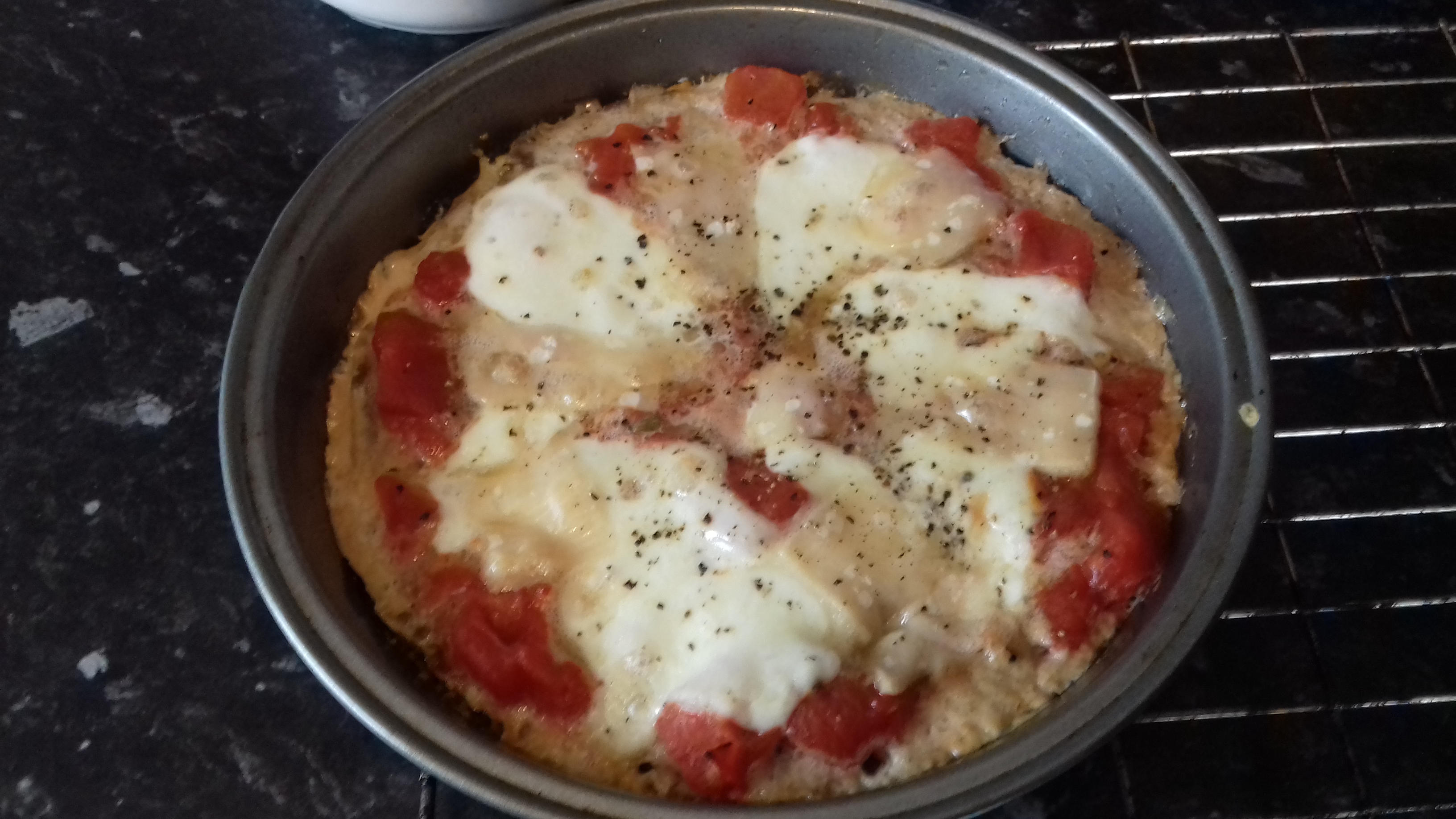
Crust-less Pizza

This is based on Nigella Lawson recipe I adapted – Meatzza. Basically, you use mince to create a base, and top with the traditional pizza favourites, tomato sauce and mozzarella.

Nigella’s recipe uses porridge oats. I swapped these for ground almonds. They are there to give the base substance. I also changed the herb from parsley to thyme. Serve with a green salad, or to keep the Italian theme going you could try this Keto garlic bread recipe on the Diet Doctor website.

Crust-less Pizza

  • Servings: 4
  • Difficulty: easy
  • Print

  • 500g minced beef
  • 2 cloves garlic, crushed
  • 3tbsp ground almonds
  • 50g grated Parmesan
  • 1tbsp thyme leaves
  • 1tsp salt
  • 2 eggs, beaten
  • 400g tinned chopped tomatoes
  • 1tsp dried oregano
  • 125g ball of Mozzarella
  • Fresh basil

Grease a 28-cm baking tin. Preheat the oven to 220 degrees C.

In a bowl, mix the meat with the garlic, ground almonds, half the grated Parmesan, thyme, salt and eggs. Do this with the tips of your fingers so you don’t overhandle the meat, as too much handling makes it tough.

Press the meat into the tin. Drain some of the liquid off the tinned tomatoes. Mix with the oregano and spread it over the meat crust. Slice the Mozzarella and put it on top, along with the rest of the Parmesan.

Cook in the oven for 25 minutes. Top with the fresh basil and serve.

Serves 4. 5g carbs and 1g fibre per serving.


BMJ: The PURE Study debunks the sat fat/heart disease hypothesis

cheese.jpg

The PURE study: Eating fat is associated with lower cardiovascular disease

From BMJ 9 Sept 17
PURE is a five continent observational study in relation to cardiovascular disease in mortality in almost 150 thousand people. It found that high carbohydrate intake was associated with a higher risk of total mortality whereas total fat and individual types of fat were related to a lower total mortality.
Total fat and types of fat were not associated with cardiovascular disease, myocardial infarction, or cardiovascular disease mortality, and the more saturated fat people ate the less strokes they had.
Like all observational studies correlation does not necessarily imply causation. The main message however is a series of negatives. There does not seem to be a connection between carbohydrate intake and cardiovascular disease, the association is with all- cause mortality. Perhaps high carbohydrate diets are simply a marker for poverty?
In contrast eating more fat, including saturated fat was associated with lower cardiovascular disease, meaning that we can abandon the saturated fat-cardiovascular disease hypothesis with some certainty.
So, what does “healthy food” look like?
A higher intake of fruit, vegetables and legumes was associated with a lower risk of non-cardiovascular and total mortality at three to four servings a day.
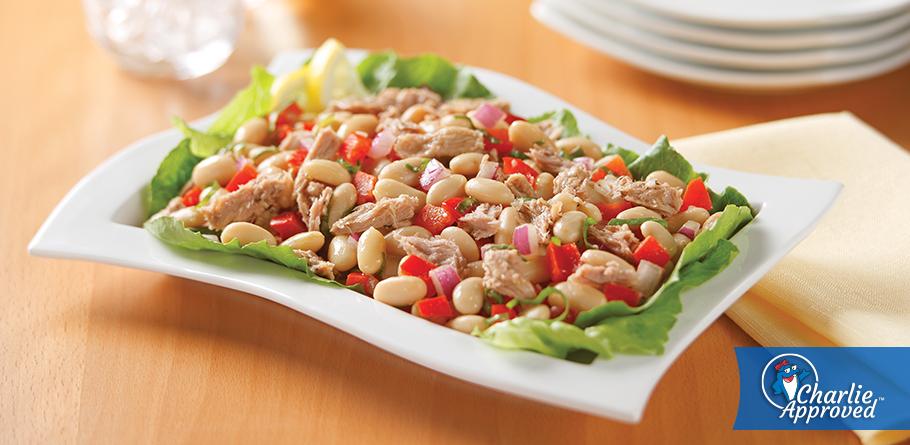
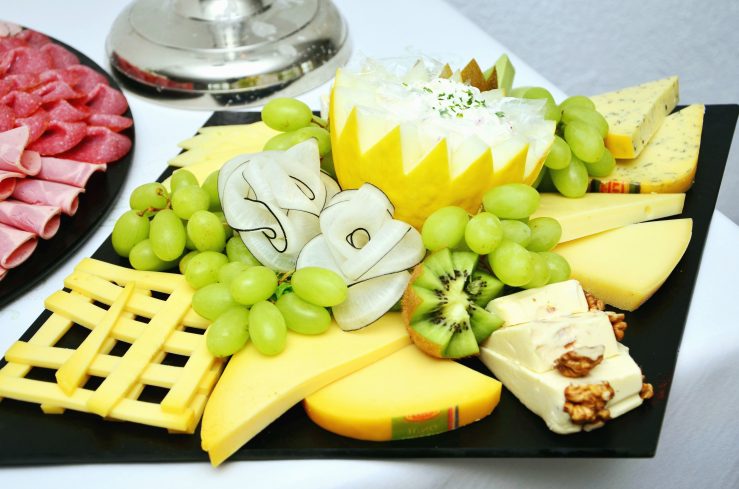
Great, says the author of this piece, Richard Lehman. His dream meal is cannelli beans and tuna salad with lots of olive oil, rib eye steak in butter, a salad, fruit, cheese and strawberries and cream.


RCGP: When could it be cancer?

Most_common_cancers_-_female,_by_mortality

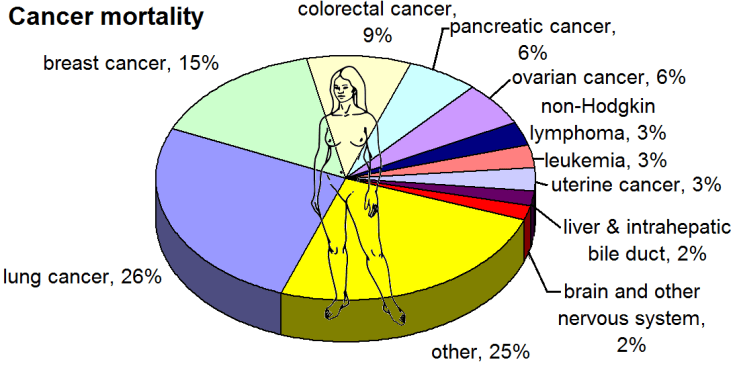
The UK cancer survival rates are poorer than in many developed countries. For instance 8.8% of lung cancer patients are alive 5 years after diagnosis compared to 18.4% in Canada. Delayed diagnosis is thought to be one of the factors involved. There are patterns of illness that have increased risk of underlying cancers.

Persistent or recurrent infection

Acute exacerbations of chronic obstructive pulmonary disease, that are repeatedly given antibiotics and steroids can be due to lung cancer. The common causative factor is cigarette smoking.  Recurrent urine infections being due to bladder cancer is another cause. If the patient had the antibiotics and fully recovered and then relapsed then it is probably another infection, but if they didn’t get better, then the possibility of a new cancer arises.

Constant pain

Musculoskeletal pain tends to vary with time, position and movement. Constant pain can be more sinister. Shoulder pain for instance can be due to a lung cancer in a smoker. Pain, most commonly in the shoulder, lower back and groin can be a presentation of cancer that has already spread.

Unusual age at diagnosis

People are often thought to be too young to be developing certain cancers. There is currently a big increase in the number of under 50s developing bowel cancer. The reason for this is not clear.

In older patients they may get sore heads, gut symptoms and back pain. Sometimes these are diagnosed as migraine, irritable bowel syndrome and muscular back pain.  When these “new” clinical diagnoses are made in older patients it is often best to investigate them with cancer in mind.

Infrequent attenders

People who attend infrequently are more likely to have a serious problem underlying their symptoms.

Negative first line investigations

A chest X ray is often thought to be a good test for example lung cancer. But in lung cancer one in four will not be revealed by a chest X ray and a CT scan will be required. If clinical suspicion persists the GP may need to do further tests.

Safety netting

Making sure all clinical staff such as nurses and phlebotomists as well as doctors safety net appropriately is necessary. Sometimes patients don’t attend for follow up blood tests or they assume their test results are normal when they are not. Follow up arrangements in the practice need to be robust.

Although NICE wants widespread investigation and referral when symptoms could indicate cancer at 1% to 3% of risk, we need to be pragmatic about how this can be done in today’s health service.

Adapted from Improving early diagnosis of cancer in UK general practice by Dr Ian Morgan and Professor Scott Wilkes published in BJGP June 2017.

Courtney Pine: My pizza substitute frittata

Originally published in The Observer 3.9.17

Courtney_Pine_by_Augustas_Didzgalvis.jpg

” I just found this recipe and it’s unbelievable.

You take six eggs, garlic, onions, parmesan and sun-dried tomato paste and put them in a blender. Then fry in olive oil till slightly solid. Fry peppers and sliced Portobello mushrooms until caramelised. Add these to the top, add grated cheese and place in the oven for 15 minutes.

It’s so simple. I must admit to improvising a bit when I cook. This is usually billed as a pizza replacement meal. Now nothing really replaces pizza, but this comes close.”

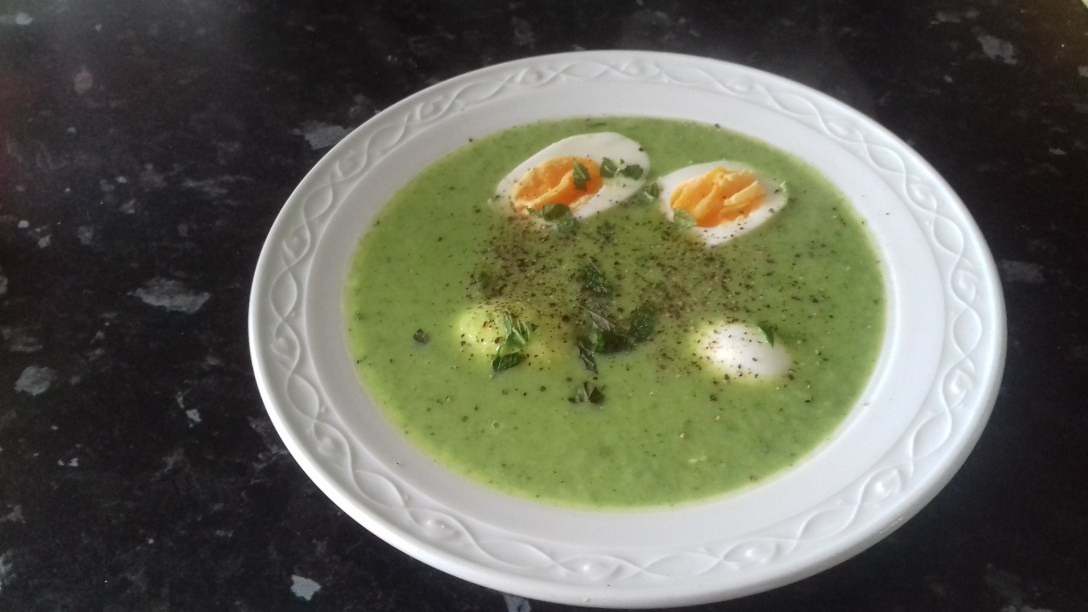
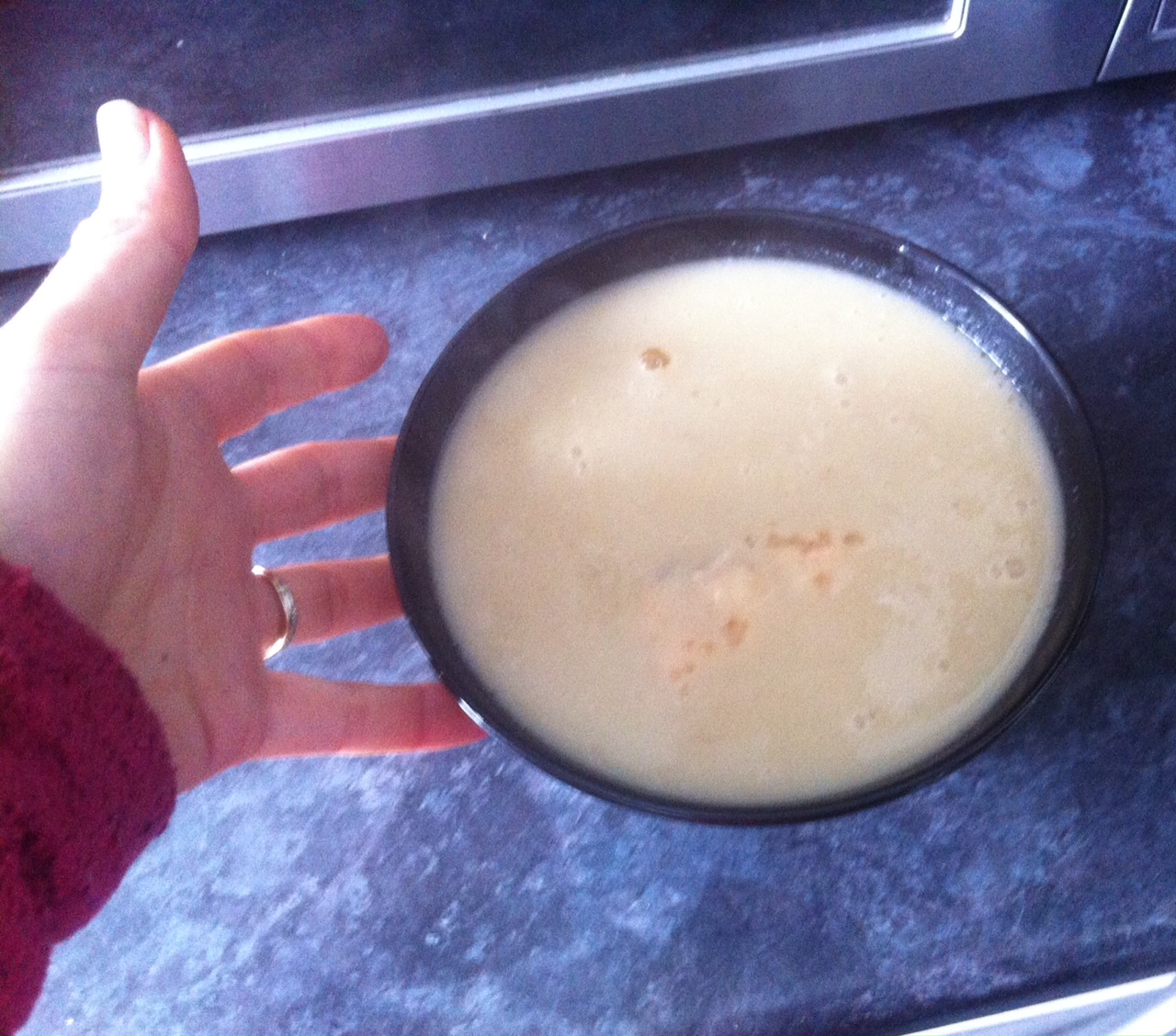
Broccoli, Pea and Mint Soup

Regular readers will know I do love a soup recipe or two… This week I made and adapted one from the Sainsbury’s magazine.

The Broccoli, Pea and Mint instructions appealed to me as the broccoli stalk AND the florets are used, so it’s less wasteful. In the magazine, the writers recommended adding fried smoked streaky bacon and crumbled goat’s cheese to the top, but I used boiled eggs instead as that turns your soup into a main course that’s really filling.

You could also add a sprinkling of grated cheddar or parmesan. And be heavy-handed with the black pepper, as the soup benefits from the warmth.

Most soup recipes you find specify stock, usually chicken or vegetable. I don’t bother unless I have some home-made chicken stock on hand. I find stock cubes or bouillon pointless. It’s just flavoured salt, right?

Anyway, I’ve also halved the quantities here. I live in a one-broccoli household, i.e. only one of us likes it and the other thinks it’s the food of the Devil. Much as this soup appeals, two portions of it this week will be fine for me.

Broccoli, Pea and Mint Soup

  • Servings: 2
  • Difficulty: easy
  • Print

  • Half a medium-to large sized head of broccoli
  • 1tbsp rapeseed oil
  • 2 spring onions, chopped
  • 125g frozen pea
  • 1tbsp mint leaves, chopped
  • 1tbsp parsley, chopped
  • 500ml water
  • Salt and freshly-ground black pepper

Chop the broccoli stalk finely. Heat the oil in a large saucepan and add the broccoli stalk and spring onions. Cover the pan and cook, stirring occasionally, for five minutes.

Add the water, bring to the goil, turn down to a simmer and cook for ten minutes.

Add the frozen peas and broccoli florets, bring back to a simmer and cook for another five minutes.

Take off the heat, add the mint and parsley, and a decent amount of salt and puree using a hand blender.

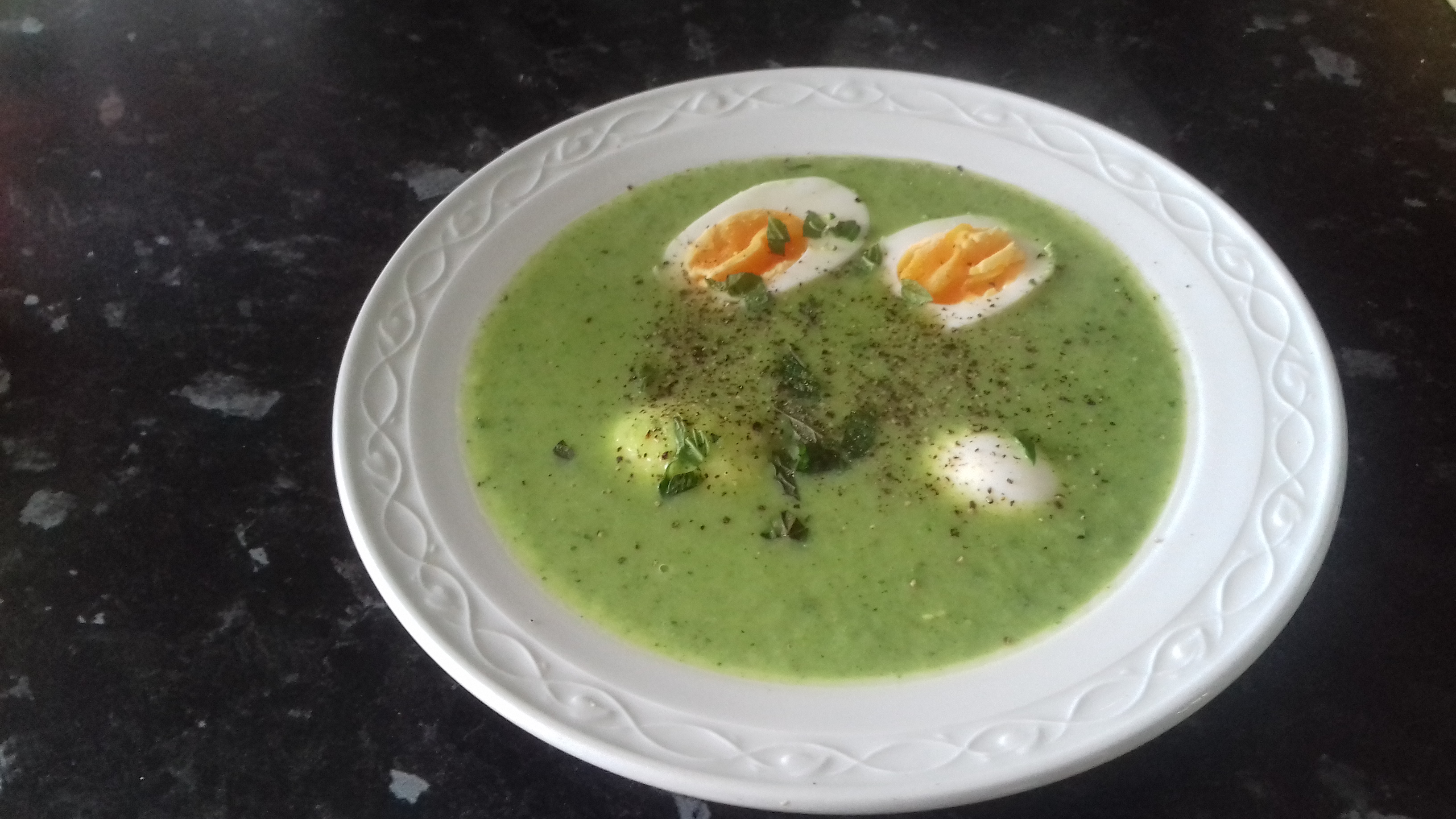
You can top with smoked streaky bacon, fried and chopped, a good handful of grated cheese, or (as I have done in the picture), boiled eggs, some more mint and a hefty grating of black pepper.

Each serving contains 11g carbs and 8g fibre.


What to Eat in October

We’re still working our way through home-grown courgettes (!!), tomatoes and carrots, but what else is seasonal at this time of year?

At the Diabetes Diet, we try our best to eat seasonally (it’s not always easy in Scotland), as seasonal food locally grown and produced tastes the BEST. It also helps you do your bit for the environment, by cutting down on food miles (the distance food travels to reach your plate) and it benefits your local economy. Wouldn’t you prefer to put money directly in a farmer’s pocket, than add to the vastly-inflated profits of a supermarket?

Anyway, October brings many of the benefits September does. While many fruits and vegetables are now gone for the year, there are plenty of delicious other options.

MEAT

  • Pheasant
  • Lamb
  • Partridge

FISH

  • Mussels
  • Mackerel
  • Oysters

VEGETABLES

  • Wild mushrooms (if you’re going to pick these, please make sure you know what you’re doing!)
  • Root vegetables, such as celeriac and carrots
  • Kale
  • Beetroot
  • Cabbage
  • Fennel

FRUIT

  • Apples
  • Damsons

Looking for some ideas for what to do with your seasonal ingredients? Puzzled about how you can make them low-carb so they fit with the way you eat? We have some suggestions for you…

Make gluten-free gravy using carrots and onions, and serve with pork and chicken.

Our carrot and almond soup recipe is an established family favourite. If you want to make it a main course, add some boiled eggs or poached chicken for added protein (and satiety). Or make yourself a delicious salad with the recipe for a Carrot and Dill version.

Love lamb? Our low-carb, gluten-free moussaka makes the most of lamb mince (making it more affordable too). Try this African stew, also.

Jovina Cooks Italian has inspired us hugely, and this Brindisi Fish Soup uses mussels and is packed with flavour. It also uses aubergines, which are seasonal in October too.

Hate cabbage? Add bacon, cheese and sour cream, and you can make anything palatable to even avowed cabbage loathers. Try this Cabbage Casserole recipe and convince the brassica haters it’s true.

Celeriac has a very distinctive taste. Make the most of it in this braised celeriac recipe. You can use it as a replacement for potatoes to accompany your roast dinner. We also have a yummy recipe for soup.

Statins and diuretics increase diabetes risk

Atorvastatin40mg

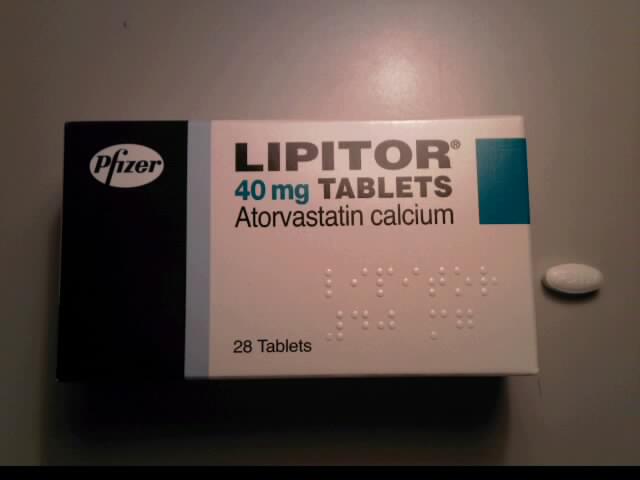
People with impaired glucose tolerance are at increased risk of being tipped into diabetes if they take statins or diuretics. Beta blockers have no effect on diabetes risk.

One in 17 will get diabetes when they otherwise wouldn’t on diuretics and one in 12 would be affected with statins. The anti hypertensive beta blockers and calcium channel blockers had no effect.

Based on article in BMJ 4.1.14 on the NAVIGATOR study

Fit to serve: Chocolate sour cream cupcakes

chocolate muffins

Low Carb Chocolate Sour Cream Cupcakes
Ingredients
4 ounces unsweetened chocolate
2 cups of sugar substitute (I use Swerve)
1 cup of finely milled almond flour
½ cup of coconut flour
2 teaspoons of baking powder
½ teaspoon of sea-salt
1 cup of strong coffee
½ cup sour cream
½ cup of melted butter cooled
2 eggs
Directions
1. Pre-heat oven to 350 degrees. Line two muffin tins with cupcake liners.
2. Melt the chocolate in a double broiler and allow to cool.
3. Combine the sugar substitute, almond and coconut flours, baking powder and sea-salt. Set bowl aside.
4. In a small bowl combine the hot coffee, sour cream and melted butter.
5. In a large stand-up mixer set to low add the coffee mixture to the dry ingredients. Mix till well combined.
6. Add the eggs and mix till fully incorporated.
7. Lastly, add the melted chocolate to the batter and combine till blended.
8. Pour batter into the cupcake tins and bake for 20-25 minutes until an inserted toothpick comes out clean.
9. Allow to cool before eating. May be frosted with your favorite low carb frosting or left bare.