Bacon and beef gratin

minced-meat-179476_960_720

Bacon and Beef Gratin

  • Servings: 5-6
  • Difficulty: easy
  • Print

Ingredients:

  • 600g minced beef
  • 400g bacon, chopped
  • 1 large onion, finely diced
  • 3 cloves garlic crushed
  • 3 tablespoons chili sauce or sambal oelek (from Asian shop)
  • pepper
  • About 8 oz of mushrooms, sliced (enough to cover the bottom of an oven-proof dish)
  • 1 courgette cut into 2mm slices
  • Grated cheese
  • 3 eggs
  • 2 dl cream
  • 1 cup water
  • Pepper, little bit of bouillon powder

Melt butter, add onion and fry until translucent, add the bacon, continue frying for a few minutes, finally add the mince and fry it until browned, mix with all other ingredients and cook for around 10-15mins.

Grease an ovenproof dish with butter, place a layer of mushrooms in the dish, then top with the meat/bacon sauce, then top with sliced courgette and sprinkle cheese over that.

Whisk together the cream water, eggs, pepper and a little bouillon powder, pour evenly over the gratin.
Whisk together the casserole and pour this over the gratin evenly.

Bake in middle of oven for about 20-25 minutes at 225 degrees.

Aubergines with Parmesan and Tomato

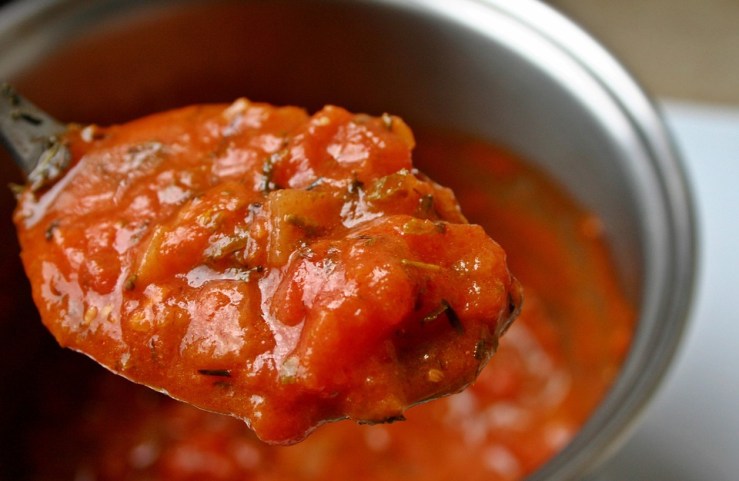
tomato-soup-482403_960_720

Aubergines with Tomato and Parmesan

  • Servings: 6
  • Difficulty: easy
  • Print

  • 3 large aubergines
  • 250g (9oz) freshly grated parmesan
  • 3 large eggs, beaten
  • Small amount  of flour (if you can get away with it)
  • 15 fresh basil leaves

Sauce

  • 1 clove of garlic, chopped
  • 5 tblsp olive oil
  • 1 x 700g jar passata
  • 4-5 fresh basil leaves
  • salt

Method

  1. Cut aubergine lengthways into 1cm slices and immerse in cold water for 1 min, then drain and pat dry. Season the eggs with salt.
  2. Dust the aubergines with flour then dip in egg. Heat a film of olive oil in a large, non-stick frying pan and fry aubergines in batches until golden on each side, add more oil as necessary. Drain on kitchen paper and set aside. Heat oven to200C/180fan/gas6.
  3. Fry garlic in the olive oil over a low heat for a couple of minutes then add tomato passata and basil leaves. Simmer for 15-20 min then season to taste.
  4. Spread 2-3 tblsp of sauce over the base of a 10” x 8”  baking dish or tin. Cover with a layer of aubergine, more sauce, a few basil leaves and plenty of parmesan. Repeat until the ingredients are used up, finishing with tomato sauce and parmesan. Bake for 20 min until golden and bubbling. Leave to stand for 5 min or so, then serve as a starter or accompaniment.


Zippy microwave chocolate cake

Measuring_cupThis is a very easy and fast to make chocolate cake.
1/4 cup ground almonds

2 tablespoons cocoa powder

1/4 teaspoon baking powder

3 tablespoons of granulated sugar substitute eg Splenda

2 tablespoons melted butter

1 tablespoon water (or Da Vinci syrup)

1 egg

splash of vanilla essence

Method:

Mix in a 2 cup size pyrex  cup or jug – cover with plastic wrap – cut a small slit in covering – cook 1 to 3 minutes in microwave – should look dry on top.

Entire recipe has about  18 grams  carbs and 5 gms fibre

Riesling Chicken Stew

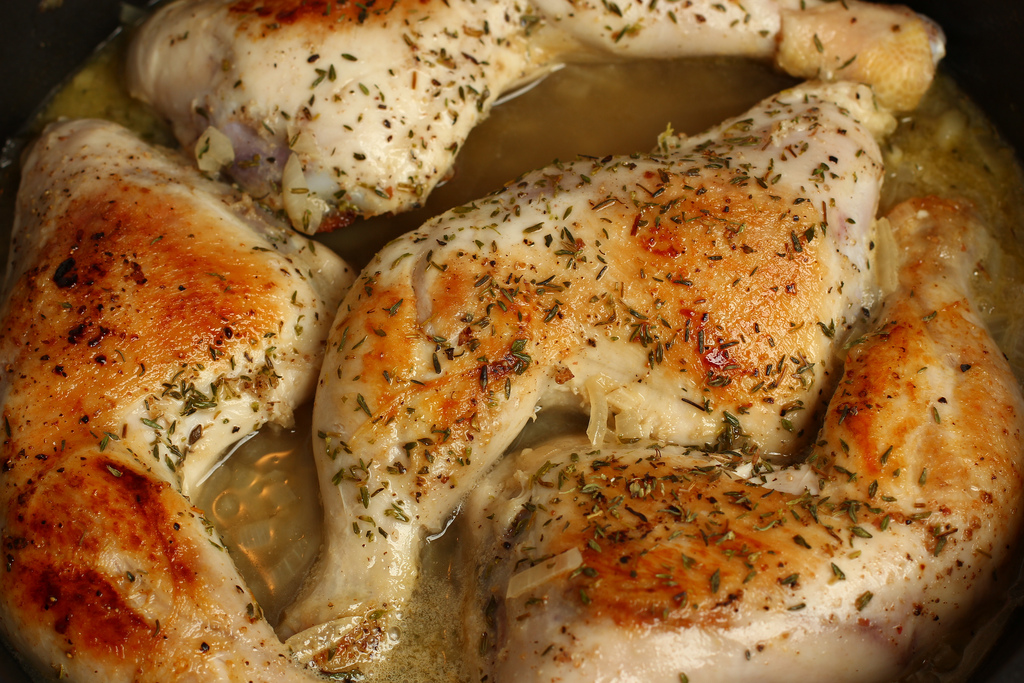
Alsace_Riesling_2007

Riesling Chicken Stew

  • Servings: 4
  • Difficulty: easy
  • Print

  • 2 tbsp  olive oil
  • 4 chicken portions
  • 15g smoked, streaky bacon, chopped
  • 12 shallots
  • 1 teaspoon tarragon
  • 1tbsp flour
  • 150ml Riesling or dry white wine
  • 500ml hot chicken stock
  • 3 tbsp creme fraiche
  1. Heat half the oil in a large pan and fry the chicken in batches, over a medium heat until golden. Set aside.
  2. Put the bacon in the same pan and fry gently to release its fat. Turn heat to medium, add the shallots and cook for 5 min, stirring occasionally, until both are lightly coloured.
  3. Remove the leaves from the tarragon and set aside. Sprinkle over flour and stir to absorb the juices. Cook for 1 min, then gradually add the white wine, stock, and tarragon stalks. Return chicken to pan, cover and simmer over a gentle heat for 45 min to 1 hr until chicken is cooked through.
  4. Remove chicken, bacon and shallots with a slotted spoon and keep warm. Discard tarragon stalks. Simmer sauce rapidly until reduced by half. Stir in the creme fraiche and tarragon leaves. Season to taste.
  5. Turn off the heat, then return the chicken, bacon and shallots to the pan. Serve with veg.


Invigorate your taste buds with spice rubs


Many of the world’s greatest culinary discoveries were made serendipitously. But very few had greater impact than the discovery of using spices to flavor and preserve food.

Anthropologists have shown that thousands of years ago, our hunter-gatherer ancestors would often wrap their kill in leaves and bark to preserve and transport the contents inside. Only later did they discover that this method of preservation could also improve the taste of their food.

And so the worlds’ love affair with spices began…


Spices & Herbs: The Culinary Curatives


As civilization advanced, the use of spices became ubiquitous in culinary tradition. But it wasn’t just for their ability to enhance flavor. It was also for the health-promoting properties they possessed:

  • Texts from Ancient Egypt (1555 BC) deemed coriander, fennel, juniper, cumin, garlic and thyme as powerful medicine. It is also known that the laborers who constructed the Great Pyramid of Cheops (using advanced alien technology, of course) consumed onion and garlic as a means to promote health.
  • Black pepper, cinnamon, turmeric, cardamom have been used by Indians for thousands of years for both culinary and health purposes.
  • Hippocrates wrote extensively about spices and herbs, including saffron, cinnamon, thyme, coriander, mint, and marjoram. Of the 400 herbal remedies he created, at least half are still used today.
  • Theophrastus, the “Father of Botany”, authored two books summarizing the knowledge of over 600 spices and herbs.
  • Dioscorides, a Greek Physician of the 1st century, authored De Materia Medica – an extensive medical and botanical guide that was used for over 1,500 years.
  • In the Middle Ages (600-1200 AD), European apothecaries used herbs and Asian spices including ginger, pepper, nutmeg, cinnamon, saffron and cardamom in their remedies.
  • Plants were used as the primary source of medicine in the United States from the time of the Mayflower (1620) until after World War I (1930).

Science now proves that the instincts and knowledge of our ancestors were correct: Spices and herbs are powerful medicine.


Countless studies show that herbs and spices possess a wide range of phytonutrients that can kill bacteria, viruses and parasites. They also act as powerful antioxidants and can promote cellular health, reduce inflammation, and more.

And one of the most convenient ways to harness the health-and-flavor enhancing power of herbs and spices is a homemade dry rub.


 Five Chef-Inspired Dry Rubs: Potent Flavor – With Benefits


Complimenting just about every kind of food – from meat, chicken, fish and vegetables – a dry rub is a combination of herbs, salt and spices that is applied before grilling, broiling, baking or roasting.

As you know, there are many commercial seasoning blends available. However, these often contain chemical preservatives, MSG, anti-caking agents and other unsavory additives.


By creating your own custom combinations at home, you can ensure a higher quality, additive-free product that is personalized to your tastes.

Using just one or two spices and herbs can produce delicious results. But if you really want to elevate your food to new heights, don’t be afraid to experiment with new ingredients and unique combinations. You can make a dry rub from nearly any combination of herbs, spices and salt. Here are four chef-tested dry rubs to try in your cooking:

Za’Atar

  • Use On: This exceptionally versatile Middle Eastern spice mix can be used on every kind of meat, fish or vegetable.
  • The Blend: ¼ cup sumac, 2 Tbsp. dried thyme, 1 Tbsp. roasted sesame seeds, 2 Tbsp. dried marjoram, 2 Tbsp. dried oregano, 1 tsp. sea salt
  • Yield: ~2 Tbsp.


Ras El Hanout

  • Use On: The name of this Moroccan spice mix translates to “head of the shop” – as it often includes the best spices the purveyor has to offer. Try on grass-fed steaks, wild salmon and chicken.
  • The Blend: 2 tsp. ground ginger, 2 tsp. ground coriander, 1½ tsp. ground cinnamon, 1½ tsp. freshly ground black pepper, 1½ tsp. ground turmeric, 1 tsp. ground nutmeg, 1 tsp. ground allspice, ½ tsp. ground cloves
  • Yield: ~¼ cup


Mediterranean Dry Rub

  • Use On: This classic blend goes with just about anything – from pastured pork, lamb and chicken to wild seafood.
  • The Blend: ¾ cup dried basil, ¼ cup dried thyme, 2 Tbsp. dried sage, 2 Tbsp. fennel seeds, 1 Tbsp. sea salt, 1 Tbsp. black peppercorns
  • Yield: ~1¼ cups


BBQ Dry Rub

  • Use On: A classic BBQ favorite that complements pastured chicken, ribs, and brisket
  • The Blend: ¼ cup paprika, 2 Tbsp. granulated garlic, 2 Tbsp. granulated onion, 2 tsp. black peppercorns, 1 tsp. dry mustard, 1 tsp. chili powder, 1 Tbsp. cumin seed (toasted), 3 Tbsp. coriander seed (toasted), ¼ cup sea salt, 2 Tbsp. coconut sugar
  • Yield: ~1¼ cups


Tips For Using Dry Rubs


Now that you have a few flavor combinations to start with, I’d like to share how you can maximize the seasoning power and life span of your dry rubs:

Toast to Get the Most: Many spices – especially cinnamon, cloves, allspice, coriander and cumin – benefit from a little heat. A brief toast in a dry skillet will coax more flavor out of these, in particular.

Grind Fine: Finely milling your spice and herb blends allows more surface area to come into contact with your food and your taste buds, producing deeper flavor. Use a spice mill or coffee grinder to powder your dry rub to a uniform consistency.

Prepare The Canvas: For each pound of meat, poultry, or seafood coat the entire surface with 2 to 3 teaspoons melted lard, tallow, duck fat, avocado or coconut oil. Then apply one to two tablespoons of dry rub.

Coat Well: When using dry rubs, coat the entire surface of the food, ensuring it sticks. Not only will this ensure you get the full flavor, but it will also produce a beautiful crust. To produce a stronger flavor, cover pre-rubbed meats or chicken and refrigerate for up to 24 hours to allow the flavors to penetrate. Then cook as desired.

Store Properly: Spices and herbs lose potency over time. Light, heat and oxygen accelerate the process. Store in a cool, dry place in an airtight container. Use within six months or sooner for best results.

Adding dry rubs to your cooking repertoire won’t just add more flavor to your food, but also more health-promoting nutrients. So season often and liberally with these flavor-packed dry rubs, and change up the spices and herbs you use to get the full-spectrum of their healing powers.

Written by Kelley Herring, Healing Gourmet

www.healinggourmet.com

mortar-1055553_960_720

Celeriac Soup – Low-Carb Recipes

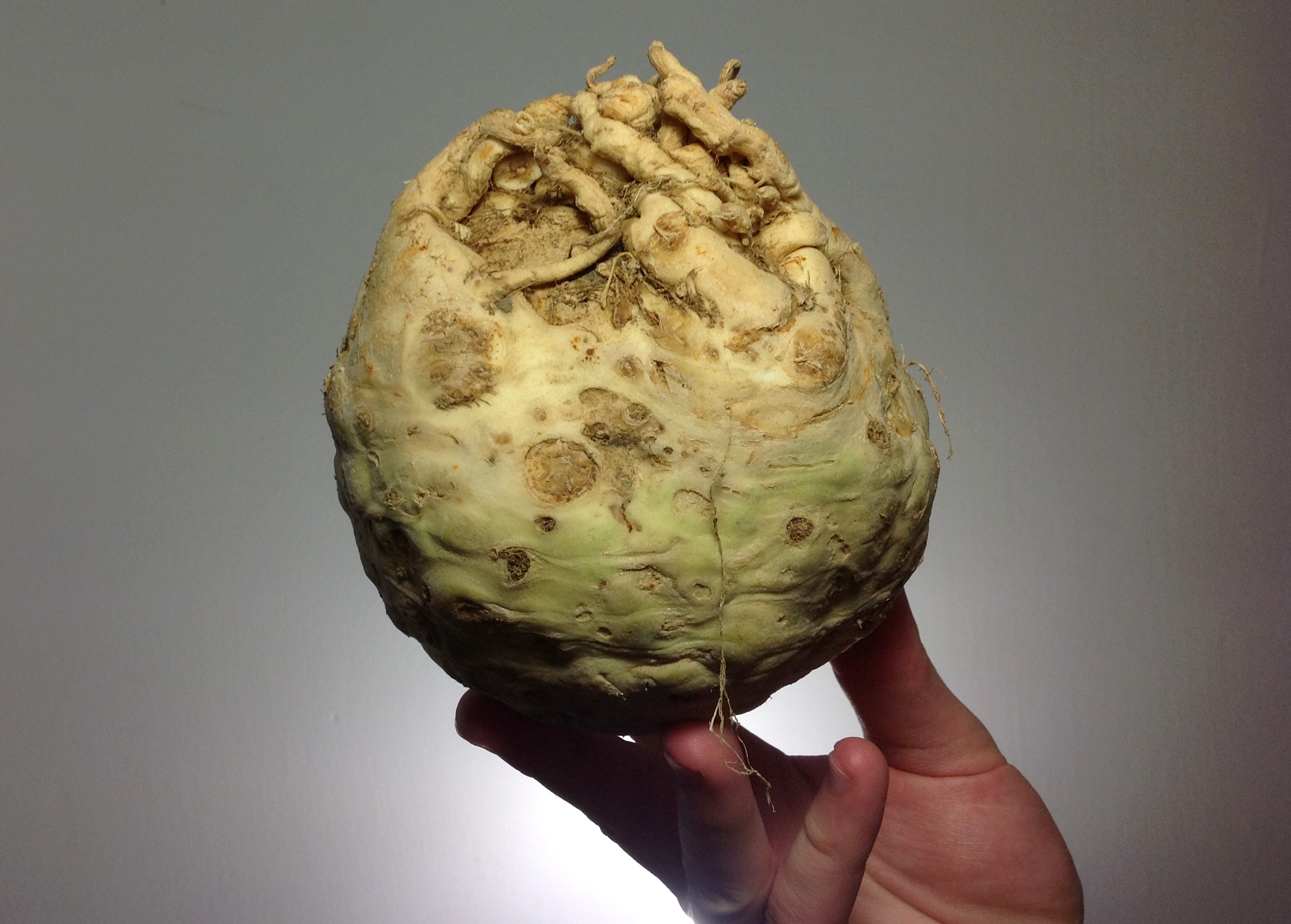
The far from pretty celeriac. Darn tasty though...
The far from pretty celeriac. Darn tasty though…

If you love soup as much as I do, I have a treat for you. Celeriac soup – perfect low-carb fodder and just the thing for cold winter days.

In theory, you can buy just about any fruit or vegetable year-round, thanks to the supermarkets. There’s no such concept of seasonality any more.

For some reason though, there are some ingredients that supermarkets in the UK do decide are seasonal and they only stock them at certain times of the year. I’m not complaining about seasonality, but it does bug me that it is inconsistently applied.

Take the humble celeriac, for example. I love celeriac – it’s really delicious and it’s great braised or roasted. You can use it as a potato substitute and it fits in well with low-carb eating. But it can be hard to find and I suspect the supermarkets have a prejudice against it on account of its looks. This ain’t the prettiest vegetable.

Anyway, do try this soup. It’s delicious and brimful of goodness thanks to the home-made stock and tonnes of vegetables.


Celeriac Soup

  • Servings: 5-6
  • Difficulty: easy
  • Print

  • celeriac soup1 whole celeriac, peeled and cut into even-sized cubes
  • 1 leek, washed and chopped
  • 50g butter
  • 1.5 litres fresh chicken stock
  • 1 medium onion, peeled and sliced
  • 2-3 cloves of garlic, peeled and crushed
  • Salt

Melt the butter in a large sauce/stock pan and add the onions and leeks. Cook for five minutes, stirring from time to time until they have softened. Add the celeriac and garlic and allow the celeriac to brown lightly.

Add the stock, bring to the boil and then turn down to a simmer. Cook for 25 minutes or so until the celeriac is fully softened. Blend using a stick blender and season to taste.

Carbs per serving – 22g (for five serving) with 4g of fibre.

Make this a main course soup by adding in some protein – a poached egg, for example or some shredded roast chicken would be nice.

Mushroom Soup – Low-Carb Soups

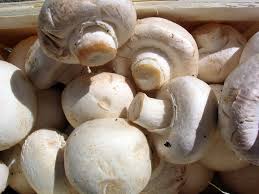
mushroomsIt hasn’t been the coldest of winters here in Scotland, but soup is always a welcome winter warmer. This mushroom soup is full of flavour and low-carbohydrate.

You can make it a main meal by adding in some protein – top with a poached egg, for example, or add in some chopped chicken breast, poaching it in the soup for 10 minutes. Crispy fried bacon crumbled up into ‘croutons’ is another idea.


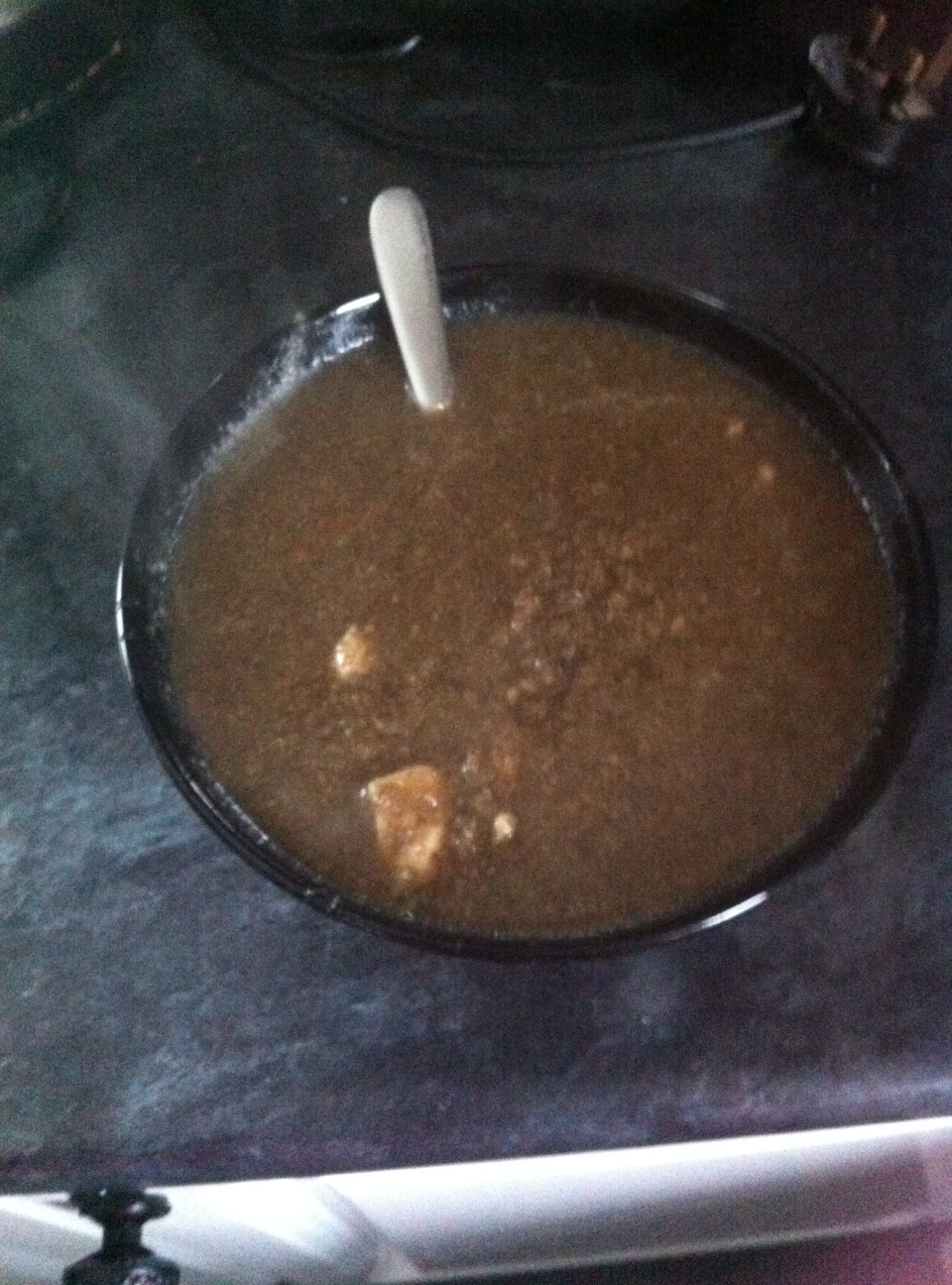
Low-Carb Mushroom Soup

  • Servings: 4
  • Difficulty: easy
  • Print

  • mushroom soup1kg mushrooms, quartered
  • 2tbsp butter or olive oil
  • 1 large onion, chopped
  • 3 stalks celery, chopped
  • 4 cloves garlic, crushed
  • 100ml white wine
  • 300ml fresh chicken stock
  • 300ml water
  • Salt and pepper

Melt the butter or heat the olive oil in a large saucepan and add the onions and celery. Fry for five minutes until softened and then add the mushrooms. Mix well to combine and fry for another 10 minutes. Add the garlic and white wine, cook off the wine and add the chicken stock and water.

Bring to the boil and then turn down to a simmer. Cook for 15 minutes and then puree with a hand blender. Season to taste. It’s nice topped with chopped parsley and a swirl of double cream.

You can also make this in the slow cooker – throw all the ingredients into the slow cooker (no need to bother browning the veg), turn the setting to high and leave for three hours before liquidising.

Carbs per serving: 14g, with 4 g of fibre. 

Supermarkets catch on to the spiralling use of low carb vegetables

cauliflower-318152_640

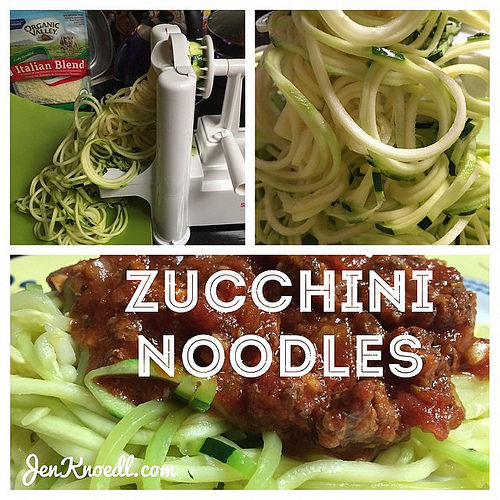
Spirallising vegetables such as courgettes and squash to use instead of pasta is becoming mainstream thanks to popularisation by such celebrity cooks as Davina McCall, the Hemsley sisters and Ella Woodward.  John Lewis says it was one of their best- selling kitchen gadgets of 2015.

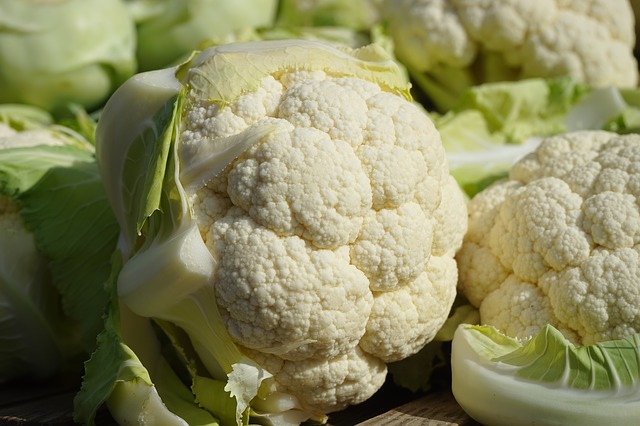
Now you can buy pre-spirallised vegetables in many supermarkets such as Tesco, Sainsbury, Marks and Spencer and Waitrose. From next month you will also be able to buy that good old low carb rice substitute cauliflower “rice” prepacked from Sainsbury.

The interest is due to the growing demand from low carbers and those who are pursuing a wheat/gluten free diet.  The restaurant chain Bella Pasta even serves vegetable “spaghetti” in their restaurants.


Based on an article by Rebecca Smithers in the Observer 17.1.16

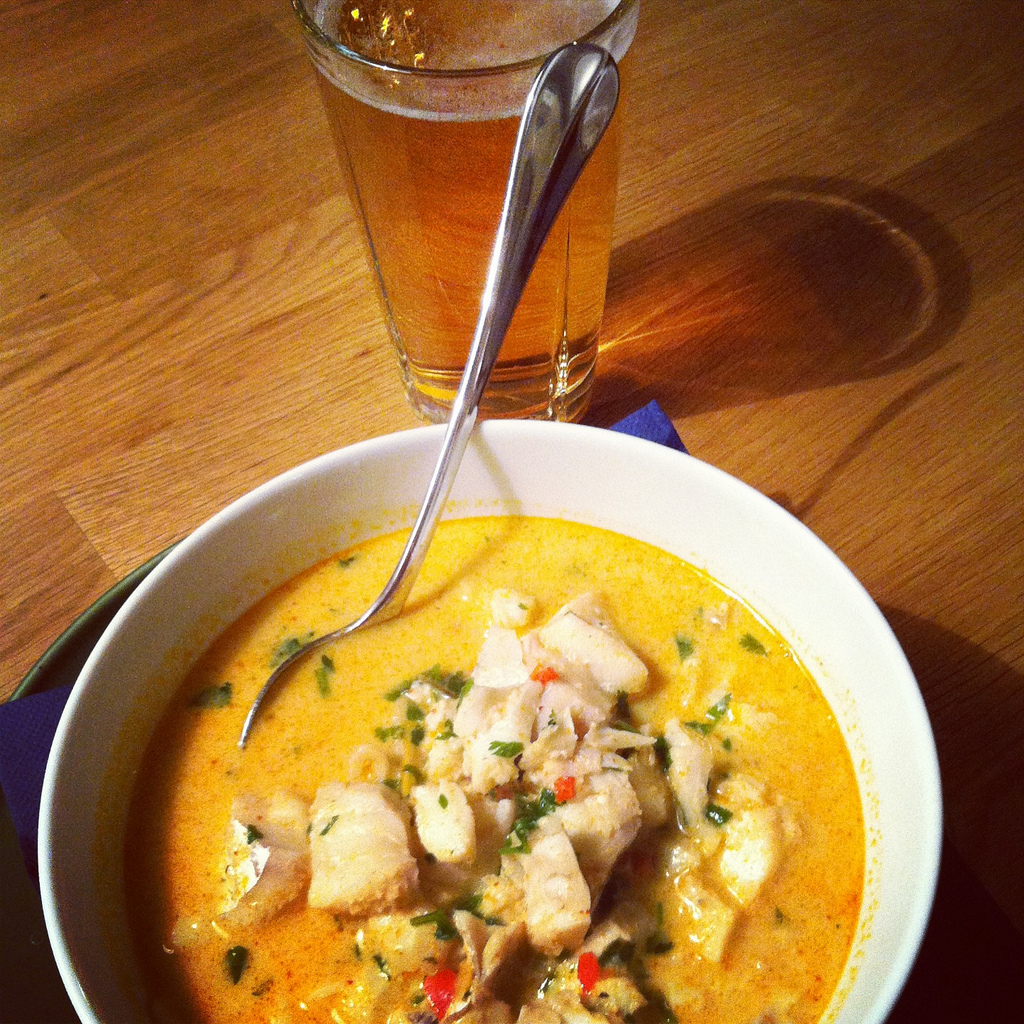
Thai Prawn and Chicken Soup


Serves 2

2 cups water

2 cups coconut milk

1 / 2 bouillon cube of chicken

1 / 2 Lime

1 to 2 teaspoons chili paste (sambal oelek)

1 1 / 2 tablespoon ginger, grated, fresh

3 / 4 tablespoons fish sauce (Asian)

150 to 200 g chicken fillets without skin

A couple of handfuls ready cooked and peeled prawns

1 / 2 Chinese cabbage or cabbage

50 g Shiitake mushrooms or any other mushrooms

2 spring onions

1 / 2 red chilli

1 / 2 – 1 tblsp Coriander, fresh
____________________________________________________________________

Place water, coconut milk, broth, finely grated rind of lime, lime juice, chili paste, ginger and fish sauce in a large saucepan and bring to a boil.

Cut chicken into strips.

Add chicken and cook for 5 minutes.

Cut Chinese cabbage into strips, slice the mushrooms. Chop the spring onions and chilli, add all to the pan, cook for 5 minutes.
Add the prawns for a minute before the soup is ready. Just warm up, don’t boil them.
Put half the chopped coriander in the soup and stir.

Taste the soup. Maybe you want more zing? Then add a little extra sambal oelek.


Pork Meatballs – Low Carb

Mince of any kind is really versatile and pork mince makes the most amazing meat balls. My recipe for them is very simple indeed – it creates dense meatballs, but that’s not an issue with me.

Aldi stocks Scottish-sourced pork mince which is approved by the Scottish Society for the Prevention of Cruelty to Animals (SSPCA), and Red Tractor-scheme approved pork in other parts of the UK. The two accreditations should mean that the pigs are subjected to higher welfare conditions than pork without them, although the charity Compassion in World Farming has challenged the claims of the Red Tractor scheme. If in doubt, buy your mince from a farmer’s market or buy organic or certified free range.

Pork Meatballs

  • Servings: 4-6
  • Difficulty: easy
  • Print

pork meatballs500g pork mince

1tbsp finely chopped fresh sage

Salt and freshly ground black pepper

  1. Preheat your oven to 180 degrees C. Mix all the ingredients together (don’t be stingy with the black pepper). It’s easiest to mix them with your hands – and shape them into small balls, just a little bit smaller than a golf ball.
  2. Place on a baking sheet and bake in the oven for half an hour. Serve with a tomato sauce over spiralised vegetables, or steamed cauliflower or chop in half, fry off in olive oil and use in a salad with some crispy bacon strips.

Each meatball has 1g of carbs per ball. 

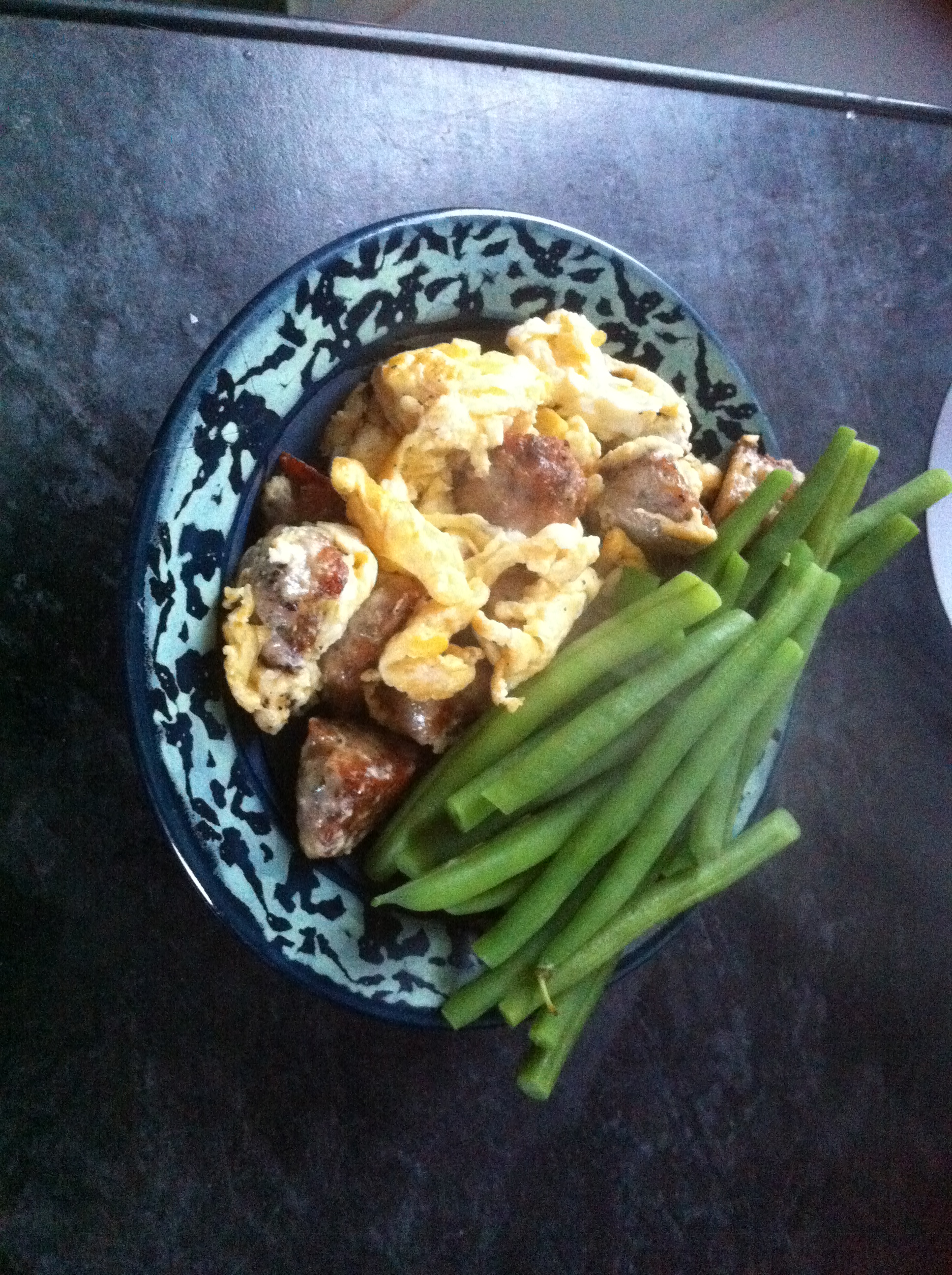
As an added bonus, here’s my favourite way to eat pork meatballs – for breakfast! This is not the most appealing looking dish (we’re more about substance over style here at Diabetes Diet), but it’s really quick and easy once you’ve got a stock of meatballs to hand.pork meatballs scrambled eggs

Pork and Eggs

  • Servings: 1
  • Difficulty: easy
  • Print

  • 4 pork meat balls
  • 2 large eggs
  • 10ml olive oil or 10g butter
  • Salt and pepper
  1. Chop the meatballs into quarters. Heat the oil or butter in an omelette pan and add the chopped meatballs.
  2. Allow to brown and then add the beaten eggs (which have been seasoned with a little salt and pepper – you won’t need much because the meatballs are seasoned).
  3. Move the eggs around as if you are scrambling them. It won’t take long to cook them – about 30 seconds.
  4. Serve with some vegetables (if you want to feel virtuous).

Allow about 1g of carbs per serving (and 5g of carbs if you serve it with 75g of green beans as I’ve done here).