Double diabetes: watch out for ketoacidosis with some drug combinations

download-1

The use of adjuvant drugs for obese, insulin resistant type ones is increasing. What can you expect from therapy with some of the newer add on drugs? This article in Diabetes in Control tells you.

Type I Diabetes Mellitus: A Triple Therapy Approach

Diabetes management strategies have evolved since the discovery of newer oral agents that provide glycemic control through various pathways. Type 1 diabetes mellitus treatment has changed from traditional insulin regimens to incorporating other agents for improving glycemic control.

Maintaining adequate glycemic control and preventing end-organ damage is of utmost importance when managing diabetes. Uncontrolled blood glucose levels can lead to retinopathy, neuropathy, and nephropathy, which affects overall quality of life in our patients.

Due to these effects and the increased rate of uncontrolled A1c levels in patients with type 1 diabetes, various researchers have devised various treatment approaches for these patients. Recent research efforts have looked into the benefits of SGLT-2 inhibitors and their effect on cardiovascular events and mortality.

Matteo Monami et al., have looked into the benefits of these agents in patients with type 2 diabetes in the EMPAREG OUTCOME study. The findings from this research study highlight the benefit from SGLT-2 inhibitor use.  Their use in T2DM was found to reduce the risk of all-cause mortality, cardiovascular mortality, and myocardial infarction, but there was no increase in the risk of stroke. These findings can also provide similar benefits in type 1 diabetes patients; however, more studies are needed to provide stronger evidence.

Previous studies with other SGLT-2 inhibitors (i.e. canagliflozin) showed an increased incidence of diabetic ketoacidosis (DKA) in T1D patients. The incidence of DKA is thought to be associated with an increase in glucagon and free fatty acids that induces insulin resistance, which can also predispose to renal complications.

Conversely, a recent study showed improvements in renal functions in patients taking dapagliflozin through reductions in ischemia and hypoperfusion. These findings are not seen in patients taking liraglutide due to suppression of ketogenesis.

Recently, Nitesh Kuhadiya and colleagues expanded on the use of SGLT-2 inhibitors in type 1 diabetes patients. In this randomized clinical trial, researchers looked at the reduction in glycemia and body weight when adding dapagliflozin to an insulin and liraglutide regimen. Researchers hypothesized that the addition of dapagliflozin to an insulin and liraglutide regimen would provide improvements in glycemia without leading to increased concentrations of glucagon and other ketosis mediators.

Eligible patients were enrolled based on the following characteristics: 18-75 years of age with type 1 diabetes, fasting C-peptide of <0.1nmol/L, on any insulin regimen for more than 12 months with or without history of DKA. All patients had an A1c of <9.2% and were knowledgeable on carbohydrate counting. Additionally, patients needed to be on liraglutide therapy for at least 6 months prior to the start of the trial. 30 patients were assigned in a 2:1 ratio to receive either dapagliflozin 10 mg or placebo for 12 weeks. Consistency of carbohydrate content was documented by a dietitian.

The primary end-point of the study was a change in mean A1c after 12 weeks of dapagliflozin. Each patient’s body weight, systolic blood pressure, carbohydrate intake, and ketosis mediators were measured throughout the study as secondary endpoints. 26 patients completed the study, out of which only 17 were part of the intervention group. Those in the intervention group received dapagliflozin 5 mg daily for one week followed by 10 mg daily for 11 weeks. All insulin doses were targeted to 3.8-8.8 mmol/L.

At the end of the study it was found that triple therapy with liraglutide, insulin, and dapagliflozin decreased A1c by 0.66% when compared to placebo (~0.1%) (p <0.01 vs placebo). No severe hypoglycemic episodes were reported even when weekly glucose concentrations fell by 0.83 + 0.33 mmol/L in patients receiving triple therapy; no significant changes observed in the placebo group (P< 0.05 vs baseline; P=0.07 vs placebo).

When looking at the effects of this regimen and body weight, it was observed that body weight fell by 1.9 + 0.54 kg in the triple therapy group (P<0.05 vs placebo). Furthermore, there was a significant increase in ketosis mediators. It was also seen that total cholesterol and LDL-C level increased by 6% and 8%, respectively. Blood pressure readings remained unchanged in both groups.

In conclusion, a significant decrease in A1c and weight can be obtained by incorporating dapagliflozin for type 1 into an insulin and liraglutide regimen. However, special consideration should be taken when utilizing this approach due to an increase in ketosis mediators that can predispose patients to develop DKA.

Practice Pearls:

  • Triple therapy with dapagliflozin, insulin, and liraglutide reduces blood glucose levels without increasing the risk of hypoglycemia.
  • Weight reduction and A1c reduction can be obtained in type 1 diabetes patients while providing cardiovascular and renal protection properties, however closer monitoring is warranted due to increases in cholesterol and LDL-C.
  • Frequent monitoring should be implemented when utilizing this triple therapy approach due to an increase in glucagon, free fatty acids, and other mediators of ketosis predisposing to DKA.

Researched and prepared by Pablo A. Marrero-Núñez – USF College of Pharmacy Student Delegate – Doctor of Pharmacy Candidate 2017, reviewed by Dave Joffe, BSPharm, CDE

References:

Chang, Yoon-Kyung, Hyunsu Choi, Jin Young Jeong, Ki-Ryang Na, Kang Wook Lee, Beom Jin Lim, and Dae Eun Choi. “Dapagliflozin, SGLT2 Inhibitor, Attenuates Renal Ischemia-Reperfusion Injury.” PLOS ONE PLoS ONE 11.7 (2016). Web

Kuhadiya, Nitesh D., Husam Ghanim, Aditya Mehta, Manisha Garg, Salman Khan, Jeanne Hejna, Barrett Torre, Antoine Makdissi, Ajay Chaudhuri, Manav Batra, and Paresh Dandona. “Dapagliflozin as Additional Treatment to Liraglutide and Insulin in Patients With Type 1 Diabetes.” The Journal of Clinical Endocrinology & Metabolism (2016). Web.

Monami, Matteo, Ilaria Dicembrini, and Edoardo Mannucci. “Effects of SGLT-2 Inhibitors on Mortality and Cardiovascular Events: A Comprehensive Meta-analysis of Randomized Controlled Trials.” Acta Diabetol Acta Diabetologica (2016). Web.

Resources for diabetics with severe visual loss

national-federation-blind

This Diabetes in Control article gives some great USA based resources to help diabetics manage their condition even with severe visual loss.
 We Don’t All See the Same. See the World Through My Eyes
The patient lived alone with her Seeing Eye dog and was assisted by her brother. She lived a relatively normal life despite her blindness, working a clerical job and visiting the gym 2 days per week.
As an educator, I had never dealt with a truly sightless individual and was feeling ill-equipped to take on this challenge. The majority of the diabetes patients in our small rural clinic have sight enough to manage their disease. I started to think of all the things we take for granted when teaching our patients, such as lancing their fingers, reading a label, even simply putting the correct amount of food on their plate. All that was thrown out the window. How did I help this patient to see her diabetes care?

I accessed the National Federation of the Blind (https://nfb.org/literature-diabetes) and followed the path to gather information and tools to assist the blind patient who also has diabetes. Most of the resources through the National Federation of the Blind (NFB) are free, although I did purchase a braille edition of exchange lists for the patient in hopes that this would assist her and her brother as they shopped for meals. The NFB also provide an audio CD entitled Bridging the Gap: Living with Blindness and Diabetes. Our patient found this CD to be very helpful and empowering and included resources and articles from the Voice of the Diabetic, an out-of-print publication.

Challenges were many and required more effort on our part to make education visible to the patient. We used many hands-on items for the patient to touch to illustrate diabetes management.

The talking meter was an absolute necessity. Lancing fingers became hit and miss until we worked out a better method for the patient. We did use smart technology for her IPhone with apps that included Dragon Dictation, OMoby, and VizWiz that talked to her and assisted her in identifying items and package information. The app Evernote recorded all of our conversations to review and revisit later. Through the American Diabetes Association, we obtained a compartment plate to assist her with portion control.

Our staff spent a great deal of time making sure that our patient understood all the aspects of her care related to diabetes. Daily phone calls helped the patient to see her diabetes for what it is, a manageable disease.

We spent approximately 3 months working very closely with this patient to support her efforts at self-management.  In the end, her A1C dropped to 6%, 3 months after we began working with her. She was pleased with the outcome, had lost a little weight, and felt, overall, better equipped to manage her diabetes. Our primary goal was to allow the patient to maintain her independence and self-care ability by providing her the tools to manage her diabetes successfully.

Our staff walked away with a very valuable lesson regarding diabetes education and its need to be individualized. It is all about what the patient sees, or in this case, what they don’t see.

Lessons Learned:

  • Explore all resources possible when helping people with diabetes.
  • All patients have challenges, but each challenge is an opportunity to make a difference.
  • Assess each patients’ challenges. You may not feel equipped, but there are usually resources to help if you take the time to look for them.

Liz Whelan MSN RN CDE
Coordinator Health and Diabetes Education


And now… for something completely different:Guide cats for the blind.


Eric Barker: Meditation for the distracted

meditation.jpg

Welcome to the Barking Up The Wrong Tree weekly update for September 4th, 2016.

Neuroscience Of Meditation: How To Make Your Mind Awesome

Click here to read the post on the blog or keep scrolling to read in-email.

So is meditation just another fad that pops up from time to time like bell-bottom jeans? Nope. Research shows it really helps you be healthier, happier and even improves your relationships.

From The Mindful Brain:

The MBSR program brought the ancient practice of mindfulness to individuals with a wide range of chronic medical conditions from back pain to psoriasis. Kabat-Zinn and colleagues, including his collaborator Richard Davidson at the University of Wisconsin in Madison, were ultimately able to demonstrate that MBSR training could help reduce subjective states of suffering and improve immune function, accelerate rates of healing, and nurture interpersonal relationships and an overall sense of well-being (Davidson et al., 2003).
And it’s not some magical mumbo-jumbo at odds with the science of psychology. In fact, it is psychology. William James, one of the fathers of modern psych, once said this…

From Thoughts Without A Thinker:

While lecturing at Harvard in the early 1900s, James suddenly stopped when he recognized a visiting Buddhist monk from Sri Lanka in his audience. “Take my chair,” he is reported to have said. “You are better equipped to lecture on psychology than I. This is the psychology everybody will be studying twenty-five years from now.”
Last week I posted about the neuroscience of mindfulness. Long story short (and grossly oversimplified): the right side of your brain sees things literally. The left side interprets the data and makes it into stories.

But Lefty screws up sometimes. His stories aren’t always accurate. As the old saying goes, “the map is not the territory.” When you listen too much to Lefty’s stories and not enough to the raw data from the right brain, you can experience a lot of negative emotions. A big chunk of mindfulness is keeping Lefty under control. (For the full story, click here.)

But where does meditation fit into all this? What does sitting cross-legged and focusing on your breath have to do with Lefty, the brain and eternal happiness?

And how the heck do you meditate properly? Maybe you’ve tried it and only ended up taking an unexpected nap, or getting horribly bored, or feeling like your brain is noisier than the front row of a death metal concert.

Let’s look at the science and cut out the magic and flowery language. We’ll hit the subject with Occam’s Chainsaw and get down to brass tacks about what meditation really is, why it works, and how to do it right.

Time to put your thinking cap on…

What The Heck Is Meditation?

A good quick way to see it from a neuroscience perspective is as “attention training.” (You know, attention. That thing none of us have anymore.)

But what the heck does attention have to do with happiness, stress relief and all the other wonderful things meditation is supposed to bring you?

Paul Dolan teaches at the London School of Economics and was a visiting scholar at Princeton where he worked with Nobel-Prize winner Daniel Kahneman. Dolan says this:

Your happiness is determined by how you allocate your attention. What you attend to drives your behavior and it determines your happiness. Attention is the glue that holds your life together… The scarcity of attentional resources means that you must consider how you can make and facilitate better decisions about what to pay attention to and in what ways.
And Harvard professor Daniel Gilbert, author of Stumbling on Happiness, did research showing that “a wandering mind is not a happy mind.” We want to focus on what the right side of the brain is giving us and get free from Lefty’s endless commentary.

When Lefty gets going with his ruminating, he’s much more likely to end up feeding you negative stories than positive ones. You’re happier when your attention is more focused on the concrete info your right brain is feeding you: the “here and now.” That’s all that “being in the moment” stuff you hear about.

So improving your attention is like dog obedience training for Lefty. When you can keep your attention on the right brain data and learn to disengage from Lefty’s running commentary you stress less, worry less and get less angry.

Is meditation powerful enough to overcome that often critical, cranky voice in your head? Yeah. It was even able to improve attention skills in people with ADD.

From The Mindful Brain:

At the UCLA Mindful Awareness Research Center, we recently conducted an eight-week pilot study that demonstrated that teaching meditation to people, including adults and adolescents with genetically loaded conditions like attention-deficit/hyperactivity disorder, could markedly reduce their level of distraction and impulsivity.
(To learn the four rituals neuroscience says will make you happy, click here.)

Okay, so meditation helps you focus on good things and let go of the bad, which can help you be happier and less stressed. Makes sense. So how do you do it right?

How To Meditate

Focus your attention on your breath going in and out. Your mind will wander. Gently return your attention to your breath. Repeat. Repeat. Repeat…

That’s it. Really. That’s all you have to do. Here’s how fancy neuroscience explains what’s going on…

From The Mindful Brain:

If in mindfulness practice our mind is filled with word-based left-sided chatter at that moment, we could propose that there is a fundamental neural competition between right (body sense) and left (word-thoughts) for the limited resources of attentional focus at that moment. Shifting within mindful awareness to a focus on the body may involve a functional shift away from linguistic conceptual facts toward the nonverbal imagery and somatic sensations of the right hemisphere.
Translation: the more you pay attention to the concrete info your right brain is giving you about your breathing, the less attention you have for Lefty’s interpretations, evaluations and stories.

You’re building yourself a knob that turns down the volume on Lefty’s criticisms and ramblings.

But the process is slow. Lefty will start talking again and you need to keep returning to the breath. Over and over and over. Sound like a waste of time? Nope. Here’s that father of modern psychology again, William James…

From The Principles of Psychology:

The faculty of voluntarily bringing back a wandering attention over and over again is the very root of judgment, character and will… An education which should improve this faculty would be the education par excellence.
(To learn about the neuroscience of mindfulness, click here.)

Simple, right? Actually, I’m hesitant to call meditation “simple.” It is simple, as in “not complex.” Those instructions would fit on an index card with room for your grocery list.

But that doesn’t mean meditation is easy… You know why?

Lefty Fights Back

You try to focus on your breath and banish Lefty but he keeps storming back into the room banging a tympani drum and clashing cymbals together. He won’t shut up.

Even without any input except breathing he still keeps finding things to talk about. And he jumps from one idea to the next. You try to dismiss him but it’s like mental whack-a-mole.

This is where most people give up. Don’t. Your head is not broken and you’re not clinically insane. Buddhists have known about this problem for over a thousand years. They call it “monkey mind.”

From Thoughts Without A Thinker:

Like the undeveloped mind, the metaphorical monkey is always in motion, jumping from one attempt at self-satisfaction to another, from one thought to another. “Monkey mind” is something that people who begin to meditate have an immediate understanding of as they begin to tune into the restless nature of their own psyches, to the incessant and mostly unproductive chatter of their thoughts.
Lefty is like a puppy locked in the house by himself, tearing up the furniture until you come home from work and pay attention to him. But there’s actually a valuable lesson here…

Lefty’s ideas seem so important. But then he’s on to talking about something else. And that seems so important. But then that idea flits away and it’s replaced by another one. And then that idea evaporates and is replaced…

Remember, Lefty isn’t you. He’s merely part of you, doing his job. Your heart beats, and Lefty generates thoughts. But those thoughts — which seem so important in the moment — drift away if you don’t entertain them.

And when it comes to the bad thoughts you have, and the bad feelings those generate, this is crucial and wonderful. You can just let them slide away.

But you’re tempted to take Lefty’s hand and go down the rabbit hole wondering if you should stop meditating because maybe you left the stove on, or if now wouldn’t be a great time to watch TV or finally debate the meaning of life…

Don’t. Turn your attention back to the breath.

And Lefty will say things that worry you or make you sad. And he knows just what will get under your skin. After all, he’s in your head. He’ll play “Lefty’s Greatest Hits” which never fail to get you all worked up. Don’t take the bait.

Your normal reaction is to grab your phone, check Instagram, check email, turn on the TV or do anything to distract yourself.

But that’s how you got into this problem in the first place. You need to sit here where it’s all quiet and build that attention muscle. No Instagram. Return your attention to your breath. Again and again, despite Lefty’s wailing.

Now you can’t shove Lefty away. He’s like the world’s worst internet troll — but with psychic powers. If you engage him, you just make it worse. Thoughts don’t float away if you wrestle with them. It’s like that finger trap puzzle you played with as a kid. The more you struggle to get out of it, the tighter it gets.

Just gently turn your attention back to the breath. Yes: over and over. Build that muscle.

Or maybe Lefty isn’t fighting you at all. Maybe you’re just skull-crushingly bored by this whole meditation thing. But the truth is, you’re not bored…

Lefty is. He’s tricked you again. The voice saying, “God, this sucks. Let’s watch TV.”? That’s not you. That’s him.

What is it when you call something boring? Is it concrete data from the right brain? No. It’s an evaluation. That’s Lefty talking.

Writer and neuroscience PhD Sam Harris explains that boredom is just a lack of attention.

From Waking Up: A Guide to Spirituality Without Religion:

One of the first things one learns in practicing meditation is that nothing is intrinsically boring— indeed, boredom is simply a lack of attention.
When Lefty says he’s bored that means you need more meditation — not less. Train that attention span and shut Lefty up.

(To learn what Harvard research says will make you successful and happy, click here.)

Whether he’s banging pots and pans or trying to trick you into thinking “you” are bored, Lefty won’t shut up. How do you get him to pipe down?

The answer is quite fun. Because we’re going to get Lefty to work against himself…

Don’t Fight. Label.

Ronald Siegel, professor of psychology at Harvard Medical School, writes this about the brain: “What we resist persists.” Arguing with Lefty just keeps him talking. You cannot “force” him to shut up.

So what’s the answer? Acknowledge Lefty. And, for a second, step away from focusing on the concrete and “label” what he is saying:

Lefty: “We keep meditating and we might be late for dinner. Better stop now.”

You:Worrying.” (returns to focusing on the breath)

Lefty: “I wonder if we got any new emails…”

You:Thinking.” (returns to focusing on the breath)

This uses Lefty against Lefty. When you use the left brain to put a label on its own concerns, it’s like writing something down on a to-do list. Now you can dismiss it because it’s been noted for later.

From a neuroscience perspective, it dampens Lefty’s yapping and frees you to return your attention to your breath.

Via The Upward Spiral:

…in one fMRI study, appropriately titled “Putting Feelings into Words” participants viewed pictures of people with emotional facial expressions. Predictably, each participant’s amygdala activated to the emotions in the picture. But when they were asked to name the emotion, the ventrolateral prefrontal cortex activated and reduced the emotional amygdala reactivity. In other words, consciously recognizing the emotions reduced their impact.
In fact, labeling affects the brain so powerfully it works with other people too. Labeling emotions is one of the primary tools used by FBI hostage negotiators to get bad guys to calm down.

(To learn how meditation can make you 10% happier, click here.)

Okay, so you know how to meditate and how to overcome the biggest problem people face when doing it — Lefty’s protests. But how does meditation lead to mindfulness?

Meditation Skills + Life = Mindfulness

Daniel Siegel of UCLA’s School of Medicine says that when you practice meditation consistently it actually becomes a personality trait.

You gradually start to take that attention-focusing and Lefty-labeling and apply it during your day-to-day life.

From The Mindful Brain:

Mindful awareness over time may become a way of being or a trait of the individual, not just a practice initiating a temporary state of mind with certain approaches such as meditation, yoga, or centering prayer. We would see this movement from states to traits in the form of more long-term capabilities of the individual. From the research perspective, such a transition would be seen as a shift from being effortful and in awareness to effortless and at times perhaps not initiated with awareness.
But you can accelerate this process if you actively to try to perform it. If you’re frustrated in traffic, you can focus your attention on the beautiful, sunny day outside.

When Lefty cries, “Why does this always happen to us!” you can label his statement as “frustrated.” That’ll cool down your amygdala and put your prefrontal cortex back in charge.

You can return your attention to the sunny day around you and let his complaints slide away as they always do — if you don’t turn them into a finger trap.

Lefty gets quieter and quieter. You focus more on the good things in the world around you.

And this is how you become mindful.

(To learn more about how to practice mindfulness from the top experts in the field, click here.)

Okay, newbie meditator, we’ve learned a lot. Let’s round it up and see how mindfulness can lead to the most powerful form of happiness…

Sum Up

Here’s how to meditate:

  • Get comfortable. But not so comfortable you’re gonna fall asleep. This ain’t naptime.
  • Focus on your breath. You can think “in” as your breath goes in and “out” as your breath goes out if it helps you focus.
  • Label Lefty. When Lefty brings the circus to town in your head, use a word to label his chatter and dampen it.
  • Return to the breath. Over and over. Consistency is more important than duration. Doing 2 minutes every day beats an hour once a month.

What makes us happier than almost anything else? The research is pretty clear: relationships.

But winning the war with Lefty is so internal, right? It’s all about you. (And him, I guess… But he is you… So it’s still about you.) Does that mean meditation and mindfulness are hopelessly selfish and self-absorbed?

Nope. What’s one of the biggest complaints we hear from those we love — especially in the age of smartphones? “You don’t pay enough attention to me.”

And here’s where that meditation-honed attention muscle pays off. You can give them the focus they deserve. When you don’t have to spend most of the day hearing that chatterbox in your head, you can truly listen to the people you care about.

Daniel Siegel explains that those attention skills can powerfully improve relationships with those you love by an increased ability to empathize.

From The Mindful Brain:

Our relationships with others are also improved perhaps because the ability to perceive the nonverbal emotional signals from others may be enhanced and our ability to sense the internal worlds of others may be augmented… In these ways we come to compassionately experience others’ feelings and empathize with them as we understand another person’s point of view.
Spend a little time focusing on your breath every day and you can replace Lefty’s voice with the voice of those you love.

Remember: every time you hit a share button an angel gets its wings. (Or, um, something like that.) Thank you!


Email Extras

Findings from around the internet…

+ What’s the best way to take truly restful breaks during the day? Click here. (Written by the very smart Christian Jarrett.)

+ How can your choice of office furniture make you smarter? Click here.

+ Which over-the-counter painkiller works the best? Click here.

+ Miss last week’s post? You definitely need to read “Lefty Part 1.” Here you go: Neuroscience Of Mindfulness: How To Make Your Mind Happy.

+ What’s the best way to motivate people at work? Click here. (Written by that great reader of research Melissa Dahl.)

+ You made it to the end of the email. (I appreciate you waiting to meditate until *after* you finished the email.) Okay, Crackerjack time. Ever hear a song or read something that just “gets you.” It says how you feel better than you could say it yourself? Oh yeah. That feeling. Well, I felt like that yesterday when I read a great comic by the enviably talented (and funny) Matthew Inman. Oh, and it’s about happiness, passion, and doing what you love. Click here.


Thanks for reading!
Eric
PS: If a friend forwarded this to you, you can sign up to get the weekly email yourself here.


Gloomy news if you are overweight

diabetes in cats
He’s a pudgy pussy – but may have a better chance than humans of getting slim again

Obese Have Low Chance of Recovering Normal Body Weight

From Diabetes in Control July 17th 2016

The chance of an obese person attaining normal body weight is 1 in 210 for men and 1 in 124 for women, increasing to 1 in 1,290 for men and 1 in 677 for women with severe obesity, according to a study of UK health records led by King’s College London. The findings suggest that current weight management programmes focused on dieting and exercise are not effective in tackling obesity at population level.

The research, funded by the National Institute for Health Research (NIHR), tracked the weight of 278,982 participants (129,194 men and 149,788) women using electronic health records from 2004 to 2014. The study looked at the probability of obese patients attaining normal weight or a 5% reduction in body weight; patients who received bariatric surgery were excluded from the study. A minimum of three body mass index (BMI) records per patient was used to estimate weight changes.

The annual chance of obese patients achieving five per cent weight loss was 1 in 12 for men and 1 in 10 for women. For those people who achieved five per cent weight loss, 53 per cent regained this weight within two years and 78 percent had regained the weight within five years.

Overall, only 1,283 men and 2,245 women with a BMI of 30-35 reached their normal body weight, equivalent to an annual probability of 1 in 210 for men and 1 in 124 for women; for those with a BMI above 40, the odds increased to 1 in 1,290 for men and 1 in 677 for women with severe obesity.

Weight cycling, with both increases and decreases in body weight, was also observed in more than a third of patients. The study concludes that current obesity treatments are failing to achieve sustained weight loss for the majority of obese patients.

Dr. Alison Fildes, first author from the Division of Health and Social Care Research at King’s College London (and now based at UCL), said: ‘Losing 5 to 10 per cent of your body weight has been shown to have meaningful health benefits and is often recommended as a weight loss target. These findings highlight how difficult it is for people with obesity to achieve and maintain even small amounts of weight loss.’

“The main treatment options offered to obese patients in the UK are weight management programmes accessed via their GP. This evidence suggests the current system is not working for the vast majority of obese patients.” “Once an adult becomes obese, it is very unlikely that they will return to a healthy body weight. New approaches are urgently needed to deal with this issue. Obesity treatments should focus on preventing overweight and obese patients gaining further weight, while also helping those that do lose weight to keep it off. More importantly, priority needs to be placed on preventing weight gain in the first place.”

Professor Martin Gulliford, senior author from the Division of Health and Social Care Research at King’s College London, said: “Current strategies to tackle obesity, which mainly focus on cutting calories and boosting physical activity, are failing to help the majority of obese patients to shed weight and maintain that weight loss. The greatest opportunity for stemming the current obesity epidemic is in wider-reaching public health policies to prevent obesity in the population.”

Kings College London News Release
Alison Fildes. American Journal of Public Health. Published online ahead of print July 16, 2015: e1–e6. doi:10.2105/AJPH.2015.302773

New Year Resolutions – A Low Carb Diet?

2014-03-23-12-07-09
Bacon, mushroom and poached egg salad.

Are you making New Year resolutions to diet?! It’s that tedious time of year when we are encouraged to self-improve – usually on a big scale.

Punishing diets and exercise regimes work for very few people. Why would you make yourself suffer in that way? But if you do want to improve your health and stabilise your blood sugar levels, especially if you have diabetes, why not opt for the low-carb diet?

Low-carb diets can be easier to stick to than most diets because they tend to be higher in protein which keeps you feeling full for longer. Because they incorporate delicious ingredients like cheese, avocados, oily fish, cream, nuts and more there’s none of the deprivation feelings either.

Remember too that low-carb is a broad church. You can do anything from 45g of carbs a day to 130-150g. If you opt for the higher carb count, fill up on natural sources such as the higher-carb vegetables and fruits.

Resolutions – and any kind of change to the lifestyle – need preparation and planning to succeed. Here are our tips for how to adopt and stick with a low-carb diet:

Plan what you will eat and shop for the ingredients. Our book, The Diabetes Diet, has meal plans in it and you will also find plenty of suggestions online.

If you have type 1 diabetes or you use any blood glucose lowering medication, you need to start a low carb diet cautiously. Read our tips here about preparing to lower your carbohydrate intake and how to adjust medication to suit

Buy one good recipe book. A great example is Dana Carpender’s 500 Low Carb Recipes (left). This is an American recipe book, but most of the ingredients are available over here.

Buy yourself a set of measuring cups. Many of low-carb recipes are American – and Americans use cups to measure, rather than scales. Cup measures are widely available.

The above two suggestions depend on one thing – willingness to cook. Because low-carb diets don’t have many ready-made options, cooking is a necessity. Most low-carb recipes are really easy to follow, but quick and easy ideas are cooked meats and chicken with ready-made salads and dressing, good quality burgers with a slice of cheese, any kind of egg dish or prepared fish and prawn cocktail. You can also buy cauliflower rice these days for an instant accompaniment.

peanut-pork
Spicy Peanut Pork

Try out our recipes! Here are some suggestions.

  1. Meatballs
  2. Pancakes
  3. Spicy Peanut Pork
  4. Spinach and Feta Crust-less Quiche
  5. Low-carb Chocolate Cookies
  6. Crab Cakes
  7. Easy Low-Carb Bread

Start following our blog. We update this blog regularly with recipes and health information about diabetes.

All the very best to you for 2017!


What do you do if you run out of insulin?

type 1 diabetes medical equipment

time-699965_960_720
The predicament of having difficulty getting insulin if it runs out for any reason, shouldn’t be a disaster in the UK. We have the NHS and you can go to your regular Pharmacist, ANY Pharmacist, your own GP, ANY GP or ANY Accident and Emergency Department and get a prescription free of charge.  
This is NOT the situation in the USA and here is a “Disasters Averted” story published o  16 August 20016 which discusses the situation and possible options you can take if you live there or ever face problems in the country in which you live.
As always with diabetes it helps to know about your possible options before the worst happens. When travelling always carry double what you think you will need. Insulin MUST be taken on carry on luggage so it doesn’t freeze in the hold of a plane. Also split your medications and gear with a pal so that if one of you is robbed you have spares.
 
 Out  of Insulin, Too Early to Renew — What To Do?

<!– Old ad tag

EHS_AD(“t”, “l”, “300×250”);

–>

It is not unusual for people to have difficulty keeping insulin from freezing or getting overheated. A patient, with type 1 diabetes for 17 years, had glucose that did not respond to his rapid-acting insulin as it usually does. He had two new vials in the refrigerator. He took a new vial out of his refrigerator earlier in the day, and started using it a few hours after he took it out. Had high post prandials that did not respond as usual to correcting. He had enough experience to wonder if perhaps something was wrong with his new insulin, so he thought he’d try another vial. He saw it was frozen. He had put the two vials at the back, where for many refrigerators it is colder. He thought back and wondered if the first vial looked any different, but remembered, he did not look closely at it.

He then went to get a new prescription filled at his pharmacy, but was told insurance would not cover it at this date; it was too early. It was cost prohibitive for him to pay out of pocket ~$300.00/vial. He contacted a diabetes health care provider (hcp) who offered him two sample vials to cover him until his prescription would once again be covered. He corrected and his glucose lowered. Disaster averted!

Not everyone has the luxury of having a hcp who has samples available in such a timely manner. If their hcp even had them, what if it were a weekend, or another time that the hcp did not have access to the samples? I reached out to certified diabetes educator, Laurie Klipfel, RN, MSN, BC-ANP, CDE, to see if she could offer any pearls of wisdom:

“This was a recent discussion on an AADE list serve with many good suggestions. The best suggestion was asking the healthcare provider if samples were available.  My next option would be to see if the insurance would make an exception under the circumstances (but this may take time). Someone with type 1 needs their insulin and cannot wait a day or two. The next option is to see if a diabetes educator could contact a rep for samples (their prescribing healthcare provider would also need to be involved). My next option would be to see if there were coupons available online from websites like: www.rxpharmacycoupons.com, or other websites. As a last resort (but may be the fastest option in a pinch), if a patient was not able to afford the analog insulins such as Novolog, Humalog, or Apidra, I might suggest discussing with the healthcare provider if using regular insulin instead would be an option. Though the analogs match insulin need to insulin much better than regular insulin, taking regular insulin (especially when using a generic brand such as Walmart’s ReliOn brand) can be a much cheaper option and would be much better than not taking any meal dose insulin at all.  It would be beneficial to explain the differences in action times and suggest taking regular insulin 15-30 min. before the meal and beware of potential hypoglycemia 3-5 hours after injection due to longer action of regular. Of note, you do not need a prescription for regular, NPH or 70/30 insulin.

“I would also agree with suggestions made on the list serve for keeping the insulin in the door of the refrigerator and using a thermometer in the refrigerator. If the temperature in the refrigerator is not stable, it may be helpful to have the thermostat of the refrigerator checked.“

Lessons Learned:


    • People who have diabetes, especially type 1 diabetes, need to have and take insulin that is effective.
    • If you have type 1 diabetes, you are in danger of DKA. Know what it is, how to prevent, recognize, and get help for DKA.
    • A back-up plan for insulin gone bad or not available.
    • To double check insulin when taken out of the refrigerator for the “feel of the temperature” of the insulin. Do not use if hot, warm, or frozen.
    • To know what their insulin should look like, clear or cloudy. Avoid it if crystals, clumps or anything unusual is noted.
    • The onset, peak, and length of action of insulins they are taking, as well as replacements if needed.
    • If insulin is not available and can’t get insulin within hours, to visit the nearest ED or urgent care center.

Most people need a minimum of one hour exercise a day

walking

How Much Exercise Compensates for Sitting at a Desk for eight Hours A Day?

Diabetes in Control August 27th 2016

At least an hour of physical activity needed to offset risk for several chronic conditions and mortality

Sedentary behavior has been associated with increased risk of several chronic conditions and mortality. However, it is unclear whether physical activity attenuates or even eliminates the detrimental effects of prolonged sitting. A new study examined the associations of sedentary behavior and physical activity with all-cause mortality.

The meta-analysis of trials involving more than 1 million individuals was reported online July 27 in The Lancet. It is one of a special series of papers on physical activity.

The Lancet notes that its first series on physical activity in 2012 concluded that, “physical inactivity is as important a modifiable risk factor for chronic diseases as obesity and tobacco.” The meta-analysis found that 1 hour of moderate-intensity activity, such as brisk walking or riding a bicycle, can offset the health risks of sitting for 8 hours a day. Twenty-five percent of all individuals in the study reported this level of physical activity. The study also discovered that even shorter periods of 25 minutes a day can be beneficial.

For those of us who work by sitting at a desk, it can be very difficult not to sit while we do our jobs.  But, there are still many ways to get moving, like going for a walk during lunch, or even getting up and walking over to an associate to hand them a note instead of sending an email.  There are many ways to get in your physical activity.

According to the researchers, the data from more than a million people is the first meta-analysis to use a harmonized approach to directly compare mortality between people with different levels of sitting time and physical activity. They included 16 studies, with data on 1,005,791 individuals (aged >45 years) from the United States, Western Europe, and Australia.

Researchers divided the study participants into four groups based on their reported levels of physical activity: <5 min/day; 25-35 min/day; 50-60 min/day; and 60-75 min/day.

Researchers noted that, “Among the most active, there was no significant relation between the amount of sitting and mortality rates, suggesting that high physical activity eliminated the increased risk of prolonged sitting on mortality.” But as the amount of physical activity decreased, the risk for premature death increased.

Researchers found prolonged sitting associated with an increase in all-cause mortality, mainly due to cardiovascular disease and cancer (breast, colon, and colorectal), noting that, “A clear dose-response association was observed, with an almost curvilinear augmented risk for all-cause mortality with increased sitting time in combination with lower levels of activity.”

Compared with the referent group (i.e., those sitting <4 h/day and in the most active quartile [>35·5 MET-h per week]), mortality rates during follow-up were 12–59% higher in the two lowest quartiles of physical activity (from HR=1·12, 95% CI 1·08–1·16, for the second lowest quartile of physical activity [<16 MET-h per week] and sitting <4 h/day; to HR=1·59, 1·52–1·66, for the lowest quartile of physical activity [<2·5 MET-h per week] and sitting >8 h/day). Daily sitting time was not associated with increased all-cause mortality in those in the most active quartile of physical activity. Compared with the referent (<4 h of sitting per day and highest quartile of physical activity [>35·5 MET-h per week]), there was no increased risk of mortality during follow-up in those who sat for more than 8 h/day but who also reported >35·5 MET-h per week of activity (HR=1·04; 95% CI 0·99–1·10). By contrast, those who sat the least (<4 h/day) and were in the lowest activity quartile (<2·5 MET-h per week) had a significantly increased risk of dying during follow-up (HR=1·27, 95% CI 1·22–1·31). Six studies had data on TV-viewing time (N=465 450; 43 740 deaths). Watching TV for 3 h or more per day was associated with increased mortality regardless of physical activity, except in the most active quartile, where mortality was significantly increased only in people who watched TV for 5 h/day or more (HR=1·16, 1·05–1·28).

In conclusion, the researchers emphasized that high levels of moderate intensity physical activity (i.e., about 60–75 min per day) seem to eliminate the increased risk of death associated with high sitting time. However, this high activity level attenuates, but does not eliminate the increased risk associated with high TV-viewing time. These results provide further evidence on the benefits of physical activity, particularly in societies where increasing numbers of people have to sit for long hours for work and may also inform future public health recommendations.

In another study published online by JAMA Ophthalmology in August, they found that sedentary behavior may be associated with diabetic retinopathy.  The analysis included 282 participants with diabetes. The average age was 62 years, 29 percent had mild or worse DR, and participants engaged in an average of 522 min/d of SB. The author found that for a 60-min/d increase in SB, participants had 16 percent increased odds of having mild or worse DR; total PA was not associated with DR.  “The plausibility of this positive association between SB and DR may in part be a result of the increased cardiovascular disease risks associated with SB, which in turn may increase the risk of DR.  In order to prove a cause and effect of SB and worsening DR s larger study would be needed.”

Practice Pearls

  • Inactivity is linked to a decreased production of certain hormones.
  • We need to break up periods of sitting for prolonged periods with short bursts of activity.
  • Walking 5 minutes every hour can offset sitting for the other 55 minutes per hour.

Lancet. Published online July 27, 2016. Abstract Editorial How Much Exercise Compensates for Sitting at a Desk Eight Hours A Day?#848 (1)]–[www_diabetesincontrol_com_how_]-[MTExNjQyNDI1NTE1S0]–

Orthopaedic surgeon who wants to reduce amputations silenced by regulatory body

fb_BPhotography_Belinda-Fettke_No-Fructose_Gary-Fettke_LAFM_Fairsies-Fat-Busters.jpg

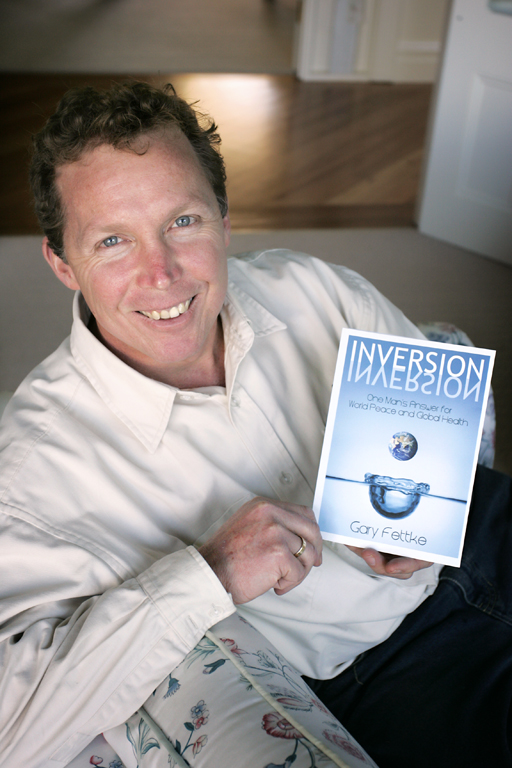
It would be funny if it wasn’t so tragic. Gary Fettke, a Tasmanian orthopaedic surgeon has been banned from talking to patients about the nutritional changes they can make to prevent amputations.

His wife, a nurse, tells his story here:


http://www.nofructose.com/gary-fettke/


Gary’s presentation on you tube is here:


How does mental distress show physically?


8558187594_65216d9621_bAlmost every patient with stress related mental health problems reports at least one somatic symptom and 45 per cent report six symptoms or more, according to a Swedish study of 228 patients suffering from what is termed as exhaustion disorder.

Here is the chart run down of the most common symptoms:

Almost all: Tiredness and low energy

67% Nausea, gas and indigestion

65% Headaches

57% Dizziness

Men and women reported the same number of symptoms.

Chest pain and sexual problems and pain during sex were more reported in men.

Pain in the arms, legs, joints, knees, hips reported more in the over 40s.

The more severe the mental health problem the higher the number of somatic symptoms.

From Human Givens Volume 21 No 1 2014


(BMC Psychiatry, 2014, 14, 118)

Although the causes of fibromyalgia are insufficiently understood at present and there is dubiety over whether the condition is due to stress or physical factors I have reproduced a chart which does show many psychosomatic symptoms in its presentation.


Symptoms_of_fibromyalgia.png


A meaningful life will help you live longer and be happier

Having  a sense of purpose in life helps us live longer, and the earlier we discover it, the sooner the protective effects occur. meaning-in-life

Researchers looked at data from over 6,000 participants, focusing on their self reported purpose in life. Over the 14 year follow up period 569 people died and all of those who died had reported less purpose in life and fewer positive relationships with others than did survivors.

Greater purpose in life consistently predicted lower mortality risk right across the lifespan, even when taking into account other markers for psychological and emotional well being.

(Reported in Human Givens Magazine Volume 21, No 1 2014 from a report in  Psychological Science, 2014, doi:10.1177/09567976145311799)

Eric Barker blogs weekly about what will improve your health, happiness and productivity.  Click on this blog post for further information on the same topic:

http://www.bakadesuyo.com/2016/10/meaning-in-life-2/?utm_source=%22Barking+Up+The+Wrong+Tree%22+Weekly+Newsletter&utm_campaign=8491fcb5d5-meaning_10_9_2016&utm_medium=email&utm_term=0_78d4c08a64-8491fcb5d5-57758173