Dana Carpender: Parmesan baked chicken wings

Dana, what recipes get the best feedback from your readers?

The one that has been most pirated is Heroin Wings – my publisher renamed it Wicked Wings in 1001 Low-Carb Recipes. They’re chicken wings dipped in melted butter and rolled in seasoned grated Parmesan, then baked, and they’re fabulous. But then, I stole the recipe from my mother, who I believe got it from one of those little cookbooks that local organizations make up to raise money, and who knows where they got it from. So I suppose pirating is to be expected.

But really, it doesn’t matter what I say I’ve just tried, from snacks through main courses to desserts, someone on my Facebook fan page will ask “Where can I find the recipe?”  (Note: At the moment the Facebook fan page is Dana Carpender’s Hold the Toast Press, but as soon as I return from the Low Carb Cruise I’m shifting it over to Dana’s Low Carb For Life. Happy to have all your readers come join in.)

2461046952_64c7432e99_b.jpg

Dana Carpender: What Health Conditions Respond to Low Carb Diets?

Dana,  what is the range of health conditions that you have seen respond to a low carb diet in your readers?

The most exciting, perhaps, is polycystic ovarian syndrome, the most common cause of female infertility, and very definitely an insulin-driven illness. Back when I was still self-published, I got an email from a woman who had tried for years to get pregnant, but couldn’t because of PCOS. She read How I Gave Up My Low Fat Diet and Lost 40 Pounds, went low carb, got pregnant, and carried the child to term. That’s the kind of thing that keeps me grinning for days.

Commonly, I hear of vastly improved blood work – one fellow had his triglycerides plummet by 1200 points in 2 weeks. People regularly report low trigs and high HDL.

Blood pressure reliably drops, too. It’s common for detractors to say “Oh, you only lost water weight on that diet.” That’s nonsense, of course, but it is true that the very rapid loss of 5-10 pounds in the first week or so is largely water. That’s because when insulin levels drop the kidneys resume excreting sodium properly, and with it the water it was holding. Because of this, blood pressure comes down quickly. (For this reason, people who are medicated for high blood pressure must be under a doctor’s care when they first go low carb. They may need a reduction in medication within days.)

By the way, the proper excretion of sodium means that many low carbers need to increase their salt intake – I’m one of them. If a new low carber is feeling tired, achy, dizzy, headache-y, the first thing to try is increasing salt – heavily salted broth or bouillon works wonderfully.

Energy swings vanish when the blood sugar swings stop. Many annoying symptoms of generalized inflammation, such as arthritis, are reduced or eliminated.

Gastroesophageal reflux, aka heartburn, generally clears up.

hqdefault (5)

And all kinds of little things – skin conditions, bleeding gums, stuff like that. My husband, who has a mouth full of crowns, hasn’t had a single new cavity since we went low carb 20 years ago. (I still have no fillings at the age of 57.)

Perhaps most surprising was the woman who wrote me to say that since she and her husband had gone low carb, a range of problems had cleared up, including that he had “stopped coughing up blood.” She finished with “You have been a miracle for our family.”

I have no idea how a low carb diet would stop the coughing up of blood, but I’m certainly glad it did.


Dana Carpender is the author of nine cookbooks, including the best-selling 500 Low-Carb Recipes.

Sheri Colberg: Statins and exercise

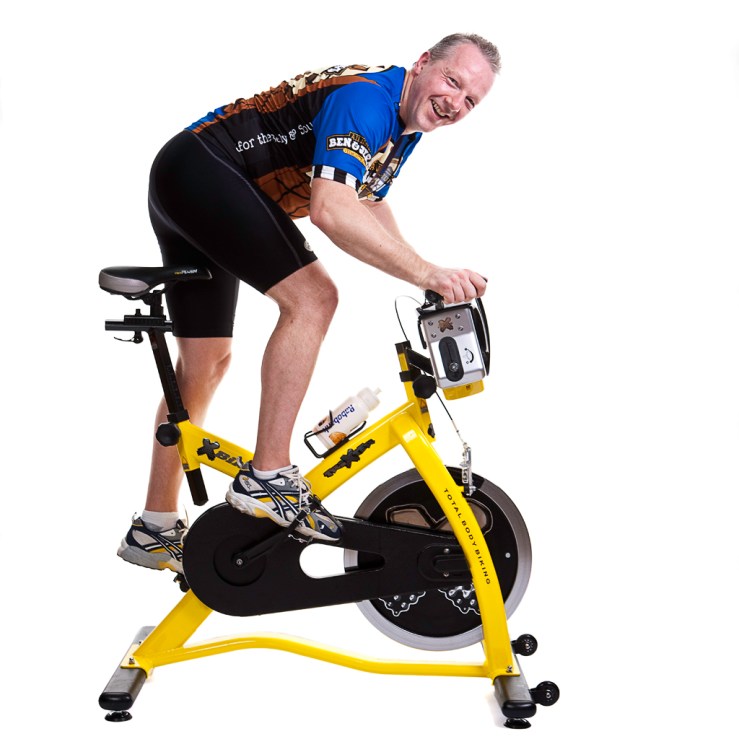
exercise bike
You’ll need to pedal harder than this if you want intensity…

I recently received an email from a person with type 1 diabetes living in Denmark (Guido) whose physician believes in prescribing many medications to manage cholesterol and high blood pressure in anyone with diabetes, regardless of need. Guido has been taking a statin (Atorvastatin, brand name Lipitor), along with at least four others for blood pressure control. He used to take Simvastitin (Zocor), but a year prior had been changed to Atorvastatin (and his dose doubled). That’s when his problems with exercise began.

Many prescribed medications can directly affect people’s ability to exercise or their responses to it, but most healthcare providers focus on the ones that affect blood glucose, particularly if they increase the risk of activity-related hypoglycemia. Another type really needs to be considered, though, because of the sheer number of patients who are being put on them and their potentially negative impact on the ability to exercise: statins. Statins are medications taken to treat high cholesterol levels or abnormal levels of blood fats, in an attempt to lower the risk of heart attack and stroke. Brand name examples include Altoprev, Crestor, Lescol, Lipitor, Livalo, Mevacor, Pravachol, and Zocor.

The cholesterol guidelines were recently updated, the result being that even more adults with diabetes and prediabetes are being prescribed various medications from this class. In individuals who are unwilling or unable to change their diet and lifestyles sufficiently or have genetically high levels of blood lipids, the benefits of statins for lowering cardiovascular risk likely greatly exceed the risks, or so the experts claim (1). If a person has a low risk for developing cardiovascular problems and does not already have type 2 diabetes, taking them is not advised (2), particularly because many statins increase the risk of developing type 2 diabetes (3).

Since one month after he started taking Atorvastatin, Guido confided that has been suffering from extreme stiffness and pain in his legs that occurs after running any distance (3 km or 20 km). The pain is in his lower leg/ankle (the right one hurts more, but the left leg is also very stiff) and occurs typically after his runs and decreases after 3 to 4 days, during which time he is unable to run at all. His legs have been scanned and are negative for any signs of fractures or inflammation, and they have ruled out compartment syndrome.

In his email to me, Guido stated: “I suspect it is the Atorvastitin. What do you think?”

My answer was, “I completely agree that your problems are probably coming from the Atorvastatin. As a group of medications, the statins are WELL known for causing muscle and joint issues. I would suggest considering going off of it completely and see if your symptoms resolve in a few weeks.”

Guess what? It worked! He emailed me a week later, stating “I have stopped using the Statins now for 5 days and after a 12 km run my legs feel completely different and back to normal.” That was great news to hear!

It’s not talked about enough, but undesirable muscular effects from statin use are commonplace, such as unexplained muscle pain and weakness with physical activity that Guido has been having, which may be related to statins compromising the ability of the muscles to generate energy. The occurrence of muscular conditions like myalgia, mild myositis, severe myositis, and rhabdomyolysis, although relatively rare, is doubled in people with diabetes (4). Others have reported an increased susceptibility to exercise-induced muscle injury when taking statins, particularly active, older individuals (5). Other symptoms, such as muscle cramps during or after exercise, nocturnal cramping, and general fatigue, generally resolve when people stop taking them. If people experience any of these symptoms, they need to talk with their healthcare provider about switching to another cholesterol-lowering drug that may not cause them.

Another major issue related to statins is that their long-term use negatively impacts the organization of collagen and decreases the biomechanical strength of the tendons, making them more predisposed to ruptures. Statin users experience more spontaneous ruptures of both their biceps and Achilles tendons (6-8); I personally know a physically active person with type 1 diabetes that simultaneously ruptured both of his Achilles tendons during a routine workout due to long-term statin use. Again, people should talk with their doctors about whether it may be possible to manage their cardiovascular risk and lipid levels without taking statins long-term for this reason and the aforementioned ones.

In my opinion, there’s nothing worse than a medication that is supposed to help lower your cardiovascular risk, but then likely ends up removing all of the potential benefits by taking away your ability to be physically active! Likely the greatest risk factor for heart disease is physical inactivity, so don’t prescribe statins that make people sit on the couch. At least have them try another medication to see if it a lesser negative impact on being active.

References:
1.Kones R: Rosuvastatin, inflammation, C-reactive protein, JUPITER, and primary prevention of cardiovascular disease–a perspective. Drug Des Devel Ther 2010;4:383-413
2.Taylor F, Ward K, Moore TH, Burke M, Davey Smith G, Casas JP, Ebrahim S: Statins for the primary prevention of cardiovascular disease. Cochrane Database Syst Rev 2011:CD004816
3.Mayor S: Statins associated with 46% rise in type 2 diabetes risk, study shows. BMJ 2015;350:h1222
4.Nichols GA, Koro CE: Does statin therapy initiation increase the risk for myopathy? An observational study of 32,225 diabetic and nondiabetic patients. Clin Ther 2007;29:1761-1770
5.Parker BA, Augeri AL, Capizzi JA, Ballard KD, Troyanos C, Baggish AL, D’Hemecourt PA, Thompson PD: Effect of statins on creatine kinase levels before and after a marathon run. Am J Cardiol 2012;109:282-287
6.de Oliveira LP, Vieira CP, Da Re Guerra F, de Almeida Mdos S, Pimentel ER: Statins induce biochemical changes in the Achilles tendon after chronic treatment. Toxicology 2013;311:162-168
7.de Oliveira LP, Vieira CP, Guerra FD, Almeida MS, Pimentel ER: Structural and biomechanical changes in the Achilles tendon after chronic treatment with statins. Food and chemical toxicology : an international journal published for the British Industrial Biological Research Association 2015;77:50-57
8.Savvidou C, Moreno R: Spontaneous distal biceps tendon ruptures: are they related to statin administration? Hand surgery : an international journal devoted to hand and upper limb surgery and related research : journal of the Asia-Pacific Federation of Societies for Surgery of the Hand 2012;17:167-171

As a leading expert on diabetes and exercise, I recently put my extensive knowledge to use in founding a new information web site called Diabetes Motion (www.diabetesmotion.com), the mission of which is to provide practical guidance about blood glucose management to anyone who wants or needs to be active with diabetes as an added variable. Please visit that site and my own (www.shericolberg.com) for more useful information about being active with diabetes.
by Dr. Sheri Colberg, Ph.D., FACSM Diabetes in Control April 2 2016


Dana Carpender: Low Carbing on a Budget

Dana, how can you follow a low carb meal plan if you are on a tight budget?

Well, first, you’re going to have to cook. 🙂

maxresdefault (5)

A year or two after I went low carb, my husband started grad school, and had to reduce to part time hours. I was not yet writing for a living. The budget was definitely slim.

I find the greatest friend my food budget has is a freezer. Even a little one, maybe 5 cubic feet, lets you take advantage of loss-leader sales and markdowns. As I type this, mine is full of chicken thighs I bought at 49c/pound and pork shoulder I bought for 99c/pound – oh, and bacon that went down to $1.99. I am not above buying meat that’s been marked down because it’s nearing the pull-by date; that’s how we afford rib-eye steak now and then. One delirious day I got 10 pounds of bacon and 8 pounds of pork sausage because they’d all been marked down to 99c/pound for clearance. Indeed, I rarely buy meat at full price. Heck, I have a turkey in there that was marked down to 79c/pound after the holidays. It’ll be great smoked on the grill this summer.

You’re thinking “How do I afford a freezer?” Check Craigslist; our big chest freezer (and by “big” I mean I could fit a body in it if it weren’t full of marked-down meat) cost us $125 and the hauling; it has saved us that many times over. It’s run beautifully for 6-7 years now. Do shop for one that’s fairly recent vintage; it will cost you less in electricity. You can also shop scratch-and-dent stores. Prices run higher, but you may get a warranty.

Keep in mind that your body doesn’t care if you get your protein from those 49c/pound chicken thighs or from lobster tail. It will be just as happy with cabbage as with out-of-season lettuce. Speaking of seasons, even today there is some seasonal variation in food prices. Take advantage of them.  We just stocked up on eggs when they were cheap at Easter; eggs are great any time of day. When Kerrygold butter went on sale, I bought 6 packages.

I’m a dinosaur; I still get a dead-tree newspaper daily, so I see the weekly grocery store flyers. As a result, I know when Aldi has avocados at 49c a pound, and when Lucky’s has a sale on prime rib – yes, I got a prime rib roast for $4.99/pound. That’s roughly half the usual price. I also try to be aware of who has the best prices on what on a day-to-day basis. We go through a lot of pork rinds, so it’s more than worth it to drive 20 minutes across town to Aldi, where they cost 99c a bag, instead of $2.99 a bag at the nearest grocery store. I buy them a case at a time. If you don’t get a paper, see if you can get the local grocery store circulars online.

Don’t waste food. As I said above, I eat leftovers a lot. I also save the bones from my chicken and steaks in plastic grocery sacks in the freezer, and turn them into broth when I have a bagful.

Most low carb speciality foods are pricey, and none of them are essential.

Two more thoughts:

One, many carby foods are expensive. I have long thought of cold cereal as a conspiracy to get suckers to pay $4 for 15c worth of grain. How much did the potatoes in that bag of chips cost? Why do you think pizza places keep bragging about their crust, or offering “free” Crazy Bread? They can appear generous while sucking dollars out of your pocket for something that cost them pennies. Cut the expensive carby junk out of your food budget, and you’ll have more money for bacon and eggs.

And two, any food that makes you fat, hungry, tired, and sick wouldn’t be cheap if they were giving it away.


Dana Carpender is the author of nine cookbooks, including the best-selling 500 Low-Carb Recipes.


Dana Carpender answers: what if I can’t cook?

Dana, many of our readers find cooking from scratch a chore. Often they even lack the basic cooking skills. How do you help the low carber who says “I can’t cook!”

First of all, by saying, “Yes, you can. You just haven’t done it enough. It’s nowhere near as hard as you think.” It’s such a tragedy that cooking has been eliminated from school curricula. But truly, folks, I can remember making gravy and mashing potatoes when I had to stand on a step-stool to reach the stove. That’s pretty much the definition of “child’s play.”

Get a good, basic, simple cookbook, find the recipes in it that work for our nutritional plan, and give it a few tries. I think you’ll be surprised.

That said, you can be a low carber without cooking. There are low carb convenience foods to be had, although you’ll spend more money than you would cooking from scratch. Consider:

* Rotisserie chicken

* Steamed lobster (if you have the cash, many groceries will do the deed for you)

* Salad bar salads

* Bagged salads

* Frozen cooked shrimp

* Canned tuna, crab, sardines, and the like (put ‘em on top of some bagged salad).

* Frozen vegetables – microwave according to package directions

* Frozen hamburger patties – you do have to cook these, but you don’t even have to thaw them first. 3 minutes per side in a hot skillet works great. Get a non-stick skillet for easy cleanup.

* Frozen grilled fish fillets

* Deli meats and cheeses, rolled up with mayo and mustard sandwiched in between the slices. Read the labels for the ones with the least added carbohydrate.

* Hot wings, but only unbreaded ones – Pizza Hut makes these. Be careful about sauces; many are sugary. The Pizza Hut Garlic Parmesan, Cajun Rub, Ranch Rub, and Naked Traditional Bone-in Wings are all good choices. Skip the “boneless wings;”they’re breaded.

* Pizza with extra cheese and low carb toppings – peel off the toppings and eat them, discarding the crust.


My local grocery stores have “bars” beyond the salad bar. One of my favorites is the Mediterranean bar, with a selection of olives, marinated feta, and the like. The grocery store deli is worth browsing. You can’t have potato or macaroni salad, of course, but you may well find chicken or tuna salad with no high carb ingredients. I’ve found tasty roasted vegetables, too. Be wary of coleslaw; often it’s heavily laced with sugar, but it’s worth asking. With growing awareness of food sensitivities, many grocery store delis post signs listing ingredients with each dish.

Ironically, I find the Atkins frozen dinners to be higher carb than I’d like.

hqdefault (3)

Dana Carpender: how can low carbers overcome difficulties?

Chris_Sharma_Climbing_in_Yangshuo,_China (1).jpgIn part two of my interview with Dana Carpender, author of several low carb cookbooks, Dana gives words of experience and wisdom concerning lack of support at home, dealing with emotional blackmailers and gives her favourite online resources to help you.

Q. Dana, what do low carb dieters tend to struggle with the most? What strategies help them to overcome these difficulties?

Low carb dieters often feel like the odd man out. This is especially true if they have no support at home, or even face opposition.

I have heard some real horror stories. One that has stuck with me since my self-published days was a woman who wrote to say that she had been morbidly obese and had diabetes, but had committed to low carb, lost a lot of weight, and greatly improved her health. Her husband, for some unpleasant reason of his own, was threatened by this. He would bring home a box of expensive chocolates, open the box, and set it on the sofa next to her. She had taken to slipping a few into a baggie and tucking them under the seat cushion, so her husband would think he was “winning.”

I told her that while I admired her patience and strategic thinking, I would have marched the whole box of chocolates straight to the bathroom and flushed them down the toilet. Let him spend his money feeding the septic tank and maybe he’d cut it the heck out. But then, I’ve never been known to be a shrinking violet.

Support is vital. If a low carber doesn’t find it at home, s/he needs to seek it out. There are hundreds, if not thousands, of low carb Facebook groups and message boards, each with its own culture. Anyone can find a few where they fit in (and quit the ones that aren’t a good fit). A low-carb Meetup (www.meetup.com), perhaps for Saturday brunch, can be a great source of local support. Consider starting one.

It also helps to develop an attitude. No apologizing, no listening endlessly to all the people who are “concerned” that you’re not eating a “balanced diet,” or who parrot “all things in moderation.” A quick “Thanks for your concern,” perhaps — the first time, not the tenth — and then quite deliberately change the subject. (Eventually you’ll very likely be able to say, truthfully, “My doctor says I’m doing great.” When people tell me that a low carb diet will give me heart disease, ruin my kidneys, yadda-yadda, I make big eyes at them and plaintively ask, “When?”)

It helps, too, to read a few blogs or listen to some podcasts that will keep you filled in on the rapidly accumulating research showing just how beneficial a low carb/high fat diet is. Jimmy Moore does a great job both blogging and podcasting. I love Tom Naughton’s Fathead blog. Andreas Eenfeldt’s Diet Doctor is always good for a quick shot of enthusiam, while for geeks like me, Dr. Michael Eades at Protein Power does a terrific job with more detailed medical analysis. Gary Taubes, Dr. Malcolm Kendrick — there are so many smart and credentialed people writing on the topic, there’s no reason to let yourself be scared by the “But all that fat!” boogeyman. Katharine, you are doing one of the most helpful things possible for the low carb community.

Along with feeding your body the right food, feed your brain the right messages.

Sooner or later you will deal with a food pusher. In particular, female relatives tend to do this — Mom, mother-in-law, grandma, etc. You’ll be at Thanksgiving/Christmas/Fourth of July/whatever, and it will start:

“But you can’t diet on a holiday! You have to treat yourself sometime! Anyway, Aunt Suzy made her sweet potato casserole just for you! It’s tradition! You have to have some!” Etc, etc, etc. We all know the 1001 verses to this song.

Be clear on this: It is always polite to say, “No, thank you.” If you feel like you’re being rude, ask yourself how you would react if you were violently allergic to the item being offered, to the point that you would collapse right there from anaphylaxis. Would you feel you were being rude to say “No, thank you?” Would you feel “loved” by the pressure to eat that food, and your health be damned? You would not. You’d wonder if they’d taken out a sizeable life insurance policy on you.

As for “You have to treat yourself,” ask yourself this: Why does no one say this to sober alcoholics? Or people who have finally managed to kick a two-pack-a-day cigarette habit?  Carb addiction is just as deadly. It takes longer, that’s all.

But you know as well as I that the family food pusher will not take a simple “No, thank you” for an answer. There will be endless push-back.

What you must not do is JADE: Justify, Argue, Defend, or Explain. You do not have to justify your choices to anyone, and any argument or explanation will be seized upon as ammunition to argue you out of your stance. Instead, try this neat bit of social ju-jitsu: Say “No, thank you,” and then immediately change the subject. Do this by asking a question of the group at large, or at least of someone other than the food pusher.

Let’s practice, shall we?

“You always loved my homemade banana bread! I made it just for you! You have to have a slice!”

“No, thank you. Hey, does anyone want to hit the sales first thing tomorrow?”

“You can’t diet on Thanksgiving! You have to have at least one piece of pie!”

“No, thank you. Hey, has anyone seen cousin Jamie’s new baby? Any photos?”

“Just a little bit won’t hurt! I made it from Grandma’s recipe!”

“No, thank you. Hey, Henry – you’re graduating this year, right? Have you started applying to colleges?”

I recommend you come up with a list of questions before you attend this sort of event, anything from “Has anyone seen (insert current movie)?” to “I’m thinking of going to Playa Del Carmen on vacation. Has anyone been?” By doing this, you make the food pusher look a trifle obsessed if she continues – she, rather than you, becomes the oddball.


Dana Carpender: What do you eat on a typical day?

4415406430_7a5ba031bb_o.jpgDana Carpender, author of several low carb cookbooks, generously gave her time to be interviewed for this blog site. Over several posts she will be sharing her wisdom about the low carb lifestyle.
My first question: What do you eat on a typical day Dana?

Honestly? Leftovers. 🙂 What with trying recipes, and only two people in the house, I eat a lot of leftovers. The summer I wrote The Low Carb Barbecue Book I ate chicken or ribs for breakfast every day for weeks.

In the absence of leftovers? Probably an omelet for breakfast, especially if there are ripe avocados in the house; cheese-and-avocado omelet with chipotle hot sauce is a big favorite of mine. Dinner will be a fairly simple protein — chicken, steak, burgers, pork steaks, something like that, with a low carb vegetable or salad with it if we feel like it. I confess we don’t always bother. If I want just a little something, I might well have shirataki with a fatty sauce – or just butter and Parmesan.

This is, of course, when I’m not working on a book. If I am, it’s a wild card! It depends on what sort of book it is, what I have in the house, what idea I’ve had.

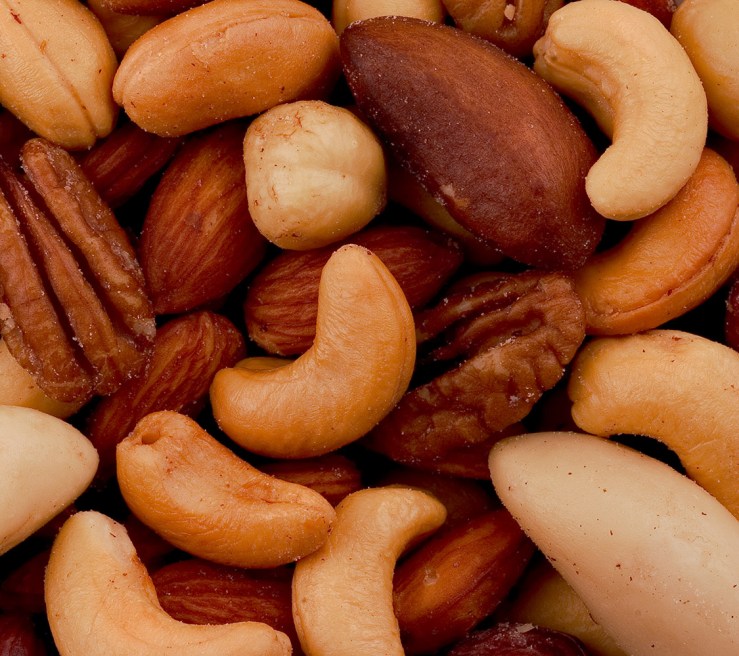
If I snack, it’s usually on nuts. I’ve snacked less and less as the years have gone by, and as I’ve deliberately increased fat as a fraction of my calories.

Perhaps the most notable thing is that I have long since slipped away from the three-meals-a-day format. I rarely eat more than two meals a day anymore; I’m just not hungry enough. I try to do some intermittent fasting, so I often don’t eat until noon or one — a good 16 hours after I ate the previous night — although I drink copious quantities of tea.

Long-time readers will note that this violates a previously stated rule to always eat breakfast. I no longer consider that a hard-and-fast rule, but rather one that depends on circumstance. If someone works away from the house in a place where carby garbage is available, like the donuts in the break room or the candy bars in the vending machine, then I feel breakfast is imperative, even if it’s just a couple of hard boiled eggs or individually wrapped cheese chunks grabbed on the way out of the house. This is especially true for those who are just starting out, and not yet solidly in the mindset of “this is how I eat.”

But if, like me, you have more time freedom, and have achieved a blissful lack of regard for starchy, sugary stuff, postponing breakfast until you’re genuinely hungry is a good way to work in some intermittent fasting.

Too, I’ve lost the idea that some foods are “breakfast foods,” while dinner needs to be a protein and two veg. I’m perfectly happy having leftover chicken and coleslaw for breakfast, or whatever happens to be kicking around the fridge. And I’ve certainly been known to eat eggs for dinner, or just make something snack-y, like Chicken Chips. (Chicken skin spread on the broiler rack and baked until crisp, then salted. Yum. I buy 10-pound bags of chicken skin from my speciality butcher.)

One other oddity: I don’t feel any need to snack during movies or television. It’s common for people to feel that there should be something they can munch on mindlessly for hours while consuming entertainment, but low carb foods don’t lend themselves to that. They’re filling. Eat a bucket of mixed nuts the size of even a small movie theater popcorn and you’ll make yourself sick. People need to get away from the idea of food as entertainment.


White, pure and deadly: the sugar conspiracy

app-sugar


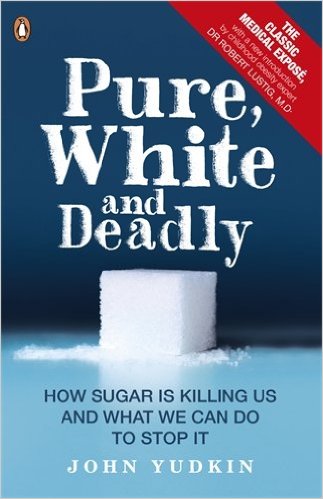
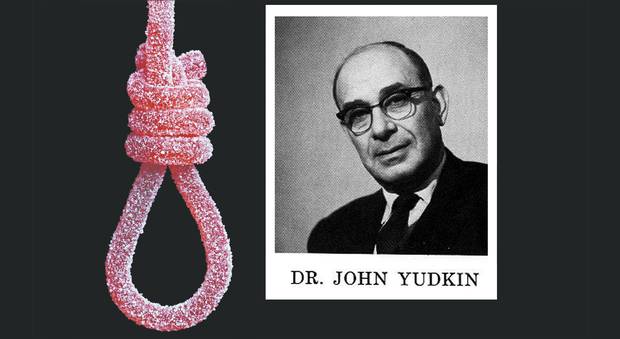
This article from the guardian gives the story of Professor John Yudin, who has eventually been proven to be correct about his research on sugar’s harmful effects.  More recently Dr Robert Lustig has publicised his opinions on the same subject thanks to YouTube. This article goes into considerable depth about the history of the “is it fat or is it sugar that is the main cause of heart disease?”.


http://www.theguardian.com/society/2016/apr/07/the-sugar-conspiracy-robert-lustig-john-yudkin


no-sugar-lustig1000a.jpg

How reading fiction reaps surprising rewards

hands-hand-book-reading.jpg


The Surprising Power of Reading Fiction

9 ways reading literary fiction can take your happiness to the next level.


Courtney has compiled some surprising ways that reading good fiction can enhance your well -being.

I like to read for ten minutes just before I go to sleep and although I wouldn’t call my current book, the adventures of MC Beaton’s heroine Agatha Raisin, “literary fiction” I do enjoy a journey into someone else’s life.

Of course, during holidays and on public transport, I love nothing better than getting stuck in for hours on end.

What books have you enjoyed reading lately?


Jason’s travelling tips

packing-backpack-11281261717i40n

Jason Biondo enjoys travelling and writing about it. Here is a post from his blog that will be of help to all of us adventurers.


https://trekeffect.com/travel-blog/17-ways-to-stay-fit-and-fab-when-traveling


One tip I picked up from the internet was to roll up a T shirt and pants into a sausage shape and use the legs of socks at either side to keep the whole lot together. This can be helpful to have in your hand luggage for overnight stays or flights.

If you have any other travel tips please share in the comments section.


Katharine