Fit to serve: Cinnamon coffee cake

coffee cake

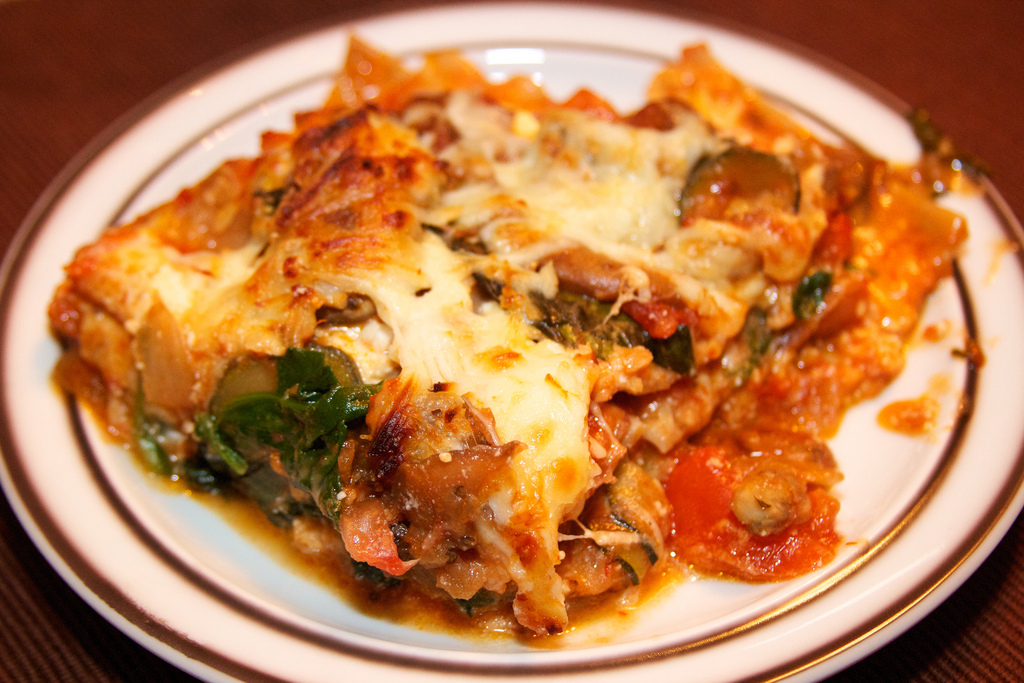
Low Carb Sour Cream Cinnamon Coffee Cake

by fittoservegroup


Low Carb Sour Cream Cinnamon Coffee Cake

Ingredients

2 cups of almond flour finely milled

1 ¼ cup of sugar substitute

2 tablespoons of baking powder

2 1/2 teaspoons of ground cinnamon

1 teaspoon of sea salt

¼ teaspoon of baking soda

¼ teaspoon nutmeg

½ cup (1 stick) melted butter cooled

1 cup of sour cream

2 eggs

Low Carb Crumb Topping

Ingredients

1 cup of almond flour (I used finely milled)

½ cup of coconut flour

½ cup of sugar substitute (I used Swerve)

½ cup of your favorite low carb nuts (I used pecans)

½ cup (1 stick) cold butter sliced thinly

2 teaspoons of ground cinnamon

¼ teaspoon of sea salt

Instructions

  1. Pre-heat oven to 350 degrees. Butter a 9-inch spring-form cake pan.
  2. Make the crumb topping: In a small bowl, combine the sugar substitute, almond flour, coconut flour, pecan nuts, salt and cinnamon. To the dry ingredients add I thinly sliced cold butter and cut in the butter until the mixture resembles coarse crumbs. Set aside.
  3. Cake batter: In a large mixing bowl, combine the almond flour, sugar substitute, spices, baking powder, baking soda, sea salt. In a small bowl, stir the cooled melted butter, sour cream, and eggs until they are well combined. Fold the butter & sour cream mixture into the batter dry ingredients. Mix until well incorporated. Spread the batter into the spring-form pan and sprinkle the crumb topping over the cake.
  4. Bake the cake for 45 minutes to 1 hour, or until the crumbs are lightly browned and until an inserted toothpick comes out clean.
  5. Cool the cake for 20 minutes before slicing and serving.

Serves 15  3.6 net carbs per slice

Enjoy in good health!


Lost to follow up diabetic patients do badly


DNA_Daily_News_and_Analysis_New_Logo.svg


People with diabetes who had annual diabetes checks in the previous seven years had half the mortality rate of those who did not attend. 

This study  in England and Wales for the National Diabetes Audit 2015-16 also revealed that type ones have a mortality rate 127.8% more than the general population and those with type two diabetes are 28.45 more likely to succumb earlier than they otherwise would.

My comment: These seem very disturbing figures especially for type ones. Of course type ones are still not being guided about having normal blood sugars. There could be a reverse causality here going on as well, with the least fit people, perhaps housebound or with amputations or with visual problems less able to attend clinics. In my area there is a good deal of effort put into tracking down children who don’t attend clinics, but once they move to the adolescent and adult clincs there does not seem to be the provision of liaison nurses to do outreach work. 


Adapted from news article BMJ 22 July 17


Gretchen Reynolds: You are never too old to give up on exercise

cyclist robert marchand

At the age of 105, the French amateur cyclist and world-record holder Robert Marchand is more aerobically fit than most 50-year-olds — and appears to be getting even fitter as he ages, according to a revelatory new study of his physiology.

The study, which appeared in December in The Journal of Applied Physiology, may help to rewrite scientific expectations of how our bodies age and what is possible for any of us athletically, no matter how old we are.

Many people first heard of Mr. Marchand last month, when he set a world record in one-hour cycling, an event in which someone rides as many miles as possible on an indoor track in 60 minutes.

Mr. Marchand pedaled more than 14 miles, setting a global benchmark for cyclists age 105 and older. That classification had to be created specifically to accommodate him. No one his age previously had attempted the record.

She was particularly interested in Mr. Marchand’s workout program and whether altering it might augment his endurance and increase his speed.

Conventional wisdom in exercise science suggests that it is very difficult to significantly add to aerobic fitness after middle age. In general, VO2 max, a measure of how well our bodies can use oxygen and the most widely accepted scientific indicator of fitness, begins to decline after about age 50, even if we frequently exercise.

But Dr. Billat had found that if older athletes exercised intensely, they could increase their VO2 max. She had never tested this method on a centenarian, however.

But Mr. Marchand was amenable. A diminutive 5 feet in height and weighing about 115 pounds, he said he had not exercised regularly during most of his working life as a truck driver, gardener, firefighter and lumberjack. But since his retirement, he had begun cycling most days of the week, either on an indoor trainer or the roads near his home in suburban Paris.

Almost all of this mileage was completed at a relatively leisurely pace.

Dr. Billat upended that routine. But first, she and her colleagues brought Mr. Marchand into the university’s human performance lab.

They tested his VO2 max, heart rate and other aspects of cardiorespiratory fitness. All were healthy and well above average for someone of his age. He also required no medications.

He then went out and set the one-hour world record for people 100 years and older, covering about 14 miles.

Afterward, Dr. Billat had him begin a new training regimen. Under this program, about 80 percent of his weekly workouts were performed at an easy intensity, the equivalent of a 12 or less on a scale of 1 to 20, with 20 being almost unbearably strenuous according to Mr. Marchand’s judgment. He did not use a heart rate monitor.

The other 20 percent of his workouts were performed at a difficult intensity of 15 or above on the same scale. For these, he was instructed to increase his pedaling frequency to between 70 and 90 revolutions per minute, compared to about 60 r.p.m. during the easy rides. (A cycling computer supplied this information.) The rides rarely lasted more than an hour.

Mr. Marchand followed this program for two years. Then he attempted to best his own one-hour track world record.

First, however, Dr. Billat and her colleagues remeasured all of the physiological markers they had tested two years before.

Mr. Marchand’s VO2 max was now about 13 percent higher than it had been before, she found, and comparable to the aerobic capacity of a healthy, average 50-year-old. He also had added to his pedaling power, increasing that measure by nearly 40 percent.

Unsurprisingly, his cycling performance subsequently also improved considerably. During his ensuing world record attempt, he pedaled for almost 17 miles, about three miles farther than he had covered during his first, record-setting ride.

He was 103 years old.

These data strongly suggest that “we can improve VO2 max and performance at every age,” Dr. Billat says.

There are caveats, though. Mr. Marchand may be sui generis, with some lucky constellation of genes that have allowed him to live past 100 without debilities and to respond to training as robustly he does.

Lifestyle may also matter. Mr. Marchand is “very optimistic and sociable,” Dr. Billat says, “with many friends,” and numerous studies suggest that strong social ties are linked to a longer life. His diet is also simple, focusing on yogurt, soup, cheese, chicken and a glass of red wine at dinner.

But for those of us who hope to age well, his example is inspiring and, Dr. Billat says, still incomplete. Disappointed with last month’s record-setting ride, he believes that he can improve his mileage, she says, and may try again, perhaps when he is 106.

Fit to serve: Lasagne using spaghetti squash

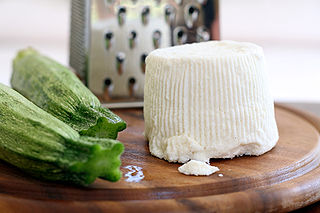
ricotta


Natasha Hind: If you want to look like David Gandy, workout intensity is the key


david gandy

David Gandy is basically a real-life Bond character: he’s got the looks, the charm and his guilty pleasure is powerboat racing.

As can be expected of someone who’s had to sport tiny white trunks for a major fragrance commercial, the 37-year-old is also brimming with knowledge when it comes to fitness and health.

From a young age Gandy was very sporty, although for all the wrong reasons (“I’d usually get involved in sports to get out of school”, he tells us). As he entered his teens, he became more interested in nutrition and training, and his interest grew from there.

Nowadays, the model hits the gym between three and six times a week depending on his schedule and credits medium weights and supersets (where you do one set of exercise, followed by a set with a different exercise, without a rest between them) for his incredibly toned physique.

But his journey to get to where he is now hasn’t been without its setbacks – Gandy experienced rotator cuff injuries and back pain as a result of trying to lift the heaviest weights in a quest for the body he wanted.

“I’m still learning at the end of the day,” he reveals.

We caught up over tea in the Langham Hotel about his fitness routine, finding motivation to work out and his one love: Dora.

Let’s talk about fitness – what does your weekly gym routine consist of?

When I’m not training for something, I’ll go three or four times a week. When I’m training for a campaign or, for example, Light Blue (the Dolce & Gabbana fragrance advert) then I’ll go six days a week. I’m also a lot more conscious of my diet when I’m training for something specific.

With my schedule, it changes every day. I’m a late night trainer, so sometimes I’ll be in the gym from 9pm onwards for 60-90 minutes. It’s quite a strange routine but sometimes that’s the only time I can fit it in.

As I’ve gotten older, I’m steering much more away from heavy weights. I learned the hard way by stupidly trying to push two reps with the highest weight I could and injuring myself. Now I’m much more about using lighter weights, doing supersets and getting the form a lot more correct.

Sometimes I’ll do a week of heavy training to shock my muscles and then I’ll change it back. I also switch up my routine out of boredom because doing the same thing all the time is very repetitive.

What’s your ultimate piece of fitness advice?

A lot of guys come up to me and say ‘I’m constantly working out but I’m not seeing the results, why is that happening?’ and I tell them to look at form and nutrition.

If you’re not eating enough protein then you’re not allowing the protein to mend your muscles.

You tear your muscles every time you train and mend them with protein, which allows them to grow. If you don’t have that after you’ve worked out, you’re not going to see the results.

It’s also important to have an intense 30 or 45 minute workout rather than sitting around doing weights and having lots of breaks in between.

What do you eat after a workout

If I have time to make a meal then it’ll be lean chicken or turkey and salad or vegetables. Otherwise it’ll be a protein shake with a mixture of seeds, nuts and almond milk.

You obviously work very hard to maintain your physique. Have you ever felt self-conscious about your body?

Yes of course, that’s why I work out. I wanted to look a certain way and that’s why I hit the gym. I feel better from an energy point of view and because it makes me feel healthy and much more confident. It helps with my job obviously – if you’re in swimwear or underwear – but at the same time I do it just for myself.

People think I started working out for modelling, but I didn’t, I trained before that when I was at school and university. I didn’t have the body I wanted at the time so I worked hard to improve it.

What’s your approach to ageing and weight gain?


I used to be able to change my body very quickly, for example if I was training for something, it would take two weeks to get in shape, whereas now it’s a four week or six week training regime to achieve the same results. But that’s ageing and that’s how you have to adapt to stuff.

It’s the same science at the end of the day, if you’re not getting the results you want you just have to train a little harder.

What are your thoughts on dieting?

The definition of diet fads is about changing your whole lifestyle. There are a number of pieces of the puzzle to put together and if you just do that for, say, eight weeks to get ready for a holiday, within that one week your body will pretty much go back to how it was before. It’s going to regain fat very quickly.

To me, it’s all about continuing a healthy lifestyle – everything in moderation. You don’t have to cut everything out. It’s also about being nutritionally aware of what you’re eating and, still, a lot of people are nutritionally inept in many ways.

It’s important to educate people. I haven’t eaten processed foods and meat for a good seven or eight years. The information is out there, you’ve just got to do the research. There’s no real excuse to not know what you’re talking about with regards to food.

You sound pretty healthy, do you ever eat biscuits?

I don’t generally eat them but, if I do, my family and I are fans of Rich Tea biscuits, which are actually quite healthy, and Jaffa cakes.

How do you motivate yourself when you can’t be bothered to hit the gym?

I think it’s important to always have a goal that will motivate you to go. For example, if you don’t want to run, book yourself in for a half marathon or a 10k in a few months time. That way you’ll be less likely to give up that run or convince yourself you’re not going to go today because there’s this idea in the back of your mind that you might make an utter fool of yourself on race day.

It doesn’t have to be running, it could be climbing a mountain, anything, you’ve got to prepare for it. It’s also kind of engrained in me to get up and go. I feel worse for not going to the gym. If I go, I feel motivated and energised.

Yes, it’s difficult to get down there sometimes but once I go I feel so much better.

What’s the weirdest thing that’s happened to you in the gym?

I split my finger open at the gym once. I dropped a weight on it and it split like a grape. Then I went up to the biggest trainer, he was built like a brick s**thouse, and he almost fainted because of the blood. Now I have a funny-shaped finger.

Also, a guy shouted ‘man, you’re on fire’ at me the other day because I was training hard. I was like, ‘yeh!’ – it really motivated me. It was slightly weird, because we’re all very English and like to put our heads down and not talk to each other, but he just wanted to shout something at me and I thought, great! Although now if he doesn’t say that every time I’m working out I’ll feel like I’m not working hard enough.


Natasha Hinde Huffington Post 9.7.17

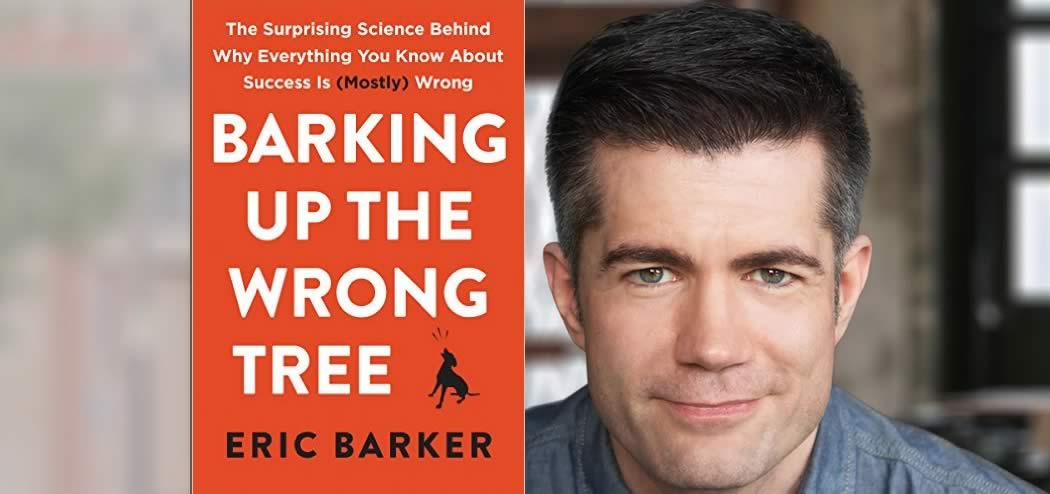
Eric Barker: 5 Questions that will make you emotionally strong

wonder woman

5 Questions That Will Make You Emotionally Strong

Click here to read the post on the blog or keep scrolling to read in-email.

Ever been caught in the grip of extreme emotions? I’m gonna guess whatever decision you made next probably wasn’t a good one.

When we’re anxious, angry, or sad, we rarely do the smart thing. And that can seriously mess up our lives. At work, in love, or pretty much anything we do, we need emotional strength to stay cool and do the right thing.

Now dealing with the ups and downs of feelings isn’t anything new. And nor are some of the best solutions. So let’s look at what some ancient wisdom has to say about dealing with difficult emotions.

Studying Buddhist mindfulness or Stoicism can take a heck of a long time. So we’ll prune their insights down to 5 questions that can help you when emotions hijack your brain and send you into a tizzy.

First up: worrying. When your mind is filled with anxious concerns and doubts, what question do you need to be asking yourself?

“Is This Useful?”

Face it: your brain can be a pretty crazy place. All kinds of things bounce around in there. And you’re usually pretty good at culling the wacky thoughts. But then you get worried…

And your brain starts multiplying negative possibilities like crazy. And you make the mistake of taking them seriously. Every. Single. One.

Remember: you are not your thoughts. Neuroscientist Alex Korb made an interesting distinction when I spoke to him. If you were to break your arm you would not tell people, “I am broken.” But when we feel worry we’re quick to say, “I am worried.”

Your brain produces thoughts. That’s its job. But that’s not directly under your control. So just because something is in your head, doesn’t mean it’s “you”, and should therefore be taken seriously.

When I spoke to Buddhist mindfulness expert Sharon Salzberg, she said this:

I think one of the issues that we have is that we don’t necessarily recognize that a thought is just a thought. We have a certain thought, we take it to heart, we build a future on it, we think, “This is the only thing I’ll ever feel”, “I’m an angry person and I always will be”, “I’m going to be alone for the rest of my life”, and that process happens pretty quickly.
If you acted on every crazy thought that popped into your head, I can guarantee you two things:

  • There’s a blockbuster reality show in your future.
  • And not a lot of happiness.

So if you are not your thoughts, who are “you”? You’re the thing that decides which thoughts are useful and should be taken seriously.

The ancient Stoics believed that you are just your reasoned choice; because that’s the only thing fully under your control. So those worried thoughts aren’t you. The decisions you make regarding them are.

You’re not your brain; you’re the CEO of your brain. You can’t control everything that goes on in “Mind, Inc.” But you can decide which projects get funded with your attention and action.

So when a worry is nagging at you, step back and ask: “Is this useful?”

When I spoke to Buddhist mindfulness expert Joseph Goldstein he said:

This thought which has arisen, is it helpful? Is it serving me or others in some way or is it not? Is it just playing out perhaps old conditions of fear or judgment or things that are not very helpful for ourselves or others? Mindfulness really helps us both see and discern the difference and then it becomes the foundation then for making wiser choices and why the choices lead to more happiness.
If the worry is reasonable, do something about it. If it’s irrational or out of your control, recognize that. Neuroscience shows that merely making a decision like this can reduce worry and anxiety.

(To learn the 7-step morning ritual that will make you happy all day, click here.)

But maybe you’re not worried. Maybe you’re furious. But what is anger? Where does it come from? And what question can make these HULK SMASH feelings go away?

“Does The World Owe Me This?”

Anger comes from entitlement. You feel you’re entitled to something, reality doesn’t bend to your expectations and boom — you’re punching things. Or people.

Traffic is bad. You get angry. Let me translate that thought process for you: “Traffic should never cause me problems. The world owes me that.” Sound reasonable? Hardly.

Or someone doesn’t do what they said they’d do. You get angry. Now you might reply, “People should do what they say they’ll do! I have a right to be angry!”

Yes, it would be nice if people always followed through, but is that a reasonable expectation? Of course not. You know people don’t always do what they say. Now you can definitely call them out on it. You can decide to do something in response. But the anger?

That awful feeling is all yours. You had an unrealistic expectation (“People will always do what they say”) and now you’re shocked — SHOCKED! — that they didn’t.

Famed psychologist Albert Ellis (whose work was inspired by the Stoics) led a war against the words “should” and “must.” Anytime you use those words, you’re probably in for some unhappiness because you’re saying the universe is obligated to bend to your will. Good luck with that.

So the solution to anger is to ask yourself: “Does the world owe me this?”

Yeah, it’s a trick question. Because the world doesn’t owe you anything. And the more you think the world owes you, the angrier you will be. Again, it’s all about reasonable expectations. And that’s why Marcus Aurelius said:

Begin each day by telling yourself: Today I shall be meeting with interference, ingratitude, insolence, disloyalty, ill-will, and selfishness…
Not a pleasant way to start the day — that I grant you. But he was on to something. Expecting everything to go your way, let alone insisting on it, is a prescription for anger.

I know what some people are thinking: feeling you’re entitled to nothing in life seems unfair and sad. But don’t forget that you take for granted what you are owed. Not being entitled makes every good thing in life a prize. You either achieved it or you were lucky, and those lead to feelings of pride or gratitude.

When you’re entitled, you don’t appreciate anything, and you’re frequently disappointed. Not a good combo. And when psychologists are evaluating if someone is a narcissist, guess what one of the four criteria is? Yeah, entitlement.

(To learn how mindfulness can make you happy, click here.)

Maybe you’re not worried or angry. Maybe you’re just overwhelmed by sadness about something. Well, I have a question for you…

“Must I Have This To Live A Happy Life?”

Plenty of people have a lot less than you and live a very happy life. If happiness was all about money then every single person in the developing world would be miserable. People who have lost a loved one, who have become handicapped, or heaven forbid, had a bad hair day, are all capable of living happy lives.

What do you truly need to live a happy life? (Hint: the longer your list, the more miserable you will be.)

As Marcus Aurelius said:

Very little is needed to make a happy life; it is all within yourself, in your way of thinking.
So next time you don’t get something you want and it makes you sad, ask yourself, “Must I have this to live a happy life?”

Yeah, yeah, forgive me — it’s another trick question. The answer is almost always “no.”

Maybe you didn’t get that promotion. And when you ask yourself the question, your first thought is “But my career is important to my happiness!”

Hey, I underlined the word “this” for a reason, pal.

Yes, your career is important. But is this promotion, right now, vital to the happiness of your life? No. Who knows what the future holds? And some of that is under your control. There are many ways to live a happy life and very rarely will this one thing make or break you.

(To learn the four rituals neuroscience says will make you happy, click here.)

Now when you’re consumed by negative emotions it can be very hard to make good decisions. Which means more bad stuff happens, which means more bad feelings. So how do you make smart choices when you feel awful? Just ask…

“Is This Who I Want To Be?”

News flash: there is no singular, concrete “you.” Neuroscientists have poked around at plenty of grey matter and there’s no spot in there that contains a stable “you.” And Buddhists were saying this over a thousand years ago.

Neuroscientist and Buddhism practitioner John Yates explains:

We often believe we should be in control, the masters of our own minds. But that belief only creates problems for your practice. It will lead you to try to willfully force the mind into submission. When that inevitably fails, you will tend to get discouraged and blame yourself. This can turn into a habit unless you realize there is no “self” in charge of the mind, and therefore nobody to blame.
Tons of things affect your decisions every day. Context, friends, and moods all affect what you do and who you are. This is a good thing, because it means you can change.

But it presents a challenge because it means you need to decide which person you will be today, Sybil. And this isn’t something you want to get wrong. What is the #1 regret people have on their deathbeds?

I wish I’d had the courage to live a life true to myself, not the life others expected of me.
Yow. So who should you decide to be? We can turn to modern science for this answer: Be you on your best day. So when making tough choices think about whether what you plan to do is aligned with the “you” you’re most proud of.

Merely thinking about your best possible self makes you happier:

Results generally supported these hypotheses, and suggested that the [Best Possible Self] exercise may be most beneficial for raising and maintaining positive mood.
And don’t worry about seeming inauthentic either. When you act like your best self, you end up showing people what you’re really like:

…positive self-presentation facilitates more accurate impressions, indicating that putting one’s best self forward helps reveal one’s true self.
(To learn the schedule very successful people follow every day, click here.)

Alright, this has all been very focused inside your head. How can you be emotionally strong when someone you’re dealing with is being emotionally weak or difficult? If someone else is anxious, angry, or sad, and it’s making your life rough, that can bring you down. How do you help both of you? Ask yourself…

“Have I Ever Felt That Way?”

Whatever they are going through, you’ve probably felt something similar. So be compassionate.

Both Buddhism and Stoicism believe in doing your best to reduce the suffering of others. Buddhism has the four divine abodes: loving-kindness, compassion, sympathetic joy, and equanimity. And on the Stoic side, good ol’ Marcus Aurelius said:

Be tolerant with others and strict with yourself.
Compassion sounds nice, but does it really produce results? Absolutely. And you get bigger benefits if you do it when you are least likely to want to — during an argument.

Via 100 Simple Secrets of Great Relationships:

People who maintain a compassionate spirit during disagreements with their partner, considering not just the virtue of their position but the virtue of their partner, have 34 percent fewer disagreements, and the disagreements last 59 percent less time. – Wu 2001
(To learn how to have more grit — from a Navy SEAL — click here.)

Okay, we’ve learned a lot. Let’s round it up and learn the most important part of being emotionally strong…

Sum Up

Here are the 5 questions from ancient wisdom that will make you emotionally strong:

  • “Is it useful?”: Most worrying isn’t. Make a decision to do something or to let it go.
  • “Does the world owe me this?”: No. Don’t be entitled. Have realistic expectations and you won’t get angry.
  • “Must I have this to live a happy life?”: Probably not. It takes little to make a happy life and there are many ways to get those things.
  • “Is this who I want to be?”: Act the way you do when you’re at your best.
  • “Have I ever felt that way?”: Respond to others’ problems with compassion and you’ll both have fewer problems.

The most important part of emotional strength is not calming your mind. It’s being resilient. It’s trying again after you’ve been shaken by negative feelings.

There are plenty of areas of your life where this is critical, but none is more important than your relationships — research shows 70% of your happiness comes from relationships.

You will be hurt. You will feel bad at times. That’s life. Sorry, there’s no avoiding it. So the question is: who is worth it? Who is most meaningful to you?

So when things are hard, have the emotional strength to still give to them and help them and care for them. You now have tools to weather the storm. Earlier I mentioned the biggest regrets that people had when they were dying. Know what #3 was?

I wish I’d had the courage to express my feelings.
So go first. Let someone know how much they mean to you. Who are we most likely to love? Research says it’s the people who first show us love.

Recently, I have been lucky enough to have this happen to me. And I can tell you nothing feels better.

Enough reading, time for doing. Right now, have the emotional strength to tell someone important how you feel, to forgive someone, to let someone back into your life, or to reconnect with someone you miss.

Don’t wait around for something negative to develop emotional strength. Flex some now and see how happy it can make you.

Please share this on Facebook or save it to Pocket. Thank you!


Thanks for reading!
Eric
PS: If a friend forwarded this to you, you can sign up to get the weekly email yourself here.


Buried Alive!

burried alive

Adapted from : Hysterical Paralysis and premature burial: A medieval Persian case, fear and fascination in the west, and modern practice. 

By Paul S Agutter et al Journal of Forensic and Legal Medicine April 2013

The fear of premature burial is ancient but reached its heights in 18th and 19th century Europe. The fear has a modern equivalent, the fear of organs being harvested from a living patient. The certainty of a diagnosis of death are of medical and public concern. The diagnosis of brain death remains controversial.  Although multimodality evoked potentials are considered the most accurate way of determining irreversible brain death, doubts remain as to whether any test of brain death can be infallible.

Public fascination remains widespread. Past cases occasionally surface, it is a fear that pervades literature and film, and various means of prevention have been mooted. Some cases involve hysterical paralysis and this article discusses a case of this which arose in Qajarid Persia.

A family  of tobacco farmers had a 14 year old girl. The mother went to waken her daughter to get her ready for a day of work on the farm. As she didn’t want to do this the girl refused but her mother forced her out of bed. Immediately, the girl fell back on the bed and remained motionless. Thinking that her daughter had stopped breathing, the mother started to shout and cry. Other household members came into the bedroom and were also convinced that the girl had no breath or pulse. Partly due to poverty and partly due to the difficulty in obtaining a doctor, the family considered the girl to be dead and arranged the burial.

The girl’s body was washed and anointed as was the custom. A wise old woman observed that there appeared to be some movement of the girls head and hand and urged the family to wait overnight to see if recovery would occur. She was overruled and the girl was buried.

The old woman did manage to convince the girl’s brother, so shortly after burial, he exhumed the body. He found her motionless and reburied her.

The next morning a neighbour came to the house saying that he had been disturbed by a dream that indicated that the girl was alive. After a lot of dispute, the grave was eventually opened up again in the afternoon.

This time, the girl was indeed dead, but she had changed her position, was now lying curled up on her front,  and had banged her head on the stone covering the grave when she had tried to untie her shoe ties.  A lot of blood had come from the head wound. A tragedy for the entire family.

cobra

Muslim burials are usually carried out within 24 hours of death and sometimes very soon after death.  This was no doubt a factor in this case.

Hysterical paralysis is not the only condition that can simulate death. Severe trauma, Guillain-Barre syndrome, acute polyneuropathies and the effects of a cobra bite can mimic death.

Cardiac arrythmias, typhoid fever, brain stem stroke, and infectious disease epidemics have led to premature burials in the past.

Even in the present day, natural disasters, occupational accidents and the effects of war can lead to entrapment.

Hysterical conversion disorders can cause apparent paralysis and somatosensory loss that are difficult to explain medically. Sufferers tend to have psychosocial and emotional difficulties. But genuine disorders such as poliomyelitis, relapsing tetanus, neurological diseases,  spinal injury, acute transverse myelitis and stiff-person syndrome can mimic hysterical conversion disorders.

Fortunately if you test a person who has a conversion disorder with multi-modality evoked potentials, they show up very much alive but with certain areas of the brain working differently from the usual pattern.

Retinopathy Update

eye-eyelashes-face-woman-63320.jpeg

American Diabetes Association Updates on Diabetic Retinopathy


Improvements in assessment and treatment of diabetic retinopathy position statement

Diabetic retinopathy (DR) is a complication of diabetes that affects vision.

High blood sugar levels can damage the blood vessels starving the retina of vital nutrients and oxygen resulting in blurry vision. Without appropriate treatment this condition may lead to complete vision loss.

The four stages of retinopathy range from mild non-proliferative diabetic retinopathy (NPDR) to moderate NPDR, to severe NPDR, to the most advanced stage – proliferative diabetic retinopathy (PDR).

DR is  a neurovascular complication of both type 1 and type 2 diabetes and its rate of occurrence depends on the level of glycemic control and the duration of diabetes.

Other risk factors associated with DR include hyperglycemia, nephropathy, hypertension, and dyslipidemia. Studies have proven that reduction in blood pressure (BP) decreases the progression of retinopathy in people with type 2 diabetes, but strict BP targets (systolic blood pressure of 120 mmHg vs. 140 mmHg) do not provide additional benefits. In another study, retinopathy progression was slowed in patients with dyslipidemia by adding fenofibrate, mainly in NPDR at baseline. In addition, several studies propose that pregnant patients with type 1 diabetes may exacerbate retinopathy with poor glycemic control during conception and may threaten their vision.

Optimization of blood glucose, blood pressure, and serum lipid levels in conjunction with appropriately scheduled dilated eye examinations can decrease the risk of vision loss from DR complications, but a substantial amount of those affected with diabetes develop diabetic macular edema (DME) or proliferative changes that require intervention. Large prospective randomized studies have shown that the use of intensive therapy could possibly prevent or delay DR with the goal of attaining near-normoglycemia. Although, intravitreal injection of anti–vascular endothelial growth factor agents may treat DME and PDR, it may threaten reading vision.

A meta-analysis study, conducted worldwide from 1980–2008 and consisting of 35 studies, predicted the global prevalence of DR to be 35.4% and PDR to be 7.5%. In developed countries, DR is mostly the cause of new cases of blindness among those 20 to 74 year old and eye disorders, such as glaucoma and cataracts, are frequently seen in diabetes patients. However, recent advancements in systemic therapy of diabetes have helped patients to improve their metabolic control. The statement incorporates these medical developments for the use of physicians and patients to aid in diagnosis and treatment of DR. It also provides an opportunity to improve glucose management and avoid or delay potential progression of the retinopathy.

The statement includes that screening recommendations for patients with diabetes depend on the rates of appearance and progression of DR and the associated risk factors. Ophthalmologist or optometrist examinations in patients with type 1 and 2 diabetes should be within 5 years after onset of diabetes and at the time of diabetes diagnosis, respectively. Women planning for pregnancy or who are pregnant with pre-existing diabetes should be examined before pregnancy or in the first trimester. In diabetes patients where no evidence of retinopathy is found, follow-up eye exams can be scheduled every two years. If any retinopathy is identified, then subsequent dilated-pupil retina exams are advised at least yearly, but more frequently if progressive retinopathy is diagnosed.

Fortunately, the cost-effectiveness of screening and traditional laser treatment for DR has been established with no more disputes. It is focused on telemedicine’s impact on the detection and eventual management of DR that appears to be most effective with lower ratio of providers to patients, with prohibitive distance to reach a provider, or when the alternative is no patient screening. The latest advancement in retinopathy treatment, anti-VEGF therapy has been taken into consideration, as they are more cost-effective than laser monotherapy for DME. Also, having retinopathy is not contraindicated with aspirin therapy for cardioprotection because studies suggest that aspirin does not increase the risk for retinal hemorrhage. Nonetheless, future studies are needed to determine the cost-effectiveness of anti-VEGF as a first-line treatment option for PDR.

Practice Pearls:

  • Optimize glycemic control, blood pressure, and serum lipids to reduce the risk or slow the progression of diabetic retinopathy.
  • Follow the screening recommendations for patients with diabetes for eye examination by ophthalmologist or optometrist.
  • The presence of retinopathy is not a contraindication to aspirin therapy for cardioprotection because aspirin does not increase the risk of retinal hemorrhage.

Reference:

Javitt JC, Canner JK, Sommer A. Cost effectiveness of current approaches to the control of retinopathy in type I diabetics. Ophthalmology 1989;96:255–264 42

Pasquel FJ, Hendrick AM, Ryan M, Cason E, Ali MK, Narayan KMV. Cost-effectiveness of different diabetic retinopathy screening modalities. J Diabetes Sci Technol 2015;10:301–307

Solomon SD, Chew E, Duh EJ, Sobrin L, Sun JK, VanderBeek BL, Wykoff CC, and Gardner TW. Diabetic Retinopathy: A Position Statement by the American Diabetes Association. Diabetes Care. Mar 2017; 40(3): 412-418.https://doi.org/10.2337/dc16-2641


Fit to serve: Pecan shortbread cookies

shortbread

Low Carb Pecan Shortbread Cookies

Ingredients

1 cup (2 sticks) unsalted butter at room temperature

1 ¼ cup of sugar substitute (I use Swerve)

1 teaspoon of vanilla extract

2 ½ cups of finely ground almond flour

1 teaspoon of baking powder

½ teaspoon sea salt

½ cup of coarsely chopped pecans (you may omit or substitute other nuts of your choice)

Directions

  1. Pre-heat oven to 325 degrees. Line two cookie sheets with parchment paper or leave un-greased.
  2. In a stand-up mixer cream the butter, sugar substitute and vanilla until well incorporated.
  3. Add the almond flour, sea salt, baking powder and blend till mixed. Once combined add the chopped pecans and mix again.
  4. Spread the dough in a 10×10 square pan or drop cookie dough by spoonful’s onto a ungreased cookie sheet. Place pan or cookie sheet in the fridge to cool for 30 minutes. This will ensure that the cookie has the traditional crisp texture in shortbread.
  5. I like to score and add fork tine marks on my bars before placing in the oven to allow for easy cutting afterwards. This is not necessary if you are making individual cookies.
  6. Bake in a 325 degrees’ oven until they are lightly golden brown about 25-30 minutes
  7. Allow the shortbread cookies to cool before eating and storing.

Makes 2 1/2 dozen cookies at 2.5 net carbs per cookie


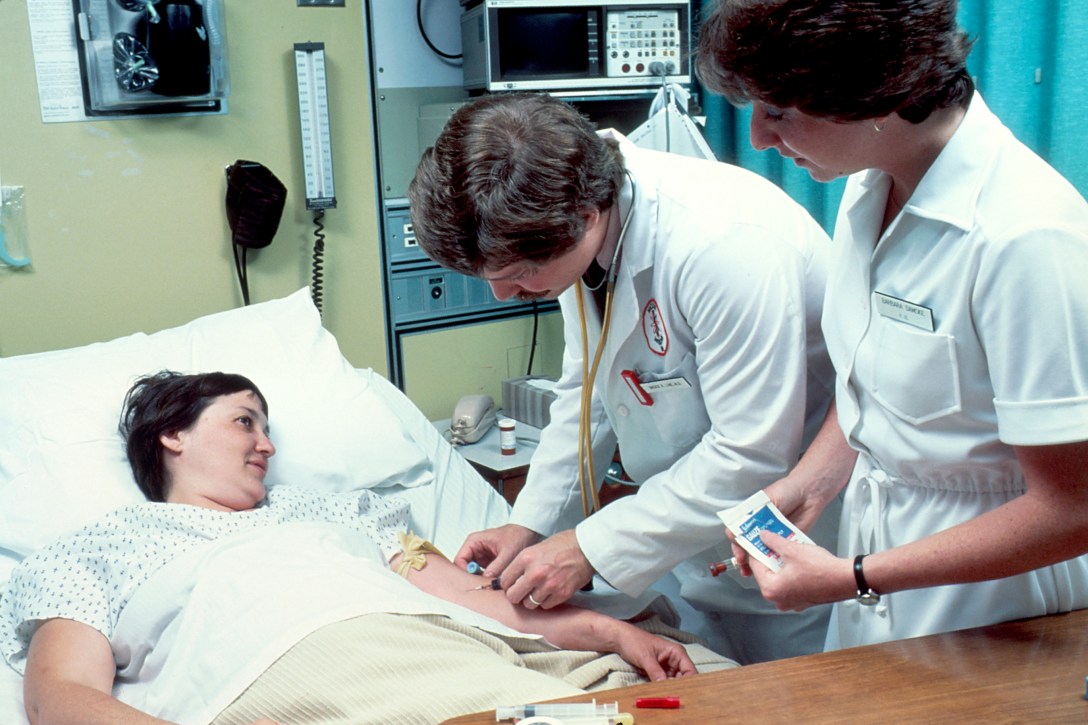
What should happen to you if you are admitted to hospital with an acute illness?

hospital

Adapted from BMJ 24 June 17 Managing adults with diabetes in hospital during an acute illness by Tahseen Chowdhury, Hannah Cheston and Anne Claydon.

Around one in five inpatient beds are occupied by someone who has diabetes. As patients, one in ten will have a severe hypo in hospital and in any one week, one in four will have an error made regarding their medication.

Poorly managed hyperglycaemia in patients with an acute illness do worse, stay in hospital longer and can even cause death. Blood sugars can be harder to manage because of the ongoing illness, erratic eating habits, changes to liver and kidney function, and changing medication, particularly starting and stopping steroids and metformin.   But here is no evidence that tight glycaemic control for hospital patients improves outcomes other than during cardiac surgery and liver transplantation.

The consensus is that blood glucose values between 6-10 mmol/L is probably optimal, given the need to prevent hypos, and that a range of 4-12 is acceptable.

The sorts of things that can cause high blood sugars in hospital are: sepsis, steroids, omission of insulin or oral hypoglycaemic medication, an overtreated hypo, stress and anxiety, surgery, a relative lack of insulin and long term poor glucose control.

In type one patients and type twos on insulin they should not stop their insulin even when fasted or when oral intake is poor.  At the very least basal insulin needs to be continued. The DAFNE plan is that blood sugars over 11 should be corrected by 2-6 units of rapid acting insulin and levels checked every 2 hours. Correction doses are advised not to be given at intervals more than every 4 hours to reduce insulin stacking.  Staff are advised to ASK THE PATIENT what they would normally do outside hospital.  

Treatment for diabetic ketoacidosis should be initiated if the blood ketone level is 3mmol/L or above.  In mild or moderate cases subcutaneous insulin may be used, but if severe, intravenous insulin will be needed.

When dealing with type two patients, where there is less risk of ketoacidosis, higher blood sugar levels may be acceptable over the short term. It is important to ask the patient if they are actually getting their correct medication. It is helpful to figure out exactly WHY the patient’s blood glucose is elevated, as this can be the clue to effective treatment, eg an ongoing urine infection.

Most hospitals have a diabetes liaison team and they can be particularly helpful in for instance surgical wards where staff may have less expertise in treating diabetic patients.

Insulin is sometimes required if a type two patient needs blood sugars stabilised promptly.  Doses will need frequent review as the patient becomes more active and eats more as they improve and as their condition returns to their normal state.

BMJ 2017;357:j2551