Sky: How you can respond sensitively when a friend gives you devastating news

10 Amazing Reactions to Bad News: The Right Way to Respond to a Friend’s Hardship – By Sky Khan – Kindness Blog

10 Amazing Reactions to Bad News: The Right Way to Respond to a Friend’s Hardship – By Sky Khan

What to Say to Someone with Cancer

It’s hard to know what to say to someone with cancer. If you’re like most, you blurt an instinctive, “I’m sorry.” Albeit well-intentioned, “I’m sorry” is a sorry substitute for a meaningful connection during a vulnerable time.
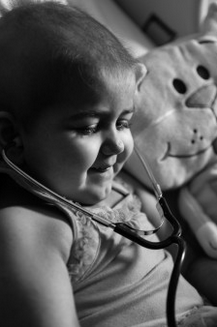
Kiki's Leukemia Battle Fund
                            Kiki.

Sky Khan knows how to react when receiving bad news. She became an involuntary, repeated “bad news teller” after doctors diagnosed her 4-year-old daughter, Kiki, with leukemia last September.

After hours of face-to-face conversations and challenging phone calls, Sky heard and saw reactions across a spectrum of appropriateness. These firsthand experiences motivated her to reflect on what to say to someone with cancer or facing any sort of life challenge.

Sky compiled her insights into this list to help  others. You can read more about Sky, Kiki, and their family by visiting Kiki’s Leukemia Battle Fund.

10 Amazing Reactions to Bad News: The Right Way to Respond to a Friend’s Hardship

Here’s a list of the top 10 things my friends said or did that provided comfort, reassurance, and warmed me to the core. The next time you find yourself reacting to someone’s bad news, have a few responses from this list ready to go and you won’t be left stumbling for the right thing to say or do.

1. Thank you so much for telling me.

A simple thank you was one of the most surprisingly sweet reactions that I received. When a friend felt that it was a privilege to receive my news, it meant so much. Thank you, along with an attentive, calm presence, provided a very comforting result. Sometimes all that’s required in a difficult situation is being a witness to someone else’s anxiety or sorrow. If you only have a few words to offer, saying thank you is a nice alternative to the overdone, ‘I’m sorry’.

2. This really puts things in perspective.

When I was able to provide a friend with the opportunity to reflect on his own health and well-being, it brought optimism to the conversation. It also allowed space to take the focus off of my daughter’s situation, which was often a welcome relief. When a friend was able to express both compassion and a sense of gratitude, the conversation turned hopeful. It is not always easy to appreciate good health while you have it.

3. I’m coming over once a week with a home-cooked meal.

During life’s difficult moments, the importance of food is often overlooked. Not only is it very hard to find the time or energy to eat, cooking is usually the very last thing to receive attention. When a friend committed to delivering a weekly meal along with his company, it became a true lifeline for our family.

4. I’m organizing a meal drop off this month with a group of friends.

When another good friend asked if she could organize our common friends to drop off home-cooked meals every Tuesday and Thursday for a month, I agreed. Sharing the cooking as a group fostered a sense of community and my family felt so uplifted by our friend’s goodwill. Because our daughter’s chemotherapy treatment spanned a long period of time, friends let us decide if the meal plan was still helpful at the end of every month.

Over time, other friends experienced their own roadblocks and among our group, the tradition of a cooking tree has served us well. I’ve now been on both the giving and receiving side of meal delivery and cannot believe how touching the practice is.

5. I am coming to visit.

There is nothing like the physical presence of a good friend amidst a crisis. When a good friend can be a witness, hold your hand, dry tears, ask how you are feeling in this moment, all of this helps on the journey towards healing. When an offer to visit at the hospital or at home came up, I never turned it down. It was especially helpful if friends offered a specific window of availability such as two hours in the afternoon on Saturday or Sunday. The more specific the better.

6. I’ve located a support group that might be helpful.

There are many online listservs, hangouts, communities and support groups that focus on a variety of topics. Often in the midst of tragedy, there is little time to reflect on or locate helpful resources. This can lead to feelings of being overwhelmed or isolated. Connecting with others that are going through the same thing often provides insight and relief from suffering.

One friend located and suggested I join a cancer support group on Facebook that focused on the very specific kind of childhood cancer my daughter had been diagnosed with and while I initially hesitated because I thought it would clog up my feed, I now find the updates informative and it has also led to new friendships and a sense of shared humanity.

7. I will help with fundraising.

Illness, death and other tragedies often incur unanticipated expenses. When a friend offered to help set up a fundraising site for my daughter, and another spread the word about it, the tender messages and generous donations that came in through the site moved us tremendously and were so practical in helping us face the mounting expenses of travel and medical bills. There are now so many wonderful websites that enable point-and-click fundraising for a loved one in need.

8. You are constantly in my thoughts.

When a friend offers positive, healing thoughts, it is a caring, supportive act that can transcend spiritual affiliation. I’ve had friends put my daughter’s name on Tibetan prayer wheels, lift our family up through Christian prayer groups, speak of her health in both Jewish and Muslim religious ceremonies, and even send Reiki distant energy healing. I’ve always welcomed all good-intentioned, positive thoughts.

At my lowest points, whenever I received a spontaneous text or email that informed me we were in a friend’s thoughts at that very moment, it was incredibly moving.

9. Is there an opportunity to celebrate?

There may be an opportunity, when some time has passed and bad news is not so fresh, to recall a positive memory or mark an occasion related to the situation. I received a small handmade book of photo memories from birth through year four on the occasion of my daughter’s 4th birthday. Receiving this thoughtful collection of photos amidst her health crisis, reminded us of happy times. In addition to her birthday, we also managed to mark Halloween by celebrating ancestors that passed before us and Thanksgiving by incorporating a daily recording of what we were grateful for during the month of November.

While I did not feel as celebratory or festive during these events as in past years, going through the familiar motions and traditions encouraged hopefulness within that we would get through this.

10. You are amazing. You are so strong. You will get through this.

A positive affirmation is often the most straightforward way to offer support. Don’t hesitate to remind your friend how resilient she is. Frequently repeat a sentiment that you sincerely believe and soon your friend will also believe those words. Remind her that while it may be a difficult year ahead, she will get through it because she is strong. She is amazing. And she will be even stronger after persevering through the experience.

When responding to bad news, do not put the onus on the person enduring the hardship to tell you what you can do to help. These recommendations are all examples of effective words and actionable items that will allow you to contribute. Try one of these ten recommendations the next time someone needs you to be there in a meaningful way.


Sky Khan is a founding member of the New York Zen Center for Contemplative Care and an active presence at the Haven Hospice in New York City’s Bellevue Hospital where she provides compassionate care for the terminally ill and dying. She is the founder of Generous.nyc and a speaker, author and educator on the topic of generosity. She is also an advisor to cancerversary.nyc, zenyc.org and grief.nyc.
Raw Food Diets for Cats

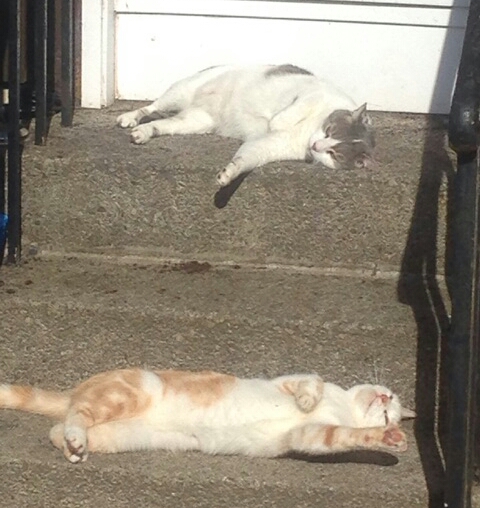
My podgy puss (top) with his thinner friend.

What should you feed your cat?

I’m wandering a bit off topic this week, but having written a post on the raw food diet for dogs for a client of mine, I researched the same diet for cats.

Sometimes called the BARF diet (biologically appropriate raw feeding), raw food for dogs and cats is a growing movement. Just as humans don’t thrive on processed, preservative-laden foods, neither do our feline chums.

My cat has always been a puker. You can buy cat food that claims to be good for sensitive stomachs, but Freddie manages to vomit that up too. He’s also overweight by the human equivalent of about one and a half to two stones.

Cheaper vet bills

As I’m very fond of my cat, I’d like him to live a long, healthy life. A less noble motivation is cheaper vet bills. A slimmer, healthier cat won’t be as at risk of diabetes, lower urinary tract disease, joint stress, hepatic lipidosis (fat deposited in the liver), and decreased stamina – the same conditions that overweight humans face.

Cat food is a modern product. Dog food was invented in the 1860s, so presumably, cat food was created then or some time afterwards. Until that time, cats in a household made do with the food they could hunt and kill, anything they could scavenge and occasional scraps from the table.

There are various blogs and books you can buy that explain why a raw food diet is beneficial for cats. Primarily, it gives cats what they are meant to eat. If you’ve ever read the ingredients in cat food, you’ll have thought to yourself, I’ve never seen a cat eat rice, vegetables or whatever else they list as a benefit. And most cat food is likely to be loaded with preservatives. Have you ever noticed the use-by dates on those packets?

Dry food tends to be high in carbohydrates, and again cats aren’t designed to cope with that kind of food.

What’s in a raw food diet?

Raw meat – it’s what your cat is meant to eat.

What do you feed a cat on a raw food diet? And how much of it? The recommendations generally say you feed the cat about 5 percent weight of his optimal body weight – 250g for a 5kg cat – in raw food.

Food choices should be raw meat and fish, and meaty bones. Cat owners have been told to feed their pets bones, but this applies to cooked bones as heating changes their structure and makes them more likely to splinter. Organ meats are another good choice, and you can also try the frozen mice pet shops sell for reptiles*.

The cost is obviously a factor. Raw meat is going to be more expensive than cat food, and less convenient. You need to store it, and the best way to keep it fresh is to bag it up and put it in the freezer. You must also pay strict attention to hygiene.

Cats don’t like change. It takes patience too. My cat worked out how to manipulate me expertly years ago. I put down the raw food, and he jumps up onto the counter under the cupboard where I stored the cat food and looks at it and me pitifully. I’ve moved him from the human equivalent of eating McDonald’s every day, to a chicken and broccoli diet.

I’m hoping to report back great results soon, though. At the very least, getting my cat to his optimal weight would be a worthwhile achievement.


The usual disclaimer applies. I’m not a vet or cat expert, so if you want to feed your pet a raw food diet, please do your own research and speak to your vet.

*The frozen mouse option is a step too far for me…

Want to feel better? Write down your thoughts and then decide what to do with them.

pocket

In experiments with students it has been found that writing down your thoughts, in your own handwriting, can help you feel more positive, provided you fling away your negative ruminations and keep your positive ones close.

Professor Richard Petty of Ohio State University Psychology department collaborated with colleagues in Spain and tested 83 high school students.

Spending time looking at your negative thoughts make you feel bad about yourself. Throwing out negative and positive thoughts immediately has little impact on you, but putting your positive thoughts in your pocket or purse and referring to them later, has all round positive effects on your mood and future behaviour.

Computerised lists that were either retained or deleted had some effect too, but simply imagining that you had deleted them didn’t work.

(Reported in Human Givens Volume 1 2013 from Brinol P et al, Treating thoughts as material objects can increase or decrease their impact on evaluation. Psychological Science, 24, 1, 41-7)

My comments: this little tip could be very helpful. I know that people who keep journals tend to be more depressed than average. This could be partly due to the introspective nature of journal writing but also perhaps because negative thoughts or events can be reinforced by referring to them or even just carrying them around! 

For avid diary writers perhaps they should keep two journals,   one only keep the good events thoughts and another much smaller book that can be thrown in the trash every so often, preferably quite frequently.

It could also help when you want to achieve something.  Put all of the pros in one list, all the cons on the other, and simply toss out the cons!


Why it’s Great to Have Diabetes!

Another thing! You get to do blood tests every day. Yay!

It’s GREAT having diabetes! Bear with me… If you have diabetes, no doubt you’ll have read the many things that can go wrong with you. It’s depressing. And in my 20s when I didn’t bother looking after myself, being told what could go wrong didn’t motivate me.

Most of us are carrots, not sticks people.

I’ve done this exercise before, but it’s worth repeating. Here is what I think makes having diabetes amazing…

I am a special wee snowflake. Yes, I am. Not that many people have type 1 diabetes. We’re in an exclusive gang. We like people with type 2 diabetes too. They can join our gang any day!

I’m very organised. You have to be with diabetes. Daily life needs to be organised around it – working out what medication you need, when and if prescriptions need to be picked up, working out your food choices for the day, scheduling in exercise, and taking everything you need with you when you go out. Do employers look for people with superb organisational skills? You bet they do.

I get regular health checks. People without diabetes can live with conditions for a long time, but my HbA1 levels and kidney function are tested every six months, my liver function and the nerves on my feet every year, and my retinas are screened twice a year. I’ve probably left something out, but I think you can agree I’m subject to regular checks that can pick up issues at an early stage.

I get to be obsessed with food, legitimately. While making food the primary focus in your life isn’t the best idea, I do get to spend a reasonable time Googling recipes and working out meal plans because that helps my health and well-being. I can also be fussy about what and where I eat, again because what I eat is crucial to my health and not because I’m an awkward wee sod.

I have a high pain threshold. I must have, right? I inject myself every day, and people are always taking blood out of my arm (see above!). A high pain threshold is handy if you want to get your legs waxed*.

I have a ready-made excuse. I try not to play the diabetic card, but it does come in useful from time to time. Need to get out of something and stuck for an excuse? High blood sugar levels are a legitimate way to wriggle out of anything…

Finally, here’s my favourite one as suggested by the comedian Arthur Smith, himself a type 2 diabetic. As I have diabetes, that is yet another thing that differentiates me from Donald Trump. Hooray!


*Okay, I’m scraping the barrel now.


Diabetes and Professional Sporting Careers

“It’s like having a team-mate by my side.”

Would you say that about your diabetes? It’s an unusual viewpoint perhaps, but a positive way to think about it.

Uefa.com ran an article this week about Real Madrid player, Nacho – real name, José Ignacio Fernández Iglesias. The central defender, who also plays as a right or left back, has had type 1 diabetes since the age of 12.

When you have type 1 diabetes, it’s always interesting to read about people in the limelight who also have the condition.

When Nacho was first diagnosed, he ‘d already been on Real Madrid’s books for two years. His doctor told him his footballing days were over. However, three days later he saw an endocrinologist who said the opposite – he should keep playing football, as exercise is important when it comes to blood sugar control.

Nacho said that the extra care involved in taking care of yourself when you have diabetes does help his football career. Diabetes, he says, makes you take greater care with your diet and the way you rest. And it makes you more responsible.

The 27-year-old doesn’t take things easy when he’s on holiday either, choosing to cycle in the mountains or do duathlons and triathlons. He eats everything, but he says he is more careful about certain food types. His diabetes is under control, and he gets on very well with his doctor.

Talking to Gonzalo Aguado at Uefa.com, Nacho said: “[Diabetes] makes you a more responsible person and you look after yourself much more. I know it’s going to be there for the rest of my life – well, unless they find a cure. It’s like having a teammate by my side.”

Type 1 diabetes? Bring it on…

Weight plateaus are a normal, but frustrating, feature of your weight loss journey

frustration

 Here are some words of wisdom and encouragement from a health care professional who knows how discouraging weight loss plateaus can be. Don’t let weight stabilisation lead you to jack in your efforts.
When Losing Weight, Warn ‘em!

Diabetes in Control November 8th 2016

I work in obesity medicine. As many of us know, losing weight isn’t the problem for most, but weight regain is.

As the saying goes for many, you can’t be rich enough or thin enough. Many of our patients come in with unrealistic goals regarding their weight loss, and don’t give themselves enough credit for the weight they have lost. Many, for many reasons, regain.
Woman, 58 years of age, class II obesity, prediabetes (A1C 6.0%), HO depression, on antidepressants, weight of 188, BMI 38. Started on metformin and lower carb meal plan.
Warned her early on it’s not just about losing weight, but what’s important is keeping it off. We need plans for both.
Her treatment plan does not end when she loses weight.  Over 6 months she lost 22 pounds. This is a 12% weight loss. BMI 33.5 now.  No further weight loss since the 6-month period, but no weight gain.
Patient frustrated. She has upped her exercise. No longer wants to continue metformin. Encouraged her to continue her meal plan, metformin and bump up her exercise plan. Praised her for her weight loss and not regaining.  And, reminded her this is what we discussed from the start. She remembered and said she’ll stay with the plan.
Lessons Learned:
  • Keeping weight off is a different stage of the weight loss journey.
  • Reminder that losing 3-5% total body weight can improve health outcomes.
  • 5-7% weight loss was shown in the DPP to prevent or delay type 2 diabetes.
  • From the beginning, let patients know there are stages to losing weight. First is to lose, then it’s to keep off the weight lost. Make a plan for both.
  • Regarding weight loss, put more emphasis on the food side.
  • Regarding weight maintenance, put more emphasis on exercise.
  • Remind patient of discussion and encourage patient to embrace the weight loss they have been able to achieve and keep off.

Anonymous

A Day of Type 1 Diabetes

wp-image-1961591207jpg.jpgWhat’s it like having type 1 diabetes? Like having a part-time job on top of everything else…

I’m like most people – sometimes I manage great control. Sometimes, through no fault of my own, I don’t. And sometimes the fault is my own. My blood sugars go haywire, and I spend the day yawning, wishing people wouldn’t talk to me because it’s too much effort to talk back.

Sorry if you’ve met me when I’m like that.

Anyway, here’s what a day of living with diabetes looks like…

8am. Up and at ‘em! Or something like that. I’m self-employed, and I work from home, so I don’t have to commute. Or go to an office – thanks be to all the stars above. My cat likes to sleep on top of me, so sometimes it takes me ten minutes to get up because I don’t like to shift him…

Blood sugar – 6.6mmol. Oh no, is this going to be one of those terrible goodie two-shoes posts where people show off about their brilliant control?

I take my long-term insulin when I get up – 13 units of Levemir. I give the dose in two injections because I think it works better that way. Being an impatient sort, I need to count to 20 to stop me removing the needle too quickly. (You might not get the full dose if you take the needle out too soon.)

I don’t bother with breakfast. Up and at ‘em feels more do-able when I don’t. I’m accidentally doing the trendy 16-8 thing, where you only eat within an eight-hour window.

I work from 9am to 1 pm. I’m a freelance writer, so I write blogs, website contents, video scripts and more for clients, mainly small businesses that are trying to improve their SEO. Some years ago, my husband built me a standing desk. Once you get used to standing for work, it feels much more comfortable than sitting all day.


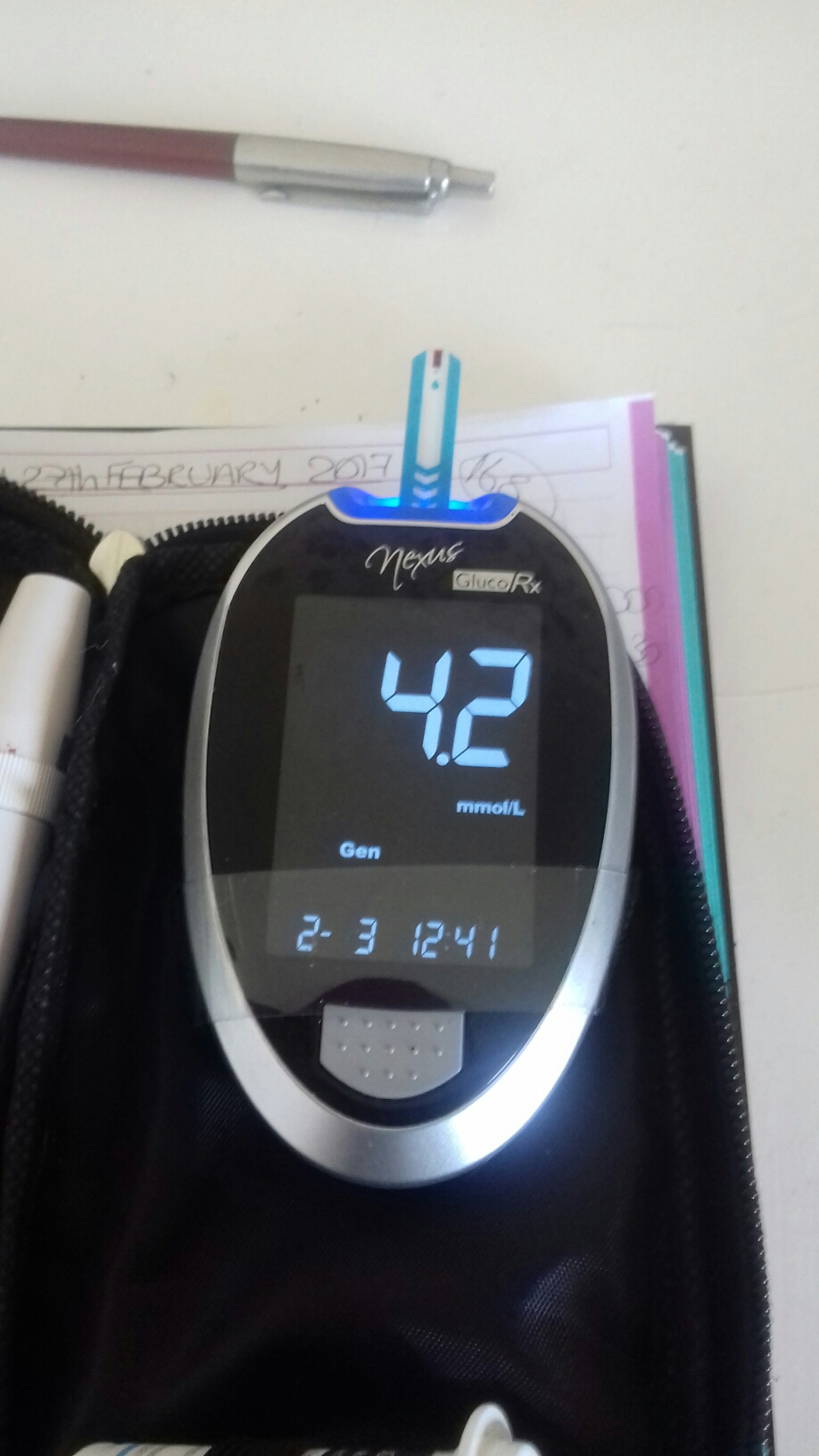
wp-image-282956511jpg.jpgBlood sugar – 4.2mmol
. Oh, no! It IS going to be a humble-brag blog.

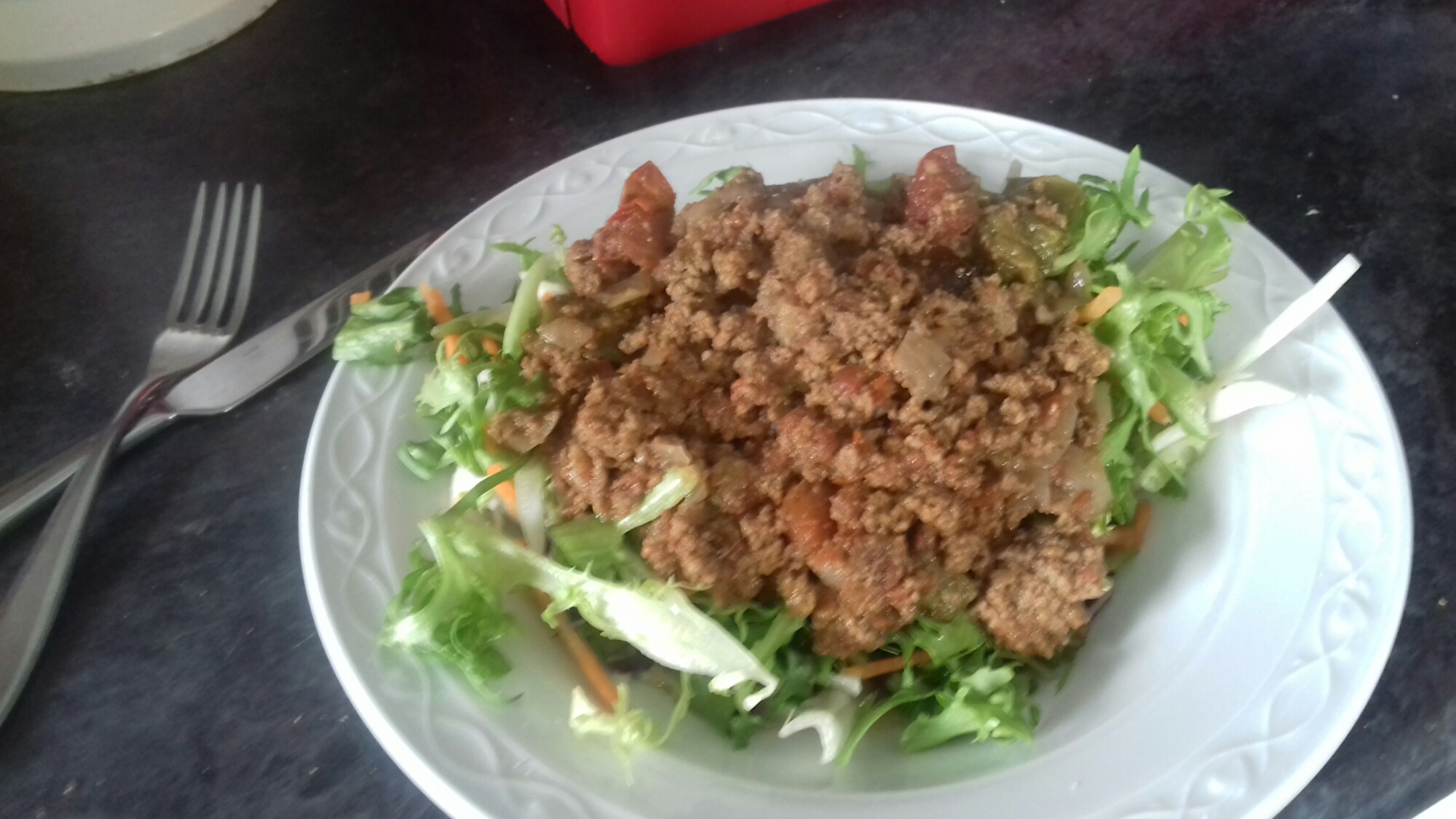
1.30pm-2pm. Lunchtime. Today, I had chilli, salad and some green beans on the side and I finished with some peanuts. I took half a unit of Humalog to cover roughly 20g net carbs. I didn’t take it until after the meal because my blood was low beforehand and because I was planning a walk afterwards.

2pm. I usually go for a walk. I use a Jawbone app to track my sleep and activity. About an hour of walking a day takes you to 10,000 steps.

3.30pm – a bit more work. I write dog blogs for a client, and as I love animals these are my favourite ones to do.

5.30pm – 3.9. I had a banana to cover the low blood sugar, and then I went to a spin class. The instructor LOVES Lady Gaga. I’m beginning to hate her, as I associate the poor woman with nasty hill climbs.

7.30pm. Blood sugar, 11.1. Not so goodie two-shoes now, eh?! Huffing and puffing exercise sometimes does that to me – sends my body into a panic. ARGH, this is hard! Find sugar! Walking doesn’t do this.

I made myself a cheese and onion omelette. Other omelettes are available, but why would you bother?! It was more like cheese, with a bit of onion and egg on the side. I had one unit of Humalog to cover the net carbs.

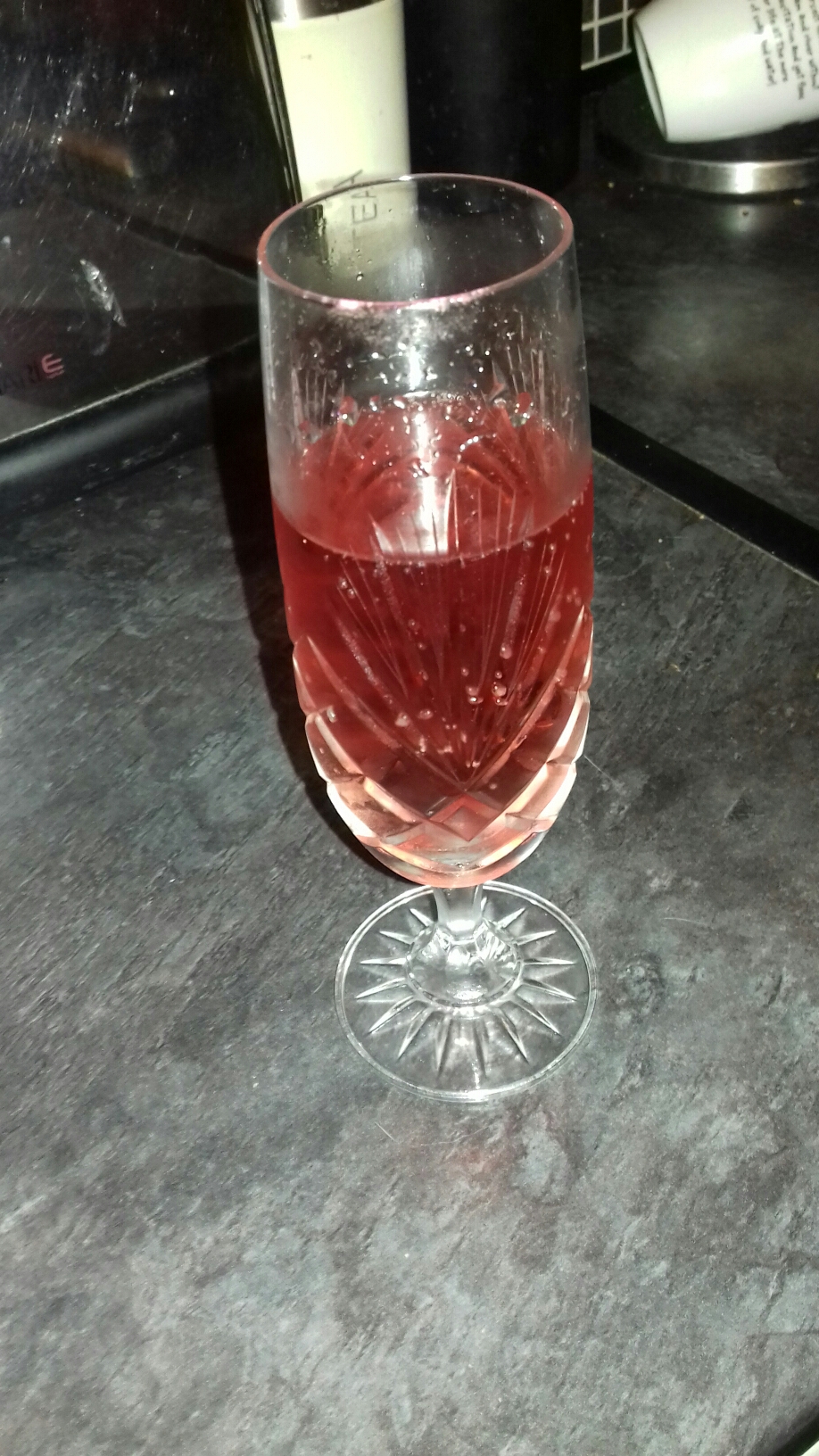
wp-image-990815369jpg.jpg8pm – oops, how did that get in there? A cheeky little glass of pink fizz… It was so nice, I had another one. And er… maybe another one after that. I reckoned it would help lower blood sugars ;)*

10pm – second dose of Levemir, 6 units. I try to find a spot on my abdomen that doesn’t look too punctured. Medical staff stress the importance of changing injection sites regularly. I’ve got a lump on my belly that’s been there 20 years because I overused the same spot. I don’t go near it now.

10.30pm. I had an Atkins fudge bar. I didn’t take any insulin with it because I’d had a few glasses of wine. Atkins chocolate bars aren’t as carb-free as they boast – but they do contain fewer carbs than a standard chocolate bar.

Bed time. And that was my Friday.


*Usual rules apply – as a condition, type 1 diabetes will vary widely between individuals. What I do isn’t a recommendation or prescription for anyone else.

Margaret Coles: Invite this Physiotherapist into your home

At  www.movingtherapy.co.uk. you can find Margaret Cole’s free educational resource to help your health and well being.

home-physio

Margaret worked as a community physiotherapist and when she retired she decided to put her knowledge and experience to good use. She produced videos covering a lot of different situations that you can face regarding your physical and mental states and has put them on the site. She also gives advice on how to lose weight.   People from all over the world have visited the site since 2011.

NHSinform Scotland and her local authority also promote the site.


Love Yourself – Follow a Low-Carb Diet!

loveWe’re following tradition here at the Diabetes Diet. What do you do when it’s Valentine’s Day? Try to squeeze in a reference to love in any online activity. And hearts of course. I’m going to try to do both.

If you have diabetes, type 1 or type 2, your body doesn’t respond well to carbohydrates. You can eat a diet high in carbohydrates – it’s just that you won’t feel very well, short-term. In the long-term, a diet high in carbohydrates can lead to high blood glucose levels. This in turn will damage your body and shorten your life.

So, if you love yourself, follow a low-carb diet to minimise the risks of diabetes!

Here’s how to do it.

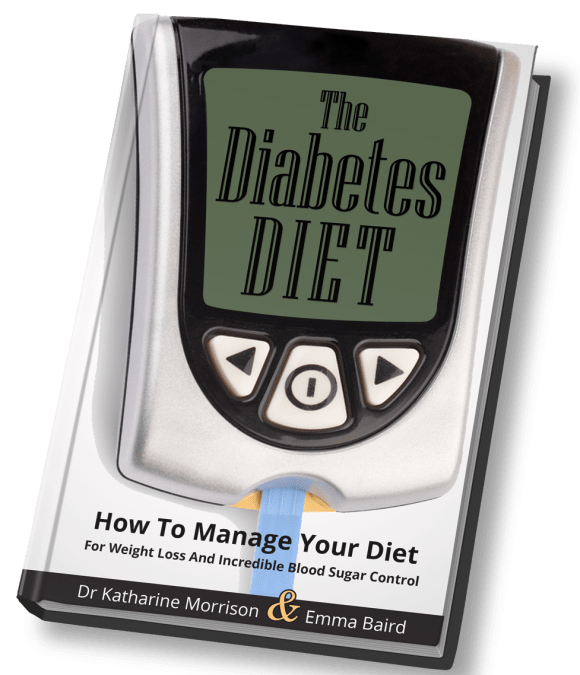
Read up on all the advice out there. We have a book, The Diabetes Diet that sets out the benefits of low-carb eating. It also includes recipes, daily menu plans and advice about how to manage your medication on a low carb diet. Check out lowcarbdiabetic, a great website for people looking for information and help with their condition.

Follow blogs. Blogs like ours regularly feature low-carb recipes and information and advice for people with diabetes. There are lots of great low-carb blogs out there. See fittoserve, Authority Nutrition, and the Diet Doctor.

Buy some recipe books. A great all-rounder is 500 Low Carb Recipes by Dana Carpender, although bear in mind it is an American book so the measures and some of the ingredients will be unfamiliar. The celebrity chef Tom Kerridge has a new book out now – The Dopamine Diet*, featuring the low-carb recipes that helped him lose 11 stones.

Get yourself a carb guide. Online dieting apps are the most useful source for carb guides. Remember that might need to minus the fibre content from the total carbohydrate content. Myfitnesspal offers the most extensive database.

Enjoy it! Low-carb eating is one of the most satisfying and delicious diets you will eat. Cheese, cream, juicy pork chops, grilled sirloin steaks, salmon topped with mayonnaise… what’s not to love? Try out some of our recent recipes:

Think of the benefits. More energy, lower blood glucose levels (leading to less risk of heart disease, see I told you I was going to shoehorn hearts into this piece somewhere), better skin, fat loss if it’s needed – all these are bonuses of low-carbing.


*Review to come!

Do you take a pair of “old faithfuls” on holiday?

21650330543_cf5198641b_b

 Many of us bring our best and newest footwear on holiday. But is it a good idea? This article from Diabetes in Control discusses the matter.

A Lot to Learn from Your Patients

I teach patients how to care for their feet, how to prevent foot problems, and how to treat them if they should have problems.

I have had so many patients return from vacation with foot wounds due to the particular shoes they were wearing. Some didn’t bring enough shoes or bought and wore brand new shoes, while some wore the type of shoes we don’t recommend and some didn’t wear shoes at all.

As I write this, I am on vacation. Before leaving, I thought about the above. I needed new shoes for the trip, so I bought 2 pair of the same shoes, one normal width and one wide. I didn’t have much time before leaving, but I did practice wearing them before leaving. “Something” told me to also bring a pair of old faithfuls…shoes I have worn a lot and had no problem with.

I’m so glad I heeded my own teaching. The first day, in one of the new pair of shoes, it went pretty well, no pain or redness. After wearing them all daytime, I changed to old faithful that evening. The next morning I noted a little redness and soreness on an area of my foot. I took no chances. I wore the pair with the wide width that day. No problems.

I thought about the wisdom we teach our patients. Glad to have feeling and sight to prevent a problem I’m sure would have occurred…more personal ammunition to teach my patients.

Lessons Learned:

  • When helping your patients prepare for travel, always teach to take more than one pair of shoes. If they are taking new shoes, this is especially important. And…always take a pair of “old faithfuls.”
  • Whether traveling or not, teach your patients to “listen” to any sign of redness, soreness, or pain that is telling them to wear different shoes.
  • Always teach the importance of looking at feet at least daily for changes and treat them early.
  • Remember, what’s good for people who have diabetes is most likely good for everyone.
  • Heed your own knowledge and practice what you teach.

Joy Pape, FNP-C, CDE, CFCN, FAADE
Associate Editor, DiabetesInControl

(My comment: personally I always bring Compeed Plasters on holiday and I put them on at the first sign of skin irritation. If you wait till the end of a walk its too late! I’ve become very fond of Sketcher’s Go Walk 2 shoes as well)