Tired, Tired, Oh So Tired…

I don’t usually use the blog as a one-person pity party, but this week I want to whinge about tiredness…

If there were one thing I could miraculously make disappear about life with diabetes, it would be the tiredness. Don’t get me wrong – with careful care of your medications, diet and exercise, you can minimise this aspect of the illness, but heck. Many’s the afternoon I spend fighting the urge that makes want to crawl under the covers.

And that makes me resentful from time to time.

Tricks for Small Children

I can live with the endless blood tests and injections. Hey, they’re not so bad. Last week, I managed to entertain my cousin’s young children with my lancet. They were wide-eyed when I let them push the button, and they saw they’d made me bleed. I’ve never yet met a small child who didn’t love this. Once they’ve figured it out, though, they’ll want to try it out on you endlessly. You have been warned.

The injections are rarely painful, and you get used to doing them discreetly in public, while no-one bats an eyelid.

The organisation needed for diabetes (have I got all my equipment, do I need to order and pick up repeat, when are my hospital appointments, is my medication matching my insulin intake, etc.) can be seen as a transferable skill. I often feel I should add it to my CV: Emma Baird, Type 1 Diabetic, Organiser Extraordinaire.

The hospital appointments give you an afternoon or morning off and, with any luck, the waiting room will be full of trashy magazines to read.

And – it’s an ego thing – but I quite like being different from the general population. We all like to think of ourselves as unique little snowflakes after all…

The Pull of the Afternoon Nap

But the tiredness. Of late, I have been tired. Tired in the mornings, tired in the afternoons. Getting up in the morning and promising myself an early night, or an extended afternoon nap. Sometimes, it’s because my blood sugar levels aren’t right, at times it’s just because.

People with diabetes need enormous amounts of willpower, as the tiredness can be all-consuming. When you’re tired, everything is an effort – from getting up in the morning, to doing work* that brings the money in, forcing yourself to go for a walk because you’ll feel better afterwards, and making the right choices about what to eat. Luxuries like meeting up with friends sometimes fall by the wayside because the effort it entails feels as if it will be too much.

Tiredness makes you prone to negativity too. Don’t ever open your social media accounts when you’re exhausted. Envy, discontent, paranoia, dissatisfaction – all will surface too readily.

So, yes. I’ll keep diabetes. I made my peace with it a long time ago, but if you can find a permanent, works-all-day way of ridding me of the bone-crushing weariness, I’ll take that, thank you very much.


*I don’t agree with her politics, but I admire Theresa May hugely for managing to pull off diabetes, run the country AND manage the Brexit negotiations at the same time. (Though, many might argue that she doesn’t…)

Photo thanks to Jessica Cross on flickr. Entry for Canon Photo5 2009 Brief 4: Spectacles Portraiture. Picture recreated thanks to Creative Commons Attribution 2.0 Generic.

 

Diabetes in the News

What’s new in the world of diabetes? We’ve rounded up the news for you…

The BBC reported that a pioneering therapy is safe for type 1 diabetics. The therapy retrains the immune system, and it was tested on 27 people in the UK. It showed signs of slowing the disease. Like many of these kinds of treatments, though, it only works on people who have been diagnosed recently – it’s unlikely to help those who’ve had the condition for years.

Another BBC report focused on the rise of Type 2 diabetes in children. More than 600 children and teenagers in England and Wales are being treated for the condition. A report from child health experts found 110 more cases among the under-19s in 2015-16 than two years before. Local councils have warned this is a “hugely disturbing trend” – and that urgent action to tackle childhood obesity is needed.

Bedfordshire News reported on a new approach to type 2 diabetes treatment the University of Bedfordshire and the local branch of Diabetes UK is trying out. The university is hosting weekly exercise sessions so people can take advantage of regular exercise sessions and support to help them make changes to their lifestyle. One 70-year-old told the newspaper the clinic had made a huge difference to his strength and energy levels.

How do you feel about your diabetes? Amy Mercer thought she’d come to terms with her condition a long time ago, but a chakra reading revealed pent-up anger and frustration. Amy wrote an interesting post on what she learned from the reading on Diabetes Self-Management.

Finally, it’s not a week if there isn’t at least one article purporting a ‘cure’ for diabetes… Clinical trials have begun for ViaCyte’s PEC-Direct – an implant that grows insulin-producing cells from stem cells, according to futurism.com. ViaCyte’s president, Paul Laikind, said he thought the PEC-Direct product had the potential to transform the lives of people with type 1 diabetes.


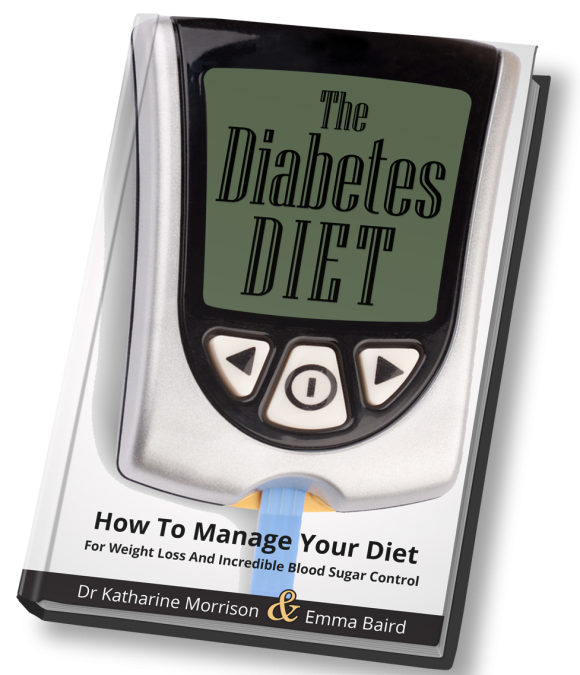
The Diabetes Diet – A Request

We are updating The Diabetes Diet! Our book has been on Amazon for a while now, and we’ve decided to give it a makeover (as well as get it ready for print).

We will be expanding the recipe section, and we wondered if any of our followers would like to contribute to this? Or, if you would like to provide a testimonial about how low-carb eating and matching insulin to your meals works for you, we would welcome that too.

We can’t offer you any money, but we will publicise your own blog or anything else. If you want to tell us about your success following low carb but would prefer to do it anonymously, that’s fine too.

You can find the book here.

To send us recipes or testimonials, please email: lowcarbdiabetesdiet@gmail.com

Thanks in advance!

Low-Carb Bread

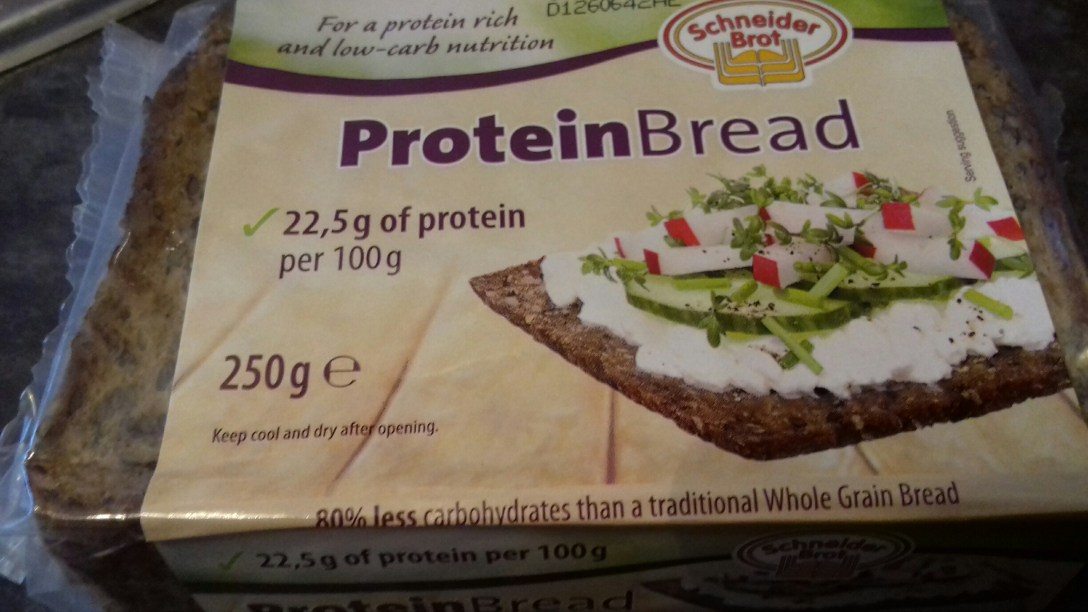
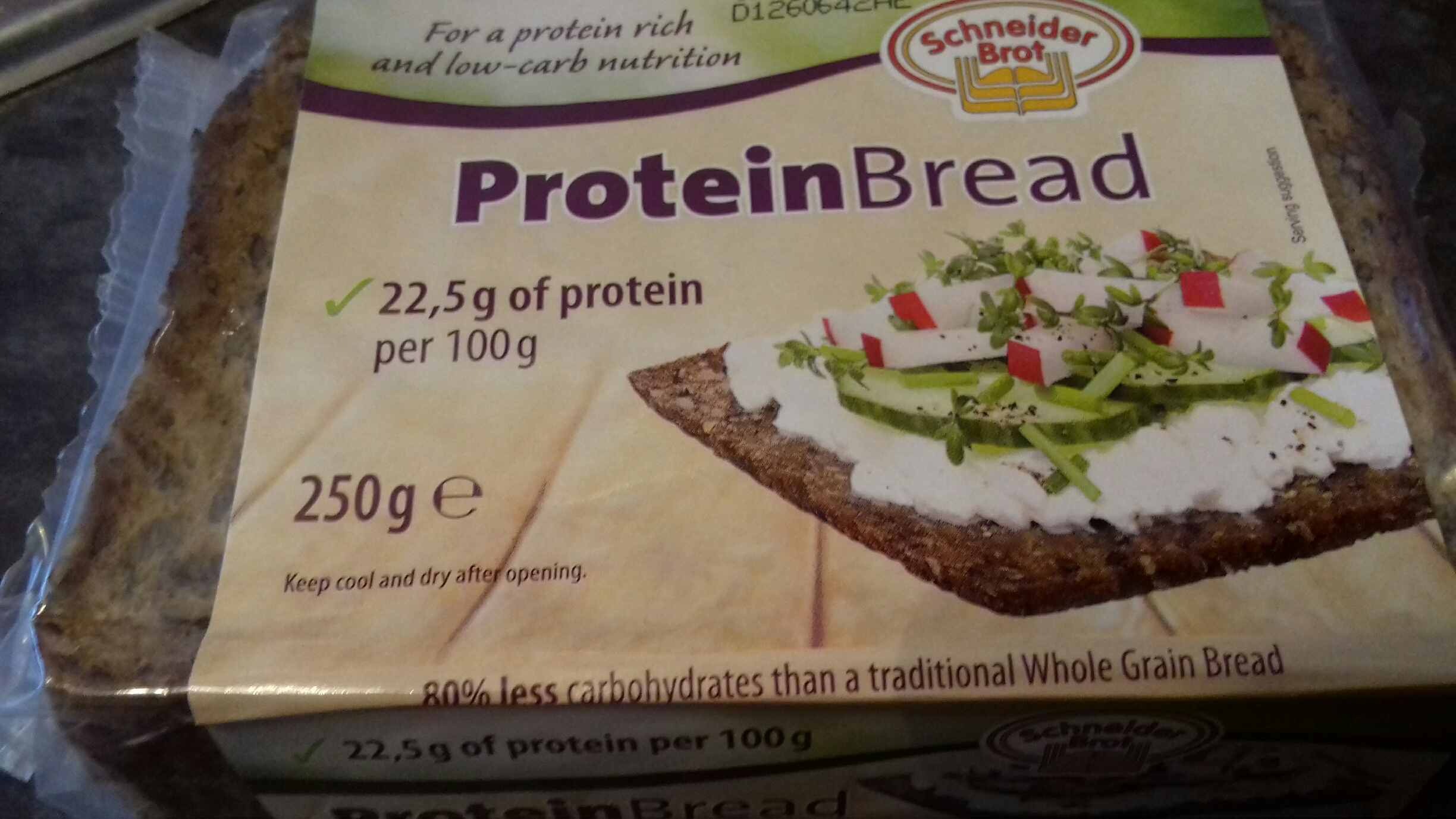
Joy of joys! I’ve found low-carb bread in Asda of all places…

Unlike the gluten-free and vegan markets, low carb high-fat diets don’t lend themselves easily to convenience foods. Hey, that’s probably a good thing. And it’s not as if you don’t have plenty of choices when you factor in cream, cheese, eggs, nuts, meat and fish and all the other yummy things that do fit perfectly with this way of eating.

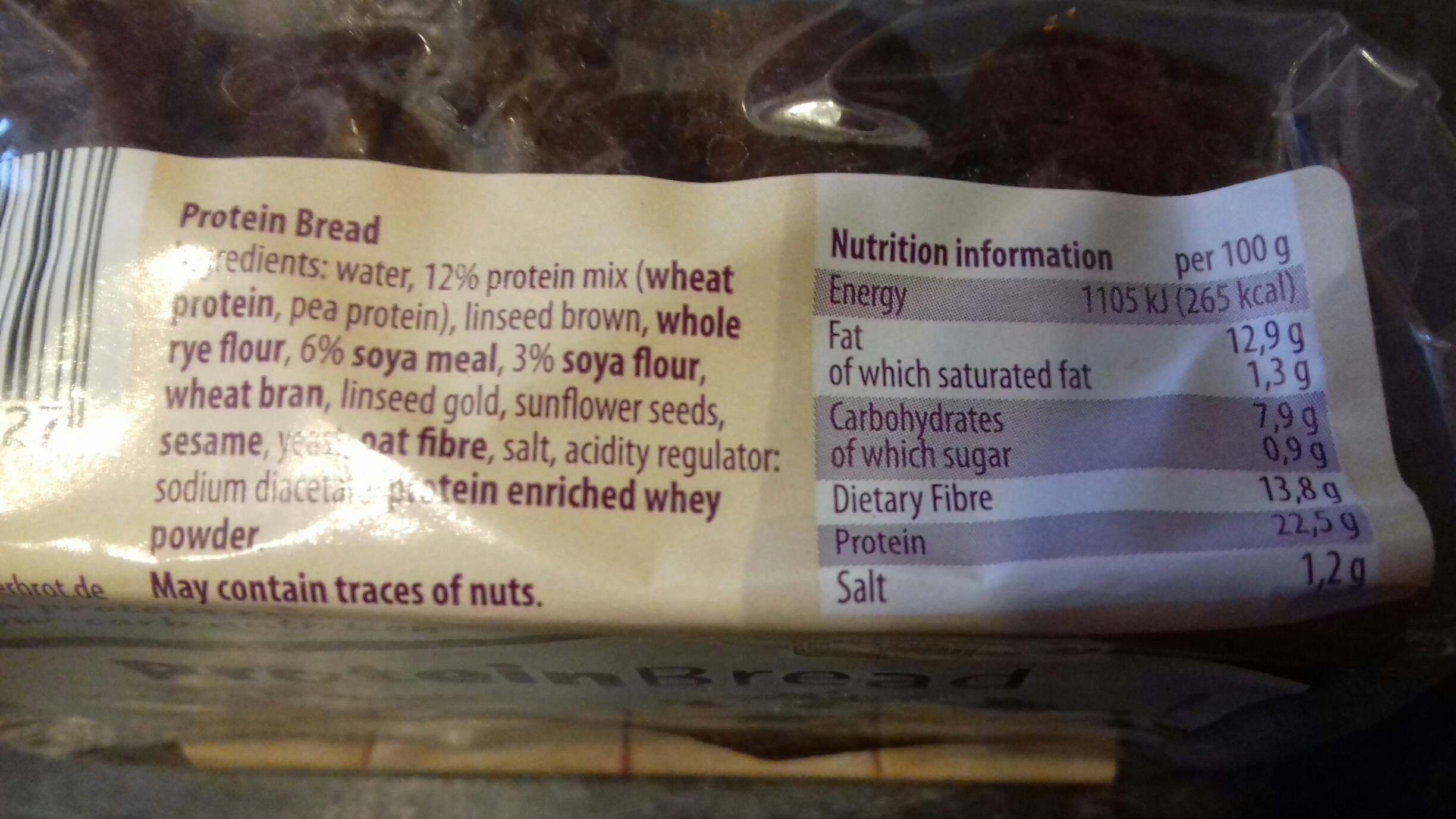
But bread. Bread! Ask many people on the LCHF way of life what they miss most, and we are willing to bet it’s bread. Yes, you can make low-carb bread (and we offer a recipe here), but it is expensive to make. This protein bread I found in Asda is made by Scheidner Brot, and it has about 4g of carbs per slice, 7g of fibre and 11g protein. Best of all, it does actually resemble bread – albeit it’s more similar to that heavy rye bread, sometimes called black bread. This packet cost me £1.50. Okay, it does have a lot of ingredients (our low-carb bread recipe, for example, has six things in it) and it’s not suitable for coeliacs, but still…

Ah, the possibilities that open up in front of me are endless! Toast with butter and Marmite! Toast with peanut butter and sliced cucumber… You need the cucumber because peanut butter is claggy, and the cucumber cuts through it. Or what about a healthy dollop of egg mayonnaise? Some chicken liver pate would be nice too, and there is always cheese on toast with a little dash of Worcestershire sauce. You can freeze it in slices for convenience.

I’m in bread heaven!

Courgette, Feta and Mint Soup

Heaven only knows what my husband fed those courgette plants this year, but the monsters keep on coming…

To this end, I have needed to come up with a LOT of courgette recipes. I don’t really fancy them spiralised (which is the trendy treatment de jour), so this week I made soup instead.

It’s a very summery soup – courgettes, feta and mint – and you could always make it more substantial with some shredded chicken, or a poached egg on top. Another idea is bacon ‘croutons’. Cut a rasher of bacon into small pieces, fry in a little butter until crispy and use to top the soup.

Courgette, Feta and Mint Soup

  • Servings: 4
  • Difficulty: easy
  • Print

  • 4-5 courgettes (or one ginormous one)
  • 2tbsp rapeseed oil
  • 600ml chicken stock
  • 1tbsp fresh mint, chopped
  • 2 cloves garlic, crushed
  • 75g feta cheese
  • 60ml sour cream
  • Salt and pepper

Chop your courgettes into even-sized chunks. Heat the oil in a large sauce pan and add the courgettes. Cook over a gentle heat for about 20 minutes until they are browned and softened.

Add the stock and the garlic and bring to a simmer. Cook for another ten minutes. Turn off the heat and add the mint, feta and cream. Stir well, so that the cheese melts.

Puree the soup till it’s smooth and season generously with salt and pepper.

15g net carbs per serving.


Spanish-Style Stuffed Marrow

We’ve had a glut of courgettes – we got so many of the blimmin’ things they turned into marrows as we couldn’t eat them fast enough.

So, what to do with them? This massive whopper pictured above I turned into a Spanish-style stuffed marrow dish, adapting it slightly from a recipe I found online to make it low-carb. Another trick is to salt the marrows for an hour or so before cooking. This will make the finished product less watery. Slice the marrow in half length ways and then width ways, scoop out the insides and sprinkle with salt. Place them on a rack, flesh side down and then wipe thoroughly with kitchen paper before using.

Spanish Style Stuffed Marrows

  • Servings: 4
  • Difficulty: easy
  • Print

1 large marrow

  • 2 tins chopped tomatoes
  • 1 bunch spring onions, chopped
  • 3 cloves garlic, crushed
  • 1tbsp olive oil
  • 150g cooking chorizo, chopped
  • 1tbsp smoked paprika
  • 1tbsp Cayenne pepper
  • 1tbsp dried oregano
  • Salt and pepper
  • 100g Manchego cheese, grated (or use Parmesan)

Pre-heat the oven to 180 degrees C.

Heat the olive oil in a pan and add the onions. Cook over a gentle heat until soft and lightly browned – this won’t take as long as cooking normal onions.

Add the chorizo and cook until the fat begins to run – about a minute. Add the tomatoes, garlic, paprika, oregano and Cayenne pepper. Bring to a simmer and cook for ten minutes. You want a nice, thick sauce. Season to taste – you won’t need much salt because of the chorizo, cheese and the marrow already has some salt in it, thanks to the pre-salting.

Place the marrows in a large oven-proof dish, cut side up. Fill them with the tomato/chorizo mixture and top with the cheese and a good grounding of black pepper. Cover the dish with foil and cook in the oven for 30 minutes. Take the foil off and cook for another ten minutes to brown the top.

About 12g net carbs per serving.


Low-Carb Eating in July

Ah, July – what to eat now…

As far as we can (and it’s challenging in Scotland) we like to eat seasonally, and some months are easier than others. Presently, I’m coping with a glut of courgettes (zucchini to our American friends) spring onions, tomatoes and potatoes from the garden, as well as a LOT of herbs.

Spiralised vegetables are super trendy at the moment so I could spiralise those courgettes and serve them as a replacement spaghetti. I did make a giant pot of slow cooker ratatouille with plenty of them, using the spring onions and lots of rosemary, thyme and basil.

House and Garden offers this lovely courgette and baked feta cheese salad, which has minimal carbs per serving and would be great as a side dish.

What else is seasonal in July?

Beetroot, salads, peas and aubergines make up the vegetable quotient, while cherries, peaches, strawberries and raspberries are in the fruit category. When you’re eating a low-carb diet to help your blood sugar management, remember the best time to eat fruit is after meals. Why not serve your fruit with some cream or Greek yoghurt to slow down it’s glucose-spiking qualities too?

For fish and meat, prawns, crab, salmon, mackerel and sea bream are seasonal in July. Mackerel works brilliantly with a beetroot salad. Chop some cooked beetroot, mix with sliced spring onions and dress with a little cider vinegar, olive oil, salt, pepper and wholegrain mustard.

Beef and lamb are still seasonal at this time of year. You probably don’t feel like eating a roast, but cold sliced meat in a salad works well. As far as we’re concerned you can serve moussaka whenever you want too.

July recipe ideas

Beef Stroganoff

Steak Au Poivre

Rack of Lamb

Thai Prawn and Chicken Soup

Bon Appetit!

Blogging About Diabetes

Medical News Today summed up ten of the best diabetes blogs. Sadly, we weren’t one of them (there’s no justice in this world), but they did make some great suggestions that I want to check out.

Why blog about diabetes? When I was first diagnosed, there were few opportunities to meet other people with diabetes. Weirdly enough, I grew up in a tiny town (population sub 2,500), and five of us were diagnosed with type 1 in a short space of time. I did have other diabetics around me, and my mum ended up developing a close friendship with the mother of one of them.

That said, though – we didn’t have that much information at our fingertips and in those days, the GP, the consultant and the diabetic nurse were autocratic figures. No-one challenged them or the recommendations they made.

Fast forward thirty-odd years and millions of people share their experiences of living with diabetes, types 1 and 2. Obviously, we don’t all have medical qualifications, and can’t and shouldn’t offer medical advice but we can tell stories about what has worked for us.

We can share our experiences of how we exercise, what we eat, what we do to prepare for holidays – it’s all about how we live as well as we can with the ol’ sugar curse! Online friendships and communities can’t replace real-life meetings and connections, but they do go some way to making you feel less alone with your diabetes.

So, here are some of Medical News Today’s best blogs about diabetes that I’m going to be investigating…

Bitter-Sweet – Karen Graffeo was diagnosed at the age of eleven and remembers daily insulin injections, a strict exchange diet and sugar monitoring involving urine and glass test tubes. (Me too!)

She started Bitter Sweet in 2008, tagline “life with diabetes isn’t all that bad”.

The College Diabetes Network sounds useful for anyone (or the parents of anyone) about to go off to college/university. It can be scary for both prospects, and the site provides the tools and resources that can help people with diabetes live well as students. Categories include clinics, student rights, job opportunities, dining hall eating, relationships and more.

The FitBlog is run by husband and wife team, Tobias and Christel Oerum. Christel has type 1 diabetes, and the site is for people to find out more about exercising safely and efficiently when you have diabetes.


Study Finds Some Type 1s DO Produce Insulin

Free stock photo of health, medical, medicine, prickAn article in Medical New Today caught our eye this week – research recently found that people with type 1 diabetes produced some insulin.

Yeah, yeah, I thought, it’s the newbies again. But apparently not. The Uppsala University in Sweden’s researchers found that nearly half of patients who’d had the condition for more than ten years did produce insulin.

Type 1 diabetes is routinely described as a condition where the body doesn’t make insulin. The researchers found that the insulin-producing patients had higher levels of immune cells that produce a protein called interleukin-35 (IL-35). This is believed to suppress the immune system and reduce inflammation in the body.

The findings were reported by the study’s co-author, Dr Daniel Epses, in Diabetes Care.

Type 1 diabetes happens when the immune system mistakenly attacks insulin-producing cells or beta cells in the pancreas.

This was believed to lead to a complete loss of insulin production in type 1 diabetics, but studies in recent years have shown that some patients still have functioning beta cells.

Dr Epses and his colleagues wanted to work out if there are any immunological mechanisms that could explain why some type 1 diabetics still produce small amounts of insulin.

The study looked at 113 patients aged 18 and over. All of them had been living with diabetes for at least ten years.

Researchers measured the levels of C-peptide in the blood – an indicator of insulin production. They also measured circulating cytokine levels, including IL-35. Cytokines are proteins that are secreted by the immune cells and they play a major role in cell signalling.

The team found that almost half the patients were C-peptide positive – in other words, they had some level of insulin production. The results also showed that patients who were C-peptide positive had significantly higher levels of IL-35 in their blood, compared with the patients who were C-peptide negative (the ones who had lost all insulin production).

Previous research has indicated that IL-35 can suppress auto-immune disease. It is possible that in some type 1 diabetics, the protein prevents the immune system from attacking and destroying beta cells.

Dr Epses and his colleagues, who are based at the Department of Medical Cell Biology at Uppsala University, couldn’t determine if C-peptide positive patients had higher IL-35 levels at type 1 diabetes diagnosis, or whether levels of the protein increased over time because of a reduced immune system attack on insulin-producing beta cells.

More study is needed to gain an understanding of how IL-35 might relate to insulin production. The researchers believe, however, that their findings show the potential of IL-35 as a treatment for type 1 diabetes. As the findings also show that almost half of patients with type 1 diabetes produce some insulin, the team thinks it might be possible to encourage regeneration of their remaining beta cells and so boost insulin production.


The Sitting Rising Test

Now get up – no hands, no knees!

Have you heard of this? The sit and stand test is all about sitting down and standing up again from a cross-legged position.

Simple, huh? Not so fast… The minute you use your hands, sides of your legs, knees or elbows to help you up, you lose points. There’s a maximum score of ten (five for getting down, and five for getting up again).

Why is this important or relevant? The test measures flexibility, strength and balance. A study was carried out by the Brazilian physician, Claudio Gil Araujo. He uses the test with athletes, but also on patients. He assessed some 2,000 patients aged 51 to 80. People who scored fewer than eight points on the test were twice as likely to die within the next six years than people who got a higher score. Those who only managed three points or fewer were more than five times as likely to die within the same period, compared to people who scored more than eight points.

Each point increase in the SRT (sitting rising test) is associated with a 21 percent decrease in mortality from all causes.

So, how do you do it?

  • Stand on the floor in your bare feet with a clear space around you.
  • Without leaning on anything, lower yourself to a sitting position on the floor
  • Now, stand back up without using your hands, forearms, the sides of your legs or your knees.

Basically, you get five points for lowering yourself down without using hands, forearms, sides of legs or knees, and five points for coming up without. You also get a minus point for putting your hand on your leg. If you lose your balance, you lose half a point.

Darn it, I thought I had this test covered. Another blogger had written about it, and I realised the version I’ve been doing regularly isn’t the full bhuna. I don’t use my hands or arms, but I do use the sides of my legs to get myself up again. Sit down cross-legged and it seems impossible to get up without using some other part of the body.

There’s a video on YouTube that shows the test being done correctly (by a young whippersnapper of an athlete).

Have you done the SRT and what was your score?