Diabetes Week

Oops! We forgot to do anything to mark Diabetes Week in the UK (it finishes today), a bit remiss seeing as we’re a blog all about diabetes.

So, to make up for our tardiness, here are some interesting facts about diabetes…

  • The earliest known written record that referred to diabetes is thought to be 1,500 BCE – an Egyptian papyrus report that mentioned frequent urination as a symptom.
  • The symptoms (thirst, weight loss, peeing too much) were recognised for more than 1,200 years before the disease got a name.
  • It was the Greek physician Aretaeus (30-90CE) who was credited with coming up with the name diabainein, meaning ‘a siphon’. This refers to the excessive urination associated with the condition. Diabetes was first recorded in the Middle Ages, the Greek word ‘mellitus’ meaning honey, later added.
  • Early tests for diabetes meant doctors drinking people’s urine to see if it was sweet… Or they watched to see if the urine attracted ants or flies.
  • The writer of this piece remembers urine testing in the good ol’ days before blood testing was available.
  • Dr. Priscilla White led treatment for diabetes in pregnancy. When she joined the practice of Dr. Elliott P. Joslin in 1924, the foetal success rate was 54 percent. By the time she retired in 1974 1974, the foetal success rate was 90 percent.
  • Type 1 and type 2 diabetes were officially differentiated in 1936. The difference had been noted in the 18th Century when a physician spotted that some people suffered from a more chronic condition than others who died in less than five weeks after the onset of symptoms.

And finally – in 1916, Dr. Frederick M. Allen developed hospital treatment that restricted the diet of diabetes patients to whisky mixed with black coffee or clear soup for non-drinkers. Patients were given this mixture every few hours until sugar disappeared from the urine (usually within five days). They then had to follow a very strict low-carbohydrate diet. This programme had the best treatment outcome for its time…

Swings and roundabouts, huh?
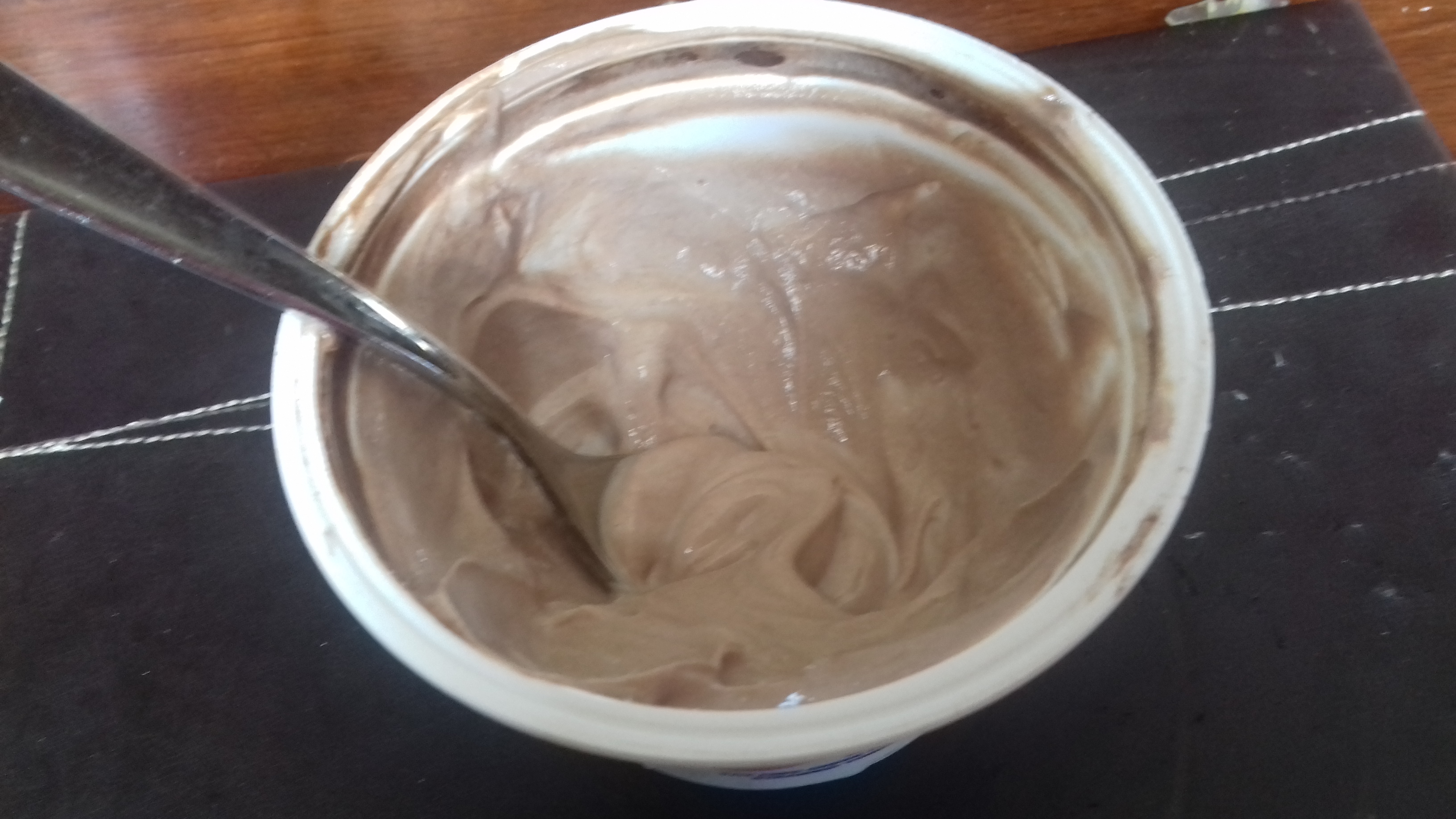
To celebrate Diabetes Week, here’s my latest low-carb pudding idea. Take about 200g Greek yoghurt, mix with a rounded teaspoon of cocoa powder, a heaped teaspoon of granulated sweetener and there you have it – chocolate cream!

Add raspberries or strawberries for extra sweetness/goodness. About 5g carbs per serving without fruit.


Aubergine Parmigiana – Low-Carb Sides

Purple foods are good for us. According to the US Department of Agriculture, purple foods have nutrients called anthocyanins. These are antioxidants that protect against cell damage from free radicals.

I’m a big fan of the mighty aubergine. Curry it, roast it, grill it or turn it into ratatouille, this is a vegetable with a lot of uses.

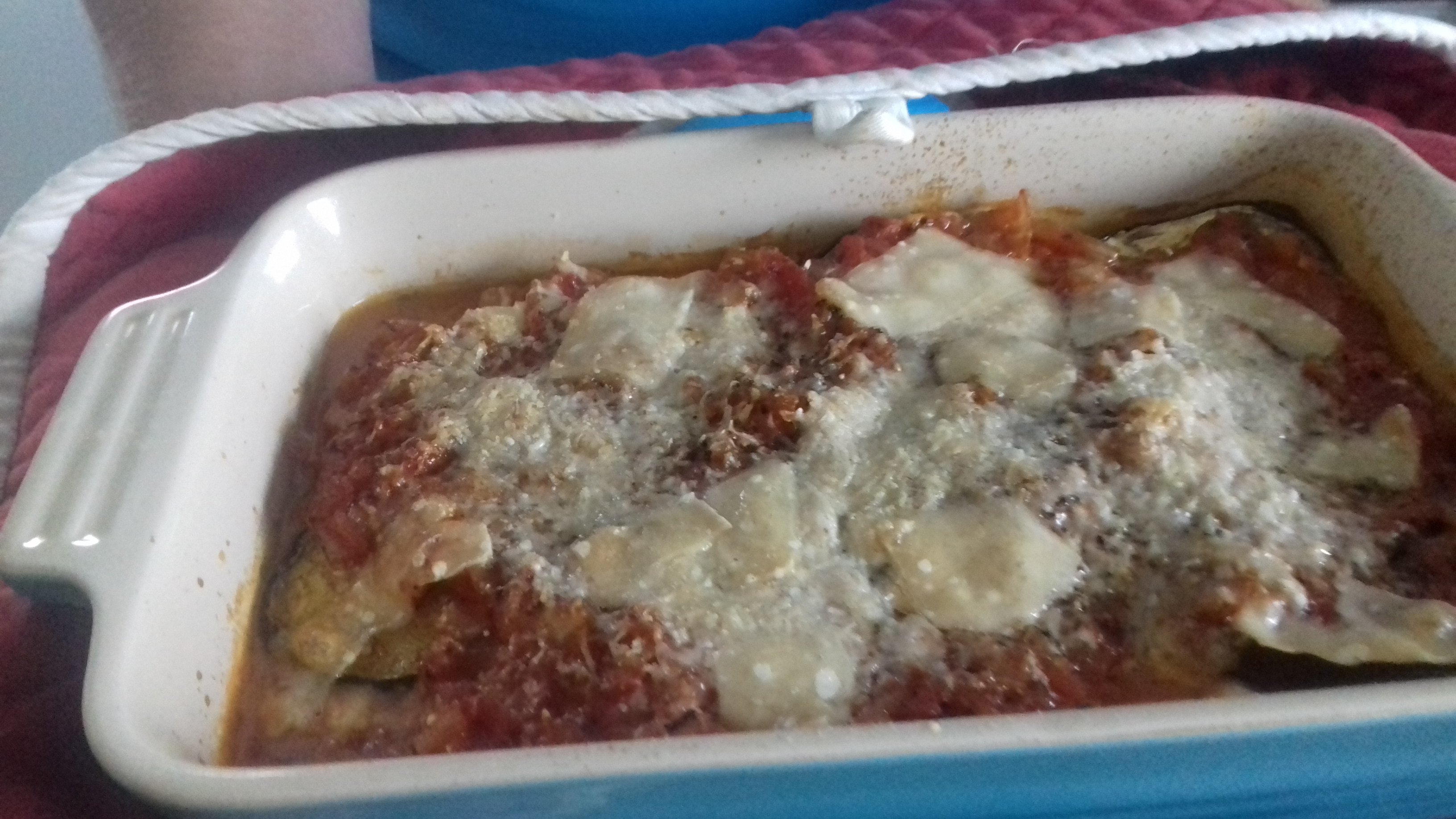
I make my own version of Aubergine Parmigiana, that famous Italian dish. Buy the best quality mozzarella you can find, and top the dish lavishly with grated Parmesan cheese. Serve this as a side dish with roasted chicken. Or just cut yourself a ginormous portion and eat with salad.

Aubergine Parmigiana

  • Servings: 4 as a side dish
  • Difficulty: easy
  • Print

  • 1 large aubergine, sliced
  • 1 ball of buffalo mozzarella
  • 1 small onion, sliced
  • 2 cloves of garlic
  • 1 tin chopped tomatoes (400g)
  • 2tbsp oil
  • 1tsp dried oregano
  • 1tbsp fresh basil, chopped
  • 50g grated Parmesan*
  • Salt and pepper

Turn your oven to 175 degrees C. Slice the aubergine into half-centimetre thick slices. Drizzle with one tablespoon of the oil and cook in the oven for about twenty minutes. You want the slices softened and lightly browned. Leave the oven on once the slices have cooked as you will be using it again.

While the aubergine is cooking, heat the other tablespoon of oil in a saucepan and cook the sliced onion for five minutes until softened but not browned. Add the tomatoes, garlic and dried oregano. Bring to a boil, turn down to a simmer and leave for fifteen minutes. You want a thick, concentrated sauce.

When the sauce and the aubergine are cooked, rip the mozzarella ball into pieces. Layer up slices of aubergine, tomato sauce and mozzarella in a casserole dish. Grind on some salt and top with the grated Parmesan and a generous helping of pepper. Cook in the oven to heat through and brown the top – about ten to fifteen minutes.

Top with the chopped basil.

6g net carbs per serving.

*The cheese so good, Pepys buried a round of it in his garden during the Great Fire of London.


Wagyu Burgers & Aioli Recipe

This week, I thought I’d share with you this thing of beauty…

I’ve been working on my food photography skills. This isn’t a food blog, but it does feature a lot about food seeing as the saying ‘let food be thy medicine’ applies to people with diabetes more than others. As you can see, I have a long, long way to go…

I’m not a natural photographer. My pictures are often blurry. They definitely lack that crystal-clear focus skilled food photography has, and yet sometimes I look at food blogs and wish they had a bit more of a homemade look to them. Should food be about looks, rather than quality and taste?

Just as with food photography, I’m not good at presentation. I plonk food on a plate, and the most decoration it gets is a sprinkle of parsley. I created this dish – the Wagyu burger with a Portobello mushroom, topped with Roquefort. Delicious, hmm? I do wish I could make things look better, so they appear as they taste.

We got the Wagyu burgers in Aldi. If you wanted to add yet more decadent deliciousness, a rasher of streaky bacon grilled to crispness would work well. You could also add a tablespoon of garlic mayonnaise, and if you want to make your own mayo even better. Here’s the recipe if you want to try it out.

It’s easiest to make mayonnaise in a food processor. My grandmother made it by hand. If you want a workout, feel free!

Aioli

  • Difficulty: easy
  • Print

  • 1 whole, large free-range egg
  • 200ml rapeseed oil (I use Scottish cold-pressed)
  • 50ml extra virgin olive oil
  • 1tsp Dijon mustard
  • 1-2tbsp cider vinegar
  • 1 clove, garlic, crushed
  • Salt and black pepper

Place the egg, mustard, crushed garlic and a little salt and pepper in the food processor and run the processor until the yolk is thoroughly mixed and pale yellow.

Put the oil in a jug and with the motor running, pour in the oil very slowly. You must go slowly, or the mayonnaise will not thicken up. Slowly means letting it drip in.

Once you have added about two-thirds of the oil, add 1tbsp of vinegar to thin it a little. Add the rest of the oil, taste and season with salt and pepper if necessary. You might want to add another tablespoon of vinegar for flavour and to thin the mix a little. It will taste very garlicky at first, but the flavour will soften over time.

Thanks to the rapeseed oil, your sauce will be the most beautiful golden colour.

The carb count for two tablespoons of mayonnaise is negligible.

Aioli is delicious with so many things. Dip the last of the season’s asparagus in it, spread it on slices of low-carb bread, have it with chicken or fish, and anoint roasted vegetables with generous dollops.


Carrot & Almond Soup

Soup, you say, that’s winter fodder, isn’t it? I could eat (drink?) soup any time of the year, so spring doesn’t put me off a big, warm bowl of comfort.

But during the warmer months, you might want to lighten up a little. This delicately-flavoured soup is perfect for spring and it full of goodies. I spotted these tempting-looking dirty carrots at our local farmers’ market on Sunday and pounced. They were always destined for the soup pot.

When I first went low-carb, I avoided carrots as there were some hardliners at the time who insisted carrots were too sweet. Then, I gave myself a good shake. “Nonsense! The carrot is delightfully delicious.” Carrots as a carb to be concerned about is very much sweating the small stuff. Avoid the cakes, sweets, pastries and overloads of pasta, rice and potatoes instead.

[It’s a bit of a cheek to call this a recipe, as it’s so easy it’s not true…]

  • Carrot and Almond Soup

    • Servings: 4
    • Difficulty: easy
    • Print

    2 medium onions, chopped
  • 2 cloves garlic, crushed
  • 4 large carrots, peeled and chopped
  • 40ml freshly squeezed lemon juice
  • 1-litre chicken stock
  • 100g ground almonds
  • Salt and pepper

Put the carrots, onions, garlic and stock in a large saucepan/stock pot, bring to the boil, turn down to a simmer and cook until the carrots are soft. It should take about 10-15 minutes, depending on how small you have chopped your carrots.

Take the pan off the heat. Add the ground almonds and lemon juice, and puree with a stick blender until smooth. Add salt and pepper to taste.

I like to top this with a poached egg for extra protein/satiety*.

Allow about 11g net carbs for serving for four or about 14g for three.