Hilda’s fit to serve: Lemon curd cheesecake

lemon curd.jpg

Hilda has done it again! She can produce a low carb version of nearly anything. You can also used the lemon curd as the filling in a low carb sponge cake or put different fruity toppings on the cheesecake. The cheesecake itself is not a baked one. 

Low Carb Coconut Crust

1 ½ cups of sugar-free coconut flakes
¼ of almond flour or 2 tablespoons of coconut flour for nut free version
½ cup of melted butter
Low Carb Lemon Curd Filling
½ cup unsalted butter
¾ cup of sugar substitute I used Swerve
¾ cup of lemon juice about 3 large lemons
7 egg yolks
1 tablespoons of lemon zest
¼ tsp of sea salt
Low Carb Cheesecake Filling
1 package of cream cheese
½ cup sugar substitute
½ cup sour cream
1 teaspoon of unflavored gelatin I used Great Lakes unflavored gelatin
3 tablespoon of cold water
Low Carb Lemon Curd Instructions
1. Melt the butter in a small saucepan on low heat.
2. Once the better is melted, remove the saucepan from heat and whisk in the sugar-substitute, lemon juice and lemon zest. Keep mixing until well combined.
3. Return the saucepan to stove and whisk in the eggs yolk one at and cook on low heat until the curd starts to thicken.
4. Remove the lemon curd off the stove and strain into a small bowl.
5. Allow to cool at room temperature and then store in the refrigerator and chill for 30 minutes to an hour.
6. Spread the low carb lemon curd evenly to the coconut crust.
7. Pour the sour-cream topping to the pie and allow to set for at least 30 minutes before slicing and enjoying.
Low Carb Coconut Crust Instructions
1. Combine all the ingredients until well mixed. Press the coconut mixture into a 9-inch pie crust pan.
2. Bake at 350 degrees for 20 minutes.
3. Once the pie crust is cooked and while it is still warm, press the crust with the back of a metal spoon. I find that pressing the crust soon after it’s been cooked allows for a crispier crust.
Low Carb Cheesecake Filling
1. Mix the gelatin with the cold water and set aside.
2. Combine the cream cheese, sour cream, and sugar substitute.
3. Fold in the prepared gelatin into the cheesecake batter.
Pie Assembly Instructions
1. Once the pie crust is fully cooked and cooled add cheesecake filling.
2. Next spread the lemon curd topping to the cheesecake.
3. Allow for pie to fully set in the refrigerator for at least 30 minutes before consuming.
4. Store pie in the refrigerator.

Curried Lentil Soup with Leftover Turkey

diabetes dietToo much turkey? Here’s an idea for something to do with those scraps of meat you have hanging around. This recipe uses lentils – carbohydrates, we know. But in soup, their impact will be minimal, and they add fibrous, protein-y goodness to your diet.

Other good things in this soup include turmeric (your liver will thank you for it at this time of year), chillies and garlic to ward off colds, and onions and carrots. I also made the stock from scratch, boiling up the turkey bones with a couple of onions and some carrots.

Enjoy – and all the very best from all of us at The Diabetes Diet. We wish you health, happiness and success in 2018.

Leftover Turkey and Curried Lentil Soup

  • Servings: 4-6
  • Difficulty: easy
  • Print

  • About 150g cooked, left-over turkey
  • 1 small onion, diced
  • 2 medium carrots, cut into chunks
  • 2tbsp rapeseed oil
  • 2 cloves garlic, crushed
  • 1tsp chilli flakes
  • 1tsp turmeric
  • 1/2tsp freshly ground black pepper
  • 150g red lentils
  • 1.25 litres fresh turkey or chicken stock
  • Salt to taste

Fry the onion and carrots in a large stock pot in the oil until softened – about five minutes. Add the lentils, chilli, turmeric and black pepper and mix well so the lentils are coated in everything.

Add the turkey, stock and garlic and bring to the boil. Turn down to a simmer and cook for 20 minutes until the lentils are softened. Add salt to taste – lentil can take quite a bit of salt.

Each serving has 14g of carbs (for 4) and 6g of fibre, so 8g net carbs. For six, it’s 9g carbs and 4g fibre per serving.


Hilda’s fit to serve: Berry Pie

Still looking for a low-carb dessert for your Christmas? Try this one…

Low Carb Nut-Free Crust
Ingredients
1 cup (2 sticks of butter melted and cooled)
4 large eggs
½ teaspoon sea salt
1 ½ cups coconut flour
¼ baking powder
1 tablespoon of water
Crust Instructions
1. Mix all the ingredients of the low carb crust just until dough forms.
2. Divide dough in half to make the top and bottom of the pie crust.
3. Roll out with between two sheets of parchment paper. Set aside.
4. Transfer one crust into a 9-inch pie pan. Being careful to smooth out any cracks.
5. Once you add the filling to the pie and the top crust.
Filling Ingredients
1 ½ cups of berries (I used mulberries)
2 tablespoons of sugar substitute (I used Swerve)
1 8 ounce package of room temperature neufchâtel cream cheese or regular cream cheese

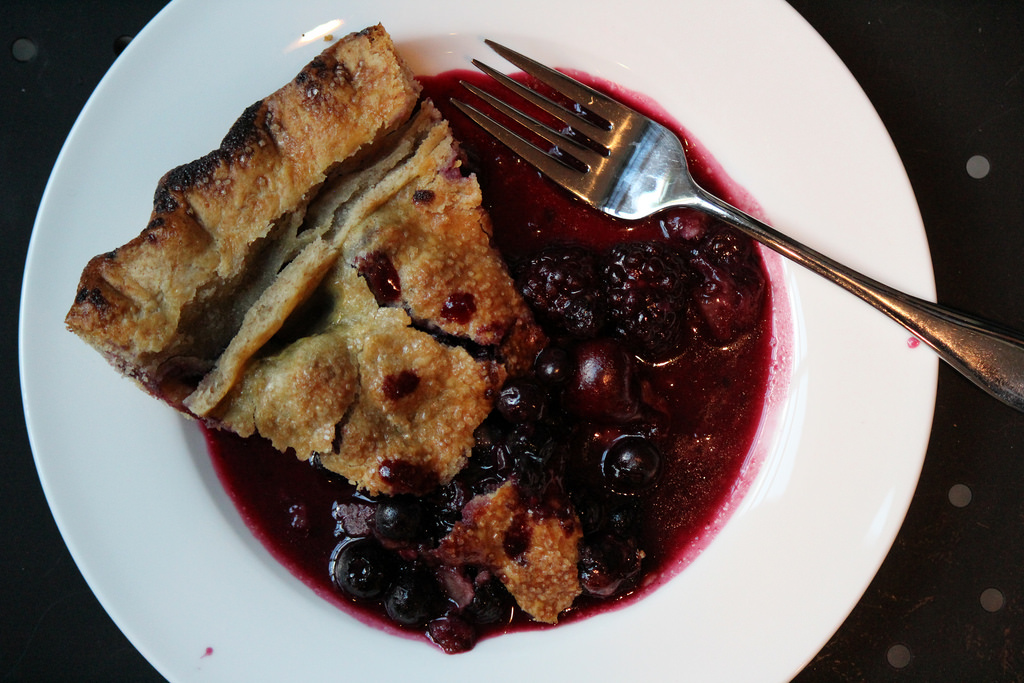
Many people miss such items as apple pie after going low carb. Hilda shows you here what she does with the mulberries from her mum’s tree in the garden.  In Scotland you can use brambles in the autumn that you can pick for nothing. Now you know the secret of the pie crust you can experiment. I wouldn’t use mincemeat as in our Christmas pies though as that is too sugary for a low carb diet. 

brambles


Pie Instructions
Pre-heat oven to 350
1. Place half the rolled low carb dough into a 9-inch pie pan.
2. Spread the cream cheese to the bottom of the crust.
3. Add the berries that have been mixed with the 2 tablespoons of sugar substitute over the cream cheese layer.
4. Top the pie with the other half of the rolled-out dough. Make sure to add vents to the top of the crust.
5. Bake for 25 minutes until the topping is lightly brown.
6. Allow to cool before slicing.
7. Store in the refrigerator.


One Year of 10,000 Steps

I celebrated an anniversary earlier this month – one year of counting my steps every day. So, what has it taught me?

I’m very competitive – with myself. So, I have done at least 10,000 steps every day now for a year. I can’t bear to have a day where that doesn’t happen. I’ll get up early, if necessary, to walk.

I’m also boring about it. When I told my husband about the anniversary of doing those 10k steps, he said, “a year of hearing about it too”. My NY resolution is to stop going on about it.

A step counter does make you more active in general. If I’m doing housework, for example, I do it inefficiently. I don’t gather up all the stuff that needs to go upstairs or downstairs in one bundle. I take it up and down in a few trips. Going to the library, popping out for supplies from the shops, bringing in the bins…everything becomes an opportunity to add to the step count.

I’m a geek. The UP app is the one I use most on my phone. Have I done my steps yet? How does today compare to yesterday? What’s my average like for this week? The app also tracks your sleep, though that’s not quite as interesting.

You can use exercise instead of insulin. Proceed with caution here, my insulin-dependent friends. This is an individual thing that won’t work for everyone. But walks after lunch do the same job as insulin for me – sometimes.

Exercise won’t help you lose weight, but it will help you maintain. I’ve kept my weight consistent over the whole year, or at least I think it is as I don’t weigh myself. Everything in my wardrobe fits, though, and some of them date back more than ten years.

I feel better. Being active every day makes you feel TERRIFIC.

I’d definitely recommend one. I use the Jawbone Up, the basic model that costs about £5.99. I didn’t want a FitBit as they are much more expensive, and you need to charge them every five days, whereas my entry level tracker needs the battery replaced every two months. The Fitbit also seems invasive. I’m obsessive enough without something on my wrist bleeping at me if I haven’t moved for an hour or so.

Do you find exercise and activity helpful for the management of your diabetes?

BMJ: Regular, physical exercise is the miracle cure to ageing

Tai chi.jpg

Adapted from Scarlett McNally’s article in the BMJ 21 Oct 17

The NHS and social care are inextricably intertwined. The rising number of older people is frequently blamed. The rising social care costs in this age group can be modified however. NICE in 2015 said, “disability, dementia and frailty can be prevented or delayed”.
The need for relatives or paid carers arises when someone can no longer perform the activities of daily living such as washing, dressing and feeding themselves. For some people the ability to get to the toilet in time is the critical thing between having carers come to their own home twice a day and being admitted to a full time care facility.
The cost of care rises five times for those admitted to residential facilities. An average residential placement costs £32,600 a year and may be needed for months, years or decades.
A cultural change is needed so that people of all ages aspire to physical fitness as a way of maintaining independence into old age. There just doesn’t seem to be the local or national infrastructure to support this however.
Ageing is a normal, if unwelcome, biological process that leads to a decline in vision, hearing, skin elasticity, immune function and resilience, which is the ability to bounce back.
The decline in fitness with age starts around the age of 30 and accelerates after the age of 45. Things move downhill even faster if someone has a sedentary job that involves car driving and computer work. Diabetes, dementia, heart disease and some cancers become more common.
Some may think that fitness in old age is down to genes and luck but social strata differences exist with good nutrition and exercise as major factors in enhancing health and fitness into old age.
Apart from getting older, environment and lifestyle affect disease onset. At the age of 40, some forty percent of people have at least one long term condition and the rate goes up by ten percent each decade. As environmental and behavioural factors stack up over time, more people develop an increasing number of diagnoses. Yet, small habits such as cycling to work, can mitigate the effects of a sedentary job.
As time goes on, a person’s independence can be compromised by well -meaning carers and relatives doing more for their charges rather than letting them do things for themselves.
Genetics are thought to play only 20% of the part in the development of modern diseases. Lack of fitness has more of a part to play than disease and multiple morbidity.
Pain can lead people to limit their activity because they think it could make their illness worse, but strength, stamina, suppleness and balance training are usually needed more rather than less as you get older and accumulate illnesses.
These factors improve cognitive ability in midlife through to a person’s 80s. They can reduce the onset of dementia. Increasing independence results.
The Academy of Medical Royal Colleges go as far as describing exercise as “the miracle cure”. Improving the time to stand from sitting down, walking, and resistance training exercise all produce a dose response effect with the most frail benefitting the most. Any exercise or activity such as gardening that gets you slightly breathless and is done in ten minute bursts or longer counts as the 150 minutes minimum as recommended in the UK.
Stopping smoking and limiting alcohol are also worthwhile interventions. Gyms, walking groups, gardening, cooking clubs and volunteering have all been shown to improve the health and well- being of people of all ages with long term conditions.
When people are admitted to hospital they often experience a rapid decline in function. Patients are not allowed to move about or go to the toilet themselves in case they fall. The numbers of these are considered adverse incidents and are strongly discouraged. Thus the ambulant end up chair or bedbound. Most inpatients spend 80% of the time in bed and more than 60% come out with reduced mobility.
All patients should be encouraged to start an activity programme and gradually increase the frequency, intensity, and time that they do it.
The outdoor environment can be improved by even pavements, open spaces, tables and seating in public areas, safe cycle lanes and restriction in car use.
Money may need to be shifted from passive care and polypharmacy to activity and rehabilitation services.
People need to concentrate on being active every day. A quarter of women and a fifth of men do no activity whatsoever in a week never mind the minimum recommended 150 minutes a week.
In the UK the total social care bill is over £ 100 billion which is virtually the same as spent in the NHS.
The cost of care doubles between the ages of 65 and 75 and triples between 65 and 85. If everyone was just a bit fitter, the savings would add up.
Individuals need to see it as their responsibility to stay fit or improve their fitness. There needs to be more national coordination regarding the environment, transport and our working schedules so that we can all stay that bit functionally younger into old age. We could be making the difference between staying at home or depending on social and residential care.

The Pulse of Life!

Diabetes and how you cope with it is an ongoing exploration. Recently, I’ve been experimenting with pulses such as lentils, and beans (kidney and butter) and even (shock, horror) whole grains such as barley.

I find their effect on my blood sugar minimal, and I love the variety they add to my diet. I was vegetarian for a long time, and lentils were a favourite food – lentil curries, patties and stews, all delicious.

Keto proponents don’t approve of lentils and beans because such diets promote extremely low carb intakes as sub 50g, but if you aim for a more moderate carbohydrate intake, such as 90-150g a day, you can easily add in pulses and beans. Remember too, that they have a high fibre content and you’ll probably be able to subtract that from the carbohydrate total when you work out how much insulin you need to cover a meal.

Apart from adding variety to my diet, I’ve also gone back to pulses and beans because of their fibre content. A lot of nutritional research these days points towards the importance of fibre, and it’s difficult to get much fibre on an extremely low-carb diet.

My body seems like the pulses and beans, and my blood sugar results confirm this. If your diet opens up and allows you more variety, this is always a good thing.

So, to celebrate here’s my recipe for hummus. Hummus is high in fibre and relatively low-carb. Used as a dip or sauce, you’ll only be adding minimal carbs to your diet.

Now, one thing I tried with this is the peeling the skins off thing. I’d read about this online, that if you want velvety-smooth hummus, you need to peel the chickpeas. U-huh. I wouldn’t do this every time as it’s possibly the most tedious job in the world, but for a special occasion, absolutely. You get beautifully smooth hummus.

Velvety-Smooth Hummus

  • Servings: 4-6
  • Difficulty: easy
  • Print

·         1 x 400g tin chickpeas (save two tablespoons of the water)

·         Juice of one lemon

·         1-2 cloves garlic, crushed

·         2 heaped tablespoons tahini

·         Salt to taste

Drain the chickpeas, reserving two tablespoons of the water. Peel the skins off. The easiest way to do this is to pinch each chickpea between your thumb and finger, and it should pop out of its skin. Do this above a bowl and be prepared for a few to ping across the room.

Pop into a food processor, along with the garlic and reserved water and whizz for a minute or so. You can also use a stick blender, but this is the less messy method.

Add the lemon juice and tahini and whizz again, for a couple of minutes, so you get a smooth, creamy texture.

Add salt to taste – about ½ to one teaspoon.

Use as a dip, spread on your favourite low-carb bread. It’s also lovely spread on lamb steaks.

Total carbs – 24g, minus 11g for the fibre.


BMJ: Diabetic ketoacidosis is the biggest threat to type ones


drip.jpg

Adapted from BMJ Minerva 23 Sept 17 and BMJ Learning Module Clinical Pointers in Diabetic Emergencies Oct 17

Type ones under the age of 30 have a mortality rate three times that of their non- diabetic friends.
This rather shocking statistic was discovered by Welsh paediatricians who have been tracking their children with diabetes since 1995. Furthermore the death rate has not gone down over all this time despite improvements in monitoring and therapy. Ketoacidosis is the leading cause of death. Although microvascular and to a lesser extent macrovascular complications can occur, they do not affect mortality rates in this age group.
Out of a hundred or so type one adult diabetics approximately 3 or 4 will develop diabetic ketoacidosis each year. Currently 3-5% will die. Not all deaths will occur in hospital because not everyone is identified as having ketoacidosis prior to death. Recognition by relatives, friends, police and medical professionals would be an important factor to improve transfer to hospital.
Ketoacidosis is also be the presenting sign of diabetes in 6% of the total number of ketoacidosis patients. It may have been precipitated by a viral infection and can be confused by a variety of illnesses such as gastroenteritis, flu and alcohol intoxication and withdrawal.
Assuming a person can be recognised as ill and needing hospital assessment, recognition of DKA is improved by always checking a blood glucose in an acutely ill person in the A and E department.
If levels of glucose are high, and the characteristic symptoms are present eg dehydrated looking, tired, nausea, vomiting, abdominal discomfort and breathing rapidly, then the diagnosis can be further explored by checking the blood electrolytes.
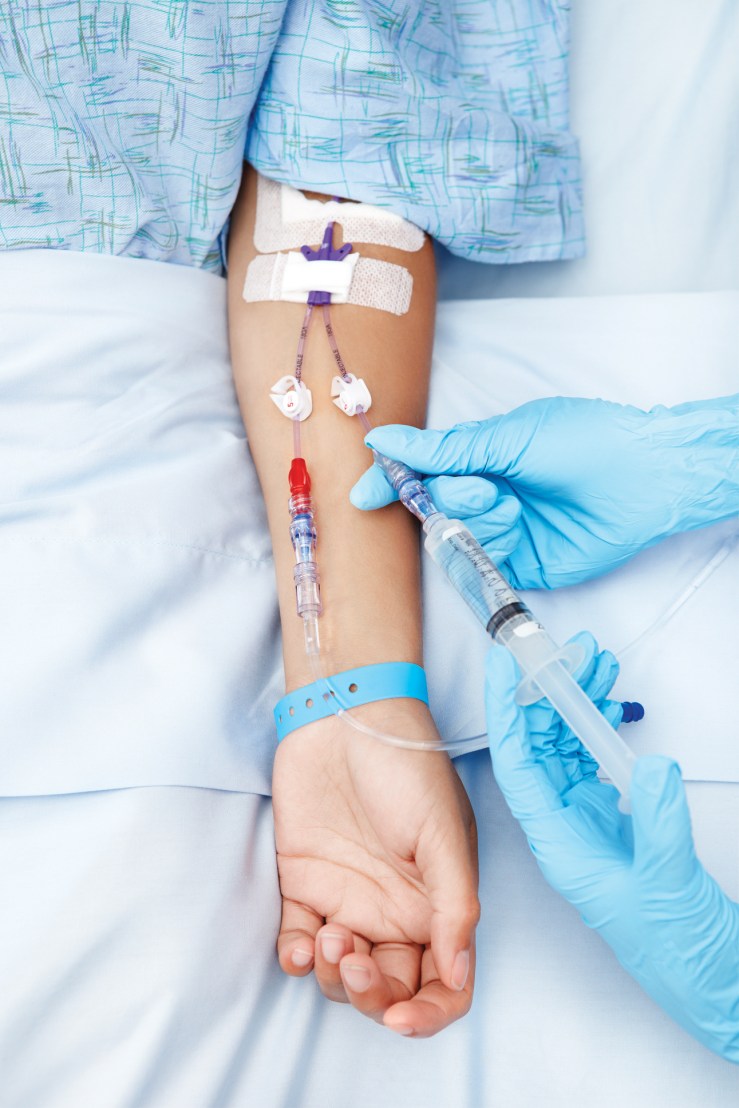
The immediate treatment is re-hydration with a litre of normal saline and the administration of intravenous or subcutaneous insulin usually 0.1 u of insulin per kilogram body weight. As the potassium level can be affected, particularly a tendency to go too low after treatment has started to work, this needs monitored every hour or two. The problem is that irregularities of the heart beat can occur if the potassium level is not adjusted correctly.
It can be seen that management of DKA in the established case is tricky and time consuming. Therefore it is wise to seek medical advice while you or the one you are concerned about, is still relatively well and can for instance still tolerate oral fluids and give a coherent history.
Early recognition and treatment is the key to a good outcome in DKA.


Is there a new “magic bullet” for type two diabetes?

SLGT-2 Inhibitors Gaining Traction as a Class in Preventing Cardiovascular Consequences
April 15th, 2017 Diabetes in Control

Chest pain

Are we experiencing the next “magic bullet” in type 2 diabetes?
Cardiovascular mortality has long been established as the primary cause of death in patients with type 2 diabetes (T2D).

Cardiovascular effects of oral antidiabetic medications came to the forefront in 2007 with the landmark article in the New England Journal of Medicine, written by Dr. Steven Nissen.  In this publication, Dr. Nissen showed a strong association between use of rosiglitazone and increased incidence of cardiovascular complications and deaths.  In the years following, the FDA placed strong restrictions on the prescribing of rosiglitazone, sharply decreasing the market for Avandia.  Subsequent studies showed no correlation between the use of thiazolidinediones and adverse cardiovascular events, causing the FDA to reverse its stance on Avandia.  This class of agents was of particular interest because it was among the first of the oral agents that did not display the hypoglycemia seen with the sulfonylureas.  More importantly, this event caused the FDA to re-examine its approval process, and enforce that cardiovascular studies be done in all new drug presentation trials.
Until recently, there were no groundbreaking studies that suggested any class of oral hypoglycemic could significantly reduce CV risks associated with diabetes.  In January 2016, the European Heart Journal reported the results of EMPA-REG OUTCOME, a randomized placebo-controlled trial with over 7,000 subjects looked at empagliflozin, a sodium-glucose cotransporter 2 (SGLT-2) inhibitor, which works by reducing glucose reabsorption at the renal tubule, thereby increasing glucose excretion. While a known effect is the reduction of hyperglycemia in T2D, there is also an increase in diuresis, weight loss, and reduction in blood pressure without associated tachycardia.  EMPA-REG OUTCOME showed that patients who received empagliflozin demonstrated significant declines in heart failure hospitalizations and cardiovascular deaths, without a rise in adverse effects, regardless of baseline heart failure state.  Based on these findings, Eli Lilly, the manufacturer of the Jardiance® brand of empagliflozin, saw a significant increase in their stock value, as their product was given preference over other available SGLT-2 inhibitors.
Earlier this month, the American College of Cardiology held the ACC.17, where the results of the CVD-REAL study were released .  CVD-REAL was a meta-analysis looking at over 364,000 patients from 6 different countries (United States, United Kingdom, Germany, Norway, Sweden, and Denmark), with T2D. Subjects were receiving either a SGLT-2 inhibitor or another glucose-lowering drug (oGLD) with even distribution across both arms in all six countries.  Of the patients studied, 3% had baseline heart failure, 13% had baseline cardiovascular disease, and 27% had baseline microvascular disease. The primary endpoint was hospitalization for heart failure, which showed a reduction strongly favoring the SGLT-2 inhibitors (hazard ratio [HR] 0.61; p < 0.001).  The secondary endpoints of all-cause mortality also favored the SGLT-2 inhibitors (HR, 0.49; p<0.001), as did heart failure hospitalizations and all-cause deaths in total (HR, 0.54; p<0.001).
Of important significance is the lack of population heterogeneity across the different countries, which suggests that the positive effects seen can be associated with the entire class of SGLT-2 inhibitors (which include dapagliflozin [Farxiga®] and canagliflozin [Invokana®]), and not just empagliflozin.

The investigators in CVD-REAL have come forth and stated that their findings do indeed line up with those from EMPA-REG OUTCOME.  The significance of this is there now exists an open market for SGLT-2 inhibitors, and that these once very costly medications may experience considerable cost reduction across the class, giving patients more affordable options.
As David Kliff, publisher of Diabetic Investor, recently stated, Dr. Nissen has received plenty of negative feedback from the community for his claims against rosiglitazone.  However, because of his initial findings and subsequent correction, the FDA has re-established its approach to the approval process for treatments of type 2 diabetes to include necessary studies of cardiovascular outcomes, much to the benefit of our patients, and that’s certainly a good thing.
Practice Pearls:
The significance of the fall and rise of rosiglitazone has had a tremendous impact on how type 2 diabetes treatments are evaluated.
EMPA-REG OUTCOME has demonstrated considerable positive effects on cardiovascular outcomes in T2D patients receiving empagliflozin, an SGLT-2 inhibitor.
The recent CVD-REAL study has strengthened the notion that all SGLT-2 inhibitors significantly reduce hospitalizations due to heart failure, as well as displaying a decline in cardiovascular deaths in the T2D population.
References:
Nissen SE, Wolski K. Effect of rosiglitazone on the risk of myocardial infarction and death from cardiovascular causes. N Engl J Med. 2007;356(24):2457-71.
FDA website. FDA significantly restricts access to the diabetes drug Avandia. Press release, September 23, 2010. http://www.fda.gov/ NewsEvents/Newsroom/PressAnnouncements/ ucm226975.htm Accessed March 24, 2017.  
FDA website. FDA panel votes narrowly to modify Avandia restrictions, June 6, 2013. http://www.reuters.com/
American College of Cardiology Website. CVD-REAL Study: Lower Rates of Hospitalization For HF in New Users of SGLT-2 Inhibitors, March 19, 2017. http://www.acc.org/latest-in-cardiology/articles/2017/03/13/17/58/sun-2pm-cvd-real-study-lower-rates-of-hospitalization-for-hf-in-new-users-of-sglt-2-inhibitors-vs-other-glucose-lowering-drugs-acc-2017#sthash.4dPCw3Zu.dpuf.

Mark T. Lawrence, RPh,PharmD Candidate, University of Colorado-Denver, School of Pharmacy NTPD

Having Hypos in Public

There was a story in the news this week* about a BBC presenter who had to apologise to listeners after having a hypo while on air.

World Service presenter Alex Ritson has type 1 diabetes, and apparently, his introduction to an early morning news programme left him stumbling over words. He later explained what had happened, and said it was appropriate, as the programme would also be running a story on new research into diabetes published in The Lancet.

I’ve often wondered how public figures who have type 1 diabetes cope with hypos. Those of us who aren’t famous only need to worry about treating them—and sometimes that isn’t always easy—but what about if you’re in the middle of presenting a news programme, or fighting with other politicians a la Theresa May?

[Perhaps she can blame low blood sugars for the immense confusion that currently surrounds Brexit. Some people get violent when they are hypo too so she could use that as an excuse to punch Boris.]

When you have experienced hypos over the years, your body adjusts to them, and the symptoms you get are nowhere near as severe as they were the first few times. Nevertheless, confusion and brain fog still occur.

I remember sitting at meetings or trying to explain myself at work and scrabbling around for words that suddenly seemed to vanish. You get a split second where you panic—where are the words, where are the words—before realising what is going on. I reckon that’s what happened to Alex Ritson, and the panic was probably vile because he was on-air and knew millions of people were listening to him.

Alex later said on Twitter that having a hypo on air had been a recurring nightmare for years, but the Twitter community responded really well with people sympathising, and the JDRF tweeted a handy infographic that showed the signs of hypos, a useful guide for family, friends and colleagues of we type 1s.

*While researching this article, I found out that actor James Norton is a type 1, which made me happy. Nothing at all to do with the fact that he’s exceptionally good looking, #T1DLooksLikeMe…


BMJ: Continuous glucose monitoring in pregnant women halves adverse birth effects

Freestyle libre

Adapted from the BMJ article by Susan Mayor 23 Sept 17

A study has shown beneficial effects in type one pregnant patients. One in two babies born to such women have complications such as prematurity, stillbirth, congenital anomalies, and being too big. These are due to high blood sugar levels in the womb and there has been no reduction in these in the last 40 years.
Denise Feig, the author of the study, based at the University of Toronto, says, “Keeping blood sugar levels in the normal range during pregnancy for women with type one diabetes is crucial to reduce risks for the mother and child. As insulin sensitivity varies through the pregnancy adjusting insulin accurately is complex. Since our results have come through we think that continuous blood sugar monitoring should be available to all type one women.”
In the international study 325 women who were planning a pregnancy or pregnant took part. Two thirds were randomised to get the monitors and the rest had standard treatment. Large newborns were halved and so was neonatal intensive care admissions and hypoglycaemia. Women had a small but significant reduction in HbA1c. They had more time in the normal blood sugar range and hypoglycaemia was not increased.
The extra cost of the monitors could be offset to some extent by the reduced cost of medical care after the birth.