Mushroom Soup – Low-Carb Soups

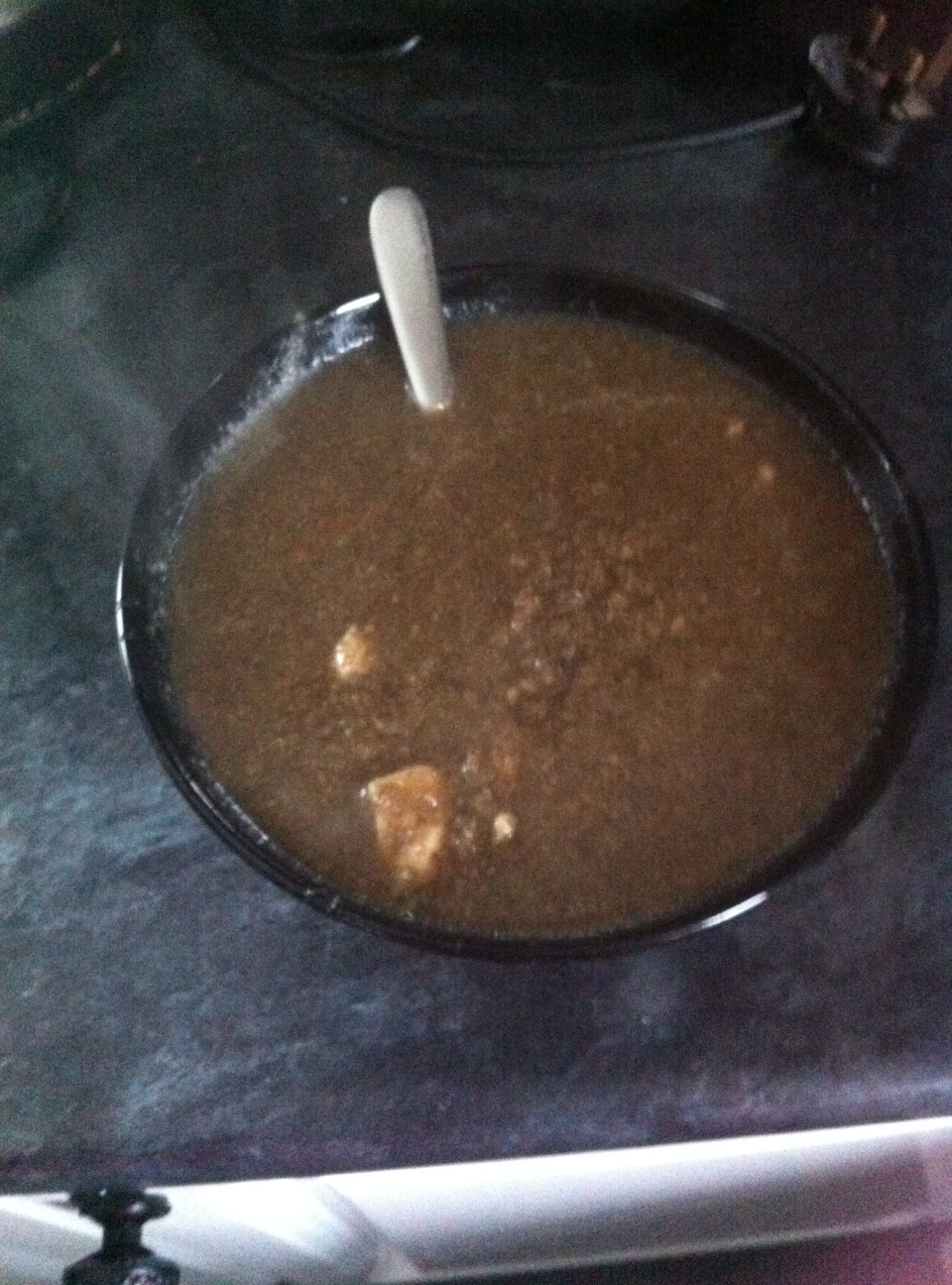
mushroomsIt hasn’t been the coldest of winters here in Scotland, but soup is always a welcome winter warmer. This mushroom soup is full of flavour and low-carbohydrate.

You can make it a main meal by adding in some protein – top with a poached egg, for example, or add in some chopped chicken breast, poaching it in the soup for 10 minutes. Crispy fried bacon crumbled up into ‘croutons’ is another idea.


Low-Carb Mushroom Soup

  • Servings: 4
  • Difficulty: easy
  • Print

  • mushroom soup1kg mushrooms, quartered
  • 2tbsp butter or olive oil
  • 1 large onion, chopped
  • 3 stalks celery, chopped
  • 4 cloves garlic, crushed
  • 100ml white wine
  • 300ml fresh chicken stock
  • 300ml water
  • Salt and pepper

Melt the butter or heat the olive oil in a large saucepan and add the onions and celery. Fry for five minutes until softened and then add the mushrooms. Mix well to combine and fry for another 10 minutes. Add the garlic and white wine, cook off the wine and add the chicken stock and water.

Bring to the boil and then turn down to a simmer. Cook for 15 minutes and then puree with a hand blender. Season to taste. It’s nice topped with chopped parsley and a swirl of double cream.

You can also make this in the slow cooker – throw all the ingredients into the slow cooker (no need to bother browning the veg), turn the setting to high and leave for three hours before liquidising.

Carbs per serving: 14g, with 4 g of fibre. 

Giving Up Diet Coke – an Update

diet cokeThere’s no point in making grandiose announcements on a blogging account and then failing to follow them up so here is an update on my attempts to give up diet coke…

A success. I no longer drink diet Coke in the quantities that I used to (a litre and a half a day, ahem!). I have saved myself considerable money as, like many others addicted to the fizzy stuff, I insisted on the real thing and I liked to drink individual servings rather than buying it in big bottles. It’s “fresher” that way, if you can ever use words such as “fresh” to describe Diet Coke.

[EDITOR’S NOTE – “ER… NO???!!]

I lasted almost four weeks without any diet coke. I stopped having chewing gum at the same time so that I could limit my exposure to any kind of artificial sweetener entirely. After week four, I had one (a 500ml bottle). One a week. That lasted roughly four weeks and then it crept up to two, then three and then one a day.

Which is where I am now – a one-a-day girl. When I used to drink three of these 500ml bottles a day, it used to take a lot of willpower not to drink any more. That same willpower comes into effect with drinking just one a day. So it’s willpower that has had a lot of practice. Continue reading “Giving Up Diet Coke – an Update”

Sugar in Fruit

Sugar-in-fruit-webgraphicWe do love a good infographic here at The Diabetes Diet – and this one by Zoe Harcombe caught our eye…

If you are following a low carbohydrate diet to improve your blood sugar control, then fruit is something you need to treat with caution.

You can eat fruit as part of a low-carbohydrate diet, but in moderation (one to two portions a day) and certain fruits are better than others, such as berries. It’s also best to eat fruits after you’ve eaten your meal as this will slow down the absorption of the sugar in them.

If you choose not to eat fruit at all, there are plenty of nutrients and fibre in vegetables – red peppers are an amazing source of Vitamin C, for example – so you won’t be missing out on anything.

Red Meat and Cancer Risk

steakConfused about health headlines of late and worried that your low-carb diet might give you cancer?

That might be the case if you’ve been reading the reporting of a certain World Health Organisation (WHO) study looking into diet which said eating processed meat increased the chances of developing colorectal cancer by 18 percent, while red meat was “probably carcinogenic” but that there was less evidence.

It depends on where you read the news of course as certain reporting of the story (and other similar research) has blown it out of all proportion – at least with their sensationalist headlines. Take a bow the Daily Mail.

Zoe Harcombe’s blog dissects the research and the headlines. I’d recommend reading it for a more detailed take on the story.

Personally*, I buy good quality, unsmoked bacon and good quality red meat. I don’t eat ham and other processed meats, mainly because I don’t find them very filling – but I’m happy to eat chorizo occasionally. The headlines don’t bother me in the least.

I’ll keep buying and eating unsmoked bacon and good quality red meat because eating them helps me maintain a low-carb diet, which in turn helps me feel lively and energetic, instead of lethargic, grumpy and depressed.


*A disclaimer here – you must make up your own mind about what you choose to eat of course…

Low-Carb and Mediterranean Diets “Better Than Low-Fat”

weight lossA report published in today’s Guardian says that low-carb and Mediterranean* diets are better than low-fat plans for losing weight.

The news article by health editor Sarah Boseley also says the research (published in the Lancet Diabetes and Endocrinology journal) has found that in the long-term no diet worked particularly well.

The study involved more than 68,000 people and looked at 53 long-term studies that had been carried out since 1960 comparing diets. It was funded by the National Institutes of Health and the American Diabetes Association.

Lead author of the Lancet piece, Dr Deirdre Tobias from Brigham and Women’s Hospital and Harvard medical school, Boston, said the research showed there was no good evidence for recommending low-fat diets, as their “robust evidence” showed that simply reducing fat intake would not naturally lead to weight loss. Continue reading “Low-Carb and Mediterranean Diets “Better Than Low-Fat””

Bye-Bye Diet Coke

Get thee behind me Satan...
Get thee behind me Satan…

It’s now… ooh, it’s now 10 days since D-Day, otherwise known as the day I kicked the Diet Coke.

As a type 1 diabetic who follows a low-carb diet most of the time (not all of the time, as I’m not perfect and I find the occasional pull of the chocolate/bread temptation too hard to resist), in theory Diet Coke shouldn’t pose a problem. It’s sugar-free and carb-free after all.

But drinking Diet Coke in the quantities that I did (one-and-a-half litres a day) definitely suggests addiction and who wants to be an addict?

Google “giving up diet coke” and you’ll find lots of forums and discussion threads where people discuss their addictions. Other diet drinks are mentioned, but it’s Diet Coke that seems to form the commonality – suggesting that there is indeed something addictive in Diet Coke, even if that is just its psychological pull.

Continue reading “Bye-Bye Diet Coke”

Cheese Please – It’s Good for You!

Dig in - it's good for you.
Dig in – it’s good for you.

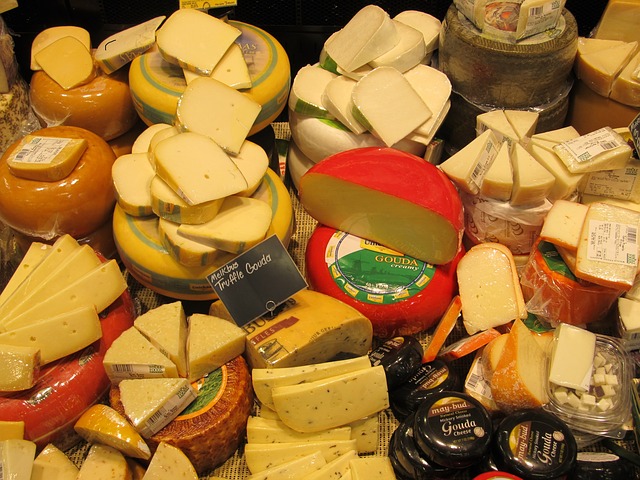
This week, our attention was drawn to a study that suggested that cheese is good for you.

The results of the study (which came out earlier this year) had looked at the effect which is often referred to as the “French paradox” – i.e. why do French people tend to lead long and healthy lives while consuming diets high in saturated fats?

As readers of this blog may well know, saturated fat has hit the news a lot recently – with suggestions that its previously terrible reputation in terms of what it does for your health was undeserved. This study carried out by scientists at Aarhus University in Denmark seems to add to the rehabilitation of saturated fat’s reputation.

The Danish research suggested that fermented dairy products could contribute to longevity and health. French people have a lower incidence of coronary heart disease and an average life expectancy of 82 – eating an average of 23.9kgs of cheese a year, while the Brits eat a mere 11.6kgs and suffer from twice the levels of cardiovascular disease and a decreased life expectancy (81).

Continue reading “Cheese Please – It’s Good for You!”