Happy New Year!

new-years-day-1064217_960_720Happy New Year to everyone who follows The Diabetes Diet blog. We wish you health and happiness (and normal blood sugar levels) in 2016.

If you’re planning to kick-start low carb eating or in need of low-carb menu planning ideas, check out our blog as we’ve got loads of delicious recipes here, and plenty of information via the D-Solve course and the How to course which will help you work out how to deal with your diabetes.

And if you want that little bit extra help in a book where all the information is in one place, check out the Diabetes Diet here.

Rob Kardashian Diagnosed with Type 2 Diabetes

Världsdiabetesdagen

As you might imagine with a condition as prevalent as diabetes, the topic is in the news frequently.

One article that caught our eye this week was the news that Rob Kardashian has type 2 diabetes. Rob Kardashian (in case any of you are saying to yourself, “who??” having recently returned from an extended sojourn on Mars) is a member of the all-powerful Kardashian k(c)lan*.

Members of the family are famous for breaking the internet with their ginormous bottoms, transvestism, dating men their girlfriends really should have sat them down and had an “avoid like the plague” word about, and spending vast sums of money.

Rob has been famous of late for steering well clear of family gatherings, most notably sister Kim’s wedding to Kanye West, and publicity.

As publicity loves nothing more than rumours of family fall-outs and fatness in celebrities, it found him anyway and recent pictures have shown a rather over-weight and unhappy looking young man.

According to TMZ, the 28-year-old was recently hospitalised and subsequently diagnosed with type 2 diabetes. High-profile people with type 2 diabetes aren’t hard to find – Brian Cox, Tom Hanks, Sir Steven Redgrave and Larry King for starters – but Rob is unusual because he’s so young.

On the other hand, diagnosis of type 2 diabetes is on the rise – and it’s on the rise in people of a younger age. One 2007 article, for example, looked at incidences of type 2 diabetes in children under the age of 17 in the UK and found that “the frequency of type 2 diabetes appears to be increasing” blaming it on the increase in childhood obesity.

Poor Rob is likely feeling overwhelmed and unhappy at this moment in time, wondering what this diagnosis means for him and the way he lives his life.

On the plus side though, having now been diagnosed he can get on with making himself feel much, much better. Type 2 diabetes can and is improved all the time by lifestyle factors such as diet (and of course we’re going to promote the low-carb diet here a la The Diabetes Diet) and exercising regularly.

And of course if Rob would like any of our recipes for the dishes that can support his return to health, he’s welcome to peruse our website!


*In a gloriously egotistical way, mamma Kardashian insisted on naming all her kids with K names, even the ones with names not usually spelt with a K. You gotta admire it.

Pic thanks to Oskar Annermarken on flickr.



Low-Carb and Mediterranean Diets “Better Than Low-Fat”

weight lossA report published in today’s Guardian says that low-carb and Mediterranean* diets are better than low-fat plans for losing weight.

The news article by health editor Sarah Boseley also says the research (published in the Lancet Diabetes and Endocrinology journal) has found that in the long-term no diet worked particularly well.

The study involved more than 68,000 people and looked at 53 long-term studies that had been carried out since 1960 comparing diets. It was funded by the National Institutes of Health and the American Diabetes Association.

Lead author of the Lancet piece, Dr Deirdre Tobias from Brigham and Women’s Hospital and Harvard medical school, Boston, said the research showed there was no good evidence for recommending low-fat diets, as their “robust evidence” showed that simply reducing fat intake would not naturally lead to weight loss. Continue reading “Low-Carb and Mediterranean Diets “Better Than Low-Fat””

Sugar Reduction Report Publication Delayed

sugarThis week, a UK news report revealed that the publication of a health report that called for the imposition of a sugar tax had been delayed.

The report, Sugar Reduction: The Evidence for Action, compiled by Public Health England (a government advisory group) had set out a number of policies which it believes can help tackle the obesity crisis in this country.

The policies included a sugar tax, a crackdown on the marketing of sugary and other unhealthy products to children, and continued action to push the message that most people need to lower their daily sugar intake.

The report was finally published on Thursday afternoon, although it has been originally scheduled for publication in July. The delay was attributed to the Department of Health (which PHE is part of) so that its findings could be used to inform the government’s forthcoming strategy to combat childhood obesity. The news report revealed that Prime Minister David Cameron had not read the report, dismissing a sugar tax out of hand.

The obesity crisis in the UK is thought to cost the NHS some £5.1 billion a year. The report says its suggested policies, including the sugar tax, are needed to reduce the consumption of sugary foods and drinks that are contributing to this crisis. Continue reading “Sugar Reduction Report Publication Delayed”

Turkey Curry – Low Carb

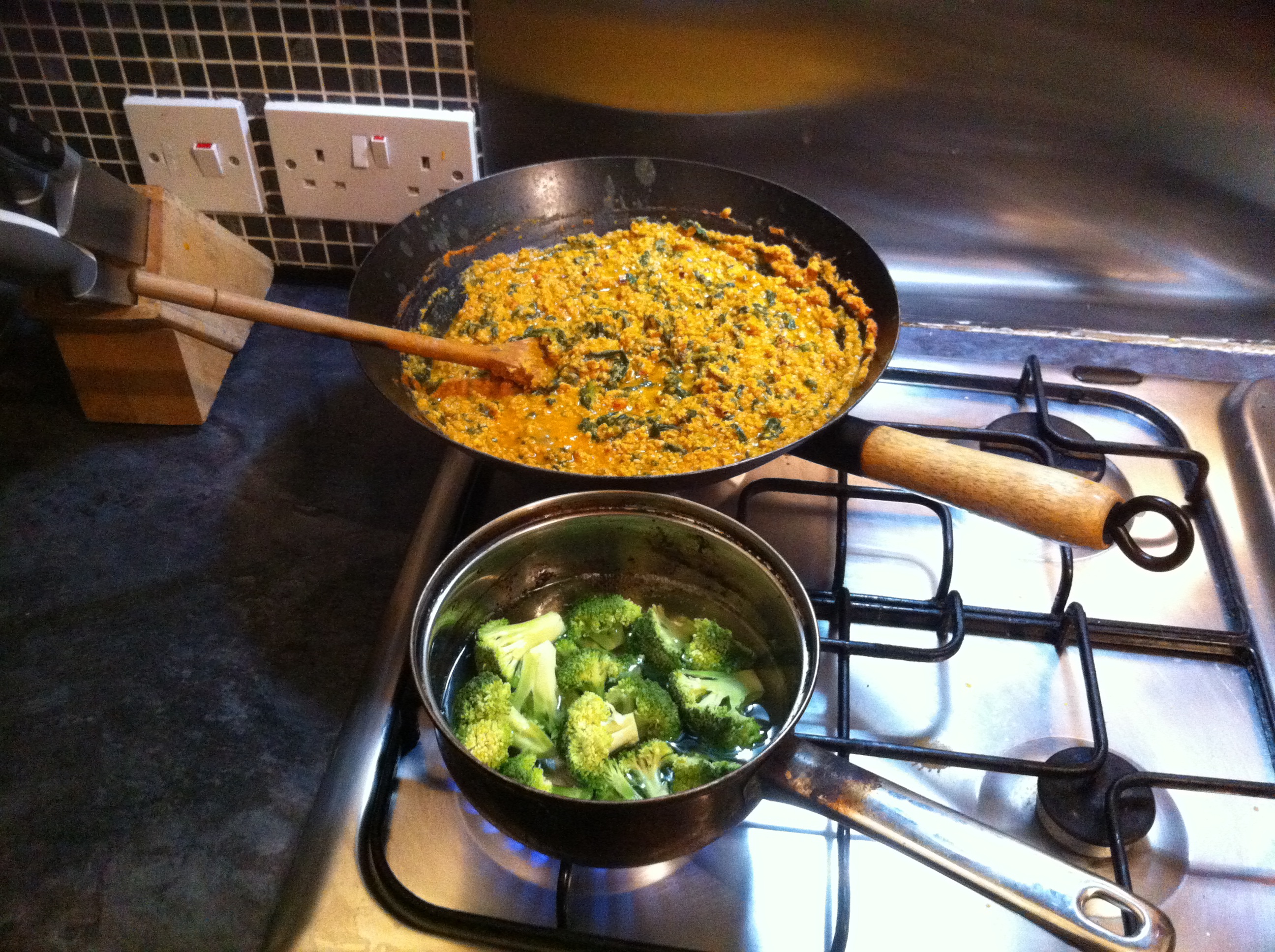
turkey curryBridget Jones jokes aside, turkey curry is now a current favourite of mine… It’s really easy to make, and relatively cheap too as turkey mince isn’t highly priced in supermarkets.

I like turkey curry served with broccoli or cauliflower (and if you really want a low-carb curry experience, you can make cauliflower rice, method here).

The quantity makes four servings with about 20g of carbs per portion, 15g not including the fibre.


Low-Carb Turkey Curry

  • Servings: 4
  • Difficulty: easy
  • Print

  • 500g turkey mince
  • 2 tbsp coconut oil
  • 600g tinned tomatoes (1½ tins
  • 100g frozen spinach
  • 40g creamed coconut
  • 2 onions, sliced
  • 2 cloves garlic, crushed
  • 2 tbsp grated fresh ginger
  • 1 tbsp ground coriander
  • 1 tbsp ground cumin
  • 1 tbsp turmeric
  • 1 tsp ground black pepper
  • 1-2 tbsp chilli powder (add more or less depending on your spice tolerance levels)
  1. Heat the coconut oil in a large saucepan or wok until hot. Add the onion and fry gently until translucent (about five minutes).
  2. Add the garlic and ginger, and cook for a minute or so before adding the tinned tomatoes and all of the spices.
  3. Chop the creamed coconut into small pieces and stir in. Mix well, bring to a simmer and leave to cook for 10 minutes, stirring from time to time.
  4. Using a hand blender, puree the sauce. (You can leave it chunky if you prefer and you can use the sauce as the base for any curry.)
  5. Now add the turkey mince and the frozen spinach and stir well to blend it all in. Mix well and bring back to a simmer. Allow to cook for 15 minutes.
  6. Serve with broccoli or cauliflower for added veggie goodness.

[/recipe]

If you have diabetes, you may well have fungal overgrowth problems (fungi loves a sugary atmosphere) and this dish has several anti-fungal ingredients – garlic, ginger and coconut oil.

Seven Free Online Work-Outs for You To Try

From bootcamps to ballet, there's a work-out for everyone on YouTube.
From bootcamps to ballet, there’s a work-out for everyone on YouTube.

When I first got into fitness some 25 years ago, there were nothing like as many options as there are now. I do remember doing one of Cindy Crawford’s original exercise videos (it was awful) and cycling everywhere.

Nowadays though, there are so many choices if you want to get more active but you don’t want to, or can’t afford to, join a gym or attend classes.

Step forward YouTube! If you know where to look, you can access thousands of online exercise DVDs so you never need to pay for anything (apart from your broadband connection of course) or leave the comfort of your own home.

The videos vary greatly in quality of course – from really slick, professionally produced clips to the rather more amateur, and length varies too. Some of the moves and programmes will be demonstrated very well, others will be downright dangerous – but intelligent adults need to work this out by themselves, recognising that free stuff doesn’t come with the same checks and balances you can expect if you pay for gym memberships, classes or personal training.

It’s important to exercise whether you have type 1 or type 2 diabetes because exercise increases your sensitivity to insulin, and it reduces the risk of cardio vascular disease (people with diabetes have an increased risk of CV disease). Continue reading “Seven Free Online Work-Outs for You To Try”

Jeff Volek Calls for Signatories to a Petition Against Current US Dietary Guidelines

petitionThe Diabetes Diet’s attention was drawn to a recent call for signatories to a petition aimed at changing US dietary guidelines.

We’re British, but the official guidelines for nutrition in this country have been very similar to US advice in the past.

The plea for signatories to the petition comes from Dr Jeff Volek, a registered dietician and professor at the University of Connecticut, and regarded as an expert in low-carbohydrate diets. He is calling for people to sign the petition because he considers that the US dietary guidelines have not worked and obesity and diabetes is a public health crisis, with more than half the adult US population having diabetes or being pre-diabetic.


Dr Volek says that he recently attended the US House Agriculture Committee to discuss  the guidelines, where the secretary of the USDA and HHS were asked question about the current scientific report and guidelines that are likely to be published this December (2015).

Dr Volek says: “The chairman and multiple members of the House Ag[riculture] Committee were rightfully concerned about the report and the failure to acknowledge the problem of excess carbohydrate consumption and the body of literature on low-carbohydrate diets.

“I invite you to join me in asking the government to make a change and ensure that quality science generated from a variety of different experimental approaches be the center focus in determining the 2015 Dietary Guidelines. Progress can only occur if we are willing to disrupt the status quo and recognize the insights of newer, better and more credible science.”

The link to the petition is here: https://www.change.org/p/demand-that-quality-science-determines-the-2015-u-s-dietary-guide

You can read more about Dr Volek’s work at his website, artandscienceoflowcarb, and The Diabetes Diet contains lots of examples of meal plans and recipes you can follow if you’d like to eat  a low-carb diet yourself.


Photo thanks to the League of Women Voters.


Cheese Please – It’s Good for You!

Dig in - it's good for you.
Dig in – it’s good for you.

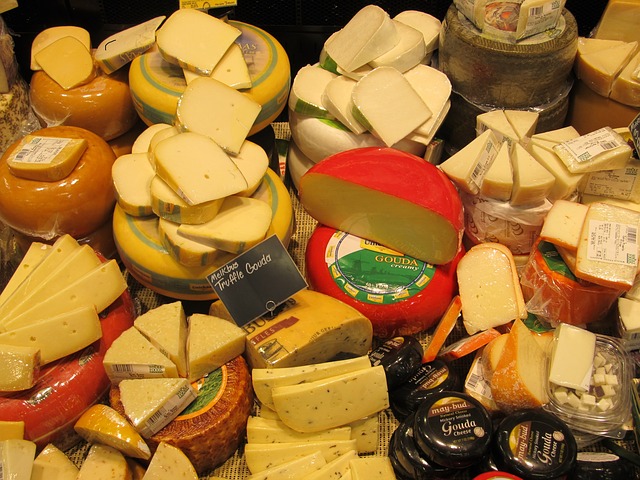
This week, our attention was drawn to a study that suggested that cheese is good for you.

The results of the study (which came out earlier this year) had looked at the effect which is often referred to as the “French paradox” – i.e. why do French people tend to lead long and healthy lives while consuming diets high in saturated fats?

As readers of this blog may well know, saturated fat has hit the news a lot recently – with suggestions that its previously terrible reputation in terms of what it does for your health was undeserved. This study carried out by scientists at Aarhus University in Denmark seems to add to the rehabilitation of saturated fat’s reputation.

The Danish research suggested that fermented dairy products could contribute to longevity and health. French people have a lower incidence of coronary heart disease and an average life expectancy of 82 – eating an average of 23.9kgs of cheese a year, while the Brits eat a mere 11.6kgs and suffer from twice the levels of cardiovascular disease and a decreased life expectancy (81).

Continue reading “Cheese Please – It’s Good for You!”

Low-Carb Ribs Recipe

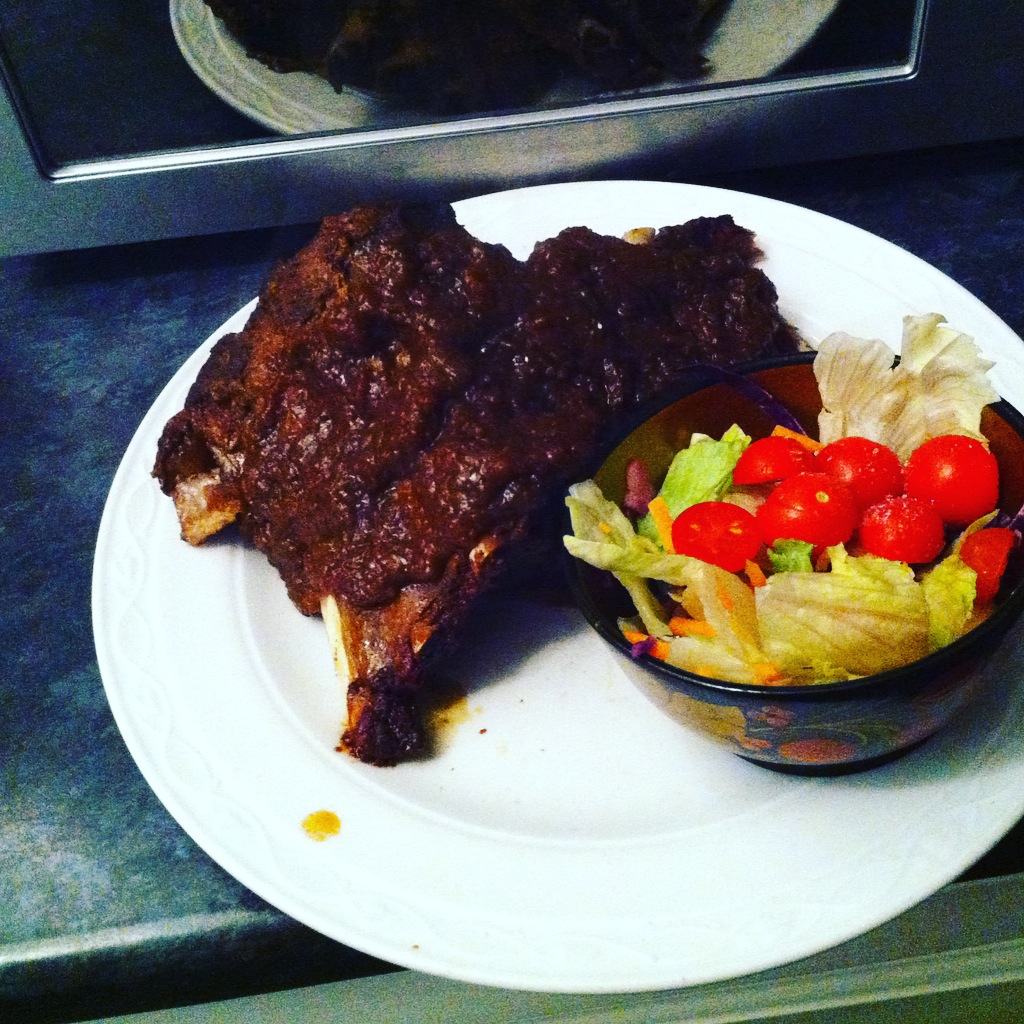
There’s nothing quite so primal as locking your gnashers round ribs… As an added bonus, ribs are dead cheap too – which is always a bonus when you’re following a low-carb diet.

Most ribs usually come accompanied by a really sticky sauce – which means it probably has a lot of added sugar. but then without that sauce they wouldn’t be so nice, hmm? Anyway, here’s an easy-peasy, low-carb version which also uses the slow cooker.

Low-Carb Ribs

  • Servings: 2-3
  • Difficulty: easy
  • Print

Ribs... it's a primal thing.
Ribs… it’s a primal thing.

  • Rack of pork ribs (about 600-800g)
  • 100ml water
  • 2tbsp cider vinegar
  • 2tbsp soy sauce
  • 2tsp Canderel
  • 1 onion
  • 200g passata

Mix together the water, vinegar, passata and soy sauce. Season the ribs with salt and pepper and place in the slow cooker. Pour over the sauce and top with the onions.

Cook on the low setting for seven hours. Remove from the slow cooker. Place the sauce in a saucepan with the onions and bring back to a simmer.

Liquidise to get a smooth-ish sauce and add the Canderel. Pour over the ribs to serve.

Allow about 8-10g carbs per serving.