Sam Everington: I moved the diabetes consultant into the community and greatly improved results

Adapted from BMJ 26 January 19, Five minutes with Sam Everington,  by Susan Major

Sam Everington worked as a lawyer before re-training as a GP. He is now the chair of Tower Hamlets Clinical Commissioning Group, has served on the Kings Fund, and gained a knighthood.

Tower Hamlets is a very deprived area in east London, despite this they have achieved the best rates of blood pressure control and cholesterol in patients with type two diabetes.

Sam puts this down to a much closer involvement by the hospital diabetes consultant with patients directly in the community instead of the hospital ivory towers which is traditional in the UK.

By mainly giving telephone advice to local GPs and pharmacists, he was able to give quick decisions on optimal treatment.

Sam says, “Diabetes is a complex disease, so you have to have a comprehensive approach, using everything you can to improve lifestyle and motivate patients by focussing on what is important to them. It is key to have a care plan that is individualised to each patient, systematically going through with a nurse and creating the plan in partnership with them.

“If you accept that social factors are responsible for 70% of a person’s health and wellbeing, then there is a big gap in primary care. If we don’t tackle social factors, we are really only having access to 30% of the therapies that we really need. Therefore we have introduced social prescribing in every practice in Tower Hamlets.

“We use a referral form, ticking boxes on lifestyle, environment, social and mental health. Patients then see the social prescribing advisor and talk through what will motivate them. They are then connected to one or more of 1,500 voluntary sector organisations in Tower Hamlets.

“We also encourage patients to access their own notes so they can see their results and take control. All the evidence shows that when patients manage their own illness the outcomes are better. All our patients are offered a half or whole day diabetes education workshop.”

My comment: Well done Sam. A great example of joined up thinking being adequately resourced to achieve great results.


60 today

Today I reach 60 years of age.  This is a milestone birthday mainly because I’m retiring from general practice. I’ve worked in Ballochmyle Medical Group since I was 27. Since then I’ve seen huge changes.

Lloyd George envelopes for records, which had been used since 1948,  were diligently assembled into A4 files in the late 80s, and then computerisation started in the mid 90s.  In the 80s days doctors had to guess the diagnosis or open someone up,  but today MRI and CAT scans and many more keyhole, radiological and diagnostic procedures make diagnosis faster and easier, at least for the doctor.

The single handed and small group  GP practice doing all their own surgeries, visits and on call, have thankfully been replaced by large practices with GPs and nurses specialising in different areas. They are supported by in house Pharmacists, Physios, Mental Health nurses and Podiatrists.  GPs work very long, intense days now, but they have appointment slots of 10-15 minutes instead of 7.5 which was standard. Many also have largely given up working out of hours and large health board run groups of doctors, nurses, paramedics and drivers do this now.

I used to have Ordinance Survey and Street Maps covering all Ayrshire in the car, and still have, but locating a house or farm is now so much easier with in car GPS systems. We relied on land line phones and answering machines and pages. Now we have mobile phones that are so smart we can watch TV on them and see as well as speak to patients via skype just like Captain Kirk and Dr Bones McCoy did in the 60s on Star Trek.

When I entered medical school in 1977, it was the first year that half of the students were women. Now there are about 3 or 4 women for every man.  It was normal to be a full time GP but now most GPs prefer to work part time. Maternity leave used to be 3 months and now it is a year.

Diabetes monitoring was very primitive, with glucose sticks as the main way of monitoring  with venous blood samples when a patient was acutely ill when I was in medical school. In the 80s BM blood testing stix were a major advance acutely and the HbA1C test used for long term information. Personal blood glucose monitors were a major advance. These can give visual information on your computer or meter. In the last few years these have been trumped by the Freestyle Libre Flash system.

The outlook for diabetic patients is also much better. There is more accurate information about dietary choices, a lot of varied insulin regimes to choose from and better patient education and partnership.

I will be leaving my GP practice and my complementary therapy and private practice but will be continuing my police and prison work, legal work and diabetes education work via this blog.

Emma and I will continue to update you on all matters diabetic and I hope you all continue to enjoy visiting.


Heartburn can be treated with Imipramine

From Cheong K et al. Low dose imipramine for refractory functional dyspepsia: a randomised double blind placebo controlled trial. Lancet Gastroenterology Hepatol. Oct 22 2018.

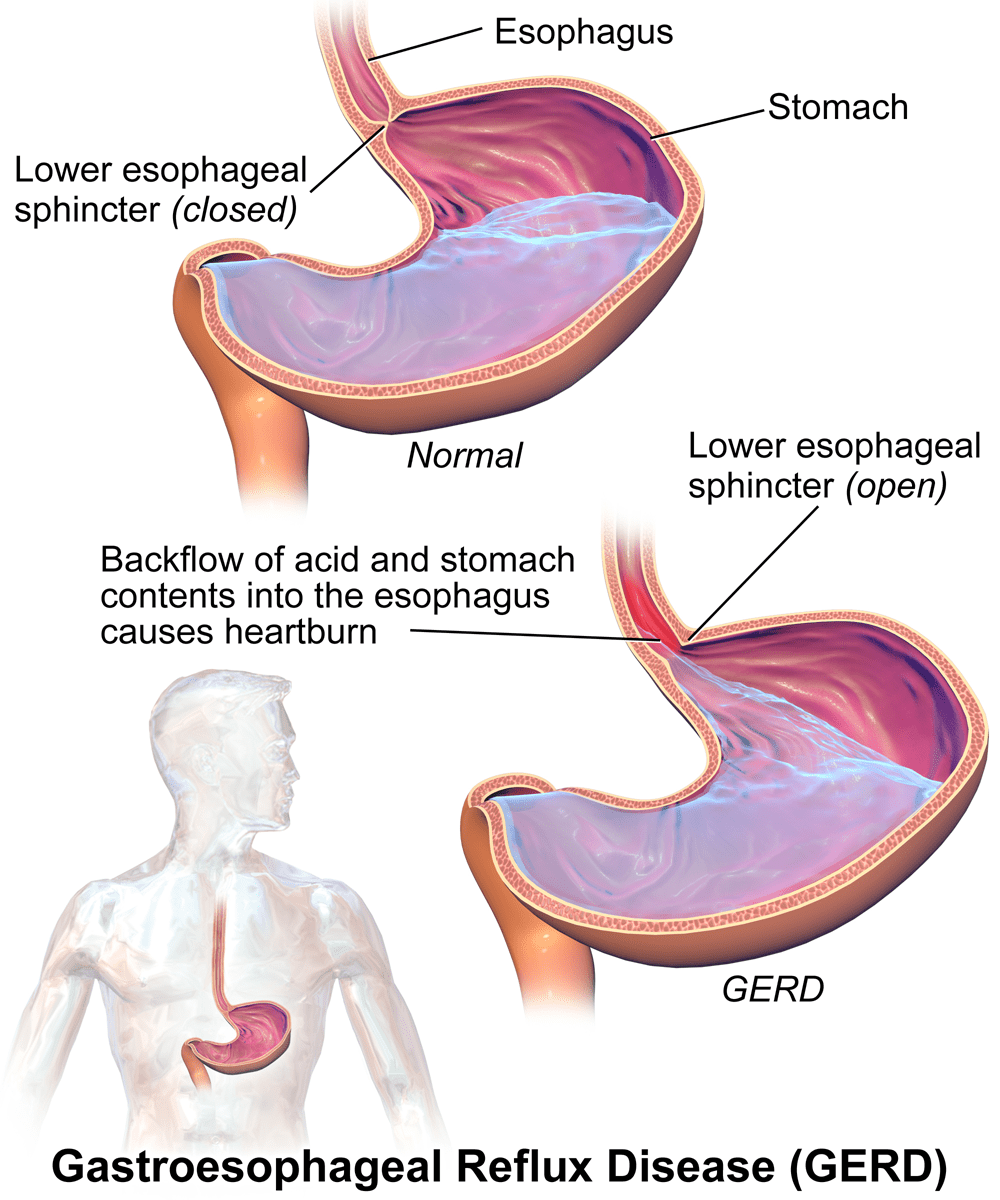
Heartburn is a miserable and very common symptom. It can be treated with antacids such as Peptac and Gaviscon and drugs such as Ranitidine and Omeprazole or Lansoprazole.  Domperidone, which increases gut motility can be used short term. But sometimes these don’t work.

Imipramine is an old anti depressant drug which was used in this recent drug trial for heartburn that had not responded to Esomeprazole and Domperidone.

107 patients entered the trial. The treatment arms were placebo or imipramine 25mg at night for two weeks, then 50mg a night for a total of 12 weeks.

In the Imipramine arm 63% of patients got a good reduction in symptom score compared to placebo’s 36.5%.

There was a higher rate of stopping the Imipramine, 18% versus 8% for the placebo. The side effects were dry mouth, constipation, drowsiness, insomnia, palpitations and blurred vision.

My comment: The re use of this old drug will be very helpful for patients who have run out of options for their heartburn. Many patients get an excellent effect when they go on a low carb diet too. The side effects of this are: slim down, lose belly fat, feel more energetic, clearer skin and for diabetics a great improvement in blood sugar control.


Type Ones get near normal blood sugars on very low carb diets

Adapted from Management of Type One Diabetes with a very low carbohydrate diet by Belinda S Lennerz et al. Pediatrics Volume 1 number 6, June 2018.

Exceptional glycaemic control of type one diabetes mellitus with low rates of adverse events was reported by a community of children and adults who consumed a very low carb diet. This study was done by recruiting patients via an online survey. Their medical records were then used to confirm their results.

Of the 316 respondents, just over a third were parents of diabetic children. The mean age of diagnosis was 16 years and the duration of diabetes was a mean of 11 years. The mean time of following a VLCD was just over 2 years. The mean daily carb intake was 36g. The mean HbA1c was 5.67%. Only 2% of the respondents reported diabetic hospitalisations. 4 admissions were for DKA and 2 for hypoglycaemia.

In the USA the average HbA1C for type one diabetics is 8.2%.  The ADA target to reduce complications is set at under 7.5% for children and under 7% for adults. Only 20% of children and 30% of adults reach these targets.

A major difficulty is achieving post meal blood sugar targets. The carbohydrate load has the greatest influence on this. A VLCD is regarded as between 20 and 50g of carb at each meal or between 5-10% of total meal calories from carbohydrate. Some practitioners worry about advising diabetics about VLCD because of concerns about DKA, hypos, lipid problems, nutrient deficiency, growth failure and sustainability.

The study was approved by the Boston Children’s Hospital.  The recruitment group were people who were following Dr Bernstein’s Diabetes Solution. They came from the USA, Canada, Europe and Australia. They were all confirmed as having type one diabetes from their medical records.

Symptomatic hypoglycaemia was reported by 69% of the participants but severe hypos were rare. Most people had 1-5 episodes of mild hypos a month.

Most people had the characteristic low triglycerides, high HDL, high total cholesterol and high LDL pattern.  The average trig/hdl ratio was 1:1 indicating excellent cardiometabolic health. BMI was also lower than population averages for age. The DCCT covered 1441 adolescents and young adults and the factors that showed the greatest effect on cardiovascular risk were: HbA1c, then trigs, then LDLc.

The commonly reported growth deceleration noted with type one diabetes is generally thought to be due to poor blood sugar control.  In this study group however the children’s height were modestly above averages for age and gender.

A few participants deliberately did not disclose their low carb diets to their health care providers due to concerns about being criticised, pressured to change behaviour or accused of child abuse. Although 49% of participants thought that their health care provider approved of VLCDs, a robust 82% of the health care providers said they did.

We don’t know how generalisable the findings in this study could be. This group may be particularly well motivated and may be pursuing other health related behaviours such as physical activity. None the less,  the level of glycaemic control and low rates of DKA and severe hypos revealed by this study break new ground in research into diabetes management for type one diabetes.


Merry Christmas Everybody

Emma and Katharine wish you a lovely Christmas today.

I will be doing my usual Christmas routine, which is to go off round the police stations in Ayrshire visiting prisoners, while my husband Norman, makes the Christmas dinner which we eat at 7pm, when I get home.

Steven and David, now in their mid twenties, revert to their teenage selves, and play with their new “toys” of whatever nature.  Their main job is to keep out of their dad’s way while he is doing his Master Chef routine.

We usually have the same thing each Christmas:

Lobster bisque or tempura prawns

Gordon Ramsay’s treacle and chilli covered ham with the usual trimmings

My low carb, wheat free,  and very boozy Tiramisu.

I make the sponges a couple of days before, and assemble the dessert the day before.  The prawns and bisque are pre-bought, and the ham pre-boiled the day before so that it cuts down the hard labour of the chef on the day.

Whatever you are eating, many of you will be having some festive drinks too. Here is a list of some of the drinks that you could be having, just so you can keep the carb and perhaps calories in mind.

From Diabetes Forecast March 2019 ( one ounce is 30 mls)

Rum and diet cola, 6 oz (1.5 oz rum) 100 calories, less than 1g carb

Scotch and club soda, 6 oz (1.5 oz Scotch) 100 calories, less than 1g carb

Martini, 2.5 oz (2.25 oz vodka or gin and 0.25 oz vermouth) 156 calories, less than 1g carb

Champagne, 4 oz, 100 calories, 4g carb

Red or White Wine, 5oz, 120-125 calories, 4g carb

Bloody Mary, 5oz (1.5 oz vodka) 120 calories, 5g carb

Light Beer, 12 oz, 100 calories, 6g carb

and what are a bit high in the carbs?

Sweet White Wine, 3.5 oz, 14g carb

Regular Beer, 12 oz, 13g

Margaritas and certain other sugary cocktails, 30g carb.


BMJ: Asking better questions in the diabetic clinic

Adapted from BMJ 24 Nov 18

Are you well controlled?

Judith Hendley writes:

I am a mum who has type one diabetes. It troubles me to be referred to as a “diabetic”. Although this doesn’t bother everyone, I feel that this reduces me to someone with diabetes and nothing more.

Once diagnosed you are referred to as a patient for evermore. No matter how healthy and active I am, I seem to have crossed an invisible line from the “healthy” to the “unhealthy”.  I don’t want assumptions made about me and I don’t want the first question I am asked to be about my most recent HbA1c result.

The language used by healthcare professionals, the media and others makes a big difference to how I feel about living with a long term condition.

Living with type one diabetes requires mental agility, resilience, stamina, perspective and a healthy sense of humour, so state of mind is everything and language plays a big part in that.

There are questions that particularly get on my nerves.

Instead of saying, “Do you suffer from diabetes?” it would be much better to simply ask, “Do you have diabetes?”

I am sometimes asked if I am “well controlled”. It makes me want to reply, “No. In fact you just can’t take me anywhere.”

I often think that health care professionals don’t realise how difficult keeping a consistent equilibrium with diabetes really is. I would like to be asked questions such as,

” How are things going with your diabetes.”

“Are you having any difficulties with your blood sugar at the moment?”

“Are you finding anything particularly challenging?”

Open, non judgemental questioning is best. “How are you feeling about your diabetes at the moment?” “What is most important to you right now?” “What ideas have you thought about for how you could handle that?”

I realise some people may think I’m being overly precious about language, but health care professionals would be seen as much more “on side” and they could still get all the relevant information they need, if they just minded how they phrase things to patients.


Relax your hand when you get a blood sample taken

From BMJ 2 Feb 19 by J Ian Robertson and M Gary Nicholls

Sometimes neither patient or clinician pay attention to what happens during venepuncture. But clenching the hand before or during the procedure can cause blood potassium levels to rise markedly. This effect is increased if a tourniquet is used.

Therefore if possible it is best to keep the hand relaxed especially if potassium levels are considered critical. Other chemistry measurements that are adversely affected include  calcium, aspartate amino transferase, chloride, creatine kinase, magnesium, sodium and phosphate.

These effects are widely unrecognised. Since no one wants a repeat blood test,  remember this at your next appointment.


NICE recommends UrgoStart dressings

From BMJ 9 Feb 19

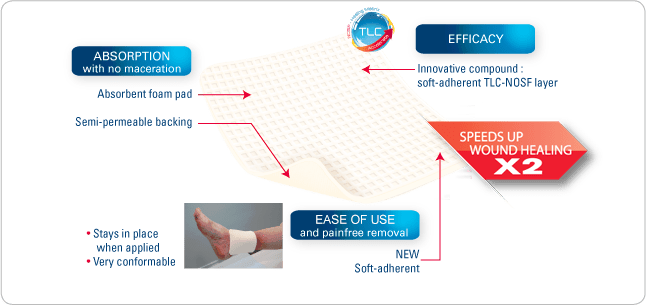
NICE have recommended that a new dressing, UrgoStart, may be used to treat non infective diabetic and vascular ulcers.

The dressing contains material that inhibits enzymes from the tissues that inhibit wound healing. They estimated that these dressings can speed up healing and save the NHS £342 per patient per year. This takes into account the savings on dressings, nurse, GP and out patient visits.

They estimated that if a quarter of all diabetic ulcer patients were changed to this dressing that the NHS could save £5.4 million a year.

My comment: We are not using it in our surgery yet.


Dr Maryanne Demasi: What does “low GI” really mean?

The Low GI Label: sound science or a ploy for product promotion?
Mar 5, 2019 | Business, Comment Analysis

Is it ethical to promote the health benefits of “low GI” labelling? How about multinational food companies paying to have their products certified? At best, it provides little value to the consumer, writes science journalist Dr Maryanne Demasi, At worst, the low GI symbol is misleading and should pass the way of the Heart Foundation tick.
FOR DECADES, “low GI” foods have received the backing of high profile scientists and nutritionists, promoting them as the “healthier choice”.
A lucrative industry has evolved whereby food companies pay to showcase the low GI symbol on the front of product packaging, much like the now defunct Heart Foundation tick.
Recipe books, weight loss programs and nutrition health messages are often bound to the notion that low GI foods are “better for you”. But a closer examination of the science exposes fundamental flaws that threaten the credibility of the low GI industry. What is low GI and are consumers being misled?
What is Low GI?
According to the Glycaemic Index (GI) Foundation, the “GI” of food is simply a ranking of how quickly various foods cause a spike in your blood sugar levels.
The entire concept was based on the results of only 10 healthy subjects who ingested carbohydrate-laden foods and the effect on their blood sugar levels was assessed.
The GI scale ranges from zero to 100. A GI of ≤55 is classified as “low GI” because it causes a slower rise in blood glucose compared to “high GI” (see graph)

Does GI work in practice?
On the surface, the GI concept makes sense.
That is, the low GI symbol should guide consumers to choose products that will not spike their blood sugar levels too high, which is especially important for people with diabetes.
Except, the science doesn’t back it up.
Researchers have put it to the test and determined that the GI of food cannot predict, with any accuracy or precision, the way a person’s blood glucose will respond.
For example, when 63 healthy subjects ingested an identical meal of white bread in order to calculate its GI (based on the protocol), the results were highly variable. The range of individual responses to white bread saw GI calculations as low as 35 whereas others were as high as 103.
With such a large margin of error, the researchers concluded that there was “substantial variability in individual responses to GI, demonstrating that it is unlikely to be a good approach to guiding food choices.”
Registered nutritionist Anthony Power says these results demonstrate the futility of labeling products with the low GI symbol.
“The method for ranking the GI of food might work well in a test-tube but it does not translate to the human body,” says Power. “The variability in people’s response to GI does not make the tool useful”.
Prof Eugene Fine, a physician from at Albert Einstein College of Medicine, NY says “the whole point of the GI, is supposed to be its usefulness in predicting blood sugar levels. But since studies show such a broad scatter plot, it’s clinically useless”.
Prof Mary Gannon, nutrition researcher from the University of Minnesota, agrees.
“In our opinion, the clinical relevance is minimal. The reliability of the GI as a standardized index of food response is questionable,” says Gannon.
Another fundamental flaw in the GI labeling of food is that various situations will alter the GI properties of food once its ingested.
For example, the GI of a slice of bread will change if it is accompanied with butter or avocado, rendering the GI label redundant.
In defence of GI
Professor Jennie Brand-Miller, nutrition researcher and early pioneer of the GI concept, has defended the criticisms, although she does concede that low GI foods have variable results in people.
“It’s been known for a long time that glycaemic responses are highly variable between, and within, individuals,” says Brand-Miller in a written response. “But the Glycaemic Index is a property of the food – not the person – determined by testing 10 people according to a precise protocol of over 300 data points”.
Prof Brand-Miller adds, “The GI ranks foods according to their glycemic potential, gram-for-gram of carbohydrate.”
However, Richard Feinman, professor of biochemistry and medical researcher from SUNY Downstate Medical Center NY, says there’s no point assigning an index to food, if it doesn’t have any relevance in the human body.
“The studies demonstrate that there is no ‘true’ GI for any food that reliably predicts a person’s blood glucose,” says Feinman.
Prof Brand-Miller, who promotes the benefits of low GI foods, did disclose that she receives royalties from co-authoring low GI books along with other high profile nutritionists.
According to the University of Sydney, Prof Brand-Miller’s book sales “have gained her international acclaim, having sold over 3.5 million copies since 1996”.

GI for people with diabetes
Originally, the GI label was intended as a tool for meal planning for people with diabetes. Prof Brand-Miller says low GI diets have been shown to reduce blood glucose levels in people with diabetes.
“A large body of research shows that diets based on healthy low GI choices improve glycemic control in people with diabetes, and reduce the risk of developing diabetes in healthy populations,” says Brand-Miller.
However, Associate Professor Kieron Rooney, exercise and obesity researcher from the University of Sydney suggests that the GI ranking of food is likely to have very different outcomes in people with diabetes.
“It is possible that most products would be high GI for a person with diabetes by nature of the underlying disease,” says Rooney referring to the inability of people with diabetes to naturally control blood sugar levels.
Even if low GI food reduces the spike in blood sugar, the total “load” of glucose entering the blood stream still has to be processed, which requires substantial amounts of the hormone insulin. Symptoms from high insulin levels include food cravings, fatigue and weight gain.
Prof Gannon suggests a more practical alternative to focusing on the low GI diet. “A more clinically relevant approach for dietary treatment of high blood sugar would be to limit dietary glucose,” says Gannon.
Put simply, people should eat less starchy carbohydrates, which get converted into glucose once ingested.
Professor Feinman agrees. His recent study demonstrated that restricting dietary carbohydrates should be the first approach to managing diabetes, over the low GI diet.
In addition, Professor Eric Westman and colleagues at Duke University Medical Centre NC, conducted a study in people with type-2 diabetes and showed that restricting dietary carbs led to greater improvements in blood sugar control and reduction/elimination of medications, compared to the low GI diet.
A marketing ruse?
GI is focused on “glucose” and overlooks other sugars like fructose, which is often added to sweeten foods in the form of refined cane sugar, corn syrup or fruit concentrates.
“The standard methodology for assessing GI is to utilise a glucose drink as the reference food,” says Rooney, “but the most common sugars added to products will contain significant levels of fructose. Therefore, if one is only measuring blood glucose response to a food you are missing out on a lot of the story.”
Fructose has a low GI (doesn’t spike blood glucose levels). Therefore, food manufacturers have been able to exploit this loophole.
Products can be sweetened with concentrates containing fructose and rewarded with a low GI symbol, essentially giving a “healthy halo” to highly processed sugary foods.
For example, low GI foods include Golden North Good ‘n Creamy Vanilla ice cream GI = 31, Sanitarium™ Up & Go™ Chocolate drink GI = 28 or Nestlé® Milo® Energy Dairy Snack GI = 45.

Even pure table sugar is marketed with the low GI symbol, CSR LoGICaneTM, claiming that it’s a “healthier” sugar.
“I am not convinced that by consuming a lower GI form of another refined sugar product, the health of an individual will be improved,” says Rooney.
“We need to shift away from a culture of adding refined sugars and seek enhancing the palatability of our diets by consumption of natural unrefined/minimally processed foods,” says Rooney. “In any policy that hopes to inform people on foods and drinks to maintain or improve glycaemic control, I think fructose has to be considered.”
Chronically high levels of fructose have been associated with fatty liver disease and diabetes.
When asked whether fructose sweetened drinks like Sanitarium™ Up & Go™ Chocolate drink were considered “healthy” because of their low GI symbols, Prof Brand Miller declined to comment.
“Just because a product is low GI, it does not mean it hasn’t got a sting in its tail,” says Power. “As a practitioner who counsels patients to reduce their sugar, sweetener and carbohydrate intake, I find products like Low GI sugar to be unhelpful, misleading and possibly harmful to patients. It should not be allowed.”
Who supports GI?
Despite Prof Brand-Miller’s defence of GI, official guidelines do not endorse low GI diets.
For example, Health Canada has stated that “the inclusion of the GI value on the label of eligible food products would be misleading and would not add value to nutrition labelling and dietary guidelines in assisting consumers to make healthier food choices.”
In response to the question of whether low GI foods are healthier, UK’s National Health Service (NHS) states
“using the glycaemic index to decide whether foods or combinations of foods are healthy can be misleading”.
Closer to home, our National Health and Medical Research Council (NHMRC) dietary guideline’s committee, also does not officially endorse the low GI diet. And despite the GI Foundation lobbying the NHMRC to change its mind, the response was a direct one;
“The Committee agreed that there was insufficient significant evidence to support change. It was noted that this is a physiologically based classification, with large variability and several limitations.”
Meanwhile, the GI Foundation, the University of Sydney and its high profile advocates continue to profit from the marketing of low GI foods.
Will the “Low GI symbol” suffer the same fate as the “Heart Foundation Tick” which was scrapped after consumers complained it was “health washing” highly processed, sugary foods?
What remains now, is a question of ethics.
Is it ethical to promote the health benefits of low GI labelling? At best, it provides little value to the consumer. At worst, it misleads them.
——————–

Dr Maryanne Demasi
Dr Maryanne Demasi is an investigative medical reporter with a PhD in Rheumatology.
You can read more about Dr Demasi’s work on her blog, or follow her on Twitter @MaryanneDemasi.


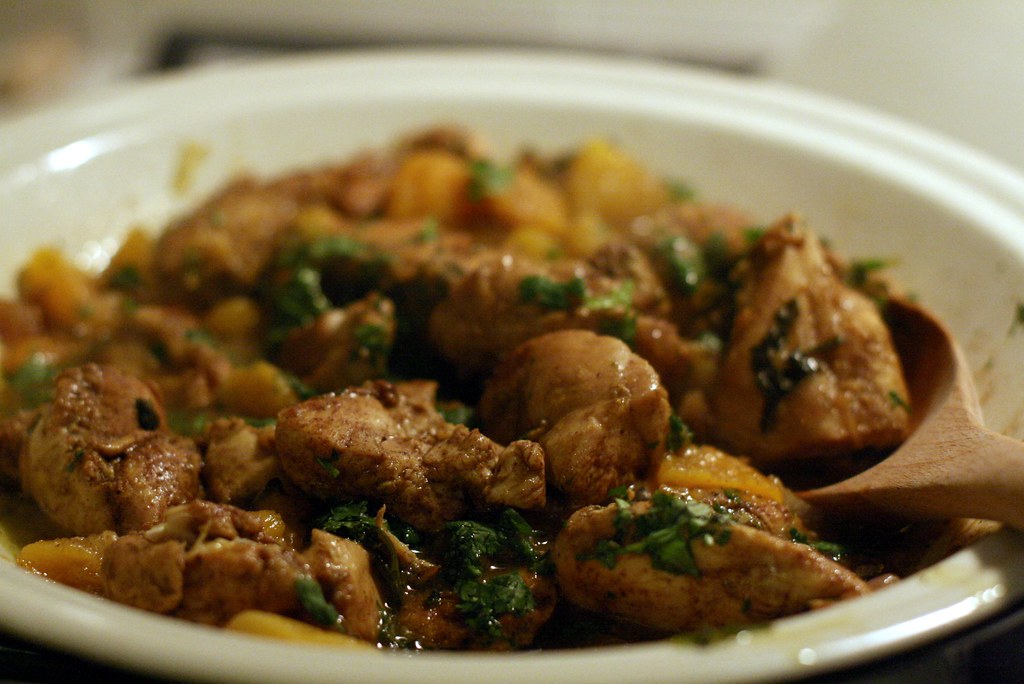
Jovina cooks: Moroccan spiced chicken

Spices are very important in Moroccan cuisine. Common spices include cinnamon, cumin, turmeric, ginger, paprika, coriander, saffron, mace, cloves, fennel, anise, nutmeg, cayenne pepper, fenugreek, caraway, black pepper, and sesame seeds. Twenty-seven spices are combined for the famous Moroccan spice mixture called “ras el hanout”.
Due to its location on the Mediterranean Sea, the country is rich in natural resources and meals are usually built around seafood, lamb or poultry. The Moroccan national dish is a tagine or stew named for a special pot that is used for cooking. Common ingredients include chicken or lamb, almonds, hard-boiled eggs, prunes, lemons, tomatoes, and other vegetables. The tajine, like other Moroccan dishes, is known for its distinctive flavoring, which comes from spices that may include saffron, cumin, coriander, cinnamon, ginger, and ground red pepper. Give this Moroccan inspired recipe a try.
Moroccan Spiced Chicken
Ingredients
1 tablespoon chili paste (harissa or sambal oelek)
1/2 tablespoon smoked paprika
1/2 tablespoon ground turmeric
1/2 teaspoon ground cumin
1/2 teaspoon ground ginger
1/2 teaspoon ground cinnamon
1/2 teaspoon ground coriander
1/4 teaspoon ground allspice
1/4 teaspoon cardamom
1/4 teaspoon cayenne
1 orange, zested, then cut into segments
2 tablespoons oil
4 bone-in chicken thighs
Kosher salt and freshly ground black pepper
2 cloves garlic, minced
1 small onion, diced
1/2 cup diced cherry tomatoes
1/2 cup chicken stock
1/2 cup green olives
1/4 cup chopped preserved lemon


This is traditionally served with couscous.

Directions
Preheat the oven to 325 degrees F. Heat a wide, deep braising pan over medium-high heat.
In a small bowl, combine the chili paste, paprika, turmeric, cumin, ginger, cinnamon, coriander, allspice, cardamom, cayenne, orange zest, and 1 tablespoon oil. Stir to form a paste.
Season the chicken with salt and pepper; rub half of the spice mixture on both sides of the chicken thighs.

Add the remaining 1 tablespoon oil to the heated pan. Sear the chicken skin-side down until golden brown, about 5 minutes. Turn and brown the other side. Remove the chicken to a plate.

Add the garlic, onion and remaining spice mixture to the same pan, using a wooden spoon to scrape up any browned bits from the bottom of the pan. Reduce the heat to medium and cook until the onions are softened and lightly browned, about 5 minutes.

Return the chicken to the pan along with the tomatoes, chicken stock, olives, preserved lemon, and sliced oranges. Cover the pan and place it in the oven to braise for about 1 hour and 15 minutes. Uncover and continue to braise until the chicken is tender, another 15 to 20 minutes.