Rick: What Mary Tyler Moore meant to my mother

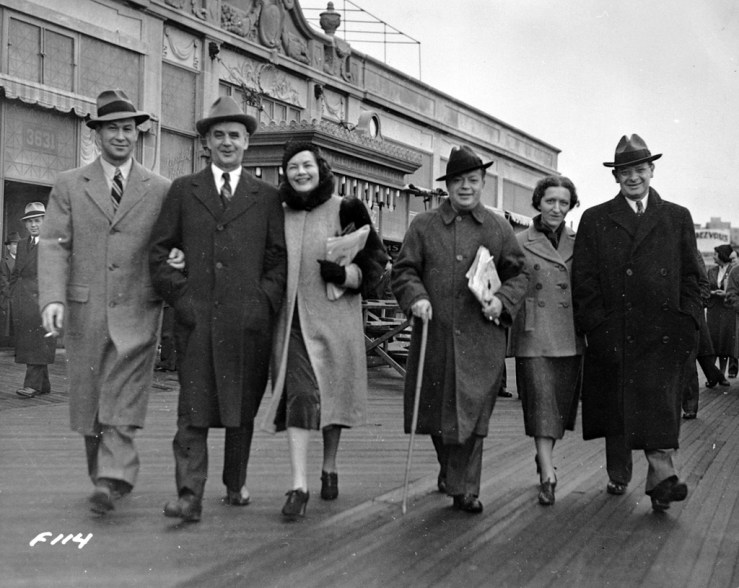
mary_tyler_moore_dick_van_dyke_1964

For me, Mary Tyler Moore represented what it meant to be both successful and a person with Type 1 diabetes.   My parents and I watched her program each week and I can recall my mother saying she has type 1 diabetes like I do.  Meaning like my mom did.  Her apparent health gave me hope and by extension the belief that my mom might be OK.  I can recall when I was diagnosed with diabetes that my mom said, you can do anything and Mom used Mary Tyler Moore as an example of a successful person with diabetes.

American feminism defined

Mary Tyler Moore represented American feminism in the 1970’s as America’s most successful middle aged working woman on TV who was not married.  The Mary Tyler Moore Show was about adults facing adult issues, in an adult and humorous way.  We often forget that the Mary Tyler Moore Show was about women making it in the world without a man to guide them and doing so successfully.  It was as much a revelation in sitcoms as was All in the Family, That Girl or the Jefferson’s to name a few.

Mary Tyler Moore was diagnosed with diabetes at age 33 and she embraced being a person with type 1 diabetes during her career.  For me, when I was diagnosed in 1974 I learned something about how to say I have diabetes from Mary Tyler Moore.  I can say that when I saw such a successful person with type 1 diabetes I related to her career and causes.

In later years I followed Mary Tyler Moore’s struggle with retinopathy and I always marveled at what a remarkable figure she was both for the diabetes community and as a woman who never let diabetes get in her way as an actress or human being.

More than diabetes

But she was about more than just diabetes.  She embraced animal rights organizations and commented that she wished to be remembered as an animal rights activist.  Most of us are content to be remembered for one thing, let alone two major causes.

Most of my readers know that my mother was very ill with complications from type 1 diabetes beginning in the 1960’s until 1986 when she passed at age 46.  When I was 13 and heard Mary Tyler Moore had diabetes it gave me hope that my mother might be ok, hope for my mother’s health was in short supply then.  When I heard that Mary Tyler Moore had retinopathy and was using laser treatments like my mother she gave me a belief that my mother might one day see again.    When my mother died, Mary Tyler Moore’s advocacy for diabetes causes gave me an example of what I, as a person with type 1 diabetes, should do for my community.    When Mary Tyler Moore died last week I cried and said thank you for her 50+ years of service to my community.

I know we have lost a friend of our community, but like many of us who loved her advocacy I feel like I have lost a friend of the family.

Rick Phillips.

Buy Our Book!

diabetes diet
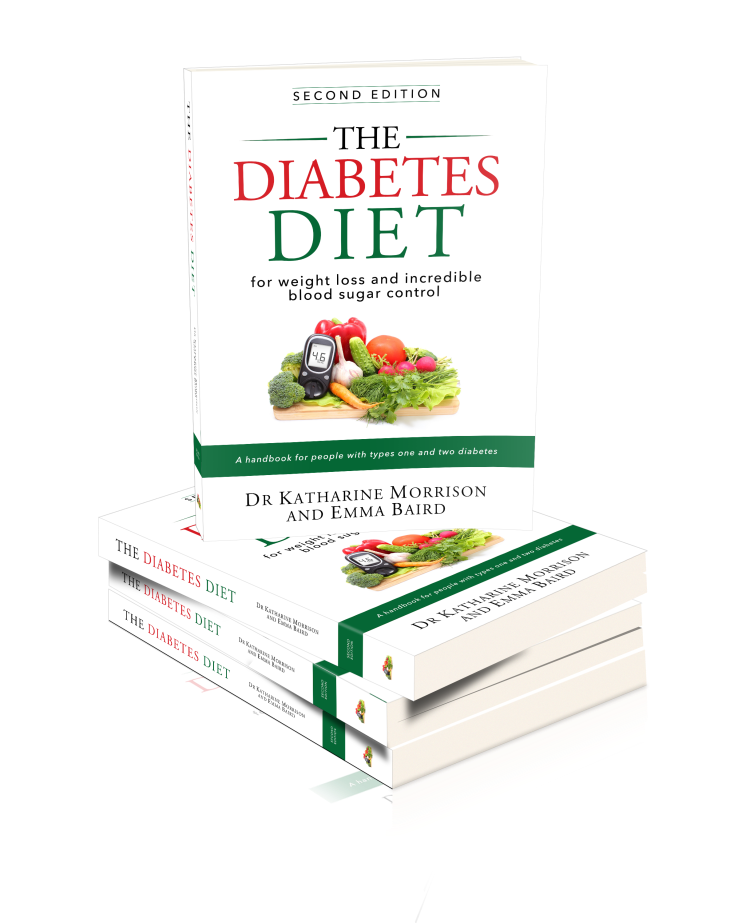
The Diabetes Diet is now available in paperback and e-book.

Forgive our wee plug – but if you’re looking for a comprehensive explanation of how you can use low-carb eating to help with diabetes (type 1 and type 2), we’ve got the answer with our book, The Diabetes Diet. 

How can it help you? If you’re a type 2, we give you detailed menu plans for different levels of carb intakes and lots of recipes, including plenty of baking and treats so you don’t feel as if you’re missing out on anything.

The missing link with many low carb diet plans is that they don’t tell you what happens if you take insulin or any other blood glucose lowering medication. (Hypos!) Our book explains how you manage your medication to prevent or minimise that and how you work out how much medication you need to take for protein. Yes, that needs taking care of too.

We also include some case studies of people who’ve used a low-carb diet to manage their diabetes and how it has helped them, including one from a vegan…

It doesn’t cost much and it might help you a lot.

Thanks in advance! Emma and Katharine.


Gloomy news if you are overweight

diabetes in cats
He’s a pudgy pussy – but may have a better chance than humans of getting slim again

Obese Have Low Chance of Recovering Normal Body Weight

From Diabetes in Control July 17th 2016

The chance of an obese person attaining normal body weight is 1 in 210 for men and 1 in 124 for women, increasing to 1 in 1,290 for men and 1 in 677 for women with severe obesity, according to a study of UK health records led by King’s College London. The findings suggest that current weight management programmes focused on dieting and exercise are not effective in tackling obesity at population level.

The research, funded by the National Institute for Health Research (NIHR), tracked the weight of 278,982 participants (129,194 men and 149,788) women using electronic health records from 2004 to 2014. The study looked at the probability of obese patients attaining normal weight or a 5% reduction in body weight; patients who received bariatric surgery were excluded from the study. A minimum of three body mass index (BMI) records per patient was used to estimate weight changes.

The annual chance of obese patients achieving five per cent weight loss was 1 in 12 for men and 1 in 10 for women. For those people who achieved five per cent weight loss, 53 per cent regained this weight within two years and 78 percent had regained the weight within five years.

Overall, only 1,283 men and 2,245 women with a BMI of 30-35 reached their normal body weight, equivalent to an annual probability of 1 in 210 for men and 1 in 124 for women; for those with a BMI above 40, the odds increased to 1 in 1,290 for men and 1 in 677 for women with severe obesity.

Weight cycling, with both increases and decreases in body weight, was also observed in more than a third of patients. The study concludes that current obesity treatments are failing to achieve sustained weight loss for the majority of obese patients.

Dr. Alison Fildes, first author from the Division of Health and Social Care Research at King’s College London (and now based at UCL), said: ‘Losing 5 to 10 per cent of your body weight has been shown to have meaningful health benefits and is often recommended as a weight loss target. These findings highlight how difficult it is for people with obesity to achieve and maintain even small amounts of weight loss.’

“The main treatment options offered to obese patients in the UK are weight management programmes accessed via their GP. This evidence suggests the current system is not working for the vast majority of obese patients.” “Once an adult becomes obese, it is very unlikely that they will return to a healthy body weight. New approaches are urgently needed to deal with this issue. Obesity treatments should focus on preventing overweight and obese patients gaining further weight, while also helping those that do lose weight to keep it off. More importantly, priority needs to be placed on preventing weight gain in the first place.”

Professor Martin Gulliford, senior author from the Division of Health and Social Care Research at King’s College London, said: “Current strategies to tackle obesity, which mainly focus on cutting calories and boosting physical activity, are failing to help the majority of obese patients to shed weight and maintain that weight loss. The greatest opportunity for stemming the current obesity epidemic is in wider-reaching public health policies to prevent obesity in the population.”

Kings College London News Release
Alison Fildes. American Journal of Public Health. Published online ahead of print July 16, 2015: e1–e6. doi:10.2105/AJPH.2015.302773

New Year Resolutions – A Low Carb Diet?

2014-03-23-12-07-09
Bacon, mushroom and poached egg salad.

Are you making New Year resolutions to diet?! It’s that tedious time of year when we are encouraged to self-improve – usually on a big scale.

Punishing diets and exercise regimes work for very few people. Why would you make yourself suffer in that way? But if you do want to improve your health and stabilise your blood sugar levels, especially if you have diabetes, why not opt for the low-carb diet?

Low-carb diets can be easier to stick to than most diets because they tend to be higher in protein which keeps you feeling full for longer. Because they incorporate delicious ingredients like cheese, avocados, oily fish, cream, nuts and more there’s none of the deprivation feelings either.

Remember too that low-carb is a broad church. You can do anything from 45g of carbs a day to 130-150g. If you opt for the higher carb count, fill up on natural sources such as the higher-carb vegetables and fruits.

Resolutions – and any kind of change to the lifestyle – need preparation and planning to succeed. Here are our tips for how to adopt and stick with a low-carb diet:

Plan what you will eat and shop for the ingredients. Our book, The Diabetes Diet, has meal plans in it and you will also find plenty of suggestions online.

If you have type 1 diabetes or you use any blood glucose lowering medication, you need to start a low carb diet cautiously. Read our tips here about preparing to lower your carbohydrate intake and how to adjust medication to suit

Buy one good recipe book. A great example is Dana Carpender’s 500 Low Carb Recipes (left). This is an American recipe book, but most of the ingredients are available over here.

Buy yourself a set of measuring cups. Many of low-carb recipes are American – and Americans use cups to measure, rather than scales. Cup measures are widely available.

The above two suggestions depend on one thing – willingness to cook. Because low-carb diets don’t have many ready-made options, cooking is a necessity. Most low-carb recipes are really easy to follow, but quick and easy ideas are cooked meats and chicken with ready-made salads and dressing, good quality burgers with a slice of cheese, any kind of egg dish or prepared fish and prawn cocktail. You can also buy cauliflower rice these days for an instant accompaniment.

peanut-pork
Spicy Peanut Pork

Try out our recipes! Here are some suggestions.

  1. Meatballs
  2. Pancakes
  3. Spicy Peanut Pork
  4. Spinach and Feta Crust-less Quiche
  5. Low-carb Chocolate Cookies
  6. Crab Cakes
  7. Easy Low-Carb Bread

Start following our blog. We update this blog regularly with recipes and health information about diabetes.

All the very best to you for 2017!


Most people need a minimum of one hour exercise a day

walking

How Much Exercise Compensates for Sitting at a Desk for eight Hours A Day?

Diabetes in Control August 27th 2016

At least an hour of physical activity needed to offset risk for several chronic conditions and mortality

Sedentary behavior has been associated with increased risk of several chronic conditions and mortality. However, it is unclear whether physical activity attenuates or even eliminates the detrimental effects of prolonged sitting. A new study examined the associations of sedentary behavior and physical activity with all-cause mortality.

The meta-analysis of trials involving more than 1 million individuals was reported online July 27 in The Lancet. It is one of a special series of papers on physical activity.

The Lancet notes that its first series on physical activity in 2012 concluded that, “physical inactivity is as important a modifiable risk factor for chronic diseases as obesity and tobacco.” The meta-analysis found that 1 hour of moderate-intensity activity, such as brisk walking or riding a bicycle, can offset the health risks of sitting for 8 hours a day. Twenty-five percent of all individuals in the study reported this level of physical activity. The study also discovered that even shorter periods of 25 minutes a day can be beneficial.

For those of us who work by sitting at a desk, it can be very difficult not to sit while we do our jobs.  But, there are still many ways to get moving, like going for a walk during lunch, or even getting up and walking over to an associate to hand them a note instead of sending an email.  There are many ways to get in your physical activity.

According to the researchers, the data from more than a million people is the first meta-analysis to use a harmonized approach to directly compare mortality between people with different levels of sitting time and physical activity. They included 16 studies, with data on 1,005,791 individuals (aged >45 years) from the United States, Western Europe, and Australia.

Researchers divided the study participants into four groups based on their reported levels of physical activity: <5 min/day; 25-35 min/day; 50-60 min/day; and 60-75 min/day.

Researchers noted that, “Among the most active, there was no significant relation between the amount of sitting and mortality rates, suggesting that high physical activity eliminated the increased risk of prolonged sitting on mortality.” But as the amount of physical activity decreased, the risk for premature death increased.

Researchers found prolonged sitting associated with an increase in all-cause mortality, mainly due to cardiovascular disease and cancer (breast, colon, and colorectal), noting that, “A clear dose-response association was observed, with an almost curvilinear augmented risk for all-cause mortality with increased sitting time in combination with lower levels of activity.”

Compared with the referent group (i.e., those sitting <4 h/day and in the most active quartile [>35·5 MET-h per week]), mortality rates during follow-up were 12–59% higher in the two lowest quartiles of physical activity (from HR=1·12, 95% CI 1·08–1·16, for the second lowest quartile of physical activity [<16 MET-h per week] and sitting <4 h/day; to HR=1·59, 1·52–1·66, for the lowest quartile of physical activity [<2·5 MET-h per week] and sitting >8 h/day). Daily sitting time was not associated with increased all-cause mortality in those in the most active quartile of physical activity. Compared with the referent (<4 h of sitting per day and highest quartile of physical activity [>35·5 MET-h per week]), there was no increased risk of mortality during follow-up in those who sat for more than 8 h/day but who also reported >35·5 MET-h per week of activity (HR=1·04; 95% CI 0·99–1·10). By contrast, those who sat the least (<4 h/day) and were in the lowest activity quartile (<2·5 MET-h per week) had a significantly increased risk of dying during follow-up (HR=1·27, 95% CI 1·22–1·31). Six studies had data on TV-viewing time (N=465 450; 43 740 deaths). Watching TV for 3 h or more per day was associated with increased mortality regardless of physical activity, except in the most active quartile, where mortality was significantly increased only in people who watched TV for 5 h/day or more (HR=1·16, 1·05–1·28).

In conclusion, the researchers emphasized that high levels of moderate intensity physical activity (i.e., about 60–75 min per day) seem to eliminate the increased risk of death associated with high sitting time. However, this high activity level attenuates, but does not eliminate the increased risk associated with high TV-viewing time. These results provide further evidence on the benefits of physical activity, particularly in societies where increasing numbers of people have to sit for long hours for work and may also inform future public health recommendations.

In another study published online by JAMA Ophthalmology in August, they found that sedentary behavior may be associated with diabetic retinopathy.  The analysis included 282 participants with diabetes. The average age was 62 years, 29 percent had mild or worse DR, and participants engaged in an average of 522 min/d of SB. The author found that for a 60-min/d increase in SB, participants had 16 percent increased odds of having mild or worse DR; total PA was not associated with DR.  “The plausibility of this positive association between SB and DR may in part be a result of the increased cardiovascular disease risks associated with SB, which in turn may increase the risk of DR.  In order to prove a cause and effect of SB and worsening DR s larger study would be needed.”

Practice Pearls

  • Inactivity is linked to a decreased production of certain hormones.
  • We need to break up periods of sitting for prolonged periods with short bursts of activity.
  • Walking 5 minutes every hour can offset sitting for the other 55 minutes per hour.

Lancet. Published online July 27, 2016. Abstract Editorial How Much Exercise Compensates for Sitting at a Desk Eight Hours A Day?#848 (1)]–[www_diabetesincontrol_com_how_]-[MTExNjQyNDI1NTE1S0]–

Scottish Government to Increase Funding for Diabetes Equipment

In the news this week was a story that the Scottish Government is to increase funding for diabetes equipment.


The £10m funding is to be used to improve the management of type 1 diabetes and the priority is insulin pumps and continuous glucose monitoring equipment.

Shona Robison, the Health Secretary, said: “We know that insulin pumps and continuous glucose monitoring kits can make it much easier for some people to manage their type 1 diabetes.

“Proper control is absolutely key to improving outcomes and preventing complications from developing.

“This new investment will increase the provision of this equipment, meaning it’s available to many more people, and making it easier for them to lead healthy lives.”

Scotland has the third highest rates of type 1 diabetes in the world. A major trial is currently taking place to try to prevent the development of the condition. Researchers have contacted 6,400 families in Scotland. They are inviting children who have a sibling or parent with type 1 diabetes to take a blood test to see if they are at risk of developing the condition.

If the blood test shows they are at risk, the researchers are offering them metformin – a drug usually used to treat type 2 – to see if this will keep it at bay.


Book Review: Are you looking forward to Christmas… or just wanting to survive it?

Rick Phillips, one of our fellow bloggers, has enjoyed reading Lene Anderson’s book Chronic Christmas, which gives some tips for the less enthusiastic among us on how to make the best of Christmas.

happy-christmas

capture_313x480I was so excited to hear about Chronic Christmas Surviving the Holidays with a Chronic  Illness.  It came to me at exactly the right time of year, and I was in the mood for some fun and practical advice about the holiday season.  When this book arrived in the mail, I was excited to see what Lene might share to help me find that contentment and excitement about the holiday season.  As a person with choric conditions, I sometimes have difficulty getting into the season.  Lene’s words helped me discover some reasons I feel out of step with the rest of the world and gave me practical advice about how to overcome some of my barriers.

Lene shares such wonderful tips for slowing down and basking in the goodness of the holiday season.  Her writing style is easy; her essays are well conceived, and the result is a partial guide to managing the Christmas season with a good touch of fun.  She manages to capture the season in short bursts of narrative that can make even the grumpiest old man find his inner goodness.  Here are a few chapters that especially spoke to me.

December 2, Pace Yourself When Eating.

As a person with diabetes, I often feel left out of the annual celebrations because I see others enjoying food while I enjoy the Television.  In this chapter, Lene reinforces the well know notion that the holidays are not about the food.  Rather they are about who is eating the food.  Her chapter gives me permission to enjoy those who are at the gathering instead of the food at the gathering.   I think it is sometimes difficult for people with diabetes to know this and Lene approached the subject in a way that offers constructive tips.  For instance:

“Moderation is key, Instead of five pieces of Candy stick to one (okay, two).” (Andersen, 2016, p. 7).

“Instead of four glasses of eggnog, have one per occasion and drink sparkling water or tea for the rest of the evening. And so on. You won’t feel deprived. And you won’t stand out as that one person who’s nibbling on a lettuce leaf, making the other guests feel bad for scarfing down everything in sight.” (Andersen, 2016, pp. 7-8)

chronic-christmas-back_314x480December 8, Say Hello

Lene reminds us that we need not remain isolated because we have a chronic condition.  She suggests we try an experiment to break out of our shell.  She suggests that on December 8 we leave the book or earphones at home and practice looking up and out at the world.  She suggests we should look at and marvel in the crowds as they pass by.  She reminds me that people watching is both entertaining and a great way to connect to the world at large.  (Andersen, 2016).  This is great advice for the many times we feel isolated or somewhat alone in the world.  After all, connection is what the holiday season is all about.

For the person who cares about the person with a chronic condition Lene suggests that they offer a drive or a trip to a coffee shop to help people get out in the world.  She suggests:

“Chat with each other, but reach out to others as well. The people at the next table, the clerk, a security guard. Slow down, take the time, exchange a few words. You could very well make someone’s day and you might meet someone really interesting” (Andersen, 2016, p. 35).

These are terrific ideas for helping both ourselves and others.  In fact, opening up during the holidays might make everything brighter.  Lene’s advice gives us the reminder that we need not be isolated while others are engaged in the business of the season.

December 21 – Celebrate Disasters

For me, this was the best advice of the book.  When we celebrate disasters, we have a built in mechanism to make sure things go right.   I love how Lene starts this chapter:

“What do you remember from past Christmases — the times everything went according to plan or the moments when imperfection snuck into the celebrations? We work so hard to make the holidays perfect, but that’s not what makes for enduring family legends. You know the type — the ones that get told and retold, with everyone talking over each other, adding details, and laughing together. Those stories always originate in disasters” (Andersen, 2016, p. 93)

I totally agree with her observation.  The real stories of the season are the ones that revolve around disasters.  So I took this chapter as the best advice I received from Lene’s’ book.    This year, I vow to celebrate the many disasters in my life past, present and future. I will take time to celebrate this year: the time the lock was frozen on the storage barn where I stored the Christmas presents or the time the cat climbed/knocked over the Christmas tree because doing so can prolong the celebration of the season.

So how do I feel about Lene’s book?  I loved it.  You can pick it up on Amazon or Barnes and Noble along with some other retailers.   It is a great gift for those who love people with chronic conditions or those of us who live with chronic conditions.  I am glad I treated myself to this book, and I hope you will as well.   Reading it is way too much fun to miss.

References

 Andersen, L. (2016). Chronic Christmas Surviving the Holidays with a Chronic  Illness. Toronto Two North Books


13 Comments

Add a Comment

Cancel reply

Your email address will not be published. Required fields are marked *

Comment:*

Name:*

Website:

Notify me of follow-up comments by email.

Notify me of new posts by email.

– See more at: http://www.radiabetes.com/chronic-christmas/#sthash.gbWtn28A.dpuf

Orthopaedic surgeon who wants to reduce amputations silenced by regulatory body

fb_BPhotography_Belinda-Fettke_No-Fructose_Gary-Fettke_LAFM_Fairsies-Fat-Busters.jpg

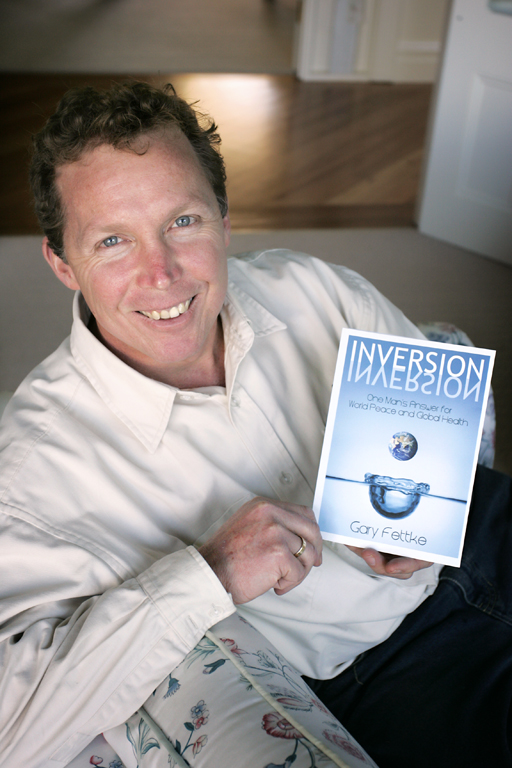
It would be funny if it wasn’t so tragic. Gary Fettke, a Tasmanian orthopaedic surgeon has been banned from talking to patients about the nutritional changes they can make to prevent amputations.

His wife, a nurse, tells his story here:


http://www.nofructose.com/gary-fettke/


Gary’s presentation on you tube is here:


A meaningful life will help you live longer and be happier

Having  a sense of purpose in life helps us live longer, and the earlier we discover it, the sooner the protective effects occur. meaning-in-life

Researchers looked at data from over 6,000 participants, focusing on their self reported purpose in life. Over the 14 year follow up period 569 people died and all of those who died had reported less purpose in life and fewer positive relationships with others than did survivors.

Greater purpose in life consistently predicted lower mortality risk right across the lifespan, even when taking into account other markers for psychological and emotional well being.

(Reported in Human Givens Magazine Volume 21, No 1 2014 from a report in  Psychological Science, 2014, doi:10.1177/09567976145311799)

Eric Barker blogs weekly about what will improve your health, happiness and productivity.  Click on this blog post for further information on the same topic:

http://www.bakadesuyo.com/2016/10/meaning-in-life-2/?utm_source=%22Barking+Up+The+Wrong+Tree%22+Weekly+Newsletter&utm_campaign=8491fcb5d5-meaning_10_9_2016&utm_medium=email&utm_term=0_78d4c08a64-8491fcb5d5-57758173

PUBLIC HEALTH COLLABORATION: WHAT TO LOOK OUT FOR WHEN STARTING A LOW CARBOHYDRATE DIET

PHC-Space-Top


FOR EVERYONE

As you start a low carbohydrate diet your kidneys get better at excreting salt thus you will usually find that you lose a lot of water from the tissues of the body.  This can make you instantly slimmer, particularly around the legs, but also can give some cramps in the muscles when you exert yourself.  Be aware of this and add extra salt to your food, and drink plenty of water.  When you are on a low carbohydrate natural foods diet you will be consuming considerably less sodium chloride, which is present in many processed foods including sweet ones.  Bread for instance has a lot of added salt that most people are completely unaware of, therefore feel free to be liberal with the salt cellar.


BLOOD PRESSURE

Blood pressure comes down, partly due to less water retention, but also due to lowered natural insulin levels in the body.  As the weight comes down as well, blood pressure tends to drop.  For most people who are not on any antihypertensive drugs they may feel slightly lightheaded from time-to-time.  This can be abolished by adding more salt to the diet.

For people who are on medication to reduce their blood pressure they should have their blood pressure measured by their general practitioner and cut back on medication on embarking on a low carbohydrate diet if their blood pressure is under 140/90.  After a few weeks on a low carbohydrate diet they will be adjusted to a lower level of blood pressure.  Thereafter blood pressure only requires to be checked on several occasions with each extra half stone of fat loss.

It is helpful to buy your own blood pressure monitor as measurements done when you are relaxed at home tend to be more accurate than those undertaken in a surgery.

As many blood pressure medications have more than one use, and different effects on the body, it is worth discussing with your general practitioner which ones would be better to cut out altogether or which ones could be reduced in dose.  This is because certain drugs such as ACE inhibitors and sartans have an extra protective effect on the kidney and this can be important for diabetic patients. They also help improve heart function in cardiac failure.

Beta-blockers are sometimes given to people with atrial fibrillation, or who have had a heart attack, or who suffer from angina, and continuing these may be a priority for some individuals.

BLOOD SUGAR REDUCTIONS

Blood sugar reductions happen rapidly with a low carbohydrate diet.  This is mainly due to the lack of sugar and starch being turned into blood glucose.  This has several effects.

The most pronounced and rapid effect could be on the eyesight.  The lens of the eye adjusts to a particular blood sugar and if the level goes suddenly up, or suddenly down, your vision can become blurry, particularly for reading print.  It is worthwhile avoiding getting new spectacles for about 6 months to give time for the lens of your eye to adjust otherwise you can end up having to get another pair of spectacles at a very short interval and this can be rather expensive.


INSULIN and ORAL HYPOGLYCAEMIC DRUG USERS NEED TO TAKE EXTRA PRECAUTIONS

Type 1 diabetics will have been using insulin from the time of diagnosis.  Increasing numbers of Type 2 patients are going on insulin as their pancreas needs more support as time goes on.  A rapid change in pattern of sugar and starch intake can give dangerously low levels of blood sugar unless the insulin dose is proportionately reduced from the outset of the diet.  The amount of reduction will depend on how high your blood sugars run normally, and how strict your low carbohydrate diet is.

For many people who are taking insulin, or sulphonylurea drugs which also have a marked blood sugar reduction effect, starting on a moderately low carb diet of 100g or so a day may cushion the effect somewhat.

Most diabetics will need to cut their insulin quite dramatically, particularly if they go on less than 50g of carbohydrate a day.  It is normal to have to cut insulin by a half or even two thirds in some individuals.

A close eye on blood sugar monitoring needs to be done and we would recommend that, for particularly people who are operating machinery or driving, they start a low carbohydrate diet over a period of holiday when there are other people around who can assist them should they have low blood sugars, and also people to undertake driving on their behalf.


Your own general practitioner or hospital endocrinologist is the best person with whom to discuss your planned reduction in insulin or sulphonylurea medications.

Many patients on sulphonylureas are able to stop these drugs completely prior to starting a low carbohydrate diet and thus remove the risk of low blood sugars completely.  People who use insulin however are not able to do this and must have a degree of background insulin to prevent them developing dangerously high blood sugars and ketoacidosis.

  The normal blood sugar ranges between 4 and 7 at most times.  Drivers must not drive unless their blood sugar is at least 5, and they should re-check their blood sugar after every 1-2 hours of driving.  To treat a hypo use 15-20g of glucose and do not drive till blood sugars are completely normal and you have fully recovered.

Setting an alarm to check blood sugars in the middle of the night, and taking blood sugars at 2½ hourly intervals through the day is advised in the first few days for insulin users.

The normal correction dose is one unit of rapid acting insulin for every 2.5 units of blood sugar elevation. This can be helpful to know if you have cut down your insulin doses a bit too much.

Aiming for blood sugars between 6 and 8 mmol can be a safe strategy in the first 2 weeks after starting a low carbohydrate diet.  Thereafter the blood sugars can be tightened up when insulin requirements are more predictable.  To prevent blood sugars going up and down unpredictably it is best to stick to 3 main meals a day and avoid snacking.

EDUCATIONAL COURSES

For insulin users and people on sulphonylureas it is best to fully understand the implications of a low carbohydrate diet and know how to control your blood sugars and insulin as well as having a good grasp of carb counting prior to undertaking a low carbohydrate diet.  There are many educational resources on the web to do this.  Some of these resources are Dr Bernstein’s Diabetes University on you tube, diabetes.co.uk website and Low Carbohydrate Course which is web based, and diabetesdietblog.com which has two written courses.

LONG TERM

Although it can be daunting to think about the initial difficulties that can occur with a low carbohydrate diet, the long term benefits of improved blood sugars, weight, blood pressure and lipids make the outlook for pre-diabetics, the overweight and people suffering from diabetes much brighter indeed.  It is worth educating yourself about your condition and how to effectively use a low carbohydrate diet to change your health destiny.  The extra planning that you need to do for meals, more frequent shopping for fresh ingredients and often increased expense are worth the long term health benefits.

ALCOHOL

Alcohol can be a pleasant part of life.  Many alcoholic drinks are high in sugar, such as beer and sweet wines, and also cocktails.  These need to be eliminated for success in a low carbohydrate diet.  Spirits such as whisky, gin and vodka have less impact on the blood sugar, and dry red and white wines are also suitable.

For insulin users, and particularly Type 1 insulin users however, alcohol can tip them into unexpected hypoglycaemia if they are consuming more than 1-2 units of alcohol without a corresponding increase in dietary carbohydrate.  This is because alcohol limits the ability of the liver to manufacture glucose, and also blood sugars tend to run much more towards the normal range, around 4.6, when diabetes undergoes an apparent reversal on a low carbohydrate diet.

EXERCISE

Exercise is a very beneficial and pleasant adjunct to a low carbohydrate diet for increased mood and health.  For insulin users and those on medication such as sulphonylureas, adding exercise into the regime early on in the stages of a low carbohydrate diet add an increasing layer of complexity to blood sugar management.  We therefore recommend that unaccustomed exercise is avoided for the first 2 weeks until blood sugar stability is achieved.


Dr Katharine Morrison