North Americans veering towards Atkin’s

Atkins2

Credit Suisse have produced a report showing that North American consumers are buying foods rich in saturated and monounsaturated fat and cutting the amount of carbohydrate in their diets.  The point of the exercise is for the financial services company to provide guidance for its clients investing strategies.

Butter sales in 2014 were up 15% in the USA and 9% in the UK. Egg sales rose 2% in that year.

Durum pasta sales have fallen 6% in the USA, 13% in Western Europe and even 25% in Italy.

The report predicted that these trends would continue. ” We believe the winners will be eggs, dairy and meat, and the losers will be carbohydrates and particularly sugar”.

Although Dr Robert C Atkins is no longer with us, I’m sure he would have been pleased with this.


Why can’t you get healthy food at a medical meeting?

The photograph of  lovely display of cakes you see here was taken by  a doctor at a medical conference the subject of which was….tackling obesity.

clubhouse-sandwich-13705898818XB

Similarly, the sandwiches and chips you see dished up is all to often the only sort of food you will see at medical seminars.  I recently attended a two day course on the subject of how to speak to patients so that they would be more motivated to change their unhealthy eating and non-existent exercise habits when dealing with their diabetes. The group consisted of psychologists, doctors, nurses and dieticians. The food was sandwiches, cut up vegetables with sugary/fatty dips, cakes and orange squash.  At other meetings there have been lots of pastries, vol au vents, potato salad and sausage rolls. It is rare to find lean meats, plain eggs, salad vegetables and fruit.

Some of this is down to cost. It is much cheaper to serve carby/fatty rubbish. But what sort of example is it to health professionals when they are at seminars to discuss the resolution of unhealthy lifestyles for their patients?

Not being able to eat anything at the lunch served, I went to the hospital staff canteen to see if I could do any better.  Potato and leek soup, battered chicken in sweet and sour sauce, vegetable stroganoff, boiled rice, baked potatoes, steak pie and a salad bar which contained some vegetables, boiled eggs but no lean meat. A deli counter made up sandwiches but the single meat filling was heavily covered in mayonnaise.

The chill cabinet contained lots of sandwiches, sweetened yoghurts and fruit juice.

Crisps, Pringles and Doritos were available. So were cakes, biscuits, scones and jelly.

At least if I was having a hypo I would have been easily able to satisfy my dietary requirements.


Zippy microwave chocolate cake

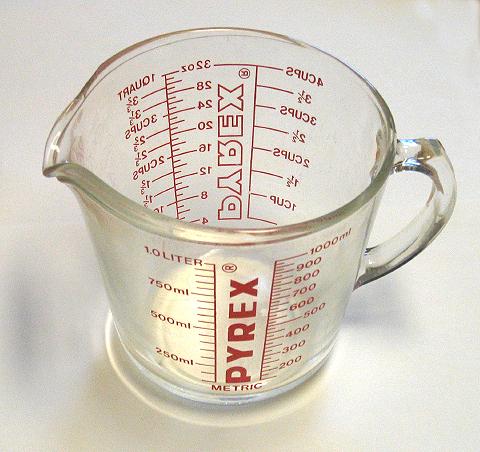
Measuring_cupThis is a very easy and fast to make chocolate cake.
1/4 cup ground almonds

2 tablespoons cocoa powder

1/4 teaspoon baking powder

3 tablespoons of granulated sugar substitute eg Splenda

2 tablespoons melted butter

1 tablespoon water (or Da Vinci syrup)

1 egg

splash of vanilla essence

Method:

Mix in a 2 cup size pyrex  cup or jug – cover with plastic wrap – cut a small slit in covering – cook 1 to 3 minutes in microwave – should look dry on top.

Entire recipe has about  18 grams  carbs and 5 gms fibre

Taste matters more than labels when making food choices


Despite a recent trend toward healthy eating behaviors, many consumers still tend to overconsume unhealthy foods because of two facts that work in combination. Unhealthy food is widely associated with being tasty, and taste is the main driver of food decisions.

In a study done to see what affected choice of food  participants were presented with a variety of yogurts, each with different levels of sugar and fat. Even when given information about the ingredients, the participants were not more likely to select a healthier yogurt.

Unhealthy eaters were least likely to use information about ingredients when deciding which yogurt to choose, the investigators found. However, both unhealthy and healthy eaters said taste was the main factor in their decision about which yogurt to select, and it could not be overcome by providing them with nutritional information, according to the published study.

“Policy planners must instead find ways to make healthy foods more appealing, by improving the actual taste as well as the packaging and marketing,” researchers said.
“Social campaigns that promote the sense that healthy eating is “cool” would also help”.

17616-sugar-lips-pv  “A holistic approach is urgently needed in which food companies, consumers and policy makers, instead of working against one another, manage to find mutually beneficial strategies to combat the world’s alarming obesity epidemic,” the researchers concluded.

Practice Pearls:
•Taste exerts the biggest influence on people’s food choices and many believe that healthy foods don’t taste good.
•Unhealthy eaters were least likely to use information about ingredients.
•Taste is the main driver of food decisions.

Journal of Public Policy & Marketing, news release, Jan. 21, 2015. Robert Mai and Stefan Hoffmann How to Combat the Unhealthy = Tasty Intuition: The Influencing Role of Health Consciousness. Journal of Public Policy & Marketing In-Press, doi: http://dx.doi.org/10.1509/jppm.14.006  (Published in Diabetes in Control Jan 2015)


At Diabetes Diet Blog, we think that encouraging people to eat real food that doesn’t come in packets would come a long way to address the obesity epidemic too. Salt, spices and fats such as butter, coconut oil and olive oil can greatly enhance the flavour of food, particularly vegetables, that otherwise can be left on the plate. Demonising salt and naturally saturated fats does not help. A parent can prepare tasty soups at home but if salt and fat is left out it is understandable when children prefer tinned versions with added sugar. 

Invigorate your taste buds with spice rubs


Many of the world’s greatest culinary discoveries were made serendipitously. But very few had greater impact than the discovery of using spices to flavor and preserve food.

Anthropologists have shown that thousands of years ago, our hunter-gatherer ancestors would often wrap their kill in leaves and bark to preserve and transport the contents inside. Only later did they discover that this method of preservation could also improve the taste of their food.

And so the worlds’ love affair with spices began…


Spices & Herbs: The Culinary Curatives


As civilization advanced, the use of spices became ubiquitous in culinary tradition. But it wasn’t just for their ability to enhance flavor. It was also for the health-promoting properties they possessed:

  • Texts from Ancient Egypt (1555 BC) deemed coriander, fennel, juniper, cumin, garlic and thyme as powerful medicine. It is also known that the laborers who constructed the Great Pyramid of Cheops (using advanced alien technology, of course) consumed onion and garlic as a means to promote health.
  • Black pepper, cinnamon, turmeric, cardamom have been used by Indians for thousands of years for both culinary and health purposes.
  • Hippocrates wrote extensively about spices and herbs, including saffron, cinnamon, thyme, coriander, mint, and marjoram. Of the 400 herbal remedies he created, at least half are still used today.
  • Theophrastus, the “Father of Botany”, authored two books summarizing the knowledge of over 600 spices and herbs.
  • Dioscorides, a Greek Physician of the 1st century, authored De Materia Medica – an extensive medical and botanical guide that was used for over 1,500 years.
  • In the Middle Ages (600-1200 AD), European apothecaries used herbs and Asian spices including ginger, pepper, nutmeg, cinnamon, saffron and cardamom in their remedies.
  • Plants were used as the primary source of medicine in the United States from the time of the Mayflower (1620) until after World War I (1930).

Science now proves that the instincts and knowledge of our ancestors were correct: Spices and herbs are powerful medicine.


Countless studies show that herbs and spices possess a wide range of phytonutrients that can kill bacteria, viruses and parasites. They also act as powerful antioxidants and can promote cellular health, reduce inflammation, and more.

And one of the most convenient ways to harness the health-and-flavor enhancing power of herbs and spices is a homemade dry rub.


 Five Chef-Inspired Dry Rubs: Potent Flavor – With Benefits


Complimenting just about every kind of food – from meat, chicken, fish and vegetables – a dry rub is a combination of herbs, salt and spices that is applied before grilling, broiling, baking or roasting.

As you know, there are many commercial seasoning blends available. However, these often contain chemical preservatives, MSG, anti-caking agents and other unsavory additives.


By creating your own custom combinations at home, you can ensure a higher quality, additive-free product that is personalized to your tastes.

Using just one or two spices and herbs can produce delicious results. But if you really want to elevate your food to new heights, don’t be afraid to experiment with new ingredients and unique combinations. You can make a dry rub from nearly any combination of herbs, spices and salt. Here are four chef-tested dry rubs to try in your cooking:

Za’Atar

  • Use On: This exceptionally versatile Middle Eastern spice mix can be used on every kind of meat, fish or vegetable.
  • The Blend: ¼ cup sumac, 2 Tbsp. dried thyme, 1 Tbsp. roasted sesame seeds, 2 Tbsp. dried marjoram, 2 Tbsp. dried oregano, 1 tsp. sea salt
  • Yield: ~2 Tbsp.


Ras El Hanout

  • Use On: The name of this Moroccan spice mix translates to “head of the shop” – as it often includes the best spices the purveyor has to offer. Try on grass-fed steaks, wild salmon and chicken.
  • The Blend: 2 tsp. ground ginger, 2 tsp. ground coriander, 1½ tsp. ground cinnamon, 1½ tsp. freshly ground black pepper, 1½ tsp. ground turmeric, 1 tsp. ground nutmeg, 1 tsp. ground allspice, ½ tsp. ground cloves
  • Yield: ~¼ cup


Mediterranean Dry Rub

  • Use On: This classic blend goes with just about anything – from pastured pork, lamb and chicken to wild seafood.
  • The Blend: ¾ cup dried basil, ¼ cup dried thyme, 2 Tbsp. dried sage, 2 Tbsp. fennel seeds, 1 Tbsp. sea salt, 1 Tbsp. black peppercorns
  • Yield: ~1¼ cups


BBQ Dry Rub

  • Use On: A classic BBQ favorite that complements pastured chicken, ribs, and brisket
  • The Blend: ¼ cup paprika, 2 Tbsp. granulated garlic, 2 Tbsp. granulated onion, 2 tsp. black peppercorns, 1 tsp. dry mustard, 1 tsp. chili powder, 1 Tbsp. cumin seed (toasted), 3 Tbsp. coriander seed (toasted), ¼ cup sea salt, 2 Tbsp. coconut sugar
  • Yield: ~1¼ cups


Tips For Using Dry Rubs


Now that you have a few flavor combinations to start with, I’d like to share how you can maximize the seasoning power and life span of your dry rubs:

Toast to Get the Most: Many spices – especially cinnamon, cloves, allspice, coriander and cumin – benefit from a little heat. A brief toast in a dry skillet will coax more flavor out of these, in particular.

Grind Fine: Finely milling your spice and herb blends allows more surface area to come into contact with your food and your taste buds, producing deeper flavor. Use a spice mill or coffee grinder to powder your dry rub to a uniform consistency.

Prepare The Canvas: For each pound of meat, poultry, or seafood coat the entire surface with 2 to 3 teaspoons melted lard, tallow, duck fat, avocado or coconut oil. Then apply one to two tablespoons of dry rub.

Coat Well: When using dry rubs, coat the entire surface of the food, ensuring it sticks. Not only will this ensure you get the full flavor, but it will also produce a beautiful crust. To produce a stronger flavor, cover pre-rubbed meats or chicken and refrigerate for up to 24 hours to allow the flavors to penetrate. Then cook as desired.

Store Properly: Spices and herbs lose potency over time. Light, heat and oxygen accelerate the process. Store in a cool, dry place in an airtight container. Use within six months or sooner for best results.

Adding dry rubs to your cooking repertoire won’t just add more flavor to your food, but also more health-promoting nutrients. So season often and liberally with these flavor-packed dry rubs, and change up the spices and herbs you use to get the full-spectrum of their healing powers.

Written by Kelley Herring, Healing Gourmet

www.healinggourmet.com

mortar-1055553_960_720

Celeriac Soup – Low-Carb Recipes

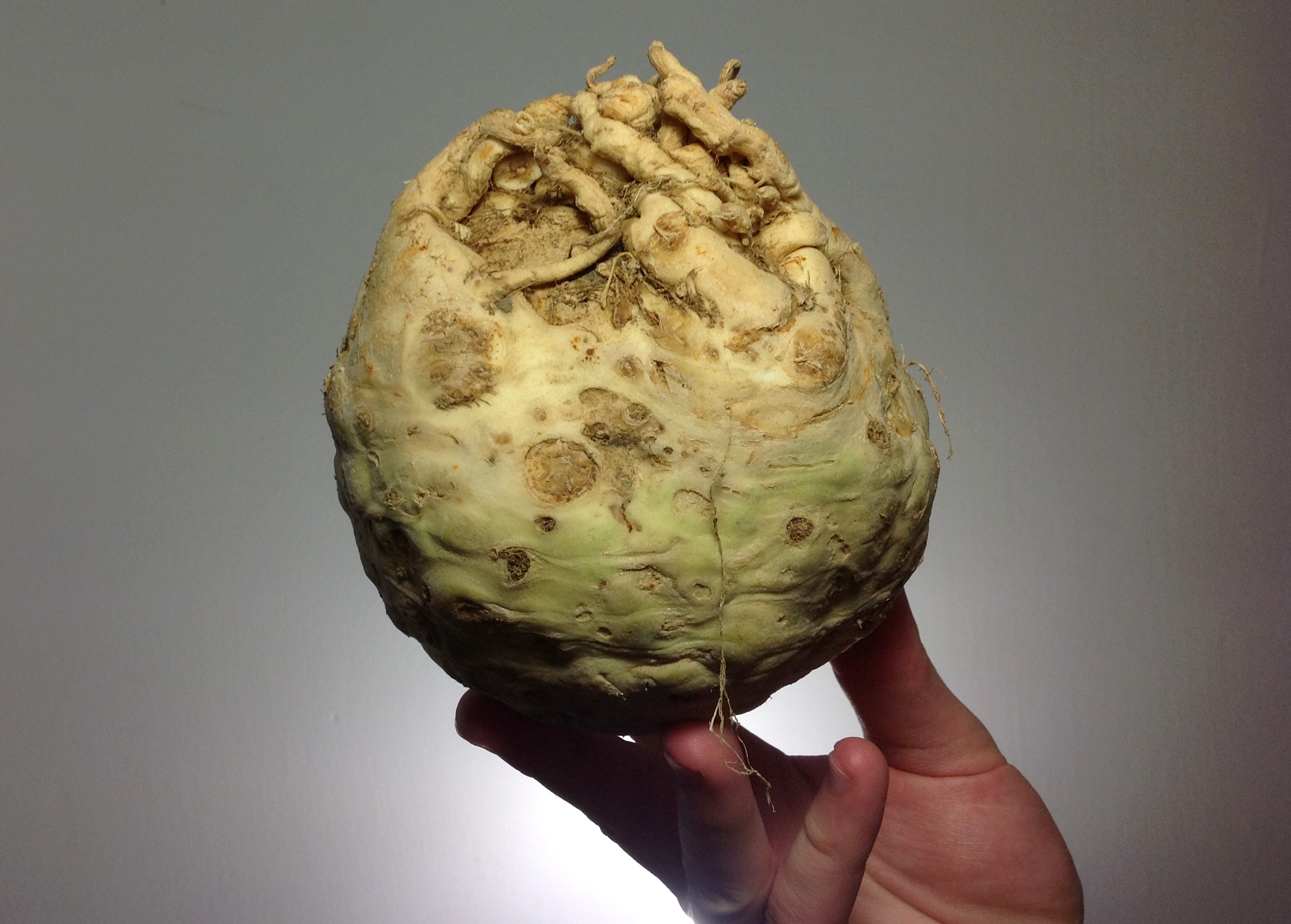
The far from pretty celeriac. Darn tasty though...
The far from pretty celeriac. Darn tasty though…

If you love soup as much as I do, I have a treat for you. Celeriac soup – perfect low-carb fodder and just the thing for cold winter days.

In theory, you can buy just about any fruit or vegetable year-round, thanks to the supermarkets. There’s no such concept of seasonality any more.

For some reason though, there are some ingredients that supermarkets in the UK do decide are seasonal and they only stock them at certain times of the year. I’m not complaining about seasonality, but it does bug me that it is inconsistently applied.

Take the humble celeriac, for example. I love celeriac – it’s really delicious and it’s great braised or roasted. You can use it as a potato substitute and it fits in well with low-carb eating. But it can be hard to find and I suspect the supermarkets have a prejudice against it on account of its looks. This ain’t the prettiest vegetable.

Anyway, do try this soup. It’s delicious and brimful of goodness thanks to the home-made stock and tonnes of vegetables.


Celeriac Soup

  • Servings: 5-6
  • Difficulty: easy
  • Print

  • celeriac soup1 whole celeriac, peeled and cut into even-sized cubes
  • 1 leek, washed and chopped
  • 50g butter
  • 1.5 litres fresh chicken stock
  • 1 medium onion, peeled and sliced
  • 2-3 cloves of garlic, peeled and crushed
  • Salt

Melt the butter in a large sauce/stock pan and add the onions and leeks. Cook for five minutes, stirring from time to time until they have softened. Add the celeriac and garlic and allow the celeriac to brown lightly.

Add the stock, bring to the boil and then turn down to a simmer. Cook for 25 minutes or so until the celeriac is fully softened. Blend using a stick blender and season to taste.

Carbs per serving – 22g (for five serving) with 4g of fibre.

Make this a main course soup by adding in some protein – a poached egg, for example or some shredded roast chicken would be nice.

Five types of mindless eating. Do these habits sabotage your weight goals?

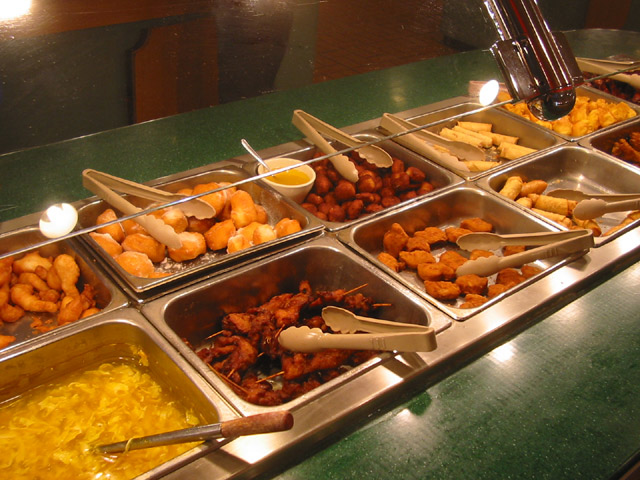
Chinese_buffet2Dr Brian Wansink is a behavioural economist who studies people’s behaviour around food. Specifically he is interested in how the environment can be manipulated to support or sabotage weight loss efforts. In an interview for Diabetes in Control at the ADA conference in 2012 he outlined the five areas in which we tend to eat more than we intend.
Party bingeing. This is the “I deserve a break”, “I’m celebrating”, “It’s only this once”, “It would offend the host” types of excuses come into play and we abandon our regular habits and go a bit mad with the calories. Alcohol increases our appetites and loosens our will power. If we had any in the first place. Unusual or attractive party food becomes hyper-alluring, and for some of us the urge to try a little bit of everything, three desserts for instance, makes us terribly glad that we wore an elasticated waistband that day. The party phenomenon can also translate to longer binges such as holiday eating or even more problematic, the CRUISE.

Eating too much at meals is particularly easy to do if you were brought up in a household where you were encouraged to “clear your plate”.  Thanks to my mother’s pleading, threats, stories of starving children of you name it, I was 40 years old before I was able to leave anything on my plate. I always had the spectre of my mother behind me at every meal. Things were fine as long as I was able to put food on my own plate, but if someone else handed it to me….down it went.

Some of us don’t feel we can leave a meal unless we are absolutely stuffed. After all, there could be an earthquake, flood, famine, ice-age between lunch and dinner, so you’d better be prepared. Although the advice given to young ladies at Charm School was to always leave the table a little hungry… that is not how many of us do it.

Restaurant behaviour can follow on from the meal stuffing habit. After all, you’ve paid for it! And you are jolly well going to eat it. Things get even worse around buffets. For many of us, buffets are a terrible source of temptation. We have just try a little something from every dish. And when it is an all you can eat buffet….well, there is nothing like a challenge. In any restaurant, no matter how stuffed we may feel, there always seems to be room for a delicious dessert. These are particularly hard to resist if you can actually see them as opposed to just reading about them off of a menu.  For most of us, restaurants are a treat, so the party bingeing mentality, “It’s just the once…I’ll go back to eating properly tomorrow” come into play too.

Snacking and grazing are what many of us to between meals. It should be meaningful work, time with those who matter, or physical activity, but no. The most popular activity is probably more eating.  Snacking can be brought on by genuine hunger. In this case Dr Wansink’s best advice is to eat a hot protein breakfast at the start of the day to get out of the elevenses habit. For others snacks are freely available in the workplace or in the home. Most of the time these are not vegetables with dips or fruit, nuts and cheese but crisps, Doritos, maltesers, chocolates, sweets, biscuits and cakes.  On trains and planes they can include booze as well. Calorific drinks such as hot chocolate and syrup enhanced coffees are popular too.

So when does snacking not count? Well, when you can’t actually remember doing it? Does that make it not count? When you are watching the television, in a cinema, using the computer or even driving it is amazing how dextrous human beings can be. One hand can be employed on mouse skills or on the steering wheel with the conscious brain and eyes engaged on really pretty complex tasks. Meanwhile the non-dominant hand and the subconscious brain are totally absorbed in hand to container to mouth skills just as finely tuned as the finest snooker player can pop the balls into the holes.

Brian says that essentially the first step for anyone is to become aware of any of these habits. You then need to devise strategies that interrupt the unwanted patterns of behaviour. He suggests that people start with one habit and change that first. Starting with what seems easiest and most achievable can give a feeling of mastery that can be worked on. For most things changing the environment around the problem is much more effective than reliance on will-power.


Sugar-Free Cookbooks? Not Really…

datesIf you search through Amazon for new cook books this year, you will come across a phenomenon – a wealth (or let’s call it a rash) of books promising healthy recipes/sugar-free/detox foods, etc.

What you will also notice is plenty of celebrities jumping on that bandwagon…

TV presenter and fitness fan Davina McCall’s latest book is Smart Carbs (she has also written books about sugar-free eating) and ex-Radio 1 DJ Fearne Cotton will also leap on that gravy train with a book called Cook Happy, Cook Healthy scheduled for publication later this year.

General moves towards promoting cleaner eating and cooking for yourself are welcome – but many of the so-called sugar-free recipes that have featured in magazines promoting such cook books aren’t sugar-free at all.

They rely on dates, agave syrup, maple syrup, beetroot, pureed bananas and other such super sweet foods* which are sugary and will have an impact on blood sugar levels for anyone eating them – a similar kind of impact you might get from eating an “ordinary” slice of cake made from flour and cane sugar.

As any diabetic can tell you, your body doesn’t say – “ooh, dates! So glad it’s healthy sugar. No need to flood the system with insulin to compensate…”

[Or need to inject large amounts of insulin to cover the dates – if you are a Type 1.]

What would I rather have? In all honesty, I’d rather eat a slice of really nice cake made from the ingredients that make great cakes, such as white flour and sugar, and butter – and eat it very, very occasionally.

We do feature sugar-free recipes on this site and in our book, The Diabetes Diet – proper sugar-free recipes that don’t use maple syrup, dried dates and pureed bananas (sugar by another name), but are still indulgent.

Let us know what you think!


*Not to pick on anyone in particular, but Prima magazine recently featured recipes from Jo Pratt’s book In The Mood for Healthy Food, which it called “clever, guilt-free bakes”. The carrot cake recipe featured ripe bananas, maple syrup, grated carrots, and sultanas and raisins.


Supermarkets catch on to the spiralling use of low carb vegetables

cauliflower-318152_640

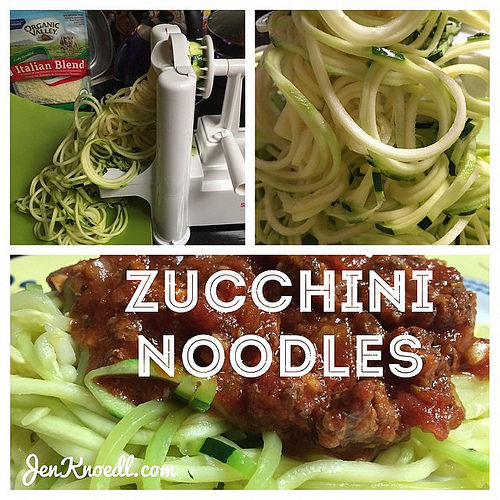
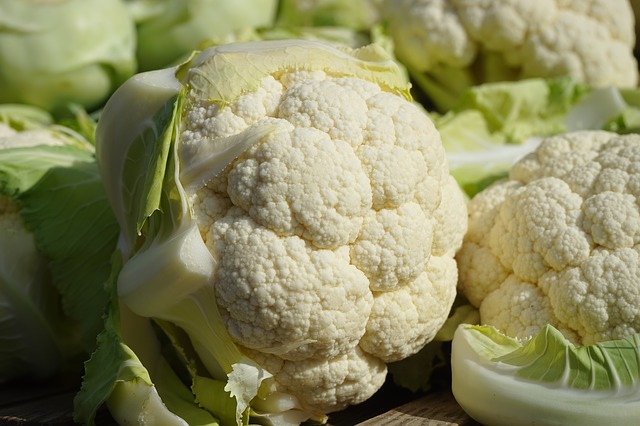
Spirallising vegetables such as courgettes and squash to use instead of pasta is becoming mainstream thanks to popularisation by such celebrity cooks as Davina McCall, the Hemsley sisters and Ella Woodward.  John Lewis says it was one of their best- selling kitchen gadgets of 2015.

Now you can buy pre-spirallised vegetables in many supermarkets such as Tesco, Sainsbury, Marks and Spencer and Waitrose. From next month you will also be able to buy that good old low carb rice substitute cauliflower “rice” prepacked from Sainsbury.

The interest is due to the growing demand from low carbers and those who are pursuing a wheat/gluten free diet.  The restaurant chain Bella Pasta even serves vegetable “spaghetti” in their restaurants.


Based on an article by Rebecca Smithers in the Observer 17.1.16

Thai Prawn and Chicken Soup


Serves 2

2 cups water

2 cups coconut milk

1 / 2 bouillon cube of chicken

1 / 2 Lime

1 to 2 teaspoons chili paste (sambal oelek)

1 1 / 2 tablespoon ginger, grated, fresh

3 / 4 tablespoons fish sauce (Asian)

150 to 200 g chicken fillets without skin

A couple of handfuls ready cooked and peeled prawns

1 / 2 Chinese cabbage or cabbage

50 g Shiitake mushrooms or any other mushrooms

2 spring onions

1 / 2 red chilli

1 / 2 – 1 tblsp Coriander, fresh
____________________________________________________________________

Place water, coconut milk, broth, finely grated rind of lime, lime juice, chili paste, ginger and fish sauce in a large saucepan and bring to a boil.

Cut chicken into strips.

Add chicken and cook for 5 minutes.

Cut Chinese cabbage into strips, slice the mushrooms. Chop the spring onions and chilli, add all to the pan, cook for 5 minutes.
Add the prawns for a minute before the soup is ready. Just warm up, don’t boil them.
Put half the chopped coriander in the soup and stir.

Taste the soup. Maybe you want more zing? Then add a little extra sambal oelek.