A very small (six people!) study out last week revealed that type 1 diabetics might benefit from exercise.
Often, studies confirm what people have known for years, but additional confirmation can be comforting. The study comes with the usual caveat – further research is needed – but what it basically says is that the six people with type 1 diabetes who were monitored over three months had better blood sugar control, needed less insulin and had fewer hyperglycaemic episodes than the seven who did no exercise”.
The study was carried out by American and Italian researchers. It focused on middle-aged people using insulin pumps. It gathered information on metabolic activity, and inflammatory and autoimmune parameters.
Educational Programme Including Exercise
The researchers concluded that studies on greater numbers of people were needed, but the study’s co-author Dr Livio Luzi said an educational programme for type 1 diabetics that focused on “insulin injection monitoring, diet and exercise” would be highly advantageous.
Do you need any further encouragement? You could wait for the further studies, or you could just decide exercise will benefit you anyway and do it until you hear otherwise.
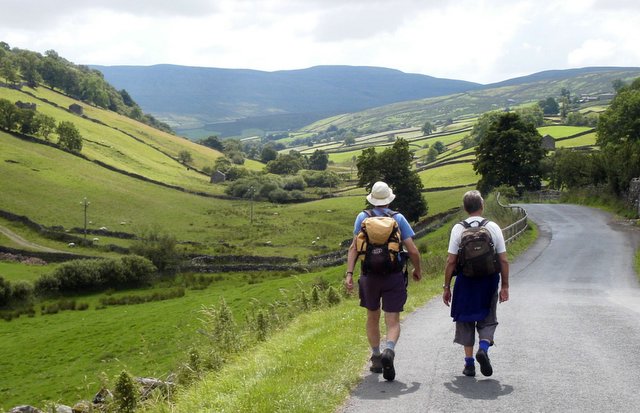
One further point that the Diabetes Diet likes to make – exercise doesn’t need to be horrible. If you hate huffing and puffing (and I certainly do), don’t do it. If you don’t enjoy something, you are unlikely to keep it up. Walking is effective – see this news article on the benefits of a brisk 10-minute walk after meals for type 2s – as is anything that involves moving about, bending, lifting and stretching such as housework and gardening.
Lifting weights is also beneficial for anyone with diabetes (type 1 or type 2) because it can help build or preserve muscle mass, which makes you more sensitive to insulin.
Diabetes in Control has a lessons learned section for health professionals. Although we commonly think of exercise that will lower our blood sugars some insulin users find the opposite occurs. This is the case report.
A man with type 1 diabetes started an exercise program to help him manage his early morning highs. He exercised every evening, at which time his glucose levels would drop during and after exercise. Thinking that exercise would lower his early morning highs, he did not take his insulin before exercise. He was surprised to see his glucose would go up after exercise rather than go down….
He discussed this with his endocrinologist who recommended he take a very small amount of fast- or rapid-acting insulin before exercise. His glucose levels did well. He was surprised to see his levels did not get low, nor were they high after exercise anymore. This became his regular regime.
Lesson Learned: •Even though exercise makes an individual more insulin sensitive, one still needs insulin for muscles to use glucose. Without enough insulin, glucose levels can rise. •Individuals can and usually do have different insulin needs throughout the day. •To lower post-exercise highs, start low and go slow to learn the amount of insulin your patient needs. Some need only one unit. •Check before, during, and after exercise, or better yet, use CGM and track trends.
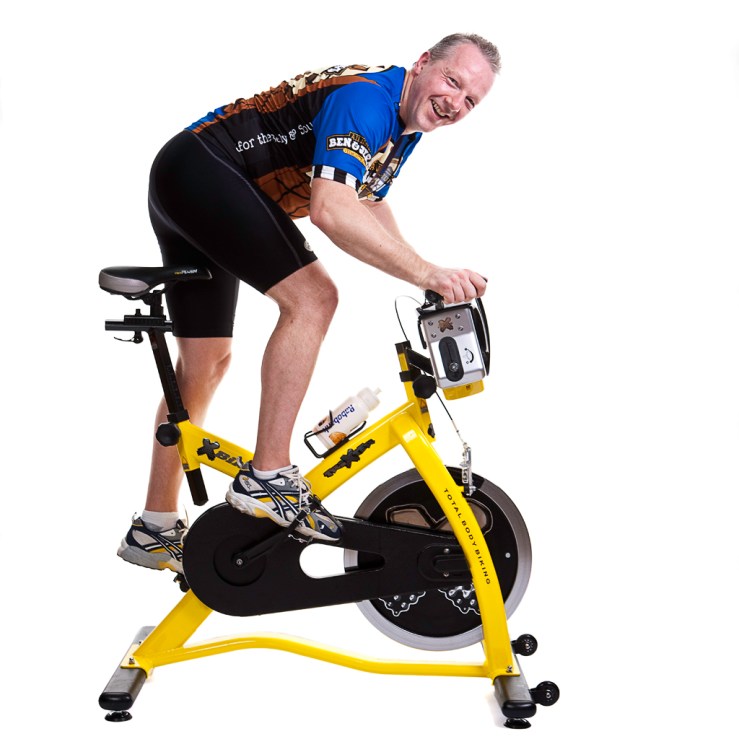
You’ll need to pedal harder than this if you want intensity…
I recently received an email from a person with type 1 diabetes living in Denmark (Guido) whose physician believes in prescribing many medications to manage cholesterol and high blood pressure in anyone with diabetes, regardless of need. Guido has been taking a statin (Atorvastatin, brand name Lipitor), along with at least four others for blood pressure control. He used to take Simvastitin (Zocor), but a year prior had been changed to Atorvastatin (and his dose doubled). That’s when his problems with exercise began.
Many prescribed medications can directly affect people’s ability to exercise or their responses to it, but most healthcare providers focus on the ones that affect blood glucose, particularly if they increase the risk of activity-related hypoglycemia. Another type really needs to be considered, though, because of the sheer number of patients who are being put on them and their potentially negative impact on the ability to exercise: statins. Statins are medications taken to treat high cholesterol levels or abnormal levels of blood fats, in an attempt to lower the risk of heart attack and stroke. Brand name examples include Altoprev, Crestor, Lescol, Lipitor, Livalo, Mevacor, Pravachol, and Zocor.
The cholesterol guidelines were recently updated, the result being that even more adults with diabetes and prediabetes are being prescribed various medications from this class. In individuals who are unwilling or unable to change their diet and lifestyles sufficiently or have genetically high levels of blood lipids, the benefits of statins for lowering cardiovascular risk likely greatly exceed the risks, or so the experts claim (1). If a person has a low risk for developing cardiovascular problems and does not already have type 2 diabetes, taking them is not advised (2), particularly because many statins increase the risk of developing type 2 diabetes (3).
Since one month after he started taking Atorvastatin, Guido confided that has been suffering from extreme stiffness and pain in his legs that occurs after running any distance (3 km or 20 km). The pain is in his lower leg/ankle (the right one hurts more, but the left leg is also very stiff) and occurs typically after his runs and decreases after 3 to 4 days, during which time he is unable to run at all. His legs have been scanned and are negative for any signs of fractures or inflammation, and they have ruled out compartment syndrome.
In his email to me, Guido stated: “I suspect it is the Atorvastitin. What do you think?”
My answer was, “I completely agree that your problems are probably coming from the Atorvastatin. As a group of medications, the statins are WELL known for causing muscle and joint issues. I would suggest considering going off of it completely and see if your symptoms resolve in a few weeks.”
Guess what? It worked! He emailed me a week later, stating “I have stopped using the Statins now for 5 days and after a 12 km run my legs feel completely different and back to normal.” That was great news to hear!
It’s not talked about enough, but undesirable muscular effects from statin use are commonplace, such as unexplained muscle pain and weakness with physical activity that Guido has been having, which may be related to statins compromising the ability of the muscles to generate energy. The occurrence of muscular conditions like myalgia, mild myositis, severe myositis, and rhabdomyolysis, although relatively rare, is doubled in people with diabetes (4). Others have reported an increased susceptibility to exercise-induced muscle injury when taking statins, particularly active, older individuals (5). Other symptoms, such as muscle cramps during or after exercise, nocturnal cramping, and general fatigue, generally resolve when people stop taking them. If people experience any of these symptoms, they need to talk with their healthcare provider about switching to another cholesterol-lowering drug that may not cause them.
Another major issue related to statins is that their long-term use negatively impacts the organization of collagen and decreases the biomechanical strength of the tendons, making them more predisposed to ruptures. Statin users experience more spontaneous ruptures of both their biceps and Achilles tendons (6-8); I personally know a physically active person with type 1 diabetes that simultaneously ruptured both of his Achilles tendons during a routine workout due to long-term statin use. Again, people should talk with their doctors about whether it may be possible to manage their cardiovascular risk and lipid levels without taking statins long-term for this reason and the aforementioned ones.
In my opinion, there’s nothing worse than a medication that is supposed to help lower your cardiovascular risk, but then likely ends up removing all of the potential benefits by taking away your ability to be physically active! Likely the greatest risk factor for heart disease is physical inactivity, so don’t prescribe statins that make people sit on the couch. At least have them try another medication to see if it a lesser negative impact on being active.
References:
1.Kones R: Rosuvastatin, inflammation, C-reactive protein, JUPITER, and primary prevention of cardiovascular disease–a perspective. Drug Des Devel Ther 2010;4:383-413
2.Taylor F, Ward K, Moore TH, Burke M, Davey Smith G, Casas JP, Ebrahim S: Statins for the primary prevention of cardiovascular disease. Cochrane Database Syst Rev 2011:CD004816
3.Mayor S: Statins associated with 46% rise in type 2 diabetes risk, study shows. BMJ 2015;350:h1222
4.Nichols GA, Koro CE: Does statin therapy initiation increase the risk for myopathy? An observational study of 32,225 diabetic and nondiabetic patients. Clin Ther 2007;29:1761-1770
5.Parker BA, Augeri AL, Capizzi JA, Ballard KD, Troyanos C, Baggish AL, D’Hemecourt PA, Thompson PD: Effect of statins on creatine kinase levels before and after a marathon run. Am J Cardiol 2012;109:282-287
6.de Oliveira LP, Vieira CP, Da Re Guerra F, de Almeida Mdos S, Pimentel ER: Statins induce biochemical changes in the Achilles tendon after chronic treatment. Toxicology 2013;311:162-168
7.de Oliveira LP, Vieira CP, Guerra FD, Almeida MS, Pimentel ER: Structural and biomechanical changes in the Achilles tendon after chronic treatment with statins. Food and chemical toxicology : an international journal published for the British Industrial Biological Research Association 2015;77:50-57
8.Savvidou C, Moreno R: Spontaneous distal biceps tendon ruptures: are they related to statin administration? Hand surgery : an international journal devoted to hand and upper limb surgery and related research : journal of the Asia-Pacific Federation of Societies for Surgery of the Hand 2012;17:167-171
As a leading expert on diabetes and exercise, I recently put my extensive knowledge to use in founding a new information web site called Diabetes Motion (www.diabetesmotion.com), the mission of which is to provide practical guidance about blood glucose management to anyone who wants or needs to be active with diabetes as an added variable. Please visit that site and my own (www.shericolberg.com) for more useful information about being active with diabetes.
by Dr. Sheri Colberg, Ph.D., FACSM Diabetes in Control April 2 2016
The IPAQ scoring questionnaire gives you an idea of whether you are meeting prescribed exercise goals or not, by combining scores of your planned exercise with your daily activities.
Do you want to live to a good old age? Researcher Dr Peter Attia discussed his top tips with paleo diet enthusiast Chris Kresser in March 16. This is summary of what he had to say.
Professor Max Nonne und Frau [Henny Nonne], geb. HeyeThere are a few obvious big things that we can all do to dodge death at a prematurely.
Choose to be a non- smoker.
Don’t die by suicide.
Avoid accidental deaths. Most of these are caused by three things, Road Traffic Accidents, accidental poisoning, including the wrong use of prescription medication, and falls. You can minimise these by using a seatbelt, driving carefully, particularly at junctions, not using the phone when driving and avoiding any alcohol use at all when driving. When you are a pedestrian be wary of drivers, cross the road in safe places and be very careful regarding alcohol intake.
About 80% of all deaths in the over 40s are caused by the diseases of civilisation: atheromatous disease causing heart attacks and strokes, cancer and neurodegenerative disease such as Alzheimer’s and Parkinson’s disease. Some of these have a genetic basis that we can do nothing about, but there are lifestyle measures you can take to delay or avoid them.
Keep your blood glucose and therefore blood insulin levels low and with a low level of variability. A high fat, moderate to low protein and low carbohydrate diet is best for this. Dr Attia’s opinion is that 20% carb 20% protein 60% fat is about right.
Avoid stress. There are two components to this. To feel fulfilled and happy you need meaning in your life. You will be happier if you can give support to others and receive it from them too. Minimise stress if you can. Consider meditation practice.
Get a good sleep every night. Sleep deprivation causes severe insulin resistance. Keep the bedroom completely dark. Keep it cool to even cold. Avoid blue light from computers, phones or lights for several hours before sleep. Consider using melatonin, phosphatidylserine, magnesium, L-threonate and vitamin D to enhance your sleep if you are not sleeping well.
Exercise. This has stress benefits of its own and also improves glucose uptake into the muscles if the right exercises are done. For best increase in muscle insulin sensitivity Peter advises squats and deadlifts done with good form and with very heavy weights.
Decide what you are going to do for your optimum benefit and then change your habits so that they become second nature. Repetition is the key.
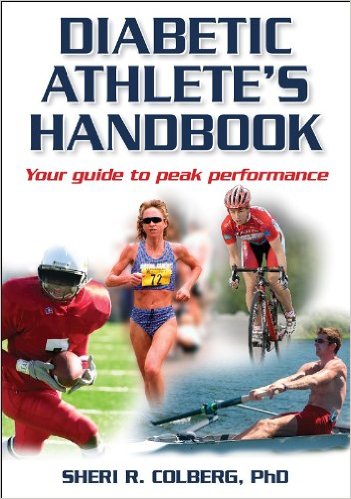
Dr Sheri Colberg has been studying diabetics and their response to exercise for many years. She has written several books to help diabetics achieve their best results and now she has launched an online site that will help you for free.
She writes:
As a leading expert on diabetes and exercise, I recently put my extensive knowledge to use in founding a new information web site called Diabetes Motion (www.diabetesmotion.com), the mission of which is to provide practical guidance about blood glucose management to anyone who wants or needs to be active with diabetes as an added variable. Please visit that site and my own (www.shericolberg.com) for more useful information about being active with diabetes.
She aims to help the entire range of people affected with diabetes from the “getting on a bit” couch potato to the fit competitive athlete.
Here at Diabetes Diet Blog, Emma and I are convinced of the benefits of regular and varied exercise for all, whether you are diabetic or not. Just figuring out where to start can be difficult if you haven’t been a regular exerciser before or are troubled with complications. For insulin users, they are sometimes put off by the adjustments they need to make with their food intake and insulin doses. This site is here to help and Sheri contributes personally to the comments section in her site to help you.
Brian Whittle is a gold medallist runner who aims to introduce widespread after school childcare focussed on delivering high quality exercise and physical activities. This is a long term strategy which is fun for children yet could provide immense health benefits and even enhance academic performance.
There are studies which support the validity of Brian’s aims. But do enough politicians have the long sightedness and will to ring fence funding that is needed?
In order to prevent obesity in our youngsters and the disorders associated with sedentary behaviour a culture change is needed. The unhealthy eating, snacking and reliance on screen based entertainment needs to be replaced by three good meals a day and movement to counteract the long hours sitting in the classroom. Many parents work long hours too, and would welcome group based physical activity for their children in a safe environment.
Brian is seeking support from leaders and health ministers from all parties. Some headmasters are highly supportive and are delighted with the improved behaviour, reduced truancy and improved grades that they are seeing in pupils who have become more engaged as a result of fun activities after school.
More than 2.3 million children in the UK are overweight or obese and even the under 12s are showing signs of high blood pressure, cholesterol abnormalities, type two diabetes and liver disease.
Dr Tim Lobstein, director of the Childhood Obesity Programme says, “ It will be tragic if it is not tackled. Chronic diseases are moving forward at an ever increasing rate. Our kids are eating themselves into an early grave. We will have the first generation to die at an earlier age than their parents. Britain along with some other southern European countries are at the top of the list. While soft drink and confectionery sales have rocketed, and TV watching, computer games, and other sedentary media have grown, exercise has fallen. Unless the obesity epidemic is brought under control we are facing the prospect of medicating kids at primary school and for the rest of their lives. If we can just find a way of encouraging healthy growth then we can avoid an enormous amount of grief in the future. Unless we start teaching our children in schools about raising children, feeding them properly, exercise and the difference between good and bad food, then we are just going to exacerbate the problem.”
Getting children to become more physically active and achieve normal weights has been found to improve attention, planning and thus have knock on effects on academic performance. ( Davis CL et al Pediatr Exerc Sci. August 6 2015)
Children who are more active in late childhood can demonstrate lower body weight and lower risk factors for cardiovascular disease and diabetes by their mid- teens. This means an hour of moderate to vigorous exercise a day. A national approach involving the collaboration of various government agencies would be needed to produce widespread benefit. (Stamatakis E. Pediatrics Vol 135 No 6. 6 Jun 2015)
For younger children under the age of 6, three hours of activity, spread throughout the day is recommended by the US Institute of Medicine. They hope that such recommendations can help reduce overweight and obesity which is currently at 27% in this age group.
For adults at least 30 minutes of activity a day is recommended. The good news is that the earlier you get into exercise the more the habit is like to stick. Swimming, dancing, walking, running, yoga, jogging, tennis, basketball and football are all suitable. The fitter you are in early adulthood, the lower your total mortality rate and cardiovascular disease rate. There is a clear dose response between exercise and fitness and fitness, well-being and mortality rates. (Shah et al. JAMA Internal Medicine 1-9)
Even if you have been sedentary for years or cannot tolerate 30 minutes a day, it is recommended by the American Heart Association that you start with walking. Apart from benefits to the individual there is a benefit in health care costs in the future. ( AHA 6 Dec 15)
Emma and I are already into the exercise habit. It certainly is more of a challenge in Scotland with our awful weather and long, dark, winter nights. What good ways have you found to keep active and support your children to be active?
From bootcamps to ballet, there’s a work-out for everyone on YouTube.
When I first got into fitness some 25 years ago, there were nothing like as many options as there are now. I do remember doing one of Cindy Crawford’s original exercise videos (it was awful) and cycling everywhere.
Nowadays though, there are so many choices if you want to get more active but you don’t want to, or can’t afford to, join a gym or attend classes.
Step forward YouTube! If you know where to look, you can access thousands of online exercise DVDs so you never need to pay for anything (apart from your broadband connection of course) or leave the comfort of your own home.
The videos vary greatly in quality of course – from really slick, professionally produced clips to the rather more amateur, and length varies too. Some of the moves and programmes will be demonstrated very well, others will be downright dangerous – but intelligent adults need to work this out by themselves, recognising that free stuff doesn’t come with the same checks and balances you can expect if you pay for gym memberships, classes or personal training.
It’s important to exercise whether you have type 1 or type 2 diabetes because exercise increases your sensitivity to insulin, and it reduces the risk of cardio vascular disease (people with diabetes have an increased risk of CV disease). Continue reading “Seven Free Online Work-Outs for You To Try”→
Some studies have indicated that people with diabetes are twice as likely to develop heart disease than people without diabetes, and it is one of the most common complications of diabetes.
For the Newcastle University study, researchers examined what happened when people with type 2 diabetes took part in intense exercise bursts of 90 seconds cycling on a stationary bike.
A total of 23 people took part in the study and scientists found that the intense bursts of exercise improved the cardiac structure and heart function. The exercise also improved blood glucose control to a small extent.
The authors of the report said that the study showed for the first time that exercise could begin to reverse early cardiac changes that are commonly found in people with type 2 diabetes. They said the greatest benefits were to heart health and that message needed to be strongly communicated to people with type 2 diabetes.
Professor Mike Trenell from Newcastle University said: “We’ve shown that short bursts of exercise improve the heart of people with Type 2 diabetes and benefits the control of their diabetes. If patients struggle to do 30 minutes of exercise then shorter, more manageable chunks still help and this includes any activity that gets the heart going such as taking the stairs instead of the lift.”
The original article about this research appeared on diabetes.co.uk
Does the idea of New Year resolutions send shivers down your spine..? It does mine.
For a start, January is a dull, dreich month here in Scotland and the thought of piling on misery in the form of Spartan eating and the like of boot camps can only make the month even more difficult to endure. And anyway, why choose one particular day for self-improvement when you could choose any day?
Having said all that (!), I did resolve to make Tabata training a regular part of my life this year. I wrote about Tabata training recently and the research I did for the article impressed me – particularly on the benefits of high-intensity interval training for type 1 and type 2 diabetics.







 Diabetes Diet