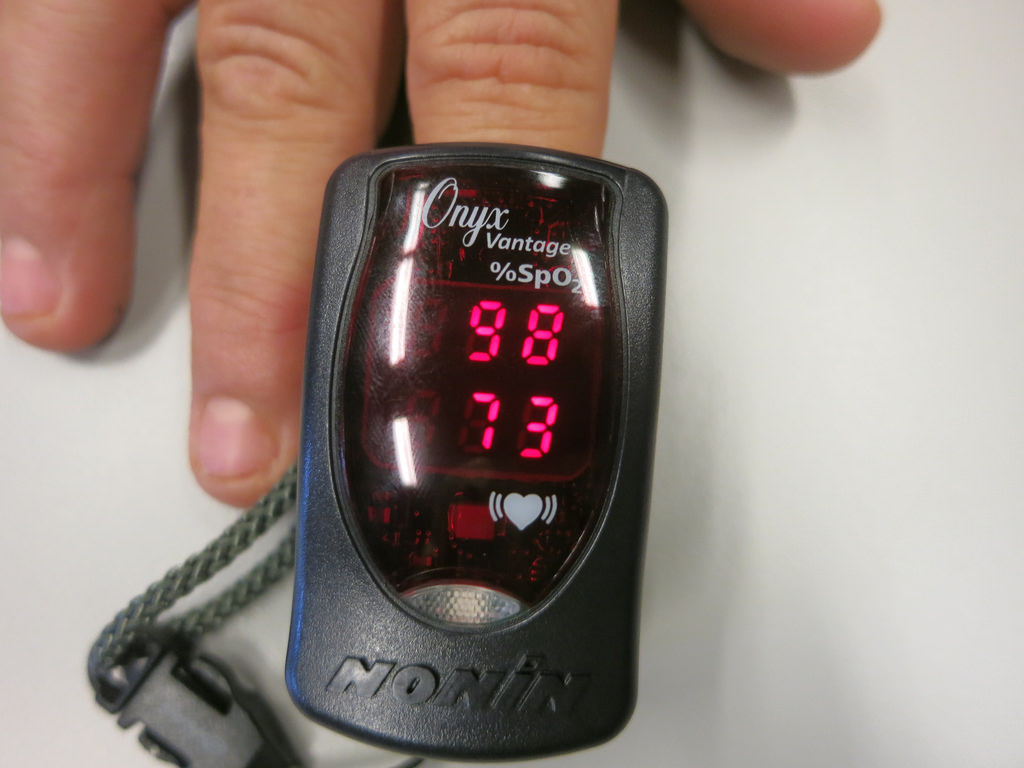
When do you stop getting benefits from exercise?

From Danielle Baron’s article in International Medical News 10 August 18

As with many different health interventions, there is a sweet spot between doing enough of it and doing too much of it. Too little, and it is not effective. Too much and you could cause unexpected negative repercussions.  The subject of exercise has been investigated regarding its effect on mental health.

Over 1.2 million USA citizens were asked about their exercise habits and their mental wellbeing between 2011 and 2015 by researchers at the Centers for Disease Control and Prevention.

All exercise types improved mental health but popular team sports were particularly effective in boosting mental health. The optimal duration of exercise was between 30 and 60 minutes a session, three to five times a week.

Sessions of longer than 90 minutes or done more than 23 times a month however, were related to WORSE mental health.

The authors conclude that blanket advice on exercise could be improved by being more specific about the types, durations and frequencies that were more likely to improve mental health and that further studies could be helpful.

Chekroud SR et al. Association between physical exercise and mental health in 1.2 million individuals in the USA between 2011 and 2015: a cross sectional study. Lancet Psychiatry. Published online 8 August 2018. doi: 10.1016/S2215-0366(18)30227-X

My comments: Oh dear! Well, I’ve got the duration right at 40 minutes but I hate team sports (because I’m useless at hand to eye or foot coordination) and I aim to exercise every day, which these researchers considered “excessive”.  Maybe the team sports were more beneficial because of the socialisation aspect as well as the physical aspect. Maybe less than 23 times a month made it something to look forward to and a dopamine hit , “I’ve achieved that” rather than a black mark ” I failed to do my exercise session”   as I tend to think about it. I can see the downsides of exercise addiction reflected in this piece of research. 

High dose Vitamin D improves cardiovascular health markers

Adapted from UK Medical News 17 July 2018

Several different health measures, all which improve your cardiovascular outcomes, have been found to result from high dose vitamin D supplementation. You are likely to need to take at least 4,000 iu a day though, depending on how much extra sunshine you are exposed to regularly.

A meta-analysis of 81 randomised controlled trials looked at almost one thousand patients randomised to taking supplements or to a control group who did not. The active and control groups were both roughly 5,000 each.  The durations of the trials varied but averaged out at ten months. The doses ranged from 400 iu a day to 12,000 iu a day. The average taken was 3,000 iu a day.

The outcomes were related to the blood level of vitamin D achieved. Levels had to be over 86 nmol/L to get benefits. You need to take over 4,000 iu a day to get vitamin D concentrations of 100 nmol/L or more.  My comment:This does mean that the minimum levels advised by the Scottish Chief Medical Officer last year are way too low to see the benefits discussed here.

So what extra benefits do you see?

lower systolic and diastolic blood pressure.

lower high sensitivity C reactive protein.

lower serum parathyroid hormone.

lower triglycerides.

lower total cholesterol.

lower low density lipoprotein.

high density lipoprotein increased.

All benefits were numerically small but did reach statistical significance. Cardiovascular outcomes were not measured directly, only blood markers and blood pressure.

Mirhosseini N et al. Vitamin D Supplementation. Serum 25(OH)D Concentrations and cardiovascular disease risk factors: A systematic review and meta-analysis. Front Cardiovasc Med. 2018 July 12.


Yummy Lummy: Red hot chicken wings

These carry an Australian Government caution!

https://yummylummy.com/2018/01/06/super-hot-spicy-chicken-wings/#comments

Super hot and spicy chicken wings made with ground Queensland nuts, smoked almonds, iodised salt, black peppercorns, smoked paprika, dried mixed herbs, bird’s eye chillies, and chilli flakes.
• 8 Chicken wings
• 1 Handful Queensland nuts
• 1/2 Handful Smoked almonds
• 1 Tablespoon Iodised salt flakes
• 1 Tablespoon Whole black peppercorns
• 1 Tablespoon Smoked paprika
• 1 Tablespoon Dried mixed herbs
• 2 Dried bird’s eye chillies
• 1 Tablespoon Chilli flakes
• 2 Handfuls Shredded kale
• 1 Packet Coleslaw
• 1 Tablespoon French mustard
• 100 mL Pouring cream
1. In a coffee grinder, grind Queensland nuts, smoked almonds, iodised salt, black peppercorns, smoked paprika, dried mixed herbs, bird’s eye chillies, and chilli flakes.
2. Rub this into the skin of eight chicken wings.
3. Roast for 1 hour at 150 °C.

Metformin improves blood sugar and vascular health in type one children

 From Diabetes in Control: Metformin Improves Vascular Health in Children With Type 1 Diabetes
Nov 18, 2017
In individuals with type 1 diabetes (T1DM), cardiovascular disease (CVD) is a major issue and the primary cause of death.

Vascular changes can be detected years before progression to CVD. Targeting blood sugar regulation early in patients at high risk of developing T1DM and in those already diagnosed with T1DM, could potentially help reduce vascular dysfunction risk and even reverse changes already made in vascular function.

Past studies have shown that in adults with T1DM, metformin reduces HbA1c, BMI, and required insulin doses. It has also been suggested that metformin leads to reduced cardiovascular events and better blood sugar regulation in patients with type 2 diabetes. Studies conducted on children with T1DM suggest the same benefits. However, there is currently no research on how metformin affects vascular function in children with T1DM.
A double blind, randomized, placebo-controlled trial was conducted to evaluate the association between metformin and vascular health in children with T1DM over a 12-month period. The study included a total of 90 children from a Women’s and Children’s Hospital in South Australia.  Children were randomly divided into two groups to receive either the metformin intervention or the placebo intervention. Children who weighed 60kg or greater received 1gm of metformin twice daily and those who weighed less than 60kg received 500mg twice daily. Doses were then increased to the complete dose over a period of 2 to 6 weeks.
Follow-up was conducted at 3, 6, and 12 months from the start of the study. Vascular function was obtained at baseline and at every follow-up visit using the brachial artery ultrasound, HbA1C, insulin dose, and BMI were among some of the other outcomes measured.
Results show that vascular function defined by GTN improved over the 12-month period by 3.3% in the metformin intervention group regardless of HbA1c when compared to the placebo group (95% CI 0.3 to 6.3; P=0.03). GTN was found to be the highest in the metformin group at 3 months when compared to placebo. Children in the metformin group also experienced significant improvement (P=0.001) in HbA1c levels at 3 months (8.4%; 95% CI 8.0 to 8.8) (68mmol/mol; 95% CI 64 to 73) when compared to the placebo group (9.3%; 95% CI 9.0 to 9.7). At 12 months, the overall difference between HbA1c improvement between the two groups was lower but remained a significant 1.0% (95% CI 0.4 to 1.5) 10.9mmol/mol (95% CI 4.4 to 16.4), P=0.001. In addition, it was found that children in the metformin group had a decreased insulin dose requirement of 0.2 units/kg/day throughout the 12-month period compared to those in the placebo group (95% CI 0.1 to 0.3, P=0.001).
The following study determined that children with T1DM with above average BMIs and taking metformin saw a significant improvement in vascular smooth muscle function compared to those not taking metformin. The study suggested that in addition to vascular health, metformin also improved HbA1c levels and reduced total daily insulin dose. It was found that improvements in both vascular function and HbA1c were the highest at 3 months. This is most likely due to medication adherence being the highest around 3 months.
Practice Pearls:
In children with above average weight and who were diagnosed with type 1 diabetes, metformin provides a significant improvement in vascular smooth muscle function.
Metformin provides a significant improvement in HbA1c levels in children with type 1 diabetes.
In addition to vascular health and HbA1c benefits, metformin further aids in reducing daily insulin dose in children with type 1 diabetes.
Reference:
Anderson JJA, Couper JJ, Giles LC, et al. Effect of Metformin on vascular function in children with type 1 diabetes: A 12 month randomized controlled trial. 2017. J Clin Endocrinol Metab. 2017; 0: 1-16.

Diabetes Digital Media launch low carb app endorsed by NHS

Adapted from The Times  January 6 2019 by Peter Evans

The better late than never NHS has finally endorsed a phone app that helps diabetics stick to a low carb diet.

Diabetes Digital Media based in Warwick have had their app, The Low Carb Program, accepted by the NHS apps library.  DDM has partnered with Ascensia Diabetes Care to allow patients free use of the app when recommended by GPs.

DDM was founded by Arjun Panesar and Charlotte Summers. Their company is on track to make sales of 1.7 m this year.


Nancyelle’s low carb pizza

JIM NEDVED’S TAKE ON NANCYELLE’S LOW-CARB PIZZA
WITH EGG, CHEESE & HERB CRUST.   This is a Neved family favourite which is
delicious, and avoids the excess moisture of cauliflower crusts.  You will need parchment or silicone liner and a pizza pie dish with perforations to allow steam to escape.                          

THIN AND CRISPY PIZZA CRUST

8 ounces mozzarella cheese, shredded
8 ounces cheddar cheese, shredded
(reserve a bit of cheese for sprinkling top, for final 4-5 minute broil)
4 eggs
1 teaspoon garlic powder
1 teaspoon basil, optional

OTHER INGREDIENTS

 Store-bought spaghetti sauce (lowest sugar content you can find) or use tomato paste.

A bit of olive oil

Toppings of your choice such as:

 Mushrooms
Onions (sliced)
Peppers (all colors, chopped fairly large)
Italian sweet sausage (raw)
Pepperoni (sliced at store for pizza)

pic of pizza tin used for cheese-egg crust pizza (use w parchment paper)


First, p
re-bake crust:  Mix the cheeses, eggs, garlic powder & basil well. Line 16-inch perforated pizza pan with parchment paper. Evenly spread cheese mixture on parchment, almost to edge of pan, making it as thin as possible. Bake with oven rack in center position at 450 for 15-20 minutes until golden brown. I suggest checking it after about 10 minutes. If it’s getting very dark on the edges and top, turn the oven down to 400 and continue baking until brown all over and no longer pale on the bottom. Pat off any excess grease.  Let cool a few minutes.  Spread on a 1/2 cup spaghetti sauce with spatula.

pic of cheese-egg pizza crust

Cook toppings – while they’re hot, you’ll top the pre-baked crust with them: Using 2 separate fry pans (1) cook Italian sausage, add pepperoni & warm, then put onto pre-baked crust which has sauce already on it; (2) in other fry pan, sauté in olive oil your mushrooms, peppers & onions till as done as you want when you eat them; then put onto pizza, on top of meat.  NOW INTO THE OVEN FOR A SHORT BROIL:  Sprinkle cheese you’ve reserved on top.  Keeping oven rack in center position, put in pizza (which already has all the hot ingredients on it) under the broiler until topping cheese & pre-cooked ingredients are bubbly, about 4-5 minutes.

Enjoy!

Makes 8 servings
Can be frozen

Nancyelle’s recipe was posted at LowCarbFriends®, a registered mark of Netrition, Inc.
On April 5, 2018, Low Carb Friends’ management announced that LCF’s forums would be permanently shut down.

pic - close up of finished pizza on cheese-egg crust                               


RCGP: When is a sick child seriously ill?

Adapted from RCGP, Acutely ill children by Ann Van den Bruel and Matthew Thompson June 14

A feverish child is very common and many of them consult the GP or go to the A and E department. Emergency admissions to hospital with febrile illness are increasing even though admissions for serious causes of infections are relatively rare at less than one percent of febrile children seen in primary care. These serious illnesses are mainly caused by pneumonia, urinary tract infection and many fewer by sepsis, meningitis and osteomyelitis. The trick is to be able to recognise the very few children with serious illnesses as soon as possible.  This is where it becomes so difficult as the early stages of illness are non specific.  Up to half of children with meningococcal disease, for example, are not recognised as such at first contact.

Parents often correctly realise that their child has a much more serious illness than usual, indeed this indicates 14 times the likelihood that there is a serious illness,  but other times their description of catastrophe bears little resemblance to what the doctor or nurse sees.

Some clinical signs are more useful than others. For instance if the temperature is over 40 degrees, the risk of serious illness is raised from 1% to 5%. Other important signs are cyanosis (blue lips), poor peripheral circulation (mottled hands and feet), rapid breathing, crackles on listening to the lungs, reduced breath sounds, meningeal irritation (causing a high pitched cry or a stiff neck), petechial bruising, (non blanching bruised looking rash), and reduced level of consciousness, ( drowsy or incoherent).

Combinations of features can help sort out potentially serious from not serious causes.

The only prediction rule that has been tested is this.  If one of these is present then there is a 6% chance of a serious infection:

the clinician has a gut feeling something is wrong, the child is breathless, the temperature is over 39.5 degrees, and there is diarrhea in a child aged 1-2.5 years.

If NONE of these are present however there is a 0% chance of a serious infection. That is,  no concern from a doctor, no breathlessness, a fever under 39.5 and no diarrhea aged 1-2.5 or diarrhea but in a child out with this age range.

Symptoms and signs can change over time of course so vigilance from the parents is still needed.

Meningitis

Meningococcal disease may be lethal. The trouble is that in the first 8 hours of the illness, it presents with the usual flu like symptoms of fever, headache and sore throat.  Typical symptoms of meningitis only occur after 13 to 16 hours. These include neck stiffness, rash, fits or loss of consciousness. They also don’t occur in all children with the illness. Other symptoms that can help are leg pain and also the less distinguishing skin pallor or blueness and cold hands and feet.

Pneumonia

80% of all serious infections are due to pneumonia. This is obvious when you have an ill looking child, who is breathing fast and has a low oxygen saturation and on blood testing a raised CRP.

If a doctor has no concerns about the child AND there is no shortness of breath however, it is very unlikely that the child has pneumonia.

Heart rates and breathing rates can be raised in sick children but when this becomes abnormal is still a matter of debate.

If a doctor has concerns about a child, this raises the chances of serious illness from less than 1% to 11%.

Blood testing is rarely done in primary care but when done  perhaps in the A and E department, CRPs under 20 and procalcitonin levels under 0.5 ng/ml rule out serious infections.

Safety netting advice is particularly important if the diagnosis is not clear, there could be complications of a particular diagnosis or the child is at a higher risk of getting complications.

Although children are getting healthier, acute infections remain common, and parental concern leads to many presentations at the surgery or in A and E.  How to distinguish serious illness that needs quick intervention from non serious illness that can be managed at home remains a challenge.


 

Vegetable oil ingestion not so sunny after all

Adapted from BMJ 9 Feb 13 Use of dietary linoleic acid for secondary prevention  of coronary heart disease and death: evaluation of recovered data from the Sydney Diet Heart Study and updated meta-analysis. Christopher E Ramsden et al

Despite lack of evidence to the contrary I still see NHS dieticians telling patients to avoid naturally occurring saturated fat such as butter, cream and the fat in animal meats. This study didn’t get much publicity at the time so here it is again.

The question was, does increasing dietary omega 6 linoleic acid in the place of saturated fat reduce the risk of death from coronary heart disease?

What happened was that in the Sydney Diet Heart Study, a RCT done between 1966 and 1973, saturated fat (thought to produce heart attacks) was replaced by omega 6 fatty acids from Safflower oil ( vegetable oil and margarines, thought to be heart healthy). Although the blood cholesterol levels decreased in the intervention group, deaths from all causes, coronary heart disease and cardiovascular disease, all increased.

The subjects were all men aged 30-59 who had had a recent heart attack.  As an example, all cause mortality was 17.2% in the intervention group compared to 11.8% in the control group. Results for cardiovascular disease were similar.

It is mystifying that dietary advice telling people to swap lard for vegetable oils and butter for margarine is still going on. Very telling is that date that this study was done. The results would have been out by 1975.

Your pulse is an indicator how long you will live as well as your fitness

A study published in Heart reports that your resting pulse generally indicates how fit you are. It also modestly predicts mortality rates from the obvious cardiovascular disease but just as strongly with such things as breast, colorectal and lung cancers. A difference of 10 beats per minute equates to a 10-20% difference in mortality.

Also reported in Neurology, Swedish women had their baseline fitness tested in 1968 by ergometry while cycling. There neuropsychiatric status was checked at intervals since.  Women in the highest fitness group delayed in onset of dementia by 9.5 years compared to the low fitness group and by 5 years in the medium fitness group.

Keep it up Emma, all that running about is doing you good. Meanwhile I’m sitting here typing with my resting pulse at 56. Maybe I don’t need to?

From articles originally published in Minerva BMJ 28 April 18 and 7 July 18


Koolaidmom: Moroccan Chicken in the slow cooker

Slow Cooker Moroccan Chicken
• Servings: 6-8
• Time: 5 minutes prep. 6-8 hours on low
• Difficulty: easy

Ingredients:
• 3-4 lbs. split chicken breasts
• 2 tablespoons butter
• 1/2 onion, diced
• 2 teaspoons cumin
• 1 teaspoon turmeric
• 1/2 teaspoon coriander
• 1 teaspoon cinnamon
• 1/2 teaspoon cardamom
• 1/2 teaspoon Cayenne pepper
• 1/2 teaspoon powdered ginger
• 4 cloves garlic, minced
• 1 teaspoon salt
• 2 cups chicken stock
• 1 cup dried apricots, roughly chopped

Directions:
1. Optional: In a large skillet over medium heat melt butter. Add chicken to pan and brown on both sides. Remove chicken to bowl of slow cooker. Add onions to pan and cook until softened. Add onions to bowl of slow cooker. This will add more flavor to the dish but if you wish you can add chicken and onions to bowl of slow cooker without cooking. (My comment: doing this really makes a difference to the appearance and flavour of this dish)
2. Sprinkle cumin, turmeric, coriander, cinnamon, cardamom, Cayenne pepper, powdered ginger, garlic, and salt over the chicken. Pour the chicken stock over the chicken and cook on high 5-6 hours. After 3 hours add the apricots.
3. Once cooked through remove the chicken and shred if desired.