BMJ: Flozin effects in type one diabetes

 Adapted from BMJ 13 April19 Efficacy and safety of dual SGLT 1/2 inhibitor sotagliflozin in type one diabetes Musso G, Gambino R. Cassader M, Pascheta E. BMJ 2019:365:1328

Flozins are increasingly used for patients with “double diabetes” in practice. The authors of this study searched for randomised controlled trials for the drug Sotagliflozin to find out how effective they were and what safety issues were apparent. Over three thousand patient responses were studied. There were six trials that were of moderate to good quality and they ran between four weeks and a year. The relative pluses and minus are listed.

lowered HbA1c by  0.34% (small)

reduced fasting and post meal blood sugars

reduced daily total, basal and meal insulins

reduced time in target blood sugar range

reduced body weight by 3%

reduced systolic blood pressure by 3 mmHg

reduced protein in the urine

reduced the number of hypoglycaemic events

reduced the number of severe hypoglycaemic events

On the other hand these factors were increased:

Ketoacidosis increased by a factor of x 2 to x 8 depending on the study looked at

genital tract infections increased by a factor of x 2 to x 4.5

diarrhea increased up to x 2

volume depletion events increased by up to x 4

Patients got better blood sugar results from the higher dose of 400mg Sotagliflozin compared to the 200mg dose without increasing the risk of adverse events.

Most DKA episodes occurred as the drug was being started and patients cut their insulin dose too much, in anticipation of reduced blood sugars.

My comment: The risk of DKA in type twos is not very common but is a known effect of flozins, so it is not that surprising that this is increased in type ones too. The reduction in hypoglycaemia events and severity is a new finding and suggests an increasing role for flozins in type one management.
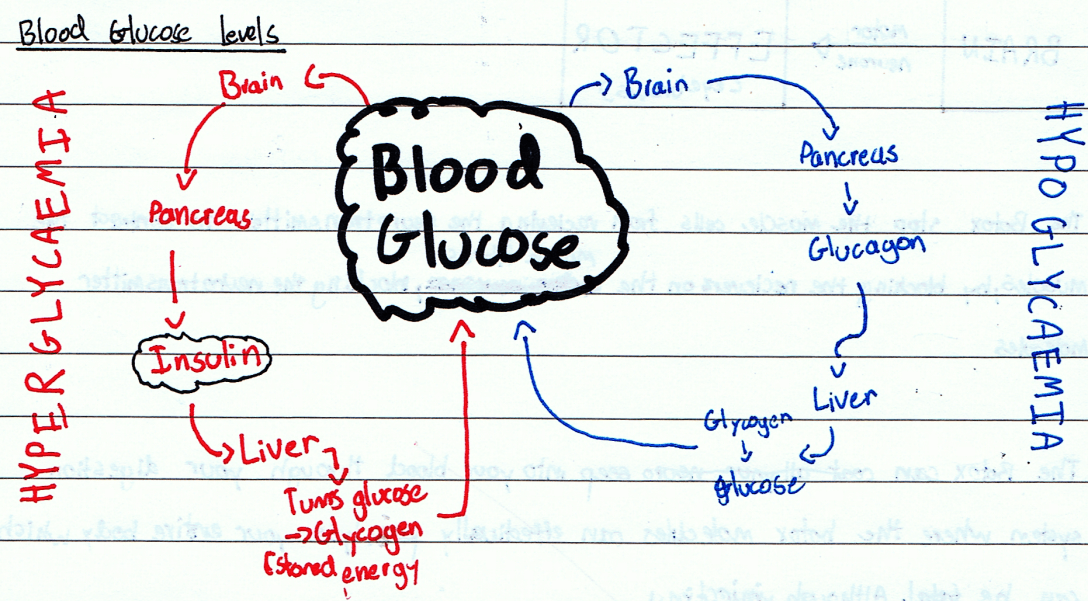


Type ones on low carb diets experience less hypoglycaemia

Adapted from Why low carb diets for type one patients? Jun1 2019 by Emma Kammerer Pharmacy Doctorate Candidate Bradenton School of Pharmacy originally published in Diabetes in Control.

Both Dr Jorgen Neillsen and Dr Richard Bernstein have shown that insulin users have fewer attacks of hypoglycaemia and that the attacks are less severe.  A new randomised controlled study by Schmidt et al confirms this finding.

Studies have shown that when a high carb diet is consumed there 20% greater error in carbohydrate estimation compared to when a low carb diet is chosen. This then affects the insulin dose administered, and thus the resulting blood sugars.

Schmidt wanted to look at the long term effects on glycaemic control and cardiovascular risk in type one patients on a low carb diet compared to a high carb diet.

The study was a randomised open label crossover study involving 14 adults who had had diabetes for more than 3 years, to eliminate the honeymoon effect. The patients went on one diet for 12 weeks, had a washout period of another 12 weeks, and then took up the other diet.  This was done so that the glycated haemoglobin levels would not be carried over from one diet to the next.

A low carb diet was defined as less than 100g carb a day and a high carb diet as over 250g per day.

Patients were given individualised meal plans and education on how to eat healthy carbs, fats and proteins. They all were experienced insulin pump users. They were asked to record total carbohydrate eaten but not the food eaten. Measurements were taken on fasting days on the first and last day of the study periods.

Blood glucose levels were downloaded from continuous glucose monitoring devices.

Four patients dropped out of the study so ten completed the test which was considered satisfactory by the statistician involved.

Results showed that the time spent in normal blood sugar range 3.9 to 10 mmol/L ( USA 56-180) was not significantly different for each diet.

The time spent in hypoglycaemia, below 3.9 (USA 70) was 25 minutes less a day on the low carb diet, and six minutes less a day below 3.0 (USA 56).

On the low carb diet glycaemic variability was lower and  there were no reports of severe hypoglycaemia.

On the high carb diet, significantly more insulin was used, systolic blood pressure was higher and weight gain was more.

There was no relevant changes in factors for cardiac risk between the two study arms.

The study showed that a low carb diet can confer real advantages to type one patients but education on how to conduct a low carb diet and manage the lower doses of insulin is required.

Schmidt, Signe et al. Low versus high carbohydrate diet in type 1 diabetes: A 12 week randomised open label crossover study. Diabetes, Obesity and Metabolism. 2019 March 26.


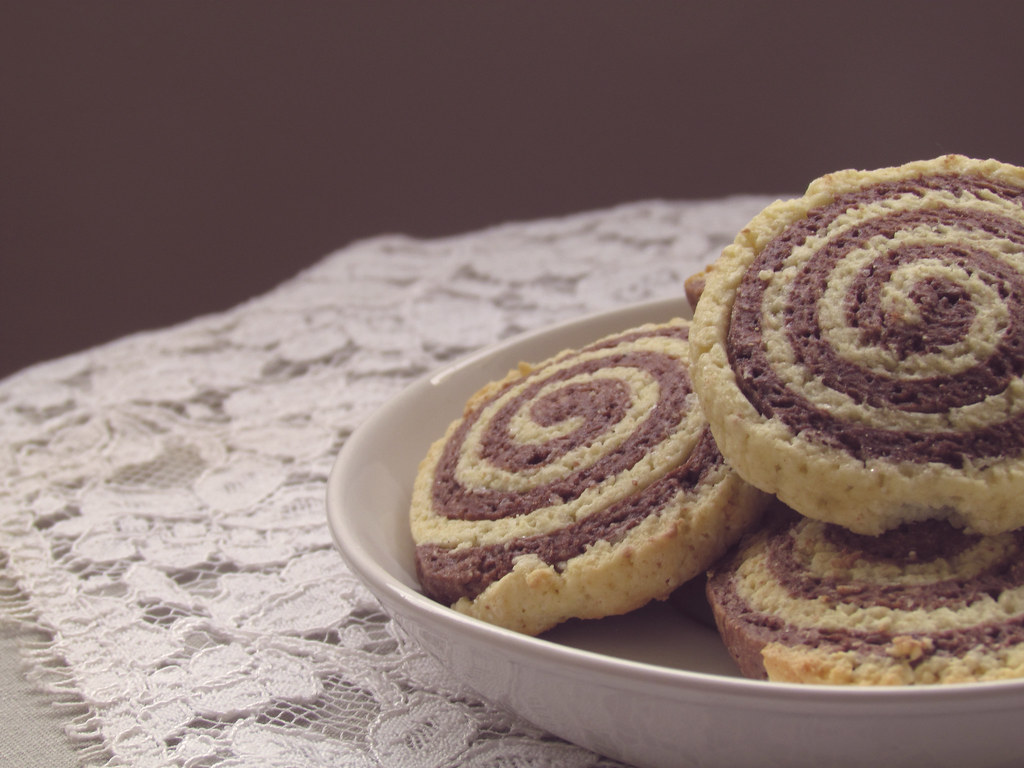
The natural low carb store: Cinnamon pinwheel biscuits


Biscuit Ingredients
200g almond flour
75g Inulin or a tablespoon of granulated sugar substitute
50g butter (soft but not melted)
1 medium egg
1 tsp vanilla extract
20ml double cream
Filling Ingredients
30g butter (soft but not melted)
1 tbsp cinnamon
½ tsp vanilla extract

Method:

Mix biscuit ingredients. Make into dough. Form into a square shape.

Roll out on silicon liner or parchment.

Mix filling ingredients. Spread on the dough.

Roll up tightly using the silicon paper.

Put in freezer for ten minutes or the fridge for 30 minutes.

Put the oven on to 180 degrees.

Take the dough out of the fridge/freezer and cut into slices.

Arrange these on a silicon sheet and bake for 12-18 minutes depending on thickness of dough slices.

Nice eaten warm.

Food 4 your mood: Breakfast banana bread and pancakes

Pancakes

Ingredients
1/2 c. almond flour
4 oz. cream cheese, softened
4 large eggs
1 tsp. lemon zest
Butter, for frying and serving
Method
— In a medium bowl, whisk together almond flour, cream cheese, eggs, and lemon zest until smooth.
— In a nonstick skillet over medium heat, melt 1 tablespoon butter. Pour in about 3 tablespoons batter and cook until golden, 2 minutes. Flip and cook 2 minutes more. Transfer to a plate and continue with the rest of the batter.
— Serve topped with butter.

Banana Bread

Ingredients
1/3 c. coconut flour
1/4 c. almond flour
1/2 tsp. ground cinnamon
1/2 tsp. baking powder
1/2 tsp. baking soda
1/2 tsp. kosher salt
1/4 c. coconut oil
1/4 c. smooth unsweetened almond butter
2 large ripe bananas, mashed
2 tbsp. agave syrup or 1 tbsp. granulated sugar substitute (optional)
1 tbsp. pure vanilla extract
2 large eggs
Method
— Preheat oven to 350° and line an 8″-x-5″ loaf pan with parchment paper. In a medium bowl, whisk to combine coconut flour, almond flour, cinnamon, baking powder, baking soda, and salt.
— In a large, microwave-safe bowl, combine coconut oil and almond butter. Microwave until coconut oil is melted and almond butter is more liquid, 10 seconds on high. Whisk in mashed bananas, agave, and vanilla, then whisk in eggs. Gently fold in dry ingredients until just combined.
— Pour batter into prepared pan and bake 40 to 45 minutes, until top is golden and a toothpick inserted into the center comes out clean. Let cool completely before slicing.

Vitamin D shown to improve blood sugar control in gestational diabetes

From Ojo O et al. The effect of vitamin D supplementation in women with gestational diabetes mellitus. A systemic review and meta-analysis of randomised controlled trials. Int J Environ Res Public Health. 2019:16(10)

A meta-analysis has indicated that various factors relevant to improved blood sugar control are likely to be improved by vitamin D supplementation in  a total of 173 women with gestational diabetes.

Fasting blood glucose decreased by a mean of 0.46 mmol/L

Glycated haemoglobin decreased by a mean of 0.37%

Serum insulin reduced by a mean of 4.10 uIU/mL.

 My comment: Although the improvements are small, vitamin D supplements are inexpensive, easy to take and do not have the side effects of other medications.


Lower cholesterol may not better if you have neuropathy

From Jende JME et al. Peripheral nerve damage in patients with type 2 diabetes. JAMA Netw Open. 2019;2(5);e194798

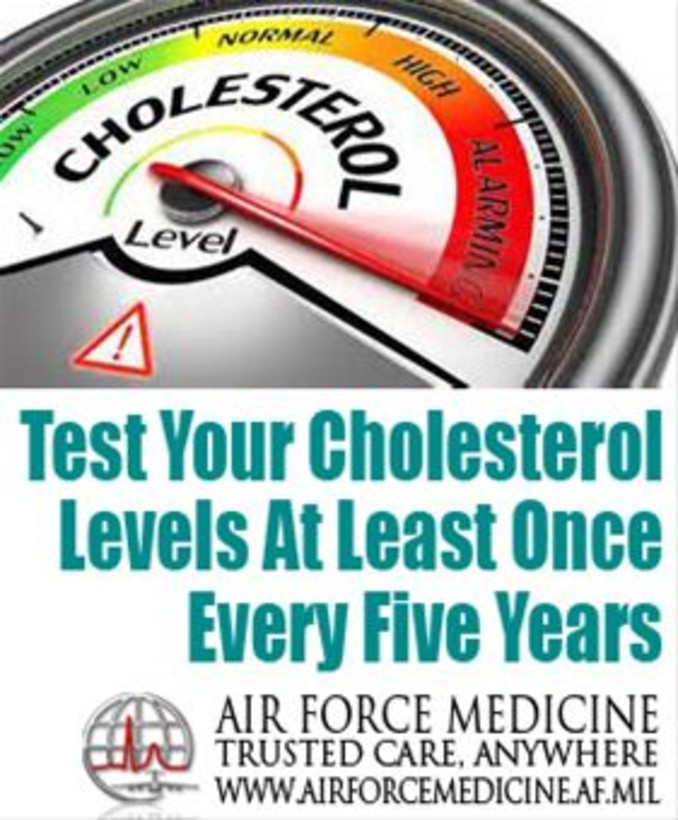
In type two patients who had diabetic neuropathy affecting the legs, low total cholesterol and low density lipoprotein cholesterol had more nerve lesions, impaired nerve conduction and more pain and disability than those with higher cholesterol levels.

Almost all type two diabetics will be advised to take statins to keep the cholesterol level down as this is generally accepted as improving the outlook for cardiac and circulatory conditions.

One hundred participants with type two diabetes were tested using magnetic resonance neurography. 64 had diabetic neuropathy and 36 did not.

My comment: Although this was not discussed in the abstract, I wonder whether those people with more advanced complications were being more intensively treated all round and thus had more/higher doses of statins, and so the relationship between low cholesterol and neuropathy severity was simple association, or whether there is a causative factor here. I am aware that statin neuropathy is believed to exist.

Higher blood pressure is linked to LESS cognitive decline

From Streit S et al. Ann Fam Med 1 March 2019 and reported by Sarfaroj Khan UK Clinical Digest 13 March 2019

In my GP career treatment of blood pressure for the general population has become more intensive as time has gone on. This hasn’t always resulted in better long term outcomes overall. Indeed, the target systolic blood pressure, the upper measurement, has been moved from 130 to 140 in the last few years because of this.

A Dutch study of over a thousand patients over the age of 75 showed that those with a systolic blood pressure under 130 showed more cognitive decline than those with a blood pressure over 150 when they had mental functioning tests a year later.

Those with higher blood pressures had no loss of daily functioning or quality of life.

As aggressive blood pressure control in those with diabetes is standard treatment, it is worth knowing this. Perhaps further studies in this subgroup of patients would be worth doing. I have seen reports of impaired kidney function when blood pressure levels are “optimal” but low too.

Another study regarding blood pressure management reported in the British Journal of Sports Medicine indicates that blood pressure reduction of almost 9mm Hg in hypertensive patients when regular structured exercise is undertaken. This is of a degree similar to most anti-hypertensive medications. (Reported in BMJ 5 Jan 2019)


Royal Garden Party at Holyrood Palace 3rd July 2019

I was thrilled to be invited to the Royal Garden Party at Holyrood Palace Edinburgh on 3rd July.

The Queen, Princess Anne, Prince Andrew, Prince Edward and Scottish First Minister Nicola Sturgeon were in attendance as were 8,000 other people.

Invitations came out a month in advance. Most guests are invited due to having a role in public services, the armed forces, youth work or for humanitarian work.  I saw two dogs who were both Labradors wearing service uniform.  I was invited due to my General Practice work which I have been doing in Mauchline Scotland for the last 32 years. I am retiring from this aspect of my career in January next year.

The weather was great. Sunny, a little cloud and not too hot. Despite floods the week before and rain a couple of days later, we managed to hit a sweet spot. The grass had dried out too so was good underfoot. The ground didn’t turn into a quagmire in other words.

Organisation was very slick and the large group of guests were ushered in via three entrances well staffed by police to allow security checks.  Tea and food pavilions were well laid out with about 15 stations in each of two rectangular open marquees.

The toilet facilities were portaloos of a very good standard and most importantly there was about four times the number of cabins for women as men. This meant that the queues were always similar for each gender. Someone has done the maths!  Theatres and other public venues take note! Additionally they had guest wranglers who made sure that everyone came in and out of the cabins in the most efficient manner possible.

Music was provided by two different military  bands. One male and one female. The Queen’s bodyguard were in attendance. These old gentlemen had long arrows with them and each had a golden eagle feather in their caps. They were very helpful and interesting to talk to.

There was a good choice of snacks and drinks. Tea, cold coffee, water, and apple juice.  Cucumber sandwiches, salmon on oatcake, chocolate cake, Victoria sponge and macaroons for example. Unfortunately all were wheaty and carby so I didn’t have anything to eat. Surprisingly I only saw one seagull the whole time.

People were dressed as if they were going to a wedding. Fascinators dominated the women’s heads compared to the hats by about 7 to one. The gardeners must have been delighted to get the lawns aerated by about 8,000 high heels.  By 5 pm many women were nursing their sore feet and walking about in their stocking soles.

There were many uniforms in evidence and some top hats from the men in morning suits. It was evident that a lot of people knew each other.  This didn’t work out for myself and my husband. Although we knew of three other couples who were going, we never managed to see them.

The day started at 3pm. The Queen came down the steps from the palace at 4pm and the national anthem was played.  We left at around 5.10pm. I understand that the Queen leaves at 6pm and the national anthem is played again.

Our vantage point for the Queen’s entrance was at a higher point in the garden. Thus we had a good view of her and the group, but we were so far away that we couldn’t have identified anyone except for the colour of clothes they had on.  The Queen wore pink. Anne wore Aquamarine, Nicola wore white. Andrew and Edward wore morning suits. They all had umbrellas.  No doubt they had been  caught out before.

This was an interesting and memorable day.


Eating carbs last gives lower blood sugar spikes

From IDDT newsletter December 2018

A report in BMJ Open Diabetes Research and Care Sept 2017 shows that in type two diabetes, eating sugar and starch later in the meal halved the blood sugar spike after the meal compared with those who ate the sugar and starch first.

This study was done on 16 people who ate test meals of protein, vegetables, bread and orange juice. Those who were instructed to eat the bread and juice last also had 40% lower post meal glucose levels compared to those who ate all of the meal components in a mixed fashion.

My comment: This is a small study but easily reproducible with yourself and your blood glucose meter. If you do wish to eat sugar and starch best have these last, unless you are treating a hypo.