More Thrush Ladies?!

a picture of canesten cream on The Diabetes DietCould I live with more thrush? Ladies who live with diabetes, you’ll join me at wincing at this one. No thanks, eh? Who wants to spend their days wishing they were sitting in a bath of calamine lotion?

I ask because I filled in a survey last week which asked me if I’d take a tablet to help with my blood sugar control despite initial findings where the control group suffered thrush as a side effect. That wasn’t the only reported side effect—weight loss is another one—but the benefits reported are exciting.

The drug is sotagliflozin (marketed as Zynquista), made by Sanofi and Lexicon, and it’s a dual SGLT1 and SGLT2 inhibitor. At present, it’s about to be reviewed by the US Food and Drug Administration, as diabetes.co.uk reported.

The SGLT1 bit works to delay glucose absorption in the intestines which helps with blood sugar spikes after eating. The SGLT2 inhibitor makes the kidneys better at getting rid of excess sugar in the blood.

Zynquista had undergone clinical trials. People who took the drug achieved better HbA1c levels without increasing the risk of severe hypos. But one group of trial participants taking sotagliflozin developed diabetic ketoacidosis, compared to just 0.6 percent taking a placebo.

Participants on the trial lost 2.98kg compared to those not taking the drug.

Would I take it? Heck, yes, even if it means stockpiling the clotrimazole creams beforehand. All addition help in the blood sugar battle is always welcome.


Jovina cooks: A traditional French feast

Madame Saucourt’s Ratatouille
Hotel Mas des Serres in Saint Paul de Vence.
Source: Mediterranean Grains and Greens by Paula Wolfert

Ingredients
5 pounds eggplant
5 pounds zucchini
5 pounds sweet onion, peeled, halved, and thinly sliced
1 quart extra-virgin olive oil
2 tablespoons crushed garlic
2 tablespoons chopped fresh mixed herbs: rosemary, savory, peppermint, thyme, and celery
1 bay leaf
1/2 tablespoon sugar
1 teaspoon salt
1 teaspoon freshly ground black pepper
2 cups dry yet fruity white wine
2 pounds ripe red tomatoes, cored and seeded
5 pounds red bell peppers
A few drops of red wine vinegar
3 tablespoons chopped mixed herbs for garnish: basil, parsley, thyme
Directions
Stem and peel the eggplant. Cut the flesh into 1″ cubes and place them in a deep kettle filled with very salty water. Keep submerged with a non-corrodible plate for at least 1 hour
Stem and peel the zucchini. Cut the flesh into 1″ cubes and place in a deep colander. Toss the zucchini with salt and let stand 1/2 hour.
In a very large heavy skillet or heavy-bottomed roasting pan cook the chopped onions in 1/2 cup water and 1 cup olive oil until the onions are soft and golden, about 30 minutes. Add the garlic, chopped herbs, bay leaf, sugar, salt, pepper, and 1 cup of the wine. Cook over medium heat, stirring often, for 10 minutes.
Coarsely chop the tomatoes with their skins in the work bowl of a food processor. Add to the skillet and continue cooking at a simmer for 11/2 hours. Whenever the onion-tomato mixture starts to stick or burn, “deglaze” with a few tablespoons of water and scrape with a wooden spoon.
Grill the peppers; when cool, peel, stem, seed and cut into small pieces. Set aside.
Rinse and drain the eggplant and zucchini and lightly press dry with toweling.
Slowly heat the remaining 3 cups of olive oil in a wide pan or fryer until medium-hot. Add the zucchini in batches, and fry until golden on all sides. Transfer the zucchini with a slotted spoon to a colander set over a bowl to catch any excess oil. When all the zucchini has been fried, fry the eggplant in the same manner. From time to time return the drained oil in the bowl to the pan.
Spread the zucchini, eggplant, and peppers over the simmering onion-tomato mixture and pour in the remaining wine. Cover and cook at a simmer for 11/2 hours. From time to time remove the cover to help evaporate some of the liquid.
Place a colander over a large bowl and pour the contents of the skillet into it to drain. Stir carefully to avoid crushing the vegetables while trying to encourage any trapped oil and juices to drain. Quickly cool down the captured juices in order to remove as much oil as possible. If there is a lot of juice, boil it down until thick. Reserve all the frying oil and oil from the vegetables for another use. Pour the juices over the vegetables, taste for seasoning, add vinegar, and carefully stir to combine. Serve hot or cold. Sprinkle with fresh herbs.

Coquilles St-Jacques

Serves 6
Ingredients
8 oz. button mushrooms, minced
6 tablespoons unsalted butter
3 small shallots, minced
2 tablespoons minced parsley
1 tablespoons minced tarragon, plus 6 whole leaves, to garnish
Kosher salt and freshly ground black pepper, to taste
3/4 cup dry vermouth
1 bay leaf
6 large sea scallops
2 tablespoons flour
1/2 cup heavy cream
2/3 cup grated Gruyère
1/2 teaspoon fresh lemon juice
Directions
Heat mushrooms, 4 tablespoons butter, and 2⁄3 of the shallots in a 4-qt. saucepan over medium heat; cook until the mixture forms a loose paste, about 25 minutes. Stir the parsley and minced tarragon into the mushroom mixture; season with salt and pepper.
Divide mixture among 6 cleaned scallop shells or shallow gratin dishes. Bring remaining shallots, vermouth, bay leaf, salt, and 3⁄4 cup water to a boil in a 4-qt. saucepan over medium heat. Add scallops; cook until barely tender, about 2 minutes.
Remove scallops; place each over mushrooms in shells. Continue boiling cooking liquid until reduced to 1⁄2 cup, about 10 minutes; strain.
Heat broiler to high. Heat remaining butter in a 2-qt. saucepan over medium heat. Add flour; cook until smooth, about 2 minutes. Add reduced cooking liquid and cream; cook until thickened, about 8 minutes. Add cheese, juice, salt, and pepper; divide the sauce over scallops.
Broil until browned on top, about 3 minutes; garnish each with a tarragon leaf.

French Cassoulet
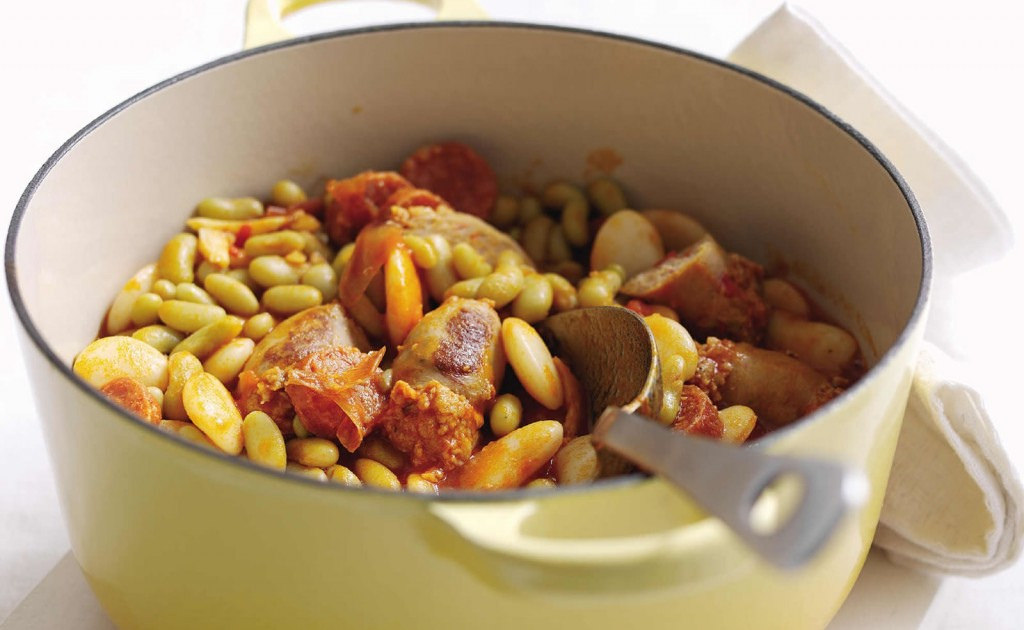
This hearty dish from southwestern France, known as a cassoulet, is a one-pot meal. A slow-simmered mix of beans, pork sausages, pork shoulder, pancetta and duck topped with a bread crumb crust , takes its name from the earthenware casserole in which it was traditionally made. My comment:You don’t need to use the breadcrumb crust.
Serves 6-8
Ingredients
1 lb. dried great northern beans
10 tablespoons duck fat or olive oil
16 cloves garlic, smashed
2 onions, chopped
2 carrots, chopped
2 large ham hocks
1 lb. pork shoulder, cut into 1″cubes
1⁄2 lb. pancetta, cubed
4 sprigs oregano
4 sprigs thyme
3 bay leaves
1 cup whole peeled canned tomatoes
1 cup white wine
2 cups chicken broth
4 duck legs
1 lb. pork sausages
2 cups bread crumbs (preferably not on a low carb diet!)
Directions
Soak the beans in a 4-qt. bowl in 7 1⁄2 cups water overnight.
Heat 2 tablespoons of duck fat in a 6-qt. pot over medium-high heat. Add half the garlic, onions, and carrots and cook until lightly browned, about 10 minutes. Add ham hocks along with beans and their water and boil. Reduce heat and simmer beans until tender, about 1 1⁄2 hours.
Transfer ham hocks to a plate; let cool. Pull off meat; discard skin, bone, and gristle. Chop meat; add to beans. Set aside.
Heat 2 tablespoons duck fat in a 5-qt. dutch oven over medium-high heat. Add pork and brown for 8 minutes. Add pancetta; cook for 5 minutes. Add remaining garlic, onions, and carrots; cook until lightly browned, about 10 minutes.
Tie together oregano, thyme, and bay leaves with twine; add to pan with tomatoes; cook until liquid thickens, 8–10 minutes. Add wine; reduce by half. Add broth; boil. Reduce heat to medium-low; cook, uncovered, until liquid has thickened, about 1 hour. Discard herbs; set dutch oven aside.
Sear the duck legs in 2 tablespoons duck fat in a 12″ skillet over medium-high heat for 8 minutes; transfer to a plate. Brown the sausages in the fat, about 8 minutes. Cut sausages into 1⁄2″ slices. Pull duck meat off bones. Discard fat and bones. Stir duck and sausages into pork stew.
Heat the oven to 300˚F. Mix beans and pork stew in a 4-qt. earthenware casserole. Cover with bread crumbs; drizzle with remaining duck fat.
Bake, uncovered, for 3 hours. Raise oven temperature to 500˚; cook the cassoulet until the crust is golden, about 5 minutes.


Low-Carb Adventures with a Pizza Oven


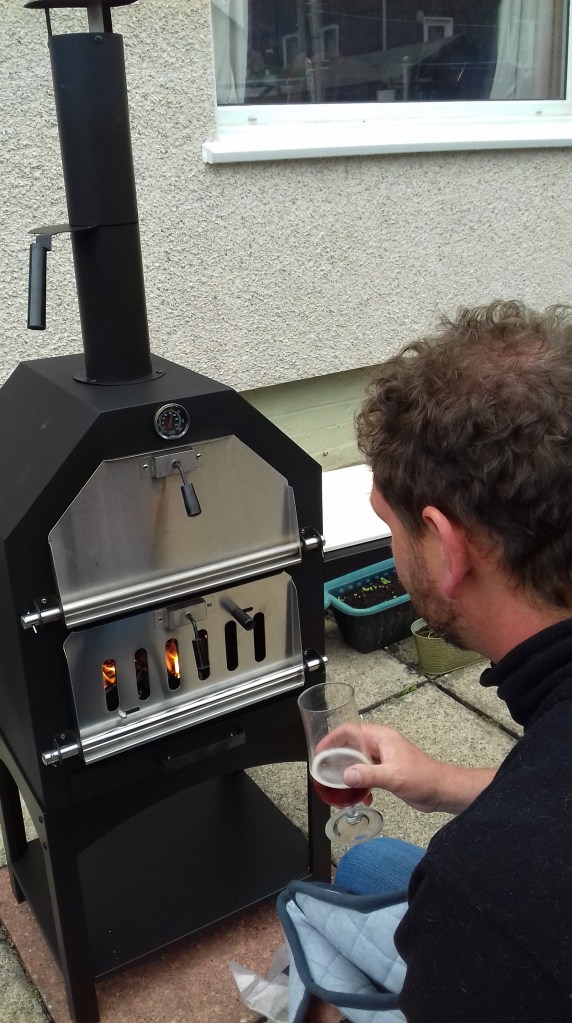
Landed—in our garden, one pizza oven. Given that the pizza doesn’t feature in low-carb diets apart from in a bastardised form, what else can you do in an outdoor oven?
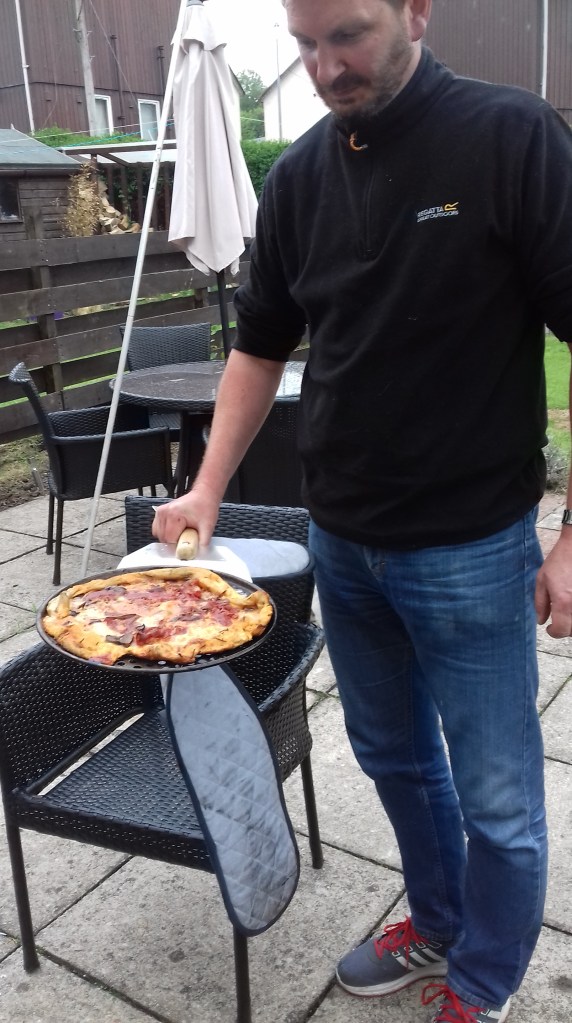
All kinds of things, it turns out. Yes, the pizza oven is a vegetable’s dream destination, the wood smoke turning them into delicious, charred things you want to toss into a warm salad and scoff. We’ve yet to try out a steak in there, but the vision already dances in my head.

Black lines, a crispness to the outside and then meltingly soft pinkness within, anointed with a blue cheese sauce that slowly melts into the crevices of the meat…

But for now? Chicken wings, EB! That’s what you’ll do.

Having hit upon the idea, I decided information overload was the next logical step. I headed for the internet and entered the search terms chicken wings in the pizza oven, low-carb chicken wings, best chicken wings etc., until I had far too many options in front of me.

[Does anyone else do this? I usually flip through hundreds of recipes on line before reverting to my trusted Mary Berry cook book.]

A lot of the recipes for chicken wings featured sugar, honey or flour. I found one that used a third of a cup of flour—not a lot, but I used coconut flour instead.

The coconut flour has sat in my cupboard long enough for it to go out of date. But flip, it’s so pricey I couldn’t face throwing the bag out. Now, I was going to use it. And then toss the rest as the use-by date was…

Embarrassingly long ago. Don’t do this at home, folks!

The true joy of chicken wings is the dip that goes with them. You’ll have gathered from the steak description above, blue cheese features so often in my life it’s got my number on speed dial. There are lots of variations on the blue cheese dip, but one I’ve been making for years is criminally simple—Greek yoghurt, mashed up blue cheese in proportions of about one to two parts. Add pepper if you want to be fancy.

I worried coconut flour would make the drumsticks too coconut-y. I love coconut, but the distinctive flavour doesn’t belong in a lot of places it finds itself these days. (Coconut oil for roast potatoes—I ask you!) Luckily, the spices masked the flavour. But swap the flour for cornflour and cut down the quantity to a quarter cup if you want.

Another swap was drumsticks instead of wings, seeing as Morrison’s had none of the former.

Low-Carb Chicken Drumsticks with

  • Servings: 4
  • Difficulty: easy
  • Print

  • 10 chicken drumsticks
  • ½ cup coconut flour
  • 1tbsp paprika
  • 1tsp freshly ground black pepper
  • 1tbsp garlic salt
  • 1tsp cayenne pepper
  • 3tbsp rapeseed oil and one teaspoon butter
  • 250g Greek yoghurt
  • 125g blue cheese, crumbled.

Heat your oven – it needs to be about 180 degree C to cook the drumsticks. Mix the flour, paprika, pepper, garlic salt and cayenne. Add to a plastic bag.

Put half the drumstick in the bag and shake well to coat. Do the same with the rest of the drumsticks.

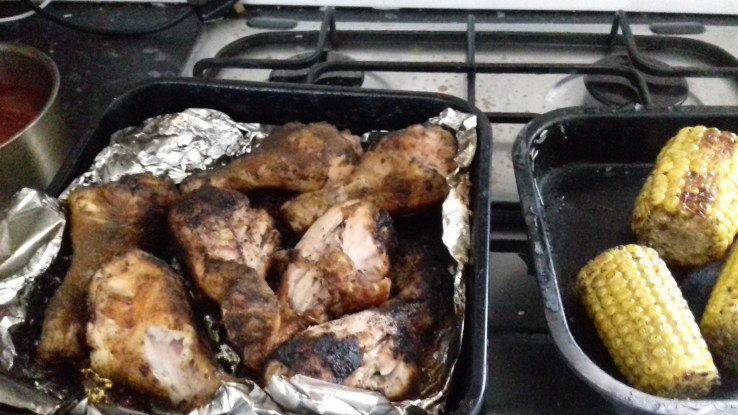
Line a sturdy baking tray with foil and place the oil and butter on it. Heat in the hot pizza oven for five minutes. Place the drumsticks on it and spread out. Cook in the oven for 30-40 minutes, turn the drumsticks over and cook for another five minutes until crisp.

Combine the yoghurt and blue cheese and serve. You’ll need plenty of napkins as this is one messy dish.

About 10g carbs per portion and 5g fibre.

Next up—the steak. Or baba ghanoush as a pizza oven would make short work of blackening those aubergines…

And finally, does this count as food porn for we low-carbers? Here’s the pizza we made in the oven. My husband’s a pizza gourmet. He promised me this was amazing. Wood smoke does incredible things to food.

Low Carb Go-To Meals

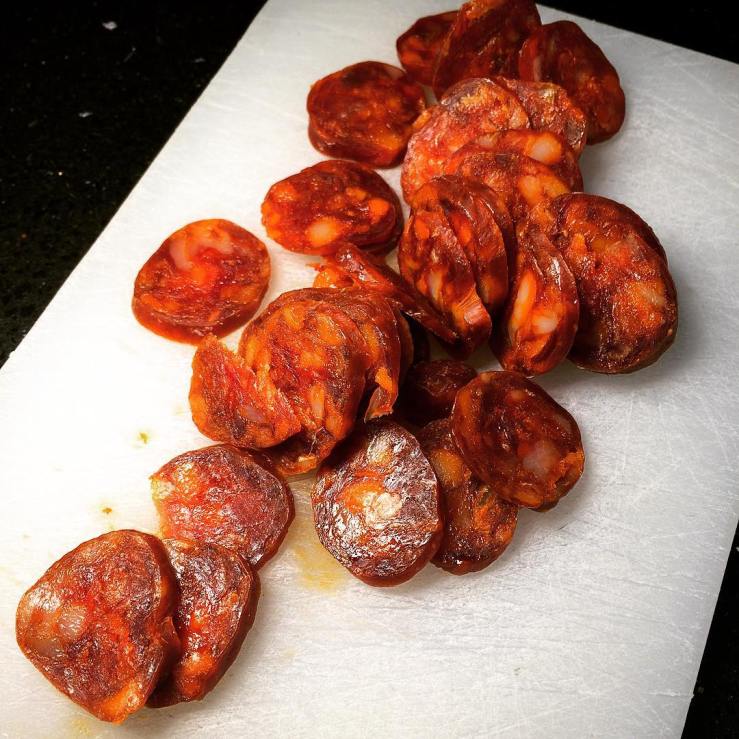
picture of chorizo sausage, the Diabetes Diet
I’d probably eat this Every. Single. Day.

What are your go-to meals? Everyone has them, the ones you eat at least once a week or more. We choose them for their mix of taste and convenience.

When you throw diabetes into the mix, the go-to meals are usually the ones where you know the exact carb count, how much insulin you need to take with them and they’re probably quick and easy.

I go through phases too—eating one dish for weeks and weeks before getting thoroughly bored of it. I add the odd newbie into the mix occasionally, usually picking something I find online. I like simple dishes—a generous helping of protein, two of vegetables and fat in the form of mayo, cheese or nuts thrown in.

My ‘go-to’s’ are:

  • Chopped cooking chorizo fried with mushrooms on top of salad generously dressed with balsamic vinegar and a bit of chopped avocado.
  • Prawns in home-made cocktail sauce with salad leaves and broccoli
  • Low-fat cauliflower cheese with salad leaves and two eggs to give extra protein
  • Any home-made soup with boiled eggs
  • Roasted chicken legs with broccoli or cauliflower and…you guessed it, salad leaves.

For all that we post recipes giving you lots of choices for your low-carb diet, I wonder how many of you are like me? Do you too return to the same meals time after time and are they as simple (boring!) as mine?


Office Etiquette with Diabetes

person holding jelly babies at The Diabetes Diet
Mine, all mine!!

I waved goodbye gaily to office life in 2013, glad to embark on new adventures in freelance world.

There’s a lot to be said for freelancing, not least the ‘free’ bit. I love being in charge of my own scheduling. But the pay… ah, the moolah just isn’t to be found, folks. You’re undercut all the time by global competitors who can afford to write for tiny sums or people in your own country who do it for free as a hobby. Argh.

Anyway, I started a new part-time job in April, working in a communications role on a project at Glasgow University—a worthwhile project and the chance to add a regular income. The equal opportunities form asked if I had a disability. I ticked the ‘no’ box. It also asked if I had a chronic health condition. Er…no?

Okay, I get that I do, but until my thirties, I thought all I had was diabetes. When someone pointed out it is a chronic health condition, I was stunned. No, really. I know that sounds like a “duh” moment, but diabetes hadn’t caused me much hassle. Calling it a chronic life condition felt a bit like I was straying into hypochondriac territory.

Back to my new office job. I decided to be a grown-up and tell my colleagues about my condition, instead of sneakily eating jelly babies at my desk and hoping they didn’t notice. It’s not that I don’t want to tell folks; I just I hate drawing attention to it.

I introduced the subject at a team meeting in a round-about way. Did my new colleagues know of anywhere on the campus where I could offload spare medical gear , I asked. (And benefit others at the same time by recycling my stuff. See what I did there?)

They suggested places. I’d told them I was a diabetic by default.

Job done.

Next up—the hypo talk, where I explain what a hypo looks like and why I’m a stingy jelly baby hogger, instead of offering them around.

Low Carb Diet Study

diabetes diet
You don’t want to know what’s going in here…

So, you get to take all sorts of measurements and I need to answer lots of questions about what I eat? Sign me up!

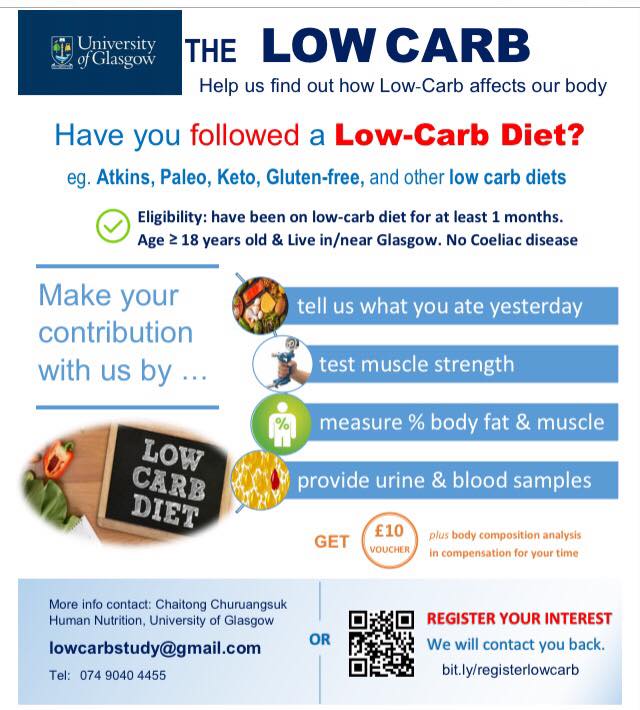
Reader, I adore a study and even more so when it relates to lifestyle. I started work at Glasgow University in April and spotted a poster looking for participants in a low-carb study.

“Aha!” I said to myself. “I’m your woman! A low-carber for years, diabetic to boot and a person well-versed in the filling in of a form.”

While certain aspects of the low-carbohydrate diet have been well researched, such as weight loss, there has been little focus on testing how this way of eating affects micronutrient levels in the body. The Glasgow Uni study, Nutritional and Cardiovascular Risk Factors associated with Long-Term Adherence to Low-Carbohydrate/Gluten-Avoidance Diets, funded by the Faculty of Medicine, Prince of Songkla University, Thailand, concentrates on this.

What is the purpose of the study? Low carbohydrate diets (LCD) such as the Atkins Diet have become common dietary approaches for weight management, and aiming to avoid starchy foods such as bread, cereals, pasta, rice and potatoes which are major dietary sources of B-vitamins, magnesium, and fibre.

The researcher is investigating the contribution of starchy / sweet foods in body composition, micronutrient status and cardiovascular risk factors. To do this, they seek people who either exclude or include these foods in their diet.

I’m not one hundred percent low-carb compliant. Who is? But when I filled in the forms for the study, I realised that I follow a low-carb diet much more closely than I thought. How often do I eat potatoes, rice and pasta, the survey wanted to know—the answer, never or less than once a month for rice and pasta and about twice a month for potatoes.

I eat bread more often (LOVE bread), and ditto chocolate, but I don’t bother with most of the other high-carb foods listed in the questionnaire.

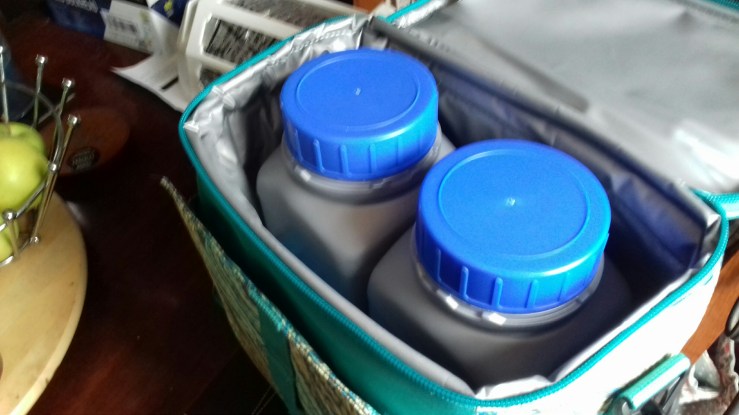
The outline of the survey had said they’d do urine testing. I assumed that meant a sample in one of those little tubes. Not so! The doctor sent me off with two large flasks (pictured) and asked me to collect all my pee over a 24-hour period.

TBH, I wasn’t sure the two flasks would be enough. We diabetics tend to wee more than ordinary folks, anyway. When you add in my daily diet coke, water and peppermint tea intake, a lot of fluid swishes around inside me.

And what goes in must come out!

The survey will be followed up in six months’ time, then another six months after that and so on until two years are up.

At the time of writing, the researchers hadn’t found that many people to take part—nine out of a necessary eighty. If you live in the Glasgow area and follow a low-carb diet (you don’t need to be diabetic and you don’t have to follow it all the time), then they’d love to hear from you—lowcarbstudy@gmail.com

BMJ: Varicoceles can be a marker for metabolic syndrome and type two diabetes

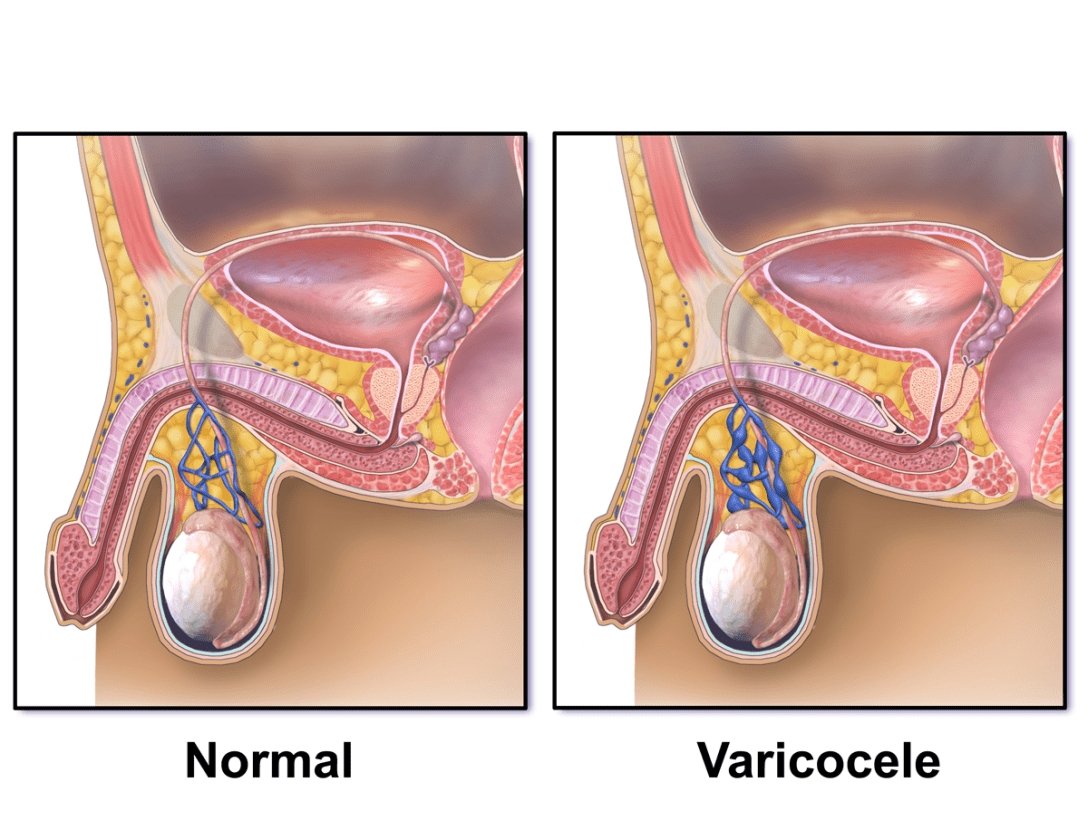
Nancy Wang from Stanford University is a urologist and says, “Varicoceles which are varicose veins of the spermatic cords, are associated with low testosterone. This in turn makes men more likely to develop metabolic risks and heart disease. No one has connected the dots before now”.

These men have higher risks of heart disease, diabetes, and hyperlipidaemia.

My comment: Varicoceles feel just  like a bag of worms in the scrotum. Up to one in 5 men will develop these over their lifetime. 

Homemadewithmess: Prawn courgetti with a red pepper sauce

courgettes spiralised
For the Red Pepper Sauce
1 red pepper – deseeded and roughly chopped
Splash olive oil
½ yellow pepper – deseeded and roughly chopped
165g cherry tomatoes – halved
2 cloves garlic – left whole
75ml red wine
Pinch sugar
1 tbsp tomato puree
150ml vegetable stock
For the courgetti
2 courgettes – spiralised
1 tbsp lemon juice
1 pinch sugar
To serve
1 red onion – finely sliced
Splash olive oil
200g raw king prawns
1 handful fresh basil
Parmesan shavings – to serve

Pre-heat the oven to 180’C
Toss the pepper in the olive oil and roast for 20 minutes
Add the tomatoes and garlic and cook for a further 20 minutes
Squeeze out the garlic from their skins and return to the dish. Stir in the red wine, sugar and tomato puree and cook for a final 10 minutes
Once cooked, blend the mixture together with the stock until smooth, and then push through a fine sieve to make even smoother.
Set-aside until ready to serve.
Spiralise your courgettes and then toss through the lemon juice and sugar and set aside.
Heat a large pan with a splash of oil and fry the onion until soft.
Add the sauce and once bubbling stir in the prawns
Cook through until the prawns have turned lovely and pink and then turn off the heat.
Fold in the courgetti and then plate up, sprinkling over your basil leaves and parmesan and enjoying with salad.

Nutritional Info:
Calories – 316
Fat – 9g
Carbs – 26g
Sugars – 15g
Protein – 28g