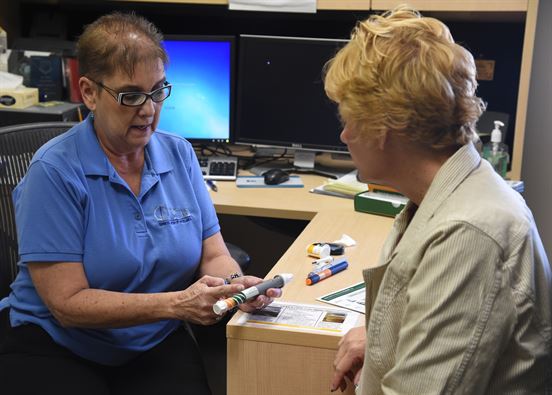
Which medicines work most effectively for diabetic neuropathy?

What treatments can improve pain and quality of life?

This comprehensive report was first published in April 2017 by Diabetes in Control and discusses what old and new medicines work for diabetic neuropathy and importantly which ones don’t.

Pharmaceutical Products and Drugs
Diabetic neuropathy is a nerve disorder that the National Institute of Diabetes and Digestive and Kidney disease estimates affects about 60 to 70% of diabetic patients in some form, with the highest rates of neuropathy occurring in patients who have had diabetes for over 25 years.

Although diabetic neuropathy can affect almost any organ in the body, the most common type of diabetic neuropathy is peripheral neuropathy. Peripheral neuropathy, which is often worse at night, results in tingling, numbness, and pain occurring in the hands, arms, fingers, legs, feet, and toes.

The best way to prevent diabetic neuropathy is keeping glucose under control and maintaining a healthy weight, but for those who experience this painful condition, finding the best relief can often be difficult and confusing.
Building upon a previously published study from 2014, a new systemic review was conducted to “systemically assess the effect of pharmacological treatments of diabetic peripheral neuropathy (DPN) on pain and quality of life” plus a search of PubMed and Cochrane Database of systemic reviews (reviews from 2011 – March 2016).
A total of 106 randomized controlled trials were used in the final systemic review, including trials analyzed by the previously published study. Only two medications, duloxetine and venlafaxine, had a moderate strength of evidence (SOE) compared to the low strength of evidence found with the remaining 12 study medications. As a class, serotonin-norepinephrine reuptake inhibitors (SNRIs) was found to be an effective treatment for diabetic neuropathy with the most commonly reported adverse effects of dizziness, nausea, and somnolence. Venlafaxine and tricyclic antidepressants were also determine to be effective at relieving pain compared to placebo using the previous analysis’ data.

Pregabalin was determined to be effective at reducing pain compared to placebo but found to have a low SOE due to the inclusion of four unpublished studies causing potential bias. Pregabalin, as well as the other anticonvulsants included, had adverse effects of dizziness, nausea, and somnolence.

Oxcarbazepine was also found to be an effective neuropathy pain reliever compared to placebo.
Atypical opioids have a dual mechanism of action, norepinephrine reuptake inhibition and mu antagonism, which aids in a class wide effective pain relief compared to placebo, and more specifically tramadol and tapentadol were found to be effective vs placebo. The most common adverse effects reported for opioids were constipation, somnolence, and nausea.

The last medication that was determined to be an effective pain reliever of diabetic neuropathy compared to placebo was botulinum toxin

Gabapentin, using five randomized controlled trials, was determined at two different doses to be ineffective at treating pain when compared to placebo. Other agents that were determined to be ineffective treatments for diabetic neuropathy were typical opioids (oxycodone), topical capsaicin 0.075%, dextromethorphan, and mexiletine.

Practice Pearls:
Pregabalin, oxcarbazepine, and tapentadol have shown to be effective vs placebo at relieving pain due to diabetic neuropathy and are also FDA approved for this indication.
Serotonin-norepinephrine reuptake inhibitors may be a good choice for relief of diabetic neuropathy pain and have the additional benefit of relieving depression that is commonly associated with diabetic neuropathy
Additional studies are needed to assess long-term pain relief effectiveness.

References:
“Nerve Damage (Diabetic Neuropathies) | NIDDK.” National Institutes of Health. U.S. Department of Health and Human Services. Web 05 April 2017
Julie M. Waldfogel, Suzanne Amato Nesbit, Sydney M. Dy, Ritu Sharma, Allen Zhang, Lisa M. Wilson, Wendy L. Bennett, Hsin-Chieh Yeh, Yohalakshmi Chelladurai, Dorianne Feldman, Karen A. Robinson. “Pharmacotherapy for diabetic peripheral neuropathy pain and quality of life”. Neurology, 2017; 10.1212/WNL.0000000000003882 DOI: 10.1212/WNL.0000000000003882
 
Mark T. Lawrence, RPh, PharmD Candidate, University of Colorado-Denver, School of Pharmacy NTPD



BMJ: Continuity and individualised care matter more to patients than guidelines

old woman walking

By Martin Rowland and Charlotte Paddison
Adapted from article in BMJ 18 May 2013
As the population rises more people are living with multiple medical conditions. These can be diabetes, rheumatoid arthritis, macular degeneration, depression, cancer, coronary heart disease and dementia among others.

These cause complex health, emotional and social problems which make their management difficult, especially in socioeconomically deprived areas. A new model of care is needed to manage patients optimally in these circumstances.
Although this seems obvious, care seems to be moving in the wrong direction for these patients.
Evidence based guidelines are really geared to patients with single conditions. They don’t cater to someone who has multiple conditions. Over treatment, and overly complex surveillance and assessment routines result. Older, less well educated and less affluent patients cope particularly poorly with these regimes. Guidelines also fail to recognise that patients get more frail as they age. The burdens of illness and treatment are different for a 100 year old compared to a 50 year old.
An individualised regime for each patient needs to be developed to focus on what matters most to each one.
Unfortunately doctors often feel that they can’t deviate from a guideline for fear of criticism and litigation. Perhaps guidelines should only be applied when they are clearly being used in the patient’s best interests, instead of the doctor’s? Exception reporting is a mechanism that allows doctors to deviate from guidelines and maybe should be used more.
Medical training does not as yet focus on this sort of individualised care. Medicine of old age comes the closest.
Listening to patients is the key thing that can help a doctor understand what their needs and goals are. The most appropriate care can then be built around that. The biggest barrier to this seems to be the over emphasis on single conditions.  This prevents rather than enhances goal oriented care.
Longer consultations are needed to help guide patients talk about their needs and think through complex decisions.
Satisfaction and outcomes are improved if this can be achieved. Despite this patients still often complain that they never see the same doctor twice both in hospital and primary care. It is also particularly difficult to provide a good quality of care when a doctor does not  know the patient and does not see the patient for follow up.
Young adults say they want to see the same doctor 52% of the time, but this increases to over 80% in those aged over 75.  More than a quarter of patients however say they struggle to see the doctor of their choice. This seems to be getting worse over time rather than better. Perhaps this is due to nurses taking over a lot of the care regarding chronic illness. Doctors are also increasingly working part time and may be involved in other tasks other than direct patient care. Shift systems in hospitals limit continuity a great deal.
In primary care, advanced access schemes give faster access but at the expense of continuity of care.
Older patients are particularly keen on waiting a few days longer to see the GP of their choice. Booking systems need to allow for both access and continuity.
This can be improved by receptionists attempting to book patients with their “own” doctor rather than simply the first available. Two or three doctors can share lists and try to see each other’s patients if one is not available.  E-mail booking of doctors directly can help. E-mail consultations can help.  Time for these must be built into the working day. The number of doctors who deal with  particularly complex needs may need to be restricted. Monitoring continuity of care can help. What gets monitored tends to get done more often after all.
As guidelines need to become less important for patients with multi-morbidity, a doctor’s clinical judgement becomes more critical.  There can be squads of other health care professionals involved in a patient’s care and deciding what ones are necessary and what ones are not is a useful task.  As the need for the traditional UK General Practitioner is increasing, sadly, their availability and time commitments to patient care seem to be decreasing.

BMJ: The PURE Study debunks the sat fat/heart disease hypothesis

cheese.jpg

The PURE study: Eating fat is associated with lower cardiovascular disease

From BMJ 9 Sept 17
PURE is a five continent observational study in relation to cardiovascular disease in mortality in almost 150 thousand people. It found that high carbohydrate intake was associated with a higher risk of total mortality whereas total fat and individual types of fat were related to a lower total mortality.
Total fat and types of fat were not associated with cardiovascular disease, myocardial infarction, or cardiovascular disease mortality, and the more saturated fat people ate the less strokes they had.
Like all observational studies correlation does not necessarily imply causation. The main message however is a series of negatives. There does not seem to be a connection between carbohydrate intake and cardiovascular disease, the association is with all- cause mortality. Perhaps high carbohydrate diets are simply a marker for poverty?
In contrast eating more fat, including saturated fat was associated with lower cardiovascular disease, meaning that we can abandon the saturated fat-cardiovascular disease hypothesis with some certainty.
So, what does “healthy food” look like?
A higher intake of fruit, vegetables and legumes was associated with a lower risk of non-cardiovascular and total mortality at three to four servings a day.
Great, says the author of this piece, Richard Lehman. His dream meal is cannelli beans and tuna salad with lots of olive oil, rib eye steak in butter, a salad, fruit, cheese and strawberries and cream.


RCGP: When could it be cancer?

Most_common_cancers_-_female,_by_mortality

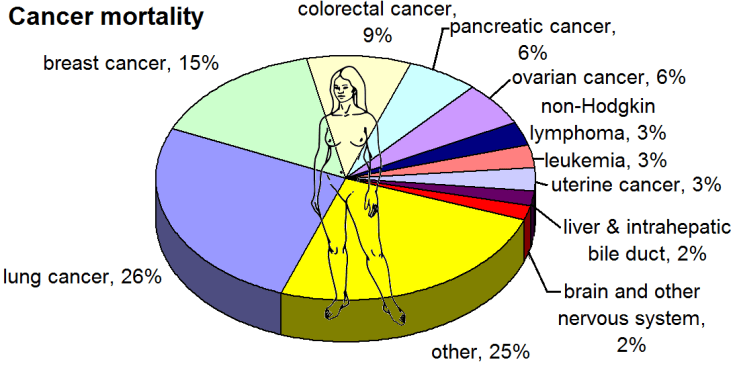
The UK cancer survival rates are poorer than in many developed countries. For instance 8.8% of lung cancer patients are alive 5 years after diagnosis compared to 18.4% in Canada. Delayed diagnosis is thought to be one of the factors involved. There are patterns of illness that have increased risk of underlying cancers.

Persistent or recurrent infection

Acute exacerbations of chronic obstructive pulmonary disease, that are repeatedly given antibiotics and steroids can be due to lung cancer. The common causative factor is cigarette smoking.  Recurrent urine infections being due to bladder cancer is another cause. If the patient had the antibiotics and fully recovered and then relapsed then it is probably another infection, but if they didn’t get better, then the possibility of a new cancer arises.

Constant pain

Musculoskeletal pain tends to vary with time, position and movement. Constant pain can be more sinister. Shoulder pain for instance can be due to a lung cancer in a smoker. Pain, most commonly in the shoulder, lower back and groin can be a presentation of cancer that has already spread.

Unusual age at diagnosis

People are often thought to be too young to be developing certain cancers. There is currently a big increase in the number of under 50s developing bowel cancer. The reason for this is not clear.

In older patients they may get sore heads, gut symptoms and back pain. Sometimes these are diagnosed as migraine, irritable bowel syndrome and muscular back pain.  When these “new” clinical diagnoses are made in older patients it is often best to investigate them with cancer in mind.

Infrequent attenders

People who attend infrequently are more likely to have a serious problem underlying their symptoms.

Negative first line investigations

A chest X ray is often thought to be a good test for example lung cancer. But in lung cancer one in four will not be revealed by a chest X ray and a CT scan will be required. If clinical suspicion persists the GP may need to do further tests.

Safety netting

Making sure all clinical staff such as nurses and phlebotomists as well as doctors safety net appropriately is necessary. Sometimes patients don’t attend for follow up blood tests or they assume their test results are normal when they are not. Follow up arrangements in the practice need to be robust.

Although NICE wants widespread investigation and referral when symptoms could indicate cancer at 1% to 3% of risk, we need to be pragmatic about how this can be done in today’s health service.

Adapted from Improving early diagnosis of cancer in UK general practice by Dr Ian Morgan and Professor Scott Wilkes published in BJGP June 2017.

Statins and diuretics increase diabetes risk

Atorvastatin40mg

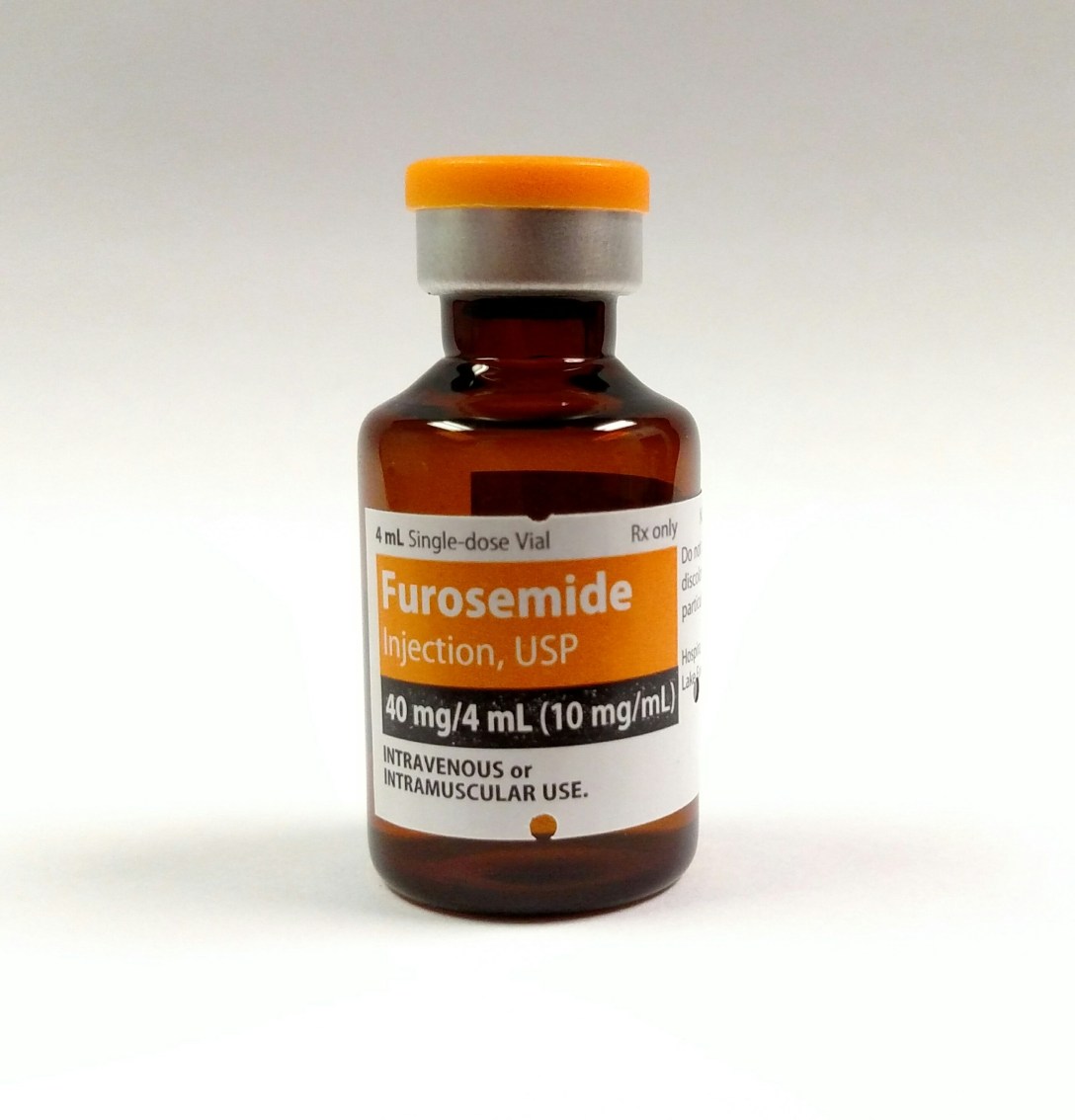
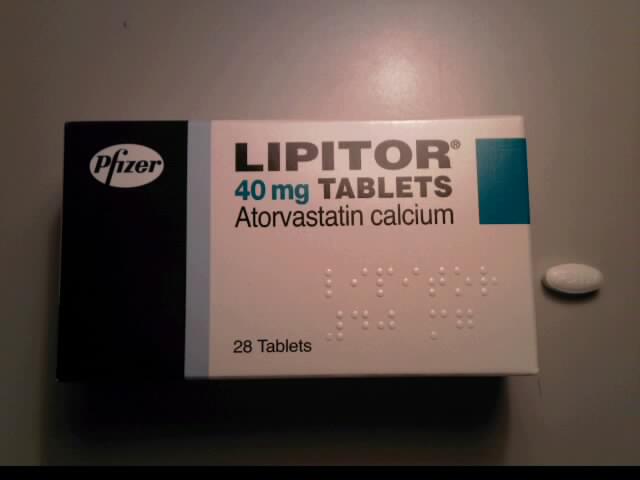
People with impaired glucose tolerance are at increased risk of being tipped into diabetes if they take statins or diuretics. Beta blockers have no effect on diabetes risk.

One in 17 will get diabetes when they otherwise wouldn’t on diuretics and one in 12 would be affected with statins. The anti hypertensive beta blockers and calcium channel blockers had no effect.

Based on article in BMJ 4.1.14 on the NAVIGATOR study

Start ’em young


kid


A survey of UK school children has shown that children as young as nine and ten are already showing signs of markers for type two diabetes.

It is known that the more screen time a child has, whether this is computer games, video games or television, the fatter they get. There is a dose / response effect.

Insulin resistance also increases and also shows a dose / response effect. The surprise is how early the changes occur.

Achiv Dis Child doi:10.1136/archdischild-2016-312016

Thinking clearly: What is mindfulness all about?

Do you ever just wish you could get someone who knows virtually everything that’s known about the brain and quiz them about mindfulness? Well, I do – a lot – and I just got my wish!

It is my pleasure to present this interview with John McBurney MD. A practicing physician with of over 35 years’ experience, he is board certified in Neurology, Clinical Neurophysiology and Sleep Medicine. Dr. McBurney maintains a daily mindfulness meditation practice as well as home yoga practice.

Could you describe the neurological response to mindfulness practice?

Mindfulness practice ultimately comes down to the concept of neuroplasticity.

In mindfulness, in cultivating awareness of the breath and voluntary moment by moment awareness of the brain, we are training the brain – just like when you are learning to play the violin or any other complex skill – we are training to break out of those self-referential ruminative recursive mental states and to achieve an orientation toward the outer world and in the present moment rather than anticipating the future or reliving the past.

contemplative neuroscience mechanisms behind mindfulness

 Could we be losing something by focusing more on the external realities rather than the self?

Occasionally, we do hear of adverse experiences arising from mindfulness. With any robust intervention there are always potential risks.

How long does it take for mindfulness to have a noticeable effect?

The results can happen almost immediately, however, they are also cumulative. We are still figuring out what the minimum effective dose is. 

What is the relevance of the changes in functional connectivity in the brain in someone who has devoted  a monumental amount of time to meditation, such as Tibetan monks, who may put in more than 10,000 hours in to their practice, compared to the likes of you and me?

A very neat study was published by David Cresswell in Biological Psychiatry in 2016. They invited individuals with high level of stress, unemployed adults, to a weekend retreat experience. They were randomised to in 2 groups:

  • a 3 day mindfulness retreat (the treatment group) and
  • a 3 day relaxation retreat where they read stories, told jokes and had a good time (the control group).

The study was conducted in one centre over one weekend, so it is well controlled. Initially, both groups rated the interventions as being equally helpful to them, subjectively.

The researchers looked at the functional connectivity between the dorsolateral prefrontal cortex and the cingulate gyrus. They also looked at Interleukin-6, a known marker of inflammation, that has been previously shown to be elevated in stressed out unemployed people.

Even with this brief weekend mindfulness intervention, the treatment group developed increased connectivity between the dorsolateral prefrontal cortex and the cyngulate gyrus. There was a neuroplastic response even after a 3 day mindfulness retreat. This was also associated with a decrease in the marker IL-6. Even after 4 months, IL-6 was decreased in the treatment group, but in the control group, IL-6 levels continued to rise, independent of whether they managed to get a job or not.

This is also relevant to doctors, who are at high risk for burnout. Because of their work commitments, the mindfulness retreat for doctors was condensed from the standard 8 week model developed by John Kabat-Zinn to a weekend intervention. The question was: does the weekend model work? The research at the University of Wisconsin where this was developed was reassuring: the residents are less stressed out, more effective and have a greater level of satisfaction.

We still don’t know the absolute minimum dose, but it seems that a weekend of mindfulness can be life-changing for the brain.

Another paper published in PLOS ONE from the Benson-Henry Institute for Mind Body Medicine in Harvard looked at the practices such as meditation, prayer, mindful yoga, Tai-Chi, Qi Gong, etc, i.e. ones that elicit a relaxation response (as opposed the stress response).

This study showed that in both novice and experienced practitioners of relaxation response modalities, there were changes in the epigenetic transcription of the genome. There was upregulation of pathways associated with mitochondrial integrity, downregulation of inflammatory pathways, improved insulin-related metabolism and improved nitric oxide signalling.

Long term potentiation, the standard mechanism for memory formation, strengthens existing neural connections. This happens immediately, as you read this. Over time, long term potentiation leads to formation of new connections,through synaptogenesis, dendritic arborisation and neurogenesis i.e. brain structure changes. In turn, this affects the most neuroplastic neurons located in the hippocampus.

mindfulness minimum effective dose response neurology

In reference to this fascinating recent study of the fight or flight response, it seems plausible that breathing regulates our stress levels much more than conscious thought. Could you explain the significance of this in terms of mindfulness?

The ancients believed that emotions reside in the body. This comes up a lot in serious yoga classes.

This highly innovative study shows that the control of the adrenal medulla – the main effector of the stress response – is not from the conscious ruminating thinking centres, but by the motor and sensory cortex.

This explains why breathing, as well as yoga and Tai-Chi, are an important part of meditative practice. In my experience, these kind of interventions do affect the stress response in a beneficial way.

Mindful exercise exists in many form. For example, weightlifters need to be very mindful to maintain perfect form. Cycling is another example: it is vital to concentrate on every pedal stroke and maintain an even cadence. Once you start to day dream, you notice straight away that your output is way worse. This overlaps with the concept of flow. It is about getting in the zone. There is a very inspiring TED talk by Judson Brewer MD, Ph.D. that explains the physiology behind flow and how it is augmented by mindfulness. Mindfulness is work, and it does require discipline. There is a paradox here of non-striving and non-doing while also being disciplined.

You are a sleep medicine expert. Could you comment on the relationship between mindfulness and sleep?

Insomnia is a complex problem with many causes. However, for most people with idiopathic insomnia, the cause is these self-referential recursive ruminations. They aren’t able to “turn their brain off”. Through mindfulness practice, they are generally able to tame the default mode network that’s responsible for ruminating and daydreaming. A simple strategy would be to lie in bed and concentrate on the breath. This would ease the transition between wakefulness and sleep.

mindfulness default mode network neurological basis for the self

Mindfulness is a mainstay treatment for many mental health disorders. What about use of mindfulness in the treatment for organic pathology of the brain usually treated by neurologists?

There is some preliminary data that mindfulness training has a beneficial effect of seizure frequency in patients with epilepsy. It is a medical condition associated with tremendous anxiety and stress, so mindfulness could have a significant benefit in more than one way. It may even have a benefit it terms of remembering to take medication on time, etc.

Some robust studies show that the frequency of relapse in multiple sclerosis decreases with mindfulness intervention. The effect from mindfulness is similar in magnitude to the effect from beta-interferon. 

John Kabat-Zinn used to take the patients who suffered from chronic pain or had diseases for which we had no answer, and those patients got better. Even beyond neurology, there is some evidence that mindfulness can have benefits in psoriasis. We are probably only at the bottom of this mountain.

Dr McBurney has given me so much to think about. I will follow up with part 2 of our discussion that focuses more on the philosophical and life experience aspects of mindfulness once I wrap my head around it.

neurological path mindfulness default mode network adrenal medulla

The link between hypoglycaemia, cardiac arrythmia, and dead in bed syndrome

ecg


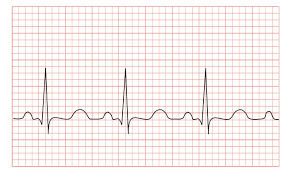
Arrhythmia incidents differ in nocturnal and diurnal hypoglycemic patients.

In young adults with type 1 diabetes (T1D), severe hypoglycemia may increase the risk of all-cause mortality and cardiovascular diseases.

According to Peter Novodvorsky, from the University of Sheffield in the United Kingdom, and his colleagues, there are differences in arrhythmic risk and cardiac repolarization during nocturnal versus daytime hypoglycemia. Hypoglycemia may exert proarrhythmogenic effects on the heart by sympathoadrenal stimulation and hypokalemia. The dysrhythmias induced by hypoglycemia have been associated with the “dead-in-bed syndrome,” a devastating condition that is rarely heard of. In this study, the effects of nocturnal and daytime clinical hypoglycemia are examined through electrocardiogram (ECG) in young people with T1D.

In an observational study, 37 participants were recruited from Sheffield Teaching Hospitals outpatient clinics with a median age of 34 years with T1D for at least four years. The purpose of this study was to examine the effect of clinical hypoglycemia in T1D patients age 50 or less and compare it with matched euglycemia on the frequency of cardiac arrhythmias, HRV, and cardiac repolarization.

Participants were told to avoid vigorous exercise, caffeine, and smoking 12 h prior to monitoring. Hypoglycemia awareness was assessed using a visual analog scale of 1 to 7. All subjects underwent 96 h of simultaneous  ECG and blinded continuous interstitial glucose monitoring (CGM) while continuing daily activities and symptomatic hypoglycemia were recorded.

The researchers obtained 2,395 hours of simultaneous ECG and CGM recordings with 159 and 1,355 hours designated hypoglycemia and euglycemia respectively. The median duration of hypoglycemia was longer during the night (60 min) than daytime (44 min) [P =0.020]. Overall, there were 24.1% of nocturnal and 51% of daytime symptomatic episodes respectively.

Bradycardia (low heart rate ) was more frequent during nocturnal hypoglycemia in comparison to matched euglycemia with an incidence rate ratio [IRR] 6.44 [95% CI, 6.26-6.66; P <0.001].

During daytime hypoglycemia, bradycardia was less frequent with an IRR 0.023 [95% CI, 0.002-0.26; P =0.002], while atrial ectopic was more frequent (IRR: 2.29; 95% CI, 1.19-4.39; P =.013). Moreover, during nocturnal and daytime hypoglycemia there was decreased T-wave symmetry, but prolonged QTc and T-peak to T-end interval duration.

The study confirmed that asymptomatic hypoglycemia commonly occurs in T1D. This causes abnormal heart rhythms and these are more abnormal at night, more frequent  and last longer.


Practice Pearls:

  • Hypoglycemia is pro-arrhythmogenic.
  • The study confirmed that there is high frequency of hypoglycemia, particularly of nocturnal asymptomatic episodes among young people with type 1 diabetes.
  • Hypoglycemia-induced mechanism is independent of the type of diabetes, age, or cardiovascular risk profile.

References:

  1. American Diabetes Association. 5. Glycemic targets. Diabetes Care. 2016;39 (Suppl. 1):S39–S46
  2. Nordin C. The case for hypoglycaemia as a proarrhythmic event: basic and clinical evidence. Diabetologia. 2010;53:1552–1561
  3. Novodvorsky P, bernjak A, Chow E, Iqbal A, Sellors L, Williams S, et al. Diurnal differences in risk of cardiac arrhythmias during spontaneous hypoglycemia in young people with type 1 diabetes. Diabetes Care. 2017, Feb 17.

From Diabetes in Control  18th March 2017


Lost to follow up diabetic patients do badly


DNA_Daily_News_and_Analysis_New_Logo.svg


People with diabetes who had annual diabetes checks in the previous seven years had half the mortality rate of those who did not attend. 

This study  in England and Wales for the National Diabetes Audit 2015-16 also revealed that type ones have a mortality rate 127.8% more than the general population and those with type two diabetes are 28.45 more likely to succumb earlier than they otherwise would.

My comment: These seem very disturbing figures especially for type ones. Of course type ones are still not being guided about having normal blood sugars. There could be a reverse causality here going on as well, with the least fit people, perhaps housebound or with amputations or with visual problems less able to attend clinics. In my area there is a good deal of effort put into tracking down children who don’t attend clinics, but once they move to the adolescent and adult clincs there does not seem to be the provision of liaison nurses to do outreach work. 


Adapted from news article BMJ 22 July 17


Gretchen Reynolds: You are never too old to give up on exercise

cyclist robert marchand

At the age of 105, the French amateur cyclist and world-record holder Robert Marchand is more aerobically fit than most 50-year-olds — and appears to be getting even fitter as he ages, according to a revelatory new study of his physiology.

The study, which appeared in December in The Journal of Applied Physiology, may help to rewrite scientific expectations of how our bodies age and what is possible for any of us athletically, no matter how old we are.

Many people first heard of Mr. Marchand last month, when he set a world record in one-hour cycling, an event in which someone rides as many miles as possible on an indoor track in 60 minutes.

Mr. Marchand pedaled more than 14 miles, setting a global benchmark for cyclists age 105 and older. That classification had to be created specifically to accommodate him. No one his age previously had attempted the record.

She was particularly interested in Mr. Marchand’s workout program and whether altering it might augment his endurance and increase his speed.

Conventional wisdom in exercise science suggests that it is very difficult to significantly add to aerobic fitness after middle age. In general, VO2 max, a measure of how well our bodies can use oxygen and the most widely accepted scientific indicator of fitness, begins to decline after about age 50, even if we frequently exercise.

But Dr. Billat had found that if older athletes exercised intensely, they could increase their VO2 max. She had never tested this method on a centenarian, however.

But Mr. Marchand was amenable. A diminutive 5 feet in height and weighing about 115 pounds, he said he had not exercised regularly during most of his working life as a truck driver, gardener, firefighter and lumberjack. But since his retirement, he had begun cycling most days of the week, either on an indoor trainer or the roads near his home in suburban Paris.

Almost all of this mileage was completed at a relatively leisurely pace.

Dr. Billat upended that routine. But first, she and her colleagues brought Mr. Marchand into the university’s human performance lab.

They tested his VO2 max, heart rate and other aspects of cardiorespiratory fitness. All were healthy and well above average for someone of his age. He also required no medications.

He then went out and set the one-hour world record for people 100 years and older, covering about 14 miles.

Afterward, Dr. Billat had him begin a new training regimen. Under this program, about 80 percent of his weekly workouts were performed at an easy intensity, the equivalent of a 12 or less on a scale of 1 to 20, with 20 being almost unbearably strenuous according to Mr. Marchand’s judgment. He did not use a heart rate monitor.

The other 20 percent of his workouts were performed at a difficult intensity of 15 or above on the same scale. For these, he was instructed to increase his pedaling frequency to between 70 and 90 revolutions per minute, compared to about 60 r.p.m. during the easy rides. (A cycling computer supplied this information.) The rides rarely lasted more than an hour.

Mr. Marchand followed this program for two years. Then he attempted to best his own one-hour track world record.

First, however, Dr. Billat and her colleagues remeasured all of the physiological markers they had tested two years before.

Mr. Marchand’s VO2 max was now about 13 percent higher than it had been before, she found, and comparable to the aerobic capacity of a healthy, average 50-year-old. He also had added to his pedaling power, increasing that measure by nearly 40 percent.

Unsurprisingly, his cycling performance subsequently also improved considerably. During his ensuing world record attempt, he pedaled for almost 17 miles, about three miles farther than he had covered during his first, record-setting ride.

He was 103 years old.

These data strongly suggest that “we can improve VO2 max and performance at every age,” Dr. Billat says.

There are caveats, though. Mr. Marchand may be sui generis, with some lucky constellation of genes that have allowed him to live past 100 without debilities and to respond to training as robustly he does.

Lifestyle may also matter. Mr. Marchand is “very optimistic and sociable,” Dr. Billat says, “with many friends,” and numerous studies suggest that strong social ties are linked to a longer life. His diet is also simple, focusing on yogurt, soup, cheese, chicken and a glass of red wine at dinner.

But for those of us who hope to age well, his example is inspiring and, Dr. Billat says, still incomplete. Disappointed with last month’s record-setting ride, he believes that he can improve his mileage, she says, and may try again, perhaps when he is 106.