Gut Changes and Type 1 Diabetes

How’s your tummy? We ask because a recent study has explored the link between type 1 diabetes and gut inflammation and changes to the microbiome.

It has been shown that people with type 1 diabetes have increased intestinal permeability – i.e. it is easier for undigested substances to enter the blood stream. This can result in symptoms such as persistent muscle or joint pain, poor concentration, indigestion, flatulence, rashes, recurrent bladder or yeast infections and more.

Type 1s also show changes in the microvilli. Microvilli are tiny projections that exist in, on or around cells that expand the cell surface area and enhance its ability to absorb nutrients. They are mostly found on the surface of the intestine.

Errant Gut Bacteria

While research can’t prove it, errant gut bacteria is thought to be the cause of the changes.

A new study published this week in the Journal of Clinical Endocrinology & Metabolism investigated the changes in the gut’s bacterial flora and levels of inflammation in type 1 diabetics.

Samples from the first section of the intestine were taken from 54 participants between 2009 and 2015. The researchers made sure the diets of those taking part were similar when the samples were taken.

More Signs of Inflammation

The results showed that people with type 1 diabetes had significantly more signs of inflammation than control participants and people with coeliac disease. Ten inflammation-related genes were expressed significantly more in type 1 diabetics. There were also reduced levels of proteobacteria – a major group of bacteria – and increased levels of firmicutes, a major category of disease-causing bacteria.

Studies in mouse models have seen similar changes to composition.

The next step is to see if changes in the gut are caused by type 1 diabetes or vice versa.

The report’s senior author Lorenzo Piemonti said exploring why type 1 diabetics get gut changes could enable scientists to find new ways to treat the disease by targeting diabetics’ unique gastro-intestinal characteristics.
 

Buy Our Book!

diabetes diet
The Diabetes Diet is now available in paperback and e-book.

Forgive our wee plug – but if you’re looking for a comprehensive explanation of how you can use low-carb eating to help with diabetes (type 1 and type 2), we’ve got the answer with our book, The Diabetes Diet. 

How can it help you? If you’re a type 2, we give you detailed menu plans for different levels of carb intakes and lots of recipes, including plenty of baking and treats so you don’t feel as if you’re missing out on anything.

The missing link with many low carb diet plans is that they don’t tell you what happens if you take insulin or any other blood glucose lowering medication. (Hypos!) Our book explains how you manage your medication to prevent or minimise that and how you work out how much medication you need to take for protein. Yes, that needs taking care of too.

We also include some case studies of people who’ve used a low-carb diet to manage their diabetes and how it has helped them, including one from a vegan…

It doesn’t cost much and it might help you a lot.

Thanks in advance! Emma and Katharine.


Low Carb Diets and Microwaves

We treated ourselves to a new cat bed, I mean microwave, in the January sales.
We bought a new cat bed, I mean microwave, in the January sales.

We treated ourselves to a new microwave recently – spending a whole £50 on one from Wilko.

Microwaves are great when it comes to low-carb diets and cutting down time in the kitchen. You can cook fish fillets in minutes in a microwave. Just remember to cover them up properly or you’ll find it difficult to get rid of the smell. Microwave half a lemon on high for a minute and this will help clean the microwave and banish fishy smells.

You can also poach eggs in a microwave. Crack an egg onto a greased saucer, prick the yolk a couple of times with a fork and cook at about 80 percent in three to four 20-second bursts, leaving the egg to rest for 20 seconds or so in between. It’s really important to prick the yolk and cook the egg in short bursts to stop it exploding…

Cook omelettes the same way. Beat up two to three eggs with a little milk or cream and pour onto a greased side or dinner plate. Cook in 20 and 30-second bursts until cooked.

You can also make scrambled eggs, again cooking the eggs in bursts and mixing well in between to break up the big ‘curds’ that develop. Cook them in a greased bowl, for easier cleaning.

Another trick is to use the microwave to soften avocados – you know, those ones you bought from the supermarket that promised you they were ready to eat?! Prick the skin all over and microwave on a medium or low setting in 30-second bursts. It should feel softer – if not, give it one more 30-second blast until it is.

The microwave can cook you a cupcake – a literal cupcake that it. We’ve got a low-carb recipe for a chocolate version here. And if you want to make our low-carb chocolate fudge, you can soften the ingredients in the microwave for mixing together.

For more low-carb microwave ideas, try the Spark People website for meatloaf, bread meatballs, egg custard and more.

Do you have any low-carb tips for microwaves? Please feel free to share them here.


Creamy Leeks & The Moggie Sous Chef

wp-image-1732445482jpg.jpgI’ll ‘fess up. The real reason I wanted to do this blog was so I could post a cute picture of my cat acting as the sous chef.

As cat owners will know, moggies love supervising in the kitchen. They get to sit up high with a bird’s eye view of everything, it’s nice and warm and there’s always the chance their owner might not pay full attention, allowing for the stealth theft of meat or cheese.

Non-cat owners might balk. This doesn’t look hygienic, I grant you. But pets are brilliant for your immune system as it gets to practise fighting germs on a small scale and makes it better prepared for bigger assaults.

That’s my story and I’m sticking to it.

The recipe is for creamy baked leeks, based on a Jamie Oliver recipe I adapted. It goes well with a roast chicken leg or on top of a steak.

Creamy Baked Leeks

  • Servings: 3-4
  • Difficulty: easy
  • Print

  • 1 large leek, washed and sliced
  • 1 onion, finely sliced
  • 1tbsp butter
  • 1tbsp fresh thyme leaves
  • 2 cloves garlic, crushed
  • 150ml double cream
  • 100g extra mature cheddar, grated
  • Salt and pepper

Melt the butter in a large frying pan and add the onions and leeks. Turn down the heat and cook gently, stirring from time to time, for seven minutes. Add the garlic and thyme and cook for another couple of minutes.

Tip the lot into a bowl and add the grated cheese, cream and some salt and pepper. You won’t need much salt as the cheese is salty.

Pop in a shallow, oven-proof dish and cook in a pre-heated oven (180 degrees C) for 20 minutes.

Recipe contains about 10g net carbs per serving for three.


New Year Resolutions – A Low Carb Diet?

2014-03-23-12-07-09
Bacon, mushroom and poached egg salad.

Are you making New Year resolutions to diet?! It’s that tedious time of year when we are encouraged to self-improve – usually on a big scale.

Punishing diets and exercise regimes work for very few people. Why would you make yourself suffer in that way? But if you do want to improve your health and stabilise your blood sugar levels, especially if you have diabetes, why not opt for the low-carb diet?

Low-carb diets can be easier to stick to than most diets because they tend to be higher in protein which keeps you feeling full for longer. Because they incorporate delicious ingredients like cheese, avocados, oily fish, cream, nuts and more there’s none of the deprivation feelings either.

Remember too that low-carb is a broad church. You can do anything from 45g of carbs a day to 130-150g. If you opt for the higher carb count, fill up on natural sources such as the higher-carb vegetables and fruits.

Resolutions – and any kind of change to the lifestyle – need preparation and planning to succeed. Here are our tips for how to adopt and stick with a low-carb diet:

Plan what you will eat and shop for the ingredients. Our book, The Diabetes Diet, has meal plans in it and you will also find plenty of suggestions online.

If you have type 1 diabetes or you use any blood glucose lowering medication, you need to start a low carb diet cautiously. Read our tips here about preparing to lower your carbohydrate intake and how to adjust medication to suit

Buy one good recipe book. A great example is Dana Carpender’s 500 Low Carb Recipes (left). This is an American recipe book, but most of the ingredients are available over here.

Buy yourself a set of measuring cups. Many of low-carb recipes are American – and Americans use cups to measure, rather than scales. Cup measures are widely available.

The above two suggestions depend on one thing – willingness to cook. Because low-carb diets don’t have many ready-made options, cooking is a necessity. Most low-carb recipes are really easy to follow, but quick and easy ideas are cooked meats and chicken with ready-made salads and dressing, good quality burgers with a slice of cheese, any kind of egg dish or prepared fish and prawn cocktail. You can also buy cauliflower rice these days for an instant accompaniment.

peanut-pork
Spicy Peanut Pork

Try out our recipes! Here are some suggestions.

  1. Meatballs
  2. Pancakes
  3. Spicy Peanut Pork
  4. Spinach and Feta Crust-less Quiche
  5. Low-carb Chocolate Cookies
  6. Crab Cakes
  7. Easy Low-Carb Bread

Start following our blog. We update this blog regularly with recipes and health information about diabetes.

All the very best to you for 2017!


Low Carbing at Christmas

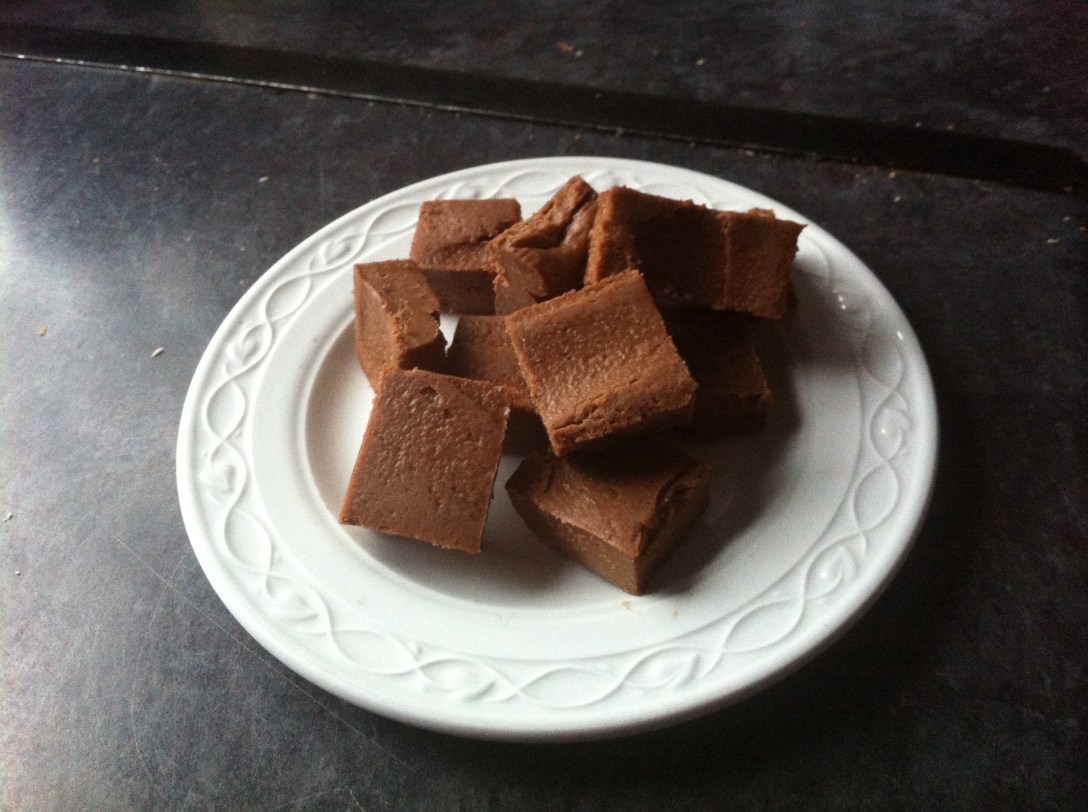
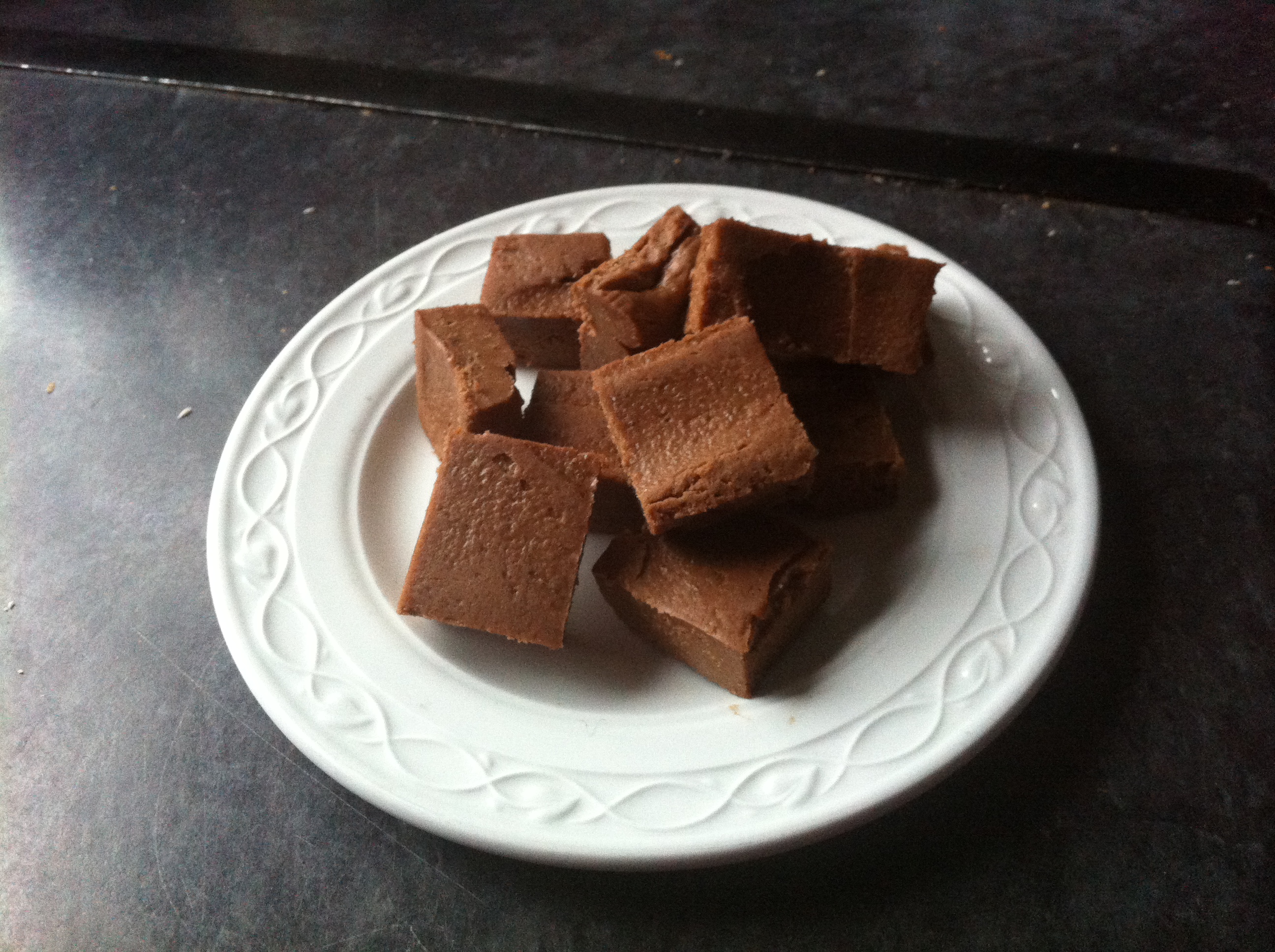
Low-carb chocolate fudge

Are you low-carbing for Christmas? A lot of traditional Christmas food fits well with a low-carb diet and, with the addition of a few good substitutes, you don’t need to feel you are missing out on anything.

Crisps and dips. Most dipsguacamole, blue cheese dip etc – are low-carb. For dipping, use raw vegetables instead of crisps.

Starters. Pates can be served without toast or oatcakes and prawn cocktail without the bread. The latter is a nice light starter. Serve the prawns and sauce in Little Germ lettuce leaves. To make cocktail sauce to dress 200g prawns, mix four tablespoons of mayonnaise with one of tomato puree. Add a teaspoon of brandy and a few drops of Tabasco. Or try this broccoli and Stilton soup for green-y goodness.

Turkey, ham and sausages are all obvious. Help yourself! Remember, that a meal such as this will be heavy in protein. People on insulin need to take this into account. Our book The Diabetes Diet highlights what you do to cover protein, but see this post too for further clarification.

Gravy does have carbs because it is usually thickened with flour. However, this isn’t significant so don’t worry about it unless you are on a gluten-free diet. Cornflour is suitable for gluten-free diets and this can be used instead.

The classic stuffing uses sausage meat and bread crumbs, both of which have carbs. If you want some, keep it to a small amount.

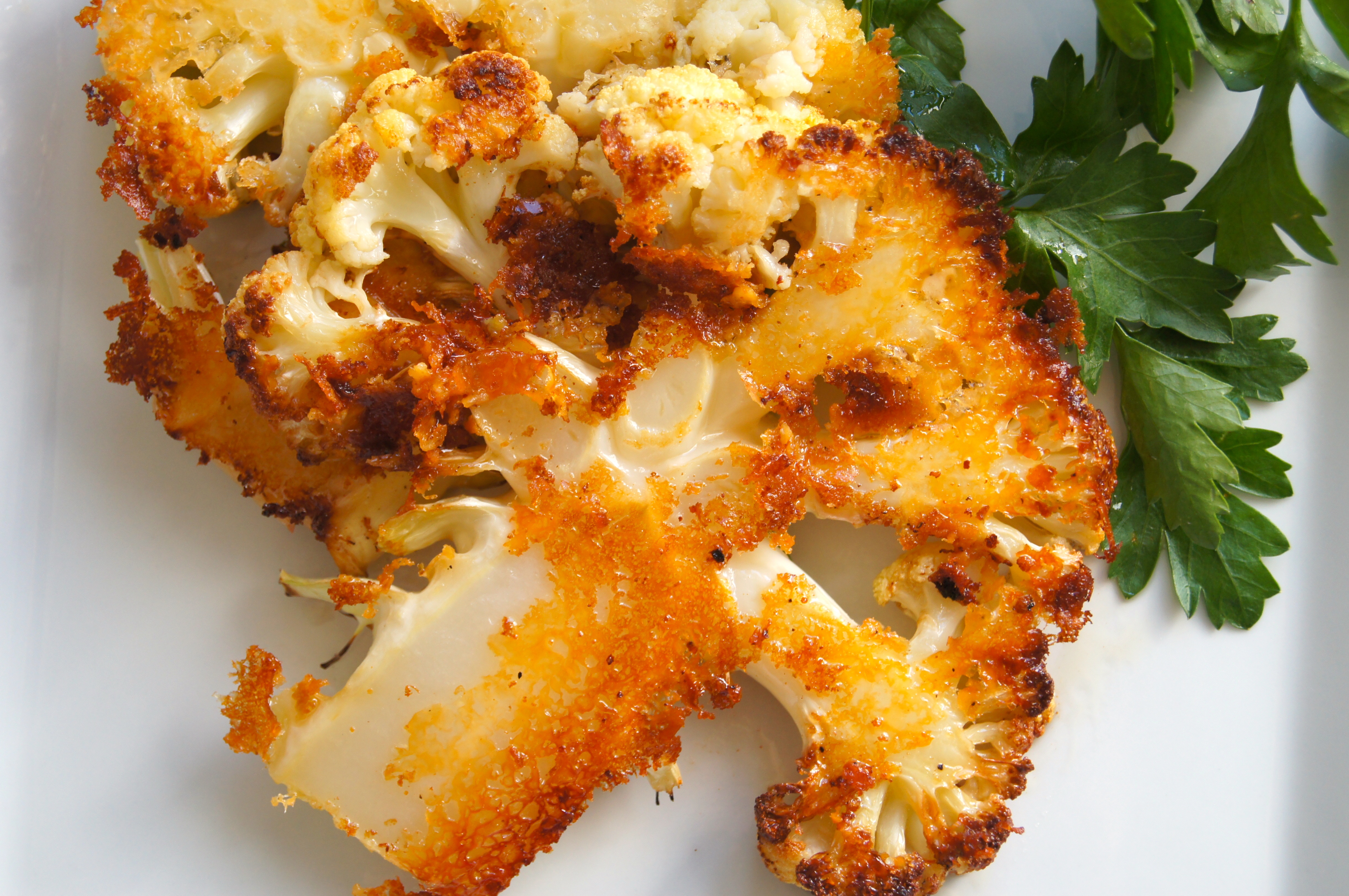
SONY DSCBread sauce, roast and mashed potatoes all have carbs, but there are low-carb equivalents you can make. Pureed cauliflower can be substituted for mashed potatoes and braised celeriac are another delicious substitution for potatoes in general. My sister served up cauliflower cheese for Christmas dinner a couple of years ago – and I’d rather have that than potatoes or bread sauce any day. You can also try these delicious Parmesan-crusted cauliflower steaks from Nourished Peach.

Cranberry sauce. Most commercial sauces are packed with sugar. You can make a version with cranberries and sweetener instead which will still have some carbs but not as many.

Christmas cakes, pudding and mince pies. There aren’t really substitutes for these things because they depend so heavily on dried fruit, flour and sugar. Christmas pudding and cake isn’t a winner with everyone anyway because of its heavy fruit content. When you’ve eaten low carb for a while, you often find you lose your sweet tooth , so having a pudding at the end of a meal is no longer as appealing. However, if you do want something sweet, may we suggest Tiramisu and Key Lime Pie.

Dig in - it's good for you.
Dig in – it’s good for you.

Another idea is the cheese course – much better than pudding! You don’t need the biscuits. Celery sticks or carrot sticks will give you some crunch, as will walnuts or apple slices. A good cheese board has roughly four cheeses – a Farmhouse cheddar, a blue such as Stilton or Roquefort, a soft one (Brie or Camembert) and AN Other. Goat’s cheese is my preference.

Chocolate. It’s hard to escape chocolate at Christmas. From the special offer wraps piled up at the front of supermarkets, to the yule logs, chocolate Santas and stockings, the stuff is everywhere. If you love chocolate, a few squares of good quality dark chocolate do not contain many carbohydrates. Treat yourself to a good quality bar to make the occasion. You could also make this chocolate peanut fudge, which is easy to make and very low-carb.

Finally, the trick to remember with Christmas is that it is one day of the year. When it comes to low-carbing consistency is the key. If you’re low-carb most of the time but for one or two days you decide to dig in, do so guilt-free. Do this mindfully, enjoying everything but keeping an eye on portions. This is especially important if you are on insulin as you will need to know how much to take to cover what you are eating.

Happy Christmas all!

Apps for Activity Tracking

jawboneMeet my new toy – the Jawbone Up activity tracker.

As activity trackers go, this is one of the basic ones. It tracks your movement and your sleep. But that’s still something. The analytics include a log of the longest time you’re active and idle and it tells you your sleep patterns too.

My husband got one through work, but wasn’t interested. As it was going spare, I took it up. You download an app for it, pair it with the device and away you go. Walk walk, walk…

So far, I’ve only done a couple of other forms of exercise while wearing it – a Joe Wicks work-out I found on YouTube, which it recorded, and some body weight exercises that don’t seem to register unless you count the steps you move while performing them.

You can log your other exercise and the app claims if you do this, the app will learn to recognise things. That might be interesting for a class such as spin, for example.

Anyway, it is interesting wearing a tracker and it does compel you to move more. I’m a bit competitive with myself so I’m always aiming to achieve high step figures. My average is about 14,500 steps a day so far. The app my daily step count puts me in the highest percentage of users – and in the top 10 percent for my age.

Go me…

We’ve been lucky in Scotland this winter so far, in that it has been fairly dry. If wet, windy weather comes along, tallying up those steps might not be as easy.

Do you use an activity tracker? Has it changed your behaviour and do you find it useful?

Scottish Government to Increase Funding for Diabetes Equipment

In the news this week was a story that the Scottish Government is to increase funding for diabetes equipment.

The £10m funding is to be used to improve the management of type 1 diabetes and the priority is insulin pumps and continuous glucose monitoring equipment.

Shona Robison, the Health Secretary, said: “We know that insulin pumps and continuous glucose monitoring kits can make it much easier for some people to manage their type 1 diabetes.

“Proper control is absolutely key to improving outcomes and preventing complications from developing.

“This new investment will increase the provision of this equipment, meaning it’s available to many more people, and making it easier for them to lead healthy lives.”

Scotland has the third highest rates of type 1 diabetes in the world. A major trial is currently taking place to try to prevent the development of the condition. Researchers have contacted 6,400 families in Scotland. They are inviting children who have a sibling or parent with type 1 diabetes to take a blood test to see if they are at risk of developing the condition.

If the blood test shows they are at risk, the researchers are offering them metformin – a drug usually used to treat type 2 – to see if this will keep it at bay.


Exercise Versus Activity: Walk About A Bit and Then Go Home

diabetes dietExercise. What does it mean? An interesting article in the Daily Telegraph* recently highlighted what exercise isn’t or what it shouldn’t be.

A London gym – I won’t name them because I don’t want to give them the publicity – recently issued a press release, where they boasted of a class so extreme that they had defibrillators on hand.

Exercise is vital for type 2 diabetics – and type 1s too, though there is less research on exercise and type 1s, as there are fewer of us. The health benefits of exercise for type 2s include:

  • It helps your body use insulin more effectively, which will give you better control over your diabetes
  • It burns extra body fat
  • It strengthens your muscles and bones
  • It improves your blood flow
  • It lowers your blood pressure, cuts LDL cholesterol levels and raises HDL cholesterol
  • It boosts your energy and mood, and it de-stresses you.**

Exercise: The Definition

But what is exercise? Is it the kind of class where they need defibrillators on hand because it’s so hard? As the exercise expert in the Telegraph pointed out, don’t bother paying for that class. Just do 500 burpees in a row as fast as you can.

For all the people who post that irritating, “go hard, or go home” meme, nine out of ten of their readers will think, “I’m off home”. Not, “Yeah! I’m gonna exercise till I puke”. Who wants to do that and more importantly, who can keep doing that?

Think in terms of activity instead. Instead of “go hard, or go home”, try “walk about a bit and then go home”.

Low levels of activity performed regularly throughout the day count. What sounds more do-able to you? Getting changed into your gym gear, walking or driving to said gym and doing an insanity class you pay for featuring lots of burpees and lunge jumps, or going for a 15 minutes’ walk two or three times a day?

Body Weight Exercises

Other activity ideas include housework, standing instead of sitting in front of a computer, walking up and down your stairs frequently and doing short bouts of body weight exercises while watching TV.

There is a place for hard exercise. If you’re an athlete, you need hard exercise so you can compete. The rest of us? Not so much. The occasional high-intensity interval exercise session can be practised once or twice a week (the 4-minute Tabatha method, for example) if you like. Insanity classes are not HIIT. They are just hard, exhausting, stressful exercise sessions that people use to punish themselves.

As you might have guessed from the angle of this post, I love walking. I do about two hours a day, split between walks to the shop/library/train station and then all the steps I perform in general. I used an online tracker for a while to count it up and then stopped once I knew what I needed to complete 10,000 steps a day. (And it’s not as much as two hours, more like one hour 15 minutes.) I am fitter, happier and healthier than I’ve ever been in my exercising life.

If you can increase the amount of time you are walking, stretching and lifting so that you minimise the amount of time you are sitting, you provide your body with the benefits it needs. For further reading and information, I recommend you check out the work of Katy Bowman, who promotes movement and activity over exercise, and suggests various ways you can add activity to your daily life.


*I can’t find the original article unfortunately.

**So long as you don’t do insanity classes!

Spicy Tomato Sauce + Low Carb Options

diabetes diet recipesEveryone needs a spicy tomato sauce recipe in their lives and multiple options for its use.

Tomatoes are high in vitamins C, A and K, and they contain high levels of potassium and manganese. Tomatoes are also a good source of fibre. Cooking will reduce the levels of vitamins in tomatoes, but tomatoes contain the phytochemical lycopene which is boosted if tomatoes are cooked. High levels of lycopene are said to lower the risk of heart disease and certain kinds of cancer.

Here’s our Diabetes Diet recipe. Make it in large quantities and freeze it in portions for easy suppers.

Spicy Tomato Sauce

  • Servings: 4-6
  • Difficulty: easy
  • Print

  • 2 x 400g tins chopped tomatoes
  • 2tbsp rapeseed oil (I use the cold-pressed stuff)
  • 2 cloves garlic, crushed
  • 1 chilli, sliced (keep seeds in for extra heat, leave out for less)
  • 1 medium onion, finely sliced
  1. Add the oil to a large saucepan and then add the other ingredients. Bring to the boil, stirring from time to time.
  2. Turn the heat down and allow to simmer for 15 minutes. You should end up with a thick, concentrated sauce.
  3. Season to taste with salt and pepper.

Total carbs – 25g, minus 7g fibre, for 18g net carbs.

Now, the exciting bit: what to do with it…

  • Make braised celeriac chips and create low-carb version of Patatas Bravas
  • Serve with roasted chicken or a steak
  • Mix with minced beef for a chilli
  • Melt in a little coconut cream and some curry powder to make a curry sauce
  • Dilute with fish stock, and add in white fish and prawns to make a fish soup
  • Dice up roast chicken and add to the sauce, finishing off with a tablespoon of double cream.