Hedgehogs

IMG_2006.JPG

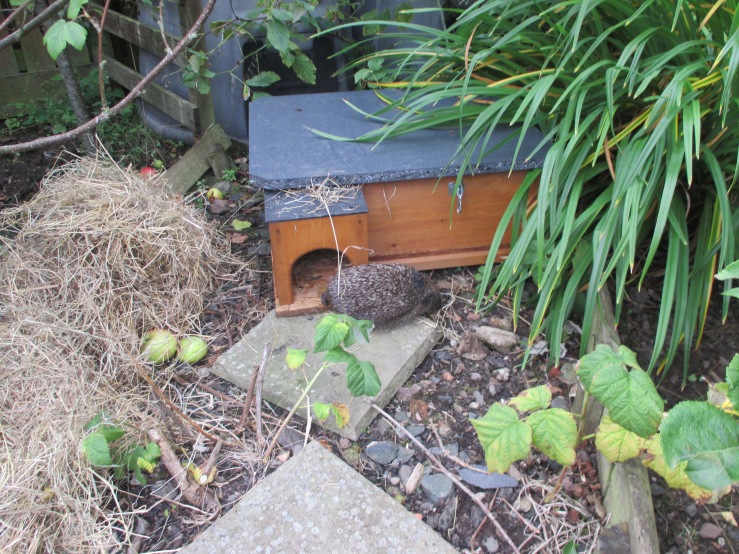
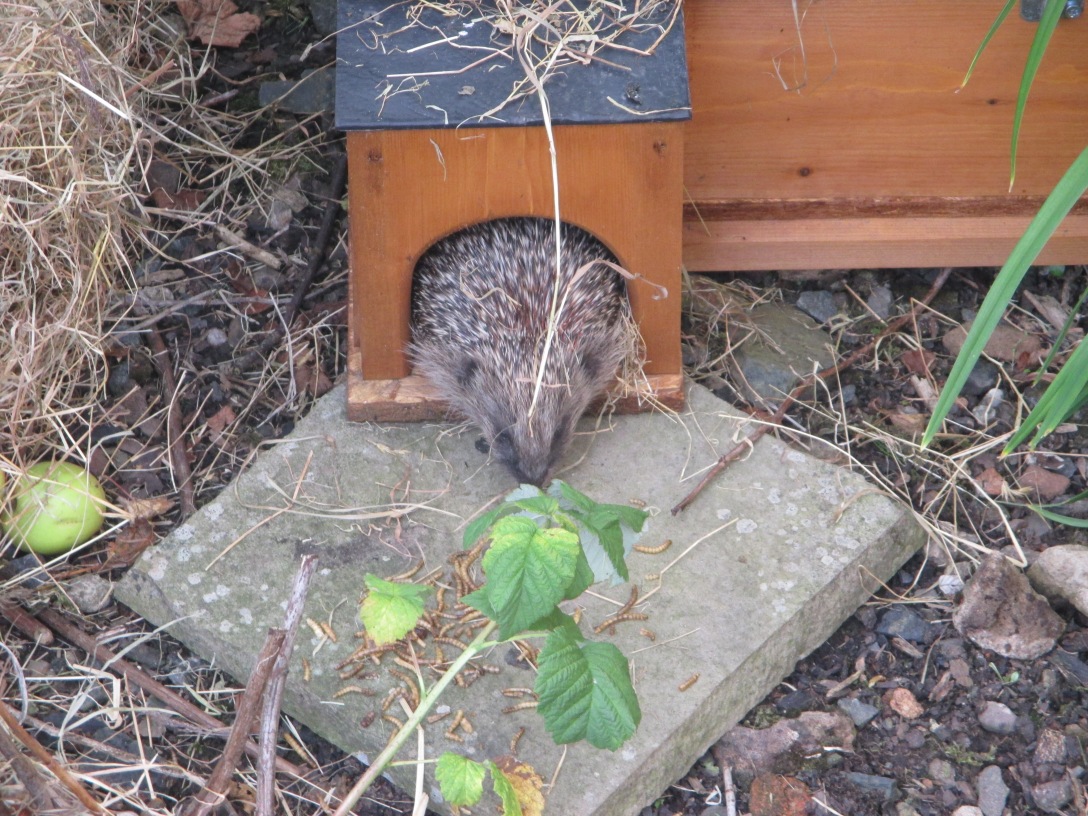
Earlier this summer I found two hedgehogs eating suet/mealworm pellets which I put out for birds in a ground cage in the garden.  As I know that the species is in decline in the UK, I was keen to encourage them.  Therefore I started putting out cat food in the evenings for them and in due course bought a hedgehog house.

The two hedgehogs seemed very pally and would grunt loudly at each other. This is a courtship behaviour called huffing. They were much keener on wet cat food than the hedgehog kibbles and I wonder if this is partly because wet food appeals to their sense of smell.

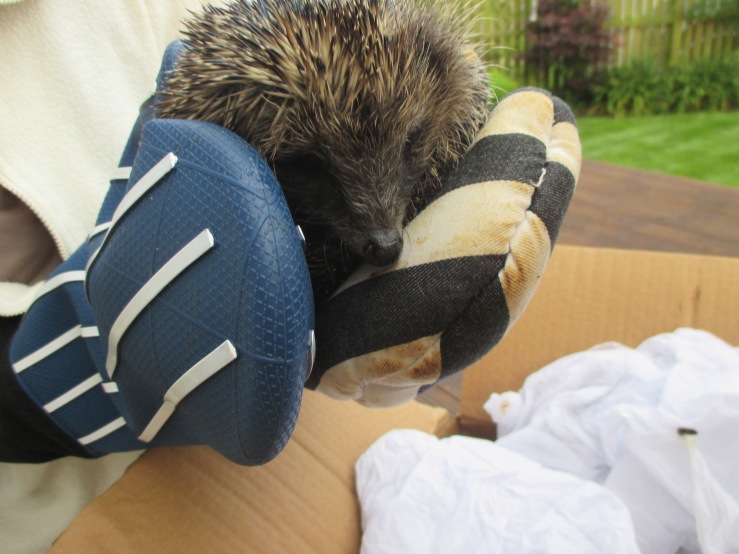
Later in the summer I was informed that Hessilhead Wildlife Trust near Beith, Ayrshire, was wanting to re-locate over a hundred hedgehogs that had been taken off of a Scottish Island to conserve wild bird nest sites. I was very keen to have some more garden visitors and in due course brought home a mummy hedgehog and her two babies, who by this time were quite big.

What surprised me was how smelly they were and how mobile their long snouts were. I put them all in the hedgehog house which I had filled with hay. Mummy hedgehog went to sleep but being typical teenagers, the kids decided to come out into the early evening sunshine even though it was hours till wake time.

One baby hedgehog made a beeline for the food in the bird cage and once there didn’t want to come out. The other spent a long time skipping about the grass, obviously delighted with the feel of grass under its feet. They had been born in captivity and had spent the time in a shed rather that in in a garden.

For weeks the food we have been putting out in the evenings continued to disappear but we only got rare sightings of them.  They have not eaten anything for the last week, so either they are eating enough from the garden or they have moved elsewhere.  I hope that at least one of them will come back to the hedgehog house to hibernate.

If you want to encourage hedgehogs in your garden put out wet cat food, but not fish flavoured.  Think about a hedgehog house or putting up some planks against a wall to provide a sheltered spot. Have openings in fencing or walls so that hedgehogs can move from one garden to another. Cover ponds so they can’t drown in them. Avoid giving bread or milk as this causes diarrhea in hedgehogs. Be very careful when cutting back foliage in the autumn. Use strimmers only when you can see that there isn’t a hedgehog sleeping. It is helpful for hedgehogs if you can keep some areas sheltered and with enough foliage to support bedding and their diet.

Hedgehogs can do you some favours too. They eat lots of slugs, beetles and Daddy Long Legs larvae.

IMG_2004.JPG

Dr Lois Jovanovic:Everything you need to know about diabetes in pregancy

Dr Lois Jovanovic from Santa Barbara is an expert in getting great results with diabetic women in pregnancy. This video series from Diabetes in Control covers in depth interviews with Lois. Even if you are not pregnant or intending to be you can pick up information on how to get excellent blood sugar control in these videos.

Sheri Colberg: Quality of life matters more than longevity


Henny Nonne (geb. Heye), Max Nonne

For many years, I have focused on aspects of lifestyle and health management that can enhance quality of life, especially when living with a chronic disease like diabetes, rather than simply on living a long time (longevity). Much of my motivation is derived from the personal experience of watching my maternal grandmother suffer through six (long) years of severe disability related to cardiovascular complications of diabetes starting at the age of 70 that left her unable to feed herself or communicate, bed bound, and with almost no quality of life for her final six years of life. Really, what is the point of simply being alive when you’re really not experiencing life under such conditions?

This topic has come up again recently. New research published online ahead of print in Diabetologia in Spring 2016 (1) presented results showing that the life expectancy and disability-free life expectancy (with 95% uncertainty interval) at age 50 years were 30.2 and 12.7 years, respectively, for men with diabetes, and 33.9 and 13.1 years for women with diabetes. Really think about what those estimates mean: If you’re female and have diabetes at age 50, you would be expected to live almost to age 84, but likely be disabled in some way from the age of 71 forward. If the disability is severe (as in the case of my stroked-out grandmother), then that is a lot of pointless years of being alive without really living, not to mention the cost of caring for someone with medical disabilities that could be a huge burden to your family and the health care system.

Admittedly, that’s pretty discouraging. The best solution may be to focus on what we can do to prevent disability as we age rather than simply living longer, especially with diabetes. Here are three proven ways to improve your quality of life with diabetes (and likely your longevity):
1. Exercise regularly and be more physically active overall.

Even if you already have some diabetes-related health issues like peripheral neuropathy, which can negatively impact quality of life, exercising regularly can help. In a small study on older adults with diabetes and neuropathy, engaging in just 8 weeks of moderate-intensity aerobic exercise was shown to be a cornerstone in improving their quality of life, including experiencing less pain, more feeling in their feet, less restriction in their activities of daily living, better social interactions, and a greater overall life quality—just after 8 weeks of training (2). Other types of physical activity have similar and profound effects on living well with neuropathy (3), so choose the activities that you enjoy doing the most and start with those.
2. Eat more fiber, found abundantly naturally in plant-based foods.

We all know we should be eating more fiber, but where can you find it (besides in Metamucil, which may not have the same health benefits)? Look for it in plant-based foods, mainly fruits, vegetables, grains, beans, and nuts and seeds. Why can it enhance your health and quality of life? Dietary fiber and whole grains contain a unique blend of bioactive components including resistant starches, vitamins, minerals, phytochemicals, and antioxidants, all of which are critical to healthy living. A higher fiber intake helps prevent or protect against many of the health issues that can decrease both quality of life and longevity, including certain gastrointestinal diseases, constipation, hemorrhoids, colon cancer, gastroesophageal reflux disease, duodenal ulcer, diverticulitis, obesity, diabetes, stroke, hypertension, and cardiovascular diseases (4). It also keeps the healthful gut bacteria in your digestive tract more abundant, which directly can benefit health and even prevent obesity. Aim for as much as 50 grams of fiber in your daily diet for optimal health.
3. Improve the quality and quantity of your sleep.

Both sleeping better and sleeping adequate amounts (7 to 8 hours a night for most adults) lower insulin resistance and can help improve diabetes control; alternately, not getting enough good sleep can make your blood glucose levels much harder to manage effectively. As you age, it may require taking a melatonin supplement to help you fall asleep and may help improve diabetes control (5), but exercising regularly certainly assists in both as well, so try taking your daily dose of exercise to optimize sleep.

Get started on these three easy changes today to improve your chances for living longer without disabilities. Remember, there’s more to life than living a long time. What’s the point of living longer if you can’t live well and feel your best every day of your life? It really is your choice to make because you can affect the outcome.

References cited:
1.Huo L, et al. “Burden of diabetes in Australia: life expectancy and disability-free life expectancy in adults with diabetes” Diabetologia 2016; DOI: 10.1007/s00125-016-3948-x.
2.Dixit S, Maiya A, Shastry B: Effect of aerobic exercise on quality of life in population with diabetic peripheral neuropathy in type 2 diabetes: a single blind, randomized controlled trial. Quality of Life Research 2014;23:1629-1640
3.Streckmann F, Zopf EM, Lehmann HC, May K, Rizza J, Zimmer P, Gollhofer A, Bloch W, Baumann FT: Exercise intervention studies in patients with peripheral neuropathy: a systematic review. Sports Med 2014;44:1289-1304
4.Otles S, Ozgoz S: Health effects of dietary fiber. Acta Scientiarum Polonorum Technologia Alimentaria 2014;13:191-202
5.Grieco CR, Colberg SR, Somma CT, Thompson A, Vinik AI: Melatonin supplementation lowers oxidative stress and improves glycemic control in type 2 diabetes. International Journal of Diabetes Research, 2(3): 45-49, 2013 (doi: 10.5923/j.diabetes.20130203.02)

In addition to my educational web site, Diabetes Motion (www.diabetesmotion.com), I also recently founded an academy for fitness and other professionals seeking continuing education enabling them to effectively work with people with diabetes and exercise: Diabetes Motion Academy, accessible at http://www.dmacademy.com. Please visit those sites and my personal one (www.shericolberg.com) for more useful information about being active with diabetes.

by Dr. Sheri Colberg, Ph.D., FACSM


Published in Diabetes in Control 2nd July 2016
Jovina cooks Italian: Seafood and Vegetable Grill with Green Goddess Marinade


Seafood On The Grill Tonight

IMG_0004

Tips On Grilling Shellfish

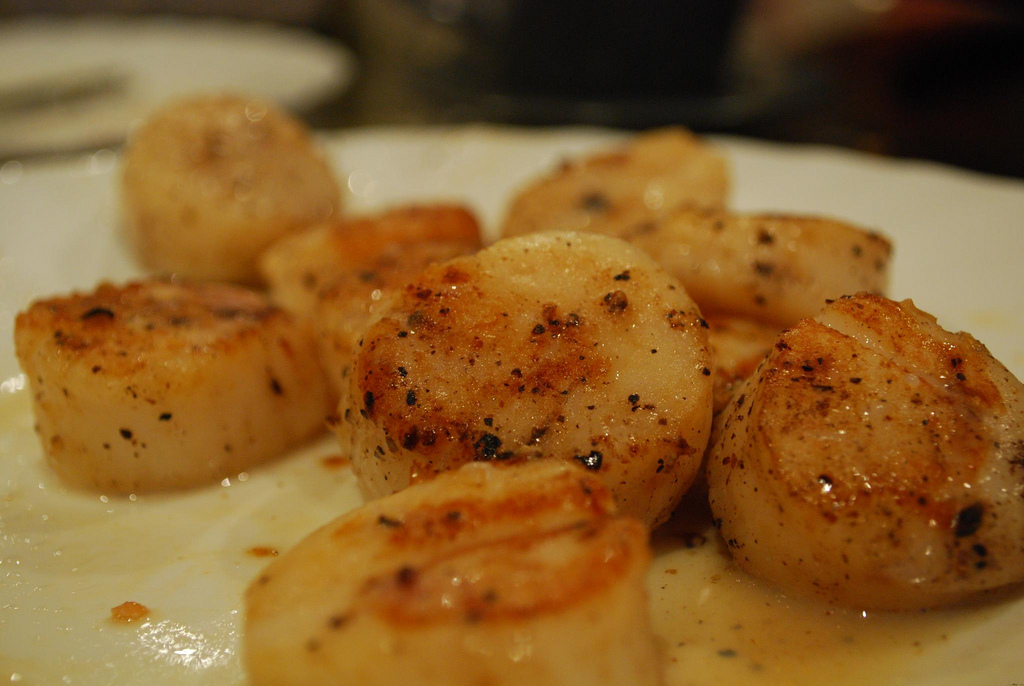
The flavor of shellfish benefits significantly from grilling. Removing the shellfish from the grill before they become too well done and rubbery is the biggest challenge. Watching closely for shellfish to turn opaque (non-transparent), removing them from the grill and serving them immediately are key to delicious tasting fish.

Prepare scallops for grilling by cutting off the curved shaped appendage that is attached to the side of the body, if still intact.

Prepare shrimp by removing the shell and the vein that runs along the back. Personal preference dictates whether to leave the tail on or off.

Marinating shellfish in a flavorful oil will help to prevent the tendency of the scallops and shrimp to dry out.

Two skewers work best to prevent the seafood from spinning or turning on the grill.

Grill shrimp on each side for 2-3 minutes, depending on the thickness of the shrimp. Cook scallops for 2-3 minutes on each side, depending on their size.

Tips On Grilling Vegetables

Make room on the grill for vegetables. The caramelized, smoky flavor that comes with grilling does wonders for vegetables. A lot of veggies do well on the grill, but some really stand out — asparagus, corn, eggplant, squash, mushrooms, peppers and onions.

Most vegetables cook better and are less likely to stick if they’re marinated first or brushed lightly with vegetable oil.

For added flavor, sprinkle grilled vegetables with chopped fresh herbs. Cut the vegetables all about the same size for even cooking.

If you use wooden skewers, soak them in warm water for 20 minutes.

Marinade for the Shellfish and Vegetables

  • 1/4 cup extra virgin olive oil
  • 1/2 teaspoons dried basil
  • 1/4 teaspoon dried oregano
  • 1/4 teaspoon salt
  • 1/4 teaspoon garlic powder
  • 1/4 teaspoon ground black pepper

Directions

IMG_0002

Whisk all the marinade ingredients together in a measuring cup. Divide in half. Use one half for the shellfish and one half for the vegetables.

Grilled Shellfish Skewers

IMG_0006

For 2 servings

Ingredients

  • 6 medium sea scallops
  • 6 medium shrimp, peeled and deveined
  • Marinade, recipe above
  • 2 double skewers
  • Green Goddess Dressing, recipe below

Grilled Vegetable Skewers

For 2 servings

Ingredients

  • 1/4 of a Fennel bulb, cut into 2 inch pieces
  • 1/3 of a Red Bell Pepper, cut into 2 inch pieces
  • 1 small Zucchini, cut into 2 inch slices
  • Marinade, recipe above
  • 2 double skewers
  • Green Goddess Dressing, recipe below

Directions

Marinate the shellfish and vegetables separately for 30  minutes. Drain and thread the scallops on one double skewer and the shrimp on a second double skewer.

IMG_0003


Do the same with the vegetables. Save any marinade left in the bowl to use as a basting sauce.

Preheat an outdoor grill to high and grease the grill grates with oil.

Place the vegetable skewers on the grill first, since they will take longer to cook. Cook until the vegetables are tender, turning and basting them with the olive oil mixture occasionally, about 15 minutes.

After the vegetables have cooked for 10 minutes, place the shellfish skewers on the grill.  Cook for 2-3 minutes on each side.

Serve the grilled shellfish and vegetables with the Green Goddess Dressing.

Green Goddess Dressing

IMG_0001

This may be used immediately or stored in the refrigerator for up to 3 days. This dressing is also delicious drizzled over hard-boiled eggs.

Makes 1 cup

Ingredients

  • 1/4 cup snipped chives
  • 1/4 cup chopped fresh flat leaf parsley leaves
  • 2 tablespoons chopped fresh tarragon
  • 2 anchovy fillets
  • 2 tablespoons white wine vinegar
  • 3 tablespoons extra virgin olive oil
  • 1/2 cup sour cream
  • Kosher salt and freshly ground black pepper

Directions

Place the chives, parsley, anchovy fillets, tarragon and vinegar in a food processor and pulse a few times to combine.

With the motor running, add the olive oil in a steady stream, scraping down the sides, and process until pureed. Add the sour cream and process until smooth. Season with salt and pepper.

Store in the refrigerator until serving time.

Kris Kresser: Dangers of Proton Pump Inhibitors


Jovina cooks Italian: Pesto flounder with dressed garden salad


Pesto Flounder Packets

IMG_0005

This recipe is easy to adapt to seasonal ingredients. When basil is not available, use a spinach or red pepper pesto. Baking in parchment during cold weather is quite successful, but use the grilling method when the weather cooperates.

4 servings

Ingredients

  • 2 tablespoons extra-virgin olive oil
  • 4 (6-ounce) flounder fillets or any white fish fillets available in your area
  • 1/4 cup prepared pesto
  • 1/4 teaspoon salt
  • Freshly ground black pepper
  • Sliced tomatoes
  • Lime slices

Directions

Prepare  an outdoor grill.

Cut aluminum foil into 4 pieces large enough to enclose the fillets. Drizzle 1/2 tablespoon olive oil on each piece of foil. Place fish on top of the oil.

IMG_0002

Lightly spread 1 tablespoon pesto over each fillet. Sprinkle with salt and pepper. Top with tomato and lime slices.

Seal foil packets and place on the grill. Grill 8-10 minutes or until fish are cooked.

Summer Entertaining | jovinacooksitalian

Garden Salad

IMG_0028

Ingredients

  • 1/4 of a red onion, sliced
  • 2 small tomatoes, diced
  • Half a cucumber, diced
  • Sliced radishes and black olives to taste
  • 4 cups torn garden lettuce
  • Salt and Pepper
  • Italian Vinaigrette, recipe below

Directions

Combine all the ingredients in a salad bowl. Sprinkle lightly with salt and pepper. Drizzle some of the dressing over the salad and mix well. Taste and add a little more dressing, if necessary.

Italian Vinaigrette

Yields: ¾ cup

  • 1 tablespoon dried Italian mixed herbs
  • 3 cloves garlic, pressed
  • 1 tablespoon Dijon mustard
  • 1 tablespoon honey
  • 1/2 teaspoon salt
  • 1/2 teaspoon cracked black pepper
  • 3 tablespoons red wine vinegar
  • 1/2 cup olive oil

Directions

Whisk the first seven ingredients together. Whisk in the olive oil, a little at a time, until it is all incorporated.

Jovina cooks Italian: Herb marinated grilled chicken

cutting-board-925544_960_720

The marinade used for this chicken recipe makes the chicken really delicious.

Ingredients

  • One 3-4 pound chicken, wing tips removed

Marinade

  • 1 tablespoon fresh lemon juice
  • 2 teaspoons kosher salt
  • 1 teaspoon smoked paprika
  • 3  garlic cloves, minced
  • 1/2 teaspoon crushed red pepper
  • ½ cup finely chopped fresh herbs ( I used oregano, basil, sage, parsley, rosemary, chives and thyme because that is what is growing in my garden.)
  • 1/4 cup extra-virgin olive oil

Directions

Combine the marinade ingredients in a small mixing bowl or measuring cup.

Using kitchen shears, cut along both sides of the chicken backbone; remove the backbone (Save it for broth).

Turn the chicken, breast side up, and press down firmly on the breast bone to crack and flatten it. Tuck the wings under the back.

Transfer the flattened chicken to a medium glass baking dish. Loosen the skin a little and rub the marinade under and over all the skin of the chicken.

My comment: for the less surgically adept (including me!) you can use pre-cut chicken pieces.

Cover the dish with plastic wrap and refrigerate overnight. Remove the chicken from the refrigerator one hour before cooking.

Heat an outdoor grill to high with all the burners on, then, turn one or two burners to the lowest setting to create a low heat area.

My comment: Or use your usual kitchen grill

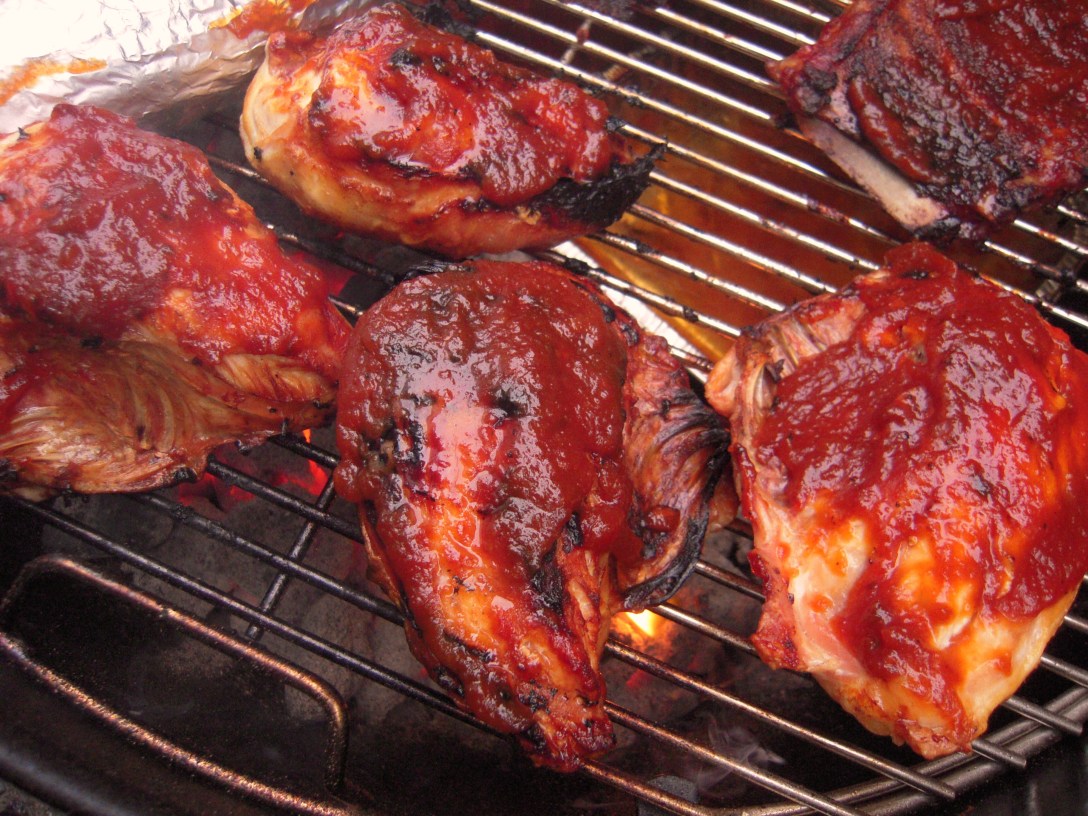
Grill the chicken, skin side down over the hot side of the grill, until the skin is browned and crisp, about 8-10 minutes. Turn the chicken skin side up and move to the low heat side of the grill.

Cover and grill over low heat until cooked through, about 20 – 30 minutes. Internal temperature should be around 170 F.

Transfer the chicken to a cutting board and let rest for 10 minutes. Internal temperature should rise to 180 F. Carve the chicken and serve.

NourishedPeach: Grilled chicken with chipolte lime sour cream

This recipe was originally Smokey Grilled Chicken Quesadillas with Chipotle Lime Sour Cream but it works as well without the bread accompaniment.


Ingredients

For the Chicken

1 Pound Boneless Skinless Chicken Breast Tenderloins

1/4 Cup Olive Oil

1 Lime, juiced

1 Teaspoon Chipotle Powder

1/2 Teaspoon Kosher Salt

For the Chipotle Lime Sour Cream

1/2 Cup Sour Cream

1/2 Cup Heavy Cream

1 Tablespoon Fresh Lime Juice

1/2 Teaspoon Chipotle Powder

1 Clove Garlic, grated or pressed

1/2 Teaspoon Kosher or Sea Salt

On the side

5970589494_9f0ec7534a_b

2 Cups Shredded Cheddar Cheese

4 Slices Cooked Bacon, chopped

4 Green Onions, thinly sliced

Chopped Cilantro, for garnish

Directions

For the Chicken

Preheat grill to medium high heat.

Whisk together the olive oil, lime juice, chipotle powder and salt in a small bowl.  Place chicken in a shallow bowl or plastic resealable bag and cover with the marinade, ensuring the chicken is coated well.  Let marinate in the refrigerator for at least 15 minutes or up to 4 hours.

Remove chicken from marinade and place on the grill.  Grill, covered, for 8-10 minutes, flipping once in between cooking, or until chicken is nicely charred and thoroughly cooked through.  Let chicken rest for 5-10 minutes and then chop into small pieces.

For the Chipotle Lime Sour Cream

Add all ingredients to a medium sized bowl and whisk well to combine.  Let sit at room temperature for up to 30 minutes.  Can be made ahead and stored in the fridge up to 24 hours in advance.

Add

Add cheese, bacon, green onion and diced chicken to each plate.   Serve topped with Chipotle Lime Sour Cream and sprinkled with cilantro.  Serves 4-6.


Academy of Nutrition and Dietetics ask for changes in nutrition advice

AND-logo

The USA  based Academy of Nutrition and Dietetics submitted comments supporting the scientific process used by the Dietary Guidelines Advisory Committee in drafting its recommendations for the 2015 Dietary Guidelines for Americans. The Academy’s recommendations to the Departments of Agriculture and Health and Human Services include:
1) Supporting the DGAC in its decision to drop dietary cholesterol from the nutrients of concern list and recommending it similarly drop saturated fat from nutrients of concern, given lack of evidence connecting it with cardiovascular disease;

2) Expressing concern over blanket sodium restriction recommendations in light of recent evidence of potential harm to the larger population;

3) Supporting an increased focus on reduction of added sugars as a key public health concern; and

4) Asserting that enhanced nutrition education is critical to any effective implementation.

The final 2015 Dietary Guidelines for Americans are expected to be released at the end of this year.

Continuous glucose monitors give 1% reduction in Hba1c

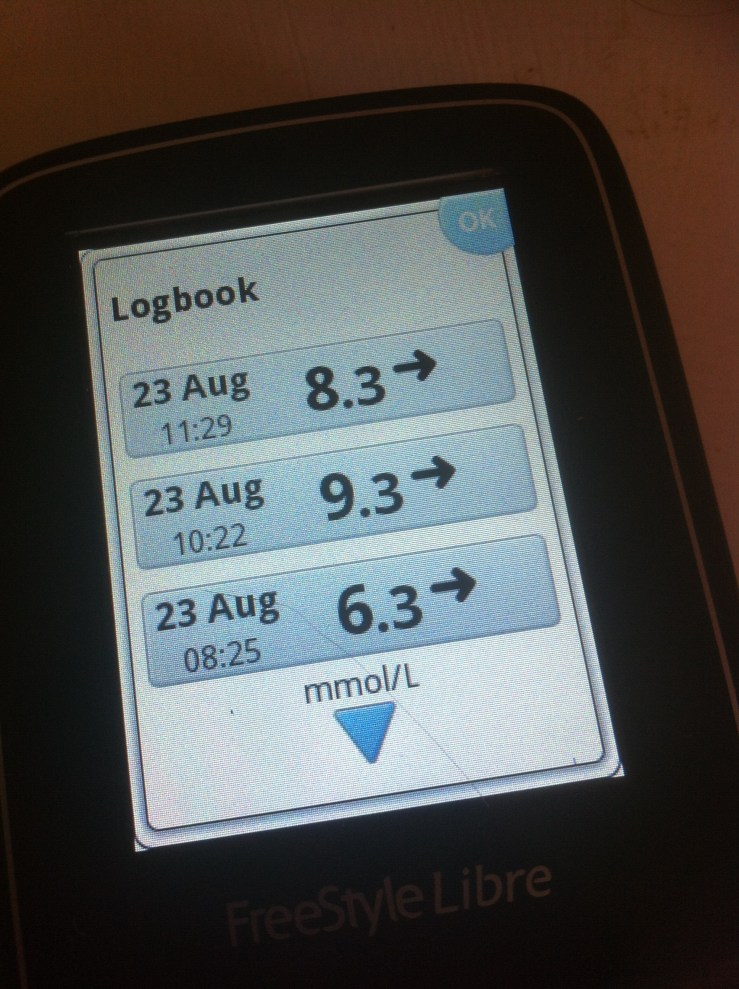
free styleVancouver doctors took 12 patients  type two diabetes who were using insulin and gave them continuous blood sugar monitors to help them improve their blood sugars.

Participants used these for 3 months, kept food records and maintained weekly contact with a registered dietitian/registered nurse team.  After 3 months, patients were told to discontinue sensor use and weekly contact and return to usual care.

HbA1c averages started at  8.2  which decreased to 7.1 during the program period and did not increase during the 15 months of patient follow-up.

Hypoglycemia (glucose < 4 mmol) at the beginning of treatment, was an average of 3.5  per week and was unchanged at the end of the study to 2.8.

“In conclusion, our program empowered patients with the knowledge and skill to maintain glycemic control,” Dr Haniak said. “Furthermore, this program is a very effective teaching tool for those patients with severe hypoglycemia to also sustain and maintain glycemic control.”

Haniak P, et al. Abstract 179-OR. Presented at: American Diabetes Association’s 75th Scientific Sessions; June 5-9, 2015; Boston.

Focused Care Improves Control Without Hypoglycemia Risk

From Diabetes in Control June 26th, 2015

My comments: Surely giving patients the Freestyle Libre or similar for a period of time combined with education on a low carbohydrate diet and blood sugar management would be cost effective in the NHS?