The Diabetes Diet – A Request

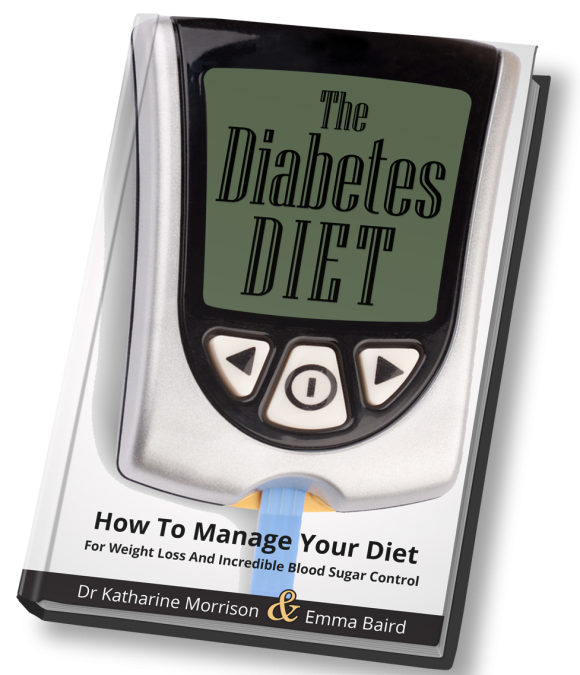
We are updating The Diabetes Diet! Our book has been on Amazon for a while now, and we’ve decided to give it a makeover (as well as get it ready for print).

We will be expanding the recipe section, and we wondered if any of our followers would like to contribute to this? Or, if you would like to provide a testimonial about how low-carb eating and matching insulin to your meals works for you, we would welcome that too.

We can’t offer you any money, but we will publicise your own blog or anything else. If you want to tell us about your success following low carb but would prefer to do it anonymously, that’s fine too.

You can find the book here.

To send us recipes or testimonials, please email: lowcarbdiabetesdiet@gmail.com

Thanks in advance!

Fit to serve: Brown Butter Cake

sponge cake 2

Low Carb Brown Butter Cake

Ingredients:

2 cups of (4 sticks) unsalted butter melted and lightly browned

6 large eggs

2 cups of finely milled almond flour

2 cups of sugar substitute

1 ½ teaspoon of baking powder

½ teaspoon of sea salt

Directions:

1.    Pre-heat oven to 350 degrees. Lightly grease a 10-inch spring-form pan with butter.

2.    Melt and lightly brown the butter in a saucepan and allow to cool completely.

3.    Beat all the eggs and sugar substitute in a stand-up mixer on high until mixture is thick and a shade of pale yellow, about 6 minutes.

4.    Add the almond flour by ¼ cup increments into the egg and sugar-substitute batter folding gently with a rubber spatula. *Do not over stir, mix only to combine

5.    Once the batter has been mixed add the now cooled melted brown butter gently fold into the batter until fully incorporated.

6.    Pour the batter into the prepared pan.

7.    Bake the cake for 35-40 minutes until a toothpick inserted in the center comes out clean.

8.    Allow this cake to cool completely before serving. Store in the refrigerator.

Enjoy in good health!

Cake makes 16 servings at 3.2 net carbs per slice

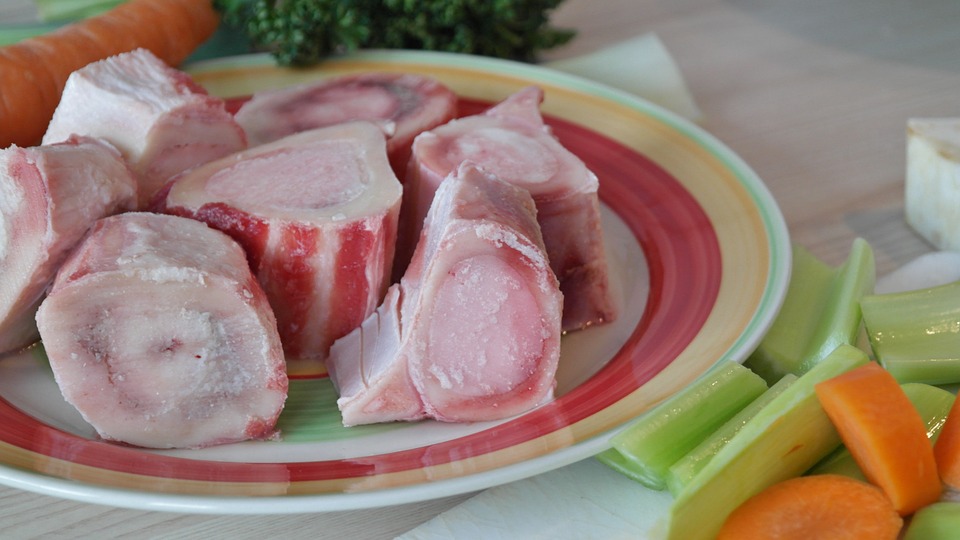
Kris Kresser: Bone broth is a traditional and nutritious addition to your meal plan

Low-Carb Bread

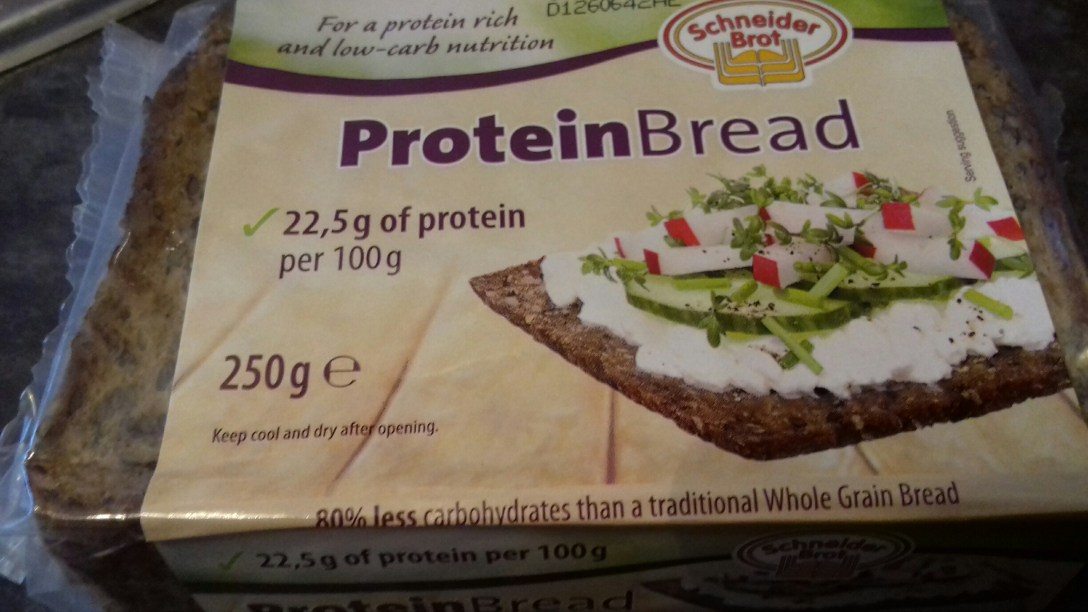
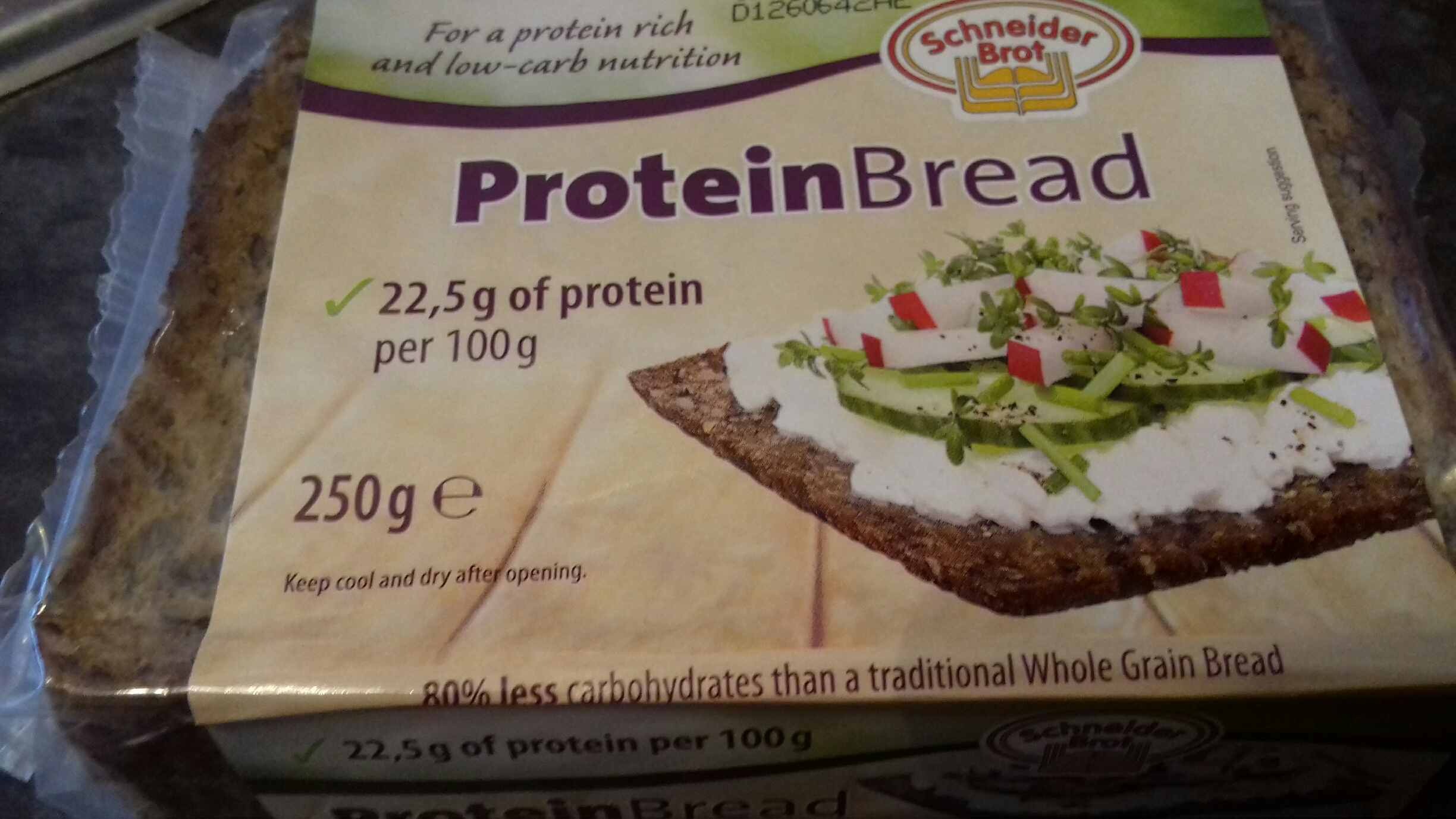
Joy of joys! I’ve found low-carb bread in Asda of all places…

Unlike the gluten-free and vegan markets, low carb high-fat diets don’t lend themselves easily to convenience foods. Hey, that’s probably a good thing. And it’s not as if you don’t have plenty of choices when you factor in cream, cheese, eggs, nuts, meat and fish and all the other yummy things that do fit perfectly with this way of eating.

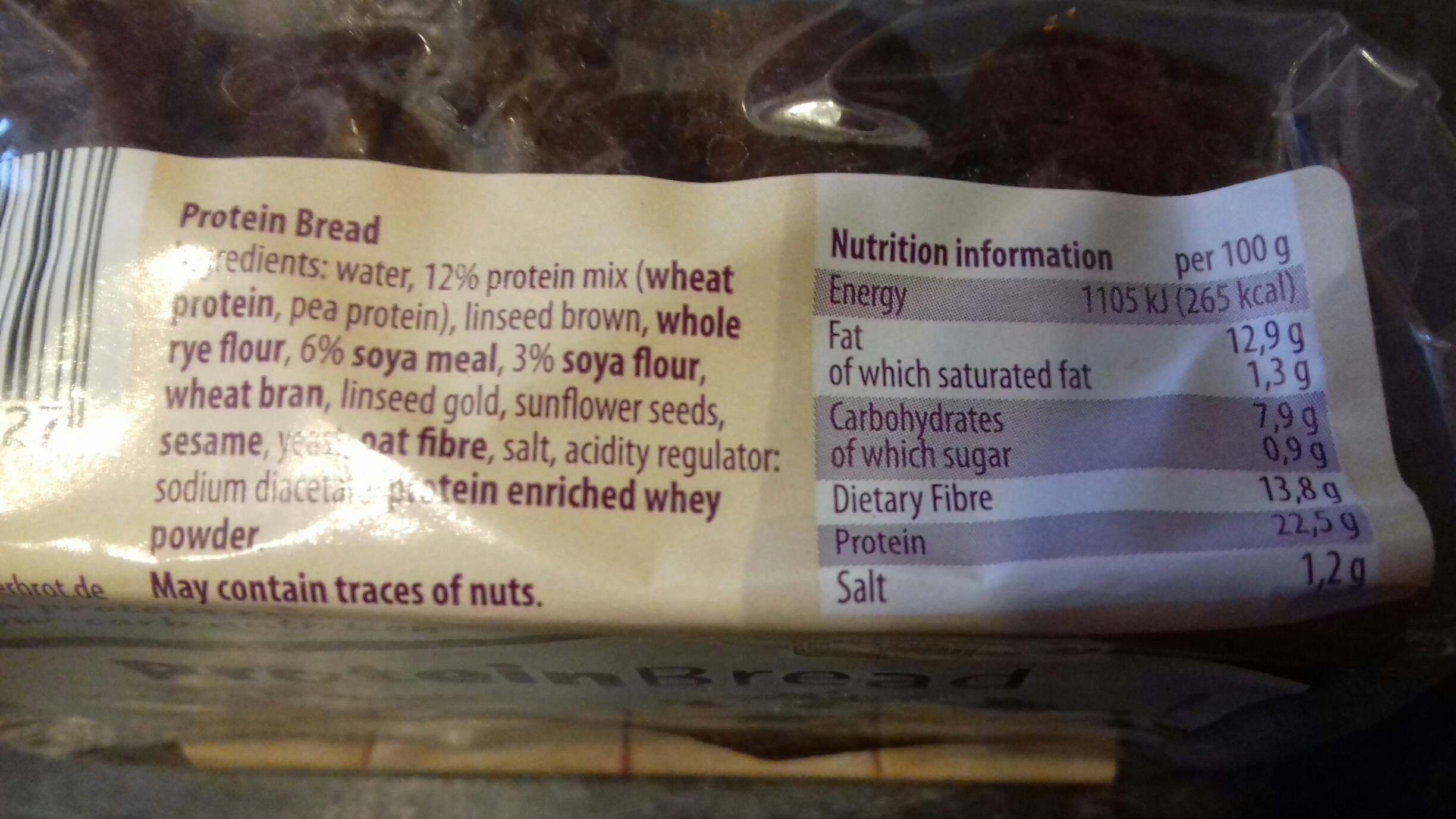
But bread. Bread! Ask many people on the LCHF way of life what they miss most, and we are willing to bet it’s bread. Yes, you can make low-carb bread (and we offer a recipe here), but it is expensive to make. This protein bread I found in Asda is made by Scheidner Brot, and it has about 4g of carbs per slice, 7g of fibre and 11g protein. Best of all, it does actually resemble bread – albeit it’s more similar to that heavy rye bread, sometimes called black bread. This packet cost me £1.50. Okay, it does have a lot of ingredients (our low-carb bread recipe, for example, has six things in it) and it’s not suitable for coeliacs, but still…

Ah, the possibilities that open up in front of me are endless! Toast with butter and Marmite! Toast with peanut butter and sliced cucumber… You need the cucumber because peanut butter is claggy, and the cucumber cuts through it. Or what about a healthy dollop of egg mayonnaise? Some chicken liver pate would be nice too, and there is always cheese on toast with a little dash of Worcestershire sauce. You can freeze it in slices for convenience.

I’m in bread heaven!

Whistle while you work

A_Day_in_the_Life_of_a_Wartime_Housewife-_Everyday_Life_in_London,_England,_1941_D2366


Physical exercise improves your sense of wellbeing but different intensities give different results.

Healthy adults were tested after doing various types of exercises and activities and compared how they felt.

Office work and driving a car were considered light intensity and were associated with  an improved mood.

Housework or walking  were considered moderate activities and not only improved mood but reduced pain, in those that suffered this.

Doing nothing reduced people’s moods.

Journal of Health Psychology doi:10.1177/1359105317691589

Adapted from article in Human Givens Vol 1 2017