Reblogged on WordPress.com – a great low-carb cheesecake recipe from our friends at beatcancer! (7g carbs per serving).
Month: Nov 2015
Happy Thanksgiving!
 We have a sizeable American audience so Happy Thanksgiving if you’re celebrating the occasion with your friends and family today.
Thanksgiving means… well, a lot of food of course and a lot of carb-laden options.
Candied yams, pumpkin pies and stuffings made with breadcrumbs etc.
Of course, you can’t be perfect all the time when trying to stick to a low-carbohydrate diet, but if you do want some low-carb versions of your favourites, here they are…
Butternut Squash Soup – a favourite starter made lower-carb by the good folks at Atkins.
On the same website, there’s a great recipe for green beans, which can be served as an accompaniment to the roast turkey.
Lowcarbdiets has a stuffing recipe which uses low-carb bread, vegetables and seasoning to create a lower-carb version of this roast turkey accompaniment.
Still with Lowcarbdiets, the site also includes a pumpkin pie recipe which has roughly 8g of carbohydrate per serving so you don’t need to miss out on this seasonal speciality.
Finally, Mark’s Daily Apple has a whole host of delicious sounding recipes – from wild mushroom soup with vegetable confetti, devilled eggs, zucchini (courgette) and squash gratin to scallops wrapped in bacon and crab bisque. Check out the full range here.
As it so happens the Thanksgiving meal isn’t a million miles away from the typical British Christmas menu, so hopefully our British readers will find some inspiration for their own Christmas cooking.
Inhaled Insulin
A story on a Minneapolis news website caught our eye this week – it was the story of a New Richmond man who is using inhaled insulin at meals instead of boluses through his pump.
The insulin inhaler – Afreeza – is used instead of injected insulin boluses to cover meals.
Software developer Trevor Schug who was diagnosed with type 1 diabetes last year said he had started using the inhaled insulin this year and he had found that it gave him better control of his blood sugar levels.
On the news website, he said that he felt the inhaled insulin was absorbed into the blood stream more quickly and that it didn’t stay in your system as long, whioch was another bonus as far as he was concerned.
Schug explained that when he would take extra insulin through his pump, it sometimes lingered in his system too long after a meal.
Endocrinologist Dr Mark Stesin said dosing was not as precise for inhaled insulin, which might not make it as suitable for everyone.
The inhaled insulin isn’t recommended for people who smoke or who have recently stopped, or anyone who has chronic lung disease or asthma.
How to Help People Who Can’t Afford Insulin
 From time to time I expect you feel pretty miserable about having diabetes. Especially about these interminable injections…
Diabetes for everyone is a life sentence. But for some poor people in developing countries, parents cannot afford insulin for both a diabetic child and food for the rest of the family. Hard choices have to be made.
Insulin for Life
The insulin for life organisation aims to help. They will ship your unwanted but in date insulin or other things such as lancets and test strips to those who would die without it. They also help coordinate insulin supplies to disaster struck areas.
It is an Australian-based organisation whose president is Ron Raab. Ron has been a type one diabetic since he was 12 just like Dr Richard Bernstein. He became one of Dr Bernstein’s patients and reversed many of his longstanding diabetes complications (read his success story here ).
Insulin for Life is the website for the organisation that has affiliates in the US, Europe and the UK.
The InDependent Diabetes Trust
This is the UK organisation who will send your donated insulin to Insulin For Life.
Please send your no longer needed insulin – unused vials or cartridges and in date in a jiffy bag to:
Jenny Hirst
IDDT
PO Box
Northampton
NN1 4XS
The IDDT is a charity whose staff and membership is formed by diabetics and by those caring for diabetics. They aim to listen and support your needs.
They have an excellent website with articles of interest to insulin users about many different aspects of diabetes at: www.iddtinternational.org
Enquiries can be sent by e mail to: enquiries@iddtinternational.org
The IDDT was formed from original members of Diabetes UK who were not being supported in their needs and preferences for animal insulins. Unlike Diabetes UK they receive no funding from pharmaceutical or food manufacturers.
Thanks to the political lobbying that IDDT have continued for years the UK still manufactures animal insulins. These are obtained and purified from pigs and cows that have been slaughtered for their meat.
A small variety of long acting, short acting and mixed duration animal insulins are available in pen cartridge formulations and vials from Wockhardt Pharmaceuticals. These can be shipped overseas.
Prescriptions for the insulins and pens are available from your UK GP in the usual way. A GP however may want a diabetologist to approve.
Quick Quiz:
1. Unopened and in date insulin vials and cartridges that you no longer need can be put to good use by two of these…
a Pharmacies
b Diabetes UK, the ADA or your equivalent national diabetes organisation.
c Insulin for life.
d The IDDT.
Have you got it?
1. C and D are correct. IDDT in the UK will send it to Insulin for Life who will arrange for worldwide distribution. Please send insulin with at least three months to go to expiry. You can read more about this organisation and how you can help on this site.
Venison Stew – Slow Cooker
After a sunny, dry and mild September and October, normal Scottish autumn weather has resumed… Rain, winds and dark, dreary days are once more upon us.
The consolation is a stew – warm, delicious and extremely comforting. I love stew so much I’d eat it in the height of summer anyway, but it does seem so fitting for this time of year. I’ve used venison here, but you could substitute this with beef or lamb instead (choose cuts that needs long, slow cooking).
I’ve suggested three to four servings – three is best for greed purposes. Serve this with steamed cauliflower and broccoli. You can also make fake mashed potatoes with steamed cauliflower – recipe here.
Venison Stew
 600g venison (choose the meat that needs long, slow cooking)
- 2 small onions, very finely diced
- Three medium-sized carrots, peeled and cut into big chunks
- 4 cloves garlic, crushed
- 2-3 sticks of celery, chopped
- 100g streaky bacon
- 1/2tbsp salt
- 1tbsp freshly ground black pepper
- 1tbsp Herbes de Provence
- 1tbsp fresh rosemary, finely chopped
- 11/2 tbsp cornflour

- Put the venison in a Ziplock or equivalent plastic bag with the salt, pepper, corn flour, and herbs and shake well so that all the meat is coated in the flour.
- Put the meat and the rest of the ingredients in a slow cooker and mix well. Cover the ingredients with water (remember, the vegetables will leak out water as they cook too, so you only need the water to just cover the ingredients.
- Set the slow cooker to low and leave for seven to eight hours. (Remember that taking the lid off a slow cooker adds another 20 minutes to the cooking time.)
Serve and enjoy.
(If you don’t have a slow cooker, then prepare the meat as in stage 1, then place in a large casserole dish with the rest of the ingredients and add water. You’ll need a little more than if you were using a slow cooker but basically add enough water to cover all the ingredients. Cover the dish with a lid and cook at 150 degrees C (130 fan) for three to four hours – until meltingly tender.)
This recipe has 21g of carbs per serving and 5g of fibre if serving three, and 15g of carbs and 3.75g of fibre for four. If you leave out the cornflour, you’ll reduce the carb count by a further 6-7g per serving – but a thick, juicy sauce is a marvellous thing…
Obesity in children needs a whole family approach

Obesity in children is mainly determined by the parents. Although single genes only account for 2% of childhood obesity, your chances of being obese are a massive 70% if both parents are affected, 50% if one is affected and only 10% if your parents are not obese.
Health care researchers have identified the most important messages for the whole family.
5 fruit and vegetable portions a day
3 structured meals a day
2 hours maximum screen time a day
1 hour minimum exercise a day
0 sweetened drinks a day
Success for the child depends on how successful their own parents are in losing weight and keeping it off. The parents must buy into a change in lifestyle or their child will not get a benefit. Eating healthy meals, mainly at home, and avoiding the fast food and snacking culture are important.
Pre-schoolers and their families are best helped by group classes but for adolescents individual therapy works best.
Based on BMJ Learning module. Most research is was based in Canada.
NEW – ‘How To’ Course for Diabetics
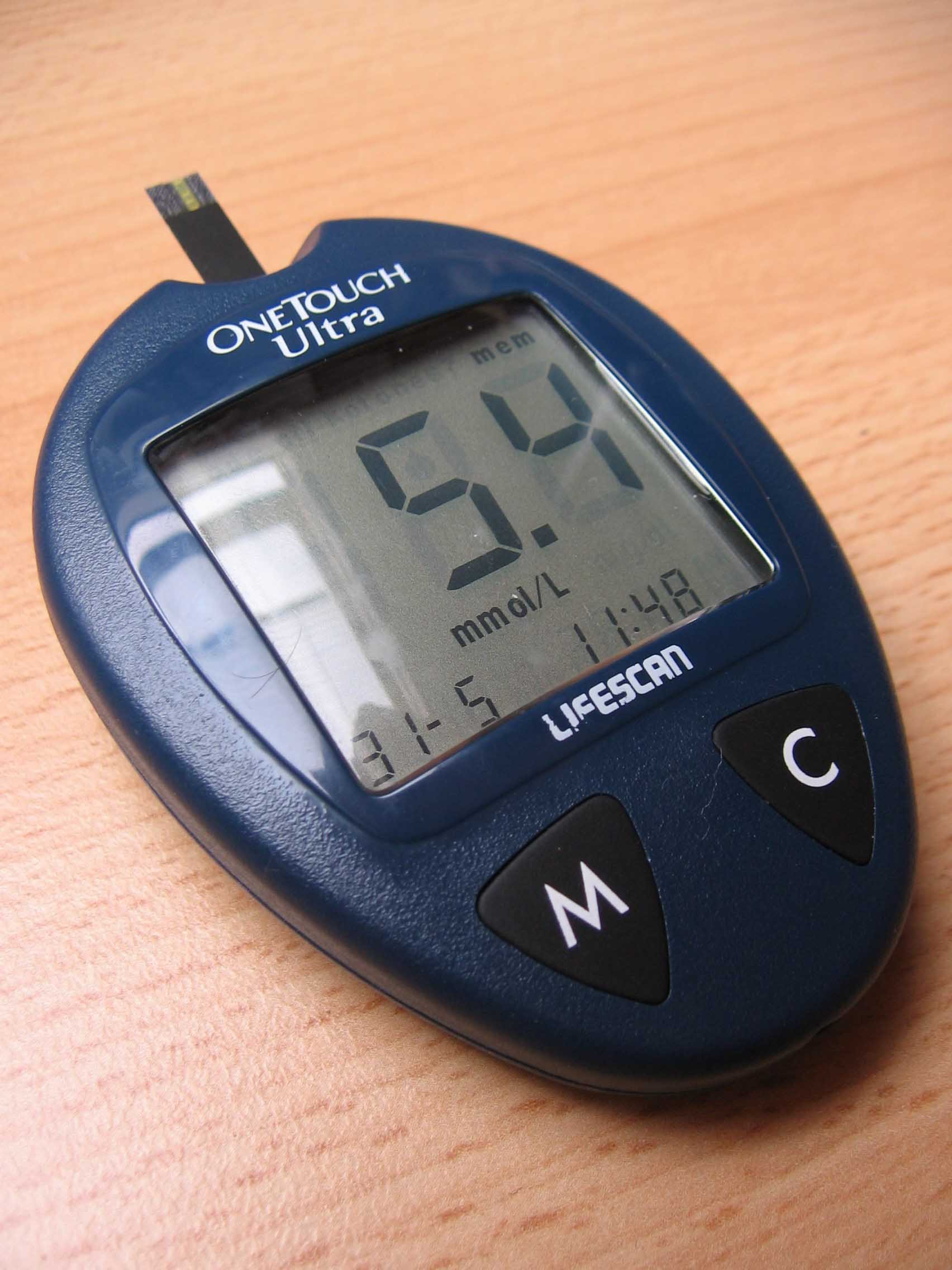
Here at the Diabetes Diet, we’ve added some e-learning options for you. The ‘How to’ course written by GP Dr Katharine Morrison is an extensive learning resource suitable for anyone with diabetes (type 1 or 2, or gestational diabetes) and anyone who cares for those people, and it’s aimed at helping you improve your diabetes.
Although personal coaching at diabetes clinic occurs, there are often gaps in what would make that all-important difference to individuals. By following this course you will have all the advantages of the many tips and clearly set out steps to improvement that have been directly tested by other people with diabetes.
As you work your way through the course you will quickly realize that a reduced-carbohydrate diet is highly recommended. This is key to stabilising and then normalising blood sugars. In turn, this can reduce hunger if your aim is to lose body fat or improve metabolic control if you suffer from any of the glucose metabolism disorders.
The ‘How to’ course is available here, or through navigation from the top menu.
Can shared decision making thrive in the current medical culture?

According to a Cochrane review patients are much more satisfied and have better health outcomes when their health care decisions are made in the context of full information and free choice. Patients said that “being in control” was what they most cherished.
At the present time the NHS doesn’t really support true shared decision making and options are likely to become even more limited with a shortage of doctors and strain on budgets. There also is considerable conflict when it comes to following guidelines which are designed for populations rather than individuals. Should a doctor really let the patient take the consequences of their individual choice or would they just be putting themselves at risk from a General Medical Council hearing?
Yet, not all patients want the most expensive treatments. When given full options a fifth of patients decided to avoid or defer surgery for instance.
What is meant to happen is that patients get given option grids with all the risks, benefits and uncertainties of possible investigations and treatments. They are then asked, “What is the most important thing to you?” and then the doctor is meant to guide the patient accordingly.
Take bowel cancer screening. Currently all 50 year olds get sent a pack for this along with their birthday cards. Nice that someone remembers eh? They then get given the usual barrage of one sided messages about how bowel screening is really easy and could save your life.
If you care to look at this in more depth bowel cancer screening gives a total mortality benefit of six days to the screened population. The main problem is bowel perforation which occurs in 1 in 800 procedures. This is more likely to happen when going round the bends of the bowel. Diagnosis of this can be delayed. Presumably with the shared decision making model all this is taken into account and the patient gets a truly informed choice.
Breast screening and statins are similarly pushed with considerable information asymmetry in the NHS. There is no total mortality benefit to women from breast screening or statins yet that does not stop them being promoted. Not much has changed regarding how health care information is put across to patients in decades. An authoritarian stance is taken by the health care promoter and the patient is treated like an idiot.
With shared decision making it is likely that less money would be spent on useless investigations and treatments. If someone particularly wanted to avoid breast cancer “at all costs” they may be happy to be able to have screening perhaps more frequently than occurs at present, or perhaps they may be offered bilateral mastectomy. Many women would however decline to have mammography and that would be a saving not only for the procedure but for the unnecessary surgery and treatments that follow.
Shared decision making certainly doesn’t occur in diabetic clinics. The high carb / low fat diet is a product of “politics based medicine” rather than “evidence based medicine”. Shared decision making is not for everyone. There will always be people and situations were doing what a doctor thinks is best is the most appropriate option.
But for a lot of non-acute health issues it is appropriate. I can only hope that shared decision making doesn’t wither on the vine but a large shift in medical culture will be needed before it becomes regular practice.
Based on BMJ Learning module by Alf Collins.
Eight Quick Dips

Tomato Base:
4 large, ripe tomatoes
1 heaped tsp of tom puree
½ tsp brown sugar
a few drops of sherry vinegar
olive oil
Method
Chop tomatoes until pulpy, add all ingredients escept oil, stir and then drizzle oil over.
Variations
Herby – add chopped oregano and basil to taste.
Spicy – add a large splash of tabasco, 1 tsp Worcestershire sauce and a good sprinkling of celery salt.
Sweet and chunky – stir in 2 heaped tbsp caramelised red onion relish, a chunk of diced cucumber and a few slices of green jalapeno.
Piquant pepper – chop 4 Peppadew peppers, a handful of black olives and add to the tomato base along with some chopped parsley.
Speedy salsa – add 1 chopped tomato, cut into chunks, along with 1 finely chopped red onion, the juice of 1 lime and a small bunch of chopped coriander.
Creamy base:
150g plain yoghurt
85g mayonnaise
salt and black pepper
Method
Mix all ingredients together thoroughly.
Sweet roasted garlic – roast the unpeeled cloves from ½ a garlic bulb with a drizzle of olive oil for 15 min at 190C/170c fan/gas 5. Peel, crush then stir into the base.
Blue Cheese – chop 50g Dolcelatte into small chunks, stir into base, making sure that cheese is well incorporated.
Thai – style – slice 2 spring onions into fine slivers, mix into base then swirl in 2 tbsp sweet chilli sauce.
Turkey Burgers – Low Carb
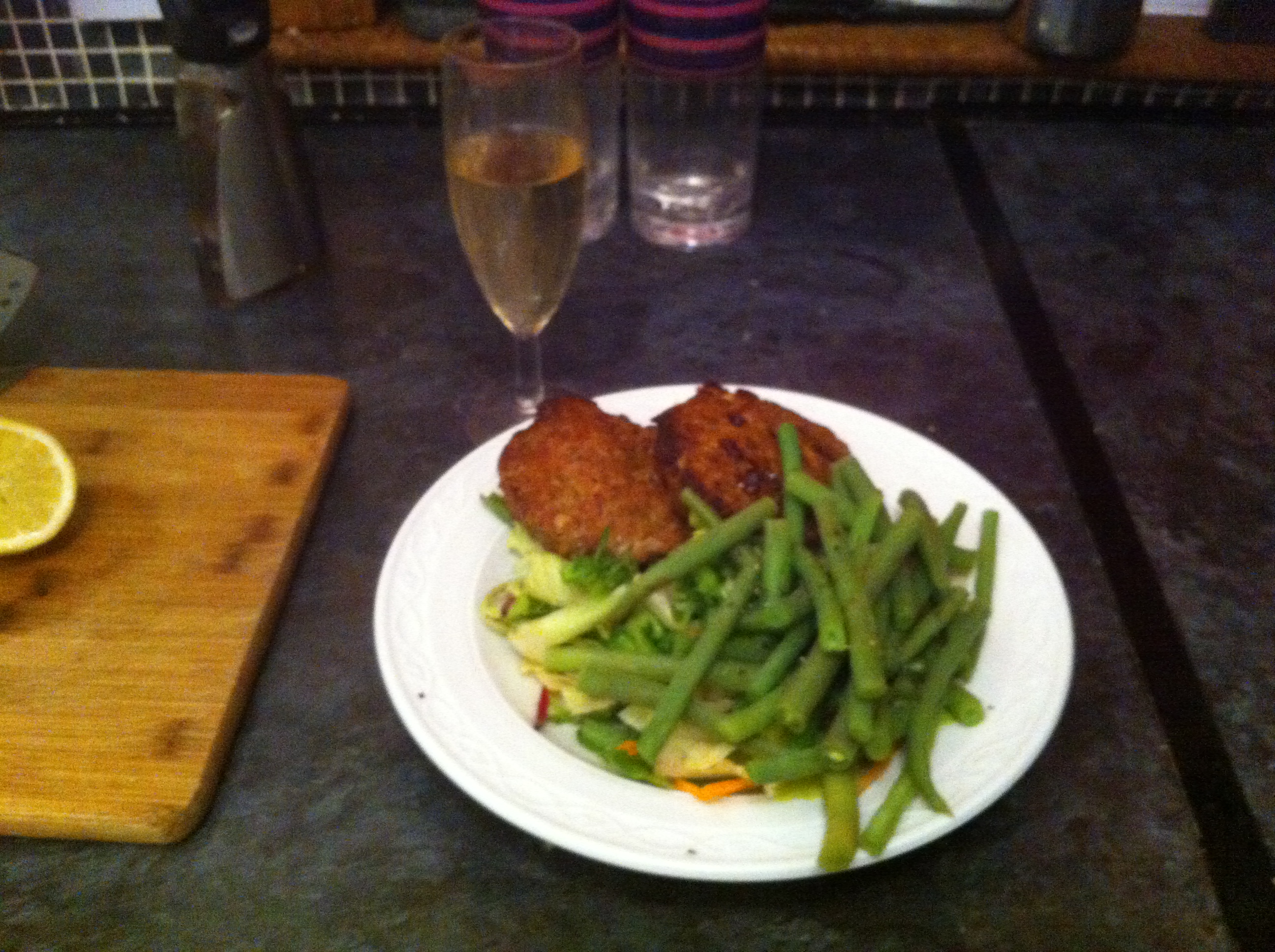
Fresh from the triumph of the turkey curry, the Diabetes Diet’s love affair with turkey mince continues… Step forward the turkey burger.
The secret of a good turkey burger (or any burger, come to think of it) is plenty of seasoning and this recipe certainly delivers. For added oomph, you could add in some dried chilli flakes but you will probably find you get a nice little kick from the ground black pepper.
Turkey Burgers
- 500g turkey mince
- 1 small onion, very finely chopped
- 2 cloves garlic, crushed
- 1tbsp freshly grated ginger
- 1tbsp Worcestershire Sauce
- 2tbsp Soy or Tamari sauce
- 2tbsp finely chopped parsley
- 1tbsp freshly ground black pepper
- Pre-heat the oven to 180 degrees C.
- Put all the ingredients in a mixing bowl and mix well. It’s easiest to do this with your hands – cleaned of course. You’ll get a fairly wet mixture.
- Shape into four burgers and place on a baking tray. Cook in the oven for 20-25 minutes, turning the burgers over half-way through. You want them to be nicely browned.
- Serve with a big salad and some cooked vegetables. Fizz optional…
Each burger has roughly 6g of carbs and 2g of fibre. For a low-carb bun option for your burger, check out cavemanketo.
 Diabetes Diet