Kris Kresser: Should you skip breakfast to lose weight?

Does Skipping Breakfast Help with Weight Loss?
on May 9, 2017 by Chris Kresser 

Is breakfast really the most important meal of the day? Researchers have been trying to answer that question for years, particularly as it relates to achieving a healthy weight. Read on to learn what the latest randomized clinical trials are telling us, and whether intermittent fasting is really an effective weight loss strategy.
While intermittent fasting has been lauded for its health benefits, including promoting cellular maintenance and protecting against aging and neurodegenerative diseases, popular wisdom maintains that skipping breakfast is bad for you. Often labeled as the most important meal of the day, breakfast is said to “boost metabolism” and reduce hunger. But is this really true? Mounting evidence suggests that eating three meals a day may not be important for weight loss.

In this article, we’ll explore the evidence for and against eating breakfast with all its nuances, including an ancestral approach, the problems with association studies, a review of the biochemistry of intermittent fasting, and relevant results from randomized controlled trials.
Did our ancestors eat breakfast?

The truth is, it’s hard to know for sure, but it’s thought that most hunter–gatherers ate intermittently depending upon food availability. (2, 3) Loren Cordain, founder of the Paleo diet, writes:
“The most consistent daily eating pattern that is beginning to emerge from the ethnographic literature in hunter–gatherers is that of a large single meal which was consumed in the late afternoon or evening. A midday meal or lunch was rarely or never consumed and a small breakfast (consisting of the remainders of the previous evening meal) was sometimes eaten. Some snacking may have occurred during daily gathering, however the bulk of the daily calories were taken in the late afternoon or evening.” (4)
It appears that the three-meals-a-day paradigm was not adopted until the Agricultural Revolution around 10,000 years ago. Frankly, the fact that we eat three times a day is somewhat arbitrary and seems to be based on when it was most convenient to eat during farm work and harvest. (5)

Most studies regarding breakfast consumption and obesity are association studies. And while there is undeniably an association between a lean body type and breakfast consumption, correlation does not imply causation, and many of these association studies have been inappropriately used to shape recommendations for weight loss.
Because “eat breakfast” is such popular health advice, people who are committed to their health are more likely to eat breakfast. They are also likely to avoid smoking, manage stress, and eat more fruits and vegetables, all things associated with a healthier weight. Breakfast eaters tend to be leaner, but this doesn’t mean that they are lean because they eat breakfast.

Luckily, in the last few years, several research groups have sought to use randomized controlled trials (RCTs) to answer the question “does eating breakfast cause weight loss?” Let’s take a closer look at the studies and what they found.
In one of the first RCTs in 1992, researchers separated 52 moderately obese adult women based on their normal breakfast habit (whether they ate or skipped breakfast regularly) and then randomly assigned half of each category to a breakfast group and half to a no-breakfast group. In their results, they reported a trend suggesting that women who had to make the most substantial changes to their initial eating habits achieved more weight loss. Essentially, habitual breakfast skippers tended to do a bit better when they had to eat breakfast, and habitual breakfast eaters tended to do better when they had to skip breakfast. (10) Unfortunately, when this result was cited by other studies and the media, it was widely misconstrued. First, the researchers only observed a trend for this interaction effect, meaning that it did not reach the level of statistical significance (p < 0.06, for those familiar with statistics). Second, the study was widely reported in the scientific literature as having shown that eating breakfast led to weight loss, even though the authors never concluded anything of the sort. Unfortunately, poor reporting of this study shaped scientific and popular opinion for several decades.
The belief that breakfast is important for weight loss prevailed, despite a few smaller studies that found that skipping breakfast had no effect or even a potential beneficial effect on weight loss.

In 2013, Cornell researchers performed a randomized crossover study in 24 undergraduate students and found that skipping a meal did not result in energy compensation at later meals and that it might even be an effective means to reduce energy intake in some people. (11)

In 2015, researchers in the UK performed a similar study with a week-long intervention in 37 participants and concluded that “there is little evidence from this study for a metabolic-based mechanism to explain lower BMIs in breakfast eaters.” (12) However, these studies were both relatively short-term compared to the 1992 study and didn’t receive as much attention.
In 2014, as part of the Bath Breakfast Project in the UK, 33 obese adults were randomly assigned to a breakfast group or no-breakfast group for six weeks. (13) The breakfast group ate slightly more calories but was also a bit more physically active. The no-breakfast group ate fewer calories over the entire day but was also slightly less active and had slightly more variable glucose levels in the afternoon and evening at the end of the trial. Body mass and fat mass did not differ between the two treatments, and neither did indexes of cardiovascular health. Contrary to the popular notion that breakfast “boosts metabolism,” resting metabolic rate did not differ between the groups. Breakfast also did not provide any significant suppression of energy intake later in the day. It seemed like the evidence was mounting against popular belief.
Finally, in the largest long-term, multisite clinical trial to date, researchers attempted to settle the debate once and for all. They randomized 309 obese adult participants to a breakfast group or no-breakfast group for 16 weeks. They reported in the American Journal of Clinical Nutrition:
“A recommendation to eat or skip breakfast for weight loss was effective at changing self-reported breakfast eating habits, but contrary to widely espoused views this had no discernable effect on weight loss in free-living adults who were attempting to lose weight.” (14)
Over 92 percent of subjects complied with the recommendation they were given, but it had no impact on weight loss. They also separated individuals based on their baseline breakfast habit and found no interaction between initial breakfast habit and success of the intervention. This is directly contrary to the near-significant interaction found by Schlundt and colleagues in 1992 and was a much larger study.

But wait, does a bowl of cereal and toast with jam have the same effect as an egg omelette, greens, and a sweet potato? Food quality matters more than food quantity, right? Yep. When “breakfast” is lumped into one big category, there’s not conclusive evidence for or against it, (15) as we saw in the previous section. But researchers have looked at different types of breakfast and weight loss as well, with some intriguing results.
In 2015, a study in China found that obese teenagers ate less at lunchtime if they had an egg breakfast compared to a bread breakfast. The egg breakfast was reported to increase levels of satiety hormones, keeping them full for longer. The egg breakfast group also had significantly more weight loss. (16) Sounds pretty good to me! Unfortunately, there wasn’t a “no-breakfast” group in this study, so it’s hard to know how the egg breakfast would have compared to intermittent fasting.
Researchers in Missouri performed a randomized trial in 2015 with three different groups. They randomly assigned 57 breakfast-skipping teens to a cereal-based breakfast (13g protein), an “egg-and-beef rich” breakfast (35g protein), or to continue skipping breakfast. They found that the egg-and-beef breakfast led to voluntary reductions in daily food intake and reduced reported daily hunger. It also prevented fat mass gains over the 12-week study. (17)
The truth is, most of the studies above (that found no effect of breakfast) were likely based on a typical high-carbohydrate breakfast, a la the Standard American Diet. It would be very interesting to see the metabolic response to breakfast omission in a group of healthy individuals eating a nutrient-dense, evolutionarily appropriate diet.

What about fasting in relation to exercise for weight loss? In the fed and fasted states, we preferentially oxidize (“burn”) different substrates to produce energy. Could exercising in one state or the other provide benefits for weight loss? In 2012, researchers in London performed a crossover study, monitoring food intake and energy expenditure in 49 participants during one week with breakfast and one week skipping breakfast. They found that total energy intake, energy expenditure, and activity levels did not differ between conditions. (18)
A study in Japan in 2014 used a randomized crossover design with eight male subjects, all of whom were habitual breakfast eaters. The subjects were instructed to eat or skip breakfast, and the researchers measured their energy expenditure during the day. Interestingly, they found that breakfast skipping did not affect energy expenditure, fat oxidation, or the thermic effect of food if you looked at the entire 24-hour period (similar to the previous study), but it did change the rhythm over the course of the day.

When people skipped breakfast, energy expenditure was lower during the morning but higher during the evening and sleep than those who ate breakfast. Breakfast skipping increased fat oxidation and reduced carbohydrate oxidation in the morning relative to breakfast eating and increased carbohydrate oxidation during the evening. (19)
Following up on this study, a crossover study in Korea in 2015 tracked 10 obese male college students. For one week, they ate before their morning workout. The second week, they ate breakfast after their morning workout. Their results? The fasted workout caused the men to burn more body fat, but it also increased levels of the stress hormone cortisol after exercise relative to the fed workout. (20)

While burning body fat is beneficial to weight loss, large rises in cortisol are not. It should be noted that these participants were not adapted to fasted exercise and that “fat-adapted” people might have a smaller cortisol response to fasting.
What do these studies tell us? Well first, the thermic effect of food in the morning, a common argument for why we should eat breakfast and “boost our metabolism,” is a myth. Over the total course of a day, total energy expenditure does not change. They also suggest that morning fasting might be a great time for a fat-burning workout, as long as it’s not too stressful on your body.

When you eat, the hormone insulin is released from your pancreas to the bloodstream and shuttles glucose (carbohydrate) into muscles and other tissues, where it is used for energy production. Excess glucose is converted to fat and stored in the adipose tissue. When you fast, the hormones glucagon and cortisol stimulate the release of these fatty acids from adipose tissue into the bloodstream. The fatty acids are taken up by the muscles and other tissues and broken down (oxidized) to produce cellular energy. In this concerted manner, the body switches from utilizing carbohydrates to fats as its primary fuel and ensures a constant source of energy to the body.
This is all good and rosy, as long as the body can actually make this metabolic switch. In the scientific literature, this is called “metabolic flexibility,” (21) though you may be familiar with it as “fat-adapted.” People who are “fat-adapted” are more accurately “metabolically flexible,” meaning that they can easily switch from oxidizing carbohydrates in the fed state to oxidizing fat in the fasted state, and vice versa.

On the other hand, people who are said to be “carb-adapted” are “metabolically inflexible,” meaning that they are constantly burning carbohydrates and have trouble switching to fat oxidation. These people still release fatty acids from adipose tissue to the bloodstream but have lost the capacity to oxidize fatty acids in the muscle and other tissues. The accumulation of lipids due to reduced fatty acid oxidation has been hypothesized to cause insulin resistance, (21) and a low ratio of fat to carbohydrate oxidation has been identified to be a good predictor of weight gain. (22)
The phenomenon of metabolic inflexibility may explain some of the results of breakfast studies. Most of the participants in these studies were individuals eating an evolutionarily inappropriate Standard American Diet with large amounts of refined carbohydrates three times a day. If, all of a sudden, you instruct these “carb-adapted” people to skip breakfast, you’re asking for a blood glucose crash and insatiable hunger by lunchtime. In reality, most people who want to try intermittent fasting transition do so gradually by slowly increasing the time between meals, allowing the body to adapt and restore metabolic flexibility.
This may explain why prior breakfast habits have an effect in some studies. Researchers at the University of Colorado studying 18 overweight women found that the adverse effects of skipping breakfast were restricted to habitual breakfast eaters. While habitual breakfast eaters who skipped breakfast had increased blood lipids, insulin, and free fatty acid responses at lunchtime, habitual breakfast skippers who skipped breakfast had none of these effects. The authors concluded that meal skipping may have enhanced effects in habitual breakfast eaters due to entrainment of metabolic regulatory systems. (23)
So, skipping breakfast might not cause weight loss in the short term, but if over the long term it allows your body to “reset” and restore metabolic flexibility and insulin sensitivity, you may ultimately see some weight loss benefit. This is especially true if you’re also improving the overall quality of your diet. A low-fat diet reduces your body’s ability to release fatty acids from adipose tissue and oxidize them in the muscle, (24) while a high-fat diet increases the ability to use fat for energy in muscle and thus improves metabolic flexibility. (25, 26)
Summing it up: should you fast, or break-fast?
If you’re overwhelmed by this quantity of research, you’re not alone. Researchers have been struggling to find consensus on this topic for decades. If you glazed over some of it, here are the major takeaways from this article:
Hunter–gatherers probably only ate one large meal later in the day.
You cannot trust association studies. Correlation does not equal causation!
When all breakfast is lumped together, skipping or eating breakfast has no apparent effect on weight loss.
If you separate out different types of breakfasts, a protein-rich, fiber-rich breakfast seems to confer the most benefits.
Eat before or after exercising depending on your health status and goals. Skipping breakfast will optimize fat metabolism during your morning workout, but it may also spike your cortisol levels.
Most of the individuals in these studies were “carb-adapted” individuals eating a Standard American Diet. It would be interesting to see how the results might differ in “fat-adapted,” metabolically flexible individuals eating a nutrient-dense Paleo diet.
And that’s it!

If anything is clear from this consortium of research, it is the need for individualized nutrition. I’ve written several articles and spoken on my podcast previously about why intermittent fasting (IF) may not work for everyone. If IF works for some people (they lose weight) and is detrimental to others (they gain weight), and these people are all lumped together, we’ll see a net zero change in weight.
So how do you know if intermittent fasting is right for you? Try an n=1 experiment: eat or skip breakfast for a period of time, and notice how it affects your weight, mood, productivity, gut function, and other factors. Transition slowly if necessary, by eating your first meal of the day later and later each morning. There are some predictors of success with fasting, but only you can really know if IF works well for you.


BMJ: Adults are just as likely as children to get type one diabetes

Over 40% of new type one diabetics are over the age of 30 at the time of diagnosis.

Richard Oram from Exeter University said, “The assumption among many doctors is that adults presenting with the symptoms and signs of diabetes will have type two, but this misconception can lead to misdiagnosis which can have serious consequences”.

Clues to the person having type one can be failure to control blood sugar with tablets and the person being of a slim build.

The study was done by looking at the genetic biomarkers of over 13 thousand patients who had developed the disease before the age of 60.

BMJ 9 December 2017

Artificial Sweeteners

As a blogger, I get sent press releases regularly. Most of the time, they’re irrelevant (I got a lot of financial information because a media directory had mistakenly classified me as a financial journalist) but I get the odd one that reflects my interests and what I write about.

Recently, the subject line Artificial Sweeteners linked to weight gain, metabolic syndrome, and metabolic dysfunction caught my eye. Our book and blog contain recipes that use artificial sweeteners. The internet abounds with blogs and posts that say ‘no’, but offer up little in the way of compelling evidence.

Anyone remember the Gulf War syndrome caused by diet coke conspiracy theory? (The authorities later dismissed consumption of overheated aspartame as a cause.)

Examine.com which offers an independent, objective and unbiased assessment of nutrition and supplements, provides this recent exploration of artificial sweeteners and their effects.

The press release I received came from the Medisys Health Group in Canada. As they say, sensationalist headlines about sweeteners aren’t new. The average Canadian consumes 88 pounds of sugar from all sources a year – more than four times the daily recommended sugar limit from the World Health Organization.

If excessive, long-term consumption of sugar leads to obesity, type 2 diabetes, high blood pressure and cholesterol levels, cancer and more, are artificial sweeteners the answer?

I don’t use them in my cooking, but I get a dose of sweeteners daily thanks to my love of soft drinks; Diet Coke, mainly, but also squashes, diet tonic and chewing gum. These are all sweetened with what are called non-nutritive sweeteners (such as saccharin, acesulfame, aspartame and sucralose).

As the press release notes, health implications for them are inconclusive and overall, the ones available on the market are considered safe for regular or occasional consumption. Where the press release says we should be cautious is that they don’t retrain the taste buds, and then can make naturally sweet foods like fruit taste less appealing. There is some research that suggests that artificial sweeteners can increase blood sugar levels and trigger the insulin response*.

The Medisys Group recommends you limit or avoid artificial sweeteners, and focus on whole, unprocessed foods instead, a stance we support at the Diabetes Diet.

MY FEELINGS – I get the sugar retraining aspect, though many of the recipes in our book and on our blog do taste a lot less sweet than their sugary equivalents. The research doesn’t yet convince me that I need to give up diet drinks (though the plastic argument could and should win me over).

As for using it in recipes, sugar is by far the most harmful substance to people with diabetes. If making cakes, puddings and biscuits with artificial sweeteners and low-carb ingredients keeps you away from it, is that not the best solution? We promote low-carb, not primarily as a way of losing weight but of keeping blood sugars steady and therefore making diabetes easier to manage.

Read the full release, including a breakdown of the research into metabolism, sweeteners and losing weight etc., here. You can also read the Diet Doctor’s analysis of sweeteners and which ones have the least impact on your blood sugar control, here.

*I’ve never experienced this as a result of drinking diet sodas. 

BMJ: Continuous glucose monitoring in pregnant women halves adverse birth effects

Freestyle libre

Adapted from the BMJ article by Susan Mayor 23 Sept 17

A study has shown beneficial effects in type one pregnant patients. One in two babies born to such women have complications such as prematurity, stillbirth, congenital anomalies, and being too big. These are due to high blood sugar levels in the womb and there has been no reduction in these in the last 40 years.
Denise Feig, the author of the study, based at the University of Toronto, says, “Keeping blood sugar levels in the normal range during pregnancy for women with type one diabetes is crucial to reduce risks for the mother and child. As insulin sensitivity varies through the pregnancy adjusting insulin accurately is complex. Since our results have come through we think that continuous blood sugar monitoring should be available to all type one women.”
In the international study 325 women who were planning a pregnancy or pregnant took part. Two thirds were randomised to get the monitors and the rest had standard treatment. Large newborns were halved and so was neonatal intensive care admissions and hypoglycaemia. Women had a small but significant reduction in HbA1c. They had more time in the normal blood sugar range and hypoglycaemia was not increased.
The extra cost of the monitors could be offset to some extent by the reduced cost of medical care after the birth.

Lifestyle changes add up to a longer life

Adapted from an article by James Hamilton in the Herald 14th October 2017

If you want to improve your life expectancy you can do the sums and see just how much extra time you can have according to Scottish researcher Dr Peter Joshi.
Obesity levels are now three times more than in the 1980s. At that time six percent of men and eight percent of women were affected. This has spurred an Edinburgh team to look into the genes affecting longevity in families and the lifestyle factors that affect life span in individuals. The old nature/ nurture debate again. Overall 600,000 people were tested and their family histories explored.
When it comes to longevity the balance comes down much more to lifestyle than your genes.
Educate yourself: add a year to every year educating yourself beyond school. That’s really like going to university for free. You get the time back at the other end!

Graduated!.jpg
Get slim: add a year for every surplus stone you lose. Diabetes complications is the main factor in causing the reduced life expectancy.
Stop smoking or don’t start: add seven years to your life if you don’t smoke those 20 cigarettes a day.
Praise the parents: some people have a gene that improves their immune function giving an extra six months life expectancy.
Blame the parents: Addiction to drugs and alcohol are somewhat genetically based.
Blame the parents (again): A gene that affects cholesterol reduces lifespan by about eight months.

The full report is the journal Nature Communications.

Which medicines work most effectively for diabetic neuropathy?

What treatments can improve pain and quality of life?

This comprehensive report was first published in April 2017 by Diabetes in Control and discusses what old and new medicines work for diabetic neuropathy and importantly which ones don’t.

Pharmaceutical Products and Drugs
Diabetic neuropathy is a nerve disorder that the National Institute of Diabetes and Digestive and Kidney disease estimates affects about 60 to 70% of diabetic patients in some form, with the highest rates of neuropathy occurring in patients who have had diabetes for over 25 years.

Although diabetic neuropathy can affect almost any organ in the body, the most common type of diabetic neuropathy is peripheral neuropathy. Peripheral neuropathy, which is often worse at night, results in tingling, numbness, and pain occurring in the hands, arms, fingers, legs, feet, and toes.

The best way to prevent diabetic neuropathy is keeping glucose under control and maintaining a healthy weight, but for those who experience this painful condition, finding the best relief can often be difficult and confusing.
Building upon a previously published study from 2014, a new systemic review was conducted to “systemically assess the effect of pharmacological treatments of diabetic peripheral neuropathy (DPN) on pain and quality of life” plus a search of PubMed and Cochrane Database of systemic reviews (reviews from 2011 – March 2016).
A total of 106 randomized controlled trials were used in the final systemic review, including trials analyzed by the previously published study. Only two medications, duloxetine and venlafaxine, had a moderate strength of evidence (SOE) compared to the low strength of evidence found with the remaining 12 study medications. As a class, serotonin-norepinephrine reuptake inhibitors (SNRIs) was found to be an effective treatment for diabetic neuropathy with the most commonly reported adverse effects of dizziness, nausea, and somnolence. Venlafaxine and tricyclic antidepressants were also determine to be effective at relieving pain compared to placebo using the previous analysis’ data.

Pregabalin was determined to be effective at reducing pain compared to placebo but found to have a low SOE due to the inclusion of four unpublished studies causing potential bias. Pregabalin, as well as the other anticonvulsants included, had adverse effects of dizziness, nausea, and somnolence.

Oxcarbazepine was also found to be an effective neuropathy pain reliever compared to placebo.
Atypical opioids have a dual mechanism of action, norepinephrine reuptake inhibition and mu antagonism, which aids in a class wide effective pain relief compared to placebo, and more specifically tramadol and tapentadol were found to be effective vs placebo. The most common adverse effects reported for opioids were constipation, somnolence, and nausea.

The last medication that was determined to be an effective pain reliever of diabetic neuropathy compared to placebo was botulinum toxin

Gabapentin, using five randomized controlled trials, was determined at two different doses to be ineffective at treating pain when compared to placebo. Other agents that were determined to be ineffective treatments for diabetic neuropathy were typical opioids (oxycodone), topical capsaicin 0.075%, dextromethorphan, and mexiletine.

Practice Pearls:
Pregabalin, oxcarbazepine, and tapentadol have shown to be effective vs placebo at relieving pain due to diabetic neuropathy and are also FDA approved for this indication.
Serotonin-norepinephrine reuptake inhibitors may be a good choice for relief of diabetic neuropathy pain and have the additional benefit of relieving depression that is commonly associated with diabetic neuropathy
Additional studies are needed to assess long-term pain relief effectiveness.

References:
“Nerve Damage (Diabetic Neuropathies) | NIDDK.” National Institutes of Health. U.S. Department of Health and Human Services. Web 05 April 2017
Julie M. Waldfogel, Suzanne Amato Nesbit, Sydney M. Dy, Ritu Sharma, Allen Zhang, Lisa M. Wilson, Wendy L. Bennett, Hsin-Chieh Yeh, Yohalakshmi Chelladurai, Dorianne Feldman, Karen A. Robinson. “Pharmacotherapy for diabetic peripheral neuropathy pain and quality of life”. Neurology, 2017; 10.1212/WNL.0000000000003882 DOI: 10.1212/WNL.0000000000003882
 
Mark T. Lawrence, RPh, PharmD Candidate, University of Colorado-Denver, School of Pharmacy NTPD


BMJ: Continuity and individualised care matter more to patients than guidelines

old woman walking

By Martin Rowland and Charlotte Paddison
Adapted from article in BMJ 18 May 2013
As the population rises more people are living with multiple medical conditions. These can be diabetes, rheumatoid arthritis, macular degeneration, depression, cancer, coronary heart disease and dementia among others.

These cause complex health, emotional and social problems which make their management difficult, especially in socioeconomically deprived areas. A new model of care is needed to manage patients optimally in these circumstances.
Although this seems obvious, care seems to be moving in the wrong direction for these patients.
Evidence based guidelines are really geared to patients with single conditions. They don’t cater to someone who has multiple conditions. Over treatment, and overly complex surveillance and assessment routines result. Older, less well educated and less affluent patients cope particularly poorly with these regimes. Guidelines also fail to recognise that patients get more frail as they age. The burdens of illness and treatment are different for a 100 year old compared to a 50 year old.
An individualised regime for each patient needs to be developed to focus on what matters most to each one.
Unfortunately doctors often feel that they can’t deviate from a guideline for fear of criticism and litigation. Perhaps guidelines should only be applied when they are clearly being used in the patient’s best interests, instead of the doctor’s? Exception reporting is a mechanism that allows doctors to deviate from guidelines and maybe should be used more.
Medical training does not as yet focus on this sort of individualised care. Medicine of old age comes the closest.
Listening to patients is the key thing that can help a doctor understand what their needs and goals are. The most appropriate care can then be built around that. The biggest barrier to this seems to be the over emphasis on single conditions.  This prevents rather than enhances goal oriented care.
Longer consultations are needed to help guide patients talk about their needs and think through complex decisions.
Satisfaction and outcomes are improved if this can be achieved. Despite this patients still often complain that they never see the same doctor twice both in hospital and primary care. It is also particularly difficult to provide a good quality of care when a doctor does not  know the patient and does not see the patient for follow up.
Young adults say they want to see the same doctor 52% of the time, but this increases to over 80% in those aged over 75.  More than a quarter of patients however say they struggle to see the doctor of their choice. This seems to be getting worse over time rather than better. Perhaps this is due to nurses taking over a lot of the care regarding chronic illness. Doctors are also increasingly working part time and may be involved in other tasks other than direct patient care. Shift systems in hospitals limit continuity a great deal.
In primary care, advanced access schemes give faster access but at the expense of continuity of care.
Older patients are particularly keen on waiting a few days longer to see the GP of their choice. Booking systems need to allow for both access and continuity.
This can be improved by receptionists attempting to book patients with their “own” doctor rather than simply the first available. Two or three doctors can share lists and try to see each other’s patients if one is not available.  E-mail booking of doctors directly can help. E-mail consultations can help.  Time for these must be built into the working day. The number of doctors who deal with  particularly complex needs may need to be restricted. Monitoring continuity of care can help. What gets monitored tends to get done more often after all.
As guidelines need to become less important for patients with multi-morbidity, a doctor’s clinical judgement becomes more critical.  There can be squads of other health care professionals involved in a patient’s care and deciding what ones are necessary and what ones are not is a useful task.  As the need for the traditional UK General Practitioner is increasing, sadly, their availability and time commitments to patient care seem to be decreasing.

Kris Kresser: Why has the American approach to heart disease failed?

Why Has the American Approach to Heart Disease Failed?
on April 18, 2017 by Chris Kresser 

Tsimane 2

A recent New York Times article correctly suggests that diet and lifestyle changes are far more effective ways to prevent and treat heart disease than statins and stents. But what diet, and what lifestyle? Is it as simple as avoiding “artery-clogging saturated fat,” as the author suggests? Read on to find out why the American approach to heart disease has really failed.
Jane Brody wrote an article in The New York Times called “Learning from Our Parents’ Heart Health Mistakes.” She argues that despite decades of advice to change our diet and lifestyle in order to reduce our risk of heart disease, we still depend far too much on drugs and expensive procedures like stents.
She says:
Too often, the American approach to heart disease amounts to shutting the barn door after the horse has escaped.
To support this argument, she refers to a recent paper published on the Tsimane, an indigenous population in the Bolivian Amazon. The study found that the rate of coronary atherosclerosis in the Tsimane was one-fifth of that observed in the United States (and the lowest that has ever been measured). Nearly nine in 10 Tsimane had unobstructed coronary arteries and no evidence of heart disease, and the researchers estimated that the average 80-year-old Tsimane has the same vascular age as an American in his mid-50s.
I certainly agree with Ms. Brody so far, and her analogy that the American approach to heart disease amounts to shutting the barn door after the horse has escaped is spot on.
The problem is what comes next, as she attempts to answer the question of why the Tsimane have so much less heart disease than Americans:
Protein accounts for 14 percent of their calories and comes primarily from animal meats that, unlike American meats, are very low in artery-clogging saturated fat. [emphasis mine]
Does saturated fat “clog” your arteries?
Artery-clogging saturated fat? Are we still using that phrase in 2017?
As I’ve written before, on average, long-term studies do not show an association between saturated fat intake and blood cholesterol levels. (1) (I say “on average” because individual response to saturated fat can vary based on genetics and other factors—but this is a subject for another article.)
If you’re wondering whether saturated fat may contribute to heart disease in some way that isn’t related to cholesterol, a large meta-analysis of prospective studies involving close to 350,000 participants found no association between saturated fat and heart disease. (2)

Does saturated fat really “clog” your arteries?

Are “clogged arteries” the cause of heart disease?
Moreover, as Peter Attia eloquently and thoroughly described in this article, the notion that atherosclerosis is caused by “clogged arteries” was shown to be false many years ago:
Most people, doctors included, think atherosclerosis is a luminal-narrowing condition—a so-called “pipe narrowing” condition.  But by the time that happens, eleven other pathologic things have already happened and you’ve missed the opportunity for the most impactful intervention to prevent the cascade of events from occurring at all.
To reiterate: atherosclerosis development begins with plaque accumulation in the vessel wall, which is accompanied by expansion of the outer vessel wall without a change in the size of the lumen. Only in advanced disease, and after significant plaque accumulation, does the lumen narrow.
Michael Rothenberg also published an article on the fallacy of the “clogged pipe” hypothesis of heart disease. He said:
Although the image of coronary arteries as kitchen pipes clogged with fat is simple, familiar, and evocative, it is also wrong.
If heart disease isn’t caused by “clogged arteries,” what does cause it?
The answer to that question is a little more complex. For a condensed version, read my article “The Diet-Heart Myth: Why Everyone Should Know Their LDL Particle Number.”

For a deeper dive, read Dr. Attia’s article.
Here’s the 15-second version, courtesy of Dr. Attia:
Atherosclerosis is caused by an inflammatory response to sterols in artery walls. Sterol delivery is lipoprotein-mediated, and therefore much better predicted by the number of lipoprotein particles (LDL-P) than by the cholesterol they carry (LDL-C).
You might think that I’m splitting hairs here over terminology, but that’s not the case. It turns out that this distinction—viewing heart disease as caused by high LDL-P and inflammation, rather than arteries clogged by saturated fat—has crucial implications when it comes to the discussion of how to prevent it.
Because while it’s true that a high intake of saturated fat can elevate LDL particle number in some people, this appears to be a minority of the population. The most common cause of high LDL-P in Americans—and elsewhere in the industrial world—is almost certainly insulin resistance and metabolic syndrome. (I explain why in this article.)
And what is one of the most effective ways of treating insulin resistance and metabolic syndrome? That’s right: a low-carbohydrate, high-fat diet!
News flash: diets high in saturated fat may actually prevent heart disease.
Perhaps this explains why low-carbohydrate, high-fat diets (yes, including saturated fat) have been shown to reduce the risk of heart disease.
For example, a meta-analysis of 17 low-carb diet trials covering 1,140 obese patients published in the journal Obesity Reviews found that low-carb diets were associated with significant decreases in body weight, as well as improvements in several CV risk factors, including decreases in triglycerides, fasting glucose, blood pressure, body mass index, abdominal circumference, plasma insulin, and C-reactive protein, as well as an increase in HDL cholesterol. (3)
(In case you’re wondering, low-carb diets in these studies had a null effect on LDL cholesterol: they neither increased nor decreased it.)
Saturated fat is a red herring.
Instead of focusing so much on saturated fat intake, which is almost certainly a red herring, why not focus on other aspects of the Tsimane’s diet and lifestyle that might contribute to their low risk of heart disease?

For example:
They are extremely active physically; Tsimane men walk an average of 17,000 steps a day, and Tsimane women walk an average of 15,000 steps a day—and they don’t sit for long periods. Ms. Brody does mention this in her article.
They don’t eat processed and refined foods. We have been far too focused on calories and macronutrient ratios and not enough on food quality. We now know that hunter–gatherers and pastoralists around the world have thrived on both high-carbohydrate, low-fat diets (like the Tsimane, who get 72 percent of calories from carbohydrate) and low-carbohydrate, high-fat diets (like the Masai and Inuit).

But what all hunter–gatherer diets share in common is their complete absence of processed and refined foods.
Perhaps if we stopped focusing so much on the amount of fat and carbohydrate in our diet and started focusing more on the quality of the food we eat, we’d be better off.
And of course we also need to attend to the many other differences between our modern lifestyle (which causes heart disease) and the ancestral lifestyle (which prevents it), including physical activity, sleep, stress, light exposure, play/fun, and social support.
The Tsimane study illustrates exactly why an evolutionary perspective on diet, lifestyle, and behavior is so important. It helps us to generate hypotheses on what aspects of our modern way of life may be contributing to chronic diseases like atherosclerosis and gives us ideas about what interventions we need to make to prevent and reverse these diseases.

Thinking clearly: What is mindfulness all about?

Do you ever just wish you could get someone who knows virtually everything that’s known about the brain and quiz them about mindfulness? Well, I do – a lot – and I just got my wish!

It is my pleasure to present this interview with John McBurney MD. A practicing physician with of over 35 years’ experience, he is board certified in Neurology, Clinical Neurophysiology and Sleep Medicine. Dr. McBurney maintains a daily mindfulness meditation practice as well as home yoga practice.

Could you describe the neurological response to mindfulness practice?

Mindfulness practice ultimately comes down to the concept of neuroplasticity.

In mindfulness, in cultivating awareness of the breath and voluntary moment by moment awareness of the brain, we are training the brain – just like when you are learning to play the violin or any other complex skill – we are training to break out of those self-referential ruminative recursive mental states and to achieve an orientation toward the outer world and in the present moment rather than anticipating the future or reliving the past.

contemplative neuroscience mechanisms behind mindfulness

 Could we be losing something by focusing more on the external realities rather than the self?

Occasionally, we do hear of adverse experiences arising from mindfulness. With any robust intervention there are always potential risks.

How long does it take for mindfulness to have a noticeable effect?

The results can happen almost immediately, however, they are also cumulative. We are still figuring out what the minimum effective dose is. 

What is the relevance of the changes in functional connectivity in the brain in someone who has devoted  a monumental amount of time to meditation, such as Tibetan monks, who may put in more than 10,000 hours in to their practice, compared to the likes of you and me?

A very neat study was published by David Cresswell in Biological Psychiatry in 2016. They invited individuals with high level of stress, unemployed adults, to a weekend retreat experience. They were randomised to in 2 groups:

  • a 3 day mindfulness retreat (the treatment group) and
  • a 3 day relaxation retreat where they read stories, told jokes and had a good time (the control group).

The study was conducted in one centre over one weekend, so it is well controlled. Initially, both groups rated the interventions as being equally helpful to them, subjectively.

The researchers looked at the functional connectivity between the dorsolateral prefrontal cortex and the cingulate gyrus. They also looked at Interleukin-6, a known marker of inflammation, that has been previously shown to be elevated in stressed out unemployed people.

Even with this brief weekend mindfulness intervention, the treatment group developed increased connectivity between the dorsolateral prefrontal cortex and the cyngulate gyrus. There was a neuroplastic response even after a 3 day mindfulness retreat. This was also associated with a decrease in the marker IL-6. Even after 4 months, IL-6 was decreased in the treatment group, but in the control group, IL-6 levels continued to rise, independent of whether they managed to get a job or not.

This is also relevant to doctors, who are at high risk for burnout. Because of their work commitments, the mindfulness retreat for doctors was condensed from the standard 8 week model developed by John Kabat-Zinn to a weekend intervention. The question was: does the weekend model work? The research at the University of Wisconsin where this was developed was reassuring: the residents are less stressed out, more effective and have a greater level of satisfaction.

We still don’t know the absolute minimum dose, but it seems that a weekend of mindfulness can be life-changing for the brain.

Another paper published in PLOS ONE from the Benson-Henry Institute for Mind Body Medicine in Harvard looked at the practices such as meditation, prayer, mindful yoga, Tai-Chi, Qi Gong, etc, i.e. ones that elicit a relaxation response (as opposed the stress response).

This study showed that in both novice and experienced practitioners of relaxation response modalities, there were changes in the epigenetic transcription of the genome. There was upregulation of pathways associated with mitochondrial integrity, downregulation of inflammatory pathways, improved insulin-related metabolism and improved nitric oxide signalling.

Long term potentiation, the standard mechanism for memory formation, strengthens existing neural connections. This happens immediately, as you read this. Over time, long term potentiation leads to formation of new connections,through synaptogenesis, dendritic arborisation and neurogenesis i.e. brain structure changes. In turn, this affects the most neuroplastic neurons located in the hippocampus.

mindfulness minimum effective dose response neurology

In reference to this fascinating recent study of the fight or flight response, it seems plausible that breathing regulates our stress levels much more than conscious thought. Could you explain the significance of this in terms of mindfulness?

The ancients believed that emotions reside in the body. This comes up a lot in serious yoga classes.

This highly innovative study shows that the control of the adrenal medulla – the main effector of the stress response – is not from the conscious ruminating thinking centres, but by the motor and sensory cortex.

This explains why breathing, as well as yoga and Tai-Chi, are an important part of meditative practice. In my experience, these kind of interventions do affect the stress response in a beneficial way.

Mindful exercise exists in many form. For example, weightlifters need to be very mindful to maintain perfect form. Cycling is another example: it is vital to concentrate on every pedal stroke and maintain an even cadence. Once you start to day dream, you notice straight away that your output is way worse. This overlaps with the concept of flow. It is about getting in the zone. There is a very inspiring TED talk by Judson Brewer MD, Ph.D. that explains the physiology behind flow and how it is augmented by mindfulness. Mindfulness is work, and it does require discipline. There is a paradox here of non-striving and non-doing while also being disciplined.

You are a sleep medicine expert. Could you comment on the relationship between mindfulness and sleep?

Insomnia is a complex problem with many causes. However, for most people with idiopathic insomnia, the cause is these self-referential recursive ruminations. They aren’t able to “turn their brain off”. Through mindfulness practice, they are generally able to tame the default mode network that’s responsible for ruminating and daydreaming. A simple strategy would be to lie in bed and concentrate on the breath. This would ease the transition between wakefulness and sleep.

mindfulness default mode network neurological basis for the self

Mindfulness is a mainstay treatment for many mental health disorders. What about use of mindfulness in the treatment for organic pathology of the brain usually treated by neurologists?

There is some preliminary data that mindfulness training has a beneficial effect of seizure frequency in patients with epilepsy. It is a medical condition associated with tremendous anxiety and stress, so mindfulness could have a significant benefit in more than one way. It may even have a benefit it terms of remembering to take medication on time, etc.

Some robust studies show that the frequency of relapse in multiple sclerosis decreases with mindfulness intervention. The effect from mindfulness is similar in magnitude to the effect from beta-interferon. 

John Kabat-Zinn used to take the patients who suffered from chronic pain or had diseases for which we had no answer, and those patients got better. Even beyond neurology, there is some evidence that mindfulness can have benefits in psoriasis. We are probably only at the bottom of this mountain.

Dr McBurney has given me so much to think about. I will follow up with part 2 of our discussion that focuses more on the philosophical and life experience aspects of mindfulness once I wrap my head around it.

neurological path mindfulness default mode network adrenal medulla

Sheri Colberg: Joint health is critical to staying active

vGqfCBC

Joint Health Is Critical to Staying Active

Diabetes in Control

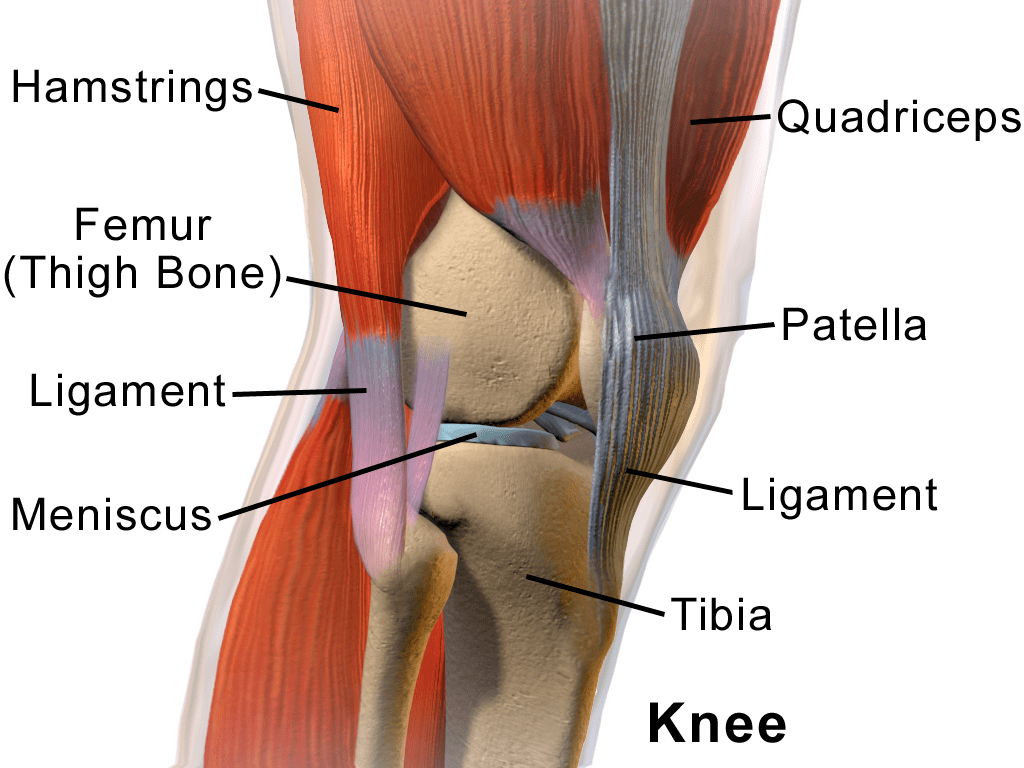
Without properly functioning joints, our bodies would be unable to bend, flex, or even move. A joint is wherever two bones come together, held in place by tendons that cross the joint and attach muscles to a bone on the other side and ligaments that attach to bones on both sides of the joint to stabilize it. The ends of the bones are covered with cartilage, a white substance formed by specialized cells called chondrocytes. These cells produce large amounts of an extracellular matrix composed of collagen fibers, proteoglycan, elastin fibers, and water. Tendons and ligaments are also made up primarily of collagen.

Joints can be damaged, however, making movement more difficult or painful. Joint cartilage can be damaged by acute injuries (i.e., ankle sprain, tendon or ligament tears) or overuse (related to repetition of joint movements and wear-and-tear over time). Damage to the thin cartilage layer covering the ends of the bones is not repaired by the body easily or well, mainly because cartilage lacks its own blood supply.

Aging alone can lead to some loss of this articular cartilage layer in knee, hip, and other joints—leading to osteoarthritis and joint pain—but having diabetes also potentially speeds up damage to joint surfaces. Although everyone gets stiffer joints with aging, diabetes accelerates the usual loss of flexibility by changing the structure of collagen in the joints, tendons, and ligaments. In short, glucose “sticking” to joint surfaces and collagen makes people with diabetes more prone to overuse injuries like tendinitis and frozen shoulder (1; 2). It may also take longer for their joint injuries to heal properly, especially if blood glucose levels are not managed effectively. What’s more, having reduced motion around joints increases the likelihood of injuries, falls, and self-imposed physical inactivity due to fear of falling.

Reduced flexibility limits movement around joints, increases the likelihood of orthopedic injuries, and presents a greater risk of joint-related problems often associated with diabetes, such as diabetic frozen shoulder, tendinitis, trigger finger, and carpal tunnel syndrome. These joint issues can come on with no warning and for no apparent reason, even if an individual exercises regularly and moderately, and they may recur more easily as well (3). It is not always just due to diabetes, though, since older adults without diabetes experience inflamed joints more readily than when they were younger.

So what can you do to keep your joints mobile if you’re aging (as we all are) and have diabetes? Regular stretching to keep full motion around joints can help prevent some of these problems, and also include specific resistance exercises that strengthen the muscles surrounding affected joints. Vary activities to stress joints differently each day. Overuse injuries occur following excessive use the same joints and muscle in a similar way over an extended period of weeks or months, or they can result from doing too much too soon.

Doing moderate aerobic activity that is weight-bearing (like walking) will actually improve arthritis pain in hips and knees (4). People can also try non-weight-bearing activities, such as aquatic activities that allow joints to be moved more fluidly. Swimming and aquatic classes (like water aerobics) in either shallow or deep water are both appropriate and challenging activities to improve joint mobility, overall strength, and aerobic fitness. Walking in a pool (with or without a flotation belt around the waist), recumbent stationary cycling, upper-body exercises, seated aerobic workouts, and resistance activities will give you additional options to try.

Finally, managing blood glucose levels effectively is also important to limit changes to collagen structures related to hyperglycemia. Losing excess weight and keeping body weight lower will decrease the risk for excessive stress on joints that can lead to lower body joint osteoarthritis (5). Simply staying as active as possible is also critical to allowing your joints to age well, but remember to rest inflamed joints properly to give them a chance to heal properly. You may have to try some new activities as you age to work around your joint limitations, but a side benefit is that you may find some of them to be enjoyable!

References:

  1. Abate M, Schiavone C, Pelotti P, Salini V: Limited joint mobility in diabetes and ageing: Recent advances in pathogenesis and therapy. Int J Immunopathol Pharmacol 2011;23:997-1003
  2. Ranger TA, Wong AM, Cook JL, Gaida JE: Is there an association between tendinopathy and diabetes mellitus? A systematic review with meta-analysis. Br J Sports Med 2015;
  3. Rozental TD, Zurakowski D, Blazar PE: Trigger finger: Prognostic indicators of recurrence following corticosteroid injection. J Bone Joint Surg Am 2008;90:1665-1672
  4. Rogers LQ, Macera CA, Hootman JM, Ainsworth BE, Blairi SN: The association between joint stress from physical activity and self-reported osteoarthritis: An analysis of the Cooper Clinic data. Osteoarthritis Cartilage 2002;10:617-622
  5. Magrans-Courtney T, Wilborn C, Rasmussen C, Ferreira M, Greenwood L, Campbell B, Kerksick CM, Nassar E, Li R, Iosia M, Cooke M, Dugan K, Willoughby D, Soliah L, Kreider RB: Effects of diet type and supplementation of glucosamine, chondroitin, and msm on body composition, functional status, and markers of health in women with knee osteoarthritis initiating a resistance-based exercise and weight loss program. J Int Soc Sports Nutr 2011;8:8


In addition to my educational web site, Diabetes Motion (www.diabetesmotion.com), I also recently founded an academy for fitness and other professionals seeking continuing education enabling them to effectively work with people with diabetes and exercise: Diabetes Motion Academy, accessible at www.dmacademy.com. Please visit those sites and my personal one (www.shericolberg.com) for more useful information about being active with diabetes.