Kris Kresser: Why has the American approach to heart disease failed?

Why Has the American Approach to Heart Disease Failed?
on April 18, 2017 by Chris Kresser 

Tsimane 2

A recent New York Times article correctly suggests that diet and lifestyle changes are far more effective ways to prevent and treat heart disease than statins and stents. But what diet, and what lifestyle? Is it as simple as avoiding “artery-clogging saturated fat,” as the author suggests? Read on to find out why the American approach to heart disease has really failed.
Jane Brody wrote an article in The New York Times called “Learning from Our Parents’ Heart Health Mistakes.” She argues that despite decades of advice to change our diet and lifestyle in order to reduce our risk of heart disease, we still depend far too much on drugs and expensive procedures like stents.
She says:
Too often, the American approach to heart disease amounts to shutting the barn door after the horse has escaped.
To support this argument, she refers to a recent paper published on the Tsimane, an indigenous population in the Bolivian Amazon. The study found that the rate of coronary atherosclerosis in the Tsimane was one-fifth of that observed in the United States (and the lowest that has ever been measured). Nearly nine in 10 Tsimane had unobstructed coronary arteries and no evidence of heart disease, and the researchers estimated that the average 80-year-old Tsimane has the same vascular age as an American in his mid-50s.
I certainly agree with Ms. Brody so far, and her analogy that the American approach to heart disease amounts to shutting the barn door after the horse has escaped is spot on.
The problem is what comes next, as she attempts to answer the question of why the Tsimane have so much less heart disease than Americans:
Protein accounts for 14 percent of their calories and comes primarily from animal meats that, unlike American meats, are very low in artery-clogging saturated fat. [emphasis mine]
Does saturated fat “clog” your arteries?
Artery-clogging saturated fat? Are we still using that phrase in 2017?
As I’ve written before, on average, long-term studies do not show an association between saturated fat intake and blood cholesterol levels. (1) (I say “on average” because individual response to saturated fat can vary based on genetics and other factors—but this is a subject for another article.)
If you’re wondering whether saturated fat may contribute to heart disease in some way that isn’t related to cholesterol, a large meta-analysis of prospective studies involving close to 350,000 participants found no association between saturated fat and heart disease. (2)

Does saturated fat really “clog” your arteries?

Are “clogged arteries” the cause of heart disease?
Moreover, as Peter Attia eloquently and thoroughly described in this article, the notion that atherosclerosis is caused by “clogged arteries” was shown to be false many years ago:
Most people, doctors included, think atherosclerosis is a luminal-narrowing condition—a so-called “pipe narrowing” condition.  But by the time that happens, eleven other pathologic things have already happened and you’ve missed the opportunity for the most impactful intervention to prevent the cascade of events from occurring at all.
To reiterate: atherosclerosis development begins with plaque accumulation in the vessel wall, which is accompanied by expansion of the outer vessel wall without a change in the size of the lumen. Only in advanced disease, and after significant plaque accumulation, does the lumen narrow.
Michael Rothenberg also published an article on the fallacy of the “clogged pipe” hypothesis of heart disease. He said:
Although the image of coronary arteries as kitchen pipes clogged with fat is simple, familiar, and evocative, it is also wrong.
If heart disease isn’t caused by “clogged arteries,” what does cause it?
The answer to that question is a little more complex. For a condensed version, read my article “The Diet-Heart Myth: Why Everyone Should Know Their LDL Particle Number.”

For a deeper dive, read Dr. Attia’s article.
Here’s the 15-second version, courtesy of Dr. Attia:
Atherosclerosis is caused by an inflammatory response to sterols in artery walls. Sterol delivery is lipoprotein-mediated, and therefore much better predicted by the number of lipoprotein particles (LDL-P) than by the cholesterol they carry (LDL-C).
You might think that I’m splitting hairs here over terminology, but that’s not the case. It turns out that this distinction—viewing heart disease as caused by high LDL-P and inflammation, rather than arteries clogged by saturated fat—has crucial implications when it comes to the discussion of how to prevent it.
Because while it’s true that a high intake of saturated fat can elevate LDL particle number in some people, this appears to be a minority of the population. The most common cause of high LDL-P in Americans—and elsewhere in the industrial world—is almost certainly insulin resistance and metabolic syndrome. (I explain why in this article.)
And what is one of the most effective ways of treating insulin resistance and metabolic syndrome? That’s right: a low-carbohydrate, high-fat diet!
News flash: diets high in saturated fat may actually prevent heart disease.
Perhaps this explains why low-carbohydrate, high-fat diets (yes, including saturated fat) have been shown to reduce the risk of heart disease.
For example, a meta-analysis of 17 low-carb diet trials covering 1,140 obese patients published in the journal Obesity Reviews found that low-carb diets were associated with significant decreases in body weight, as well as improvements in several CV risk factors, including decreases in triglycerides, fasting glucose, blood pressure, body mass index, abdominal circumference, plasma insulin, and C-reactive protein, as well as an increase in HDL cholesterol. (3)
(In case you’re wondering, low-carb diets in these studies had a null effect on LDL cholesterol: they neither increased nor decreased it.)
Saturated fat is a red herring.
Instead of focusing so much on saturated fat intake, which is almost certainly a red herring, why not focus on other aspects of the Tsimane’s diet and lifestyle that might contribute to their low risk of heart disease?

For example:
They are extremely active physically; Tsimane men walk an average of 17,000 steps a day, and Tsimane women walk an average of 15,000 steps a day—and they don’t sit for long periods. Ms. Brody does mention this in her article.
They don’t eat processed and refined foods. We have been far too focused on calories and macronutrient ratios and not enough on food quality. We now know that hunter–gatherers and pastoralists around the world have thrived on both high-carbohydrate, low-fat diets (like the Tsimane, who get 72 percent of calories from carbohydrate) and low-carbohydrate, high-fat diets (like the Masai and Inuit).

But what all hunter–gatherer diets share in common is their complete absence of processed and refined foods.
Perhaps if we stopped focusing so much on the amount of fat and carbohydrate in our diet and started focusing more on the quality of the food we eat, we’d be better off.
And of course we also need to attend to the many other differences between our modern lifestyle (which causes heart disease) and the ancestral lifestyle (which prevents it), including physical activity, sleep, stress, light exposure, play/fun, and social support.
The Tsimane study illustrates exactly why an evolutionary perspective on diet, lifestyle, and behavior is so important. It helps us to generate hypotheses on what aspects of our modern way of life may be contributing to chronic diseases like atherosclerosis and gives us ideas about what interventions we need to make to prevent and reverse these diseases.

BMJ: The PURE Study debunks the sat fat/heart disease hypothesis

cheese.jpg

The PURE study: Eating fat is associated with lower cardiovascular disease

From BMJ 9 Sept 17
PURE is a five continent observational study in relation to cardiovascular disease in mortality in almost 150 thousand people. It found that high carbohydrate intake was associated with a higher risk of total mortality whereas total fat and individual types of fat were related to a lower total mortality.
Total fat and types of fat were not associated with cardiovascular disease, myocardial infarction, or cardiovascular disease mortality, and the more saturated fat people ate the less strokes they had.
Like all observational studies correlation does not necessarily imply causation. The main message however is a series of negatives. There does not seem to be a connection between carbohydrate intake and cardiovascular disease, the association is with all- cause mortality. Perhaps high carbohydrate diets are simply a marker for poverty?
In contrast eating more fat, including saturated fat was associated with lower cardiovascular disease, meaning that we can abandon the saturated fat-cardiovascular disease hypothesis with some certainty.
So, what does “healthy food” look like?
A higher intake of fruit, vegetables and legumes was associated with a lower risk of non-cardiovascular and total mortality at three to four servings a day.
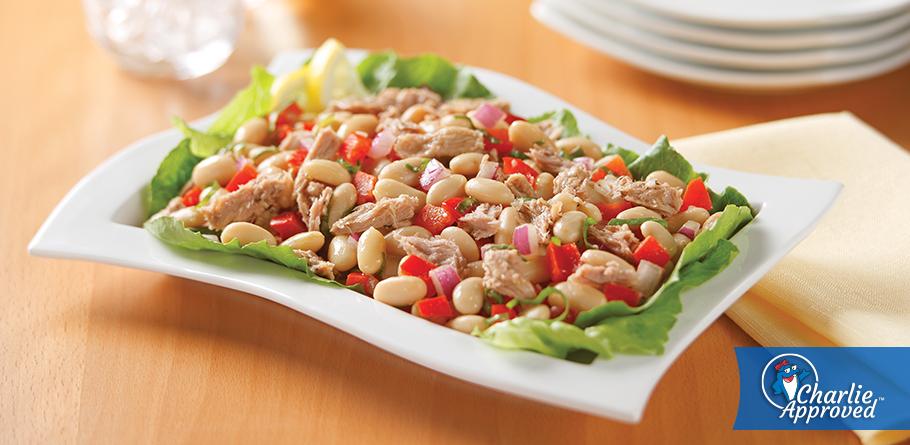
Great, says the author of this piece, Richard Lehman. His dream meal is cannelli beans and tuna salad with lots of olive oil, rib eye steak in butter, a salad, fruit, cheese and strawberries and cream.


RCGP: When could it be cancer?

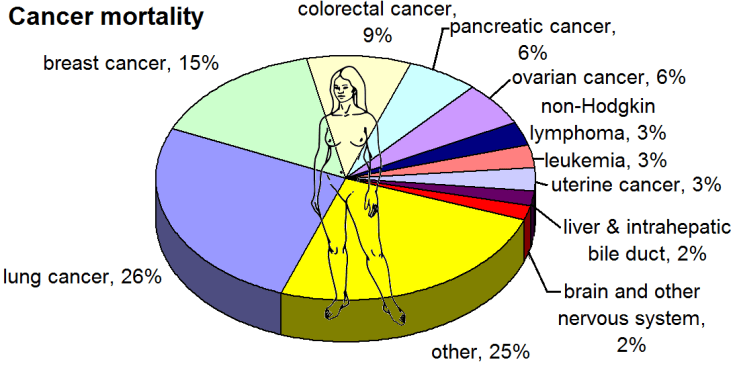
Most_common_cancers_-_female,_by_mortality

The UK cancer survival rates are poorer than in many developed countries. For instance 8.8% of lung cancer patients are alive 5 years after diagnosis compared to 18.4% in Canada. Delayed diagnosis is thought to be one of the factors involved. There are patterns of illness that have increased risk of underlying cancers.

Persistent or recurrent infection

Acute exacerbations of chronic obstructive pulmonary disease, that are repeatedly given antibiotics and steroids can be due to lung cancer. The common causative factor is cigarette smoking.  Recurrent urine infections being due to bladder cancer is another cause. If the patient had the antibiotics and fully recovered and then relapsed then it is probably another infection, but if they didn’t get better, then the possibility of a new cancer arises.

Constant pain

Musculoskeletal pain tends to vary with time, position and movement. Constant pain can be more sinister. Shoulder pain for instance can be due to a lung cancer in a smoker. Pain, most commonly in the shoulder, lower back and groin can be a presentation of cancer that has already spread.

Unusual age at diagnosis

People are often thought to be too young to be developing certain cancers. There is currently a big increase in the number of under 50s developing bowel cancer. The reason for this is not clear.

In older patients they may get sore heads, gut symptoms and back pain. Sometimes these are diagnosed as migraine, irritable bowel syndrome and muscular back pain.  When these “new” clinical diagnoses are made in older patients it is often best to investigate them with cancer in mind.

Infrequent attenders

People who attend infrequently are more likely to have a serious problem underlying their symptoms.

Negative first line investigations

A chest X ray is often thought to be a good test for example lung cancer. But in lung cancer one in four will not be revealed by a chest X ray and a CT scan will be required. If clinical suspicion persists the GP may need to do further tests.

Safety netting

Making sure all clinical staff such as nurses and phlebotomists as well as doctors safety net appropriately is necessary. Sometimes patients don’t attend for follow up blood tests or they assume their test results are normal when they are not. Follow up arrangements in the practice need to be robust.

Although NICE wants widespread investigation and referral when symptoms could indicate cancer at 1% to 3% of risk, we need to be pragmatic about how this can be done in today’s health service.

Adapted from Improving early diagnosis of cancer in UK general practice by Dr Ian Morgan and Professor Scott Wilkes published in BJGP June 2017.

Statins and diuretics increase diabetes risk

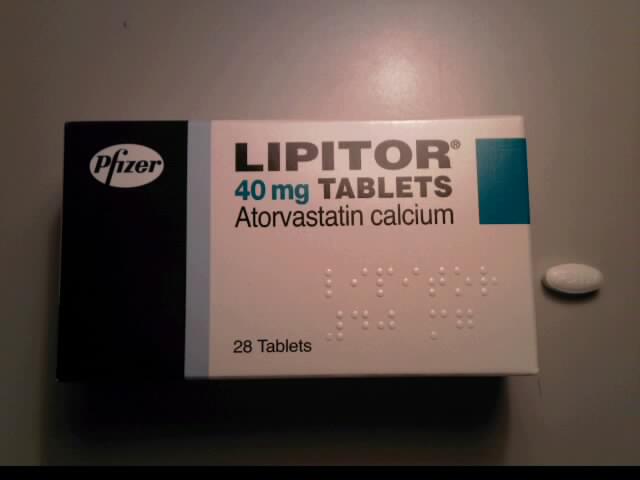
Atorvastatin40mg

People with impaired glucose tolerance are at increased risk of being tipped into diabetes if they take statins or diuretics. Beta blockers have no effect on diabetes risk.

One in 17 will get diabetes when they otherwise wouldn’t on diuretics and one in 12 would be affected with statins. The anti hypertensive beta blockers and calcium channel blockers had no effect.

Based on article in BMJ 4.1.14 on the NAVIGATOR study

Start ’em young


kid


A survey of UK school children has shown that children as young as nine and ten are already showing signs of markers for type two diabetes.

It is known that the more screen time a child has, whether this is computer games, video games or television, the fatter they get. There is a dose / response effect.

Insulin resistance also increases and also shows a dose / response effect. The surprise is how early the changes occur.

Achiv Dis Child doi:10.1136/archdischild-2016-312016

The link between hypoglycaemia, cardiac arrythmia, and dead in bed syndrome

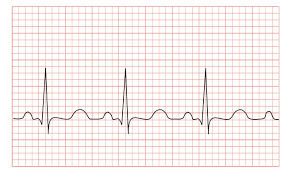
ecg


Arrhythmia incidents differ in nocturnal and diurnal hypoglycemic patients.

In young adults with type 1 diabetes (T1D), severe hypoglycemia may increase the risk of all-cause mortality and cardiovascular diseases.

According to Peter Novodvorsky, from the University of Sheffield in the United Kingdom, and his colleagues, there are differences in arrhythmic risk and cardiac repolarization during nocturnal versus daytime hypoglycemia. Hypoglycemia may exert proarrhythmogenic effects on the heart by sympathoadrenal stimulation and hypokalemia. The dysrhythmias induced by hypoglycemia have been associated with the “dead-in-bed syndrome,” a devastating condition that is rarely heard of. In this study, the effects of nocturnal and daytime clinical hypoglycemia are examined through electrocardiogram (ECG) in young people with T1D.

In an observational study, 37 participants were recruited from Sheffield Teaching Hospitals outpatient clinics with a median age of 34 years with T1D for at least four years. The purpose of this study was to examine the effect of clinical hypoglycemia in T1D patients age 50 or less and compare it with matched euglycemia on the frequency of cardiac arrhythmias, HRV, and cardiac repolarization.

Participants were told to avoid vigorous exercise, caffeine, and smoking 12 h prior to monitoring. Hypoglycemia awareness was assessed using a visual analog scale of 1 to 7. All subjects underwent 96 h of simultaneous  ECG and blinded continuous interstitial glucose monitoring (CGM) while continuing daily activities and symptomatic hypoglycemia were recorded.

The researchers obtained 2,395 hours of simultaneous ECG and CGM recordings with 159 and 1,355 hours designated hypoglycemia and euglycemia respectively. The median duration of hypoglycemia was longer during the night (60 min) than daytime (44 min) [P =0.020]. Overall, there were 24.1% of nocturnal and 51% of daytime symptomatic episodes respectively.

Bradycardia (low heart rate ) was more frequent during nocturnal hypoglycemia in comparison to matched euglycemia with an incidence rate ratio [IRR] 6.44 [95% CI, 6.26-6.66; P <0.001].

During daytime hypoglycemia, bradycardia was less frequent with an IRR 0.023 [95% CI, 0.002-0.26; P =0.002], while atrial ectopic was more frequent (IRR: 2.29; 95% CI, 1.19-4.39; P =.013). Moreover, during nocturnal and daytime hypoglycemia there was decreased T-wave symmetry, but prolonged QTc and T-peak to T-end interval duration.

The study confirmed that asymptomatic hypoglycemia commonly occurs in T1D. This causes abnormal heart rhythms and these are more abnormal at night, more frequent  and last longer.


Practice Pearls:

  • Hypoglycemia is pro-arrhythmogenic.
  • The study confirmed that there is high frequency of hypoglycemia, particularly of nocturnal asymptomatic episodes among young people with type 1 diabetes.
  • Hypoglycemia-induced mechanism is independent of the type of diabetes, age, or cardiovascular risk profile.

References:

  1. American Diabetes Association. 5. Glycemic targets. Diabetes Care. 2016;39 (Suppl. 1):S39–S46
  2. Nordin C. The case for hypoglycaemia as a proarrhythmic event: basic and clinical evidence. Diabetologia. 2010;53:1552–1561
  3. Novodvorsky P, bernjak A, Chow E, Iqbal A, Sellors L, Williams S, et al. Diurnal differences in risk of cardiac arrhythmias during spontaneous hypoglycemia in young people with type 1 diabetes. Diabetes Care. 2017, Feb 17.

From Diabetes in Control  18th March 2017


Lost to follow up diabetic patients do badly


DNA_Daily_News_and_Analysis_New_Logo.svg


People with diabetes who had annual diabetes checks in the previous seven years had half the mortality rate of those who did not attend. 

This study  in England and Wales for the National Diabetes Audit 2015-16 also revealed that type ones have a mortality rate 127.8% more than the general population and those with type two diabetes are 28.45 more likely to succumb earlier than they otherwise would.

My comment: These seem very disturbing figures especially for type ones. Of course type ones are still not being guided about having normal blood sugars. There could be a reverse causality here going on as well, with the least fit people, perhaps housebound or with amputations or with visual problems less able to attend clinics. In my area there is a good deal of effort put into tracking down children who don’t attend clinics, but once they move to the adolescent and adult clincs there does not seem to be the provision of liaison nurses to do outreach work. 


Adapted from news article BMJ 22 July 17


Buried Alive!

burried alive

Adapted from : Hysterical Paralysis and premature burial: A medieval Persian case, fear and fascination in the west, and modern practice. 

By Paul S Agutter et al Journal of Forensic and Legal Medicine April 2013

The fear of premature burial is ancient but reached its heights in 18th and 19th century Europe. The fear has a modern equivalent, the fear of organs being harvested from a living patient. The certainty of a diagnosis of death are of medical and public concern. The diagnosis of brain death remains controversial.  Although multimodality evoked potentials are considered the most accurate way of determining irreversible brain death, doubts remain as to whether any test of brain death can be infallible.

Public fascination remains widespread. Past cases occasionally surface, it is a fear that pervades literature and film, and various means of prevention have been mooted. Some cases involve hysterical paralysis and this article discusses a case of this which arose in Qajarid Persia.

A family  of tobacco farmers had a 14 year old girl. The mother went to waken her daughter to get her ready for a day of work on the farm. As she didn’t want to do this the girl refused but her mother forced her out of bed. Immediately, the girl fell back on the bed and remained motionless. Thinking that her daughter had stopped breathing, the mother started to shout and cry. Other household members came into the bedroom and were also convinced that the girl had no breath or pulse. Partly due to poverty and partly due to the difficulty in obtaining a doctor, the family considered the girl to be dead and arranged the burial.

The girl’s body was washed and anointed as was the custom. A wise old woman observed that there appeared to be some movement of the girls head and hand and urged the family to wait overnight to see if recovery would occur. She was overruled and the girl was buried.

The old woman did manage to convince the girl’s brother, so shortly after burial, he exhumed the body. He found her motionless and reburied her.

The next morning a neighbour came to the house saying that he had been disturbed by a dream that indicated that the girl was alive. After a lot of dispute, the grave was eventually opened up again in the afternoon.

This time, the girl was indeed dead, but she had changed her position, was now lying curled up on her front,  and had banged her head on the stone covering the grave when she had tried to untie her shoe ties.  A lot of blood had come from the head wound. A tragedy for the entire family.

cobra

Muslim burials are usually carried out within 24 hours of death and sometimes very soon after death.  This was no doubt a factor in this case.

Hysterical paralysis is not the only condition that can simulate death. Severe trauma, Guillain-Barre syndrome, acute polyneuropathies and the effects of a cobra bite can mimic death.

Cardiac arrythmias, typhoid fever, brain stem stroke, and infectious disease epidemics have led to premature burials in the past.

Even in the present day, natural disasters, occupational accidents and the effects of war can lead to entrapment.

Hysterical conversion disorders can cause apparent paralysis and somatosensory loss that are difficult to explain medically. Sufferers tend to have psychosocial and emotional difficulties. But genuine disorders such as poliomyelitis, relapsing tetanus, neurological diseases,  spinal injury, acute transverse myelitis and stiff-person syndrome can mimic hysterical conversion disorders.

Fortunately if you test a person who has a conversion disorder with multi-modality evoked potentials, they show up very much alive but with certain areas of the brain working differently from the usual pattern.

Retinopathy Update

eye-eyelashes-face-woman-63320.jpeg

American Diabetes Association Updates on Diabetic Retinopathy


Improvements in assessment and treatment of diabetic retinopathy position statement

Diabetic retinopathy (DR) is a complication of diabetes that affects vision.

High blood sugar levels can damage the blood vessels starving the retina of vital nutrients and oxygen resulting in blurry vision. Without appropriate treatment this condition may lead to complete vision loss.

The four stages of retinopathy range from mild non-proliferative diabetic retinopathy (NPDR) to moderate NPDR, to severe NPDR, to the most advanced stage – proliferative diabetic retinopathy (PDR).

DR is  a neurovascular complication of both type 1 and type 2 diabetes and its rate of occurrence depends on the level of glycemic control and the duration of diabetes.

Other risk factors associated with DR include hyperglycemia, nephropathy, hypertension, and dyslipidemia. Studies have proven that reduction in blood pressure (BP) decreases the progression of retinopathy in people with type 2 diabetes, but strict BP targets (systolic blood pressure of 120 mmHg vs. 140 mmHg) do not provide additional benefits. In another study, retinopathy progression was slowed in patients with dyslipidemia by adding fenofibrate, mainly in NPDR at baseline. In addition, several studies propose that pregnant patients with type 1 diabetes may exacerbate retinopathy with poor glycemic control during conception and may threaten their vision.

Optimization of blood glucose, blood pressure, and serum lipid levels in conjunction with appropriately scheduled dilated eye examinations can decrease the risk of vision loss from DR complications, but a substantial amount of those affected with diabetes develop diabetic macular edema (DME) or proliferative changes that require intervention. Large prospective randomized studies have shown that the use of intensive therapy could possibly prevent or delay DR with the goal of attaining near-normoglycemia. Although, intravitreal injection of anti–vascular endothelial growth factor agents may treat DME and PDR, it may threaten reading vision.

A meta-analysis study, conducted worldwide from 1980–2008 and consisting of 35 studies, predicted the global prevalence of DR to be 35.4% and PDR to be 7.5%. In developed countries, DR is mostly the cause of new cases of blindness among those 20 to 74 year old and eye disorders, such as glaucoma and cataracts, are frequently seen in diabetes patients. However, recent advancements in systemic therapy of diabetes have helped patients to improve their metabolic control. The statement incorporates these medical developments for the use of physicians and patients to aid in diagnosis and treatment of DR. It also provides an opportunity to improve glucose management and avoid or delay potential progression of the retinopathy.

The statement includes that screening recommendations for patients with diabetes depend on the rates of appearance and progression of DR and the associated risk factors. Ophthalmologist or optometrist examinations in patients with type 1 and 2 diabetes should be within 5 years after onset of diabetes and at the time of diabetes diagnosis, respectively. Women planning for pregnancy or who are pregnant with pre-existing diabetes should be examined before pregnancy or in the first trimester. In diabetes patients where no evidence of retinopathy is found, follow-up eye exams can be scheduled every two years. If any retinopathy is identified, then subsequent dilated-pupil retina exams are advised at least yearly, but more frequently if progressive retinopathy is diagnosed.

Fortunately, the cost-effectiveness of screening and traditional laser treatment for DR has been established with no more disputes. It is focused on telemedicine’s impact on the detection and eventual management of DR that appears to be most effective with lower ratio of providers to patients, with prohibitive distance to reach a provider, or when the alternative is no patient screening. The latest advancement in retinopathy treatment, anti-VEGF therapy has been taken into consideration, as they are more cost-effective than laser monotherapy for DME. Also, having retinopathy is not contraindicated with aspirin therapy for cardioprotection because studies suggest that aspirin does not increase the risk for retinal hemorrhage. Nonetheless, future studies are needed to determine the cost-effectiveness of anti-VEGF as a first-line treatment option for PDR.

Practice Pearls:

  • Optimize glycemic control, blood pressure, and serum lipids to reduce the risk or slow the progression of diabetic retinopathy.
  • Follow the screening recommendations for patients with diabetes for eye examination by ophthalmologist or optometrist.
  • The presence of retinopathy is not a contraindication to aspirin therapy for cardioprotection because aspirin does not increase the risk of retinal hemorrhage.

Reference:

Javitt JC, Canner JK, Sommer A. Cost effectiveness of current approaches to the control of retinopathy in type I diabetics. Ophthalmology 1989;96:255–264 42

Pasquel FJ, Hendrick AM, Ryan M, Cason E, Ali MK, Narayan KMV. Cost-effectiveness of different diabetic retinopathy screening modalities. J Diabetes Sci Technol 2015;10:301–307

Solomon SD, Chew E, Duh EJ, Sobrin L, Sun JK, VanderBeek BL, Wykoff CC, and Gardner TW. Diabetic Retinopathy: A Position Statement by the American Diabetes Association. Diabetes Care. Mar 2017; 40(3): 412-418.https://doi.org/10.2337/dc16-2641


What should happen to you if you are admitted to hospital with an acute illness?

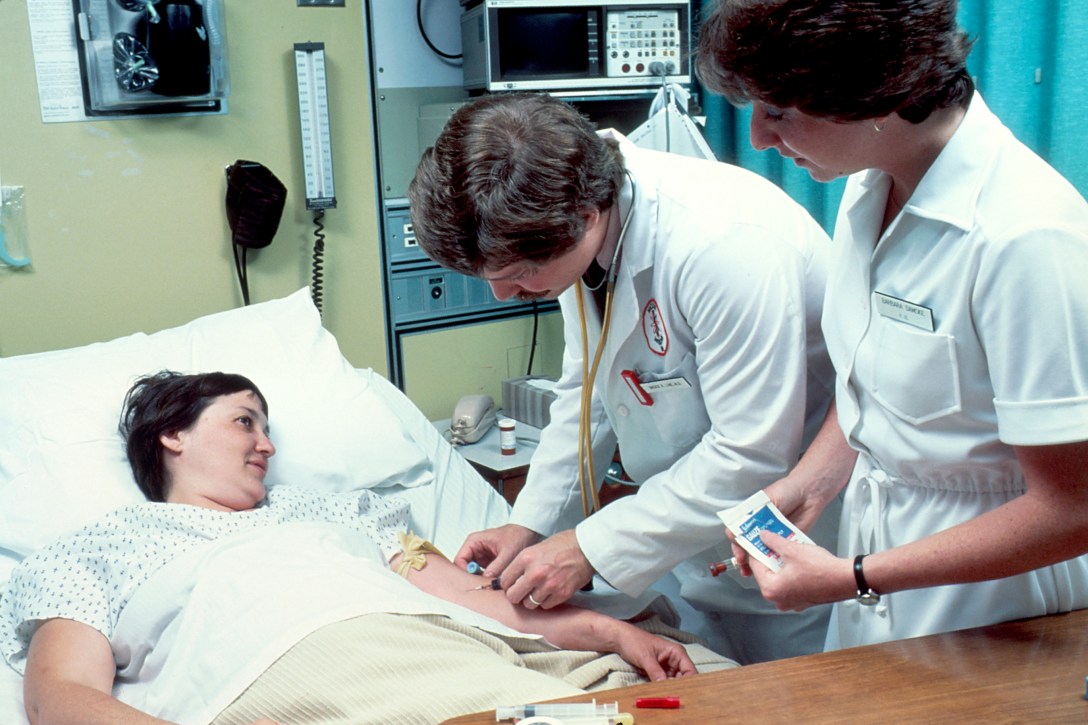
hospital

Adapted from BMJ 24 June 17 Managing adults with diabetes in hospital during an acute illness by Tahseen Chowdhury, Hannah Cheston and Anne Claydon.

Around one in five inpatient beds are occupied by someone who has diabetes. As patients, one in ten will have a severe hypo in hospital and in any one week, one in four will have an error made regarding their medication.

Poorly managed hyperglycaemia in patients with an acute illness do worse, stay in hospital longer and can even cause death. Blood sugars can be harder to manage because of the ongoing illness, erratic eating habits, changes to liver and kidney function, and changing medication, particularly starting and stopping steroids and metformin.   But here is no evidence that tight glycaemic control for hospital patients improves outcomes other than during cardiac surgery and liver transplantation.

The consensus is that blood glucose values between 6-10 mmol/L is probably optimal, given the need to prevent hypos, and that a range of 4-12 is acceptable.

The sorts of things that can cause high blood sugars in hospital are: sepsis, steroids, omission of insulin or oral hypoglycaemic medication, an overtreated hypo, stress and anxiety, surgery, a relative lack of insulin and long term poor glucose control.

In type one patients and type twos on insulin they should not stop their insulin even when fasted or when oral intake is poor.  At the very least basal insulin needs to be continued. The DAFNE plan is that blood sugars over 11 should be corrected by 2-6 units of rapid acting insulin and levels checked every 2 hours. Correction doses are advised not to be given at intervals more than every 4 hours to reduce insulin stacking.  Staff are advised to ASK THE PATIENT what they would normally do outside hospital.  

Treatment for diabetic ketoacidosis should be initiated if the blood ketone level is 3mmol/L or above.  In mild or moderate cases subcutaneous insulin may be used, but if severe, intravenous insulin will be needed.

When dealing with type two patients, where there is less risk of ketoacidosis, higher blood sugar levels may be acceptable over the short term. It is important to ask the patient if they are actually getting their correct medication. It is helpful to figure out exactly WHY the patient’s blood glucose is elevated, as this can be the clue to effective treatment, eg an ongoing urine infection.

Most hospitals have a diabetes liaison team and they can be particularly helpful in for instance surgical wards where staff may have less expertise in treating diabetic patients.

Insulin is sometimes required if a type two patient needs blood sugars stabilised promptly.  Doses will need frequent review as the patient becomes more active and eats more as they improve and as their condition returns to their normal state.

BMJ 2017;357:j2551