Can we humanise doctors’ working lives and all be safer?

NHS Hand-in: Department of Health
38 Degrees members deliver a petition of over 410,000 names to the NHS. Their message: Save Our NHS

The Kings Fund, new GMC chairman and Canadian researchers hope so. So do many practising doctors. With the workload pressures, lack of extra resources and retention and recruitment crisis doing nothing is no longer an option. We are very strong on patient education on our site, but no matter how smart we can be about managing our diabetes and associated conditions, there are inevitably times that we will need to see a doctor and go into hospital for some procedure. The better the whole system is running the better it is for patients.

John Toussaint, CEO of the USA ThedaCare Center for Healthcare Value, says that freeing frontline clinicians to solve problems rather than controlling or blaming them could yield major improvements in three years. Organisations should radically change their leadership behaviour, make respect for people a guiding principle and ensure that productivity improvements did not lead to employee lay-offs.”

“Redesigning care to take wasteful steps out of processes improve quality and lower costs at the same time. Leaders must act with humility, take a sincere interest in what their staff  are telling them, and build a culture of trust and systems geared to continuous improvement. Senior executives should scrap surplus strategic initiatives that are contributing to staff burn-out, focus on a few core goals, and give proper authority to clinical teams.  He said that Western Sussex Hospitals had adopted elements of his system and achieved an outstanding rating from the Quality and Care Commission. He said that the hardest part was eliminating waste in non-clinical areas such as administration, IT, human resources and finance.”

When it comes to eliminating wasteful practice,  the Quality and Outcomes framework is a good example. Payment by performance in British General Practice was a massively expensive experiment set up in 2004. In Scotland it has just been abandoned. Almost all GPs hit the desired targets for chronic disease health care identification and monitoring. 25% of GP income was tied to the targets, often of dubious value. Many GPs left or retired and it is believed that the strain of delivering QOF has put many young doctors off being GPs. A study in the Lancet however showed all this was for nothing. There was no benefit to total mortality for any of the diseases covered compared to usual care.

Terrence Stephenson is the current chairman of the General Medical Council in the UK. He delivered a lecture to the Royal Society of Medicine in which he expressed the desire that the GMC shake off the “policeman” image that they have.

“For most doctors, the GMC is known for tackling bad practice and striking doctors off the register. The GMC get 10,000 complaints a year, most of which come from the general public. Making complaints is free, easy and you can even do it online. Unfortunately it can be used in highly inappropriate ways. For instance someone complained that trees from a practice’s garden were blocking their sunlight. Of these complaints 250 are directed to a tribunal and of these 55 doctors were struck off the register.”

“ I think we need reforms to this procedure. Many complaints are erroneous. Many could be dealt with locally. Many patients would be better satisfied if they went through local complaints procedures or the ombudsman.  It is my ambition to make the GMC more focussed on patient safety. The sad truth is that medicine is a high risk profession. It is safety critical industry and people are harmed by healthcare. In any human business there will be human error that can never be eradicated but I think it behoves us to try and fix it”.

When it comes to human errors we all know that lack of sleep, overwork, interruptions, boredom, unfamiliarity with the work can all contribute. Being hungry and thirsty also impair us.

Canadian researchers suggest regular meal breaks for doctors. Many work long shifts with no guaranteed breaks. Healthy food should be available. (Not just sandwiches and crisps I hope!). Food outlets should be open 24 hours to accommodate shift workers. Staff should be able to store and eat food near to where they actually work. They also suggest that professional bodies increase awareness of doctors’ nutrition and their well-being and promote self-care for doctors.


Based on several articles in the BMJ 4 June 16

Ending blame culture would improve NHS care in three years by Matthew Limb freelance journalist

QOF and mortality Richard Lehman Lancet 2016 doi:10.1016/SO140-6736(16)00276-2

Fitness to practice process must change by Abi Rimmer

Five ways to help doctors eat healthily at work doi:10.1136/postgradmedj-2016-134131
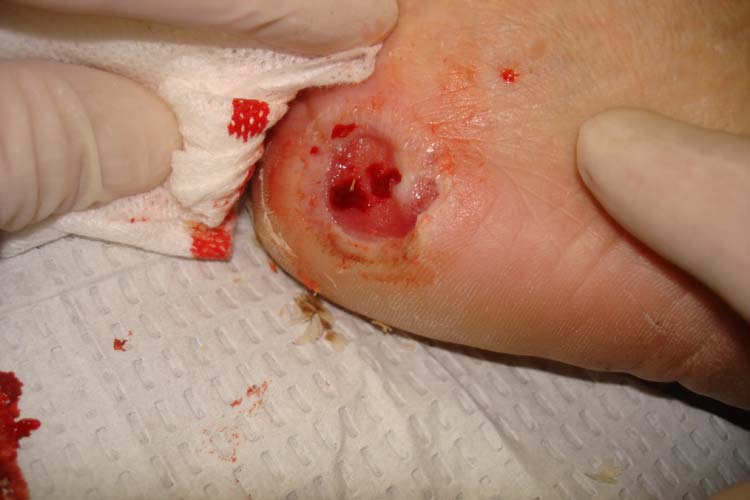
 

First ever guidelines for assessing and treating the diabetic foot


4276166167_e2cf9e2e47_oThe Society for Vascular Surgery, the American Podiatric Medical Association and the Society for Vascular Medicine collaboratively publish first-ever set of clinical practice guidelines for treating the diabetic foot. These  took three years to develop and are available online.


Specific areas of focus included (1) prevention of diabetic foot ulceration, (2) off-loading, (3) diagnosis of osteomyelitis, (4) wound care, and (5) peripheral arterial disease.

They include preventive recommendations such as those for adequate glycemic control, periodic foot inspection, and patient and family education.

They recommend using custom therapeutic footwear in high-risk diabetic patients, including those with significant neuropathy, foot deformities, or previous amputation. In patients with plantar diabetic foot ulcer (DFU), they recommend off-loading with a total contact cast or irremovable fixed ankle walking boot.

In patients with a new DFU, they recommend probe to bone test and plain films to be followed by magnetic resonance imaging if a soft tissue abscess or osteomyelitis is suspected.

They provide recommendations on comprehensive wound care and various débridement methods. For DFUs that fail to improve (>50% wound area reduction) after a minimum of 4 weeks of standard wound therapy, they recommend adjunctive wound therapy options.

In patients with DFU who have peripheral arterial disease, they recommend revascularization by either surgical bypass or endovascular therapy.

Whereas these guidelines have addressed five key areas in the care of DFUs, they do not cover all the aspects of this complex condition. Going forward as future evidence accumulates, they plan to update recommendations accordingly.

Diabetes is one of the leading causes of chronic disease and limb loss worldwide, currently affecting 382 million people. It is predicted that by 2035, the number of reported diabetes cases will soar to 592 million. This disease affects the developing countries disproportionately as >80% of diabetes deaths occur in low- and middle-income countries.

As the number of people with diabetes is increasing globally, its consequences are worsening. The World Health Organization projects that diabetes will be the seventh leading cause of death in 2030. A further effect of the explosive growth in diabetes worldwide is that it has become one of the leading causes of limb loss. Every year, >1 million people with diabetes suffer limb loss as a result of diabetes. This means that every 20 seconds an amputation occurs in the world as an outcome of this debilitating disease. Diabetic foot disease is common, and its incidence will only increase as the population ages and the obesity epidemic continues.

Approximately 80% of diabetes-related lower extremity amputations are preceded by a foot ulcer. The patient demographics related to diabetic foot ulceration are typical for patients with long-standing diabetes. Risk factors for ulceration include neuropathy, PAD, foot deformity, limited ankle range of motion, high plantar foot pressures, minor trauma, previous ulceration or amputation, and visual impairment. Once an ulcer has developed, infection and PAD are the major factors contributing to subsequent amputation.

Available U.S. data suggest that the incidence of amputation in persons with diabetes has recently decreased; toe, foot, and below-knee amputation declined from 3.2, 1.1, and 2.1 per 1,000 diabetics, respectively, in 1993 to 1.8, 0.5, and 0.9 per 1,000 in 2009. However, including the costs of outpatient ulcer care, the annual cost of diabetic foot disease in the United States has been estimated to be at least $6 billion. A Markov modeling approach suggests that a combination of intensive glycemic control and optimal foot care is cost-effective and may even be cost-saving.

DFUs and their consequences represent a major personal tragedy for the person experiencing the ulcer and his or her family as well as a considerable financial burden on the healthcare system and society. At least one-quarter of these ulcers will not heal, and up to 28% may result in some form of amputation. Therefore, establishing diabetic foot care guidelines is crucial to ensure the most cost-effective healthcare expenditure. These guidelines need to be goal focused and properly implemented.

This progression from foot ulcer to amputation leads to several possible steps where intervention based on evidence-based guidelines may prevent major amputation. Considering the disease burden and the existing variations in care that make decision-making very challenging for patients and clinicians, the SVS, American Podiatric Medical Association, and Society for Vascular Medicine deemed the management of DFU a priority topic for clinical practice guideline development. These recommendations are meant to pertain to all people with diabetes regardless of etiology.

Practice Pearls:
•“The Management of the Diabetic Foot,” was developed after three years of studies and later published online and in print in the Journal for Vascular Surgery.
•This progression from foot ulcer to amputation lends to several possible steps where intervention based on evidence-based guidelines may prevent major amputation.
•Every year, >1 million people with diabetes suffer limb loss as a result of diabetes.

Researched and prepared by Steve Freed, BPharm, Diabetes Educator, Publisher and reviewed by Dave Joffe, BSPharm, CDE

Anil Hingorani, MD Glenn M. LaMuraglia, MD, Journal of Vascular Surgery Feb 2016 , Volume 63, Issue 2, Supplement, Pages 3S–21S

April 23rd, 2016 Diabetes in Control

Dogs improve the immune response of babies

hqdefault (6)


A Finnish study has shown that growing up with a dog in the house improves the immune response of babies. Early respiratory infections, gastroenteritis and allergic reactions are reduced.

If a man has type one diabetes his chance of passing this on to his children is one in three. Maternal type one diabetes also increases the risk of type one in children but to a much lesser degree. Genetic susceptibility is reduced to a small extent if the baby is brought up in a house where the dog lives in the house. Unfortunately cats don’t confer the same benefit.

Reported in JAMA Paediatrics 2014 and BMJ 19th July 2014

Dana Carpender: What Health Conditions Respond to Low Carb Diets?

Dana,  what is the range of health conditions that you have seen respond to a low carb diet in your readers?

The most exciting, perhaps, is polycystic ovarian syndrome, the most common cause of female infertility, and very definitely an insulin-driven illness. Back when I was still self-published, I got an email from a woman who had tried for years to get pregnant, but couldn’t because of PCOS. She read How I Gave Up My Low Fat Diet and Lost 40 Pounds, went low carb, got pregnant, and carried the child to term. That’s the kind of thing that keeps me grinning for days.

Commonly, I hear of vastly improved blood work – one fellow had his triglycerides plummet by 1200 points in 2 weeks. People regularly report low trigs and high HDL.

Blood pressure reliably drops, too. It’s common for detractors to say “Oh, you only lost water weight on that diet.” That’s nonsense, of course, but it is true that the very rapid loss of 5-10 pounds in the first week or so is largely water. That’s because when insulin levels drop the kidneys resume excreting sodium properly, and with it the water it was holding. Because of this, blood pressure comes down quickly. (For this reason, people who are medicated for high blood pressure must be under a doctor’s care when they first go low carb. They may need a reduction in medication within days.)

By the way, the proper excretion of sodium means that many low carbers need to increase their salt intake – I’m one of them. If a new low carber is feeling tired, achy, dizzy, headache-y, the first thing to try is increasing salt – heavily salted broth or bouillon works wonderfully.

Energy swings vanish when the blood sugar swings stop. Many annoying symptoms of generalized inflammation, such as arthritis, are reduced or eliminated.

Gastroesophageal reflux, aka heartburn, generally clears up.

hqdefault (5)

And all kinds of little things – skin conditions, bleeding gums, stuff like that. My husband, who has a mouth full of crowns, hasn’t had a single new cavity since we went low carb 20 years ago. (I still have no fillings at the age of 57.)

Perhaps most surprising was the woman who wrote me to say that since she and her husband had gone low carb, a range of problems had cleared up, including that he had “stopped coughing up blood.” She finished with “You have been a miracle for our family.”

I have no idea how a low carb diet would stop the coughing up of blood, but I’m certainly glad it did.


Dana Carpender is the author of nine cookbooks, including the best-selling 500 Low-Carb Recipes.

Sheri Colberg: Statins and exercise

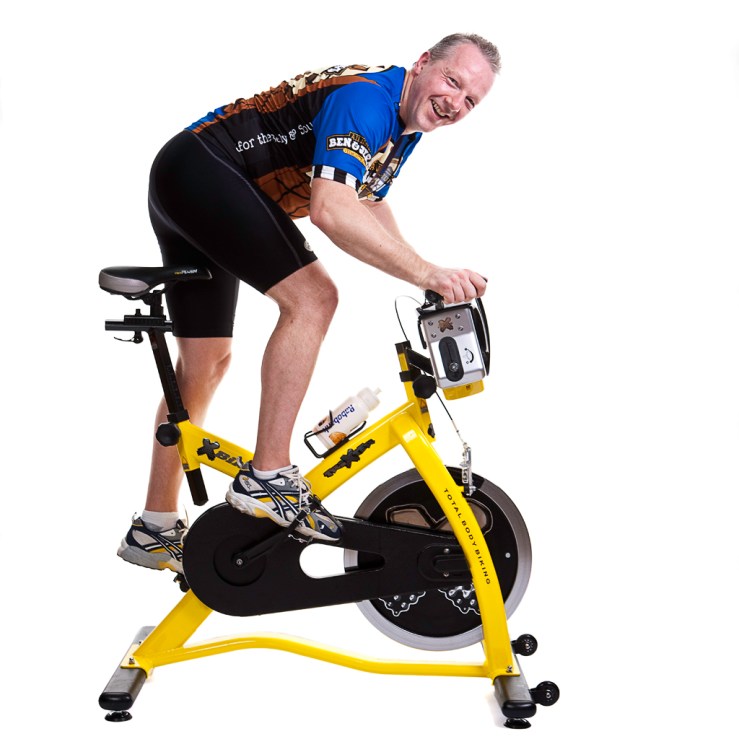
exercise bike
You’ll need to pedal harder than this if you want intensity…

I recently received an email from a person with type 1 diabetes living in Denmark (Guido) whose physician believes in prescribing many medications to manage cholesterol and high blood pressure in anyone with diabetes, regardless of need. Guido has been taking a statin (Atorvastatin, brand name Lipitor), along with at least four others for blood pressure control. He used to take Simvastitin (Zocor), but a year prior had been changed to Atorvastatin (and his dose doubled). That’s when his problems with exercise began.

Many prescribed medications can directly affect people’s ability to exercise or their responses to it, but most healthcare providers focus on the ones that affect blood glucose, particularly if they increase the risk of activity-related hypoglycemia. Another type really needs to be considered, though, because of the sheer number of patients who are being put on them and their potentially negative impact on the ability to exercise: statins. Statins are medications taken to treat high cholesterol levels or abnormal levels of blood fats, in an attempt to lower the risk of heart attack and stroke. Brand name examples include Altoprev, Crestor, Lescol, Lipitor, Livalo, Mevacor, Pravachol, and Zocor.

The cholesterol guidelines were recently updated, the result being that even more adults with diabetes and prediabetes are being prescribed various medications from this class. In individuals who are unwilling or unable to change their diet and lifestyles sufficiently or have genetically high levels of blood lipids, the benefits of statins for lowering cardiovascular risk likely greatly exceed the risks, or so the experts claim (1). If a person has a low risk for developing cardiovascular problems and does not already have type 2 diabetes, taking them is not advised (2), particularly because many statins increase the risk of developing type 2 diabetes (3).

Since one month after he started taking Atorvastatin, Guido confided that has been suffering from extreme stiffness and pain in his legs that occurs after running any distance (3 km or 20 km). The pain is in his lower leg/ankle (the right one hurts more, but the left leg is also very stiff) and occurs typically after his runs and decreases after 3 to 4 days, during which time he is unable to run at all. His legs have been scanned and are negative for any signs of fractures or inflammation, and they have ruled out compartment syndrome.

In his email to me, Guido stated: “I suspect it is the Atorvastitin. What do you think?”

My answer was, “I completely agree that your problems are probably coming from the Atorvastatin. As a group of medications, the statins are WELL known for causing muscle and joint issues. I would suggest considering going off of it completely and see if your symptoms resolve in a few weeks.”

Guess what? It worked! He emailed me a week later, stating “I have stopped using the Statins now for 5 days and after a 12 km run my legs feel completely different and back to normal.” That was great news to hear!

It’s not talked about enough, but undesirable muscular effects from statin use are commonplace, such as unexplained muscle pain and weakness with physical activity that Guido has been having, which may be related to statins compromising the ability of the muscles to generate energy. The occurrence of muscular conditions like myalgia, mild myositis, severe myositis, and rhabdomyolysis, although relatively rare, is doubled in people with diabetes (4). Others have reported an increased susceptibility to exercise-induced muscle injury when taking statins, particularly active, older individuals (5). Other symptoms, such as muscle cramps during or after exercise, nocturnal cramping, and general fatigue, generally resolve when people stop taking them. If people experience any of these symptoms, they need to talk with their healthcare provider about switching to another cholesterol-lowering drug that may not cause them.

Another major issue related to statins is that their long-term use negatively impacts the organization of collagen and decreases the biomechanical strength of the tendons, making them more predisposed to ruptures. Statin users experience more spontaneous ruptures of both their biceps and Achilles tendons (6-8); I personally know a physically active person with type 1 diabetes that simultaneously ruptured both of his Achilles tendons during a routine workout due to long-term statin use. Again, people should talk with their doctors about whether it may be possible to manage their cardiovascular risk and lipid levels without taking statins long-term for this reason and the aforementioned ones.

In my opinion, there’s nothing worse than a medication that is supposed to help lower your cardiovascular risk, but then likely ends up removing all of the potential benefits by taking away your ability to be physically active! Likely the greatest risk factor for heart disease is physical inactivity, so don’t prescribe statins that make people sit on the couch. At least have them try another medication to see if it a lesser negative impact on being active.

References:
1.Kones R: Rosuvastatin, inflammation, C-reactive protein, JUPITER, and primary prevention of cardiovascular disease–a perspective. Drug Des Devel Ther 2010;4:383-413
2.Taylor F, Ward K, Moore TH, Burke M, Davey Smith G, Casas JP, Ebrahim S: Statins for the primary prevention of cardiovascular disease. Cochrane Database Syst Rev 2011:CD004816
3.Mayor S: Statins associated with 46% rise in type 2 diabetes risk, study shows. BMJ 2015;350:h1222
4.Nichols GA, Koro CE: Does statin therapy initiation increase the risk for myopathy? An observational study of 32,225 diabetic and nondiabetic patients. Clin Ther 2007;29:1761-1770
5.Parker BA, Augeri AL, Capizzi JA, Ballard KD, Troyanos C, Baggish AL, D’Hemecourt PA, Thompson PD: Effect of statins on creatine kinase levels before and after a marathon run. Am J Cardiol 2012;109:282-287
6.de Oliveira LP, Vieira CP, Da Re Guerra F, de Almeida Mdos S, Pimentel ER: Statins induce biochemical changes in the Achilles tendon after chronic treatment. Toxicology 2013;311:162-168
7.de Oliveira LP, Vieira CP, Guerra FD, Almeida MS, Pimentel ER: Structural and biomechanical changes in the Achilles tendon after chronic treatment with statins. Food and chemical toxicology : an international journal published for the British Industrial Biological Research Association 2015;77:50-57
8.Savvidou C, Moreno R: Spontaneous distal biceps tendon ruptures: are they related to statin administration? Hand surgery : an international journal devoted to hand and upper limb surgery and related research : journal of the Asia-Pacific Federation of Societies for Surgery of the Hand 2012;17:167-171

As a leading expert on diabetes and exercise, I recently put my extensive knowledge to use in founding a new information web site called Diabetes Motion (www.diabetesmotion.com), the mission of which is to provide practical guidance about blood glucose management to anyone who wants or needs to be active with diabetes as an added variable. Please visit that site and my own (www.shericolberg.com) for more useful information about being active with diabetes.
by Dr. Sheri Colberg, Ph.D., FACSM Diabetes in Control April 2 2016


Depression doubles stroke risk even when treated

Persistent depression is associated with twice the risk of stroke in adults over 50.

Researchers interviewed 16,178 people every two years from 1998 over a 12 year period and assessed depressive symptoms and stroke. They showed that those people who scored significantly for depression on at least two consecutive interviews had double the risk of having a first stroke in the two years after the assessment compared to those with low depressive symptoms. The risk was slightly higher for women and those who had had previous depressive symptoms.

Paola Gilsanz of Harvard University said, ” Our findings suggest that depression may increase stroke risk over the long term. This risk remains elevated even if depressive symptoms have resolved, suggesting a cumulative mechanism linking depression and stroke. Physiological changes may lead to vascular damage over the long term. Depression is also linked to hypertension, ill effects on the autonomic nervous system and inflammatory responses that all cause vascular disease. In addition depressed people are more likely to smoke and by physically inactive.”

4254385133_c983bfbb00_o

From Research News BMJ 23 May 2015


Drugs that change your weight

Researchers conducted a systematic review and meta-analysis  of 257 randomised controlled trials and  summarized the evidence about commonly prescribed drugs and their association with weight change.

They included 257 randomized trials (54 different drugs; 84,696 patients enrolled). Weight gain was associated with the use of: amitriptyline (1.8 kg), mirtazapine (1.5 kg), olanzapine (2.4 kg), quetiapine (1.1 kg), risperidone (0.8 kg), gabapentin ( 2.2 kg), tolbutamide (2.8 kg), pioglitazone (2.6 kg), glimepiride (2.1 kg), gliclazide (1.8 kg), glyburide (2.6 kg), glipizide (2.2 kg), sitagliptin (0.55 kg), and nateglinide (0.3 kg).

Weight loss was associated with the use of: metformin (1.1 kg), acarbose (0.4 kg), miglitol (0.7 kg), bupropion (1.3 kg), and fluoxetine (1.3 kg).

For many other remaining drugs (including antihypertensives and antihistamines), the weight change was either statistically nonsignificant or supported by very low-quality evidence.


JP Domecq. The Journal of Clinical Endocrinology and Metabolism Drugs Commonly Associated With Weight Change: J. Clin. Endocrinol. Metab. 2015 Jan 15;100(2)363–370, From MEDLINE®/PubMed®, a database of the U.S. National Library of Medicine.

Published in Diabetes in Control Feb 1Metformin_500mg_Tablets


More Children Suffering from Type 2 Diabetes

diabetes lettersThe BBC reported this week that there has been a worrying rise in the number of children developing Type 2 diabetes.

Figures for England & Wales show that 533 children and young people have been diagnosed with type 2 diabetes. Last year’s figure was 500. Most children have type 1 diabetes and the type 2 figure represents 2 percent of all cases of diabetes.

While type 2 diabetes is much more common overall, it is still rare in children. Type 2 diabetes is linked to obesity.

The Local Government Association, which represents local councils who have responsibility for public health, believes cases will continue to rise. They believe the Government’s childhood obesity strategy, which is yet to be published, needs to take bold action.

The LGA has called for teaspoon sugar labelling of products and reduced sugar in fizzy drinks, as well as greater provision of tap water in schools. The association also thinks councils should be given the power to ban junk food advertising near schools.

The government has postponed the publication of its childhood obesity plan a number of times. It is expected to be published later this summer.

The Department of Health said it was determined to tackle obesity and that the strategy would look at everything that contributes to a child becoming overweight.


*Pic thanks to Practical Cures on flickr


Dr Bernstein’s Diabetes University on You Tube

Diabetes in Control Advisory Board member, Dr. Richard K. Bernstein, has recently created, “Dr. Bernstein’s Diabetes University,” a complete course of video classes geared towards patients, which is now available on Youtube. Dr. Bernstein’s Diabetes University Playlist includes these short videos: “Basic Science of Diabetes,” “Values and Methods of Exercise,” “How Much Protein,” plus much more. Just follow this link for more information: Dr. Bernstein’s Diabetes University Playlist
bernstein

Diabetes duration and control affects intellectual decline


324468854_8f9fd42793_z

People who have diabetes diagnosed in midlife have a higher risk of cognitive decline over the following 20 years compared to people with normal glucose levels. A prospective study done in the USA showed that there was a 19% increased risk of cognitive decline over the 20 years for those who had diabetes. This meant that having diabetes aged cognitive function by about five more years than normal.

The level of decline was associated with the degree of control of the diabetes. Those with HbA1cs over 7% were more at risk than those with a better degree of control.  Increased duration of diabetes also led to a higher risk.

The study reviewed 13,351 year olds who were aged 48-67 at the start of the study for 20 years. Associate professor of epidemiology Elizabeth Selvin of John Hopkins University said of her findings, ” The lesson is that to have a healthy brain when you are 70, you need to eat right and exercise when you are 50. Maintaining cognitive function is a critical aspect of successful ageing. Preventing diabetes and improving glucose control in people with diabetes offers important opportunities for preventing cognitive decline and delaying progression to dementia”.