Zippy microwave chocolate cake

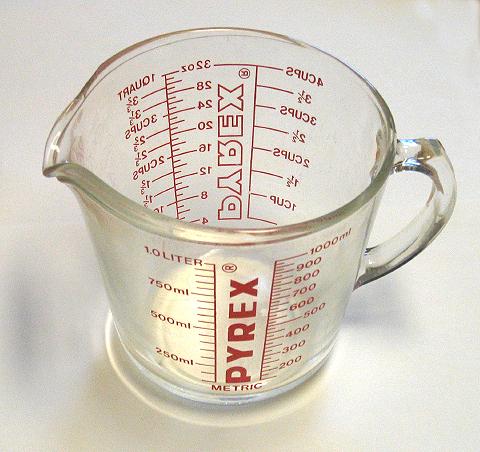
Measuring_cupThis is a very easy and fast to make chocolate cake.
1/4 cup ground almonds

2 tablespoons cocoa powder

1/4 teaspoon baking powder

3 tablespoons of granulated sugar substitute eg Splenda

2 tablespoons melted butter

1 tablespoon water (or Da Vinci syrup)

1 egg

splash of vanilla essence

Method:

Mix in a 2 cup size pyrex  cup or jug – cover with plastic wrap – cut a small slit in covering – cook 1 to 3 minutes in microwave – should look dry on top.

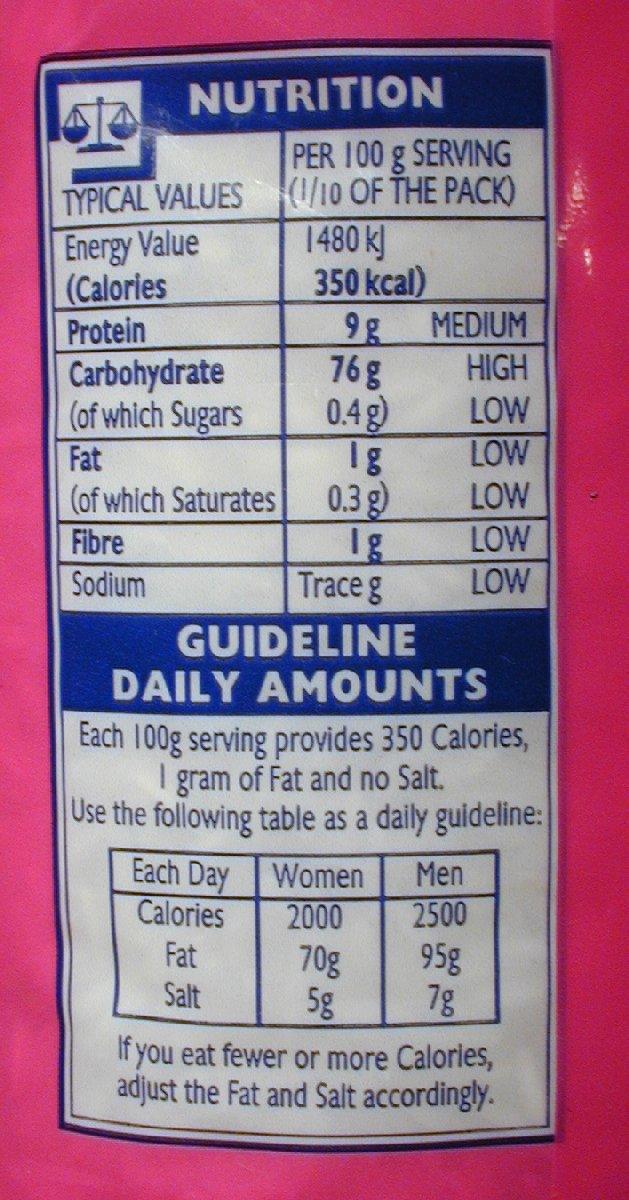
Entire recipe has about  18 grams  carbs and 5 gms fibre

How reading fiction reaps surprising rewards

hands-hand-book-reading.jpg


The Surprising Power of Reading Fiction

9 ways reading literary fiction can take your happiness to the next level.


Courtney has compiled some surprising ways that reading good fiction can enhance your well -being.

I like to read for ten minutes just before I go to sleep and although I wouldn’t call my current book, the adventures of MC Beaton’s heroine Agatha Raisin, “literary fiction” I do enjoy a journey into someone else’s life.

Of course, during holidays and on public transport, I love nothing better than getting stuck in for hours on end.

What books have you enjoyed reading lately?


How good are you at looking after yourself?

i-741512_960_720

Last week I was at a workshop to teach health care professionals how to do focus centred behaviour change for diabetics. It was run by two psychologists.  One of the “documents you may wish to use with patients” was a list of self -care behaviours and next to it a grade of how good you think you are doing it.

These are the dietary based entries:

The food I choose to eat makes it easy to achieve optimal blood sugar levels.

Occasionally I eat lots of sweets or other foods rich in carbohydrates.

Sometimes I have real “food binges” (not triggered by hypoglycaemia)

The third one is assessing  emotional eating. But the first two are squarely advocating a low carbohydrate diet. Nada about dietary fat in the whole thing.

I was surprised and delighted but decided to stay silent. There were three dieticians in the room. I saw one bridle as she read the document. She asked, “Where did this come from?”.

Here is its source.

http://www.ncbi.nlm.nih.gov/pmc/articles/PMC3751743/

This is a German/UK collaboration with a good scientific basis.

Table 1

Diabetes Self-Management Questionnaire (DSMQ)

The following statements describe self-care activities related to your diabetes. Thinking about your self-care over the last 8 weeks, please specify the extent to which each statement applies to you. Applies to me very much Applies to me to a consider-able degree Applies to me to some degree Does not apply to me
1. I check my blood sugar levels with care and attention.
Blood sugar measurement is not required as a part of my treatment.
☐3 ☐2 ☐1 ☐0
2. The food I choose to eat makes it easy to achieve optimal blood sugar levels. ☐3 ☐2 ☐1 ☐0
3. I keep all doctors’ appointments recommended for my diabetes treatment. ☐3 ☐2 ☐1 ☐0
4. I take my diabetes medication (e. g. insulin, tablets) as prescribed.
Diabetes medication / insulin is not required as a part of my treatment.
☐3 ☐2 ☐1 ☐0
5. Occasionally I eat lots of sweets or other foods rich in carbohydrates. ☐3 ☐2 ☐1 ☐0
6. I record my blood sugar levels regularly (or analyse the value chart with my blood glucose meter).
Blood sugar measurement is not required as a part of my treatment.
☐3 ☐2 ☐1 ☐0
7. I tend to avoid diabetes-related doctors’ appointments. ☐3 ☐2 ☐1 ☐0
8. I do regular physical activity to achieve optimal blood sugar levels. ☐3 ☐2 ☐1 ☐0
9. I strictly follow the dietary recommendations given by my doctor or diabetes specialist. ☐3 ☐2 ☐1 ☐0
10. I do not check my blood sugar levels frequently enough as would be required for achieving good blood glucose control.
Blood sugar measurement is not required as a part of my treatment.
☐3 ☐2 ☐1 ☐0
11. I avoid physical activity, although it would improve my diabetes. ☐3 ☐2 ☐1 ☐0
12. I tend to forget to take or skip my diabetes medication (e. g. insulin, tablets).
Diabetes medication / insulin is not required as a part of my treatment.
☐3 ☐2 ☐1 ☐0
13. Sometimes I have real ‘food binges’ (not triggered by hypoglycaemia). ☐3 ☐2 ☐1 ☐0
14. Regarding my diabetes care, I should see my medical practitioner(s) more often. ☐3 ☐2 ☐1 ☐0
15. I tend to skip planned physical activity. ☐3 ☐2 ☐1 ☐0
16. My diabetes self-care is poor. ☐3 ☐2 ☐1 ☐0

View it in a separate window

It is very refreshing and welcome to see that prioritising eating based on the effects on glycaemic control for diabetics is being adopted over following dogma with no scientific basis.


Resilience matters most for young and old when it comes to living with diabetes

clifford
Pic thanks to Diabetes UK

The Journal of Health Psychology have recently ran a series of articles showing that a positive attitude towards coping with chronic illness gives a better quality of life.

Adolescent type one diabetics who felt competent in their self- care, were optimistic and had high levels of self- esteem coped better than those who did not share these characteristics.  Low resilience was associated with higher distress, poor quality of life, maladaptive coping strategies and poor glycaemic control.

Older adults of low socioeconomic status who had low resilience had an increased risk of diabetic neuropathy compared to those in the same financial straits but with higher resilience.

As a GP I see some children struggle with diabetes and I know that their poor glycaemic control will have devastating consequences in future years.  Most of these children have parents who are struggling to cope with their lives, regardless of the diabetes, and don’t seem to be able to make the highly structured changes that are necessary to manage the condition really well. To make matters worse they often miss clinic appointments. There are liaison nurses who do house visits and psychologists who try to help. Proper (not current NHS!)dietary advice would help and even meal provision with portioned carb and protein counts would be one way to help these families. After all, meals are made available free to some pensioners and surely this would be cheaper on the long run than dialysis and the dropping out of the job market that early complications often bring.

(Research findings from Jounal of Health Psychology 2015 20,9, 1196-1206 and 1222-8 from Human Givens Volume 22, No 2, 2015.

Fat in the liver is a key sign for metabolic problems

Obesity does not always go hand in hand with metabolic changes in the body that can lead to diabetes, heart disease and stroke, according to a new published study…

In a study at Washington University School of Medicine, researchers found that a subset of obese people do not have common metabolic abnormalities associated with obesity, such as insulin resistance, abnormal blood lipids (high triglycerides and low HDL cholesterol), high blood pressure and excess liver fat.

In addition, obese people who didn’t have these metabolic problems when the study began did not develop them even after they gained more weight.

The study involved 20 obese participants who were asked to gain about 15 pounds over several months to determine how the extra pounds affected their metabolic functions.
First author Elisa Fabbrini, MD, PhD, assistant professor of medicine, added that, “Our goal was to have research participants consume 1,000 extra calories every day until each gained 6 percent of his or her body weight” “This was not easy to do. It is just as difficult to get people to gain weight as it is to get them to lose weight.”

All of the subjects gained weight by eating at fast-food restaurants, under the supervision of a dietitian. The researchers chose fast-food chain restaurants that provide rigorously regulated portion sizes and nutritional information.

Before and after weight gain, the researchers carefully evaluated each study subject’s body composition, insulin sensitivity and ability to regulate blood sugar, liver fat and other measures of metabolic health.

After gaining weight, the metabolic profiles of obese subjects remained normal if they were in the normal range when the study began. But the metabolic profiles significantly worsened after weight gain in obese subjects whose metabolic profiles already were abnormal when the study got underway.

Senior investigator Samuel Klein, MD, the Danforth Professor of Medicine and Nutritional demonstrated that some obese people are protected from the adverse metabolic effects of moderate weight gain, whereas others are predisposed to develop these problems.”

“This observation is important clinically because 352774705_bb36377f90_o.jpgabout 25 percent of obese people do not have metabolic complications,” he added. “Our data shows that these people remain metabolically normal even after they gain additional weight.”

As part of the study, the researchers then helped the subjects lose the weight they had gained.

The researchers identified some key measurements that distinguished metabolically normal obese subjects from those with problems. One was the presence of fat inside the liver. Those with abnormal metabolism accumulated fat there.

Another difference involved gene function in fat tissue. People with normal metabolism in spite of their obesity expressed more genes that regulate fat production and accumulation. And the activity of those genes increased even more when the metabolically normal people gained weight. That wasn’t true for people with abnormal metabolism.

“These results suggest that the ability of body fat to expand and increase in a healthy way may protect some people from the metabolic problems associated with obesity and weight gain.” He noted that obesity contributes to more than 60 different unhealthy conditions.

Practice Pearls:

  • Some obese people are protected from the adverse metabolic effects of moderate weight gain.
  • Some key measurements that distinguished metabolically normal obese subjects from those with problems. One was the presence of fat inside the liver. Those with abnormal metabolism accumulated fat there.
  • People with normal metabolism in spite of their obesity expressed more genes that regulate fat production and accumulation.

Elisa Fabbrini. Metabolically normal obese people are protected from adverse effects following weight gain, pub Jan. 2, 2014 in The Journal of Clinical Investigation.  (Published in Diabetes in Control Jan 15)
Low carb advocate Dr David Unwin named Innovator of the Year by RCGPs

Congratulations to Merseyside GP and College Fellow David Unwin who has been named ‘Innovator of the Year’ at the national NHS Leadership Recognition Awards 2016.


David, who practises at the Norwood Surgery in Southport, spent three years working on a project combining the benefits of a low carb diet with psychological support to help patients with diabetes. As well as having much healthier patients, the practice now saves around £45,000 a year on diabetes drugs!


David has been a GP for over 30 years yet this award shows that his mission to constantly improve care for patients and his enthusiasm for the job remain undimmed. As well as being a fantastic personal, achievement, it is excellent to see the work of GPs being recognised on the national stage.


The judging panel said that the results of his work were outstanding and that he was ‘passionate about sharing knowledge to achieve a healthier world’. Hear, hear! unwin

Taste matters more than labels when making food choices


Despite a recent trend toward healthy eating behaviors, many consumers still tend to overconsume unhealthy foods because of two facts that work in combination. Unhealthy food is widely associated with being tasty, and taste is the main driver of food decisions.

In a study done to see what affected choice of food  participants were presented with a variety of yogurts, each with different levels of sugar and fat. Even when given information about the ingredients, the participants were not more likely to select a healthier yogurt.

Unhealthy eaters were least likely to use information about ingredients when deciding which yogurt to choose, the investigators found. However, both unhealthy and healthy eaters said taste was the main factor in their decision about which yogurt to select, and it could not be overcome by providing them with nutritional information, according to the published study.

“Policy planners must instead find ways to make healthy foods more appealing, by improving the actual taste as well as the packaging and marketing,” researchers said.
“Social campaigns that promote the sense that healthy eating is “cool” would also help”.

17616-sugar-lips-pv  “A holistic approach is urgently needed in which food companies, consumers and policy makers, instead of working against one another, manage to find mutually beneficial strategies to combat the world’s alarming obesity epidemic,” the researchers concluded.

Practice Pearls:
•Taste exerts the biggest influence on people’s food choices and many believe that healthy foods don’t taste good.
•Unhealthy eaters were least likely to use information about ingredients.
•Taste is the main driver of food decisions.

Journal of Public Policy & Marketing, news release, Jan. 21, 2015. Robert Mai and Stefan Hoffmann How to Combat the Unhealthy = Tasty Intuition: The Influencing Role of Health Consciousness. Journal of Public Policy & Marketing In-Press, doi: http://dx.doi.org/10.1509/jppm.14.006  (Published in Diabetes in Control Jan 2015)


At Diabetes Diet Blog, we think that encouraging people to eat real food that doesn’t come in packets would come a long way to address the obesity epidemic too. Salt, spices and fats such as butter, coconut oil and olive oil can greatly enhance the flavour of food, particularly vegetables, that otherwise can be left on the plate. Demonising salt and naturally saturated fats does not help. A parent can prepare tasty soups at home but if salt and fat is left out it is understandable when children prefer tinned versions with added sugar. 

Salt restriction can backfire for heart failure patients

Salt_shaker_on_white_backgroundOver the years, physicians and researchers have advocated less salt consumption in heart failure patients.  Although doctors make this recommendation frequently, patients are not always compliant.  Heart failure patients who may also be hypertension patients inspired the DASH diet, which includes decreased to no sodium intake, more fruits and vegetables, skinless poultry, and less saturated and trans fat. In heart failure patients, salt increases water retention, which is quite harmful to the function of the heart.



Researchers have recently stumbled across information regarding salt intake and heart failure patients’ long-term health.  In all actuality, salt consumption just may not be harmful to that population.  This may be a sigh of relief to heart failure patients, but in an interview from consumer.healthday.com with physician Rami Doukky of Chicago, patients should not jump on the bandwagon just yet.

In a study performed by Doukky, 833 heart failure patients were evaluated with the new findings.  Divided into two groups consisting of 130 patients, one group consumed salt without any restrictions.  While the other group of subjects were salt-restricted.  Each patient was followed for a total of three years, and evaluated using an intake tracking method as well as a survey.

After analysis of results, it was found that 42% of the surveyed population following the salt-restricted diet were either admitted to the hospital with heart failure complications or they died.  In comparison,  26% of the subjects without salt restrictions developed further complications and/or death.

Although this gives heart failure patients hope, these findings need to be further studied.  The results favor no salt restriction due to a decreased percentage of complications, but different factors in each of the patients could have swayed results.  With emphasis from cardiologist Clyde Yancy at consumer.healthday.com, salt should not be automatically incorporated back into heart failure patients’ diets.  Salt is still a major contributor to high blood pressure, which can lead to cardiovascular complications.

Practice Pearls:

  • 26% of the subjects without salt restrictions developed further complications and/or death. In comparison, 42% following the salt-restricted diet were either admitted to the hospital with heart failure complications or they died.
  • Not all heart patients need to restrict their salt intake.
  • Salt reduction for some heart patients may not be helpful.

Doukky, Rami et al. “Impact Of Dietary Sodium Restriction On Heart Failure Outcomes”. JACC: Heart Failure 4.1 (2016): 24-35. Web. 17 Jan. 2016.

Consumer HealthDay,. “Reducing Salt Intake Might Harm Heart Failure Patients, Study Claims”. N.p., 2015. Web. 17 Jan. 2016.


Samantha Ferguson Doctorate of Pharmacy Candidate Florida A&M University, reviewed by Dave Joffe, BSPharm, CDE (Published in Diabetes in Control Jan 16)


Jason’s travelling tips

packing-backpack-11281261717i40n

Jason Biondo enjoys travelling and writing about it. Here is a post from his blog that will be of help to all of us adventurers.


https://trekeffect.com/travel-blog/17-ways-to-stay-fit-and-fab-when-traveling


One tip I picked up from the internet was to roll up a T shirt and pants into a sausage shape and use the legs of socks at either side to keep the whole lot together. This can be helpful to have in your hand luggage for overnight stays or flights.

If you have any other travel tips please share in the comments section.


Katharine

What can you do to improve erectile dysfunction?

Blood vessel problems and diabetes are the leading causes of not being able to get or sustain an erection in men. “ED” is a very common diagnosis, perhaps more so now than ever before, partly due to the increase in diabetes but also because there are more treatments available now and men are less likely to suffer in silence.

Diabetics tend to get the problem 10 to 15 years earlier than other men. The degree of glycaemic control over time is a significant factor as this determines the extent of microvascular and macrovascular complications. Neuropathy, insulin resistance, endothelial dysfunction, and atherosclerosis all affect the mechanisms behind erectile function.

Even men who are not diabetic but are aged over 50 and have features of metabolic syndrome are at almost a 50% more chance of getting ED. Indeed the severity of ED reflects the degree of blood pressure, waist fat, and abnormal blood fat pattern that a man may have. If a man with diabetes has ED he is at significant risk of coronary artery disease.  Low testosterone is a risk factor for ED by itself and makes metabolic syndrome and diabetes worse as well.

5814509608_e9d342b063

The main drugs to treat ED, such as Viagra and Cialis, rely on an intact neural response, so they don’t always work that well when this is impaired in diabetics.  Testosterone replacement therapy can reduce cardiovascular risk in men and also enhance the response to these sorts of drugs. When drugs are still not successful vacuum devices, penile injection drugs, and penile prostheses can be used.

Men can find that following a Mediterranean style of diet can improve erectile response as can exercise.

So in brief:

Keep to as normal a weight as you can.

Keep blood sugars control as good as you can for as long as you can.

Make exercise part of your daily routine.

Eat a low carbohydrate diet with plenty of olive oil, fresh vegetables and moderate amounts of fruit.

Don’t smoke.

Reduce stress.

Sleep well.

Keep your blood pressure under control.

Seek medical advice if you have abnormal blood lipids especially low HDL and high triglycerides.

Include a testosterone check if you notice your waistline creeping up or erectile problems when you have your other diabetic blood tests.

Maintain a normal blood pressure.

Ask your doctor’s advice if you are on medication because many anti- hypertensives and anti-depressants interfere with penile function.

If you do have ED and diabetes discuss cardiac assessment with your doctor.

Thermometer - Confidence Level
A thermometer with mercury bursting through the glass, and the words Confidence Level, symbolizing a positive attitude

Based on the article: Endothelial dysfunction is the link between ED, DM and CAD by  Sabair Pradhan, Doctor of Pharmacy Candidate USF College of Pharmacy. Published in Diabetes in Control February 2016.