Teenagers with diabetes need extra support


divorce


Young adults between the ages of 14 and 22 were studied to see how their blood sugars changed from the paediatric diabetic clinic to the adult clinic. In all 126 young people took part. The average hba1c was 9.4% (80mmol/l) before transfer to the adult clinic and decreased by 0.3%  for each of the two years after transfer.

Those with divorced parents had hba1s 1.2% higher (14 mmol/l). Those with mental health conditions or intellectual and social impairment also had higher blood sugar levels.

A third of the patients were admitted to hospital for acute diabetes care.  Hospital admission was more common if there was a low outpatient attendance rate, a high baseline Hba1c level, intellectual and social impairment, mental health conditions or divorced parents.  Researchers concluded that these groups of families needed more support.

Reported in the Independent Diabetes Trust Newsletter March 2017 from an original article in Diabetic Medicine, January 2017).

Dame Sally Davies reports on the health of Baby Boomers: and it’s pretty shocking stuff

dame-sally

The Chief Medical Officer of England has released a report into the health of Baby Boomers. This is the group of people born between 1945 and 1965. I’m one of them, maybe you are too.

We are living longer but are not really in better health. A huge burden of cardiovascular disease and cancers would be reduced if we looked after ourselves better by not smoking, eating better, keeping slim,  exercising, and drinking less.

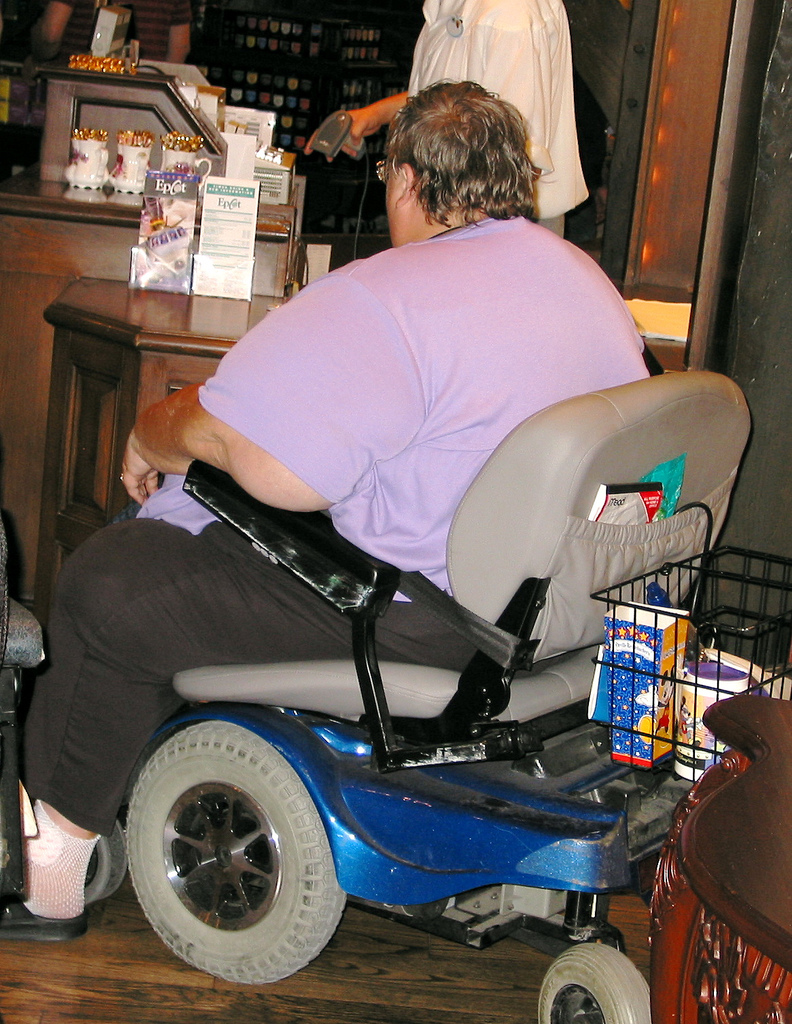
Obesity and diabetes are increasing markedly through all classes of society. Obesity, particularly central obesity, is increasing. By waist size alone 80% of us are obese!

Liver cancer is now making an impact on deaths. 

Diseases that don’t kill but make you unfit to work and miserable include musculo-skeletal problems, visual and hearing loss. These are having a considerable effect.

Smoking is reducing but more than 6 out of ten smokers say that they have NEVER been advised to stop smoking by a doctor or nurse in their entire lives. Dame Sally thinks this is shocking. I think these smokers have shockingly bad memories.

Men are drinking less than 20 years ago but women are drinking more. The new guideline is less than 14 units a week for everyone.

One thing we are doing less of is physical activity and exercise. This is down from even just ten years ago with two thirds of Baby Boomers doing less than 30 minutes of exercise in the last month.


Here is a large chunk of the report:

Physical health

A key finding is that whilst life expectancy in 2013 increased compared with that of men and women in the same age group in 1990, overall morbidity remained unchanged. This means that we live longer but our health and well-being has not actually improved.

The data report substantially decreased death rates from each of the leading causes of disease in both male and female adults aged 50–69 years in 2013 compared with people who were in the same age group in 1990. These declines in mortality are success stories.

In particular, mortality rates from ischaemic heart disease (IHD) fell by over three- quarters in 50–70 year-olds during this time. Nevertheless, the fact that it still remains the leading cause of mortality in this age group is indicative of another issue; the leading risk factors for premature mortality in this group are IHD risk factors that are all modifiable, the top three being smoking, poor diet and high body mass index. The cancer types (oesophageal cancer in men, uterine cancer and liver cancer) that thwart the downward trend in premature mortality from cancer also have associations with modifiable risk factors such as alcohol and obesity.

In terms of morbidity, risk factors responsible for a remarkable 45% of disease burden in 50–69 year-olds in 2013 were again modifiable, with the leading three risks for both men and women being poor diet, tobacco consumption and high body mass index (BMI). The implication of this is huge: a large proportion of the disease burden in Baby Boomers is amenable to prevention.

Perhaps most striking is the case of diabetes. Morbidity from diabetes rose by 97% among men and 57% among women aged 50–69 years between 1990 and 2013. Although this definition includes both type 1 and type 2 diabetes, the attributable risk from factors including obesity, diet and low physical activity rose by 70%. There is a deprivation inequality in diabetes, as there is with all the leading causes of morbidity and indeed life expectancy. However, with diabetes the gap is decreasing, showing that this is an increasing problem regardless of social stratum. Interestingly, compared with tobacco consumption, which is strongly socially stratified, body mass index is now less socially stratified in terms of the size of the attributable burden of risk factors. These data suggest that it is extremely important that we strive to reduce inequalities in the health of Baby Boomers. In addition, weight and obesity must be addressed across the board.

Despite the fact that tobacco consumption in adults overall is decreasing, it remains an important risk factor in this group, remaining the leading risk factor for premature mortality and the second leading cause of total disease burden. Socioeconomic inequalities in tobacco consumption and related illnesses are well recognised and exemplified in this group. However, an additional inequality is the fact that the decline in premature mortality from lung cancer in women is less than half that in men.

Several issues highlighted in my previous surveillance reports hold true for Baby Boomers. My concerns, as Chief Medical Officer, about the increase in premature mortality in England due to liver disease in England (compared with mortality figures for our European counterparts) have been echoed by the trend in premature mortality from liver cancer in this age group. My calls for more robust systems for surveillance of high burden diseases, such as musculoskeletal disease, and sensory (visual and hearing) impairment, which impact more on quality of life and productivity than on premature mortality, are strengthened. Sensory impairment is the second highest cause of morbidity in this age group in men and the fifth in women. Yet needs are likely to be unmet, given the considerably lower prevalence of hearing aid use compared with the estimated prevalence of objective hearing loss. Musculoskeletal disease has again been highlighted as having a lack of high-quality routine information at a national level. However, we do know that the burden is high, demonstrated by the tripling in the rate of elective admissions for back pain and primary knee replacement in 50–70 year old adults between 1995/96 and 2013/14.

Datasets on oral health are also limited. While the improved oral health of Baby Boomers compared with that of their predecessors is a considerable triumph, it is important that we have sufficient data to inform the provision of services given that, counterintuitively, this success may mean that demand increases.

smoking

Annual Report of the Chief Medical Officer 2015, On the State of the Public’s Health, Baby Boomers: Fit for the Future

Chapter 1

Lifestyle factors

The authors of Chapter 5 analyse data concerning Baby Boomers generated from the Health Survey for England 2013 and the English Longitudinal Study of Ageing (ELSA, 2012/13), a wealth of information on adults over 50 years of age. They analyse key factors affecting health such as smoking, alcohol, diet, physical activity and obesity, all of which are modifiable.

Baby Boomers had lower rates of smoking than those of the same age 20 years previously. The extent of the difference between the rates increases with age within the cohort. This is despite data from the physical health chapter which identify tobacco consumption as a leading cause of both mortality and morbidity in Baby Boomers. I find it shocking that, by this stage in their lives, in current and ex-smokers, 66% of baby boomer men and 71% of baby boomer women have never been recommended to stop smoking by a doctor or nurse. There is an unquestionable need for adequate support for smokers trying to quit and this questions whether services are targeting and reaching those who require them. Continued provision of Stop Smoking services is vital. A sustained decrease in the prevalence of smoking risks underestimating the needs of the baby boomer population for these services. They have lived through the height of the tobacco era and continue to experience substantial ill-effects from it. Locally appropriate services are also essential to reduce the resounding socio-economic inequalities and the geographical variation evident in smoking prevalence among Baby Boomers.

The UK Chief Medical Officers published new guidelines on low risk drinking in August 2016. For both men and women the guideline is that to keep health risks from alcohol to a low level it is safest not to drink regularly more than 14 units a week and that for those who drink as much as 14 units per week it is best to spread this evenly over three days or more, and that several drink-free days in the week aid cutting intake. Although in terms of units per week, baby boomer men were drinking less than those in the same age group 20 years earlier, the proportion of men now drinking on five days a week increased with age, with the highest rate of 30% in 65–69 year-olds. Whilst still within the guidance for low risk drinking it is of concern to me that, on average, baby boomer women reported drinking more than women of the same age 20 years previously, with a maximum difference of 3 units per week (from, on average, 4.5 units per week in 1993 to 7.5 units in 2012-13) in women aged 60-64 years

Given the increase in obesity rates seen in recent years, it is of little surprise that overweight and obesity levels were significantly increased in Baby Boomers compared with adults of the same age 20 years earlier. The authors found that nearly half of baby boomer men and over a third of baby boomer women were overweight. Around a startling 75% of men and 80% of women were classified as centrally obese if raised waist circumference (defined as 102cm in men and 88cm in women), a risk factor for diabetes, was used instead of BMI (with 77% of men and 83% of women being classified as obese by 65–69 years of age using this criterion). These statistics are staggering. If these adults are to reduce their current risk and maintain their health through older age, it is critical that this is addressed. I have previously expressed my concern regarding the ‘normalisation’ of overweight and obesity, referring to the increasing difficulty in discerning what is normal from abnormal due to the fact that being either above a healthy weight or obese is now so commonplace. The fact that 1 in five men and nearly half of women classified as having a ‘normal’ BMI were in fact found to be centrally obese is extremely concerning, and underlines the importance of promoting awareness of metabolic risk factors such as increased waist circumference, in addition to BMI.

The UK Chief Medical Officers’ guidelines on physical activity recommend that adults participate in 150 minutes of moderate intensity, aerobic, physical activity every week . Physical activity was found to be low among Baby Boomers. Not only did the authors find that people in their 50s were less active than those of the same age 10 years earlier, they also found that two-thirds of all Baby Boomers in their sample had undertaken no physical activity lasting more than 30 minutes in the past month. Significant geographical, socio-economic and ethnic inequalities exist in physical activity. I was surprised, for instance, to find that rates of inactivity were as high as 80% in Gateshead and Stoke on Trent. Physical activity has benefits in terms of cardiovascular health, mobility, weight management and even cognition. Clearly, this age group could benefit greatly from optimising physical activity levels to maximise their health both currently and in impending ‘older age’.

Lifestyle of older adults in England

Physical activity and weight

1 in 3 OF THOSE AGED 50-70 ARE OBESE according to BMI and this is much worse if you rely on waist circumference.


18% women and 19% of men smoke

65-70% who are smokers/ex smokers have never been asked to stop smoking by a doctor or nurse (so they say!)


65.6%    of Baby Boomers have not engaged in any moderate physical activity lasting 30 minutes or longer in the  past month

Amongst 50-60 year olds: Men are drinking  approx. 4-5 units a week less than 20 years earlier Women are drinking approx. 2 units a week more than 20 years earlier


Learning and Diabetes: A vicious circle

Learning and Diabetes

Rowan Hillsoncalculator

Practical Diabetes Nov/Dec 16

Only 32% of type one diabetics and 78% of type two diabetics are currently offered structural education in England. Even then, not all will attend. Will it have any positive long term effects for those who do? Many issues affect learning. This article discusses some of them.

Literacy and numeracy

In England in 2011, 15% of the population aged 16-65 had the learning that is expected of an eleven year old child. This is considered “functionally illiterate” by the National Literacy Trust.  Although they would not be able to pass an English GCE, they can read simple texts on familiar topics. More than 50,000 UK diabetics are at this basic level of reading ability.

Numeracy problems are higher with 24% of adults function at the same level as your average eleven year old. Testing diabetics shows that numeracy and literacy are linked and that blood sugar control is better in those with better numeracy and literacy. This is not surprising since so many tasks need these skills.

Weighing foods and estimating portion sizes

Addition

Converting between metric and imperial systems

Multiplying and dividing

Using decimals

Recognising and understanding fractions

Working with ratios, proportions and percentages

Readability

Arial 12 point font, upper and lower case, on white or off white backgrounds, using short words, short sentences and short paragraphs all improve readability.

Health Literacy

Health literacy includes reading, writing, numeracy, listening, speaking and understanding.

In the type two diabetes population, lower health literacy was significantly associated with less knowledge of diabetes, poorer glucose self- management, less exercise and more smoking.

In the USA people understood food labels better if they had higher income and education.  Overall 31% gave the wrong answer to food label questions. Many diabetics have problems with misinterpreting glucose meter readings, miscalculating carbohydrate intake and medication doses.

Lower scores were associated with being older, non-white, fewer years in education, lower income and lower literacy and numeracy scores.

When an internet based patient system was offered, those with limited health literacy were less likely to sign in and had more difficulty navigating the system.

Cognitive impairment

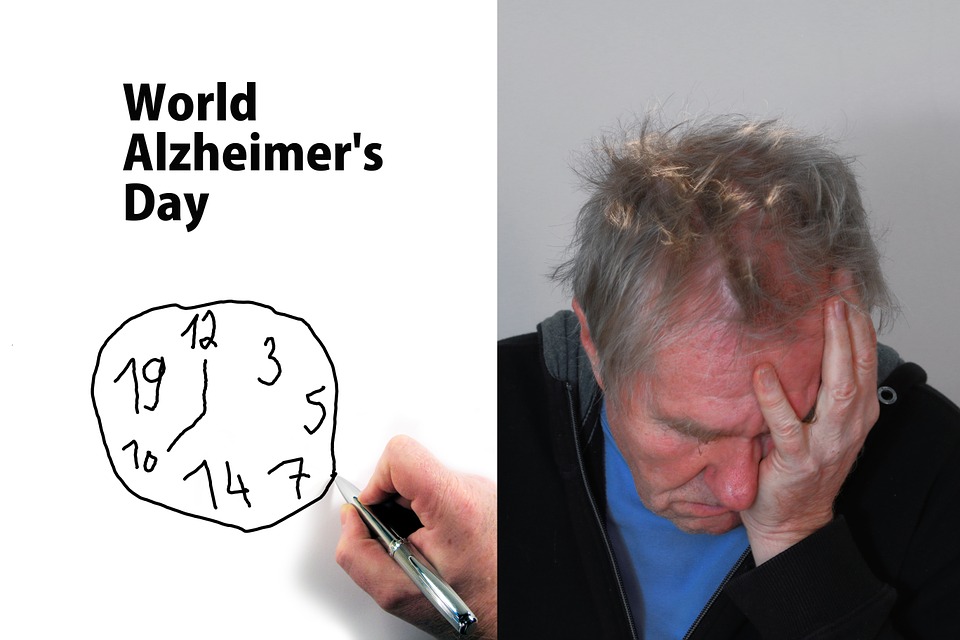
Alzheimer’s disease, vascular dementia and other cognitive impairments are more likely in diabetics particularly those with type two diabetes. A longer duration of diabetes and a younger age of onset were associated with cognitive impairment.

Hyperglycaemia

High blood sugars can cause poor concentration, tension, irritability, restlessness and agitation. In experiments, high blood sugar induced delayed information processing, poorer working memory, and impaired attention.

In five to eighteen year olds with new type one diabetes most neuropsychological tests showed considerable impairment.  One year post diagnosis, dominant hand reaction time was worse in those with poor glycaemic control.

Long term, type ones diagnosed before the age of 18 had five times the risk of cognitive impairment compared to their non- diabetic counterparts. Chronic hyperglycaemia increased the risk.

Hypoglycaemia

Most friends and relatives can recognise if someone well known to them has a low blood sugar, often faster than the individual. Cognitive performance drops at blood sugars of 2.6-3 in non- diabetic subjects.  In type one children, those who had recurrent severe hypoglycaemia had more impaired memory and learning.

Psychological issues

Both depression and anxiety can impair test performance. Both of these and other mental illnesses are more common in diabetics.

Sensory and motor problems

Visual impairment and deafness can make some learning methods difficult.

Conclusion

We all learn in different ways. A substantial proportion of the population has low literacy and numeracy. This impairs health literacy which impairs diabetes knowledge for self -care. Poor numeracy may worsen blood sugar control. Clearly written, easily readable information helps everyone. Having diabetes increases the risk of cognitive impairment both at diagnosis and long term. Both high and low blood sugars affect current ability to learn and may have long term adverse effects on cognition.

Before teaching diabetics it is worth having a think about any difficulties your patient could be having assimilating the learning. If so, how can you tailor your teaching to their needs?

The BBC has adult learning resources at http://www.bbc.co.uk/learning/adults/


Diabetes structural education for children and their families: labour intensive, poorly attended, and no improvement in blood sugars


familyNICE want to see structural education for all new diabetics but particularly children and their families. Sadly the end results sometimes doesn’t seem to justify the effort put in. The wrong focus on eating lots of starch we wonder? Here is the abstract of one teams considerable efforts with the full paper here: :http://drc.bmj.com/content/3/1/e000065.full?sid=90e5f16a-f3de-4a5d-94dc-c57e973c4587

Implementing a structured education program for children with diabetes: lessons learnt from an integrated process evaluation | BMJ Open Diabetes Research & Care <!– [if lt IE 10]>http://drc.bmj.com/sites/all/themes/highwire/axon/js/media.match.min.js<![endif]–>

Abstract

Background There is recognition of an urgent need for clinic-based interventions for young people with type 1 diabetes mellitus that improve glycemic control and quality of life.

The Child and Adolescent Structured Competencies Approach to Diabetes Education (CASCADE) is a structured educational group program, using psychological techniques, delivered primarily by diabetes nurses.

Composed of four modules, it is designed for children with poor diabetic control and their parents. A mixed methods process evaluation, embedded within a cluster randomized control trial, aimed to assess the feasibility, acceptability, fidelity, and perceived impact of CASCADE.


Methods 28 pediatric diabetes clinics across England participated and 362 children aged 8–16 years, with type 1 diabetes and a mean glycosylated hemoglobin (HbA1c) of 8.5 or above, took part. The process evaluation used a wide range of research methods.


Results Of the 180 families in the intervention group, only 55 (30%) received the full program with 53% attending at least one module. Only 68% of possible groups were run.

Staff found organizing the groups burdensome in terms of arranging suitable dates/times and satisfactory group composition. Some staff also reported difficulties in mastering the psychological techniques.

Uptake, by families, was influenced by the number of groups run and by school, work and other commitments. Attendees described improved: family relationships; knowledge and understanding; confidence; motivation to manage the disease. The results of the trial showed that the intervention did not significantly improve HbA1c at 12 or 24 months.


Conclusions Clinic-based structured group education delivered by staff using psychological techniques had perceived benefits for parents and young people. Staff and families considered it a valuable intervention, yet uptake was poor and the burden on staff was high. Recommendations are made to inform issues related to organization, design, and delivery in order to potentially enhance the impact of CASCADE and future programs.

Current Controlled Trials ISRCTN52537669.

Key messages

  • The Child and Adolescent Structured Competencies Approach to Diabetes Education (CASCADE) structured education program is perceived by young people and parents who attend as having benefits but practical challenges associated with attendance result in low uptake.

  • Staff are positive about the potential of the program but organizational aspects are unacceptably burdensome.

  • CASCADE is potentially deliverable to families as part of routine care and could be a useful intervention. However, improvements in clinical and administrative support, staff training, program content, and service structures are required to ensure fidelity to the program and feasibility and acceptability to key stakeholders.

    1. Mary Sawtell1,
    2. Liz Jamieson2,
    3. Meg Wiggins3,
    4. Felicity Smith2,
    5. Anne Ingold3,
    6. Katrina Hargreaves3,
    7. Meena Khatwa3,
    8. Lucy Brooks4,
    9. Rebecca Thompson5,
    10. Deborah Christie5

    Author affiliations


    1. 1Social Science Research Unit, UCL Institute of Education, London, UK

    2. 2Department of Practice and Policy, UCL School of Pharmacy, London, UK

    3. 3Social Science Research Unit, Institute of Education, London, UK

    4. 4Medical Statistics Department, London School of Hygiene and Tropical Medicine, London, UK

    5. 5University College London Hospitals NHS Foundation Trust, London, UK
    1. Correspondence to Mary Sawtell; m.sawtell@ioe.ac.uk

Robert Redfern: High carb diet causes memory loss as we age

MayoClinic.jpg

As reported in Naturally Healthy News Issue 24

Eating a diet that’s rich in carbohydrates – sweets, soft drinks, bread, pasta and potatoes- is  a direct cause of mild dementia and memory loss as we get older. Starch and sugar cause cognitive impairment.

A diet that is high in fats and protein is far less likely to cause mental decline, say Mayo Clinic researchers. 

They have found that carbohydrates interfere with the body’s ability to metabolise glucose and insulin which are needed to feed the brain.

The carbohydrate link was found when researchers analysed the lifestyles and diets of 937 people aged 70-89 years. They found that those who ate the most carbohydrates were 3.6 times more likely to show mild cognitive decline, including problems with memory, language, thinking and judgement. 

Those who ate fats were 42% less likely to suffer cognitive decline and those who ate high protein diets had 21% less risk.

( Alzheimers Dis, 2012;32:329-39)


Dr Claude Lardinois: Albumin’s important role in detecting heart and kidney disease

In part two of Dr Lardinois’ interview for Diabetes in Control we learn more often overlooked points regarding albumin.


The Role of Albumin in Heart Disease

Claude-K-LardinoisIn part 2 of this exclusive interview from AACE 2016, Dr. Claude Lardinois discusses why albumin is a driver of cardiovascular disease.

Steve Freed: I woke up with a nightmare and I said to myself (and it goes to what you’ve been saying) microalbumin in the urine can actually be an indicator for heart disease, diabetes, and kidney failure.

Dr. Lardinois: And congestive heart failure too.

Steve Freed: I was told by a doctor that 10% of the population has some form of kidney issues and that if we prevent one person from going on dialysis, that’s a quarter of a million dollars over their lifetime. Just one person. I said to myself. Well, wait a second, we have microalbumin tests right now. I looked into it and you can perform a microalbumin test with blood, you can also do a dip stick in your office. But there is no FDA approved test for home use to detect microalbumin. Now if you remember, we had colon cancer tests where you put a piece of feces in the mail, and we found all these people and we saved millions and millions of dollars.

Dr. Lardinois: I would say two things: one is, I would discontinue using the term microalbumin. Now the reason I say that is I’ve actually asked students or residents what microalbumin is, and do you know what they think it is? It’s a smaller molecule of albumin. It’s a small albumin molecule. There’s a small albumin and a big albumin. Well, there’s not! It’s just albumin, period.

Steve Freed: So I said to myself, let me investigate this. So I went out and I found overseas a test that’s like a pregnancy test.  A plastic container, put two drops of urine in it. If the red line comes up, you’ve got “albumin” in the urine. Obviously if you’re lifting weights, you might have albumin in the urine. If you have a cold, you might have albumin in your urine. So I asked the doctor, he said you know I tried this about 20 years ago, and what they discovered was it was too costly. Well, I found a way to get this thing made for less than a dollar. It has to get FDA approved. My thought is you can send these out and I would send two, maybe even three tests out, and if one was positive, you do another one in a week and if that was positive, you can do another one. If you get two positives then you need to contact your physician and have them do further testing. Because you could be at risk. I know I can’t say that you’re diagnosed. All I can say is you’re at risk and more tests have to be done and you need to contact your physician. Send this out to the self-insured companies that have 10,000 employees, send it out with your tax refund, if the check is no good.

Dr. Lardinois: I’ll share with you, I’ve got a couple of very important things. You said something about nightmares though?

Steve Freed: Well I had a nightmare because of all these people I have to talk to, this doctor and I said a quarter of a million dollars.

Dr. Lardinois: You don’t have diabetes do you?

Steve Freed: No, it’s in my family.

Dr. Lardinois: Because what I tell you is that I tell people that a nightmare or a bad dream is a hypoglycemic reaction. When you said that, I used to do camps for kids and there were kids that would have a 400 blood sugar in the morning and everybody thought they didn’t take their insulin. They had too much insulin and they rebounded. Here’s the issue with albumin…. Albumin in the urine. What do they tell you your albumin in the urine should be? Less than 30. Where did that number come from?

Steve Freed: The albumin test is greater than 20.

Dr. Lardinois: That’s because you have to correct for grams of protein so it actually becomes 30. It’s 20 mg but when you correct for creatinine it’s actually 30. That number of 30 was generated by the nephrologists. What they showed was that if you had less than 30 mg of albumin in your urine, your chances of going onto end stage renal disease was zero, almost zero. If you had between 30 and 300, that’s where they came up with the term microalbumin. It really wasn’t microalbumin, it was just albumin in the 30 to 300 range. You had a small percentage of going into end stage renal disease. If you had more than 300 in your urine, I tell my patients, you better start learning the word nephrologist. Not endocrinologist, because you’re going to do that. But I can tell you, the true value, the goal for albumin in the urine is 7.5 in women and 4 in men.

Steve Freed: You say 4 and 7, what does that mean?

Dr. Lardinois: I’m saying instead of 30 it should be 7.5 for you [Joy], and 4 for you [Steve]. There are studies now, and I will show this data, that once your albumin in the urine is more than 5 mg per gram of creatinine, your mortality starts to go up. When you get to 30, you’ve already doubled your mortality. So you’re twice as likely to die if you have a 30 as a 5, but everybody says it’s normal because you’re less than 30. The other thing they don’t take into account, but I’ve learned from a couple nephrologists here, that they actually are addressing now is you [Steve] versus her, because you have a bigger muscle mass than she does. You’re going to have a seriously lower creatinine because it’s an albumin to creatinine ratio, because you have a bigger creatinine, your numbers actually are going to be lower. But when you correct it for lean body mass, your numbers should be lower, so yours should be 4 and hers is 7.5. But I’m going to do a whole hour on that.


Steve Freed: So what do you think of that? I’ve already got a lab, we’re working on it, we’re putting it together, we’re putting together a business plan to develop this and get it FDA approved.

Dr. Lardinois: I think it would be a great idea, but I’m hoping that the FDA and that societies will stop looking at 30 as the normal.

Steve Freed: Where can I get this information?

Dr. Lardinois: Which information?

Steve Freed: That 30 is not normal.

Dr. Lardinois: I can give you all the information you want. I can send you the talk I gave in Hawaii and it’s going to be similar in December, but obviously I’ve got some new information just in the last couple weeks. I always update my presentations.

Steve Freed: I’d like to transcribe it so I can hand it to the National Kidney Foundation.

Dr. Lardinois: I’ve been very adamant. I’ve not got anywhere with it. Even some of them say, what are you talking about, let’s do a physician paper. I said ok fine, but your blood pressure, lipids, continuous glucose monitoring. Why don’t you actually do one on albumin? In fact I even said I would be happy to even chair it, if you were willing to do it, because I think it’s something that’s really important. The problem with albumin right now, is we’ve never designed any good control studies, so all the data we have is observational. Observational studies, that’s the problem with nutrition. All of them are observational studies, and that’s been flawed. So that’s prevented us. Until the FDA will accept albumin as a legitimate marker, and say, ok, we must get below 7.5 in you, we must get below 4 in you, let’s see what happens? I’ll guarantee you, I’m from Nevada but I don’t spend money at the casinos, but I would [spend] some serious money on that. I’ll bet you, I’ll bet $25,000 that if you did a clinical study and you got it below 7.5 in women and 4 in men, you would save a lot of lives.

Steve Freed: That’s going to take time to show.

Dr. Lardinois: Exactly, but they’ve got studies where they’ve done it, but they didn’t want it. It wasn’t part of the end point. But they’ve got studies like Life study which shows normal albuminuria and the death rates up 200% with a “normal” albuminuria. I’ll be happy to send you that.

Diabetes in Control will continue to provide updates as more information becomes available.

Claude K. Lardinois, M.D., FACP, FACE, MACN, is  a professor of medicine at the University of Nevada School of Medicine and  a member of the graduate faculty for Nevada Studies in Nutrition at the University of Nevada, Reno.  

Portions of this interview transcript have been edited for brevity and clarity.

Click here for part 1.

Click here to see the full video.

Coconut oil can reduce mouth infections

Floss4

Researchers in the Athlone Institute of Technology in Dublin Ireland have been researching the effects on coconut oil on oral health. They have found that coconut oil kills most bacteria in the mouth and importantly the ones that cause tooth decay. The oil is also effective against Candida Albicans that causes thrush.

The team think that it should be added to commercial toothpastes. Indeed there are some makes available. You can also make it yourself. One recipe has coconut oil, baking soda and peppermint oil.

As poor dental health, gingivitis and thrush do affect diabetics more severely than many people perhaps this new finding can help.

(Reported in Naturally Healthy Issue 24 www/ait.ie/aboutaitandathlone/newsevents/pressreleases/2012pressreleases/title-16701-en.html)


Dr Claude Lardinois: New insights about cardiovascular disease

This is a two part interview with Professor of Internal Medicine Dr Claude Lardinois given to Diabetes in Control. We learn new things from him that are not emphasised enough  in the medical community.

Continued smoking is THE factor that causes the most amputations in diabetics.

Feet should be examined EVERY time a diabetic sees a health care professional.

Diabetes = cardiovascular disease due to insulin resistance + high blood sugars

Apart from blood pressure and cholesterol, urinary albumin and genetic tests can help individualise the advice and treatment that is given to patients.

P E N T A D is a memory aid for doctors when they see a diabetic: protein in the urine, eyes, e, necklace, toes, A1C, document.


The Impact of Genetics in Cardiovascular Disease

Claude-K-LardinoisIn part 1 of this exclusive interview from AACE 2016, Dr. Claude Lardinois discusses amputations and SGLT-2s, and genetic risk factors for cardiovascular issues in diabetes patients.


I think smoking is a huge factor in amputations. In fact, I personally think that in my practice anyway, 90% of the patients that have amputations are the ones that continue to smoke.

Joy Pape: So, how do you teach your patients about foot care and preventing amputations?

Dr. Lardinois: We have a policy that you have to get your shoes and socks off immediately when you get in the room.So we inspect the feet every time we see the patients. When I have patients that are smokers, I look at their leg and I’m checking for sensory and that and I say, do you like your legs?

Well of course, Dr. Lardinois, I like my legs. Well if you keep smoking, you’re not going to have your legs. I say, do you know what a black and decker is? Well yeah. We might as well do a black and decker right now. Because that’s what’s going to end up happening if you keep smoking.

I’m amazed because I’ve actually had patients that have quit smoking. I just saw one of my patients not too long ago, and the nurse said your black and decker’s here today. She laughed, she said you got me to quit smoking, because you emphasized to me the importance of my legs.

Joy Pape: This could be very interesting. You might come up with some very interesting ways of getting people motivated to manage their diabetes better. Something else we were talking about earlier [was] about cardiovascular disease. Or just managing diabetes and the topic of genetics. Tell me more.

Dr. Lardinois: Let’s talk about diabetes and cardiovascular disease, because if you look at patients with diabetes and patients without diabetes, the only difference is one has an elevated blood sugar, the other does not.

So, intuitively, the thought process was, particularly from the ADA, is if you lower the glucose to normal, your heart disease will go away. Doesn’t happen. You still have heart disease, because it turns out it’s not the glucose, it’s that you have insulin resistance.

I’ve been accused by my colleagues that I’m really not an endocrinologist, I’m a cardiologist disguised as an endocrinologist, because I really don’t get too hung up about the blood sugar. I don’t have to have it 6.5 or 7. I tell my patients, you are going to die of heart disease.

So what are the factors that make the most difference in cardiovascular disease?

Blood pressure. I’m a very big believer in blood pressure control. Lower is better. Again, you have to be careful in some elderly patients.

But cholesterol is very important, measuring albumin in your urine is very important. So these are all factors, but even after we do that, we’re still evaluating people as a group, not as an individual. That’s where the genetics come in.

There are certain genetic tests that everybody should have done, whether you have diabetes or not. Some of those are Apo-E [tests].

Apo-E is a very important gene that really determines what type of nutritional recommendations you’re going to make for your patient. If you’re a 2-2 or a 2-3, or if you’re a 3-3 or a 3-4, it’s going to vary on what the nutritional recommendations are.

Another thing is, we always talk about alcohol as being good for you — modest alcohol consumption. If you’re an Apo-E 4 and 25% of the population has either 3-4 or 4-4, alcohol actually makes your cholesterol worse and it increases cancer, particularly breast cancer in women. Some of my colleagues say I’m not going to measure my Apo-E 4, because I like alcohol. You’re going to tell me I can’t drink anymore. But we have to explain to those patients that they really have to limit their alcohol to one drink a day. So that’s very important nutritional information, right from the start, that you would never get by just following the standard guidelines.

There’s other genetic markers. There’s actually a statin marker — a lot of controversy behind it. But I stand firm that there’s a certain gene that we have called KIF6, and if you don’t have the variant, the studies with two of the cholesterol drugs weren’t very compelling, that they lowered LDL, but they didn’t reduce heart disease. So I tell a lot, if you don’t know what your KIF6 variant is, which most doctors don’t (I know mine), you have to be very discretionary in which statin you prescribe.

Then there’s other genes that you could also look at. One is haptoglobin; haptoglobin is how we carry our oxygen around. It turns out that there’s three different haptoglobins, 1-1, 1-2, and 2-2. Well, patients with type 2 diabetes who have 2-2, have a 45 percent increased cardiovascular event rate.

So again, that’s why I think with cardiology, we have these studies, even if we aggressively treat their lipids, we still have this 30% residual. Well, I don’t think that residual is cholesterol. I think it’s haptoglobin, APO-E, maybe the statin that you’re prescribing; other factors, albumin in the urine.

I think albumin in the urine is a powerful risk factor for heart disease. But unfortunately the FDA doesn’t see it as a good primary endpoint. I think until they do that, and actually establish a primary endpoint for that, we will never get a valuable answer. There’s no question about albumin in the urine. People think it’s just the kidney, albumin in the urine is the kidney telling you, you have endothelial disease. That you are leaking albumin throughout your entire body. That albumin drives cardiovascular disease. Big time.

Joy Pape: So, do you refer your patients for genetic counseling? If this is the way you practice, how do you learn more about their profile?

Dr. Lardinois: Right now it’s been kind of challenging. The diabetes [practice] I was in, they were not all that receptive. Change is always hard to do. So I actually worked with two of my former medical students, who are now practicing physicians in Reno. There’s a concierge service. I helped them set-up a genetic thing, so if patients do want to come in, they pay cash now. It’s only $1000 for the genetic testing. You do a treadmill which is $1100, and that doesn’t tell me anything. I think treadmills are kind of useless. I went 16 minutes on the treadmill, and I’ve got heart disease. I went 16 minutes. Well they’d tell me I’m just fine. Well, I’d be dead now. That’s what happened to the guy on Meet the Press. He had a treadmill [test] and three days later he was dead. What was his name? I’ll think of it in a second. [ed. note: Tim Russert.] Right now, it’s been hard to get it implemented, and I’m moving to a different position in a different hospital and maybe I can get involved with a cardiologist and get this up and running. I do think there’s basic genetic testing that should be implemented in the management of everybody with any disease, and it’s not that expensive.

Joy Pape: So we talk about patient education and people making changes. Behavior change. So how did it work? How does it work if your patients find they have this certain gene and they need to cut down on their drinking? Have you had any experience with that?

Dr. Lardinois: Oh yeah, some of them aren’t really happy with that. But I say, I provide you a service. I’m not your mom or your dad and I provide you a service and I say based on this information, you should reduce your alcohol consumption to one drink a week.

Joy Pape: Is it effective?

Dr. Lardinois: In some people it is. I think 70% of patients will follow along with you, but I think 30% no matter what you do [won’t]. There’s patients that I say [to], I feel sorry, I feel bad today. They say why? You came in, I gave you these recommendations three months ago, you didn’t do any of them. Your A1C, your blood pressure, your cholesterol, your kidney test is all the same. I’m going to have to charge you $75 for this. We live in Nevada, you could go to a nice big buffet with your whole family for $75. So I feel kind of bad, I’m taking their money away because why did they even bother to come? They didn’t do anything.

Joy Pape: Well, I’m sure glad you came today. I think it’s obvious why you got this award that you’ll be getting tonight. So congratulations and thank you.

Dr. Lardinois: Just one other point I’d like to share that I think is important. One of the things I try to do is, I work with the VA to try to set up ways to get doctors to better manage their [patients’] diabetes. I actually came up with this thing called PENTAD. I published it in Archives of Family Medicine. It was very short. Just a little card, a pocket card. The P stood for Proteinuria, which would be albumin. The E stood for Eyes. Make sure you have your patients get their eye exam. N was necklace or bracelet. Make sure they have a bracelet. T was toes, check the toes. The A was A1C. And then you say well it’s PENTAD, you have the D, so what’s the D? I said that you Document in the chart that you did the PENTA. I was very successful. It worked very well. I was going through some old papers of mine and I came up and had a few of my PENTAD cards left that I did. I did camps for kids with diabetes for 18 years and I think Lilly or somebody nicely made these PENTAD cards, so we just gave them out to everybody.

Joy Pape: It’s great to have those memory tags, something to remember.

Dr. Lardinois: We actually had a stamp. We had a stamp at the VA where we just stamped the PENTAD in and you could just write it in. That improved compliance tremendously, because it’s a reminder.

Joy Pape: I know it’s something I’ll use. Thank you so much.

Read part 2.

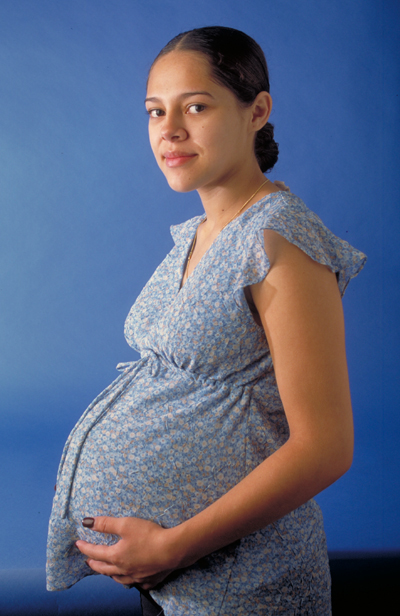
Planning a pregnancy: how tight does blood sugar control need to be?


At what level do pregnancy complications begin?7241780178_d6f12e91cd_o

    December 17th, 2016  Diabetes in Control


The results from a new study show that risk increased in women with an early HbA1c of at least 5.9% regardless of a gestational diabetes diagnosis later in pregnancy.

Risk of obstetric complications increases linearly with rising maternal glycemia. Testing HbA1c is an effective option to detect hyperglycemia, but its association with adverse pregnancy outcomes remains unclear. Emerging data sustains that an early HbA1c≥5.9% could act as a pregnancy risk marker.

The purpose of the study was to determine, in a multi-ethnic cohort, whether an early ≥5.9% HbA1c could be useful to identify women without diabetes mellitus at increased pregnancy risk. Primary outcome was macrosomia. Secondary outcomes were pre-eclampsia, preterm birth and Caesarean section rate.

1,228 pregnancies were included for outcome analysis. Women with HbA1c≥5.9% (n= 48) showed a higher rate of macrosomia (16.7% vs. 5.9%,p= 0.008) and a tendency towards a higher rate of preeclampsia (9.32% vs. 3.9% ,p= 0.092). There were no significant differences in other pregnancy outcomes. After adjusting for potential confounders, an HbA1c≥5.9% was independently associated with a three-fold increased risk of macrosomia (p= 0.028) and preeclampsia (p= 0.036).

They evaluated data on 1,228 pregnant women from April 2013 to September 2015 to determine whether an early HbA1c of at least 5.9% can identify women at increased risk for adverse pregnancy outcomes.

Participants were screened for gestational diabetes at 24 to 28 weeks’ gestation, and HbA1c measurement was added to first antenatal blood tests. The primary outcome of the study was macrosomia, and secondary outcomes included rates of preeclampsia, preterm birth and caesarean section.

Compared with participants with an HbA1c less than 5.9% (n = 48), participants with an HbA1c of at least 5.9% (n = 1,180) were more often members of ethnic minorities, had higher pre-pregnancy BMI, were more likely to have anemia and microcytosis, and were more likely to be diagnosed with gestational diabetes.

The rate of macrosomia was increased nearly threefold in participants with HbA1c of at least 5.9% compared with participants with HbA1c less than 5.9%; there also was an increased tendency toward preeclampsia. The rates of preterm birth and caesarean section did not differ significantly between the two groups.

Among participants with HbA1c of at least 5.9%, 22 were diagnosed and treated for gestational diabetes.

From the results of the study it was concluded that, in a multiethnic population, an early HbA1c ≥5.9% measurement identifies women at high risk for poorer pregnancy outcomes independently of GDM diagnosis later in pregnancy. Further studies are required to establish cutoff points adapted to each ethnic group and to assess whether early detection and treatment are of benefit.

In an earlier study published by the American Diabetes Association (Diabetes Care, 2014) they demonstrated that a simple A1c blood test can uncover hidden type 2 diabetes in expectant mothers. The study found that the A1c test can accurately detect undiagnosed type 2 and prediabetes in pregnant women.

The hemoglobin A1c done early in pregnancy may be a convenient and effective way to identify women with pre-existing type 2 diabetes or who are at greater risk of worse pregnancy outcomes.

In this study, researchers examined the use of an A1c measurement done during the first trimester as a screening tool for pre-existing diabetes. The test was performed on more than 16,000 pregnant women and compared with the results of a 2-hour oral glucose tolerance test (OGTT), which is performed after an overnight fast, and is the gold standard diagnostic test for type 2 diabetes.

The study found that the hemoglobin A1c test was able to identify all the women with pre-existing type 2 diabetes when an A1c cutoff point of 5.9 percent was used, said Dr. Florence Brown from Joslin Diabetes Center in Boston.  “In addition, even if women did not have pre-existing diabetes, the A1c cutoff point of 5.9 was able to identify a population of women at greater risk for adverse pregnancy outcomes, including some women with gestational diabetes.”

This is an important finding because 5.9 percent is considerably lower than the value of 6.5 percent currently used to diagnose patients with type 2 diabetes who are not pregnant, she adds. The 6.5 percent threshold would have missed almost half of these women and is therefore too high for screening purposes, the study authors conclude.

This study also found that an early pregnancy A1c of 5.9 percent to 6.4 percent was associated with a greater risk of worse pregnancy outcomes, including birth defects, preeclampsia and perinatal death.

Given that the prevalence of type 2 diabetes is increasing, the A1c test done as early as possible could identify women at high risk and improve pregnancy outcomes. “This study supports the use of an A1c test in the first trimester and ideally with the first prenatal visit as one possible screen for pregnant women,” said Dr. Brown.

Practice Pearls:

  • A1c test in the first trimester and ideally with the first prenatal visit is one possible screen for pregnant women.
  • An A1c test done as early as possible could identify women at high risk and improve pregnancy outcomes.
  • All pregnant women should undergo screening for diabetes and prediabetes at initial appointment and also later in their pregnancy.

Mañé L, et al. J Clin Endocrinol Metab. 2016;doi:10.1210/jc.2016-2581.

Limited time to exercise? Weekend warriors still benefit

Marines_do_pushups
From bootcamps to ballet, there’s a work-out for everyone on YouTube.

From BMJ 14th January 2017

Although guidelines recommend spreading exercise throughout the week, weekend warriors, who compress the recommended amount into the weekend, still experience substantial benefits.

JAMA Internal Medicine reported that risk of death from all causes were 30% down, cardiovascular disease deaths were 40% down  and cancer deaths were 18% down, compared to inactive adults. 

(doi:10.1136/bmj.j126)