Coconut oil can reduce mouth infections

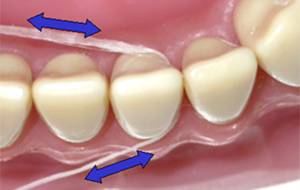
Floss4

Researchers in the Athlone Institute of Technology in Dublin Ireland have been researching the effects on coconut oil on oral health. They have found that coconut oil kills most bacteria in the mouth and importantly the ones that cause tooth decay. The oil is also effective against Candida Albicans that causes thrush.

The team think that it should be added to commercial toothpastes. Indeed there are some makes available. You can also make it yourself. One recipe has coconut oil, baking soda and peppermint oil.

As poor dental health, gingivitis and thrush do affect diabetics more severely than many people perhaps this new finding can help.

(Reported in Naturally Healthy Issue 24 www/ait.ie/aboutaitandathlone/newsevents/pressreleases/2012pressreleases/title-16701-en.html)


Dr Claude Lardinois: New insights about cardiovascular disease

This is a two part interview with Professor of Internal Medicine Dr Claude Lardinois given to Diabetes in Control. We learn new things from him that are not emphasised enough  in the medical community.

Continued smoking is THE factor that causes the most amputations in diabetics.

Feet should be examined EVERY time a diabetic sees a health care professional.

Diabetes = cardiovascular disease due to insulin resistance + high blood sugars

Apart from blood pressure and cholesterol, urinary albumin and genetic tests can help individualise the advice and treatment that is given to patients.

P E N T A D is a memory aid for doctors when they see a diabetic: protein in the urine, eyes, e, necklace, toes, A1C, document.


The Impact of Genetics in Cardiovascular Disease

Claude-K-LardinoisIn part 1 of this exclusive interview from AACE 2016, Dr. Claude Lardinois discusses amputations and SGLT-2s, and genetic risk factors for cardiovascular issues in diabetes patients.


I think smoking is a huge factor in amputations. In fact, I personally think that in my practice anyway, 90% of the patients that have amputations are the ones that continue to smoke.

Joy Pape: So, how do you teach your patients about foot care and preventing amputations?

Dr. Lardinois: We have a policy that you have to get your shoes and socks off immediately when you get in the room.So we inspect the feet every time we see the patients. When I have patients that are smokers, I look at their leg and I’m checking for sensory and that and I say, do you like your legs?

Well of course, Dr. Lardinois, I like my legs. Well if you keep smoking, you’re not going to have your legs. I say, do you know what a black and decker is? Well yeah. We might as well do a black and decker right now. Because that’s what’s going to end up happening if you keep smoking.

I’m amazed because I’ve actually had patients that have quit smoking. I just saw one of my patients not too long ago, and the nurse said your black and decker’s here today. She laughed, she said you got me to quit smoking, because you emphasized to me the importance of my legs.

Joy Pape: This could be very interesting. You might come up with some very interesting ways of getting people motivated to manage their diabetes better. Something else we were talking about earlier [was] about cardiovascular disease. Or just managing diabetes and the topic of genetics. Tell me more.

Dr. Lardinois: Let’s talk about diabetes and cardiovascular disease, because if you look at patients with diabetes and patients without diabetes, the only difference is one has an elevated blood sugar, the other does not.

So, intuitively, the thought process was, particularly from the ADA, is if you lower the glucose to normal, your heart disease will go away. Doesn’t happen. You still have heart disease, because it turns out it’s not the glucose, it’s that you have insulin resistance.

I’ve been accused by my colleagues that I’m really not an endocrinologist, I’m a cardiologist disguised as an endocrinologist, because I really don’t get too hung up about the blood sugar. I don’t have to have it 6.5 or 7. I tell my patients, you are going to die of heart disease.

So what are the factors that make the most difference in cardiovascular disease?

Blood pressure. I’m a very big believer in blood pressure control. Lower is better. Again, you have to be careful in some elderly patients.

But cholesterol is very important, measuring albumin in your urine is very important. So these are all factors, but even after we do that, we’re still evaluating people as a group, not as an individual. That’s where the genetics come in.

There are certain genetic tests that everybody should have done, whether you have diabetes or not. Some of those are Apo-E [tests].

Apo-E is a very important gene that really determines what type of nutritional recommendations you’re going to make for your patient. If you’re a 2-2 or a 2-3, or if you’re a 3-3 or a 3-4, it’s going to vary on what the nutritional recommendations are.

Another thing is, we always talk about alcohol as being good for you — modest alcohol consumption. If you’re an Apo-E 4 and 25% of the population has either 3-4 or 4-4, alcohol actually makes your cholesterol worse and it increases cancer, particularly breast cancer in women. Some of my colleagues say I’m not going to measure my Apo-E 4, because I like alcohol. You’re going to tell me I can’t drink anymore. But we have to explain to those patients that they really have to limit their alcohol to one drink a day. So that’s very important nutritional information, right from the start, that you would never get by just following the standard guidelines.

There’s other genetic markers. There’s actually a statin marker — a lot of controversy behind it. But I stand firm that there’s a certain gene that we have called KIF6, and if you don’t have the variant, the studies with two of the cholesterol drugs weren’t very compelling, that they lowered LDL, but they didn’t reduce heart disease. So I tell a lot, if you don’t know what your KIF6 variant is, which most doctors don’t (I know mine), you have to be very discretionary in which statin you prescribe.

Then there’s other genes that you could also look at. One is haptoglobin; haptoglobin is how we carry our oxygen around. It turns out that there’s three different haptoglobins, 1-1, 1-2, and 2-2. Well, patients with type 2 diabetes who have 2-2, have a 45 percent increased cardiovascular event rate.

So again, that’s why I think with cardiology, we have these studies, even if we aggressively treat their lipids, we still have this 30% residual. Well, I don’t think that residual is cholesterol. I think it’s haptoglobin, APO-E, maybe the statin that you’re prescribing; other factors, albumin in the urine.

I think albumin in the urine is a powerful risk factor for heart disease. But unfortunately the FDA doesn’t see it as a good primary endpoint. I think until they do that, and actually establish a primary endpoint for that, we will never get a valuable answer. There’s no question about albumin in the urine. People think it’s just the kidney, albumin in the urine is the kidney telling you, you have endothelial disease. That you are leaking albumin throughout your entire body. That albumin drives cardiovascular disease. Big time.

Joy Pape: So, do you refer your patients for genetic counseling? If this is the way you practice, how do you learn more about their profile?

Dr. Lardinois: Right now it’s been kind of challenging. The diabetes [practice] I was in, they were not all that receptive. Change is always hard to do. So I actually worked with two of my former medical students, who are now practicing physicians in Reno. There’s a concierge service. I helped them set-up a genetic thing, so if patients do want to come in, they pay cash now. It’s only $1000 for the genetic testing. You do a treadmill which is $1100, and that doesn’t tell me anything. I think treadmills are kind of useless. I went 16 minutes on the treadmill, and I’ve got heart disease. I went 16 minutes. Well they’d tell me I’m just fine. Well, I’d be dead now. That’s what happened to the guy on Meet the Press. He had a treadmill [test] and three days later he was dead. What was his name? I’ll think of it in a second. [ed. note: Tim Russert.] Right now, it’s been hard to get it implemented, and I’m moving to a different position in a different hospital and maybe I can get involved with a cardiologist and get this up and running. I do think there’s basic genetic testing that should be implemented in the management of everybody with any disease, and it’s not that expensive.

Joy Pape: So we talk about patient education and people making changes. Behavior change. So how did it work? How does it work if your patients find they have this certain gene and they need to cut down on their drinking? Have you had any experience with that?

Dr. Lardinois: Oh yeah, some of them aren’t really happy with that. But I say, I provide you a service. I’m not your mom or your dad and I provide you a service and I say based on this information, you should reduce your alcohol consumption to one drink a week.

Joy Pape: Is it effective?

Dr. Lardinois: In some people it is. I think 70% of patients will follow along with you, but I think 30% no matter what you do [won’t]. There’s patients that I say [to], I feel sorry, I feel bad today. They say why? You came in, I gave you these recommendations three months ago, you didn’t do any of them. Your A1C, your blood pressure, your cholesterol, your kidney test is all the same. I’m going to have to charge you $75 for this. We live in Nevada, you could go to a nice big buffet with your whole family for $75. So I feel kind of bad, I’m taking their money away because why did they even bother to come? They didn’t do anything.

Joy Pape: Well, I’m sure glad you came today. I think it’s obvious why you got this award that you’ll be getting tonight. So congratulations and thank you.

Dr. Lardinois: Just one other point I’d like to share that I think is important. One of the things I try to do is, I work with the VA to try to set up ways to get doctors to better manage their [patients’] diabetes. I actually came up with this thing called PENTAD. I published it in Archives of Family Medicine. It was very short. Just a little card, a pocket card. The P stood for Proteinuria, which would be albumin. The E stood for Eyes. Make sure you have your patients get their eye exam. N was necklace or bracelet. Make sure they have a bracelet. T was toes, check the toes. The A was A1C. And then you say well it’s PENTAD, you have the D, so what’s the D? I said that you Document in the chart that you did the PENTA. I was very successful. It worked very well. I was going through some old papers of mine and I came up and had a few of my PENTAD cards left that I did. I did camps for kids with diabetes for 18 years and I think Lilly or somebody nicely made these PENTAD cards, so we just gave them out to everybody.

Joy Pape: It’s great to have those memory tags, something to remember.

Dr. Lardinois: We actually had a stamp. We had a stamp at the VA where we just stamped the PENTAD in and you could just write it in. That improved compliance tremendously, because it’s a reminder.

Joy Pape: I know it’s something I’ll use. Thank you so much.

Read part 2.

Planning a pregnancy: how tight does blood sugar control need to be?


At what level do pregnancy complications begin?7241780178_d6f12e91cd_o

    December 17th, 2016  Diabetes in Control


The results from a new study show that risk increased in women with an early HbA1c of at least 5.9% regardless of a gestational diabetes diagnosis later in pregnancy.

Risk of obstetric complications increases linearly with rising maternal glycemia. Testing HbA1c is an effective option to detect hyperglycemia, but its association with adverse pregnancy outcomes remains unclear. Emerging data sustains that an early HbA1c≥5.9% could act as a pregnancy risk marker.

The purpose of the study was to determine, in a multi-ethnic cohort, whether an early ≥5.9% HbA1c could be useful to identify women without diabetes mellitus at increased pregnancy risk. Primary outcome was macrosomia. Secondary outcomes were pre-eclampsia, preterm birth and Caesarean section rate.

1,228 pregnancies were included for outcome analysis. Women with HbA1c≥5.9% (n= 48) showed a higher rate of macrosomia (16.7% vs. 5.9%,p= 0.008) and a tendency towards a higher rate of preeclampsia (9.32% vs. 3.9% ,p= 0.092). There were no significant differences in other pregnancy outcomes. After adjusting for potential confounders, an HbA1c≥5.9% was independently associated with a three-fold increased risk of macrosomia (p= 0.028) and preeclampsia (p= 0.036).

They evaluated data on 1,228 pregnant women from April 2013 to September 2015 to determine whether an early HbA1c of at least 5.9% can identify women at increased risk for adverse pregnancy outcomes.

Participants were screened for gestational diabetes at 24 to 28 weeks’ gestation, and HbA1c measurement was added to first antenatal blood tests. The primary outcome of the study was macrosomia, and secondary outcomes included rates of preeclampsia, preterm birth and caesarean section.

Compared with participants with an HbA1c less than 5.9% (n = 48), participants with an HbA1c of at least 5.9% (n = 1,180) were more often members of ethnic minorities, had higher pre-pregnancy BMI, were more likely to have anemia and microcytosis, and were more likely to be diagnosed with gestational diabetes.

The rate of macrosomia was increased nearly threefold in participants with HbA1c of at least 5.9% compared with participants with HbA1c less than 5.9%; there also was an increased tendency toward preeclampsia. The rates of preterm birth and caesarean section did not differ significantly between the two groups.

Among participants with HbA1c of at least 5.9%, 22 were diagnosed and treated for gestational diabetes.

From the results of the study it was concluded that, in a multiethnic population, an early HbA1c ≥5.9% measurement identifies women at high risk for poorer pregnancy outcomes independently of GDM diagnosis later in pregnancy. Further studies are required to establish cutoff points adapted to each ethnic group and to assess whether early detection and treatment are of benefit.

In an earlier study published by the American Diabetes Association (Diabetes Care, 2014) they demonstrated that a simple A1c blood test can uncover hidden type 2 diabetes in expectant mothers. The study found that the A1c test can accurately detect undiagnosed type 2 and prediabetes in pregnant women.

The hemoglobin A1c done early in pregnancy may be a convenient and effective way to identify women with pre-existing type 2 diabetes or who are at greater risk of worse pregnancy outcomes.

In this study, researchers examined the use of an A1c measurement done during the first trimester as a screening tool for pre-existing diabetes. The test was performed on more than 16,000 pregnant women and compared with the results of a 2-hour oral glucose tolerance test (OGTT), which is performed after an overnight fast, and is the gold standard diagnostic test for type 2 diabetes.

The study found that the hemoglobin A1c test was able to identify all the women with pre-existing type 2 diabetes when an A1c cutoff point of 5.9 percent was used, said Dr. Florence Brown from Joslin Diabetes Center in Boston.  “In addition, even if women did not have pre-existing diabetes, the A1c cutoff point of 5.9 was able to identify a population of women at greater risk for adverse pregnancy outcomes, including some women with gestational diabetes.”

This is an important finding because 5.9 percent is considerably lower than the value of 6.5 percent currently used to diagnose patients with type 2 diabetes who are not pregnant, she adds. The 6.5 percent threshold would have missed almost half of these women and is therefore too high for screening purposes, the study authors conclude.

This study also found that an early pregnancy A1c of 5.9 percent to 6.4 percent was associated with a greater risk of worse pregnancy outcomes, including birth defects, preeclampsia and perinatal death.

Given that the prevalence of type 2 diabetes is increasing, the A1c test done as early as possible could identify women at high risk and improve pregnancy outcomes. “This study supports the use of an A1c test in the first trimester and ideally with the first prenatal visit as one possible screen for pregnant women,” said Dr. Brown.

Practice Pearls:

  • A1c test in the first trimester and ideally with the first prenatal visit is one possible screen for pregnant women.
  • An A1c test done as early as possible could identify women at high risk and improve pregnancy outcomes.
  • All pregnant women should undergo screening for diabetes and prediabetes at initial appointment and also later in their pregnancy.

Mañé L, et al. J Clin Endocrinol Metab. 2016;doi:10.1210/jc.2016-2581.

Limited time to exercise? Weekend warriors still benefit

Marines_do_pushups
From bootcamps to ballet, there’s a work-out for everyone on YouTube.

From BMJ 14th January 2017

Although guidelines recommend spreading exercise throughout the week, weekend warriors, who compress the recommended amount into the weekend, still experience substantial benefits.

JAMA Internal Medicine reported that risk of death from all causes were 30% down, cardiovascular disease deaths were 40% down  and cancer deaths were 18% down, compared to inactive adults. 

(doi:10.1136/bmj.j126)

BMJ stands by Nina Teicholz despite demands for a retraction

18334616380_d884da17d4_bFeature Nutrition

The scientific report guiding the US dietary guidelines: is it scientific?

BMJ 2015; 351 doi: http://dx.doi.org/10.1136/bmj.h4962 (Published 23 September 2015) Cite this as: BMJ 2015;351:h4962

Response by Nina Teicholz

I’m delighted that The BMJ has stood by this article and decided against retraction. Two outside reviewers judged that the criticisms of the piece did not merit its retraction, and in the end, the corrections made by The BMJ do not, in my view, materially undermine any of the article’s key claims. This article therefore stands as one of the most serious ever, peer-reviewed critiques of the expert report for the US Dietary Guidelines for Americans (DGAs).

The importance of the DGAs, and therefore of this article, should not be understated (and indeed was recognized by many in the mainstream media when the article was published). The DGAs have long been considered the “gold standard,” informing the US food supply, military rations, US government feeding assistance programs such as the National School Lunch Program which are, altogether, consumed by 1 in 4 Americans each month, as well as the guidelines of professional societies and governments around the world, and eating habits generally.

Yet rates of obesity began to shoot upwards in the very year, 1980, that the DGAs were introduced, and the diabetes epidemic began soon thereafter. A critically important yet little understood issue is why the DGAs have failed, so spectacularly, to safeguard health from the very nutrition-related diseases that they were supposed to prevent.

In documenting fundamental failures in the science behind the DGAs, this article offers new insights; It establishes that a vast amount of nutrition science funded by the National Institutes of Health and other governments worldwide has, for decades, been systematically ignored or dismissed, and that therefore, that the DGAs are not based on a comprehensive reviews of the most rigorous science. Incorporating this long-ignored relevant science would likely lead to fundamentally different DGAs and could very well be an important step in infusing them with the power to better fight the nutrition-related diseases.

A fundamental question is why 170+ researchers (including all the 2015 DGA committee members, or “DGAC”), organized by the advocacy group, the Center for Science in the Public Interest (CSPI), would sign a letter asking for retraction. After all, in the weeks following publication, any person had the opportunity to submit a “Rapid Response” to the article, and both CSPI and the DGAC did so, alleging many errors. I responded to them all in my Rapid Response. This is the normal post-publication process.

Yet after all this, CSPI returned for a second round of criticisms, recycling two of the issues (CSPI points #3 and #10) that I had already addressed in my Rapid Response (and which had required no correction), adding another 9 (one of which, #4, contained no challenge of fact), and demanding that based on these alleged errors, the article be retracted. CSPI then circulated this letter widely to colleagues and asked them to sign on.

This lack of substance in the retraction effort seems to point to the reality that it was first and foremost an act of advocacy—a heavy handed attempt to silence arguments with which CSPI, a longtime supporter of the Dietary Guidelines and its allies disagree.[ footnote 1] And this applies not just to the retraction letter but to other CSPI efforts to stifle alternative viewpoints. Earlier this year, for example, I was dis-invited from the National Food Policy Conference after CSPI, together with the USDA official in charge of the Dietary Guidelines, threatened to withdraw if I were included, details of which are reported here and which a Spiked columnist called an act of “censorship.”

It’s important to note that I am not the only person disturbed by the lack of rigorous science underpinning our dietary guidelines. Numerous scientists around the world have expressed concern about the science. And indeed, this consternation is shared by no less than the US Congress, which held a hearing on Oct 7, 2015 to address its serious doubts about the DGAs. Such was this concern that last year that Congress mandated the first-ever major peer-review of the DGAs, by the National Academy of Medicine. Congress appropriated $1 million for this review, and it additionally stipulated that all members of the 2015 DGA committee recuse themselves from the process.

What is the dangerous information challenging the DGAs that cannot be heard on a conference panel nor published in a peer-reviewed journal?

The major findings of this article are that:
1. The DGAC’s finding that the evidence of a “strong” link between saturated fats and heart disease was not clearly supported by the evidence cited. (Note that as of last year, the Heart and Stroke Foundation of Canada no longer limits saturated fats. Note, also, that Frank Hu, the Harvard epidemiologist in charge of the DGAC review on saturated fats, was an energetic promoter of the retraction letter against my article that critiqued his review, according to emails obtained through FOIA requests);
2. Successive DGA committees have for decades ignored or dismissed a large body of rigorous (randomized controlled trial) literature on the low-fat diet, on more than 50K subjects, collectively finding that this diet is ineffective for fighting obesity, diabetes, heart disease or any kind of cancer;
3. Although the DGAs have for decades recommended avoiding saturated fats and cholesterol to prevent heart disease, no DGA committee has ever directly reviewed the enormous body of rigorous (government-funded, randomized controlled trials) evidence, testing more than 25,000 people, on this hypothesis. Many reviews of this data have concluded that saturated fats have no effect on cardiovascular mortality;
4. The DGAC ignored a large body of scientific literature on low-carbohydrate diets (including several “long term” trials, of 2-years duration) demonstrating that these diets are safe and highly effective for combatting obesity, diabetes, and heart disease;
5. The Nutrition Evidence Library (NEL) set up by USDA to do systematic reviews of the science did not meet its own standards for its review of saturated fats in 2010;
6. Although the DGAC is supposed to consult the NEL to conduct systematic reviews of the science, the 2015 DGAC did so for only 67% of the questions that required systematic reviews;
7. For a number of key reviews, the 2015 DGAC relied on work done in part by the American Heart Association and the American College of Cardiology, which are private associations supported by industry and therefore have a potential conflict of interest;
8. The DGAs, for the first time, introduce the “vegetarian diet” as one of its three, recommended “Dietary Patterns,” yet a NEL review of this diet concluded that the evidence for this its disease-fighting powers is only “limited,” which is the lowest rank of evidence assigned for available data;
9. The DGA’s three recommended “Dietary Patterns” are supported by only limited evidence. The NEL review found only “limited” or “insufficient” evidence that the diets could combat diabetes and only “moderate” evidence that the diets can help people lose weight. The report also gave a strong rating to the evidence that its recommended diets can fight heart disease, yet here, several studies are presented, but none unambiguously supports this claim. In conclusion, the quantity of recommended diets are supported by a small quantity of rigorous evidence that only marginally supports claims that these diets can promote better health than alternatives;
10. The DGA process does not require committee members to disclose conflicts of interest and also that, for the first time, the committee chair came not from a university but from industry;
11. The 2015 DGAC conducted a number of reviews in ways that were not systematic. This allowed for the potential introduction of bias (e.g., cherry picking of the evidence).

This last claim, on the systematic nature of the DGAC reviews, is the subject of the corrections published in The BMJ this week, and refer to CSPI points #1, #2, #7, and #8 (two of which are statements in the text and two of which are in the supporting tables). I am grateful to have had the opportunity to work with The BMJ on developing this notice.

The BMJ has placed a word limit on my response. For the rest of this comment, please see: http://thebigfatsurprise.com/comment-bmj-correction-notice/

Footnote 1
CSPI has fought for decades to eliminate saturated fats from the American food supply (so much so, that throughout the late 1980s, CSPI advocated for replacing saturated fats with trans fats and succeeded in driving up consumption of trans fats to historic levels, as described in The Big Fat Surprise, pp.227-228). CSPI has also long advocated for shifting away from animal foods containing saturated fats, towards a plant-based diet based on grains and industrial vegetable oils. The researchers who joined CSPI in signing the letter are largely adherents to this view; many have participated in generating the science that has been used to support the hypothesis that fat and cholesterol cause heart disease, and it is upon this hypothesis that the Guidelines have been based.

Competing interests: I have read and understood BMJ policy on declaration of interests and declare that I am the author of The Big Fat Surprise (Simon & Schuster, 2014), on the history, science, and politics of dietary fat recommendations. I have received modest honorariums for presenting my research findings presented in the book to a variety of groups related to the medical, restaurant, financial, meat, and dairy industries. I am also a board member of a non-profit organization, the Nutrition Coalition, dedicated to ensuring that nutrition policy is based on rigorous science.

Primary Care Women’s Health Forum: Ten tips for Polycystic Ovary Syndrome

The Primary Care Women’s Health Forum offer their best ten tips for helping women with Polycystic Ovary Syndrome.

pco_polycystic_ovary

Consider PCOS in women with no periods or a cycle length over 35 days whatever the woman’s BMI.

Consider PCOS in adult onset acne.

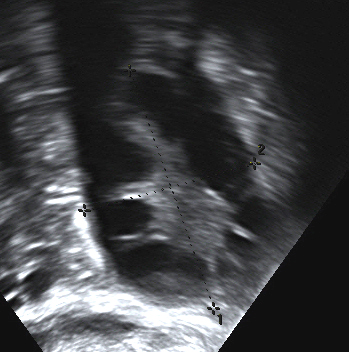
Ultrasound may not be required to make the diagnosis, but if you are doing it transvaginal ultrasound is best.

Lifestyle advice is required for diet and exercise.

Treat hyper-androgenic signs with combined hormonal contraceptives and if there are undue cardiovascular risks refer to a specialist for help.

Psychological symptoms are common. The Verity site: http://www.verity-pcos.org.uk  can help.

Normalise BMI and other risk factors before pregnancy.

PCOS is a  lifelong condition and needs individualised, holistic care.

Offer endometrial protection to prevent endometrial hyperplasia.

Offer annual screening to reduce risk factors for cardiovascular disease.

Weight loss increases hunger: a major obstacle for maintenance

weight-lossWe  know about the issue of slowed metabolism after weight loss due to the lean muscle mass loss that goes along with fat loss. This is one reason why higher protein/low carb diets work better than low fat diets; because muscle mass is maintained better. Well, new information from Diabetes in Control backs up what some of us know intuitively or may have experienced personally….


Losing Weight Increases Hunger

The study showed that for every kg of weight they lost, patients consumed an extra 100 calories a day — more than three times what they would need to maintain the lower weight.

This out-of-proportion increase in appetite when patients lost a small amount of weight may explain why maintaining long-term reduced body weight is so difficult.

A validated mathematical method was used to calculate energy intake changes during a 52-week placebo-controlled trial in 153 patients treated with canagliflozin, a sodium glucose co-transporter inhibitor that increases urinary glucose excretion, thereby resulting in weight loss without patients being directly aware of the energy deficit. The relationship between the body weight time course and the calculated energy intake changes was analyzed using principles from engineering control theory.

Previous studies show that metabolism slows when patients lose weight; however, these results suggest that proportional increases in appetite likely play an even more important role in weight plateaus and weight regain.

Knowing that patients with type 2 diabetes who receive the sodium-glucose cotransporter 2 (SGLT-2) inhibitor canagliflozin (Invokana) as part of a glucose-lowering strategy excrete a fixed amount of glucose in the urine (which causes weight loss), they used a mathematical model to calculate energy-intake changes during a 52-week placebo-controlled trial of the drug, in which 153 patients received 300-mg/day canagliflozin and 89 patients received placebo.  Using this approach meant that the participants who received canagliflozin consistently excreted 90-g/day glucose but were not aware of the energy deficit.

Previously, the researchers had validated a mathematical model to calculate the expected changes in caloric intake corresponding to changes in body weight (Am J Clin Nutr. 2015;102:353-358). They input the current study data into this model.

At study end, the patients who had received placebo had lost less than 1 kg and those who had received canagliflozin had lost about 4 kg. The weight loss with canagliflozin was less than predicted, due to the patients’ increased appetite. On average, patients who received canagliflozin ate about 100 kcal/day more per kg of weight lost — an amount more than threefold larger than the corresponding energy-expenditure adaptations.

“Our results provide the first quantification of the energy-intake feedback-control system in free-living humans,” the researchers write.

They add that in the absence of “ongoing efforts to restrain food intake following weight loss, feedback control of energy intake will result in eating above baseline levels with an accompanying acceleration of weight regain.”

The findings suggest that “a relatively modest increased appetite might explain a lot of the difficulty that people are having in both losing the weight and maintaining that weight loss over time. From the results it was concluded that, while energy expenditure adaptations have often been considered the main reason for slowing of weight loss and subsequent regain, feedback control of energy intake plays an even larger role and helps explain why long-term maintenance of a reduced body weight is so difficult.

The findings suggest that an increased appetite is an even stronger driver of weight regain than slowed metabolism. “The message to clinicians is to not only push physical activity as a way to counter weight regain but also use medications that impact appetite.”

In summary, the researchers conclude the few individuals who successfully maintain weight loss over the long term do so by heroic and vigilant efforts to maintain behavior changes in the face of increased appetite along with persistent suppression of energy expenditure in an omnipresent obesogenic environment. Permanently subverting or countering this feedback control system poses a major challenge for the development of effective obesity therapies.

Practice Pearls:

  • Findings suggest that an increased appetite is an even stronger driver of weight regain than slowed metabolism.
  • Appetite increased by ∼100 kcal/day above baseline per kilogram of lost weight.
  • The message to clinicians is to not only push physical activity as a way to counter weight regain, but also use medications that impact appetite.

Obesity. 2016;24:2289-2295. Abstract

Anger and exercise CAN trigger heart attacks

running

Can Anger and Exercise Trigger a Myocardial Infarction?

Diabetes in Control October 29th 2016

An International study explores the role of physical exertion, anger, and emotional upset in triggering acute myocardial infarction.

In the INTERHEART study, researchers explored the triggering association of acute physical activity and anger or emotional upset with a myocardial infarction (AMI) to quantify the importance of these potential triggers in a large, international population.

INTERHEART was a case-control study of first AMI completed in 262 centers across 52 countries. In this analysis, they included only cases of AMI and used a case-crossover approach to estimate odds ratios for AMI occurring within 1 hour of triggers.

Trained study staff performed a standardized physical examination on participants and administered a structured questionnaire. Participants with AMI (cases) were asked the questions, “Were you engaged in heavy physical exertion?” and “Were you angry or emotionally upset?” in the 1 hour before the onset of symptoms and during the same hour on the previous day.

Control participants were asked, “During the last 24 hours, were you engaged in heavy physical exertion?” and “During the last 24 hours, were you angry or emotionally upset?”

Data were also collected on age, ethnicity, diet, physical activity, tobacco use, education, employment, psychosocial factors, and cardiovascular risk factors. Anthropometric measurements (height, weight, waist, and hip circumference) were measured in a standardized manner.

Medical history (diabetes mellitus, hypertension, angina, stroke, other vascular disease, and depression) and baseline medications were self-reported. Smoking was categorized as never smoking, former smoking, or current smoking. Obesity was defined as body mass index of ≥30 kg/m2.

Countries were grouped into 10 geographical regions: Western Europe, Central and Eastern Europe, Middle East and Egypt, Africa, South Asia, China and Hong Kong, Southeast Asia and Japan, Australia and New Zealand, South America and Mexico, and North America.

Physical activity was categorized as mainly sedentary, mild exercise, or moderate/strenuous activity. Stress was categorized as none or some periods of stress versus several periods or permanent stress. Education was categorized as none, 1 to 8 years, 9 to 12 years, trade school, or college/university.

Of 12,461 cases of AMI, 13.6% (n=1650) engaged in physical activity and 14.4% (n=1752) were angry or emotionally upset in the case period (1 hour before symptom onset).

Physical activity in the case period was associated with increased odds of AMI (odds ratio, 2.31; 99% confidence interval [CI], 1.96–2.72) with a population-attributable risk of 7.7%.

Anger or emotional upset in the case period was associated with increased odds of AMI (odds ratio, 2.44; 99% CI, 2.06–2.89) with a population-attributable risk of 8.5% (99% CI, 7.0–9.6).

There was no effect on modification by geographical region, prior cardiovascular disease, cardiovascular risk factor burden, cardiovascular prevention medications, or time of day or day of onset of AMI. Both physical activity and anger or emotional upset in the case period were associated with a further increase in the odds of AMI.

From the results, it was reported that physical exertion and anger or emotional upset are common in the 1 hour before the onset of symptoms of AMI and that either exposure may act as an external trigger for AMI in all age groups. We report no differences by geographical region, previous cardiovascular disease, cardiovascular prevention medications, cardiovascular risk factors, and INTERHEART risk score.


Circulation. http://circ.ahajournals.org/lookup/suppl/doi:10.1161/CIRCULATIONAHA.116.023142/-/DC1 and http://dx.doi.org/10.1161/CIRCULATIONAHA.116.023142. 2016;134:1059-1067   

Can supplements help diabetes related visual problems?

slit_lamp_examination
Are supplements a waste of money? This article from Diabetes in Control describes and experiment to find out…..
 Do Supplements Help Diabetes Vision?

June 26th, 2015


This was a 6-month randomized, controlled clinical trial of patients with type 1 and type 2 diabetes with no retinopathy or mild to moderate non-proliferative retinopathy assigned to twice-daily consumption of placebo or a novel, multi-component formula containing xanthophyll pigments, antioxidants and selected botanical extracts.

Measurement of contrast sensitivity, macular pigment optical density, color discrimination, 5-2 macular threshold perimetry, Diabetic Peripheral Neuropathy Symptoms, foveal and retinal nerve fiber layer thickness, glycohemoglobin (HbA1c), serum lipids, 25-OH-vitamin D, tumor necrosis factor α (TNF-α) and high-sensitivity C reactive protein (hsCRP) were taken at baseline and 6 months. Outcomes were assessed by differences between and within groups at baseline and at study conclusion using mean ± SDs and t tests (p<0.05) for continuous variables.


The results showed that there were no significant intergroup differences at baseline. At 6 months, subjects on active supplement compared with placebo had significantly better visual function on all measures (p values ranging from 0.008 to <0.0001), significant improvements in most serum lipids (p values ranging from 0.01 to 0.0004), hsCRP (p=0.01) and diabetic peripheral neuropathy (Fisher’s exact test, p=0.0024). No significant changes in retinal thickness, HbA1c, total cholesterol or TNF-α were found between the groups.
The researchers concluded that this study provides strong evidence of clinically meaningful improvements in visual function, hsCRP and peripheral neuropathy in patients with diabetes, both with and without retinopathy, and without affecting glycemic control.

A. Paul Chous. The Diabetes Visual Function Supplement Study (DiVFuSS). Br J Ophthalmol doi:10.1136/bjophthalmol-2014-306534.

Double diabetes: watch out for ketoacidosis with some drug combinations

download-1

The use of adjuvant drugs for obese, insulin resistant type ones is increasing. What can you expect from therapy with some of the newer add on drugs? This article in Diabetes in Control tells you.

Type I Diabetes Mellitus: A Triple Therapy Approach

Diabetes management strategies have evolved since the discovery of newer oral agents that provide glycemic control through various pathways. Type 1 diabetes mellitus treatment has changed from traditional insulin regimens to incorporating other agents for improving glycemic control.

Maintaining adequate glycemic control and preventing end-organ damage is of utmost importance when managing diabetes. Uncontrolled blood glucose levels can lead to retinopathy, neuropathy, and nephropathy, which affects overall quality of life in our patients.

Due to these effects and the increased rate of uncontrolled A1c levels in patients with type 1 diabetes, various researchers have devised various treatment approaches for these patients. Recent research efforts have looked into the benefits of SGLT-2 inhibitors and their effect on cardiovascular events and mortality.

Matteo Monami et al., have looked into the benefits of these agents in patients with type 2 diabetes in the EMPAREG OUTCOME study. The findings from this research study highlight the benefit from SGLT-2 inhibitor use.  Their use in T2DM was found to reduce the risk of all-cause mortality, cardiovascular mortality, and myocardial infarction, but there was no increase in the risk of stroke. These findings can also provide similar benefits in type 1 diabetes patients; however, more studies are needed to provide stronger evidence.

Previous studies with other SGLT-2 inhibitors (i.e. canagliflozin) showed an increased incidence of diabetic ketoacidosis (DKA) in T1D patients. The incidence of DKA is thought to be associated with an increase in glucagon and free fatty acids that induces insulin resistance, which can also predispose to renal complications.

Conversely, a recent study showed improvements in renal functions in patients taking dapagliflozin through reductions in ischemia and hypoperfusion. These findings are not seen in patients taking liraglutide due to suppression of ketogenesis.

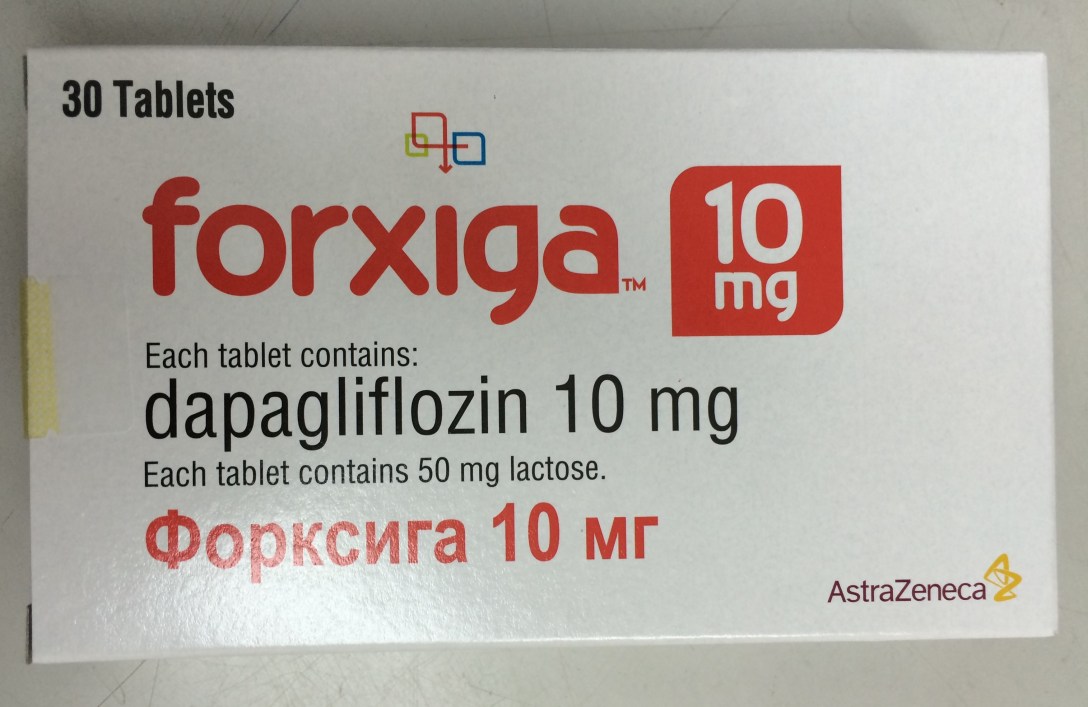
Recently, Nitesh Kuhadiya and colleagues expanded on the use of SGLT-2 inhibitors in type 1 diabetes patients. In this randomized clinical trial, researchers looked at the reduction in glycemia and body weight when adding dapagliflozin to an insulin and liraglutide regimen. Researchers hypothesized that the addition of dapagliflozin to an insulin and liraglutide regimen would provide improvements in glycemia without leading to increased concentrations of glucagon and other ketosis mediators.

Eligible patients were enrolled based on the following characteristics: 18-75 years of age with type 1 diabetes, fasting C-peptide of <0.1nmol/L, on any insulin regimen for more than 12 months with or without history of DKA. All patients had an A1c of <9.2% and were knowledgeable on carbohydrate counting. Additionally, patients needed to be on liraglutide therapy for at least 6 months prior to the start of the trial. 30 patients were assigned in a 2:1 ratio to receive either dapagliflozin 10 mg or placebo for 12 weeks. Consistency of carbohydrate content was documented by a dietitian.

The primary end-point of the study was a change in mean A1c after 12 weeks of dapagliflozin. Each patient’s body weight, systolic blood pressure, carbohydrate intake, and ketosis mediators were measured throughout the study as secondary endpoints. 26 patients completed the study, out of which only 17 were part of the intervention group. Those in the intervention group received dapagliflozin 5 mg daily for one week followed by 10 mg daily for 11 weeks. All insulin doses were targeted to 3.8-8.8 mmol/L.

At the end of the study it was found that triple therapy with liraglutide, insulin, and dapagliflozin decreased A1c by 0.66% when compared to placebo (~0.1%) (p <0.01 vs placebo). No severe hypoglycemic episodes were reported even when weekly glucose concentrations fell by 0.83 + 0.33 mmol/L in patients receiving triple therapy; no significant changes observed in the placebo group (P< 0.05 vs baseline; P=0.07 vs placebo).

When looking at the effects of this regimen and body weight, it was observed that body weight fell by 1.9 + 0.54 kg in the triple therapy group (P<0.05 vs placebo). Furthermore, there was a significant increase in ketosis mediators. It was also seen that total cholesterol and LDL-C level increased by 6% and 8%, respectively. Blood pressure readings remained unchanged in both groups.

In conclusion, a significant decrease in A1c and weight can be obtained by incorporating dapagliflozin for type 1 into an insulin and liraglutide regimen. However, special consideration should be taken when utilizing this approach due to an increase in ketosis mediators that can predispose patients to develop DKA.

Practice Pearls:

  • Triple therapy with dapagliflozin, insulin, and liraglutide reduces blood glucose levels without increasing the risk of hypoglycemia.
  • Weight reduction and A1c reduction can be obtained in type 1 diabetes patients while providing cardiovascular and renal protection properties, however closer monitoring is warranted due to increases in cholesterol and LDL-C.
  • Frequent monitoring should be implemented when utilizing this triple therapy approach due to an increase in glucagon, free fatty acids, and other mediators of ketosis predisposing to DKA.

Researched and prepared by Pablo A. Marrero-Núñez – USF College of Pharmacy Student Delegate – Doctor of Pharmacy Candidate 2017, reviewed by Dave Joffe, BSPharm, CDE

References:

Chang, Yoon-Kyung, Hyunsu Choi, Jin Young Jeong, Ki-Ryang Na, Kang Wook Lee, Beom Jin Lim, and Dae Eun Choi. “Dapagliflozin, SGLT2 Inhibitor, Attenuates Renal Ischemia-Reperfusion Injury.” PLOS ONE PLoS ONE 11.7 (2016). Web

Kuhadiya, Nitesh D., Husam Ghanim, Aditya Mehta, Manisha Garg, Salman Khan, Jeanne Hejna, Barrett Torre, Antoine Makdissi, Ajay Chaudhuri, Manav Batra, and Paresh Dandona. “Dapagliflozin as Additional Treatment to Liraglutide and Insulin in Patients With Type 1 Diabetes.” The Journal of Clinical Endocrinology & Metabolism (2016). Web.

Monami, Matteo, Ilaria Dicembrini, and Edoardo Mannucci. “Effects of SGLT-2 Inhibitors on Mortality and Cardiovascular Events: A Comprehensive Meta-analysis of Randomized Controlled Trials.” Acta Diabetol Acta Diabetologica (2016). Web.