Sheri Colberg: Debunking some physical activity and training myths

Adapted from Sheri Colberg’s article in Diabetes in Control July 6 2019

Exercise does NOT make you more tired.

Most people feel more invigorated after a workout. Regular exercise helps you cope better physically and mentally with your work and personal life.  During periods of acute stress, at work for instance, a short brisk walk can help clear your mind and bump up your energy levels.  Exercise helps reduce insomnia too.

You do NOT have to work out in a “fat burning range” to lose weight.

Just exercise as long and intensely as is reasonable for you if you want to lose weight.  You do use up a little more fat at lower intensity exercise but this mainly happens during the recovery phase.

Your muscles will NOT turn into fat if you stop weight training.

Keep your muscles strong and noticeable by physical activity and exercise and aim to avoid fat gain.

Weight training will NOT bulk you up if you are a woman.

It takes a great deal of effort for men to bulk up doing weight training and this effort is magnified in women because they have very little testosterone. Your total weight may increase if you weight train as muscle is heavier than fat. Pay attention to how you look and feel and how your clothes fit rather than have a fixed idea of the optimum number on a scale.

No pain does NOT mean no gain.

You need to distinguish the feeling of lactic acid in the muscle from a well executed exercise set and delayed muscle soreness a day or two afterward with acute muscle tears and overtraining. The time it takes to recover is a good guide. Also adjust your timing and intensity gradually.

Lifting weights slowly does NOT necessarily mean you will build more muscle.

Lifting slowly can increase the total time that your muscle is under tension. This can increase muscle endurance. Lifting the heaviest weight quickly helps you recruit more muscle fibres and will result in bigger muscles. So if you are lifting a weight slowly during a particular exercise but could lift it faster, to build muscle you either need to move that weight faster or use a heavier weight.

Working on your abdominal muscles WON’T give you a flat belly.

You can’t spot reduce. You can tone up your belly and back muscles but what really helps is getting rid of excess fat covering the muscle. You can do harder workouts to increase your muscle mass and this will help you burn more calories including at rest.

More exercise does NOT mean more fitness

Overuse injuries are more common if you are working out for more than 60-90 minutes of aerobic exercise a day. Cross fit and high intensity interval training are likely to be more beneficial than very long workouts.

You DO NOT have to eat huge amounts of protein.

If you do weight train you do need more protein but only up to twice that for a sedentary person. That is 1.6 to 1.7 grams of protein per kilogram body weight. Most people, especially those on a low carb diet will naturally be eating enough protein. Some protein after exercise may be beneficial especially whey protein. You can eat natural foods eg egg whites or drink chocolate milk (careful about sugar) instead.

You DO NOT need to sweat profusely to do good.

Sweating varies a lot between men and women and individuals. If you are physically trained you may sweat sooner and more. The exercise intensity will affect it. So does the ambient temperature and humidity. Sometimes not sweating enough can be a sign of dehydration so it doesn’t always reflect your effort.

Sheri’s book The Athlete’s Guide to Diabetes: Expert advice for 165 Sports and Activities is available on Amazon and at Barnes and Noble stores.

She has websites to help you:Sheri Colberg.com and DiabetesMotion.com
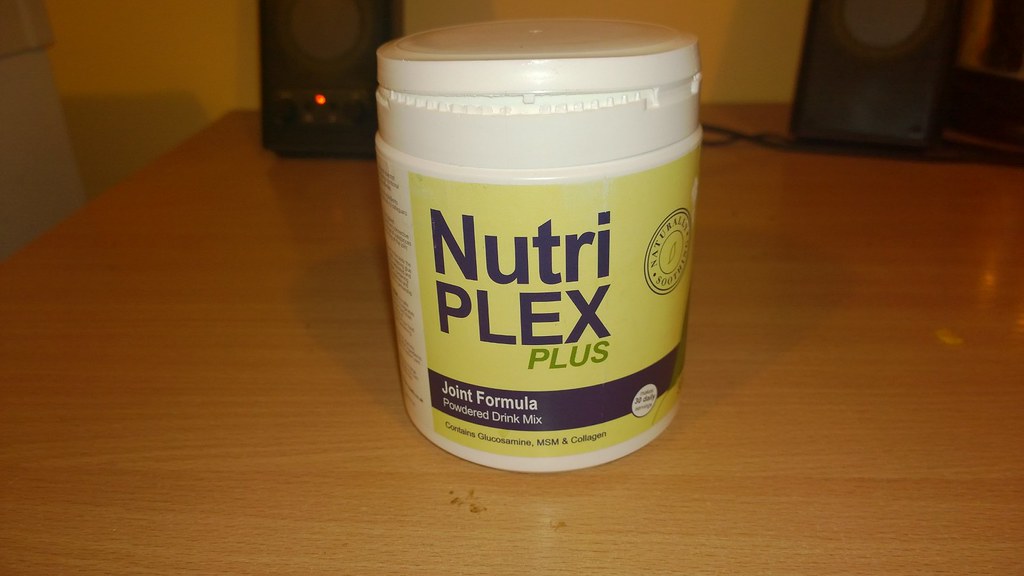


BMJ: Taking glucosamine long term may reduce cardiovascular disease risk

Adapted from BMJ18 May 19. Association of habitual glucosamine use with risk of cardiovascular disease. Ma h, Li X, Sun D et al. BMJ 2019:365:1628

Just over 466 thousand participants from the Biobank who did not have cardiovascular risk at that point completed a questionnaire about supplement use including glucosamine. Subjects were enrolled between 2006 and 2010 and were followed up in 2016.

After adjusting for age, sex, BMI, race, lifestyle factors, dietary habits, drug use and other supplement use, glucosamine was associated with a significantly lower risk of cardiovascular events. A limitation is that the association may not be causal. Perhaps those who use supplements are healthier than those who don’t.

The results they found were that there was a 15% less risk of total cardiovascular events.

There was a 22% lower risk of cardiovascular death, 16% less risk of ischaemic heart disease and a 9% lower risk of stroke.

My comment: I have been taking glucosamine regularly for the last 19 years because I have found that it completely solved the knee pain I had had for the previous five years. As I have a very strong family history of osteoarthritis of the knee and other joints I was keen to try it. Osteoarthritis is linked to inflammation in the joints, and we know that cardiovascular disease is linked to inflammation in the arterial walls and the bodies attempt to repair minute tears with cholesterol containing plaques. Thus there is a possible mechanism to explain the reduction in cardiovascular disease for those that take it. It is of course also possible that supplement takers take more exercise and I’m not sure to what extent the “lifestyle” factors were adjusted for. 

BMJ: Flu jag timing matters

From BMJ May 2019: Minerva BMJ 2019;365:1993

A review in Science indicates that vaccines for mumps, whooping cough and yellow fever lose their effectiveness more quickly than those for measles, diptheria, tetanus and flu.

The flu vaccine at best only protects about 60% of the people given it in any given year. Its effectiveness also declines after just a few months. If you are first in the queue to get it towards the end of September, much of its effects will be lost by January and February which are the peak months for flu infection.

My comment: Maybe you should plan to get the jag any time from mid November to mid December  if you are very keen on getting maximum effectiveness to prevent flu?


BMJ: Flozin effects in type one diabetes

 Adapted from BMJ 13 April19 Efficacy and safety of dual SGLT 1/2 inhibitor sotagliflozin in type one diabetes Musso G, Gambino R. Cassader M, Pascheta E. BMJ 2019:365:1328

Flozins are increasingly used for patients with “double diabetes” in practice. The authors of this study searched for randomised controlled trials for the drug Sotagliflozin to find out how effective they were and what safety issues were apparent. Over three thousand patient responses were studied. There were six trials that were of moderate to good quality and they ran between four weeks and a year. The relative pluses and minus are listed.

lowered HbA1c by  0.34% (small)

reduced fasting and post meal blood sugars

reduced daily total, basal and meal insulins

reduced time in target blood sugar range

reduced body weight by 3%

reduced systolic blood pressure by 3 mmHg

reduced protein in the urine

reduced the number of hypoglycaemic events

reduced the number of severe hypoglycaemic events

On the other hand these factors were increased:

Ketoacidosis increased by a factor of x 2 to x 8 depending on the study looked at

genital tract infections increased by a factor of x 2 to x 4.5

diarrhea increased up to x 2

volume depletion events increased by up to x 4

Patients got better blood sugar results from the higher dose of 400mg Sotagliflozin compared to the 200mg dose without increasing the risk of adverse events.

Most DKA episodes occurred as the drug was being started and patients cut their insulin dose too much, in anticipation of reduced blood sugars.

My comment: The risk of DKA in type twos is not very common but is a known effect of flozins, so it is not that surprising that this is increased in type ones too. The reduction in hypoglycaemia events and severity is a new finding and suggests an increasing role for flozins in type one management.


Type ones on low carb diets experience less hypoglycaemia

Adapted from Why low carb diets for type one patients? Jun1 2019 by Emma Kammerer Pharmacy Doctorate Candidate Bradenton School of Pharmacy originally published in Diabetes in Control.

Both Dr Jorgen Neillsen and Dr Richard Bernstein have shown that insulin users have fewer attacks of hypoglycaemia and that the attacks are less severe.  A new randomised controlled study by Schmidt et al confirms this finding.

Studies have shown that when a high carb diet is consumed there 20% greater error in carbohydrate estimation compared to when a low carb diet is chosen. This then affects the insulin dose administered, and thus the resulting blood sugars.

Schmidt wanted to look at the long term effects on glycaemic control and cardiovascular risk in type one patients on a low carb diet compared to a high carb diet.

The study was a randomised open label crossover study involving 14 adults who had had diabetes for more than 3 years, to eliminate the honeymoon effect. The patients went on one diet for 12 weeks, had a washout period of another 12 weeks, and then took up the other diet.  This was done so that the glycated haemoglobin levels would not be carried over from one diet to the next.

A low carb diet was defined as less than 100g carb a day and a high carb diet as over 250g per day.

Patients were given individualised meal plans and education on how to eat healthy carbs, fats and proteins. They all were experienced insulin pump users. They were asked to record total carbohydrate eaten but not the food eaten. Measurements were taken on fasting days on the first and last day of the study periods.

Blood glucose levels were downloaded from continuous glucose monitoring devices.

Four patients dropped out of the study so ten completed the test which was considered satisfactory by the statistician involved.

Results showed that the time spent in normal blood sugar range 3.9 to 10 mmol/L ( USA 56-180) was not significantly different for each diet.

The time spent in hypoglycaemia, below 3.9 (USA 70) was 25 minutes less a day on the low carb diet, and six minutes less a day below 3.0 (USA 56).

On the low carb diet glycaemic variability was lower and  there were no reports of severe hypoglycaemia.

On the high carb diet, significantly more insulin was used, systolic blood pressure was higher and weight gain was more.

There was no relevant changes in factors for cardiac risk between the two study arms.

The study showed that a low carb diet can confer real advantages to type one patients but education on how to conduct a low carb diet and manage the lower doses of insulin is required.

Schmidt, Signe et al. Low versus high carbohydrate diet in type 1 diabetes: A 12 week randomised open label crossover study. Diabetes, Obesity and Metabolism. 2019 March 26.


How Your Hormones Impact Physical Activity

Dr Colberg’s article: useful to know…

Sheri Colberg, PhD's avatarDiabetes Motion: Expert Advice from Dr. Sheri

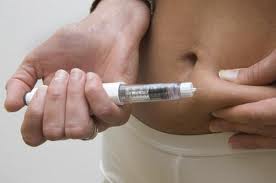
Insulin injection

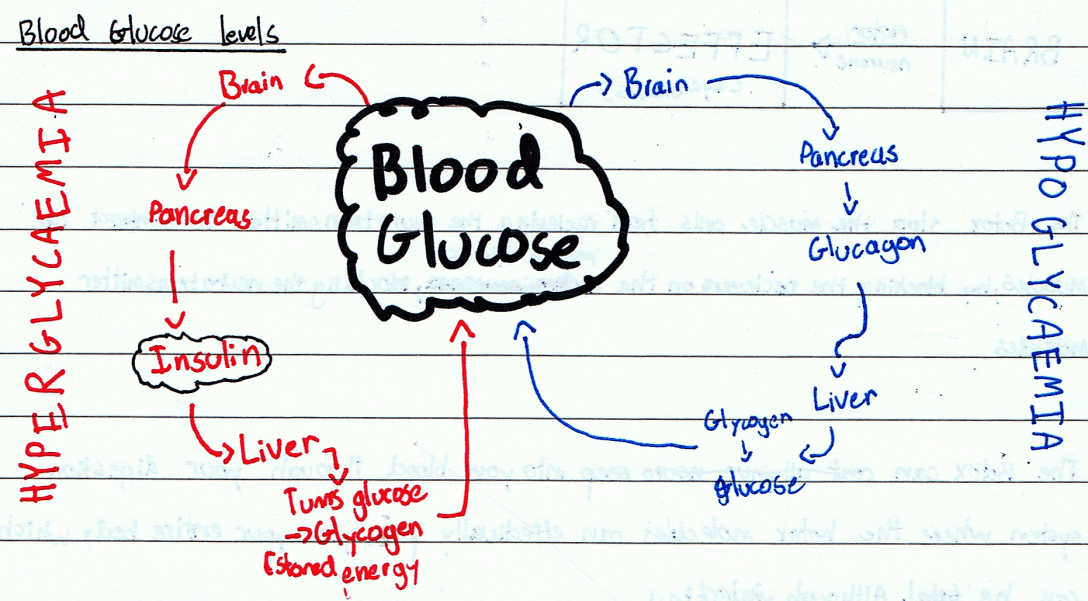
The human body only has insulin to lower blood glucose but has five hormones that raise it (with some overlap). This hormone redundancy tells you is that, at least from a survival standpoint, your body is desperate to make sure you do not run out of blood glucose; it is not as concerned about you having too much. Insulin is an important hormone for regulating your body’s storage of fuels (carbohydrate, fat, and protein) after you eat. It tells your insulin-sensitive cells (mainly your muscle and fat cells but also your liver) to take up glucose and fat to store them for later as muscle and liver glycogen (the storage form of glucose) as well as stored fat. During exercise, any insulin in your bloodstream can make your muscles take up extra blood glucose. In people who have a pancreas that functions normally, insulin levels typically decrease during exercise, and…

View original post 771 more words

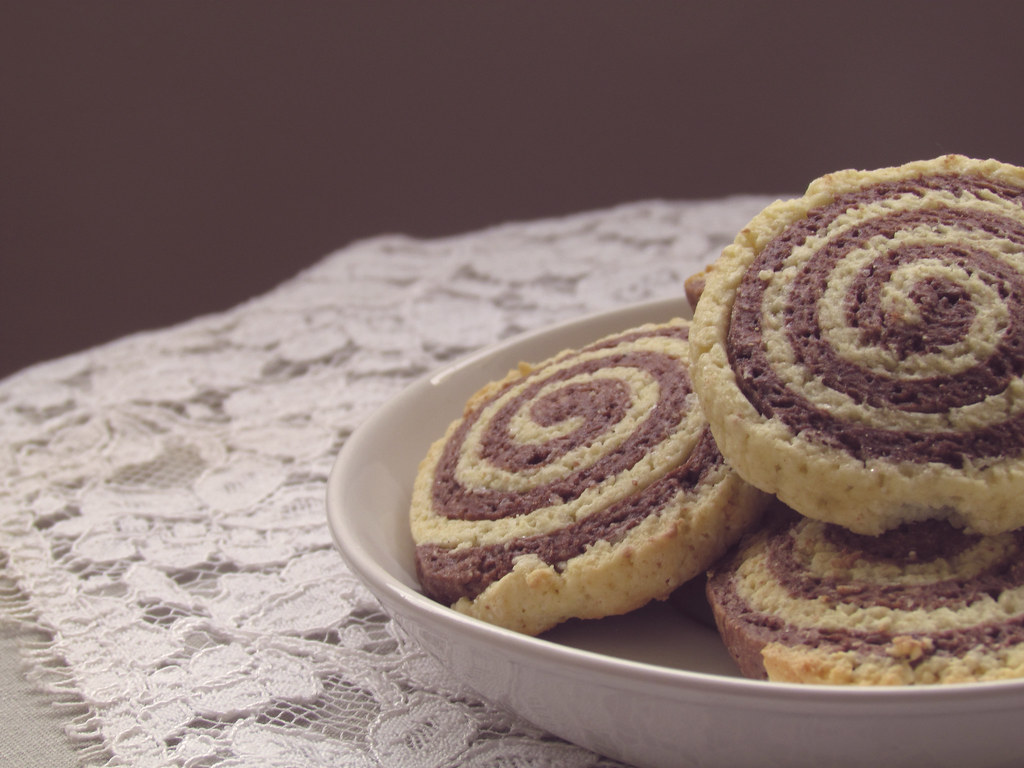
The natural low carb store: Cinnamon pinwheel biscuits


Biscuit Ingredients
200g almond flour
75g Inulin or a tablespoon of granulated sugar substitute
50g butter (soft but not melted)
1 medium egg
1 tsp vanilla extract
20ml double cream
Filling Ingredients
30g butter (soft but not melted)
1 tbsp cinnamon
½ tsp vanilla extract

Method:

Mix biscuit ingredients. Make into dough. Form into a square shape.

Roll out on silicon liner or parchment.

Mix filling ingredients. Spread on the dough.

Roll up tightly using the silicon paper.

Put in freezer for ten minutes or the fridge for 30 minutes.

Put the oven on to 180 degrees.

Take the dough out of the fridge/freezer and cut into slices.

Arrange these on a silicon sheet and bake for 12-18 minutes depending on thickness of dough slices.

Nice eaten warm.

Seven observations on using the FreeStyle Libre for a week

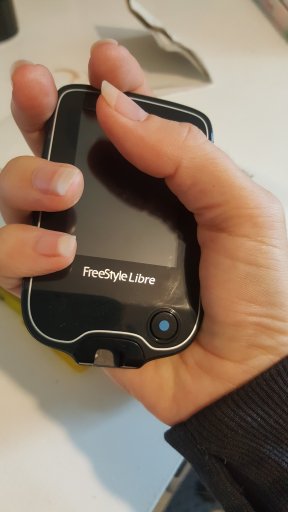
hand holding FreeStyle libre meter
You will prise this from my cold, dead hand…

Blood, I miss the sight of you… I’d gotten used to those tiny beads that popped from the tips of my fingers several times a day. This week, not so much.

And as misses go, it’s a rubbish one, right?

As the proud new owner of a FreeStyle Libre (may the universe rain her blessings down on NHS Greater Glasgow and Clyde), I know the much-vaunted advantages. Ability to test more often and easily. Probable positive effect on your HbA1c levels (the long-term measure of blood glucose in the body) and reduced likelihood of complications.

Here, then, are my observations on the lesser quoted points you notice when you wear one…

  1. I’m clumsy as heck. Yes, I keep bumping into door frames. Maybe I always have walked into them on a regular basis but when I hit my right arm (the one I’m wearing the sensor on) off a door frame, I notice. Three times in the first four hours of wearing it.
  2. The absence of black dots. Those of us who’ve spent our lives doing five or six blood tests a day (see above) can hold out fingers tips covered in tiny black dots. Occasionally, the skin peels away in protest. Three days in and mine VANISHED.
  3. Oh, the joy of the night-time test! You wake up, roll over, grab the sensor from our bedside table and wave it in the direction of your arm. Voila! The result. No messing around opening that wee case up, taking out the tube of sticks, popping it open, finding a stick and taking three attempts to insert it into meter, pricking your finger and missing the stick with the dot of blood, etc. And all done in the dark because you don’t want to disturb your other half.
  4. No more vampire impressions. I did blood tests on public transport, in offices, when out and about, in the gym, the cinema, the pub, restaurants and more. And I was discreet about it, but when your finger bleeds you suck it to get rid of the excess, right? Some folks think that is disgusting or that you should always wipe it on a tissue or surgical wipe. Who has the foresight to carry all that around as well as everything else?
  5. Having to remind yourself you can test whenever the heck you want. I’ll get used to the feeling quickly but I’m still adjusting. Shall I test again? No, no I only pricked my finger an hour ago and I’m only prescribed XX amount of sticks every months so no… Stop right there, lady. Shall I run the meter over my sensor again? Yes, yes, yes!*
  6. Staring at your graph. Oh the fascination of watching what your blood sugar levels get up to over eight hours. Telling yourself you will record this properly, oh yes you will, and work out patterns so you can make educated adjustments, rather than relying on guesswork.
  7. Missing the sight of blood. As you might have guessed, the intro to this piece was a big, fat lie. I’m one hundred percent happy that bloody fingers are a thing of the past (ish, you still have to do some).

* Ten’s the recommendation, in case you were wondering. Too many’s not good on the sanity levels.

Food 4 your mood: Breakfast banana bread and pancakes

Pancakes

Ingredients
1/2 c. almond flour
4 oz. cream cheese, softened
4 large eggs
1 tsp. lemon zest
Butter, for frying and serving
Method
— In a medium bowl, whisk together almond flour, cream cheese, eggs, and lemon zest until smooth.
— In a nonstick skillet over medium heat, melt 1 tablespoon butter. Pour in about 3 tablespoons batter and cook until golden, 2 minutes. Flip and cook 2 minutes more. Transfer to a plate and continue with the rest of the batter.
— Serve topped with butter.

Banana Bread

Ingredients
1/3 c. coconut flour
1/4 c. almond flour
1/2 tsp. ground cinnamon
1/2 tsp. baking powder
1/2 tsp. baking soda
1/2 tsp. kosher salt
1/4 c. coconut oil
1/4 c. smooth unsweetened almond butter
2 large ripe bananas, mashed
2 tbsp. agave syrup or 1 tbsp. granulated sugar substitute (optional)
1 tbsp. pure vanilla extract
2 large eggs
Method
— Preheat oven to 350° and line an 8″-x-5″ loaf pan with parchment paper. In a medium bowl, whisk to combine coconut flour, almond flour, cinnamon, baking powder, baking soda, and salt.
— In a large, microwave-safe bowl, combine coconut oil and almond butter. Microwave until coconut oil is melted and almond butter is more liquid, 10 seconds on high. Whisk in mashed bananas, agave, and vanilla, then whisk in eggs. Gently fold in dry ingredients until just combined.
— Pour batter into prepared pan and bake 40 to 45 minutes, until top is golden and a toothpick inserted into the center comes out clean. Let cool completely before slicing.