Anxiety Management During Pandemic Days~

Strange time, hmm? Loved this advice from Cindy.

cindy knoke's avatarCindy Knoke

Many of us are experiencing emotional distress from the pandemic which can affect each of us in different ways, but often presents as increasing anxiety, worry, sleep disruption, feelings of helplessness, panic, and/or depression.

The shrieking headlines don’t help do they? So what can we do to manage these feelings and feel stronger emotionally and psychologically as we prepare ourselves to face the difficult days ahead?

As a psychotherapist who has practiced for many decades, I have some ideas that can help. So if you are interested, read on.

We are going to make a customized anxiety toolbox. One approach doesn’t work for everyone, pick and choose what feels right for you. Of course I’m including relaxing photos intermixed in this post because looking at positive images is an objective and powerful anxiety reducer. What you perceive influences how you think and feel.

ANXIETY TOOLBOX:

Self Talk Reframing (Cognitive Therapy)

View original post 627 more words

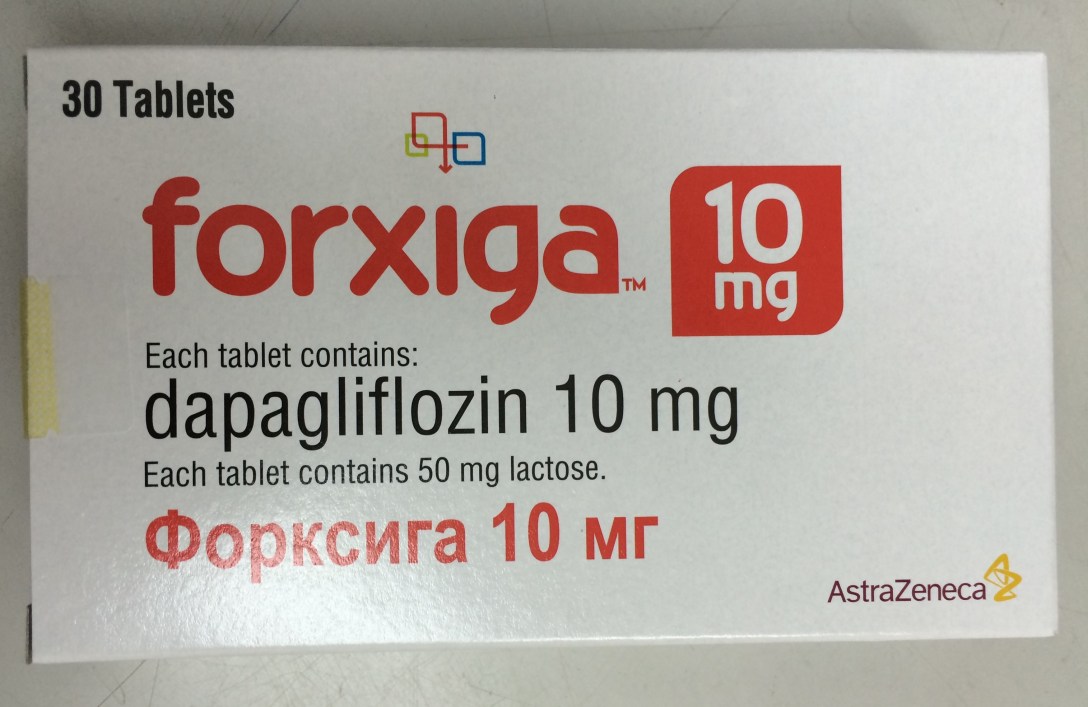
Dapagliflozin now approved for type ones in Scotland

From Scottish Medicines Consortium 9 September 2019

Dapagliflozin has been accepted for the treatment of inadequately controlled type one diabetes mellitus as an adjunct to insulin if their body mass index is at or above 27.

The combination significantly improves glycaemic control.

My comment: In my experience the combination is also good for weight control. These findings have been known for several years from USA research so it is good that Scottish doctors are being encouraged in its use.


A little care goes a long way

Adapted from Annals of Family Medicine 2019 doi:10.1370/afm.2421

People diagnosed by their GP with type two diabetes had a 40-50% lower mortality rate over the next ten years if they experienced their GP and practice nurses as empathetic during the year after diagnosis, compared to those who considered that their primary health carers had low empathy.

This study looked at 879 patients recruited from 49 GP practices in the east of England.

My comment: The first year is when patients get their head round the fact that they have a long term condition that could affect how long they will live and the quality of the life they have left. At diagnosis many are willing to look at lifestyle changes. Encouraging them, helping them, and helping them set appropriate goals makes a good difference to a person’s ability to change their daily routines. If you are newly diagnosed and don’t get on with your health care providers for any reason, then maybe a change of provider makes sense in the light of this research. 

There are benefits to that pre-breakfast workout

Adapted from Edinburgh RM et al. Journal of Clinical Endocrinology and Metabolism 21 Oct 2019 

Research suggests that blood sugar levels can be better controlled by planned eating and exercise timings.

This study was conducted in Bath and Birmingham and involved a six week trial of 30 overweight or obese men. They were divided into three groups. One group ate breakfast before exercise, one group after exercise and the third group made no changes to their diet or exercise (or lack of it). Groups one and two swapped over after the first six weeks.

The researchers showed that you doubled the amount of fat burned during exercise if breakfast was delayed. This was mainly because the group had lower insulin levels due to their prolonged overnight fast. They could therefore burn more fat in their fat stores or muscle. The groups did not do more exercise than the pre-workout breakfast group.

Groups one and two swapped over after the first three weeks. The men’s BMI averaged at 30 and was closely matched in each group. Although insulin sensitivity was improved in the longer fasting group, there was not any significant weight loss.

The optimal HbA1C for non low carbing type ones could be 6.5-7%

Adapted from Lind M et al. BMJ 28 August 2019

In type one diabetes in adults and children there could be a sweet spot for blood sugar control.

Under 6.5% severe hypoglycaemia rates increase. Retinopathy and nephropathy risks are not lower however below 6.5% compared to 6.9%. My comment:  In low carbers however, they have considerable protection against severe hypoglycaemia due to more precise meal/insulin matching, although they do experience more episodes of mild hypoglycaemia.

Risks for mild complications begin at levels over 7.0% and severe complications rise with levels over 8.6%.

Current guidelines vary in their HbA1C recommendations, anywhere from 6.5% to 7.5%.

The complication rates were based on 10,398 adults and children with type one diabetes on the Swedish National Diabetes Registry who were diagnosed between 1998 and 2017.


Soldiers improve their physique on a ketogenic diet

Adapted from Military Medicine January 2019 by Richard Al LaFountain et al of Ohio State University.

This is the first study of a ketogenic diet in military personnel. Daily ketone monitoring was done to personalise the diet. 29 subjects from various branches of the military took part over the 12 week study.

15 self selected to go on the ketogenic diet (KD) monitored by blood ketones daily. 14 continued their mixed diet (MD). Various measurements were done at the start and end of the programme.

All of the KD group were in ketosis throughout the 12 weeks as assessed by beta-hydroxybutrate levels. The KD group lost 7.7kg more (range -3.5 to -13.6kg) despite no calorie restriction. They lost 5.1% body fat (range -0.5 to -9.6%). 43.7% was visceral fat (range – 3.0  to – 66.3%) and had a 48% improvement in insulin sensitivity. There were no changes in the MD group.  There were no changes between the groups in aerobic capacity, maximal strength, power and a military specific obstacle course.

The authors conclude that this was a very well accepted intervention which showed remarkable improvements in body composition and weight without compromising physical performance in exercise training.

In the USA two thirds of active military personnel are overweight or obese which mirrors the general population. Nearly three out of four young people aged 17-24 fail to qualify for military service mainly due to obesity and failure to meet fitness standard thus posing an impending recruitment crisis.

The military usually follow the USDA’s dietary guidelines that advocates low fat, high carbohydrate foods. Americans have followed these recommendations for decades and have seen a marked rise in obesity at the same time. A diet that emphasises carbohydrate has the effect on suppressing fat oxidation and the production of ketones. Over half of active military personnel report drinking sugar and caffeine containing energy drinks in the past month.

Ketones produced while following a ketogenic diet have been shown to improve fat oxidation, enhance gene expression, inflammation, antioxidant defense and  healthspan. Fat loss without the explicit need to restrict calories is a benefit. Reversal of metabolic syndrome and obesity occurs. Previous studies have shown no detrimental impact on endurance and resistance training performance. The study was done in the military to see if this was a feasible approach.

The success of a ketogenic diet depends on commitment so we did not randomise the subjects. Both groups took part in identical physical training that emphasised strength and power.

Participants were recruited from the Ohio State Reserve Officer Training Corps and other local groups with a military affiliation.  We wanted people as similar as possible to the demographics of serving soldiers regarding age, sex, race and body mass. Participants were excluded if they had had previous experience of a ketogenic diet, were over 50, had certain illnesses, conditions, medications or allergies or who could not exercise safely.

The KD group were coached and were provided with unlimited frozen, pre-cooked meals and grocery supplies.  Carbohydrate was limited initially to 25g per day and protein to 90 g/d until ketosis occurred. Thereafter they could increase the amounts in their diet provided they stayed in ketosis. They were encouraged to use salt.  Carbohydrate was targeted at less than 50g per day including non starchy vegetables, nuts, seeds, selected fruit and berries. Protein goals were 0.6 – 1.0g g/kg of lean body mass. Total energy intake was not restricted. Non starchy vegetables and fats were encouraged to reach satiety. Alcohol over 2 drinks a day was discouraged in both groups.  Participants checked their blood ketones every morning and sent pictures of their readings to the research team.

The mixed diet group had a minimum consumption of 40% dietary calories from carbohydrate.  All participants met with registered dieticians and were encouraged to eat to satiety with no specific caloric limit. Dietary supplements were not allowed.

All groups undertook a progressive resistance training programme two days a week for an hour at a time. They had one additional cardio training session a week consisting of running and body weight circuit training for at least 30 minutes. Each resistance training session ended with 15 minutes of whole body, high intensity circuit training.

Body mass and body composition was measured by DEXA. Fat was assessed by MRI. Indirect calorimetry was used to evaluate resting metabolic rate and the respiratory exchange ratio.

The most noteworthy result was a spontaneous reduction in energy intake resulting in a uniformly greater weight loss for the ketogenic group.  The visceral fat was also markedly reduced which leads to a reduced risk for insulin resistance and cardiometabolic disease.  Insulin sensitivity improved in the ketogenic group.

Normalisation of weight is important for soldiers because non combat musculoskeletal injury is 33% more common in this group.

Subjects in this study were overweight but not obese, so the weight loss effect could be expected to be even more in obese subjects.  Release of fatty acids and ketones are likely the cause of the satiety effect leading to less hunger. The weight loss in the ketogenic group was 80% from body fat mass.  44% of the fat lost was from the viscera, largely in the middle of the body.

Because the subjects decided what diet they would follow, selection bias can’t be ruled out. The KD  group was also slightly heavier at baseline than the MD group.  The two women in the KD group responded similarly to the men.


Natural and low carb kitchen: Coconut and lemon cake

NB: One of our readers Jane had a very poor result with this cake due to a lack of liquid in the cake mix, and no raising agents and poor ingredient listing. Perhaps one to miss!

Ingredients
Coconut & Lemon Cake

90g coconut flour
5 eggs
40g inulin powder or a tablespoon of granulated sugar substitute
125g butter, melted
Zest & juice from 1 lemon
30g desiccated coconut (unsweetened)
Pinch of salt
Lemon Cream Cheese Frosting
180g full fat cream cheese
30g inulin powder
1 tsp vanilla extract
2 tbsp coconut flakes (optional decoration)

Create It
1. Pre-heat the oven to 180°C.
2. Separate the egg whites from the yolks and add the egg whites to a bowl.
3. Whisk the egg whites to form stiff peaks.
4. In a separate bowl combine all the other cake ingredients apart from the inulin.
5. Mix the inulin into the cake mix gently until well combined.
6. Fold in the whipped egg whites.
7. Pour into a pre-prepared cake tin and place in the centre of the oven for 45 minutes.
8. Remove from the oven and allow to cool whilst you prepare the frosting.
9. To create the frosting combine the cream cheese, vanilla, lemon zest and lemon juice in a bowl.
10. Slowly and gradually stir in the inulin.
11. When the cake has cooled, remove from the tin and spread over the frosting.
12. Sprinkle with the coconut chips if using.

Nutrition Coalition: Type Two rates are down in the USA

RATES OF TYPE 2 DIABETES ARE DOWN…!
The CDC reports that “New cases of diagnosed diabetes in the U.S. decreased by 35 percent since a peak in 2009 – the first sign that efforts to stop the nation’s diabetes epidemic are working…”

What are the reasons? One major change that we can see is that two nutritional approaches have been established by clinical trials to reverse T2 diabetes: (1) the keto diet or (2) a very-low calorie formula diet. Perhaps people are finding out about these options.

A third evidence-based option for reversing T2 diabetes is bariatric surgery.

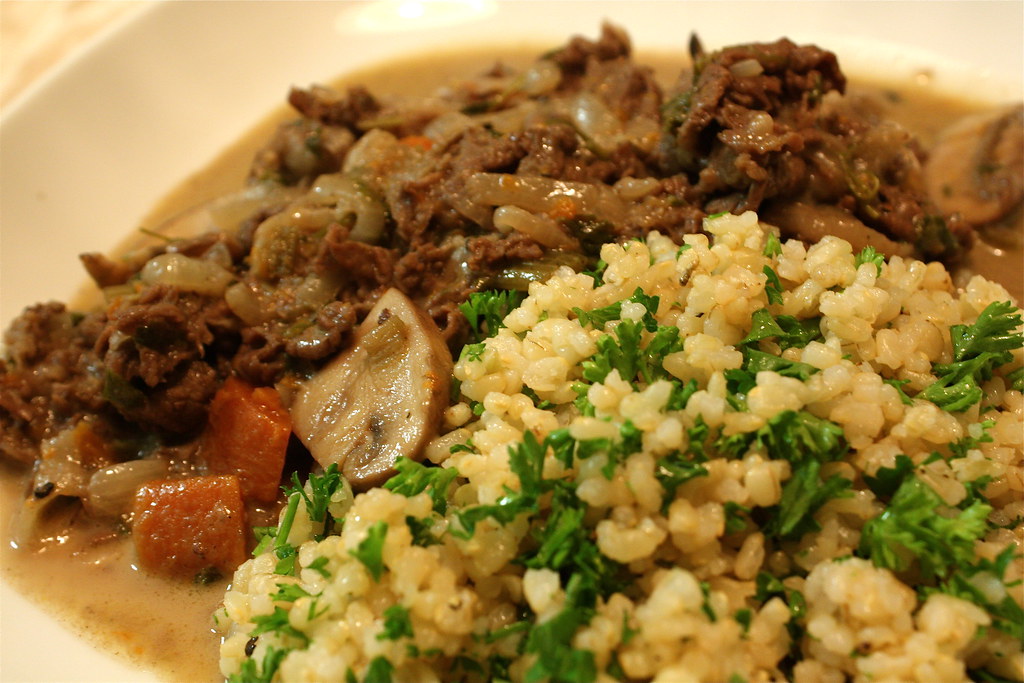
Jovina cooks Russian: Beef Stroganoff

Beef Stroganoff
Serves 4 (or servings for 2 in parenthesis)
Ingredients
1 (1/2) pound filet mignon or mignon tips (cut into 2 inches long and 1/4 inch wide)
3 ( 1 1/2) tablespoons butter
1 ( 1/2) sweet onion, finely chopped
1/2 ( 1/4) cup beef broth
1 (1/2) tablespoons Dijon mustard
1/4 ( 2 T) cup heavy cream
1/2 ( 1/4) cup sour cream
2 ( 1 ) teaspoons flour
2 (1) tablespoons minced fresh dill
2 (1) tablespoons minced parsley
Salt and freshly grounded black pepper

Directions

Heat a large non-stick skillet over high heat and sear meat on all sides, for about a minute. Work in small batches so the meat does not give off any liquid. Remove to a plate.

Add the butter and onions and saute until tender.

Blend broth, flour, mustard, heavy cream, and sour cream together. Lower heat, add the liquid mixture, and simmer, without boiling until sauce thickens about 5 minutes.
Return meat to the sauce and heat, without boiling until meat is warmed through. Season to taste with salt and pepper; stir in dill and parsley.

Beef Stroganoff is traditionally served with noodles. Rice  is also used and low carbers can make cauliflower rice as an option.

BMJ: Children with type one diabetes do just as well with jags as pumps

 BMJ 13 April 19

Pumps versus Multiple Daily Injections

Across various centres in England and Wales, 294 new onset type one diabetes patients were randomised to receive either pumps or MDI from the very start after diagnosis. The age range was just 7 months to 15 years. There were 144 in the pump group and 147 in the MDI group.

At one year the average HbA1c was around 60 (7.6%) for both groups. There were 14 serious events such as diabetic ketoacidosis or severe hypoglycaemia in the pump group and 8 such events in the MDI group.

It cost £1,863 more to treat the pump group but they had no better outcomes or improvement in quality of life compared to the MDI group. Indeed adverse events were a bit more common in the pump group even though there were fewer of them.

My comment: Looks like they were not advised about low carb diets given the relatively high HbA1Cs at a time that the honeymoon phase can be protective.

BMJ 16 Feb 19

Type one children performed just as well as their schoolmates in exams

Although both high and low blood sugar can affect concentration and memory and cognitive function, Danish researchers found that in national exams, type one children performed just as well as other children.

Enterovirus may act as a trigger for Coeliac Disease

Norwegian researchers looked at infection with adenoviruses and enteroviruses in childhood and later diagnosis of coeliac disease.

They tested children who were already at risk due to a particular genotype. They were recruited between 2001 and 2007 and were followed up till 2016.

They found that infection with enteroviruses but not adenoviruses were associated with higher onset of coeliac later on.

My comment: Enterovirus infection has been associated with the onset of type one diabetes too. People with type one are also more likely to develop coeliac. There could be common genetic susceptibility and environmental triggers.