Nina’s plea: Would you write to Congress and change USA food guidelines?

This is a message from Nina Teicholz, writer and low carb activist:

My highest concern about the existing USA Food Guidelines is for the people who have no choice but to eat the food that they are given, which is based on what is thought of as “a healthy diet”. There are many essentially ‘captive’ populations in schools, hospitals, and prisons. Many of these people are the most disadvantaged among us. Native Americans on reservations have no choice about the food assistance they receive.

I’ve spoken with the Native American woman who for years has been trying to change the USDA food they get, and she cannot get even the tiniest change. They desperately need the food, yet it’s more than 50% carbs, and something like 40% of the kids on these reservations have diabetes.

The same is true for poor people, education programs, and feeding programs for the elderly. These people have no choice.  No other food  is given to them. Many doctors also say they have no choice, because  they are required to teach the guidelines to patients. It is the same thing in most federally funded institutions.

Thus, my hope is, if we have to have Guidelines for the time being, that they do as little harm as possible. The Guideline is coming up for review, but the committee have already decided not to review the evidence on low carb diet studies.  We are seeking to change this, and there is already some support for our position, that these studies should be included in the evaluation. Could we get in a low-carb option? Could we force them to consider all the science on saturated fats? This next set of Guidelines will come out by the end of this year, and I think there is still time to try to force change. Our actions now would build awareness around the issue that there is something wrong with the Guidelines. There is so little awareness of the problems. And actually I’m hopeful,  because in the last few months, we’ve worked with a number of groups to raise awareness to a level it’s never been before.

Here’s what I would suggest for now.
Both my group, The Nutrition Coalition and the group Low-carb Action Network,  have webpages that make it very easy for you (if American) to write/call your Members of Congress. This is super important and I urge everyone to do this. USDA is not budging. Congress is really the only body of power interested in change, and they need to hear from people. So I would urge everyone to contact their members of Congress. It can take just a few min.

Thank you,

Nina

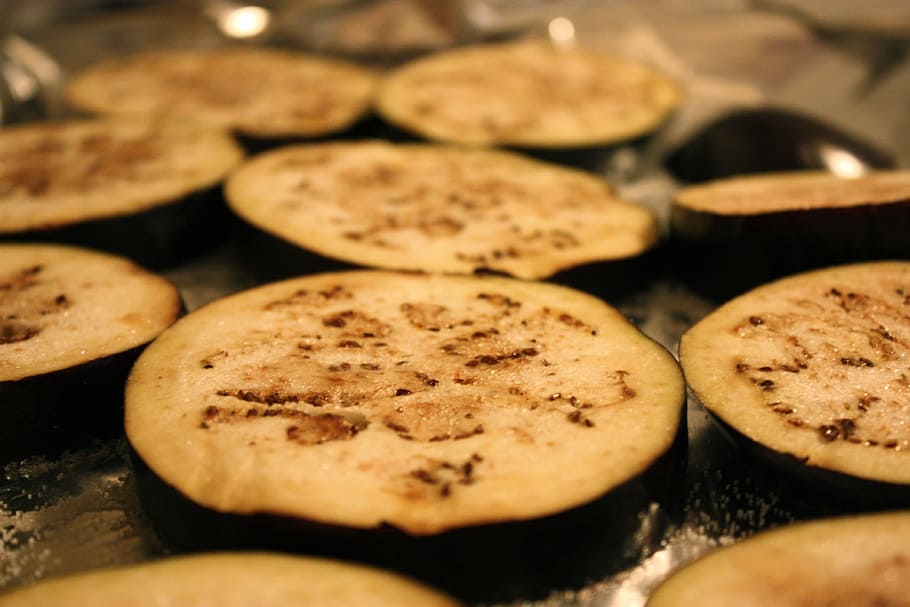
My comment: If the USDA food guidelines are changed, it would make it so much easier for the UK to follow. The photograph shows the breakfast given to a diabetic patient in a US hospital who had just had a heart attack. The UK also dishes out abysmal food to its patients. Wouldn’t it be great if they had a low carb option?

HRT risks need to balanced with benefits

Adapted from Editorial BMJ 19 October 19 by Janice Rymer et al.

In the UK most women go through the menopause aged between 45 and 55. About half of them will get symptoms such as flushes, sweats, low mood, anxiety, joint and muscle pain, vaginal dryness, reduced sex drive, and hip fractures in later life. Hormone replacement therapy can turn these symptoms around.

Women’s health specialists are concerned that a meta-analysis published in the Lancet does not evenly show the benefits of HRT compared to the risks and think that the NICE guidance in 2015 looked more comprehensively at all the available evidence. They don’t want either women or doctors to stop HRT unnecessarily.

The Lancet showed that in the UK one in 16 women who have never taken HRT will develop breast cancer between the ages of 50 and 69.  If a woman of normal body mass index (under 25) starts HRT in her 40s or 50s the additional risk of getting breast cancer is one in 200 for oestrogen only HRT, one in 70 for daily oestrogen and progestogen for part of the month, and one in 50 for preparations with a mix of oestrogen and progesterone daily.  But body weight and alcohol have a greater effect on getting breast cancer than HRT. For instance, being overweight or obese will increase the rate of breast cancer six times compared to combined HRT.

The Lancet study looked at how many cases of breast cancer started but did not look at the mortality rate. A recent systematic review did. This showed that if a woman started HRT close to the menopause there was an apparent reduction in all cause mortality and cardiac death with no evidence of an increase in deaths from breast cancer.

The womens’ health specialists are concerned that the bone benefits and cardiac benefits, especially for women going through an early menopause, will be ignored if undue weight is put on the small increase in breast cancer diagnosis, over the symptomatic benefits and improvement in total mortality.

BMJ 2019;367:15928


Paleo Canteen recipe book

Ally and John are Scottish chefs who have a van in Glasgow from which they sell reasonably priced, interesting, low carb fare.

Paleo canteen recipe

They are releasing their first recipe book in the next few weeks and you can get  a sample version of the book  here:

bit.ly/cooklowcarb

paleo canteen

They both have extensive educational backgrounds, having both studied for PhDs before leaving physics and philosophy behind them,  to take up chef’s whites and knives.  Both have worked across a range of cooking genres at excellent restaurants such as Ottolenghi’s in London  and Rogano’s in Glasgow.

Their full book includes meat, particularly moderately priced meats, poultry and fish, vegetables, soups, salads, sauces and desserts. They are aware that low carbing has a reputation for being pricey and they want to make delicious meals with the five star touch accessible to all.


Don’t rush to hospital with a burn

It’s now barbeque season, and with this in mind, new research has shown that the best first aid for a burn is to run cool water over the affected skin for at least 20 minutes.This should be started as soon as possible after the event.

In a study of 2,500 children, those given the full 20 minutes treatment were less likely to need hospital admission and half as likely to need a skin graft.


My comment: In my childhood my mother put butter on burns. Don’t do this! It does not work. The area that I notice most people have burns is on their wrists on the thumb side. This is from removing hot dishes from the oven and brushing their arm against the hot door or oven sides. Of course you are carrying a hot, full dish of food, so can’t pull back as fast as you would like. Although many of us then run our arms under a tap, it would be a good idea to do this for longer than it takes for the immediate pain to subside. You can also use oven gauntlets in preference to gloves or folded up tea towels as these are longer in the arm. 

BMJ 2019; 367:1572

Emma Porter: Cheesy bread pizza base

Emma has more recipes at http://www.thelowcarbkitchen.co.uk and is the co-author with Dr David Cavans of “Type 2 Diabetes Low Carb Recipes” which is available at bookshops and Amazon.

As promised this is Emma’s recipe for a cheesy bread recipe that can be eaten on its own or used as a pizza base. You can watch her make this on the PHC conference 2020 on You tube.  The recipe is at the end of the video and also here.

Ingredients:

180g grated mozzarella (150g for the dough and 30g to put on the top at the end)

3 garlic cloves

75g ground almonds

3 tablespoons Greek Yoghurt

Some fresh parsley

one teaspoon garlic powder (optional)

olive oil

salt

butter

one teaspoon baking powder

 Method: 

Preheat your oven to 180 degrees

Fry the finely chopped garlic cloves in olive oil.

Then add the 150g mozzarella gradually to melt it a bit.

Take it off the heat and start making your dough.

Add a little salt, 3/4 of the parsley, yoghurt, one teaspoon garlic powder (optional for more garlicky tasting base) and  baking powder. Mix thoroughly.

Now add in your almonds, and beaten egg and form the dough.

Form a ball then roll this out on a sheet of greaseproof paper or baking parchment or silicone liner.

Form into a rectangle, oval or circle according to your plans.

Bake for only 5 minutes.

Now take out and add the rest of the cheese and parsley for the cheesy bread.

If this is your aim put it back in the oven for another 5 minutes. Then take it out and eat.

If you would like to make a pizza,  don’t add the extra cheese topping after 5 minutes. Keep the dough in the oven for the full ten minutes. Once it is fully cooked, add the toppings such as cheese, THEN passata or tomato puree, more  cheese and then whatever you fancy/have available such as  mushrooms, ham, prawns, or peppers and then put it back in the oven for 5 minutes. Passata directly on the base can make the pizza a bit soggy in the middle.

You are then ready for your pizza or cheesy bread.


Public Health Collaboration conference online a great success

The Public Health collaboration online conference 2020  was very successful.  The videos are available on You Tube for free making the conference even more accessible for everyone who needs advice on what to eat to stay healthy.

If you are able to contribute to the PHC fund to keep up our good work please do so. Sam Feltham has suggested £2.00.  This is via the PHC site.

This year there were contributions from mainly the UK but also the USA.

Visitors to this site will be very pleased to know that keeping your weight in the normal range, keeping your blood sugars tightly controlled, keeping your vitamin D levels up, and keeping fit from activity and exercise, are all important factors in having a good result if you are unfortunate enough to be affected by Covid-19. We have been promoting these factors in our book and website for several years now, mainly with the view to making life more enjoyable, especially for people with diabetes, now and in the future. The reduction in the severity  to the effects of   coronavirus is a side effect of these healthy living practices.

Several talks went into the factors and reasons for this, but in a nutshell, if you are in a pro-inflammatory state already, you will have a much more pronounced cytokine inflammatory response to the virus than is useful for clearing the virus, and you end up with inflammed lung tissue which leaks fluid thereby impairing your blood oxygen levels.

A talk that I found particularly apt was the talk from a GP who had had a heart attack at the age of 44 despite a lack of risk factors except for massive stress. He gives a list of self care practices that helped him. I would also include playing with your animals. Emma and I are cat lovers and can vouch for this!

My talk is about VR Fitness, which was the only talk this year which was specifically exercise related. The Oculus Quest has only been out a year and has been sold out since shortly after New Year. I was fortunate enough to buy one in anticipation of my imminent retirement, and it has been great as an exercise tool over the long, cold, dark winter and more useful than I had ever anticipated over the lockdown as a social tool.

There were several very professional cooking and baking demonstrations on the conference this year, and indeed, this could not have otherwise happened on a traditional stage format.  We had low carb “rice”, bread, pancakes and pizza demonstrations which may well help you if you prefer to see how it is done step by step or if you want to broaden your repertoire.

I was particularly taken with the pizza base idea from Emma Porter and I will follow up with this in a later post.  The whole video is available from the PHC  site which takes you to all the videos on You Tube.


Self caring during illness

Adapted from online presentation by Beverly Bostock ANP 7 May 2020

If you have diabetes you are more at risk of serious complications from Covid-19 and should seek medical advice early in the illness.

Any febrile illness can raise your blood sugars, including the prodromal phase when you don’t otherwise have symptoms. Once you are aware that you are coming down with something there are some useful ways of remembering how to monitor yourself.

Particularly for insulin users:

S – SUGAR – check your blood sugar more frequently than usual. For instance, if you would normally check your blood sugar every 5 hours during the day, double this to every 2.5 hours.

I – INSULIN – Adjust your insulin according to your blood sugars to keep within your target blood sugar level.

C – CARBOHYDRATE – If your blood sugar is low eat or drink more glucose or sugar/starch food items. If your blood sugar is high, drink plain water or more diet drinks.

K – KETONES – Use blood ketone stix or urine ketone stix to monitor your ketones if you are a type one diabetic every 4 hours or so. This is particularly important if you feel very ill, are nauseated, vomiting or have abdominal pain. If your ketones are high consider extra insulin, keep well hydrated and alert medical staff sooner rather than later.

Particularly for type twos:

It is important to keep well hydrated when you experience any illness but particularly an illness where you are febrile, or have  vomiting, limited oral intake, or severe diarrhea.

Some drugs can worsen your response to dehydrating illness and you may need to seek advice from a doctor, nurse or pharmacist about stopping certain drugs and when it is appropriate to restart them.

You can remember what they are with the mnemonic: SADMAN

SGLT2 inhibitors, ACE inhibitors, Diuretics, Metformin, ARBs, and Non- steroidal anti-inflammatory drugs.


Over eating and drinking is causing liver damage in one in five young adults

Adapted from Abeysekera KWM et al. Prevalence of steatosis and fibrosis in young adults in the UK: a population based study. Lancet Gastroenterology and Hepatology. 2020 Jan 15.

A new study highlights just how common liver disease is becoming in young adults in the UK. One in five had fatty liver, known as steatosis. One in 40 had fibrosis, also known as cirrhosis. And the average age was only 24.  These results show how harmful unhealthy eating and drinking habits can be.

Subjects for the study were recruited through the Avon Longitudinal Study of Parents and Children. Transient elastography and controlled attenuation parameter scores were used for assessment of steatosis and fibrosis.

Steatosis was found in 20.7% of the participants and this was severe in 10% of those affected. Being overweight or obese was the main factor for causing this after adjusting for alcohol intake, social class and smoking.

Fibrosis was reported in 2.7% of the participants. This risk was significantly higher in those who also had an alcohol problem or addiction and already had steatosis after adjusting for smoking and social class.

The authors conclude that the obesity epidemic is affecting the current and future health of young adults by increasing their risk of non alcoholic steatohepatitis related cirrhosis, hepatocellular carcinoma, and complications of metabolic syndrome.


Metformin reduces oesophageal cancer

Adapted from Wang QL et al. American Journal of Gastroenterology 1st January 2020

Metformin users were at a lower risk of developing oesophageal squamous carcinoma than non metformin users.

A growing number of observational studies have shown that metformin reduces overall cancer risk and a few specific cancer types such as colon, rectal, breast and stomach.

A population based cohort study included over 400,000 metformin and an equal number of non metformin users who were matched by age and sex.

There were 3.5 cases of oesophageal cancer in the metformin group per 100,000 person/years and 5.3 in the non metformin group. This finding was true for men, women and those in their sixties.  The odds ratio was 0.68 for metformin use.