
BMJ: Diabetic ketoacidosis is the biggest threat to type ones


drip.jpg

Adapted from BMJ Minerva 23 Sept 17 and BMJ Learning Module Clinical Pointers in Diabetic Emergencies Oct 17

Type ones under the age of 30 have a mortality rate three times that of their non- diabetic friends.
This rather shocking statistic was discovered by Welsh paediatricians who have been tracking their children with diabetes since 1995. Furthermore the death rate has not gone down over all this time despite improvements in monitoring and therapy. Ketoacidosis is the leading cause of death. Although microvascular and to a lesser extent macrovascular complications can occur, they do not affect mortality rates in this age group.
Out of a hundred or so type one adult diabetics approximately 3 or 4 will develop diabetic ketoacidosis each year. Currently 3-5% will die. Not all deaths will occur in hospital because not everyone is identified as having ketoacidosis prior to death. Recognition by relatives, friends, police and medical professionals would be an important factor to improve transfer to hospital.
Ketoacidosis is also be the presenting sign of diabetes in 6% of the total number of ketoacidosis patients. It may have been precipitated by a viral infection and can be confused by a variety of illnesses such as gastroenteritis, flu and alcohol intoxication and withdrawal.
Assuming a person can be recognised as ill and needing hospital assessment, recognition of DKA is improved by always checking a blood glucose in an acutely ill person in the A and E department.
If levels of glucose are high, and the characteristic symptoms are present eg dehydrated looking, tired, nausea, vomiting, abdominal discomfort and breathing rapidly, then the diagnosis can be further explored by checking the blood electrolytes.
The immediate treatment is re-hydration with a litre of normal saline and the administration of intravenous or subcutaneous insulin usually 0.1 u of insulin per kilogram body weight. As the potassium level can be affected, particularly a tendency to go too low after treatment has started to work, this needs monitored every hour or two. The problem is that irregularities of the heart beat can occur if the potassium level is not adjusted correctly.
It can be seen that management of DKA in the established case is tricky and time consuming. Therefore it is wise to seek medical advice while you or the one you are concerned about, is still relatively well and can for instance still tolerate oral fluids and give a coherent history.
Early recognition and treatment is the key to a good outcome in DKA.



Is there a new “magic bullet” for type two diabetes?

SLGT-2 Inhibitors Gaining Traction as a Class in Preventing Cardiovascular Consequences
April 15th, 2017 Diabetes in Control

Chest pain

Are we experiencing the next “magic bullet” in type 2 diabetes?
Cardiovascular mortality has long been established as the primary cause of death in patients with type 2 diabetes (T2D).

Cardiovascular effects of oral antidiabetic medications came to the forefront in 2007 with the landmark article in the New England Journal of Medicine, written by Dr. Steven Nissen.  In this publication, Dr. Nissen showed a strong association between use of rosiglitazone and increased incidence of cardiovascular complications and deaths.  In the years following, the FDA placed strong restrictions on the prescribing of rosiglitazone, sharply decreasing the market for Avandia.  Subsequent studies showed no correlation between the use of thiazolidinediones and adverse cardiovascular events, causing the FDA to reverse its stance on Avandia.  This class of agents was of particular interest because it was among the first of the oral agents that did not display the hypoglycemia seen with the sulfonylureas.  More importantly, this event caused the FDA to re-examine its approval process, and enforce that cardiovascular studies be done in all new drug presentation trials.
Until recently, there were no groundbreaking studies that suggested any class of oral hypoglycemic could significantly reduce CV risks associated with diabetes.  In January 2016, the European Heart Journal reported the results of EMPA-REG OUTCOME, a randomized placebo-controlled trial with over 7,000 subjects looked at empagliflozin, a sodium-glucose cotransporter 2 (SGLT-2) inhibitor, which works by reducing glucose reabsorption at the renal tubule, thereby increasing glucose excretion. While a known effect is the reduction of hyperglycemia in T2D, there is also an increase in diuresis, weight loss, and reduction in blood pressure without associated tachycardia.  EMPA-REG OUTCOME showed that patients who received empagliflozin demonstrated significant declines in heart failure hospitalizations and cardiovascular deaths, without a rise in adverse effects, regardless of baseline heart failure state.  Based on these findings, Eli Lilly, the manufacturer of the Jardiance® brand of empagliflozin, saw a significant increase in their stock value, as their product was given preference over other available SGLT-2 inhibitors.
Earlier this month, the American College of Cardiology held the ACC.17, where the results of the CVD-REAL study were released .  CVD-REAL was a meta-analysis looking at over 364,000 patients from 6 different countries (United States, United Kingdom, Germany, Norway, Sweden, and Denmark), with T2D. Subjects were receiving either a SGLT-2 inhibitor or another glucose-lowering drug (oGLD) with even distribution across both arms in all six countries.  Of the patients studied, 3% had baseline heart failure, 13% had baseline cardiovascular disease, and 27% had baseline microvascular disease. The primary endpoint was hospitalization for heart failure, which showed a reduction strongly favoring the SGLT-2 inhibitors (hazard ratio [HR] 0.61; p < 0.001).  The secondary endpoints of all-cause mortality also favored the SGLT-2 inhibitors (HR, 0.49; p<0.001), as did heart failure hospitalizations and all-cause deaths in total (HR, 0.54; p<0.001).
Of important significance is the lack of population heterogeneity across the different countries, which suggests that the positive effects seen can be associated with the entire class of SGLT-2 inhibitors (which include dapagliflozin [Farxiga®] and canagliflozin [Invokana®]), and not just empagliflozin.

The investigators in CVD-REAL have come forth and stated that their findings do indeed line up with those from EMPA-REG OUTCOME.  The significance of this is there now exists an open market for SGLT-2 inhibitors, and that these once very costly medications may experience considerable cost reduction across the class, giving patients more affordable options.
As David Kliff, publisher of Diabetic Investor, recently stated, Dr. Nissen has received plenty of negative feedback from the community for his claims against rosiglitazone.  However, because of his initial findings and subsequent correction, the FDA has re-established its approach to the approval process for treatments of type 2 diabetes to include necessary studies of cardiovascular outcomes, much to the benefit of our patients, and that’s certainly a good thing.
Practice Pearls:
The significance of the fall and rise of rosiglitazone has had a tremendous impact on how type 2 diabetes treatments are evaluated.
EMPA-REG OUTCOME has demonstrated considerable positive effects on cardiovascular outcomes in T2D patients receiving empagliflozin, an SGLT-2 inhibitor.
The recent CVD-REAL study has strengthened the notion that all SGLT-2 inhibitors significantly reduce hospitalizations due to heart failure, as well as displaying a decline in cardiovascular deaths in the T2D population.
References:
Nissen SE, Wolski K. Effect of rosiglitazone on the risk of myocardial infarction and death from cardiovascular causes. N Engl J Med. 2007;356(24):2457-71.
FDA website. FDA significantly restricts access to the diabetes drug Avandia. Press release, September 23, 2010. http://www.fda.gov/ NewsEvents/Newsroom/PressAnnouncements/ ucm226975.htm Accessed March 24, 2017.  
FDA website. FDA panel votes narrowly to modify Avandia restrictions, June 6, 2013. http://www.reuters.com/
American College of Cardiology Website. CVD-REAL Study: Lower Rates of Hospitalization For HF in New Users of SGLT-2 Inhibitors, March 19, 2017. http://www.acc.org/latest-in-cardiology/articles/2017/03/13/17/58/sun-2pm-cvd-real-study-lower-rates-of-hospitalization-for-hf-in-new-users-of-sglt-2-inhibitors-vs-other-glucose-lowering-drugs-acc-2017#sthash.4dPCw3Zu.dpuf.

Mark T. Lawrence, RPh,PharmD Candidate, University of Colorado-Denver, School of Pharmacy NTPD

BMJ: Continuous glucose monitoring in pregnant women halves adverse birth effects

Freestyle libre

Adapted from the BMJ article by Susan Mayor 23 Sept 17

A study has shown beneficial effects in type one pregnant patients. One in two babies born to such women have complications such as prematurity, stillbirth, congenital anomalies, and being too big. These are due to high blood sugar levels in the womb and there has been no reduction in these in the last 40 years.
Denise Feig, the author of the study, based at the University of Toronto, says, “Keeping blood sugar levels in the normal range during pregnancy for women with type one diabetes is crucial to reduce risks for the mother and child. As insulin sensitivity varies through the pregnancy adjusting insulin accurately is complex. Since our results have come through we think that continuous blood sugar monitoring should be available to all type one women.”
In the international study 325 women who were planning a pregnancy or pregnant took part. Two thirds were randomised to get the monitors and the rest had standard treatment. Large newborns were halved and so was neonatal intensive care admissions and hypoglycaemia. Women had a small but significant reduction in HbA1c. They had more time in the normal blood sugar range and hypoglycaemia was not increased.
The extra cost of the monitors could be offset to some extent by the reduced cost of medical care after the birth.

Lifestyle changes add up to a longer life

Adapted from an article by James Hamilton in the Herald 14th October 2017

If you want to improve your life expectancy you can do the sums and see just how much extra time you can have according to Scottish researcher Dr Peter Joshi.
Obesity levels are now three times more than in the 1980s. At that time six percent of men and eight percent of women were affected. This has spurred an Edinburgh team to look into the genes affecting longevity in families and the lifestyle factors that affect life span in individuals. The old nature/ nurture debate again. Overall 600,000 people were tested and their family histories explored.
When it comes to longevity the balance comes down much more to lifestyle than your genes.
Educate yourself: add a year to every year educating yourself beyond school. That’s really like going to university for free. You get the time back at the other end!

Graduated!.jpg
Get slim: add a year for every surplus stone you lose. Diabetes complications is the main factor in causing the reduced life expectancy.
Stop smoking or don’t start: add seven years to your life if you don’t smoke those 20 cigarettes a day.
Praise the parents: some people have a gene that improves their immune function giving an extra six months life expectancy.
Blame the parents: Addiction to drugs and alcohol are somewhat genetically based.
Blame the parents (again): A gene that affects cholesterol reduces lifespan by about eight months.

The full report is the journal Nature Communications.

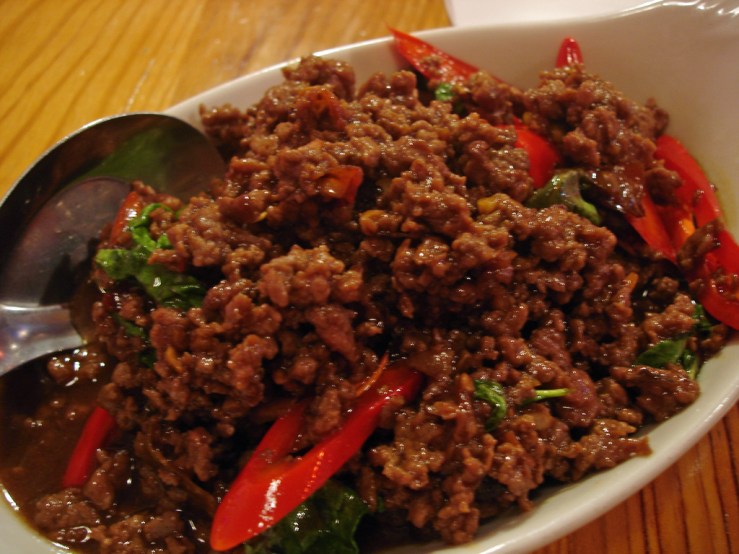
Fit to serve: Chilli beef

Easy Low Carb Keto Chili
by fittoservegroup

chilli mince
I’m not one to normally brag, but my chili recipe is a little famous around these parts. Well, at least with my family and friends that is. Yeah, that kind of sounded like a major brag. But here’s the thing, my chili recipe was often requested long before I ever became a food blogger. It’s not only delicious but easily customizable.
Let’s be frank there are a lot of fantastic chili recipes out there. I believe mine became popular because I didn’t skimp on the spices. I like my chili bold and chunky. If that’s not you, you can certainly reduce the spices.
My original recipe called for kidney beans and although I still add them on occasion, it raises the carb and may be something you can individualise.
Ingredients
1 pound of lean ground beef
2 cloves garlic crushed
1 medium onion roughly chopped
28 oz can crushed tomato
1 cup of chopped cherry tomatoes
1 cup of water
1 ½ teaspoons of sea salt
2 tablespoons of chili powder
½ tsp ground cayenne pepper
1 tablespoon of cumin powder
1 teaspoon of garlic powder
2 teaspoons of onion powder
Instructions
1. In a large sauce pan, brown the ground beef, onion and crushed garlic.
2. Allow the meat to fully brown before adding the rest of the ingredients and cook at low simmer for at least an hour. Can be cooked for less time but the flavors really blend better if allowed to cook slowly.
3. Finish your cooked chili with your favorite low carb toppings. We used pickled jalapenos, raw onion, sour cream and green onions.


Fiasp: newer faster acting rapid insulin is here

Fiasp 2
Adapted from Diabetes Digest supplement volume 16 No 2 2017 by Dr Lalantha Leelarantha Consultant diabetologist Manchester Royal Infirmary
Fast acting insulin aspart, Fiasp, is a new formulation of Novorapid, in which niacinamide and l-arginine have been added to enhance absorption and stability. This produces a faster onset of action more similar to what happens in non- diabetic people in response to food.

Compared to conventional insulin aspart, the new formulation appears twice as fast in the blood stream, produces twice the insulin in the first 30 minutes resulting in twice the insulin action during this period of time. Results are even better when delivered in a pump when more than double the insulin action is achieved.
There have now been several double blind randomised controlled trials done. As part of multiple daily injection therapy, the use of the new insulin, has resulted in lower post prandial blood sugars and a statistically significant drop in HbA1c. Other studies have shown that the new insulin works in pumps and that better post prandial blood sugars result compared to standard insulin.
Researchers think that use of Fiasp in closed loop systems will improve blood sugars even more.
Fiasp is available in a Flex-Touch pre-filled pen and this is cheaper than the IASp Flex Touch pre-filled pen. The penfill version is the same cost as the usual Novorapid. (NB the penfill is still cheaper than the disposable pens but requires a separate prescription for the pen)
The product data states that the new insulin should be injected 2 minutes before the meal to 20 minutes after the meal is started. It can be used in pumps. It has not been tested in the under 18 age group. Hypos can occur, as with any insulin, but can occur quicker after injection due to its rapid onset. It has been used successfully in diabetic pregnancies and during breastfeeding.
Five disposable pens cost £30.60 and five penfill cartridges cost £28.31.


Fit to serve: Mexican hot chocolate cookies

Best Low Carb Mexican Hot Chocolate Cookies
by fittoservegroup

chilli

Hola amigos! Today, I thought I would share my Low Carb Mexican Hot Chocolate Cookies. If you enjoy chocolate and spices you’re going to love this cookie. I had been toying with the idea of a low carb cookie that reminds us of Mexican hot chocolate. If you are not familiar with Mexican hot chocolate, the addition of cinnamon and cayenne pepper give a regular hot chocolate a major taste boost.
The funny thing is that here in Miami the weather is starting to get warmer and frankly hot chocolate is not on most of our minds. However, we can still enjoy this flavor profile in a delicious low carb keto friendly cookie. What’s neat about adding cinnamon and cayenne pepper to this cookie is that these two spices are known to raise your metabolism. If that’s not a reason to enjoy this cookie, I don’t know what is.
This recipe will produce a very rich chocolate cookie and you can add less spices or leave them out completely if you are not a fan of spicy foods.

Low Carb Mexican Hot Chocolate Cookies
INGREDIENTS
8 ounces of unsweetened chocolate baking squares
4 ounces of sugar free chocolate chips (1/2 cup) (I use Lily’s Stevia sweetened)
½ cup of butter (1 stick)
4 eggs whole eggs
1 teaspoon of vanilla extract
2 teaspoon baking powder
¼ sea salt
2 teaspoons of cinnamon powder
¼ teaspoon of ground cayenne pepper
¼ teaspoon of black pepper
1 1/4 cup of almond flour finely milled
2 cup sugar substitute (I use Swerve)
INSTRUCTIONS
1. Pre-heat oven to 325 degrees and line your cookie sheet with parchment paper or lightly grease your pan.
2. Melt the 8 ounces unsweetened chocolate baking squares and 4 ounces (1/2 cup) of sugar-free chocolate chips with the ½ cup of butter until fully melted and combined on low heat in a double boiler.
3. In a separate bowl mix the almond flour, baking powder, sea salt, and spices and set aside.
4. Now to the cooled chocolate and butter mixture add the 4 eggs, vanilla, sugar substitute and mix well.
5. To this batter add the dry ingredients in the separate bowl and stir until just combined.
6. Fold into the batter the 3/4 cup of sugar-free chocolate chips until combined.
7. Place spoonfuls of the chilled dough on the parchment lined cookie sheets and bake for about 10 minutes. Note: Don’t over bake this cookie to make sure it has the right consistency of chewy inside and crispy outside.
Recipe makes 2 dozen cookies

Jovina: Salsa with a kick

green chillies.jpg

Homemade Salsa

Ingredients

One 26 oz container Pomi chopped tomatoes
1/4 cup finely chopped red onion
2 tablespoons chopped pickled jalapenos
1 garlic clove, minced
1 teaspoon salt
1 teaspoon agave
1/4 teaspoon coriander
1/2 teaspoon chili powder
1/4 teaspoon cumin
1 teaspoon lime juice
A few dashes chipotle Tabasco sauce

Directions

Mix together and chill.

Which medicines work most effectively for diabetic neuropathy?

What treatments can improve pain and quality of life?

This comprehensive report was first published in April 2017 by Diabetes in Control and discusses what old and new medicines work for diabetic neuropathy and importantly which ones don’t.

Pharmaceutical Products and Drugs
Diabetic neuropathy is a nerve disorder that the National Institute of Diabetes and Digestive and Kidney disease estimates affects about 60 to 70% of diabetic patients in some form, with the highest rates of neuropathy occurring in patients who have had diabetes for over 25 years.

Although diabetic neuropathy can affect almost any organ in the body, the most common type of diabetic neuropathy is peripheral neuropathy. Peripheral neuropathy, which is often worse at night, results in tingling, numbness, and pain occurring in the hands, arms, fingers, legs, feet, and toes.

The best way to prevent diabetic neuropathy is keeping glucose under control and maintaining a healthy weight, but for those who experience this painful condition, finding the best relief can often be difficult and confusing.
Building upon a previously published study from 2014, a new systemic review was conducted to “systemically assess the effect of pharmacological treatments of diabetic peripheral neuropathy (DPN) on pain and quality of life” plus a search of PubMed and Cochrane Database of systemic reviews (reviews from 2011 – March 2016).
A total of 106 randomized controlled trials were used in the final systemic review, including trials analyzed by the previously published study. Only two medications, duloxetine and venlafaxine, had a moderate strength of evidence (SOE) compared to the low strength of evidence found with the remaining 12 study medications. As a class, serotonin-norepinephrine reuptake inhibitors (SNRIs) was found to be an effective treatment for diabetic neuropathy with the most commonly reported adverse effects of dizziness, nausea, and somnolence. Venlafaxine and tricyclic antidepressants were also determine to be effective at relieving pain compared to placebo using the previous analysis’ data.

Pregabalin was determined to be effective at reducing pain compared to placebo but found to have a low SOE due to the inclusion of four unpublished studies causing potential bias. Pregabalin, as well as the other anticonvulsants included, had adverse effects of dizziness, nausea, and somnolence.

Oxcarbazepine was also found to be an effective neuropathy pain reliever compared to placebo.
Atypical opioids have a dual mechanism of action, norepinephrine reuptake inhibition and mu antagonism, which aids in a class wide effective pain relief compared to placebo, and more specifically tramadol and tapentadol were found to be effective vs placebo. The most common adverse effects reported for opioids were constipation, somnolence, and nausea.

The last medication that was determined to be an effective pain reliever of diabetic neuropathy compared to placebo was botulinum toxin

Gabapentin, using five randomized controlled trials, was determined at two different doses to be ineffective at treating pain when compared to placebo. Other agents that were determined to be ineffective treatments for diabetic neuropathy were typical opioids (oxycodone), topical capsaicin 0.075%, dextromethorphan, and mexiletine.

Practice Pearls:
Pregabalin, oxcarbazepine, and tapentadol have shown to be effective vs placebo at relieving pain due to diabetic neuropathy and are also FDA approved for this indication.
Serotonin-norepinephrine reuptake inhibitors may be a good choice for relief of diabetic neuropathy pain and have the additional benefit of relieving depression that is commonly associated with diabetic neuropathy
Additional studies are needed to assess long-term pain relief effectiveness.

References:
“Nerve Damage (Diabetic Neuropathies) | NIDDK.” National Institutes of Health. U.S. Department of Health and Human Services. Web 05 April 2017
Julie M. Waldfogel, Suzanne Amato Nesbit, Sydney M. Dy, Ritu Sharma, Allen Zhang, Lisa M. Wilson, Wendy L. Bennett, Hsin-Chieh Yeh, Yohalakshmi Chelladurai, Dorianne Feldman, Karen A. Robinson. “Pharmacotherapy for diabetic peripheral neuropathy pain and quality of life”. Neurology, 2017; 10.1212/WNL.0000000000003882 DOI: 10.1212/WNL.0000000000003882
 
Mark T. Lawrence, RPh, PharmD Candidate, University of Colorado-Denver, School of Pharmacy NTPD


Jovina cooks Italian: Carrot Cake

carrots-basket-vegetables-market-37641.jpeg
Italian Almond Carrot Cake (Torta di Carote)
This cake is gluten-free and made with olive oil. It is not your traditional American carrot cake.
You can also buy the carrots shredded from the supermarket.
Ingredients
Carrot cake
1/2 cup regular olive oil, not extra-virgin
1/4 cup pine nuts
3 cups shredded carrots
1/2 cup granulated sugar substitute
1 teaspoon vanilla extract
3 eggs
2 1/2 cups almond meal/flour
1/2 teaspoon ground nutmeg
1 lemon, zest finely grated and juiced
Mascarpone cream
1 cup mascarpone
2 tablespoons rum
Directions
Preheat the oven to 350 degrees F. Line the base of a 9 inch springform pan with a parchment paper cut to fit the bottom. Coat with olive oil spray.

Add the pine nuts to a small dry pan and toast them over low heat.
Grate the carrots in a food processor or with a coarse grater, and put them on a double layer of paper towels. Wrap the towels around the carrots to soak up the excess liquid.
Using the whisk attachment in an electric mixer, combine the sweetener and olive oil until creamy.
Whisk in the vanilla and eggs. Fold in the almond meal/flour, nutmeg, grated carrots, toasted pine nuts the lemon zest and lemon juice.

Scrape the mixture into the prepared cake pan and smooth the surface with a rubber spatula. The batter will be not be very high in the pan.
Bake the cake until the top is risen and golden and a cake tester comes almost clean, about 45 to 50 minutes.
Remove the cake from the oven and let it rest on a rack for 10 minutes before removing the sides. Let cool until ready to serve. Transfer the cake to a serving platter.
Combine the mascarpone and rum in a small bowl. Slice the cake and serve with the mascarpone cream.